

What’s Better: Gas or Electric Mountain Bike? Top Picks for 2026
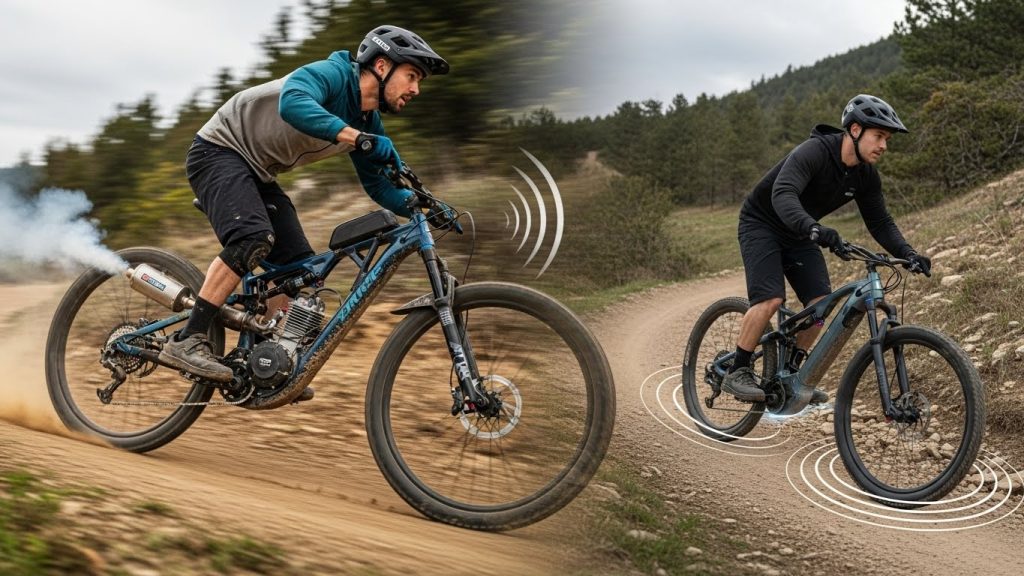
Choosing between a gas and an electric mountain bike is a tough decision. You want power for the trails, but you also care about noise, maintenance, and where you can ride. Making the wrong choice can lead to frustration and limit your adventures. This guide will help you understand the key differences so you can pick the perfect ride. The better choice between a gas and electric mountain bike depends on your priorities. Electric mountain bikes are quieter, more environmentally friendly, and require less maintenance, offering instant torque for climbing. Gas mountain bikes provide higher top speeds and longer range but are noisy, produce emissions, and have more complex maintenance needs. For most riders, especially those who value trail access and a natural riding feel, electric mountain bikes are the superior option. Ready to make a decision? Let’s break it down. 1. What Are the Main Differences Between Gas and Electric Mountain Bikes? The biggest difference is the power source. Gas mountain bikes use a small internal combustion engine that runs on gasoline. Electric mountain bikes, or e-MTBs, use a battery-powered motor that assists your pedaling. This fundamental difference affects everything from performance to maintenance. Gas engines are noisy and produce exhaust fumes. The constant vibration and smell of gasoline can detract from the outdoor experience. Electric motors, in contrast, are nearly silent and produce zero emissions. Here’s the deal… this makes electric bikes much more pleasant to ride. You can enjoy the sounds of nature, have conversations with friends, and ride without disturbing wildlife or other trail users. The lack of noise and fumes creates a more immersive and enjoyable experience in nature. Maintenance needs also vary greatly. Gas engines have many moving parts, like pistons and spark plugs. They require regular oil changes and tune-ups. Electric motors are much simpler. They have fewer moving parts and are virtually maintenance-free. This means less time in the garage and more time on the trail. Weight and its distribution are other key factors. Gas bikes tend to be top-heavy due to the engine and fuel tank, which can make them feel unwieldy in tight corners. Electric bikes have a battery and motor, but this weight is usually centered and low on the frame. This lower center of gravity leads to more balanced and stable handling. A well-balanced bike is easier to control on technical terrain and more confidence-inspiring for the rider. Feature Gas Mountain Bike Electric Mountain Bike Power Source Gasoline Engine Battery-Powered Motor Noise Level Loud Nearly Silent Emissions Yes No Maintenance High (oil, spark plugs) Low (battery, motor) 2. How Do Performance Levels Compare? Performance is where the debate between gas and electric gets interesting. Both types of bikes offer impressive power, but they deliver it in different ways. Gas bikes often have higher top speeds. They can be faster on open fire roads or flat terrain. However, they can be harder to control at low speeds. Electric bikes shine when it comes to torque and acceleration. The best part? The motor provides instant power as soon as you start pedaling. This makes it easier to get up to speed and conquer steep climbs. High-quality e-MTBs, like the Dynamic Bike Electric Mountain Bike Q5, feature powerful motors that can handle tough terrain. The Q5’s 48V/650W motor (peaking at 1000W) provides the torque needed for 25-degree climbs. Range is another important consideration. Gas bikes can typically go farther on a single tank of fuel. You can also carry extra fuel with you. Electric bikes are limited by their battery capacity. However, modern e-MTBs have impressive ranges. The Dynamic Bike Q5 offers up to 90-100 km with pedal-assist, which is more than enough for most trail rides. Power delivery is a key difference. Gas bikes often have a narrow powerband, meaning you need to keep the engine in a specific RPM range for optimal performance. This can result in a jerky, on-or-off power delivery that makes it hard to manage traction on loose or technical trails. Electric bikes offer smooth, proportional power across the entire speed range. The motor assists you based on how hard you pedal, creating a more natural and intuitive riding experience. This makes it easier to tackle tricky sections of trail with confidence. Performance Metric Gas Mountain Bike Electric Mountain Bike Top Speed Generally Higher Lower (regulated) Torque Good Excellent (Instant) Range Longer Shorter (but improving) Power Delivery Can be jerky Smooth and natural 3. What Are the Cost Considerations? Cost is a major factor for any big purchase. When comparing gas and electric mountain bikes, you need to look beyond the initial price tag. You should also consider the long-term costs of ownership. This includes fuel, maintenance, and repairs. Gas mountain bikes often have a lower initial purchase price. You can find entry-level models for less than a comparable electric bike. However, the savings can be quickly offset by ongoing costs. But here’s the thing… you have to constantly buy fuel and oil. You also need to budget for regular engine maintenance. Electric mountain bikes may have a higher upfront cost. However, their operating costs are significantly lower. Electricity is far cheaper than gasoline. A full charge for an e-bike battery costs just a few cents. Maintenance is also less expensive. With fewer moving parts in the motor, there is less that can go wrong. Brands like Dynamic Bike offer great value in this space. The Electric Mountain Bike Q5 is priced competitively at $1,399, making it an affordable entry into the world of high-performance e-MTBs without the high long-term costs of a gas bike. Long-term ownership costs tend to favor electric bikes. Over several years, the savings on fuel and maintenance can add up significantly. You won’t have to worry about expensive engine rebuilds or carburetor issues. The main long-term cost for an e-MTB is an eventual battery replacement, which is typically needed after 3-5 years. Cost Factor Gas Mountain Bike Electric Mountain Bike Initial Price Lower to Moderate Moderate to High Fuel/Energy Cost […]
What’s Better: Gas or Electric Mountain Bike? Top Picks for 2026 Read More »