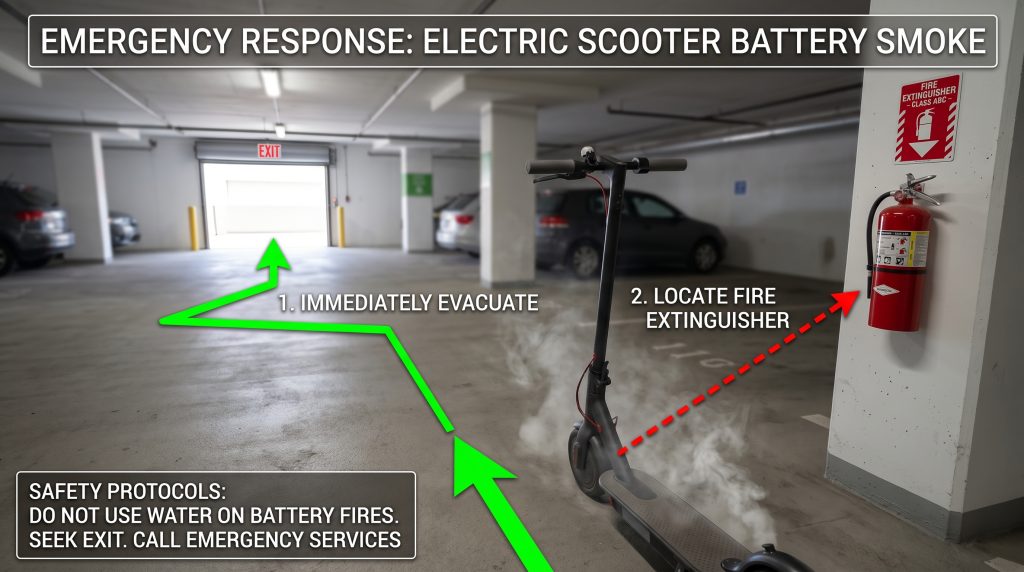
Electric Scooter Battery Fire Risks and How to Stay Safe
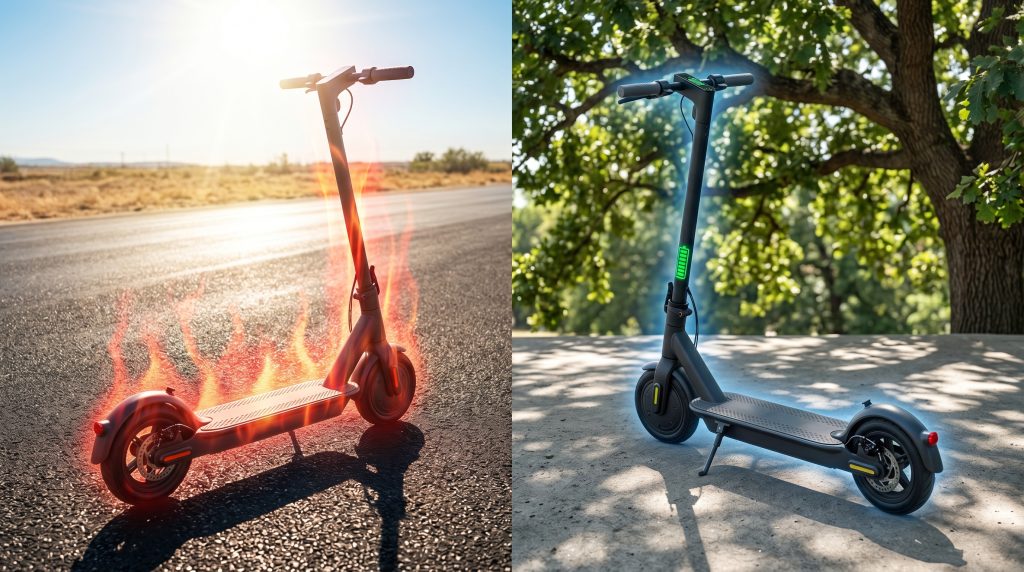
Electric scooter battery fires are primarily caused by thermal runaway in lithium-ion cells due to physical damage, overcharging, or the use of uncertified charging equipment. You are likely enjoying the freedom of gliding through city streets on your new ride, but a nagging thought lingers in the back of your mind every time you plug it in. We have all seen the viral videos of thick black smoke and sudden, violent flames erupting from a device in someone’s living room, turning a convenient tool into a terrifying hazard. This agitation of safety concerns is exactly why understanding the mechanics of electric scooter battery fires is essential for every rider. By following this comprehensive safety guide, you will learn how to identify risks, implement better charging habits, and ensure your daily commute remains both efficient and entirely secure. What causes electric scooter battery fires? Thermal runaway triggered by physical damage or improper voltage is the root cause of electric scooter battery fires. When the internal separator of a lithium-ion cell fails, it creates a short circuit that generates immense heat. This heat then spreads to neighboring cells, creating a self-sustaining fire that is extremely difficult to extinguish. Why do cells experience thermal runaway? The chemistry of a battery is delicate and requires a stable environment to function without incident. If the internal components are compromised, the energy stored within is released all at once as heat. But wait, there’s more: Here is the kicker: even a single faulty cell can eventually compromise the entire battery pack. How does electrical failure start? Electrical failures often begin when the battery management system (BMS) fails to regulate the flow of electricity. This allows for over-voltage or under-voltage scenarios that stress the lithium ions beyond their breaking point. Think about it: Key Takeaway: Understanding that internal chemical stability is the first line of defense helps you prioritize high-quality manufacturing over budget alternatives. Factor Description Danger Level Thermal Runaway Uncontrolled heat spread between cells Extreme BMS Failure Lack of electronic safety regulation High Water Ingress Short circuits caused by moisture Moderate Proper maintenance of the internal electronics is just as vital as checking your tire pressure. Can you prevent an electric scooter battery fire? Yes, you can significantly reduce the risk of electric scooter battery fires by following manufacturer guidelines and using high-quality components. Prevention starts with awareness and ends with the disciplined application of safety protocols during every stage of ownership. Most incidents are avoidable if the rider takes proactive steps to protect the battery’s integrity. Is regular inspection necessary? You should perform a visual check of your scooter’s deck and battery housing at least once a week. Look for any signs of warping, cracks, or discoloration that might indicate internal stress. Check this out: The best part? Spotting a small crack now can prevent a major catastrophe later this year. Should you follow a maintenance schedule? A consistent maintenance schedule ensures that small electrical issues do not escalate into fire hazards. Professional technicians can test cell health and ensure the wiring remains insulated and secure. Believe it or not: Key Takeaway: Proactive prevention through inspection and maintenance is the most effective way to ensure your safety. Action Frequency Purpose Visual Check Weekly Identify physical damage Port Inspection Monthly Prevent charging shorts Professional Service Yearly Verify BMS and cell health Consistency in your safety routine creates a layer of protection that technology alone cannot provide. Which charging habits lead to battery fires? Overcharging and using uncertified power adapters are the most dangerous habits that trigger electric scooter battery fires. Leaving a scooter plugged in overnight or using a charger from a different device can bypass the battery’s safety limits. These habits gradually degrade the lithium cells until they reach a point of failure. Why is overcharging dangerous? Overcharging forces excess energy into the cells, causing them to plate lithium and generate internal heat. While modern systems have shut-off features, they are not infallible and can fail over time. Now: Bottom line? Unplugging your device as soon as it reaches 100% is the smartest move you can make. Can extension cords cause issues? Using low-quality extension cords or power strips can lead to voltage drops and overheating at the plug. This creates an unstable power supply that stresses the charger and the battery simultaneously. It gets better: Key Takeaway: Charging your scooter under supervision and using a direct wall outlet eliminates the most common electrical risks. Habit Risk Safer Alternative Overnight Charging Overheating/BMS failure Charge only when awake Third-party Chargers Voltage mismatch Use original equipment Extension Cords Current instability Use wall outlets Changing how you power your device is a zero-cost way to enhance your household safety. Is indoor storage safe for your electric scooter? Indoor storage is safe provided the environment is climate-controlled and free of flammable materials that could ignite during electric scooter battery fires. Storing your scooter near a radiator or in a humid basement increases the likelihood of chemical instability. You must treat your scooter like any other high-energy electronic device in your home. Where is the best place to store it? The ideal storage location is a dry, cool area with plenty of ventilation and easy access to an exit. You want to ensure that if a problem does occur, the device is not blocking your only way out. Make no mistake: Wait, there is a catch: storing a scooter in a hot garage during summer can be just as risky as a damp basement. Does humidity affect the battery? High humidity can lead to condensation inside the deck, which corrodes connections and causes short circuits. Keeping your scooter in a dry environment prevents this slow degradation of the safety components. But wait, there’s more: Key Takeaway: Selecting a cool, dry, and unobstructed storage spot protects both the battery and your home’s exit routes. Location Safety Rating Reason Living Room Corner High Ventilated and monitored Hallway/Exit Low Blocks escape routes Damp Basement Low Corrosion and moisture risk Careful placement of […]
Electric Scooter Battery Fire Risks and How to Stay Safe Read More »