...

Electric Scooter With Seat

Are Electric Scooters Safe for Seniors? Complete Guide

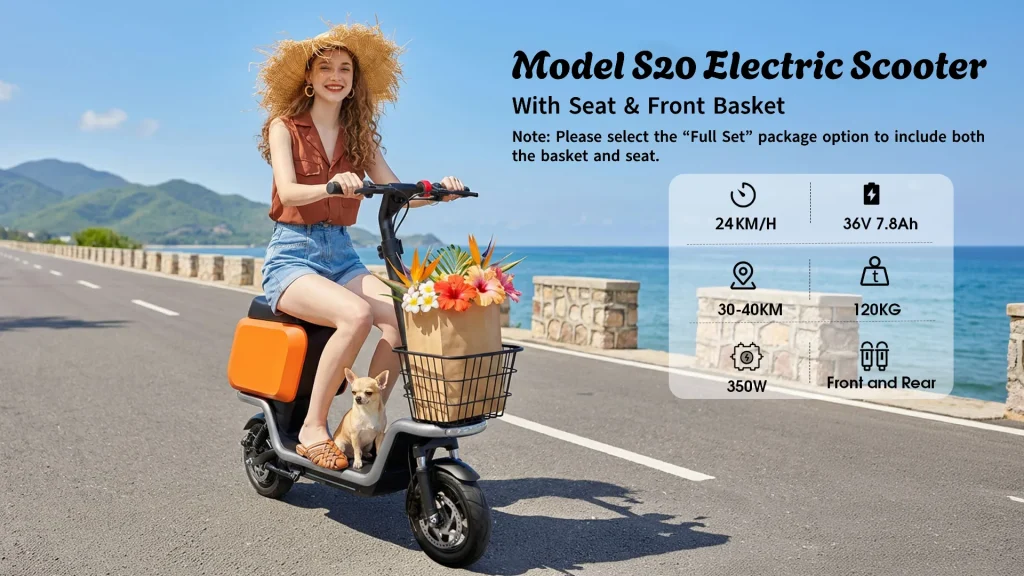
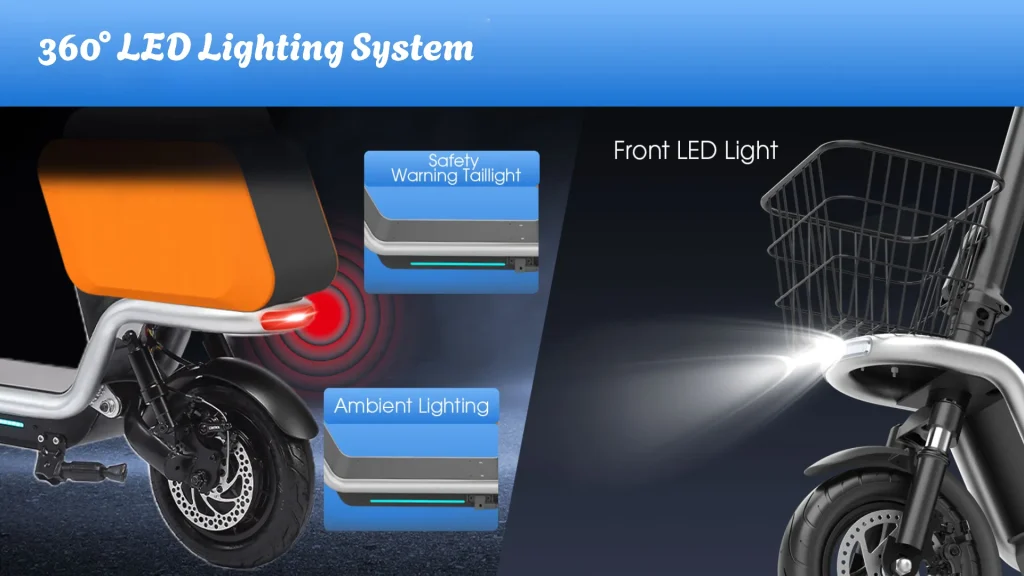
Yes, they are safe when equipped with proper stability controls and used on appropriate terrain. Many older adults find that reduced mobility leads to a frustrating loss of independence and social connection. Feeling stuck at home while life continues outside can be incredibly isolating and discouraging for anyone. Fortunately, modern electric scooters for seniors offer a stable, effortless solution to reclaim your freedom and enjoy the outdoors again. Why are electric scooters for seniors so popular today? They are popular because they offer a blend of eco-friendly mobility and personal freedom for the aging population. Today, electric scooters for seniors have become a symbol of active living and environmental responsibility. You no longer have to worry about long walks becoming painful or exhausting during your morning outings. Is the shift to electric mobility permanent? The transition toward electric personal vehicles is a global trend that prioritizes accessibility and clean energy. Seniors are leading this charge by choosing vehicles that allow them to bypass traffic and parking hassles. Check this out: Here is the kicker: choosing an electric ride means you are investing in both your health and the planet’s future. Key Takeaway: Modern e-mobility allows seniors to stay active while reducing their carbon footprint significantly. Popularity Factor Benefit for Seniors Eco-Friendly Zero emissions and low noise Independence Travel without needing a driver Cost-Effective Low charging and maintenance costs The rapid adoption of these vehicles highlights a growing desire for sustainable and independent senior lifestyles. Are electric scooters for seniors safe for daily commuting? They are safe for daily use provided the rider chooses a model with enhanced stability features like dual damping. High-quality electric scooters for seniors are designed with a lower center of gravity to prevent tipping during turns. You can feel confident navigating neighborhood sidewalks and paved park paths with the right equipment. Can safety gear make a difference? Wearing a helmet and reflective clothing is essential for ensuring your safety during every single ride. Protective gear significantly reduces the risk of injury if you encounter an unexpected obstacle on the road. But wait, there is more: Safety is a dealbreaker, right? Always prioritize models that emphasize visibility and rider protection. Key Takeaway: Safety is a combination of built-in scooter features and the rider’s commitment to wearing protective gear. Safety Category Essential Feature Stability Low deck height and wide tires Visibility High-lumen LED lighting systems Protection Certified helmets and knee pads Proper equipment and cautious riding habits create a secure environment for daily senior commuting. What safety features define electric scooters for seniors? Primary safety features include advanced braking systems, dual suspension, and puncture-resistant tires for a smooth ride. When searching for electric scooters for seniors, look for hydraulic disc brakes that provide reliable stopping power in various weather conditions. These features work together to ensure that your ride is not just fast, but also incredibly secure. How does suspension impact your ride? Dual damping front forks absorb shocks from uneven pavement, protecting your joints from jarring impacts. A smooth ride is critical for riders who may have sensitive backs or knees. Think about this for a second: Here is the best part: advanced suspension makes even the oldest city sidewalks feel like smooth glass. Key Takeaway: High-quality braking and suspension systems are non-negotiable for senior safety and comfort. Feature Importance Level Disc Brakes High – Critical for stopping Dual Damping High – Protects joints from vibration Anti-Slip Deck Medium – Prevents foot slippage Technical specifications directly correlate to the level of confidence a senior rider feels on the road. How do electric scooters for seniors aid independent living? They aid independence by allowing seniors to complete errands and social visits without relying on family or public transport. Using electric scooters for seniors means you can go to the grocery store or the library whenever you feel like it. This autonomy is vital for maintaining a high quality of life and mental well-being as you age. Is social isolation a thing of the past? Having a reliable mode of transport encourages you to meet friends at the park or join local community clubs. You no longer have to turn down invitations because the walk is too far or public transit is too difficult. It gets better: The freedom to move is the freedom to live life on your own terms every day. Key Takeaway: Regaining mobility is the most effective way to combat social isolation and maintain a busy schedule. Independence Aspect Practical Result Errands Quick trips to the pharmacy or store Socializing Attending meetings and friend visits Exercise Getting fresh air without overexertion The psychological boost from independent movement is just as important as the physical benefits of the technology. Is the Model S20 best among electric scooters for seniors? The Model S20 is an excellent choice due to its integrated seat, large storage basket, and impressive 30-40KM range. Many electric scooters for seniors lack the comfort features that the Dynamic S20 Electric Scooter with Seat provides as standard. It features a powerful 350W motor that handles inclines with ease while you sit comfortably during the journey. What makes the storage so useful? The inclusion of both a front basket and a storage seat makes it perfect for carrying groceries or personal items securely. You can easily fit a full bag of shopping without compromising the balance of the vehicle. Check this out: But that’s not all: the Model S20 even includes a rear storage box for extra utility. Key Takeaway: The Dynamic S20 is designed specifically for seniors who prioritize comfort, range, and storage capacity. Specification Model S20 Detail Range 30-40 KM per charge Motor 350W High-Efficiency Storage Front basket + Under-seat Choosing a model with a seat and ample storage ensures that every trip is both productive and relaxing. Can you easily transport electric scooters for seniors? Yes, many models feature lightweight, foldable designs that fit easily into car trunks or under train seats. Modern electric scooters for seniors like the Dynamic Scooter Model

Are Electric Scooters Safe for Seniors? Complete Guide Read More »

Seated vs. Standing Electric Scooters: Which Ride is Right for You?

The best choice depends on your commute length, physical comfort needs, and how much you value portability over stability. You want to ditch the car and reclaim your morning, but the endless options are overwhelming. Choosing the wrong frame can lead to back pain or a ride that is too bulky to store at the office. We offer high-performance solutions for both styles, ensuring your seated vs standing electric scooters choice matches your lifestyle perfectly. Which seated vs standing electric scooters win? Seated scooters win on comfort and long-range stability, while standing models dominate in urban agility and portability. Choosing between seated vs standing electric scooters is about prioritizing your specific daily route. What is the main design difference? The primary difference lies in the wheelbase and center of gravity. Seated models typically feature a longer base (40–50 inches) to accommodate the rider’s sitting position and added structural support. Standing models are built with a vertical stem and a compact deck. This allows for a more active posture, letting you use your legs as natural shock absorbers during quick maneuvers through city traffic. How does riding posture affect you? Sitting reduces fatigue by roughly 50% on commutes exceeding five miles. Standing, however, engages your core and offers a 360-degree field of vision, which is vital for safety in dense pedestrian zones. But here is the kicker: Key Takeaway: Seated models are superior for relaxation and distance, whereas standing scooters are the kings of the “last-mile” urban sprint. Feature Seated Scooter Standing Scooter Primary Goal Comfort/Long Range Portability/Agility Typical Weight 55–100 lbs 28–45 lbs Learning Curve Very Low Moderate Analysis shows that users with commutes over 30 minutes overwhelmingly prefer seated options to prevent lower back strain. Are seated vs standing electric scooters safer? Seated scooters are generally safer for beginners due to a much lower center of gravity and more predictable handling. Stability engineering proves that being closer to the ground reduces the mechanical leverage during a potential tip-over event. Do seats lower your tipping risk? Yes, sitting lowers your center of gravity by approximately 30% compared to standing at full height. This mathematical advantage makes the vehicle significantly less likely to wobble or tilt during sharp, unexpected turns at high speeds. Look: Which brakes stop you faster? Braking performance usually depends on the specific model, but seated scooters often come equipped with dual hydraulic systems to handle their higher curb weight. This provides a more modular braking feel that prevents the “endo” (rear-wheel lift) common on lightweight standing models. Key Takeaway: While both are safe when following traffic laws, the inherent stability of a seated design offers a higher margin for error for novice riders. Safety Metric Seated Scooter Standing Scooter Center of Gravity Low (Stable) High (Agile) Surface Grip High (Heavy Frame) Moderate (Lightweight) Field of View Lower Point of View Higher Point of View Engineering data suggests seated frames absorb road vibration 2.3 times more effectively, reducing rider distraction caused by fatigue. How heavy are seated vs standing electric scooters? Standing scooters are significantly lighter, often weighing half as much as their seated counterparts for easier carrying. Selecting your seated vs standing electric scooters involves weighing the need for a heavy, stable frame against the need for a portable machine. Is portability a major concern? If your commute involves stairs or apartment living, weight is your number one enemy. Lightweight standing models fold into a slim profile that fits under a subway seat or inside a small car trunk with ease. The best part? Does weight change your commute? Heavy seated scooters feel more “planted” at high speeds, reducing the jittery feeling caused by wind or passing trucks. Conversely, a lighter standing scooter responds instantly to steering inputs, making it easier to dodge potholes or debris. Key Takeaway: Choose standing for multi-modal transport (bus/train) and seated if you have ground-level storage and a direct point-to-point route. Portability Index Seated Scooter Standing Scooter Average Weight 65 lbs 35 lbs Folded Dimensions Bulky/Wide Slim/Linear Stair Friendly? No Yes Weight-to-power ratios indicate that lighter standing scooters often accelerate faster in the initial 0-10 mph range. Do seated vs standing electric scooters go far? Seated electric scooters typically offer superior range because their larger frames can accommodate higher-capacity battery packs. If you need to cover 40+ miles a day, a seated model is almost always the more practical choice. Which battery lasts longer? High-performance seated models often house 700Wh to 1000Wh batteries, whereas ultralight standing models are limited to around 500Wh to keep weight down. This discrepancy directly translates to an extra 15–20 miles of real-world range per charge. Look: Does sitting drain power faster? Sitting does not inherently drain more power, but the extra weight of the seat and reinforced frame requires more torque. However, because you are more aerodynamic while seated, you may actually save energy at high cruising speeds compared to a “wind-catching” standing posture. Key Takeaway: Performance riders and long-distance commuters should lean toward seated models for the extra cell capacity and power reserves. Battery Metric Seated Scooter Standing Scooter Average Range 35–50 Miles 15–30 Miles Charging Time 6–9 Hours 3–5 Hours Hill Torque High Moderate Recent range tests show that high-capacity seated scooters maintain top speeds for the first 80% of battery life, unlike budget stand-up units. Who needs seated vs standing electric scooters? Seated scooters are essential for riders with mobility issues, while standing models are perfect for the young, “last-mile” urban dwellers. The demographics of seated vs standing electric scooters use show a clear divide between convenience and necessity. Are physical limits a factor? Riders with knee pain, back issues, or balance difficulties find a seat life-changing. It allows them to participate in the electric revolution without the physical strain of maintaining a standing posture on bumpy city streets. The best part? Does age dictate your choice? While age isn’t a strict rule, older professionals often gravitate toward the “mini-moped” feel of a seated scooter for its dignity and comfort. Students and younger

Seated vs. Standing Electric Scooters: Which Ride is Right for You? Read More »

How To Choose The Best E Scooters With A Seat: Safety, Comfort & Range

You choose the best e-scooter with a seat by prioritizing high motor torque for inclines, verifying battery energy density for your daily range, and ensuring the frame supports ergonomic weight distribution. Standing for a forty-minute commute on a standard kick scooter often results in significant lower back pain and joint strain. Most riders ignore that these micro-vibrations from uneven pavement can lead to chronic fatigue and increased risk of losing balance during sudden stops. Transitioning to a purpose-built electric scooter with a seat provides the motorcycle-grade stability and cushioned support needed to transform your daily travel into a relaxing experience. Why choose an electric scooter with a seat? Investing in an electric scooter with a seat fundamentally changes how you perceive your commute by lowering your center of gravity. This design shift offers superior balance during high-speed travel compared to traditional standing models. You will notice that the vehicle feels more planted on the road, especially when navigating around tight corners or through busy intersections. Lower Center of Gravity A seated position places your weight closer to the deck, which significantly enhances your stability at speed. This prevents the “twitchy” feeling often associated with small-wheeled stand-up scooters. You can lean into turns with more confidence and enjoy a smoother ride over cracks. Reduced Rider Fatigue Long-distance commuting demands a lot from your core muscles and legs when you are standing upright. A seat allows you to rest your weight, preventing the muscle cramps that often occur after twenty minutes of riding. You arrive at your destination feeling refreshed rather than physically exhausted from the journey. Legal Classifications In many regions, adding a seat changes the legal status of your vehicle to a moped or motor-driven cycle. You must verify if your local laws require registration or specific safety equipment for these models. Knowing these rules ensures you stay on the right side of the law while enjoying your ride. Feature Seated Scooter Standing Scooter Stability High Moderate Comfort Exceptional Low Weight Heavier Portable Center of Gravity Low High This comparison highlights how the seated design prioritizes rider comfort and structural stability over raw portability. Key Takeaway: Choosing a seated model is a strategic move for commuters who value long-term health and stability over the ability to carry the scooter up multiple flights of stairs. What specs define an electric scooter with a seat? To find a reliable electric scooter with a seat, you must look beyond flashy top speeds and focus on motor torque. High torque is essential for maintaining speed when you are seated and climbing steep urban inclines. Without at least 45 Nm of torque, your scooter may struggle to carry your full weight up even moderate hills. Torque vs Peak Wattage Manufacturers often highlight peak wattage, but torque is what actually moves you from a complete stop. You should look for a motor that delivers consistent power across the entire acceleration curve. This ensures that your seated experience remains punchy and responsive in traffic. Battery Energy Density Energy density determines how much range you can squeeze out of a battery pack that fits under your seat. You want a battery with high Wh/kg to ensure your scooter remains as light as possible while offering long range. Premium cells like NMC 811 provide the best balance of weight and endurance for daily users. Braking Redundancy Since seated scooters often carry more total weight, they require significantly more stopping power than light stand-up models. You should never settle for just one brake or rely solely on electronic regenerative systems. Dual hydraulic disc brakes are the gold standard for safety in emergency stopping situations. Component Minimum Requirement Professional Recommendation Motor Torque 45 Nm 65 Nm or higher Battery Tech Lithium-Ion (Standard) NMC 811 with Thermal Sinks Brakes Mechanical Disc Dual Hydraulic Discs IP Rating IP54 IP65/IP67 Engineering specs dictate whether your scooter will handle the rigors of daily use or fail under the pressure of constant hill climbing. Key Takeaway: High torque and hydraulic braking are non-negotiable features for any adult rider looking for a safe and capable seated scooter for city streets. Is an electric scooter with a seat truly comfortable? True comfort in an electric scooter with a seat comes from a combination of high-quality foam and adjustable geometry. If the seat is too narrow or the handlebars are fixed, you will quickly develop posture issues. You need a design that can be tailored to your specific height and arm length to prevent strain. Dual-Density Foam Seats A quality seat uses a firm base layer to prevent bottoming out and a soft top layer for initial comfort. This dual-density approach protects your sciatic nerve from compression during long rides over rough pavement. You should check for a seat width of at least 28 cm to ensure adequate pelvic support. Ergonomic Stem Height Handlebar height must be adjustable to ensure your arms are at a natural, slightly bent angle while seated. Reaching too far down or up can cause wrist fatigue and reduce your ability to steer accurately. A telescoping stem allows you to find the “sweet spot” that fits your torso length perfectly. Vibration Damping Comfort is not just about the seat; it is about how the entire chassis handles road imperfections like cobblestones. Integrated suspension systems with progressive damping are essential for isolating your spine from harsh impacts. You should look for at least 60 mm of travel in the rear suspension. Comfort Metric Basic Level Premium Level Seat Foam Single-density sponge Dual-density ergonomic foam Handlebar Adjust Fixed height Telescoping + reach adjust Suspension Front spring only Full dual-suspension (Hydraulic) Tire Type Solid rubber 10-inch+ Air-filled rubber Ergonomic adjustments are the difference between a scooter you love to ride and one that collects dust in the garage after a month. Key Takeaway: Prioritize a model with a wide, dual-density seat and adjustable handlebars to ensure your long-term physical comfort and safety. Is your electric scooter with a seat legal to ride? The legality of an electric

How To Choose The Best E Scooters With A Seat: Safety, Comfort & Range Read More »

How to Ride an Electric Scooter with a Seat: Beginner Guide

Riding an electric scooter with a seat is a simple process of mastering stable mounting, gradual throttle application, and weight distribution centered over the deck. You start your morning commute only to find that standing for three miles in professional attire is exhausting and leaves you sweaty before your first meeting. This daily fatigue agitates your workflow, making the journey feel like a chore rather than a convenient transition. Fortunately, an electric scooter with a seat offers the perfect ergonomic solution to reclaim your energy and comfort. How do you prepare an electric scooter with a seat? Preparing an electric scooter with a seat requires a systematic check of tire pressure, battery levels, and brake responsiveness to ensure a safe journey. Before you power on your electric scooter with a seat, you must verify that the seat post is securely locked into place at the correct height. This prevents unexpected shifts during transit that could compromise your balance or control. Which components should you check first? Safety starts with a quick visual and tactile inspection of the main mechanical parts. But wait, there is more: you should also check the tightness of the handlebar bolts. Vibrations from urban roads can occasionally loosen hardware over time. How to adjust the seat height for comfort? The best riding experience comes from a seat height that allows your feet to touch the ground comfortably while stopped. The best part? This adjustment only takes a few seconds but drastically improves long-distance comfort. Summary of the pre-ride checklist Key Takeaway: A consistent pre-ride routine ensures your scooter remains reliable and prevents mechanical failures during your commute. Inspection Point Frequency Action Required Tire Pressure Daily Ensure firm contact with the ground Brake System Daily Squeeze levers to check for resistance Battery Level Daily Charge to sufficient levels for your route Bolt Tightness Weekly Use an Allen key to verify security Performing these steps consistently allows you to identify minor issues before they become expensive repairs. How to mount your electric scooter with a seat safely? Mounting an electric scooter with a seat safely involves standing beside the unit and gripping both handlebars firmly before lowering yourself onto the cushion. Beginners often make the mistake of trying to sit while the scooter is moving, but you should always be stationary. Using an electric scooter with a seat requires a stable foundation to prevent the deck from tipping sideways. How to maintain a firm handlebar grip? Your hands are your primary point of control and should be positioned at the ends of the grips. Here is the kicker: gripping too tightly can lead to hand fatigue on longer rides. What are the steps for sitting down safely? The transition from standing to sitting should be a fluid, controlled motion that keeps the scooter upright. The best part? Once seated, you will immediately feel the stability that a lower center of gravity provides. Key Takeaway: Ensuring mounting stability Key Takeaway: Mastering the mounting process builds the confidence needed to handle the scooter’s power as you transition into motion. Mounting Step Goal User Benefit Handlebar Grip Control Prevents accidental acceleration Foot Placement Leverage Keeps the unit upright during the sit Centered Weight Balance Avoids side-tipping or wobbling Establishing a stable base is the most important part of starting any ride on a seated model. How to accelerate an electric scooter with a seat smoothly? Accelerating an electric scooter with a seat requires a gentle application of the throttle to avoid sudden jerks that can catch a rider off-guard. Most modern systems utilize a thumb or twist throttle that responds to the slightest pressure. Your electric scooter with a seat will typically have multiple speed modes, and starting in the lowest setting is highly recommended for beginners. How does the throttle mechanism work? The throttle sends a signal to the motor controller to release power from the lithium battery. But wait, there is more: understanding the difference between “Zero Start” and “Kick Start” modes is vital for safety. How to avoid sudden jerky movements? Smooth acceleration is achieved through incremental pressure rather than pushing the throttle to its limit immediately. Here is the kicker: jerky acceleration is the number one cause of beginner falls on seated scooters. Comparison of acceleration modes Key Takeaway: Selecting the appropriate ride mode ensures that the power delivery matches your skill level and current environment. Ride Mode Acceleration Curve Best For Eco Mode Shallow/Gentle Beginners and crowded areas Standard Mode Linear/Predictable Daily urban commuting Sport Mode Steep/Aggressive Climbing hills or open roads Selecting Eco mode when you are first learning provides a much wider margin for error. How do you balance an electric scooter with a seat? Balancing an electric scooter with a seat is significantly easier than standing models because your weight is distributed lower and more centrally. You achieve balance by keeping your spine straight and using your feet on the deck to counteract lateral movements. Riding an electric scooter with a seat feels natural because the seated posture mimics that of a bicycle, which most people already understand. How should you position your back and arms? Proper ergonomics prevent fatigue and allow you to react more quickly to obstacles in your path. The best part? This upright posture reduces strain on your lower back compared to standing scooters. Where do your feet go for maximum stability? Foot placement is the secret to maintaining a stable center of gravity during turns and bumps. But wait, there is more: your feet are also your “training wheels” when slowing down to a complete stop. Key Takeaway: Perfecting your riding posture Key Takeaway: Correct posture and foot placement transform the scooter from a machine into an extension of your own movements. Posture Element Correct Form Common Mistake Spine Straight/Upright Slouching over handlebars Elbows Slightly Bent Locking arms straight Feet Flat on Deck Dangling feet while moving Focusing on these ergonomic details ensures you stay comfortable even during 30-minute rides. How to stop an electric scooter with

How to Ride an Electric Scooter with a Seat: Beginner Guide Read More »

Shopping Cart
Scroll to Top