
Seated vs. Standing Electric Scooters: Which Ride is Right for You?
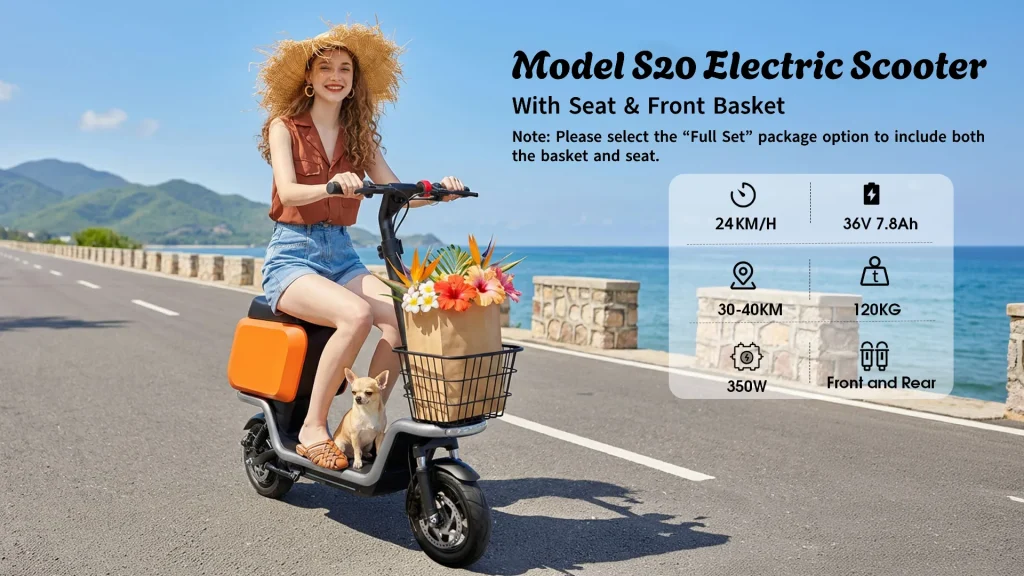
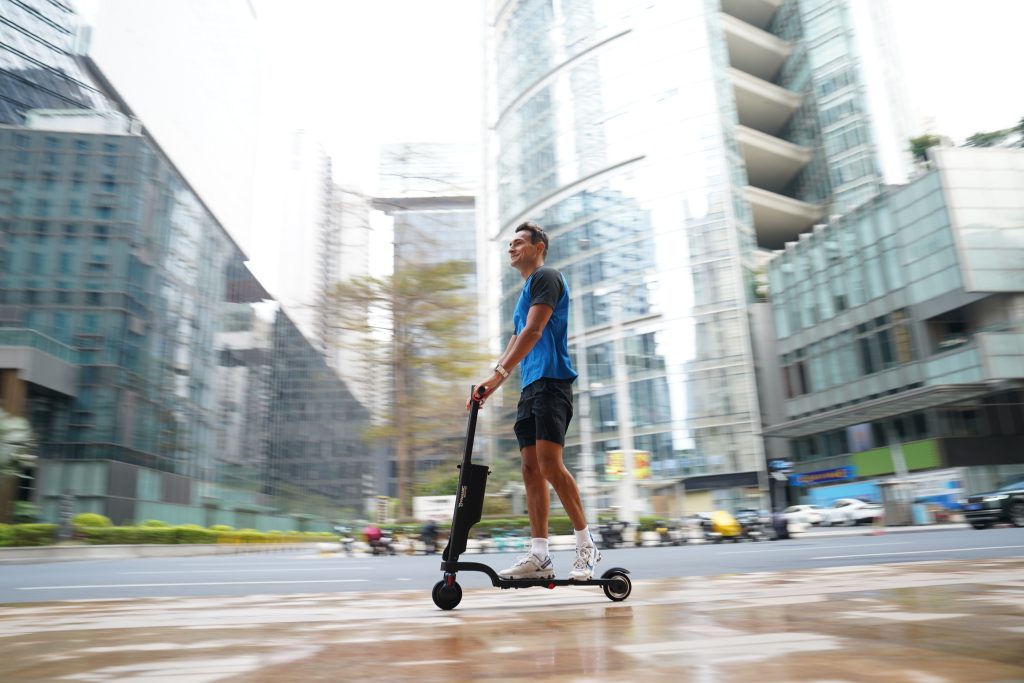
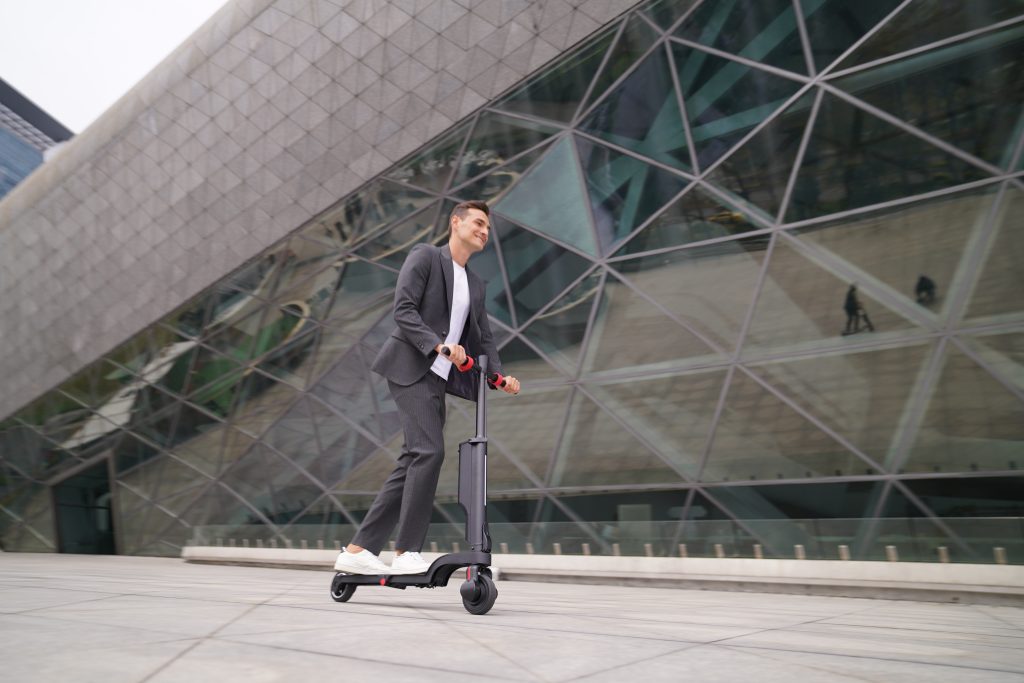
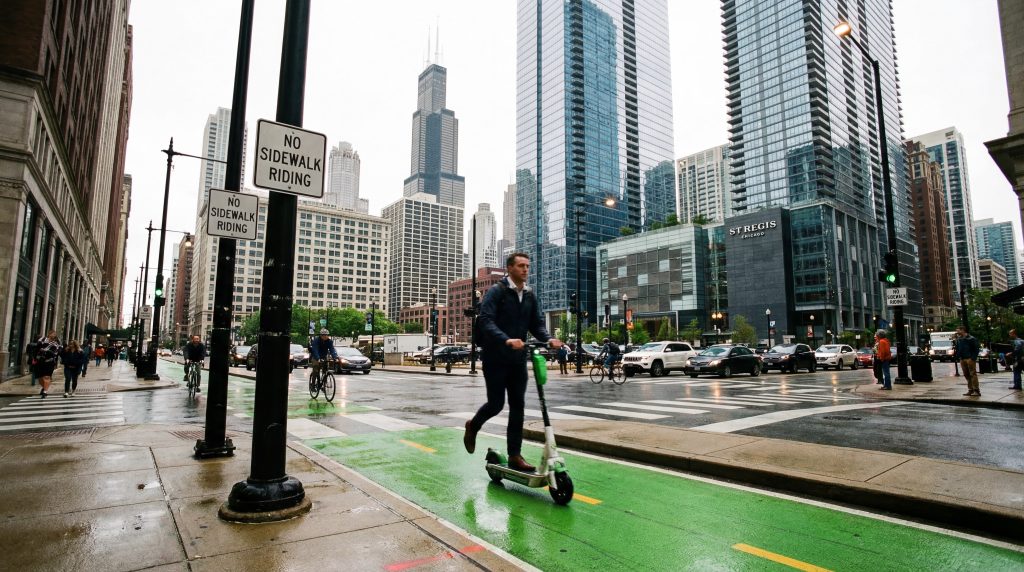
The best choice depends on your commute length, physical comfort needs, and how much you value portability over stability. You want to ditch the car and reclaim your morning, but the endless options are overwhelming. Choosing the wrong frame can lead to back pain or a ride that is too bulky to store at the office. We offer high-performance solutions for both styles, ensuring your seated vs standing electric scooters choice matches your lifestyle perfectly. Which seated vs standing electric scooters win? Seated scooters win on comfort and long-range stability, while standing models dominate in urban agility and portability. Choosing between seated vs standing electric scooters is about prioritizing your specific daily route. What is the main design difference? The primary difference lies in the wheelbase and center of gravity. Seated models typically feature a longer base (40–50 inches) to accommodate the rider’s sitting position and added structural support. Standing models are built with a vertical stem and a compact deck. This allows for a more active posture, letting you use your legs as natural shock absorbers during quick maneuvers through city traffic. How does riding posture affect you? Sitting reduces fatigue by roughly 50% on commutes exceeding five miles. Standing, however, engages your core and offers a 360-degree field of vision, which is vital for safety in dense pedestrian zones. But here is the kicker: Key Takeaway: Seated models are superior for relaxation and distance, whereas standing scooters are the kings of the “last-mile” urban sprint. Feature Seated Scooter Standing Scooter Primary Goal Comfort/Long Range Portability/Agility Typical Weight 55–100 lbs 28–45 lbs Learning Curve Very Low Moderate Analysis shows that users with commutes over 30 minutes overwhelmingly prefer seated options to prevent lower back strain. Are seated vs standing electric scooters safer? Seated scooters are generally safer for beginners due to a much lower center of gravity and more predictable handling. Stability engineering proves that being closer to the ground reduces the mechanical leverage during a potential tip-over event. Do seats lower your tipping risk? Yes, sitting lowers your center of gravity by approximately 30% compared to standing at full height. This mathematical advantage makes the vehicle significantly less likely to wobble or tilt during sharp, unexpected turns at high speeds. Look: Which brakes stop you faster? Braking performance usually depends on the specific model, but seated scooters often come equipped with dual hydraulic systems to handle their higher curb weight. This provides a more modular braking feel that prevents the “endo” (rear-wheel lift) common on lightweight standing models. Key Takeaway: While both are safe when following traffic laws, the inherent stability of a seated design offers a higher margin for error for novice riders. Safety Metric Seated Scooter Standing Scooter Center of Gravity Low (Stable) High (Agile) Surface Grip High (Heavy Frame) Moderate (Lightweight) Field of View Lower Point of View Higher Point of View Engineering data suggests seated frames absorb road vibration 2.3 times more effectively, reducing rider distraction caused by fatigue. How heavy are seated vs standing electric scooters? Standing scooters are significantly lighter, often weighing half as much as their seated counterparts for easier carrying. Selecting your seated vs standing electric scooters involves weighing the need for a heavy, stable frame against the need for a portable machine. Is portability a major concern? If your commute involves stairs or apartment living, weight is your number one enemy. Lightweight standing models fold into a slim profile that fits under a subway seat or inside a small car trunk with ease. The best part? Does weight change your commute? Heavy seated scooters feel more “planted” at high speeds, reducing the jittery feeling caused by wind or passing trucks. Conversely, a lighter standing scooter responds instantly to steering inputs, making it easier to dodge potholes or debris. Key Takeaway: Choose standing for multi-modal transport (bus/train) and seated if you have ground-level storage and a direct point-to-point route. Portability Index Seated Scooter Standing Scooter Average Weight 65 lbs 35 lbs Folded Dimensions Bulky/Wide Slim/Linear Stair Friendly? No Yes Weight-to-power ratios indicate that lighter standing scooters often accelerate faster in the initial 0-10 mph range. Do seated vs standing electric scooters go far? Seated electric scooters typically offer superior range because their larger frames can accommodate higher-capacity battery packs. If you need to cover 40+ miles a day, a seated model is almost always the more practical choice. Which battery lasts longer? High-performance seated models often house 700Wh to 1000Wh batteries, whereas ultralight standing models are limited to around 500Wh to keep weight down. This discrepancy directly translates to an extra 15–20 miles of real-world range per charge. Look: Does sitting drain power faster? Sitting does not inherently drain more power, but the extra weight of the seat and reinforced frame requires more torque. However, because you are more aerodynamic while seated, you may actually save energy at high cruising speeds compared to a “wind-catching” standing posture. Key Takeaway: Performance riders and long-distance commuters should lean toward seated models for the extra cell capacity and power reserves. Battery Metric Seated Scooter Standing Scooter Average Range 35–50 Miles 15–30 Miles Charging Time 6–9 Hours 3–5 Hours Hill Torque High Moderate Recent range tests show that high-capacity seated scooters maintain top speeds for the first 80% of battery life, unlike budget stand-up units. Who needs seated vs standing electric scooters? Seated scooters are essential for riders with mobility issues, while standing models are perfect for the young, “last-mile” urban dwellers. The demographics of seated vs standing electric scooters use show a clear divide between convenience and necessity. Are physical limits a factor? Riders with knee pain, back issues, or balance difficulties find a seat life-changing. It allows them to participate in the electric revolution without the physical strain of maintaining a standing posture on bumpy city streets. The best part? Does age dictate your choice? While age isn’t a strict rule, older professionals often gravitate toward the “mini-moped” feel of a seated scooter for its dignity and comfort. Students and younger […]
Seated vs. Standing Electric Scooters: Which Ride is Right for You? Read More »