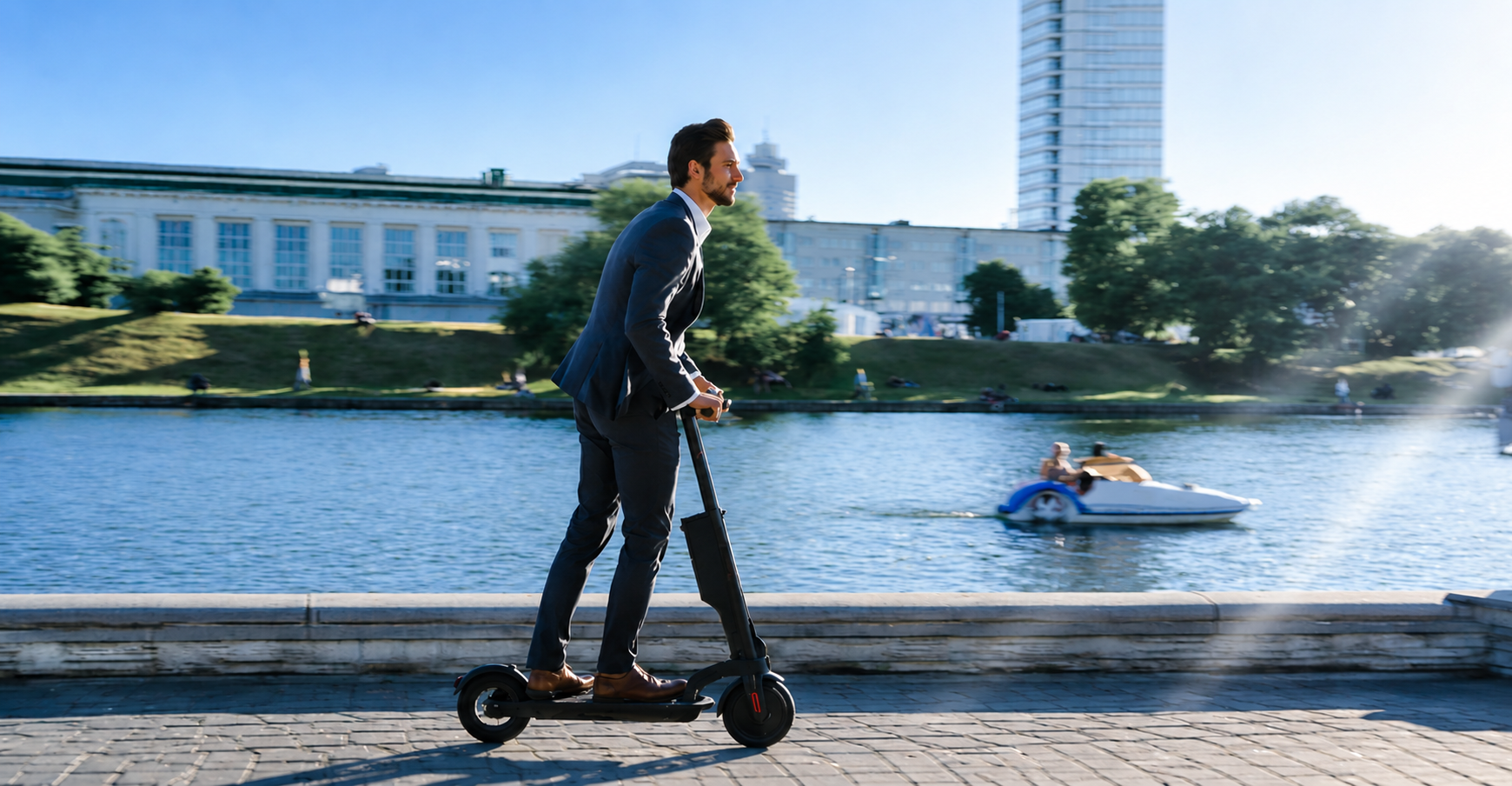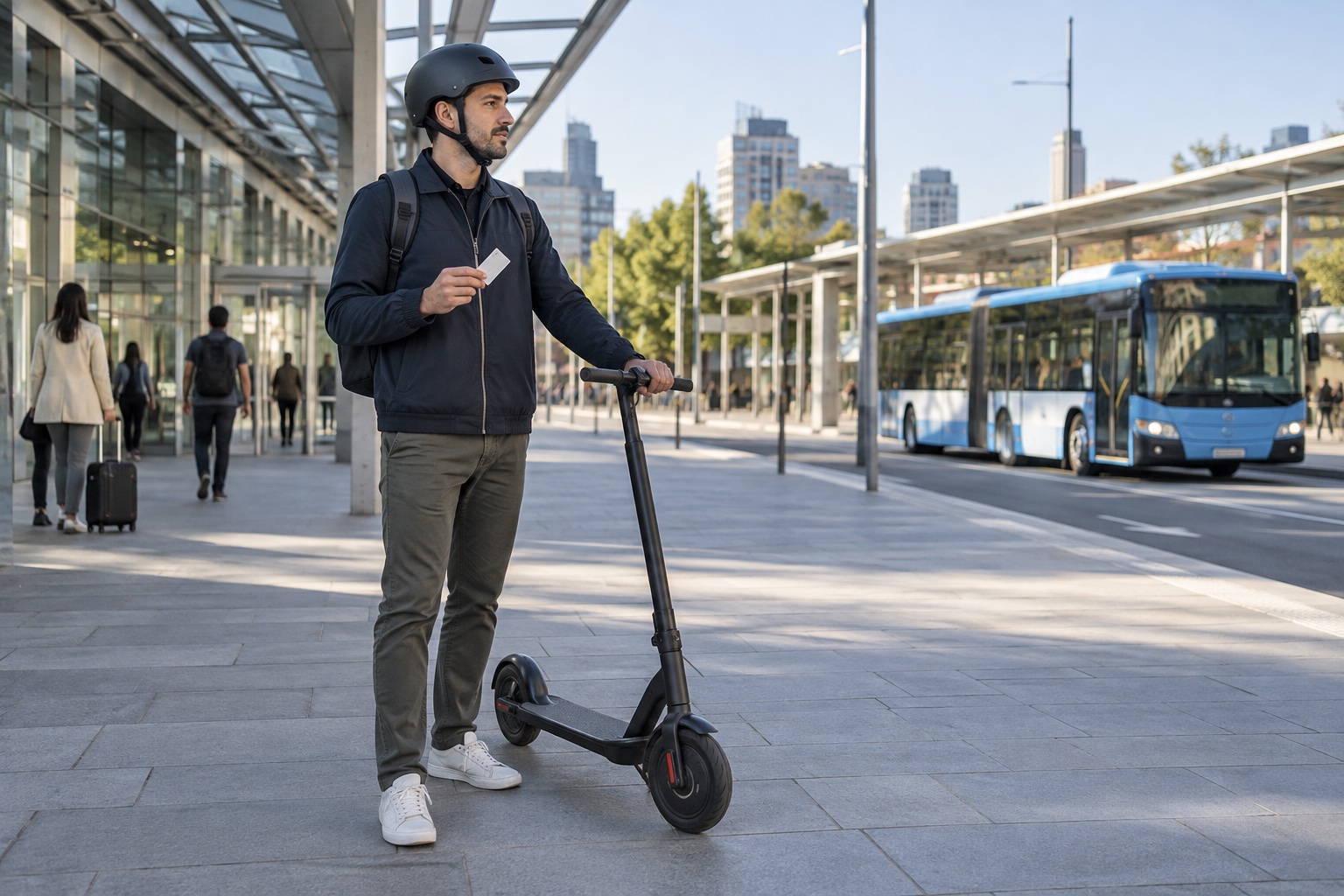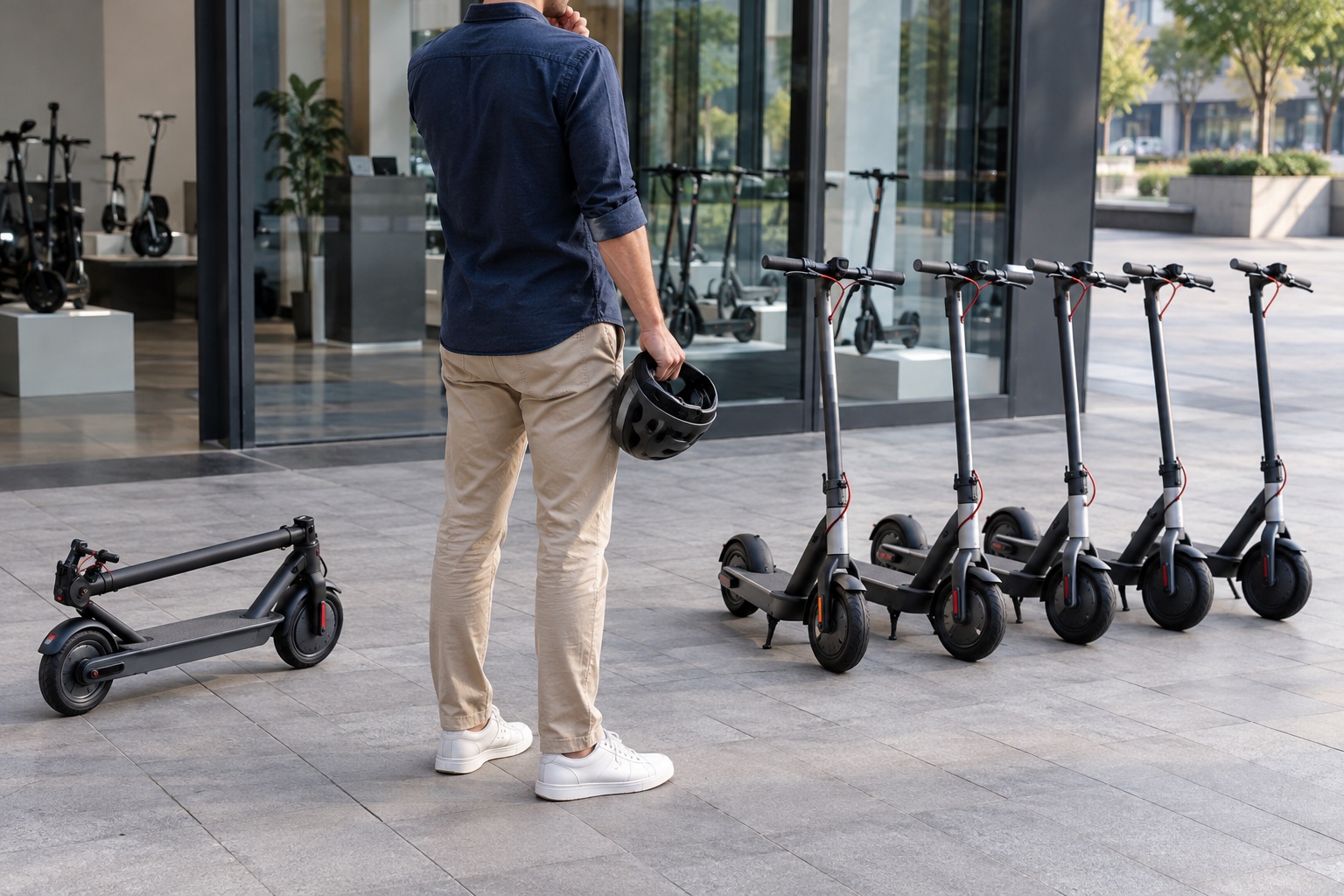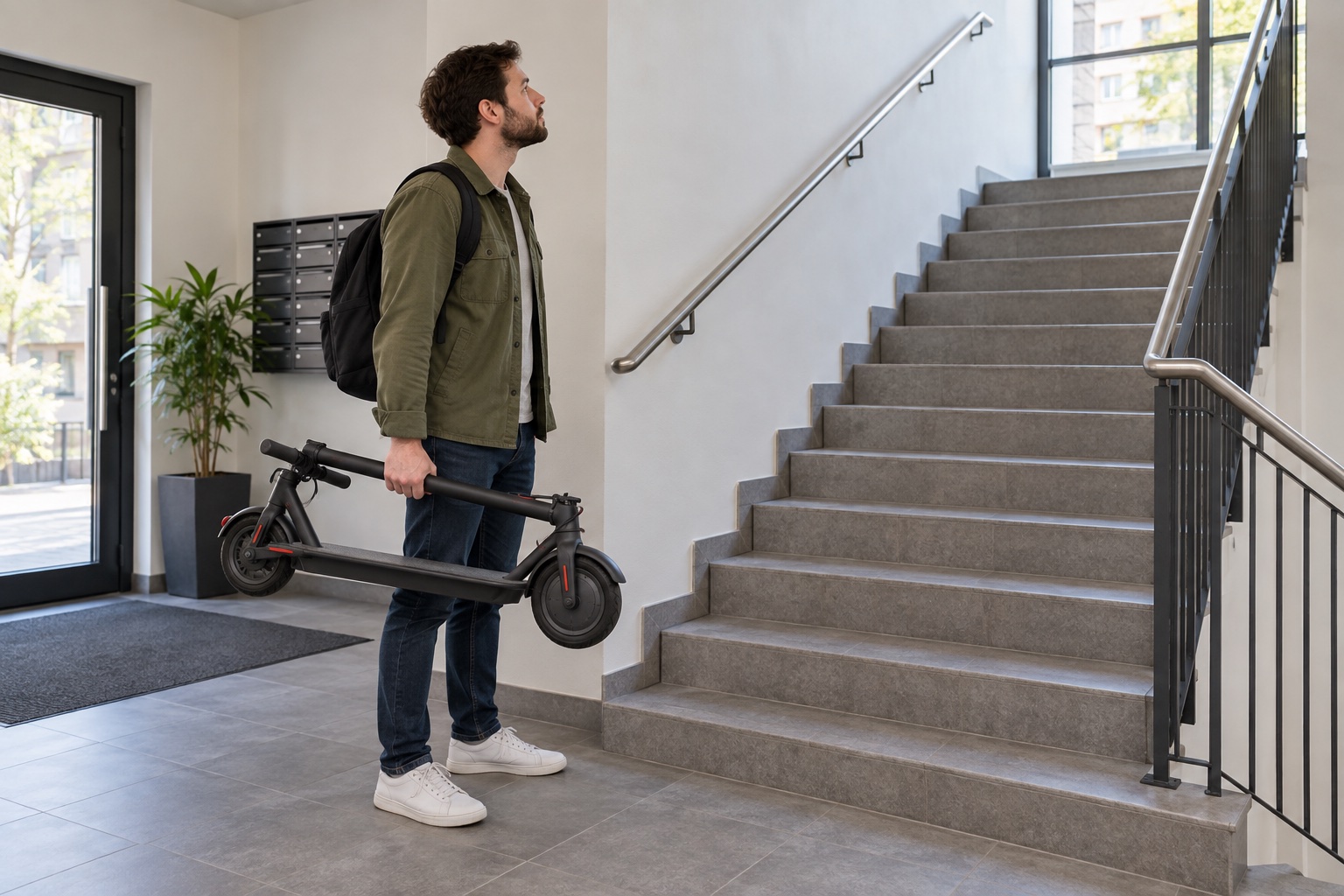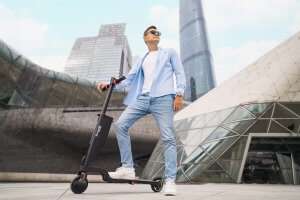

Electric scooters are perfect for college students because they eliminate expensive parking permits, slash stressful commute times, and offer an incredibly budget-friendly, highly reliable alternative to traditional car ownership. Sprawling university campuses are notoriously difficult to navigate. Walking long distances between back-to-back lectures is physically exhausting, campus shuttle buses are consistently overcrowded or delayed, and purchasing a campus parking permit is an expensive nightmare that rarely guarantees a parking spot close to class.
Imagine waking up early only to spend twenty minutes hunting for parking in the rain, sprinting across campus drenched in sweat, and ultimately walking into your midterm exam ten minutes late and highly stressed—all while spending thousands of dollars annually on gas, maintenance, and parking citations.
Fortunately, there is a smarter, faster, and highly affordable way to master your daily campus transit. By utilizing premium electric scooters for college students, you can effortlessly bypass traffic, park right outside your classroom door, and arrive at every single lecture feeling refreshed, energized, and completely on time.
Why choose electric scooters for college students?

Choosing these modern micro-mobility devices allows college students to navigate expansive campuses with unmatched speed, ultimate scheduling flexibility, and absolute daily convenience. Modern university life requires a highly agile transportation method that adapts to a student’s busy schedule. Choosing electric scooters for college students provides a reliable way to bypass transit delays and pedestrian congestion.
These lightweight electric vehicles fit seamlessly into the fast-paced routine of academic lectures, study groups, and part-time jobs. They transform tiring daily treks into quick, enjoyable journeys.
Master Your Daily Class Schedule
Back-to-back classes on opposite sides of a large university campus can be impossible for you to make on foot. A personal scooter ensures you never have to sprint between academic buildings or worry about tardiness penalties.
Here is the deal:
- Saves up to 15 minutes of travel time per trip.
- Eliminates the physical fatigue of walking in bad weather.
- Provides reliable point-to-point transit right to the classroom door.
Is public transit too slow?
Waiting around for unreliable campus loop shuttles wastes your valuable study time every single day. Having your own motorized ride lets you control your schedule completely without relying on rigid bus timetables.
Let’s face it: choosing a micro-mobility solution simplifies your daily college logistics, allowing you to focus your energy on academics rather than transit stress.
| Metric | Walking | Campus Shuttle | Electric Scooter |
|---|---|---|---|
| Speed | Slow (2–3 mph) | Moderate (variable) | Fast (15–19 mph) |
| Schedule Control | High | Low (fixed times) | Maximum (on-demand) |
| Physical Effort | High | Low | Low |
The table demonstrates that personal electric scooters offer the optimal balance of speed and control compared to traditional campus transit methods.
Are electric scooters for college students safe?

Modern personal electric scooters are engineered with robust safety features, including advanced dual-braking systems and high-visibility lighting, to keep student riders secure on campus pathways. High-quality electric scooters for college students prioritize rider protection by integrating premium safety mechanisms like dual braking and LED visibility packages.
Adhering to basic campus riding rules and wearing a helmet makes these vehicles exceptionally secure. Responsive controls allow you to safely navigate around unpredictable pedestrians and crowded bike lanes.
Critical Safety Features to Look For
When shopping for a campus vehicle, you should prioritize models with dual-braking configurations and durable frames. These features provide immediate stopping power and stable handling under various riding conditions.
Here is the deal:
- Dual disc and electronic braking systems prevent skidding.
- Bright LED headlights and taillights ensure night-time visibility.
- Textured, slip-resistant decks offer secure footing in wet weather.
How to ride defensively on campus?
Staying safe on campus requires proactive riding habits and respect for pedestrian traffic. You must always yield to walkers, obey posted speed limits, and stay within designated bicycle lanes to protect yourself and others.
Think about it: investing in a scooter equipped with superior braking, lighting, and frame construction guarantees a safe, dependable, and worry-free daily campus commute.
| Feature | Cheap/Generic Scooter | Premium Student Scooter (Model B) |
|---|---|---|
| Brake Type | Single rear fender brake | Dual electronic & disc brakes |
| Lighting | Dim, low-mounted LED | Ultra-bright dual LED headlights |
| Deck Grip | Standard plastic grip tape | Textured non-slip rubberized deck |
Selecting a model with premium safety specifications ensures absolute control and rider protection on crowded walkways.
How do electric scooters for college students save money?

Replacing a car or ridesharing with a personal electric scooter completely eliminates expensive campus parking permits, high fuel costs, and routine vehicle maintenance. Keeping monthly college expenses under control is a major priority for students operating on tight budgets. Utilizing electric scooters for college students provides immediate financial relief from the heavy burdens of car ownership.
Instead of wasting money on gas and parking tickets, you can power your scooter for pennies using standard dorm outlets. The initial purchase pays for itself in just a few months of active use.
Ditching Overpriced University Parking Passes
University parking permits can cost you upwards of $400 a semester, with no guarantee of finding an open spot. A scooter allows you to park for free at any campus bike rack right next to your class.
Here is the deal:
- Zero semesterly parking permit fees ($0 vs $400+).
- No risk of expensive parking tickets from campus security.
- No gasoline expenses since battery recharging is virtually free.
Relying on rideshare apps for quick trips to off-campus apartments or grocery stores quickly drains your bank account. Having an electric scooter gives you on-demand, free transportation whenever you need to travel.
Think about it: transitioning to a personal electric scooter is one of the smartest financial decisions you can make to lower your monthly living expenses.
| Expense Category | Car Ownership (Per Year) | Public Transit (Per Year) | Dynamic Scooter Model B (One-time) |
|---|---|---|---|
| Upfront Cost | High (variable) | $0 | $392.17 |
| Parking/Permits | $400 – $800 | $0 | $0 |
| Fuel / Energy | $1,200+ (Gas) | $600+ (Passes) | ~$10 (Dorm Electricity) |
The financial comparison highlights the unmatched cost-effectiveness of the Model B scooter for student budgets.
Where to store electric scooters for college students?

Thanks to compact folding frames, these scooters can be easily stored under dorm beds, inside lecture hall desks, or inside narrow apartment closets. Choosing portable electric scooters for college students ensures you never have to sacrifice precious square footage to store your ride securely.
Most high-quality models feature a quick-folding mechanism that reduces the vehicle’s size in seconds. This allows you to bring your scooter indoors, shielding it from weather damage and outdoor theft.
Dorm Room Storage Hacks
Storing a bulky bicycle inside a shared dorm room is highly impractical and often leads to roommate disagreements. A folded scooter occupies a fraction of the space and can be tucked out of sight easily.
Here is the deal:
- Slides effortlessly under a standard lofted twin XL bed.
- Stands upright in the corner of a closet or wardrobe.
- Fits neatly next to your study desk without blocking walkways.
Can you bring it into classrooms?
Unlike bikes that you must lock outside in the elements, lightweight scooters can be carried straight into your classrooms. Simply fold the stem down and place it under your desk during the lecture.
Think about it: keeping your scooter within arm’s reach inside the building completely eliminates the worry of outdoor lock-cutting and theft.
| Storage Location | Bicycle | Car | Electric Scooter |
|---|---|---|---|
| Inside Dorm Room | Extremely Difficult | Impossible | Very Easy (Under Bed) |
| Inside Classroom | Impossible | Impossible | Very Easy (Under Desk) |
| Theft Risk | High (Outdoor Racks) | Moderate (Lots) | Minimal (Always with you) |
The portability of electric scooters offers a major advantage in theft prevention and convenience over other transit types.
Can electric scooters for college students handle hills?

Modern electric scooters equipped with high-torque brushless motors easily climb steep campus hills and inclines without losing power. Riding high-performance electric scooters for college students allows you to glide up steep pathways effortlessly.
The secret lies in selecting a scooter with a motor powerful enough to sustain speed on continuous inclines. This keeps your commute fast and steady, even when carrying a heavy backpack.
Motor Power and Hill Climbing Ratings
A scooter’s motor wattage directly determines its ability to tackle slopes without bogging down. A robust motor ensures consistent climbing torque, allowing you to maintain speed on campus hills.
Here is the deal:
- 350W+ motors handle standard campus slopes up to 15 degrees.
- Steady power delivery avoids motor overheating on long climbs.
- Saves you from arriving at class out of breath and exhausted.
Riding with Heavy Backpacks
Carrying heavy textbooks, a laptop, and gym gear adds significant payload weight to your scooter. A high-torque motor compensates for this weight, maintaining excellent climbing performance on steep campus paths.
Think about it: choosing a scooter with sufficient motor wattage guarantees a smooth, sweat-free commute over any hilly campus landscape.
| Slope Gradient | 250W Motor Performance | 350W+ Motor Performance (Model B) |
|---|---|---|
| Gentle Slope (5%) | Moderate speed | Maintains maximum speed |
| Medium Hill (10%) | Significant slowdown | Comfortable, steady climb |
| Steep Hill (15%) | May struggle/stall | Climbs reliably with normal load |
A robust motor is essential for students commuting on campuses with variable, hilly topography.
Which electric scooters for college students are durable?

Scooters constructed from aerospace-grade aluminum alloy and equipped with puncture-resistant tires offer the highest level of durability for daily student commuting. Highly durable electric scooters for college students are engineered using premium, weather-resistant materials to survive rough walkways and frequent folding.
Focusing on structural build quality and water-resistance ratings ensures your scooter lasts throughout your entire college degree. A tough frame prevents wobbles and guarantees a highly stable, secure ride.
Aerospace-Grade Aluminum Frames
Cheap plastic components on generic scooters quickly degrade under the stress of daily campus commutes. High-strength aluminum frames keep the scooter lightweight for carrying while providing incredible structural integrity.
Here is the deal:
- IP54 water-resistance shields internal electronics from rain.
- Heavy-duty folding hinges prevent loose steering and shaking.
- Rugged decks handle bumps, cracks, and curbs safely.
Solid vs Pneumatic Tire Durability
Punctured pneumatic tires can ruin your morning and make you late for exams. Solid, flat-free rubber tires are highly recommended for you to ensure a completely maintenance-free setup.
Think about it: selecting an electric scooter built with aerospace-grade metal and flat-free tires ensures a lifetime of reliable, low-maintenance student travel.
| Durability Factor | Low-Cost Plastic Scooters | Aerospace-Grade Scooters (Model B) |
|---|---|---|
| Frame Material | Low-grade steel/plastic | Aerospace-grade aluminum alloy |
| Water Protection | None or IPX4 | IP54 Dust & Water Resistant |
| Tire Maintenance | High (frequent flats) | Zero (solid, puncture-proof) |
Investing in superior materials drastically reduces long-term maintenance costs and replacement expenses.
Do electric scooters for college students cut commute times?

Yes, electric scooters dramatically reduce daily commute times by bypassing traffic jams, avoiding long parking lot walks, and using direct campus pedestrian pathways. Utilizing electric scooters for college students allows you to commute at speeds up to 15-19 mph, turning a 20-minute walk into a 5-minute breeze.
Instead of waiting for delayed buses or searching for parking, you simply step onto your scooter and ride. This gives you valuable time back every day to study, rest, or hang out with friends.
Speeding Past Pedestrian Congestion
During class transition hours, campus sidewalks become heavily congested with thousands of slow-moving walkers. A nimble scooter allows you to safely and efficiently navigate around crowds using designated bike lanes.
Here is the deal:
- Cruises at 15+ mph compared to the average walking pace of 3 mph.
- Bypasses long bus lines and unpredictable campus loop schedules.
- Provides direct point-to-point transit right to your academic buildings.
Getting from Off-Campus Housing in Minutes
Living in an off-campus apartment often means a long, tedious morning walk or a stressful car commute. A personal scooter bridges this distance perfectly, getting you from your door to your desk in minutes.
Think about it: switching to an electric scooter is the ultimate time-saving hack, giving you fast, direct, and highly predictable transit across campus.
| Commute Method | Average Speed | Door-to-Class Time (2-mile commute) | Delay Risk |
|---|---|---|---|
| Walking | 3 mph | 40 minutes | Low |
| Car (with Parking) | 15 mph (driving) | 25 minutes (due to parking walk) | High (Traffic/Parking) |
| Electric Scooter | 15 mph | 8 minutes | Minimal |
The comparison proves that scooters are the fastest door-to-door option for short-to-medium campus commutes.
Are electric scooters for college students eco-friendly?
Operating a fully electric personal scooter produces zero tailpipe emissions and has an incredibly small carbon footprint compared to driving a gas-powered car. Utilizing electric scooters for college students is an incredibly practical way to adopt a sustainable lifestyle on campus.
By choosing rechargeable battery power over fossil fuels, you actively contribute to cleaner campus air and lower local greenhouse gas emissions. It is a simple daily habit that aligns your transit with your eco-friendly values.
Zero Emissions for Cleaner Campus Air
Traditional cars release harmful exhaust pollutants into the atmosphere every time they idle in campus traffic. Electric scooters run on clean, efficient lithium-ion batteries that emit absolutely zero emissions during operation.
Here is the deal:
- 100% reduction in your daily tailpipe carbon dioxide emissions.
- Minimal electricity consumption required for a full battery charge.
- Drastically reduces noise pollution on quiet, historic university grounds.
Supporting Campus Sustainability Goals
Many universities are actively working toward carbon-neutral goals and encouraging green student transportation. Riding an electric scooter shows your personal commitment to supporting a clean, eco-conscious campus community.
Think about it: commuting via an electric scooter is a powerful, eco-friendly choice that helps protect the environment while simplifying your daily travel.
| Vehicle Type | Tailpipe Emissions | Annual Carbon Footprint | Fuel Source |
|---|---|---|---|
| Gasoline Sedan | High | ~4.6 Metric Tons CO2 | Gasoline |
| Hybrid Compact | Moderate | ~2.0 Metric Tons CO2 | Gasoline/Electric |
| Electric Scooter | Zero | Near Zero (Electricity-only) | Rechargeable Battery |
Switching from a car to an electric scooter is one of the most impactful personal actions you can take to reduce your carbon footprint.
How far can electric scooters for college students travel?

Most student electric scooters deliver a travel range of 15 to 20 miles on a single charge, which easily covers several days of campus commuting. Fortunately, high-quality electric scooters for college students are built with high-capacity batteries that provide reliable power all day long.
With average daily campus travel spanning only a few miles, a single charge can easily last you for days. This eliminates the need to constantly search for charging outlets between lectures.
Understanding Battery Capacity and Real-World Range
A scooter’s actual riding range depends on your weight, speed settings, and local campus hills. Choosing a model with a robust battery ensures you have plenty of energy for unexpected trips.
Here is the deal:
- 15-20 mile range easily covers multiple days of campus travel.
- Quick-charging systems restore full power in just a few hours.
- Smart Battery Management (BMS) prevents battery degradation over time.
Running Errands and Exploring Off-Campus Life
Your scooter’s utility does not stop when your afternoon classes end. A generous battery range allows you to ride to off-campus grocery stores, dining spots, or weekend study groups.
Think about it: a generous battery range provides total peace of mind, ensuring your scooter is always ready to transport you wherever you need to go.
| Battery Capacity | Average Commuter Range | Recharging Time | Cost Per Charge |
|---|---|---|---|
| Standard Battery (Model B) | 15 – 20 Miles | 4 – 5 Hours | ~$0.05 |
| Extended Range Battery | 25+ Miles | 6 – 8 Hours | ~$0.08 |
A 15-to-20 mile range is the ideal sweet spot for college students, balancing battery weight with daily commuting needs.
What makes electric scooters for college students fun?
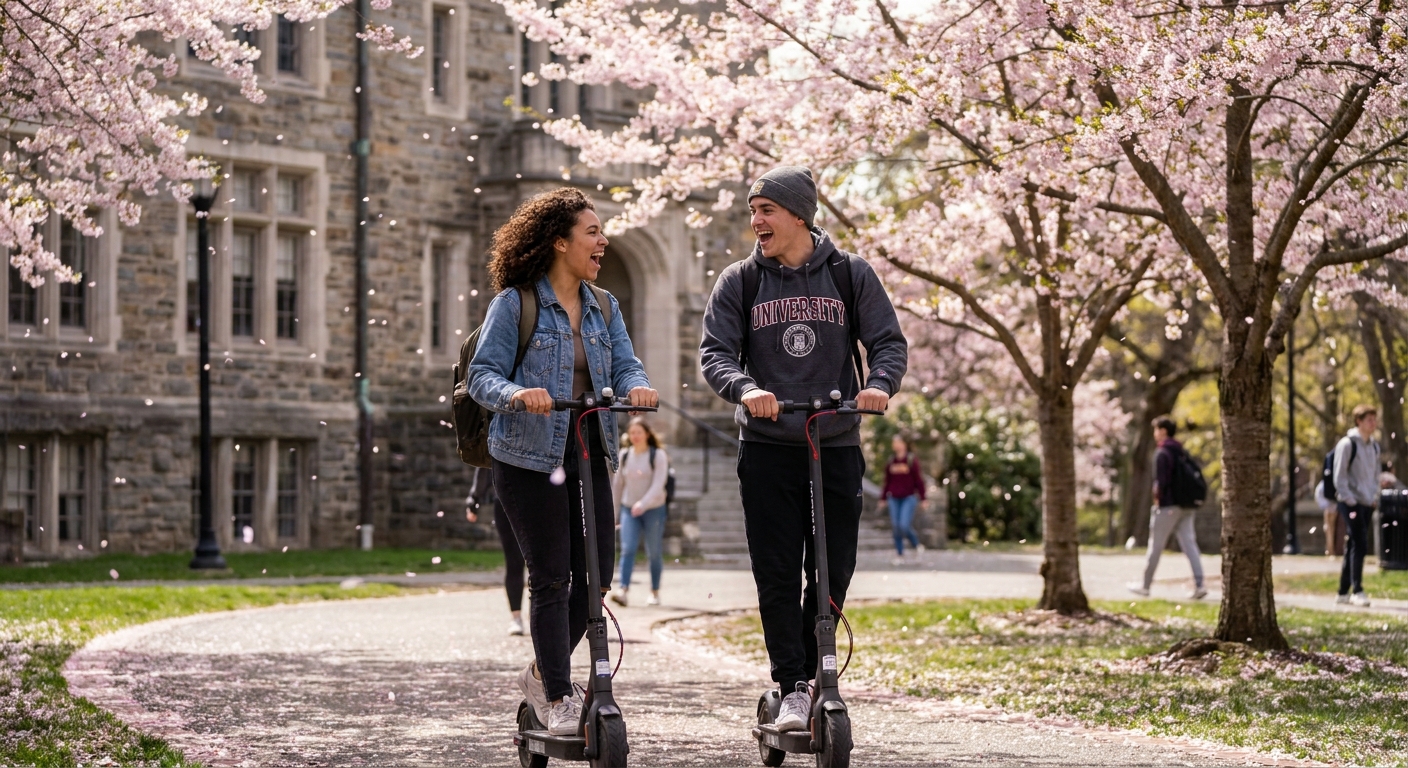
Riding an electric scooter turns a boring, tiring walk into an exhilarating, wind-in-your-face adventure that makes getting to class the best part of your day. Daily transit does not have to be a stressful, boring chore that you dread every single morning when riding electric scooters for college students.
The sensation of gliding smoothly down campus pathways while feeling the cool breeze is an instant mental reset. It is a fantastic way to clear your mind, enjoy the outdoors, and experience campus life.
The Thrill of Effortless Gliding
Walking in the summer heat or freezing cold can put you in a negative mood before class starts. Zooming down campus paths on a responsive scooter provides an active, thrilling ride that leaves you energized.
Here is the deal:
- Provides an instant mood boost before tough exams.
- Silent, smooth acceleration is incredibly satisfying.
- Lets you enjoy beautiful outdoor campus weather to the fullest.
Joining a Vibrant Campus Scooter Community
Micro-mobility has become incredibly popular, creating a natural community of student riders on every campus. Riding together with friends makes grabbing lunch or heading to study groups a fun social event.
Think about it: beyond the practical and financial benefits, riding an electric scooter brings a sense of adventure and fun to your daily college experience.
| Commute Method | Fun Factor | Stress Level | Social Connection |
|---|---|---|---|
| Walking | Low | Low | Moderate |
| Bus Transit | Very Low | High (Crowded) | Low |
| Electric Scooter | High (Exhilarating) | Very Low | High (Rider Groups) |
Incorporating fun into your daily travel routine drastically improves overall student mental health and academic focus.
Conclusion
Ready to completely transform your daily campus commute, bypass parking headaches, and keep your hard-earned money in your pocket? Don’t let exhausting walks and expensive parking permits drain your energy and budget this semester. Dynamic Scooter designs innovative, high-value micro-mobility solutions specifically tailored to modern student life.
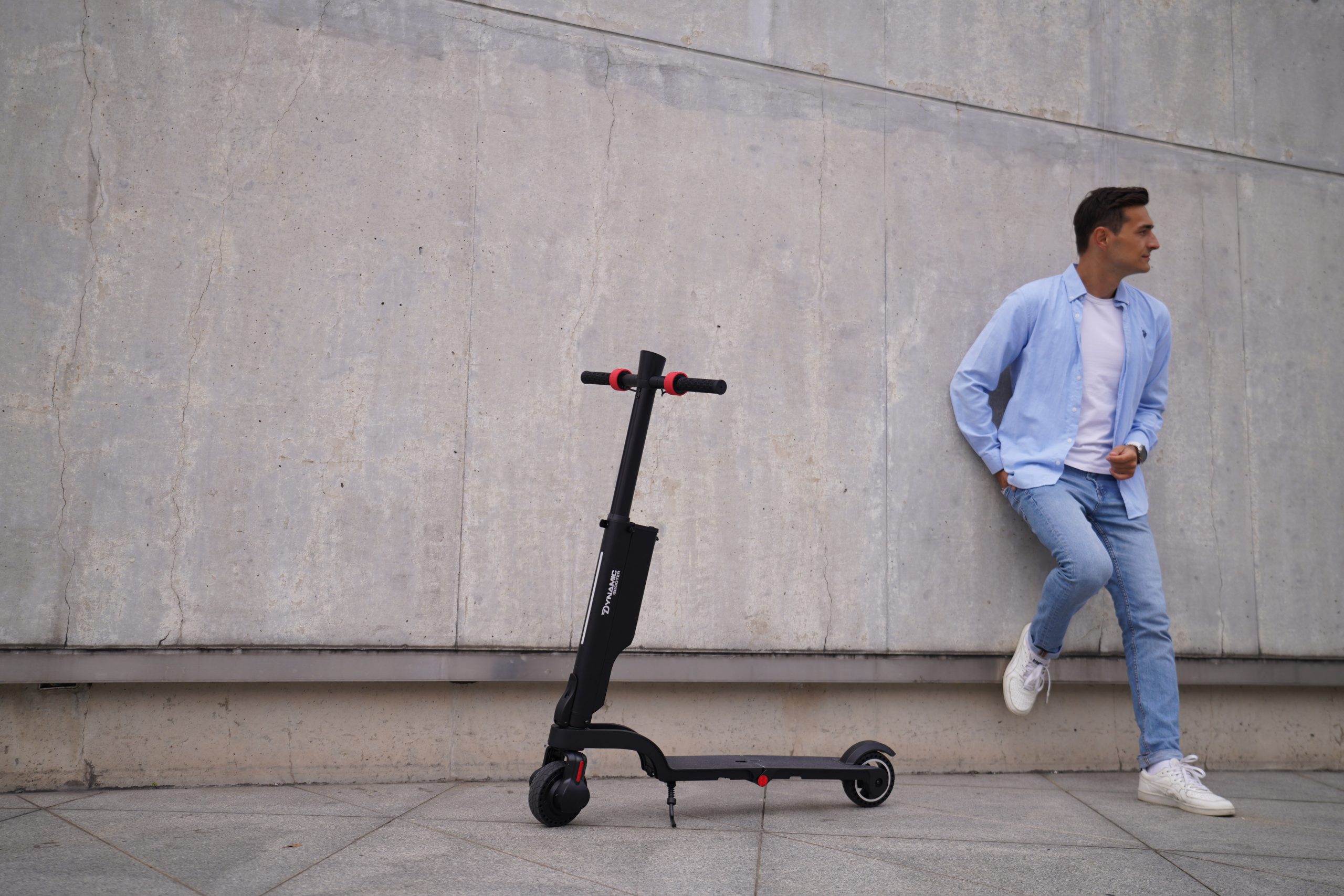
Our premium, ultra-portable Dynamic Scooter Model B is engineered with a durable folding frame, essential dual-braking systems, flat-free tires, and a reliable 12-mile range, making it the perfect budget-friendly solution for college budgets. Explore the full specs of the Model B for only $392.17, or contact us today to find the absolute perfect micro-mobility companion for your college journey!
Frequently Asked Questions (FAQ)
Can I charge my electric scooter in my college dorm room?
Yes, charging your electric scooter inside your dorm room is completely safe and highly cost-effective. Most university housing policies allow personal electric vehicles as long as they use UL-certified batteries and standard household chargers. Simply fold your scooter and plug it into a standard outlet next to your desk; a complete charge takes only 4 to 5 hours and costs about five cents in electricity.
What’s the best way to lock and secure my scooter on campus?
Bringing your folded electric scooter directly inside your classroom is always the safest security method. However, if you must leave your scooter unattended outside, you should secure it to a designated campus bike rack using a heavy-duty, hardened steel U-lock through the main folding hinge or deck. Avoid using cheap cable locks, as they can be easily cut by thieves in seconds.
How do I know if my campus allows electric scooters?
Checking your university’s official transportation or campus safety webpage is the most reliable way to verify local scooter rules. The vast majority of modern colleges encourage electric micro-mobility but have specific guidelines, such as riding on paved paths, yielding to pedestrians, and maintaining a campus speed limit of 15 mph.
Can I ride my electric scooter in the rain to class?
Yes, you can ride in light rain provided your scooter features a certified IP54 water-resistance rating. An IP54 rating means the sensitive electrical components, battery, and motor are shielded from splashing water and light rain showers. However, you should always avoid riding through deep puddles, heavy downpours, or icy paths to protect the electronics and prevent slipping.
What’s the best electric scooter for a tight student budget?
Choosing the high-performance Dynamic Scooter Model B is the smartest option for budget-conscious college students. Priced at an incredibly accessible $392.17, this premium scooter delivers a reliable 15-to-20 mile range, a durable aerospace-grade aluminum frame, flat-free tires, and essential dual-braking safety features without forcing you to take on student debt.