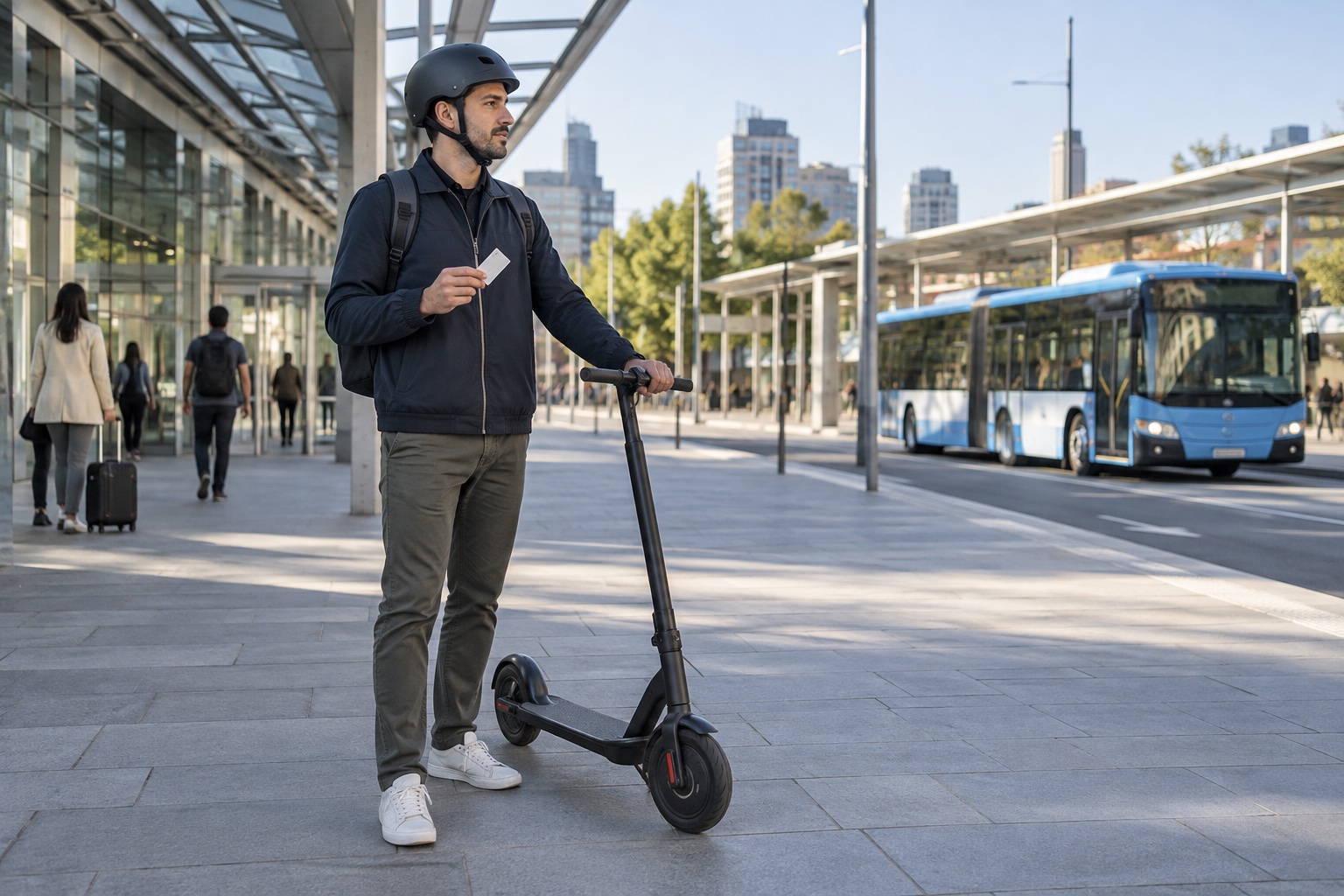

To legally ride an electric scooter in NYC, you must be at least 16 years old, keep your speed under 15 mph, ride only on streets with a posted speed limit of 30 mph or less, and avoid sidewalks entirely. Commuting in the five boroughs is often a daily nightmare of gridlocked roads, bumper-to-bumper traffic, and cramped spaces.
Unexplained subway delays and surging rideshare prices will easily agitate your morning commute and ruin your schedule. Happily, a high-quality personal electric scooter serves as your ultimate ticket to transit freedom. However, before you zip past the traffic, you must stay fully compliant with the electric scooter laws in new york to ride safely and legally.
What are electric scooter laws in new york?

Under New York law, electric scooters are officially categorized as standing wheeled devices with handlebars and a standing deck propelled by an electric motor. These regulations establish a clear legal boundary between lightweight personal vehicles and heavy motor vehicles. Knowing these exact classifications prevents you from accidentally riding an illegal vehicle on public pathways. That is why understanding the electric scooter laws in new york is the first step for every city commuter.
The state vehicle and traffic law outlines these definitions under specific legal sections. Devices that fall outside this scope face strict penalties and vehicle confiscation. If you want to dive deeper into our brand history and mission, feel free to explore our about-us page for details. Choosing a fully compliant, high-performance ride is the smartest decision you can make.
What specs make a scooter street legal?
To be street-legal on New York roads, your personal electric scooter must meet strict design specifications. Think about it: a machine that doesn’t meet these rules can be impounded immediately by local authorities. Your vehicle must feature a continuous floorboard for standing and a steerable handlebar system.
- Standing Deck: Designed strictly for stand-up operation without a seat.
- Active Steering: Must have a steerable handlebar system.
- Motor Cap: Built with an electric motor capable of no more than 20 mph.
Buying a scooter that matches these specifications keeps you completely safe on public paths. Our high-quality commuter models are fully designed to satisfy these official guidelines.
How do mopeds differ under the law?
If your electric device features a built-in seat or exceeds 20 mph, the state classifies it as a moped. Here is the deal: mopeds are subject to much stricter Department of Motor Vehicles regulations. Operating a seated vehicle without these credentials is a serious offense.
- DMV Plates: Mopeds require formal registration and rear plates.
- Driver’s License: You must hold a valid driver’s license to operate them.
- Insurance: Mandatory liability insurance policy required by state law.
Staying in the standing category saves you from endless DMV paperwork and monthly insurance premiums. Choosing a stand-up scooter keeps your commute simple and cost-effective.
| Vehicle Type | DMV Registration | License Required | Bike Lane Access |
|---|---|---|---|
| Stand-Up Scooter | Not required | No | Allowed |
| Seated Moped | Mandatory | Yes | Prohibited |
Analyzing this regulatory data shows that stand-up scooters offer the easiest and most affordable pathway to daily commuting.
Knowing the physical specifications of your vehicle ensures that you never accidentally operate an unregistered motor vehicle. This simple distinction keeps you on the right side of the law and protects your ride from immediate impoundment.
Who must obey electric scooter laws in new york?
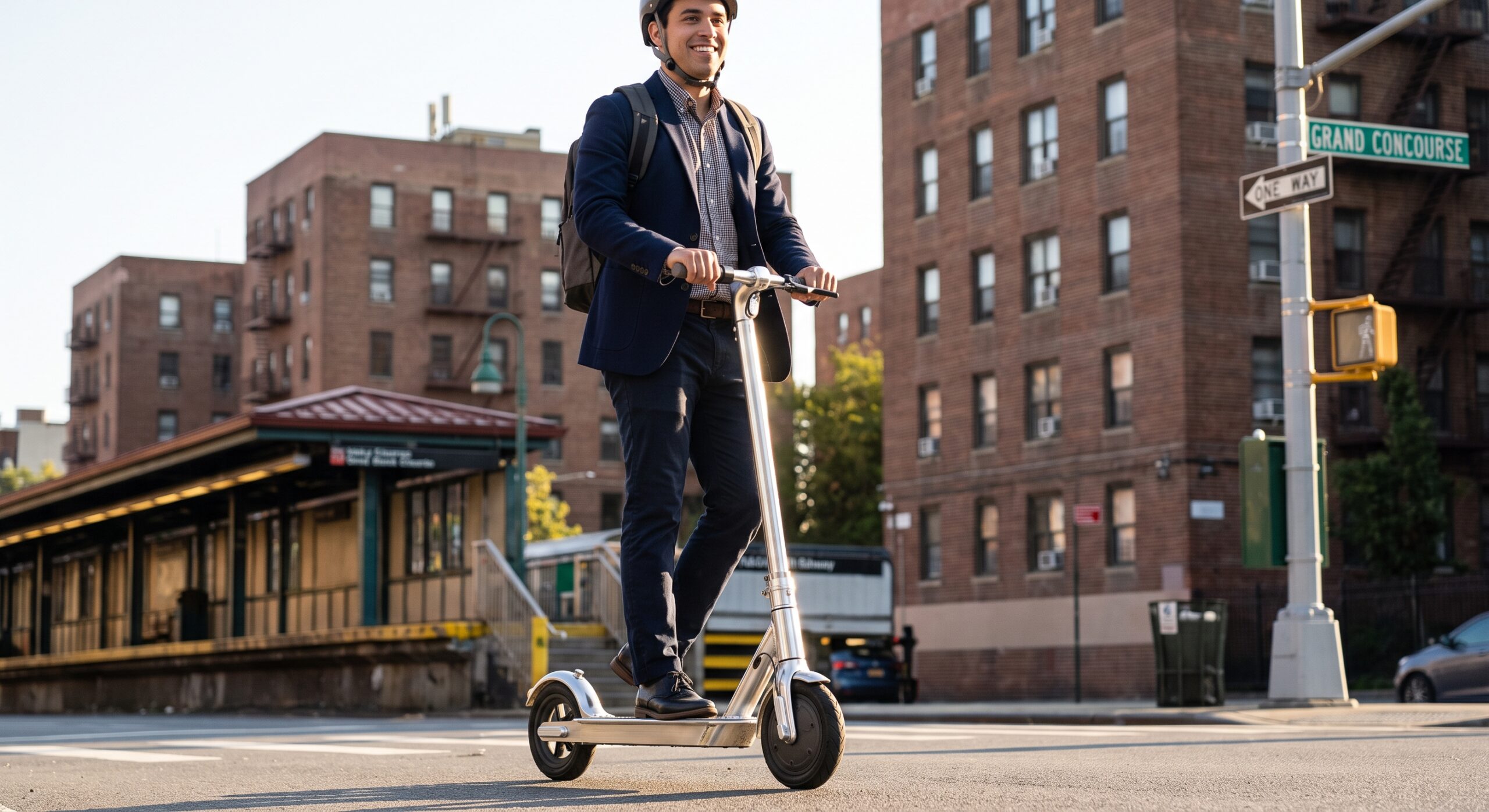
Every micro-mobility rider operating a personal or shared device on public streets must obey these laws. These rules are designed to protect both the operator and the pedestrians sharing the local pathways. Fortunately, staying updated on the electric scooter laws in new york is simple once you master the basics.
Both private owners and tourist riders are subject to the same standards. Police officers routinely patrol high-traffic areas to enforce these safety measures. Riding responsibly ensures that the city remains safe and enjoyable for all road users.
Is there a strict minimum age to ride?
New York State law mandates that all e-scooter operators must be at least 16 years of age. Look: safety on the road starts with mature operators who understand traffic patterns. Parents can face secondary citations if they allow younger children to ride on public roads.
- Private Scooters: Minimum riding age is 16 years old.
- Rental Fleets: Commercial rental providers require riders to be 18.
- Supervision: Underage riding on streets is completely illegal.
Ensuring you meet the age requirement is crucial before taking your scooter onto public ways. It helps maintain order and protects young commuters from traffic hazards.
Do you need a driver’s license to ride?
You do not need a driver’s license, permit, or DMV registration to operate a legal stand-up scooter. The best part? You can start riding immediately without scheduling a road test. However, the lack of a license requirement does not exempt you from standard traffic rules.
- DMV Testing: No formal practical or written testing is required.
- License Plates: Stand-up devices do not receive or require plates.
- Rule Compliance: You must obey all standard traffic signals and stop signs.
This makes personal micromobility incredibly accessible and highly cost-effective for daily travel. It removes the administrative hurdles associated with larger vehicles.
| Ride Type | Age Limit | DMV Registration | License Required |
|---|---|---|---|
| Private Scooter | 16+ | No | No |
| Rental Scooter | 18+ | No | No |
Reviewing this operator data shows that stand-up scooters offer the easiest barrier to entry for commuters.
The absence of licensing and registration requirements saves you time and money, making e-scooters highly accessible. However, you must still act as a responsible motorist and respect the flow of traffic to stay safe.
Where apply electric scooter laws in new york?

These safety rules apply to all public streets and bike paths across the five boroughs. Municipalities have the legal authority to set local guidelines, but they cannot override state safety codes. Knowing exactly where you are permitted to ride prevents conflicts with pedestrians and vehicles. Understanding these boundary lines is a core part of mastering the electric scooter laws in new york.
Riders who venture onto unauthorized pathways face immediate fines and risk colliding with fast-moving traffic. It is always best to plan your route using official bike lane maps beforehand.
Can you legally ride on the sidewalk?
Riding an electric scooter on any public sidewalk is strictly illegal under NYC Administrative Code. The truth is: sidewalks are the most common place for pedestrian accidents to occur. You must always dismount and push your scooter by hand when walking on a sidewalk.
- Riding: Strictly prohibited on all city sidewalks.
- Parking: Permitted on sidewalks if the device does not block foot traffic.
- Fines: Sidewalk riding carries immediate municipal ticket penalties.
This prohibition ensures that pedestrians can walk safely without fearing high-speed collisions. Sticking to the street is the only legal way to ride.
Are highways completely off-limits to you?
E-scooter operators are completely prohibited from riding on expressways, major highways, and inter-borough tunnels. Best of all? NYC has a vast network of protected bike lanes designed for your safety. You are only allowed to ride on streets with a posted speed limit of 30 mph or less.
- Highways: Prohibited at all times, regardless of traffic speed.
- Speed Limits: Restricted to streets marked 30 mph or lower.
- Tunnels: Inter-borough tunnels are strictly closed to e-mobility.
Trying to share a fast expressway with large cars is incredibly dangerous and highly illegal. Planning your route along local roads keeps you out of harm’s way.
| Location | Permitted | Speed Limit | Penalty Risk |
|---|---|---|---|
| Sidewalks | No | N/A | High ($25 – $250 Fine) |
| Bike Lanes | Yes | Capped at 15 mph | None (compliant) |
| Highways | No | N/A | High (Fine & Confiscation) |
Analyzing this geographic data highlights that sticking to designated bike lanes is your best protection against fines.
Staying off sidewalks and high-speed roads keeps you out of harm’s way and prevents costly police tickets. Sticking to protected bike lanes ensures a relaxed commute and keeps you fully compliant with municipal zoning rules.
Do safety rules affect electric scooter laws in new york?

Yes, state safety rules directly dictate what personal gear and equipment you must have while riding. These laws ensure that every scooter on the road has adequate safety features to protect the operator in low-light conditions. Fortunately, checking your equipment under the electric scooter laws in new york ensures a worry-free daily trip.
A properly equipped scooter is much safer to operate on crowded city streets. Having active lights and reflectors ensures that larger vehicles can spot you from a distance. Let us examine the specific safety requirements you must follow.
Are helmets mandatory for adult riders?
While helmets are not legally required for riders over 18 years old, they are mandatory for minors. Think about it: a quality helmet is the single most effective piece of life-saving gear. Operators aged 16 and 17 must wear an approved safety helmet at all times.
- Under 18: Helmets are legally mandatory under state law.
- 18 and Over: Highly recommended but voluntary on public roads.
- Standards: Must meet CPSC safety certification standards.
Even though adults are exempt, medical professionals and legal experts strongly advise all riders to wear helmets. Protecting your head is always the smartest move in busy traffic.
What light and brake gear is required?
All electric scooters ridden after sunset must be equipped with functioning headlamps and taillights. Here is the deal: proper visibility prevents nighttime accidents. You must also have side reflective materials and an audible bell or horn to alert pedestrians.
- Front Light: White light visible from at least 500 feet ahead.
- Rear Light: Red light visible from at least 300 feet behind.
- Audible Signal: Must have a working bell, horn, or buzzer.
A strong, responsive brake system is also a strict legal requirement. Keeping your equipment maintained prevents sudden failures when you need to stop quickly.
| Equipment | Legal Requirement | Age Group | Standard |
|---|---|---|---|
| Helmets | Mandatory under 18 | Ages 16 – 17 | CPSC Certified |
| Lights | Mandatory at night | All riders | Front white, rear red |
| Brakes | Mandatory | All riders | Good working order |
This equipment comparison shows that keeping your scooter maintained is a core legal duty.
Outfitting your e-scooter with bright lights and wearing a certified helmet dramatically reduces your vulnerability on dark roads. These simple safety measures keep you visible to distracted drivers and ensure complete legal compliance.
How fast do electric scooter laws in new york allow?
The state legal operating speed limit is strictly capped at 15 miles per hour. This threshold applies to all public roads and bike lanes within city limits. Even if your scooter is mechanically capable of going faster, you must not exceed this limit. Staying within this speed boundary is a central requirement of the electric scooter laws in new york.
Police officers use radar devices to monitor micro-mobility speeds in congested areas. Speeding tickets carry heavy penalties and can negatively affect your liability in an accident. Let us explore why this speed limit is strictly enforced.
Why is the speed limit set at 15 mph?
The 15 mph speed limit exists to reduce the severity of collisions in crowded urban environments. Look: a shorter stopping distance gives you the crucial seconds needed to react. Higher speeds significantly increase your braking distance and the physical impact of a crash.
- Reaction Time: Keeps your stopping distance within a safe range.
- Impact Force: Minimizes injury risks for both you and pedestrians.
- Congestion Safety: Perfectly suited for dense city traffic flows.
This limit strikes a perfect balance between fast transit and public pedestrian safety. It keeps riders flowing smoothly without endangering others.
What are the penalties for speeding?
Exceeding the 15 mph limit can result in a traffic ticket and hefty fines. The best part? Keeping a steady speed also extends your battery life. Repeat offenders risk having their personal electric scooters confiscated by local police officers.
- First Ticket: Fines start around $100 for minor speeding.
- Subsequent Tickets: Fines can quickly escalate up to $250.
- Reckless Riding: Can lead to misdemeanor charges in severe cases.
Speeding in a crowded zone can also lead to charges of reckless endangerment. Keeping your speed dial locked at 15 mph protects your wallet and your freedom.
| Speed Range | Legal Status | Fine Risk | Safety Profile |
|---|---|---|---|
| 0 – 15 mph | Compliant | None | Excellent stopping control |
| 16 – 20 mph | Non-Compliant | Up to $150 | Reduced reaction window |
| 21+ mph | Illegal | Up to $250 | Dangerous and moped territory |
This speed breakdown reveals that keeping your speed under 15 mph is the safest legal option.
Adhering to the 15 mph limit protects your safety and shields you from expensive speeding tickets. It ensures you have ample time to brake for sudden obstacles, protecting you and the public.
Are batteries regulated by electric scooter laws in new york?

Yes, municipal laws strictly regulate battery safety and manufacturing standards to prevent fires. New York City requires all micromobility devices sold or rented to feature approved safety seals. These regulations protect apartment buildings and offices from catastrophic lithium-ion battery incidents. That is why staying informed on the electric scooter laws in new york is essential for product safety.
Many landlords and offices have banned non-certified scooters from entering their premises. Buying a certified scooter ensures you can park and charge your ride without issues. Let us examine what these safety certifications mean for you.
What does a UL 2272 certification mean?
Under NYC Local Law 39, all electric scooters must be certified to UL 2272 electrical standards. The truth is: certified systems are the only way to guarantee charging safety at home. This testing standard ensures that the scooter’s motor, battery, and charger can operate safely without overheating.
- UL 2272: Certifies the complete electrical and drive train system.
- UL 2271: Certifies the safety of the individual lithium-ion battery.
- Retail Ban: Selling uncertified devices in NYC carries heavy civil penalties.
Devices that pass this testing are highly resistant to short circuits and thermal runaway. It is a critical certification that every buyer must look for.
Are uncertified batteries banned in NYC?
Selling, leasing, or renting non-UL certified micro-mobility devices is strictly illegal in New York City. Here is the deal: riding a certified scooter keeps you welcome in residential buildings. Retailers who violate this law face civil fines of up to $1,000 per violation.
- Sale Ban: Uncertified devices cannot be legally sold in NYC.
- Building Rules: Landlords have the right to block non-compliant scooters.
- Cord Rule: Charging cords must bear warning labels as of 2026.
Building managers are legally permitted to confiscate or ban uncertified devices from their properties. Ensuring your device has the correct safety markings protects your housing and your investment.
| Standard | Target | NYC Status | Civil Penalty |
|---|---|---|---|
| UL 2272 | Electrical System | Mandatory for sale/lease | Up to $1,000 |
| UL 2271 | Battery Pack | Mandatory for parts | Up to $1,000 |
| Red Tag | Charging Cord | Mandatory as of 2026 | Fines for sellers |
This battery safety data demonstrates that buying certified products is required for legal city living.
Choosing a scooter with UL 2272 certification guarantees that your device meets the highest safety standards. This prevents devastating fire risks and ensures you can bring and charge your scooter in apartment buildings.
Do rentals follow electric scooter laws in new york?

Yes, commercial rental companies must follow strict municipal guidelines and operate under local DOT pilot programs. These shared programs are closely monitored to assess their impact on neighborhood safety and congestion. Understanding these unique rental limits helps you avoid unexpected charges and account suspensions. That is why rental operations are carefully regulated under the electric scooter laws in new york.
Rental scooters use advanced geofencing technology to enforce speed caps and parking boundaries automatically. If you park outside an approved zone, your rental session will not end, and you will continue to be billed. Let us check the specific limits placed on these shared fleets.
Where are rental services allowed to operate?
The NYC Department of Transportation limits shared scooter programs to the East Bronx and Eastern Queens. Think about it: geofencing keeps the rental fleets from cluttering high-traffic tourist areas. These rental fleets are not permitted to operate in Manhattan, Brooklyn, or Staten Island.
- East Bronx: Fully active rental pilot zone.
- Eastern Queens: Active expansion pilot zone.
- Other Boroughs: Strictly off-limits for shared rental services.
Trying to ride a rental device outside these approved zones will automatically trigger a safe motor shutdown. This system keeps shared mobility restricted to approved areas.
How do rental rules differ from private ones?
Shared rental programs enforce a minimum age of 18, whereas private scooters require riders to be 16. Look: renting is convenient, but owning a private scooter gives you much more freedom. Rental platforms also require users to agree to terms of service that include automatic liability waivers.
- Age Limit: Minimum of 18 years for rentals vs 16 for private.
- Speed Cap: Hard-coded to a maximum speed of 15 mph.
- Drop Zones: Must park in specific geofenced corrals to stop charges.
Rentals must be parked in designated street corrals rather than standard sidewalk areas. This strict requirement prevents sidewalk clutter and keeps walkways clear for pedestrians.
| Feature | Private Scooter | Shared Rental |
|---|---|---|
| Minimum Age | 16 Years Old | 18 Years Old |
| Active Boroughs | All five boroughs | East Bronx & Queens only |
| Parking Style | Sidewalk (non-blocking) | Designated corrals only |
This comparison highlights that private scooters offer significantly more geographical flexibility.
Knowing the distinct boundaries of rental services prevents you from facing unexpected platform fees. Owning a private scooter eliminates borough restrictions, allowing you to travel freely across the entire city.
Are changes coming to electric scooter laws in new york?
Yes, state legislators are actively debating several bills that could introduce mandatory registration and licensing. These proposed changes aim to increase operator accountability and improve safety on busy roadways. Staying informed about these upcoming shifts is vital for all active commuters. That is why keeping an eye on the electric scooter laws in new york is highly recommended.
As micromobility usage grows, local regulations will continue to evolve to address road safety. Being prepared for these changes helps you avoid sudden compliance issues down the line. Let us examine the major bills currently under debate.
What changes would Priscilla’s Law bring?
Priscilla’s Law is a proposed bill that would require all electric scooter riders to obtain a license. Here is the deal: the bill is intended to curb reckless riding and track unregistered vehicles. It would also mandate that every personal e-scooter be formally registered with the DMV.
- DMV Registration: Would make registration mandatory for private owners.
- License Plates: Required to display plates on the rear frame.
- Operator Permit: Riders would need to pass a basic safety test.
This would represent a major shift from the current “no license required” policy. If passed, it would bring scooters in line with standard motorized vehicles.
Will rental zones expand in the near future?
With ridership hitting record numbers, shared scooter providers are lobbying for entry into new boroughs. Best of all? Expanded access reduces reliance on cars and eases public transit crowding. The DOT is actively reviewing safety data from the pilot zones.
- Ridership: Nearly doubled in Queens pilot zones since last year.
- Boroughs: Under active review for entry into Brooklyn.
- Infrastructure: Would require the installation of hundreds of new parking corrals.
Any expansion would bring rental fleets into high-density neighborhoods in Brooklyn and Manhattan. It would dramatically change how residents complete their daily last-mile trips.
| Bill / Proposal | Target Focus | Legislative Status (2026) |
|---|---|---|
| Priscilla’s Law | DMV registration & plates | Under Active Debate |
| City Council License | Local operator permit | Proposed / Active |
| Borough Expansion | Shared rentals in Brooklyn | Under DOT Review |
This legislative tracker shows that regulations are moving toward greater rider accountability.
Keeping track of these legislative developments ensures you are never caught off guard by new rules. Adapting early to registration or helmet mandates keeps your daily commute smooth and completely legal.
What if you violate electric scooter laws in new york?

Violating these laws can result in expensive traffic tickets, device confiscation, and complicated insurance battles. If you are involved in an accident while riding illegally, your ability to recover damages is severely limited. Understanding the legal consequences of non-compliance is essential to protecting your physical and financial well-being. That is why staying fully compliant with the electric scooter laws in new york is so critical.
Police officers are authorized to issue summonses directly to riders who ignore traffic signals or ride on sidewalks. These offenses go on your record and can lead to civil liabilities. Let us look closely at the fines and legal consequences of violating these rules.
How much are typical fine penalties?
Fines for e-scooter violations range from $25 to $250 depending on the severity of the offense. The truth is: simple infractions can quickly turn into highly expensive legal headaches. Riding on a sidewalk or traveling above the 15 mph speed limit carries an immediate fine.
- Sidewalk Riding: Carries municipal fines up to $250.
- Equipment Violations: Fines for missing lights range from $25 to $100.
- Device Confiscation: Police can seize modified or illegal scooters.
Furthermore, if you are caught riding an uncertified or modified device, police can confiscate your scooter on the spot. Staying within legal specifications is the only way to safeguard your ride.
How is fault determined after an accident?
New York uses a comparative negligence model to allocate fault in personal injury claims. Think about it: staying fully legal is your best shield in a court of law. If you were violating a scooter law during a collision, the court can reduce your financial compensation.
- Comparative Fault: Compensation is reduced by your percentage of fault.
- Violation Impact: Breaking safety laws heavily damages your injury claim.
- Reporting Law: You must file an accident report within 10 days for any injury.
For instance, riding on a sidewalk or ignoring a red light counts as strong evidence of personal negligence. Keeping your ride completely legal ensures your rights are protected.
| Violation Type | Typical Fine | Liability Impact | Confiscation Risk |
|---|---|---|---|
| Sidewalk Riding | Up to $250 | High (negligence) | Possible |
| Speed Limit Violation | Up to $150 | Moderate | Low |
| Missing Safety Lights | Up to $100 | Moderate | Low |
This penalty data reveals that the financial cost of violating safety rules far outweighs any time saved.
Obeying all traffic and equipment rules preserves your legal right to seek full compensation after an accident. It ensures that if a negligent driver strikes you, you can recover damages without complicated liability disputes.
Conclusion
Navigating the evolving regulations of NYC’s micro-mobility landscape can feel overwhelming, but staying compliant is straightforward when you know the rules. By keeping your speed under 15 mph, avoiding sidewalks, and riding a certified standing scooter, you can enjoy a safe and efficient ride. At Dynamic Scooter, we believe that sustainable personal transit should be accessible, safe, and completely worry-free.
Our premium, high-performance Dynamic Scooter Model B offers the perfect balance of power, portability, and complete legal compliance for just $392.17. We are committed to leading the micro-mobility revolution with safe, UL-certified designs that help you beat the traffic. If you have any questions or want to upgrade your daily commute, feel free to contact us today and let our expert team guide you.
Frequently Asked Questions
Can I ride an electric scooter on New York State park trails?
No, you cannot. State parks generally prohibit motorized vehicles on pedestrian trails and greenways to protect natural habitats and walkers.
What’s the best way to prove my electric scooter is UL certified?
The best way is to locate the official holographic safety label printed directly on the deck or battery compartment of your device. Keeping a digital photo of this sticker and your original purchase receipt on your phone is highly recommended in case of building or police inspections.
How do I know if my scooter is classified as an electric scooter or a moped?
You must check if your device has a seat and verify its top speed capability. Under New York law, if your device features handlebars, has a continuous standing deck with no seat, and cannot exceed 20 mph on motor power alone, it is classified as a compliant electric scooter.
Can I carry a passenger on my electric scooter if they are a child?
No, you cannot. State traffic regulations strictly prohibit carrying any passenger on an electric scooter, as these personal mobility devices are designed and legally regulated for a single operator only.
Can I park my electric scooter on the sidewalk in NYC?
Yes, you can. You are legally allowed to park your personal e-scooter upright on public sidewalks, provided that the parked device does not block pedestrian traffic, building entrances, or accessibility ramps.