
You can extend electric scooter battery life by avoiding total depletion, keeping charges within moderate ranges, and storing your device in climate-controlled spaces. Many riders experience a sudden loss in range and power simply because of poor everyday maintenance habits.
There is nothing worse than getting stranded halfway through your morning ride with a dead battery and a long walk ahead of you. Fortunately, you can easily extend electric scooter battery life by following a few simple adjustments to your charging and riding routines.
Why does your scooter battery drain fast?

Your scooter battery drains fast because of normal cell degradation over time combined with poor riding and charging habits. Overloaded payloads, low tire pressure, and riding in extreme cold will pull extra current from the power pack. Knowing how these daily habits harm your ride will help you extend electric scooter battery life over years of ownership. Preventing sudden drops in voltage keeps your commute smooth and fast.
Does total depletion harm lithium cells?
Draining your battery completely to zero percent puts immense stress on modern lithium-ion chemistry. These deep discharges can permanently damage the capacity of the power cells, leaving you with a shorter travel range. Look: you should proactively plug in your vehicle before the power levels drop too low. Try to make it a daily rule to charge your ride before it completely turns off.
To avoid deep discharges, follow these steps:
- Plug in your scooter when the battery hits twenty percent.
- Avoid riding on a blinking low-power indicator.
- Never leave a fully depleted battery sitting on a shelf.
How does daily wear impact battery age?
Every ride and charge represents a chemical cycle that slowly reduces the capacity of your cells. Overloading your motor with excessive cargo weight forces the battery to discharge faster, raising internal temperatures. Keeping your vehicle clean and well-maintained minimizes the physical resistance that ages your power cells.
Key Takeaway: Protecting your power cells from excessive strain prevents early capacity loss and ensures your commuter ride stays ready.
| Charge Cycle Practice | Long-Term Health Impact | Recommended Strategy |
|---|---|---|
| Deep Discharges (0%) | High cell degradation | Recharge at 20% |
| Balanced Charging (20-80%) | Stable cell health | Partial daily charges |
Monitoring your daily discharge rates allows you to plan timely top-ups and avoid premature battery replacements.
How should you charge your scooter daily?

You should charge your scooter daily by connecting it to a reliable power source whenever the level drops below thirty percent. Consistently top off your battery after daily commutes to maintain a stable, predictable voltage output. Making minor adjustments to your daily plugged-in schedule will help you extend electric scooter battery life over years of commuting. A healthy charging discipline keeps your cells structurally sound and ready.
Why is proper daily plug-in order vital?
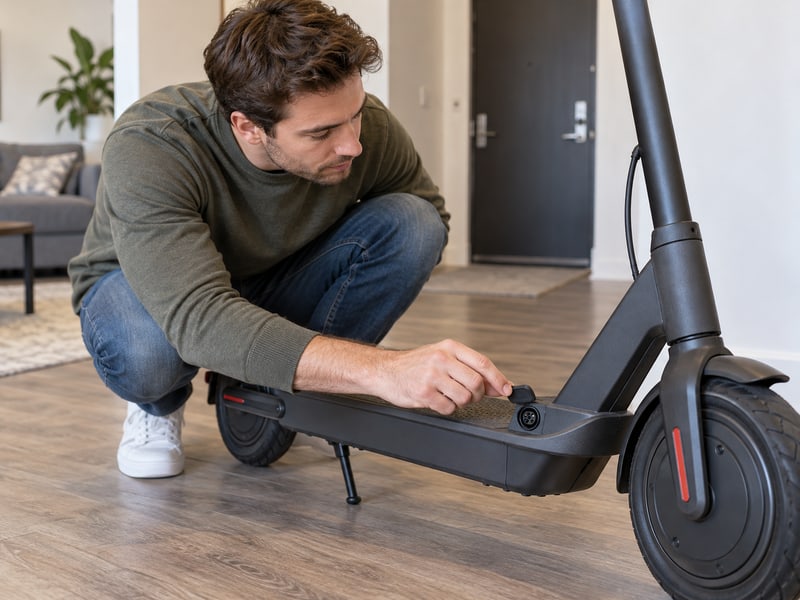
Think about it: the sequence in which you plug in your power cords matters for electrical safety. Always connect the charger to your wall outlet before linking the adapter to your vehicle deck. This prevents dangerous electrical arcs from damaging the delicate charging port pins. Following this simple sequence protects your internal power management systems.
Can daily routines prevent voltage drops?
Developing a reliable daily schedule ensures that you never get caught riding with low voltage. Low power levels force your motor to pull more current, which overheats the cells. Try to follow these basic habits:
- Place your charger in a well-ventilated area.
- Wipe the connector pins clean before plugging them in.
- Keep the charging port cover closed while riding.
Key Takeaway: Sticking to a safe plug-in routine prevents localized heating and keeps your power flowing reliably.
| Connection Step | Correct Action | Potential Danger |
|---|---|---|
| First Step | Plug charger into wall outlet | Spark prevention |
| Second Step | Plug connector into scooter | Port pin preservation |
Establishing a set connection order safeguards your scooter’s internal electronics against volatile current surges.
Which power adapter is safe for charging?

Only the original power adapter supplied by the manufacturer is truly safe for charging your electric scooter. Cheap generic replacements often lack certified safety standards and can easily cause severe electrical spikes. Using certified, official accessories is the best way to extend electric scooter battery life and prevent unexpected fire hazards. Stick to factory-issued gear to keep your system safe.
Why are generic chargers dangerous?
In fact: third-party adapters often deliver mismatched voltage outputs that can permanently damage individual battery cells. Without precise current regulation, a cheap cable can overcharge your system, leading to dangerous thermal runaway. You should never compromise your safety just to save a few dollars on an unbranded power brick.
Avoid generic adapters by checking these signs:
- Look for mismatched voltage or current ratings on the brick.
- Watch out for uncertified cables that run excessively hot.
- Avoid loose connectors that spark during plug-in.
How does the power management system help?
Your scooter has an advanced internal safety board that communicates directly with your official power brick. This connection balances individual cell levels and shuts off current when charging is fully complete. Keeping this system happy ensures consistent performance and keeps you moving safely.
Key Takeaway: Relying on genuine power adapters protects your internal electronics and maximizes your daily range.
| Adapter Source | Voltage Control | Fire Hazard Risk |
|---|---|---|
| Original Factory | Certified stable | Exceptionally low |
| Generic Third-Party | Unregulated | Extremely high |
Using manufacturer-approved power sources ensures proper communications between the charger and the battery board.
What is the ideal battery charge range?

The ideal battery charge range for daily use is between twenty and eighty percent. Keeping your cells within this sweet spot reduces mechanical stress on the modern lithium layers inside. This deliberate partial charge strategy is an excellent method to extend electric scooter battery life without overworking your system. Staying within these parameters keeps your cell structures chemically stable.
Why is the middle capacity area optimal?
Here is the truth: maintaining a full hundred percent charge creates high-voltage stress inside the power cells. This continuous pressure is similar to keeping a spring tightly wound for days at a time. To reduce this structural tension, try to stop charging before the indicator hits maximum.
Prioritize this range using these quick tips:
- Unplug your scooter shortly before it hits full capacity.
- Never store your ride at one hundred percent power for weeks.
- Plan your charging times to avoid leaving the cord plugged in.
When should you charge up to maximum?
You should only charge to a full one hundred percent when you are planning a long weekend ride. Completing a full charge occasionally is helpful to let your battery management board balance individual cells. Just make sure to ride your scooter shortly after filling it up completely.
Key Takeaway: Keeping your daily charge level in the middle sweet spot preserves long-term battery performance.
| Daily Charge Target | Cell Voltage Pressure | Ideal Riding Scenario |
|---|---|---|
| 20% to 80% | Safe, moderate pressure | Daily urban commuting |
| 100% | High structural tension | Occasional weekend trips |
Limiting your average daily charge level prevents localized voltage stress from wearing out the battery.
Where should you store your scooter safely?

You should store your scooter safely in a dry, indoor, climate-controlled room. Leaving your ride in cold sheds or unventilated outdoor patios will rapidly degrade the battery chemistry. Choosing a dry closet or a hallway will help you extend electric scooter battery life and prevent corrosion. Protecting your investment from moisture ensures consistent power whenever you need to ride.
Why is humidity bad for your electronics?
Look: moisture can seep past the seals of your battery compartment and short-circuit the cells. Over time, high humidity levels cause rust on metal connection points, leading to sudden power losses. You should always wipe your deck dry with a clean cloth before storing it.
Keep your scooter dry with these habits:
- Wipe down your frame immediately after riding in wet conditions.
- Avoid storage in damp basements or unheated laundry rooms.
- Never park your ride near open windows during rain.
How do you prepare for winter storage?
When storing your vehicle for winter, make sure to charge the battery to about fifty percent. Leaving the scooter completely empty for months can put the power cells into deep, irreversible sleep. Check the power level every month and give it a brief top-up if needed.
Key Takeaway: Storing your scooter at half-power in a dry room keeps your battery healthy and ready for spring.
| Storage Location | Moisture Protection | Ideal Power Level |
|---|---|---|
| Indoor Closet | High security | 50% capacity |
| Outdoor Shed | High moisture risk | Avoid entirely |
Keeping your stored scooter in a climate-controlled room prevents cold-weather capacity drops.
Does extreme weather destroy battery health?
Yes, extreme weather destroys battery health because extreme heat and freezing cold compromise chemical reactions. High summer temperatures can degrade the cell structures permanently, cutting your daily range in half. Learning to safeguard your vehicle from weather fluctuations will extend electric scooter battery life and protect your wallet. Commuting safely means knowing how to handle temperature shifts.
Can summer heat damage your cells?
Here is the deal: leaving your ride in a hot car trunk can bake the battery layers. Temperatures above ninety degrees Fahrenheit speed up internal chemical breakdown, causing permanent capacity losses. Park your vehicle in shaded areas whenever you take outdoor breaks.
Avoid heat damage by using these steps:
- Bring your scooter indoors during peak afternoon temperatures.
- Never charge your battery in direct, hot sunlight.
- Let the deck cool down fully before plugging it in.
How does winter cold affect your range?
Freezing cold environments slow down cell activity, causing a temporary decrease in travel mileage. However, charging a freezing cold battery can trigger internal short-circuits that completely ruin your ride. Always let your vehicle warm up to room temperature before plugging it in.
Key Takeaway: Maintaining a moderate climate preserves the chemical balance of your power system.
| Weather Condition | Structural Impact | Immediate Defense |
|---|---|---|
| Scorching Heat | Rapid chemical aging | Move to indoor shade |
| Freezing Cold | Temporary range drop | Warm up before charging |
Protecting your vehicle from extreme temperatures preserves the structural stability of the cells.
How does riding style affect battery range?
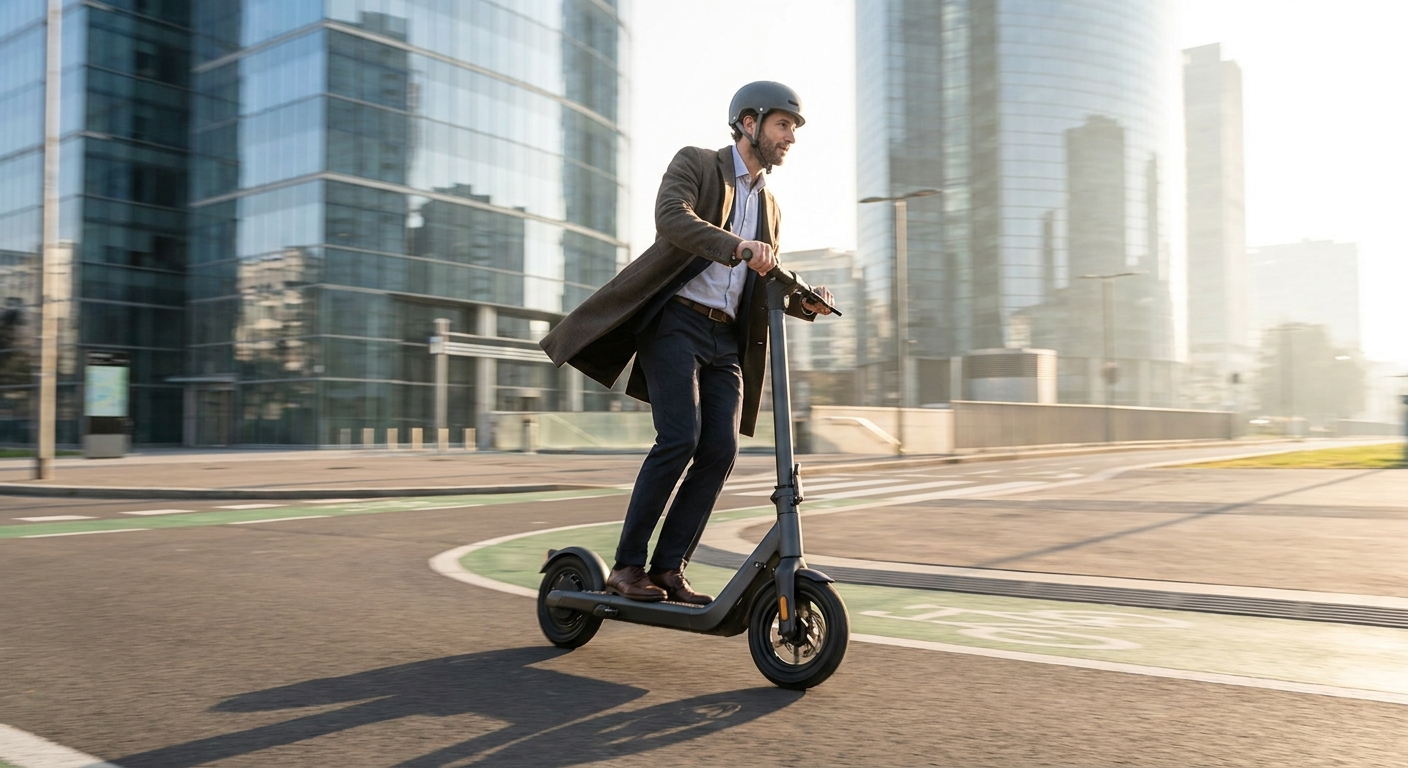
Your riding style directly affects battery range because aggressive throttle usage drains current rapidly. Sudden, full-power starts place a heavy load on the battery, generating unwanted heat inside the deck. Adjusting your habits to a smoother riding profile will help you extend electric scooter battery life on every commute. Protecting your power reserve begins with how you squeeze the accelerator.
Why are gradual starts highly recommended?
The best part? Squeezing the throttle gently from a complete stop uses significantly less electricity. You can also kick-start with your foot to help the motor get moving effortlessly. This simple cooperative effort keeps your power pack running cool.
Ride smoother with these techniques:
- Kick off with your foot before engaging the motor.
- Accelerate slowly instead of pulling the throttle to maximum.
- Anticipate stops early to coast and save valuable power.
How should you handle steep hills?
Tackling steep hills at full speed can draw massive amounts of electrical energy. This high current draw creates internal thermal stress that degrades your cells over time. Try to tackle inclines at moderate speeds or kick along on steep sections.
Key Takeaway: A steady, cooperative riding style extends your daily travel range and lowers battery strain.
| Acceleration Type | Power Consumption | Heat Accumulation |
|---|---|---|
| Steady and gradual | Low to moderate | Minimal |
| Hard and aggressive | Exceptionally high | High thermal stress |
Adopting smooth riding habits prevents high current draws that overheat the power cells.
Why does tire pressure drain your battery?

Low tire pressure drains your battery because soft rubber creates massive rolling resistance, forcing the motor to draw extra power. Running on underinflated tires can slash your travel mileage by up to twenty percent. Keeping your wheels inflated to the exact factory specification will extend electric scooter battery life on every urban trip. Check your tires regularly to keep your commute moving efficiently.
How often should you check air levels?
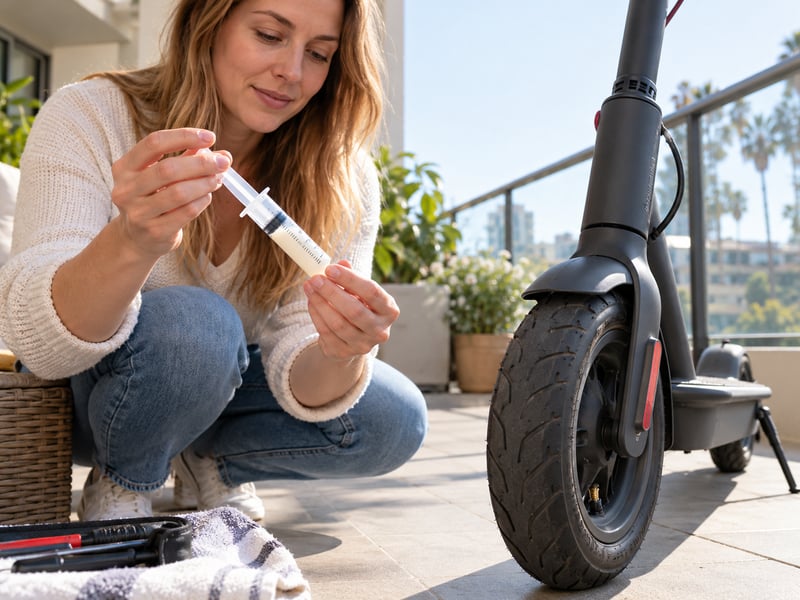
Here is the truth: tires slowly lose air over time even if you do not ride daily. Checking your air pressure weekly ensures that your ride remains highly efficient and safe. Always use a reliable digital gauge to get an accurate reading.
Verify tire safety using this routine:
- Check your tires every Monday morning before your commute.
- Fill the inner tubes to the exact PSI listed on the sidewalls.
- Check the valve stems for any slow leaks or dirt blocks.
What is the relationship between drag and range?
Soft tires expand on the asphalt, increasing the friction your motor has to fight. This extra drag means the motor must work twice as hard to maintain your cruising speed. Keeping your tires firm lets your vehicle glide effortlessly over the road.
Key Takeaway: Maintaining proper tire inflation reduces physical friction, protecting your power cells from excessive drag.
| Tire Pressure Status | Motor Strain Level | Cruising Efficiency |
|---|---|---|
| Under-inflated | Extremely high | Poor range output |
| Fully Inflated | Safe, minimal strain | Maximum travel distance |
Keeping your wheels properly inflated minimizes drag, allowing your battery to power more miles.
How do you maintain your scooter’s body?

You maintain your scooter’s body by performing regular cleanings and inspections without using high-pressure water. Excess dirt, grime, and mud build-up on moving parts can increase friction and burden the motor. Keeping your physical structure clean is a vital step to extend electric scooter battery life and avoid costly repairs. Clean components let your vehicle run efficiently and smoothly.
Why is water dangerous for your deck?
Think about it: spraying high-pressure water directly at your deck can bypass protective rubber gaskets. Moisture that gets into the deck can permanently ruin the lithium cells. Try to follow these simple cleaning rules:
- Never use a direct garden hose on your scooter.
- Always wipe down frame components with a damp cloth.
- Keep the charging port cover tightly closed.
How does maintaining your scooter help?
By maintaining clean mechanical parts and checking connections daily, you remove the unnecessary physical friction that drains your power pack. Our ultra-lightweight Model B commuter scooter is carefully designed with high-quality components to make this upkeep completely stress-free.
| Body Upkeep Step | Correct Action | Long-Term Benefit |
|---|---|---|
| Mud removal | Wipe with damp cloth | Prevents wheel drag |
| Port inspection | Keep seal cover closed | Avoids short-circuits |
Keeping your scooter clean minimizes mechanical drag, allowing the battery to operate at peak efficiency.
FAQ

Summary: Keep Your Ride Running Strong
Taking care of your electric scooter battery doesn’t have to be complicated. By making a few small adjustments to your daily routine, you can significantly extend your battery’s lifespan, preserve your daily range, and save money on early replacements.
To keep your ride running like new, keep these golden rules in mind:
- Target the sweet spot: Keep your daily charge level between 20% and 80% to minimize chemical stress on your power cells.
- Plug in safely: Always plug your charger into the wall outlet first, and then connect it to your scooter to prevent harmful electrical sparks.
- Shield against the elements: Store your scooter indoors in a dry, climate-controlled space away from freezing cold and scorching summer heat.
- Clean with care: Use a damp microfiber cloth for gentle cleaning. Never spray high-pressure water near your battery deck.
Getting the most out of your daily commute starts with smart battery habits, but you don’t have to navigate it alone. Whether you need expert maintenance advice, high-quality replacement parts, or you are ready to upgrade your ride, our team is ready to support you.
Connect with Dynamic Scooter today and let us help you keep your ride running efficiently for years to come!

Can I leave my scooter plugged in overnight?
No, you should avoid leaving your scooter connected to the charger for long periods after it is fully charged. While modern battery management systems stop direct overcharging, keeping the cord plugged in still maintains high-voltage stress on the cells. Try to disconnect your device once the charger light turns green to let your battery relax. Using an outlet timer is a great way to manage this automatically.
What’s the best temperature for storage?
The best temperature for storage is between fifty and seventy-seven degrees Fahrenheit. Storing your vehicle in a moderate climate prevents thermal breakdown inside the lithium-ion layers. Keep your vehicle inside your house, dry closet, or heated entryway to protect your investment. Never store your ride in freezing sheds or baking cars.
How do I know if my battery is failing?
You will know your battery is failing if you notice sudden drop-offs in total travel range. If your vehicle suddenly loses mileage or shuts down abruptly on hills, your power cells are likely degraded. Extreme heating during standard charging is another clear warning sign. Please reach out to our team if you notice these patterns.
Can I ride my scooter until the battery is empty?
No, you should never ride your electric scooter until the battery is completely dead. Draining your power cells to zero percent causes rapid degradation and can permanently damage the chemistry. Make it a strict habit to plug in your vehicle when it reaches twenty percent remaining. This simple step keeps your power pack running strong for years.
What’s the best way to clean my deck safely?
The best way to clean your deck safely is with a damp microfiber cloth. You must never spray high-pressure water directly at your vehicle, as moisture can easily penetrate the gaskets. Wipe the frame down carefully and always dry it immediately with a towel. Ensure the charging port cover is tightly closed before you begin wiping.