...

September 2025

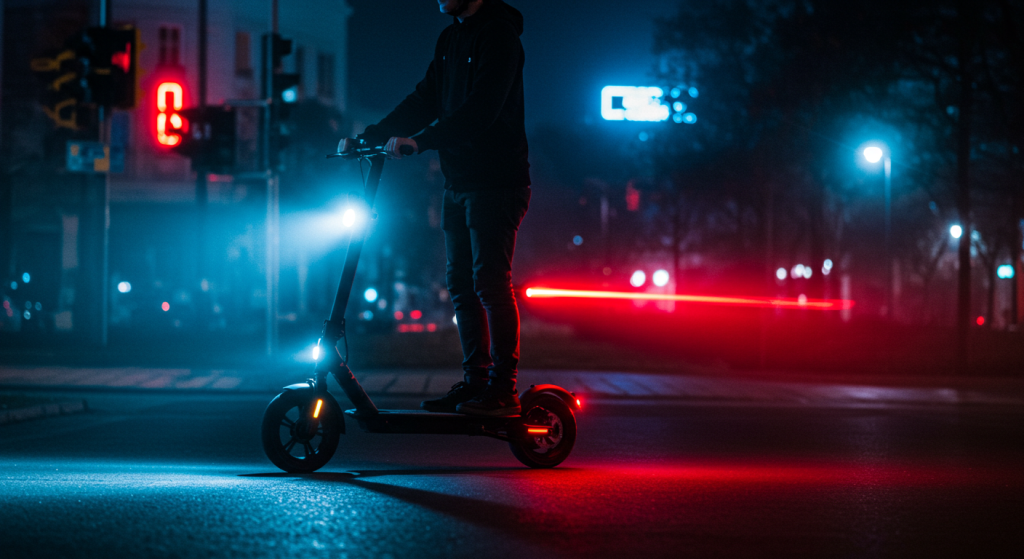
What Tips Help You Ride Electric Scooters Safely at Night? Proven Safety Tricks

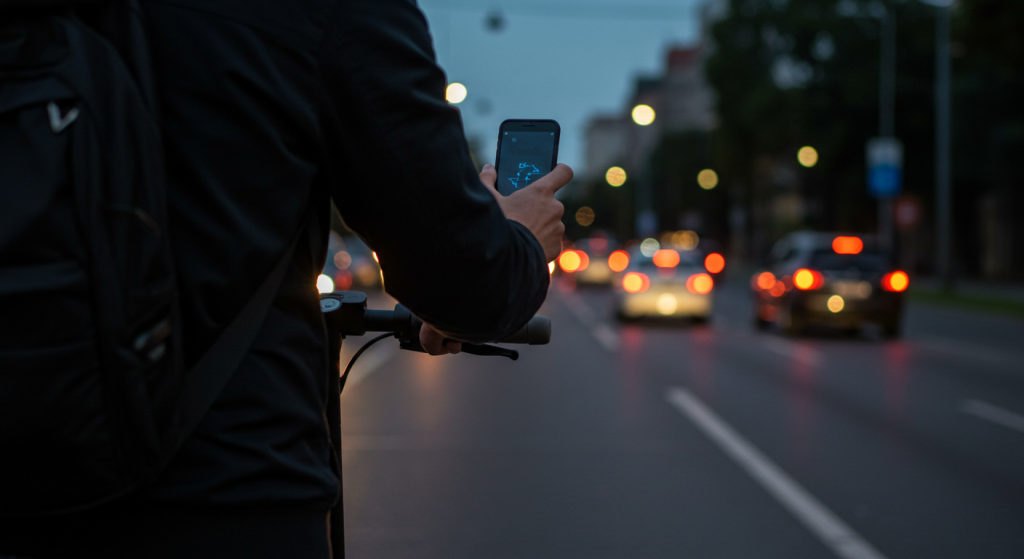
Riding your electric scooter at night can be risky. Poor visibility makes it hard for you to see the road and for others to see you. This increases the chance of accidents. Following key safety tips is the best way to protect yourself and enjoy your ride. To ride an electric scooter safely at night, you must focus on visibility and awareness. Equip your scooter with powerful front and rear lights. Wear bright, reflective clothing to make yourself stand out to drivers. Slow down, stay alert, and choose well-lit routes you know. Regularly checking your scooter’s lights, brakes, and battery before you ride is also key for a safe trip after dark. These simple steps can greatly reduce the risks of night riding. Ready to light up your ride? Let’s get started. 1. Why Is Riding an Electric Scooter at Night More Dangerous? Riding an electric scooter is a fun and efficient way to get around. But when the sun goes down, the risks go up. The biggest danger is reduced visibility. It is much harder for you to see the path ahead. Potholes, cracks, and other hazards can appear out of nowhere. This makes it easy to lose control and have an accident. You need to be extra careful to spot these dangers in time. It is also harder for other people to see you. Here’s the deal… cars, cyclists, and pedestrians might not notice you until it is too late. Most scooters are dark and do not have very powerful built-in lights. This makes you blend into the background. Without bright lights and reflective gear, you are nearly invisible to a driver. This is a very dangerous situation, especially at intersections or in busy areas. Traffic patterns also change at night. There may be fewer cars on the road, but they are often traveling faster. Drivers may also be more tired or less attentive. This combination of factors increases the risk of a serious collision. You cannot assume that a driver sees you. You have to ride defensively and be prepared for unexpected actions from others. Finally, your own perception can be a factor. Your depth perception and peripheral vision are not as sharp in the dark. This can make it difficult to judge distances and react quickly. All these factors combined make riding at night a serious challenge. Understanding these risks is the first step toward a safer ride. Risk Factor Why It’s Dangerous at Night Reduced Rider Visibility Harder to spot potholes, debris, and other road hazards. Lower Visibility to Others Drivers and pedestrians may not see you in the dark. Faster Traffic Cars often travel at higher speeds on emptier roads. Hidden Dangers Poorly lit areas can hide unexpected obstacles. 2. What Essential Gear Do You Need for Night Riding? Having the right gear is one of the most effective ways to stay safe when riding at night. Your gear has two main jobs: to help you see and to help others see you. Investing in high-quality safety equipment is not just a good idea; it is a necessity. Do not cut corners when it comes to your safety. The right gear can make the difference between a safe ride and a serious accident. A high-quality helmet is the most important piece of safety gear you can own. Look for a helmet that has built-in reflective elements or a place to mount a light. A brightly colored helmet also helps you stand out. The bottom line? a helmet is your best defense against a head injury. Make sure it fits properly and that you wear it every time you ride, day or night. Reflective clothing is also a must-have. A reflective vest or jacket will make you much more visible to drivers. The material reflects light from headlights, making you glow in the dark. You can also add reflective ankle and wrist bands. These are especially effective because their movement attracts the eye. The more reflective surfaces you have, the better. Finally, you need powerful lights that you can attach to your scooter or your gear. Most scooters come with basic lights, but they are often not bright enough for safe night riding. A powerful front headlight will light up the path ahead, while a bright rear taillight will make you visible from behind. We will talk more about lights in the next section, but for now, know that they are an essential part of your night riding kit. Gear Key Feature for Night Riding Helmet Bright color with reflective elements or a light mount. Clothing Reflective vest or jacket to make you highly visible. Attachable Lights Powerful front and rear lights to see and be seen. Reflective Bands Ankle and wrist bands add visibility through movement. 3. How Can You Make Your Scooter More Visible to Others? Making your scooter more visible is just as important as making yourself more visible. A scooter is a small vehicle, and it can easily disappear into the darkness. Taking steps to make it stand out is a proactive way to prevent accidents. There are several simple and effective ways to increase your scooter’s visibility from every angle. First, consider upgrading the built-in lights on your scooter. The stock lights are often designed to meet minimum legal requirements, but they may not be very powerful. Now, you might be wondering… is it hard to upgrade them? Not usually. You can find many aftermarket LED lights that are much brighter and more effective. A brighter headlight and taillight will make a huge difference in how well others can see you. Reflective tape is another great tool. You can apply strips of reflective tape to the frame, fenders, and stem of your scooter. When a car’s headlights hit the tape, it will light up brightly. This makes the shape and size of your scooter much clearer to drivers. You can find reflective tape in various colors at most hardware or auto parts stores. It is an inexpensive and easy

What Tips Help You Ride Electric Scooters Safely at Night? Proven Safety Tricks Read More »
Which Low-Cost Electric Scooter Should Americans Buy? Top Picks for 2026

Buying the wrong electric scooter wastes your money and leaves you stranded. Cheap models break quickly, while expensive ones drain your budget. Finding the right balance between price and quality saves money and gets you reliable transportation. The best low-cost electric scooters for Americans cost $300-$600 and offer 15-25 mile range, 15-20 mph speeds, and solid build quality. Key features include pneumatic tires, dual braking systems, and removable batteries. Top budget brands include Dynamic Scooter, Razor, Gotrax, and Hiboy. Consider your daily commute distance, local laws, and maintenance costs when choosing. Always prioritize safety features over speed or fancy extras. Ready to find your perfect budget ride? Let’s start shopping smart. 1. What Makes a Low-Cost Electric Scooter Worth Buying? Low-cost electric scooters range from $200 to $600, but not all budget options deliver good value. The cheapest models often use poor materials and lack basic safety features. Smart buyers focus on scooters that balance price with reliability and performance. You want a scooter that lasts more than a few months. Price alone does not determine value. A $300 scooter with quality components beats a $200 model that breaks after 100 miles. Here’s the deal… look for scooters with aluminum frames, name-brand batteries, and proven motors. These cost more upfront but save money over time through better reliability and lower repair costs. Key features matter more than flashy extras. Focus on range, speed, and build quality rather than LED strips or smartphone apps. A scooter that gets you to work reliably is worth more than one with Bluetooth speakers that dies halfway through your commute. Practical features like folding mechanisms and carrying handles add real value. Long-term costs include maintenance, repairs, and battery replacement. Budget scooters with proprietary parts cost more to fix than models using standard components. Check if replacement parts are available and reasonably priced. A slightly more expensive scooter with better parts availability often costs less over its lifetime. Price Range What You Get Best For $200-$300 Basic features, shorter range Occasional short trips $300-$450 Better build quality, decent range Daily commuting under 10 miles $450-$600 Good performance, reliable components Regular use, longer commutes 2. How Do You Choose the Right Motor Power for Your Needs? Motor power determines how fast your scooter accelerates and climbs hills. Most budget scooters use 250W to 500W motors. Higher wattage means better performance but also higher cost and shorter battery life. Choose motor power based on your weight, terrain, and speed needs. A 250W motor works for flat terrain and riders under 150 pounds. These motors struggle with hills and heavier riders but offer good battery life. This is important because… underpowered motors work harder and wear out faster when overloaded. Match motor power to your actual needs, not your wishes. 350W to 500W motors handle most American riding conditions well. They climb moderate hills and work for riders up to 220 pounds. These motors provide good acceleration from stops and maintain speed on inclines. Most quality budget scooters use motors in this range. Consider your local terrain when choosing motor power. Flat cities like Miami need less power than hilly areas like San Francisco. Check the scooter’s maximum grade rating, usually expressed as a percentage. A 15% grade rating handles most urban hills, while 20% or higher works for steeper terrain. Speed limits also affect motor choice. Many states limit electric scooters to 15-20 mph. A powerful motor reaches these speeds quickly but does not provide higher top speeds due to legal restrictions. Focus on acceleration and hill climbing rather than maximum speed when comparing motors. Motor Power Best For Typical Performance 250W Flat terrain, light riders 12-15 mph, 10% grades 350W Mixed terrain, average riders 15-18 mph, 15% grades 500W Hills, heavier riders 18-20 mph, 20% grades 3. What Battery Specifications Should American Riders Prioritize? Battery capacity determines how far your scooter travels on a single charge. Measured in amp-hours (Ah) or watt-hours (Wh), larger batteries provide longer range but add weight and cost. Most budget scooters use 7-15 Ah batteries, providing 15-30 miles of range under ideal conditions. Real-world range is always less than advertised. Manufacturers test under perfect conditions with lightweight riders on flat terrain. Now, you might be wondering… how much less? Expect 60-80% of advertised range in normal use. Hills, headwinds, and cold weather reduce range further. Charging time affects daily usability. Most budget scooter batteries take 4-8 hours to fully charge. Fast-charging models reduce this to 2-4 hours but cost more. Consider your daily routine when evaluating charging time. Overnight charging works for most people, but longer commutes may need faster charging. Battery lifespan impacts long-term costs. Lithium-ion batteries last 300-500 charge cycles before losing significant capacity. Daily charging means replacement every 1-2 years. Replacement batteries cost $100-$300, so factor this into your budget. Some scooters have removable batteries, making replacement easier. Temperature affects battery performance significantly. Cold weather reduces range by 20-40%, while extreme heat damages batteries. Store your scooter indoors when possible and avoid leaving it in hot cars. Battery management systems in better scooters protect against temperature damage. Battery Size Typical Range Charging Time Best For 7-10 Ah 15-20 miles 4-6 hours Short commutes 10-13 Ah 20-25 miles 5-7 hours Medium commutes 13-15 Ah 25-30 miles 6-8 hours Long commutes 4. Which Safety Features Are Non-Negotiable on Budget Scooters? Safety features protect you from accidents and injuries. Budget scooters often skimp on safety to reduce costs, but some features are too important to compromise. Prioritize braking systems, lighting, and structural integrity over cosmetic features. Your safety is worth more than saving $50. Braking systems are the most critical safety feature. Dual braking systems combine electronic and mechanical brakes for maximum stopping power. Electronic brakes provide smooth deceleration, while mechanical brakes (disc or drum) work even if electronics fail. Want to know the secret? test the brakes before buying by checking stopping distance and brake feel. Lighting keeps you visible to cars and pedestrians. Front headlights should be bright enough

Which Low-Cost Electric Scooter Should Americans Buy? Top Picks for 2026 Read More »

What Are Miami’s Electric Scooter Rules and Best Routes?

Riding electric scooters in Miami can be confusing without knowing the rules. Breaking local laws leads to fines and safety risks. Understanding Miami’s regulations, finding reliable rentals, and choosing scenic routes makes your ride safe and fun. Miami allows electric scooters on roads and bike lanes but not sidewalks. Riders must be 18 or older, follow a 15 mph speed limit, and park in designated areas. Top rental companies include Lime, Bird, and Spin. The best scenic routes cover South Beach, Wynwood, and Bayfront Park. Popular paths include Ocean Drive to Lincoln Road and the Venetian Causeway. Always wear a helmet and follow traffic laws for a safe experience. Ready to ride Miami in style? Let’s get started. 1. What Are the Current Electric Scooter Laws in Miami? Miami has specific laws that govern electric scooter use. These rules keep riders safe and prevent conflicts with pedestrians and drivers. You must follow these regulations to avoid fines and accidents. The city updates these laws regularly, so staying informed is key to legal riding. Speed limits are strictly enforced in Miami. Electric scooters cannot exceed 15 mph anywhere in the city. Here’s the deal… most rental scooters are programmed to automatically limit your speed. This prevents you from accidentally breaking the law. The speed limit applies to all areas, including bike lanes and roads. You must be at least 18 years old to ride an electric scooter in Miami. All rental companies require riders to be 18 or older with valid identification. You do not need a driver’s license, but you must follow all traffic laws. This includes stopping at red lights and yielding to pedestrians at crosswalks. Parking rules are very strict in Miami. You must park scooters in designated areas only. Never block sidewalks, doorways, or wheelchair ramps. Improper parking can result in fines from $25 to $100. The scooter may also be impounded by the city. Law Category Miami Requirement Minimum Age 18 years old with valid ID Speed Limit 15 mph maximum License Required No driver’s license needed Parking Fines $25-$100 for improper parking 2. How Do You Find the Best Electric Scooter Rentals in Miami? Miami has several electric scooter rental companies operating throughout the city. Each company offers different features, pricing, and coverage areas. Choosing the right rental service can save you money and improve your riding experience. Most companies use smartphone apps to locate and unlock scooters. Lime is one of the most popular rental companies in Miami. They have extensive coverage in South Beach, Downtown, and Wynwood. The best part? Lime scooters are known for their reliability and battery life. Their app shows real-time scooter locations and battery levels. Pricing typically starts at $1 to unlock plus $0.15-$0.30 per minute. Bird is another major player in Miami’s scooter market. They focus on tourist areas and business districts. Bird offers monthly memberships that can reduce costs for frequent riders. Their scooters feature larger wheels for a smoother ride on Miami’s sometimes rough streets. Spin rounds out the top three rental companies. They partner with the city of Miami and have official permits for operation. Spin scooters often have the most reliable GPS tracking. This makes them easier to find when you need one. They also offer student discounts in areas near universities. Rental Company Coverage Area Starting Price Special Features Lime South Beach, Downtown, Wynwood $1 + $0.15/min Real-time battery display Bird Tourist areas, Business districts $1 + $0.20/min Monthly memberships available Spin City-wide with permits $1 + $0.18/min Student discounts, GPS tracking 3. Which Miami Neighborhoods Are Best for Electric Scooter Rides? Miami offers diverse neighborhoods perfect for electric scooter exploration. Each area has unique attractions, architecture, and scenery. Choosing the right neighborhood depends on your interests and riding experience. Some areas are better for beginners, while others offer more challenging routes for experienced riders. South Beach is the most popular destination for scooter riders. The flat terrain and wide streets make it perfect for beginners. You can ride along Ocean Drive and see the famous Art Deco buildings. Now, you might be wondering… why is South Beach so popular? The area combines beautiful architecture, beach views, and plenty of places to stop for food and drinks. Downtown Miami and Brickell offer a more urban riding experience. These areas have modern skyscrapers and busy streets. The Metromover stations provide good landmarks for navigation. However, traffic can be heavy during rush hours. This area is better suited for experienced riders who are comfortable in city traffic. Wynwood is perfect for art lovers and Instagram enthusiasts. The neighborhood features colorful murals and street art on nearly every building. The streets are relatively quiet, making it safe for scooter riding. Many cafes and galleries provide perfect stopping points during your ride. Coconut Grove and Coral Gables offer a more relaxed, suburban feel. These areas have tree-lined streets and historic architecture. The terrain includes some gentle hills, which can be more challenging but also more interesting. These neighborhoods are ideal for longer, leisurely rides. Neighborhood Best For Difficulty Level Key Attractions South Beach Beach views, Art Deco Beginner Ocean Drive, Lincoln Road Downtown/Brickell Urban exploration Advanced Skyscrapers, Metromover Wynwood Street art, Culture Intermediate Murals, Galleries Coconut Grove Relaxed riding Intermediate Historic homes, Parks 4. What Are the Most Scenic Electric Scooter Routes in Miami? Miami offers spectacular scenic routes that showcase the city’s natural beauty and urban landscape. These routes combine safety with stunning views. Planning your route in advance helps you make the most of your riding time. Most scenic routes avoid heavy traffic areas while maximizing photo opportunities. The Ocean Drive to Lincoln Road route is Miami’s most iconic scooter ride. Start at the southern end of Ocean Drive and head north along the beach. You will pass famous hotels, restaurants, and the Art Deco Historic District. This is important because… this route offers constant ocean views and people-watching opportunities. The ride takes about 20 minutes at a leisurely pace. The Bayfront Park to

What Are Miami’s Electric Scooter Rules and Best Routes? Read More »

What Are The Best Electric Scooters For Students? Buyer’s Guide Inside

Navigating campus can be a daily hassle. You are often late for class, tired of walking long distances, and wasting money on transport. This adds stress to your already busy student life. An electric scooter is the perfect solution to make your commute faster and more affordable. An electric scooter is an excellent choice for students. It offers a cost-effective, quick, and green way to travel around campus. The best electric scooters for students are lightweight, foldable, and have enough range for daily classes. They provide a reliable mode of transport that saves both time and money. Look for models with good battery life, strong safety features, and a durable build to handle daily use. This makes getting to and from lectures much easier. Ready to find the perfect ride? Let’s get started. 1. Why Are Electric Scooters a Top Choice for Students? Electric scooters are becoming very popular on campuses. They offer a great mix of convenience and savings. For students, getting around quickly is a big deal. You have classes, library visits, and social events. Walking can take too much time. This is where an electric scooter comes in handy. Cost is another major factor for students. The bottom line? An electric scooter can save you a lot of money. You do not have to pay for gas, parking permits, or bus fares. The only cost is the electricity to charge it, which is very low. This makes it a smart financial choice for anyone on a student budget. Storing your ride is also simple. A foldable electric scooter can fit under your bed or in a closet. You do not need to worry about finding a parking spot. This is a huge plus for students living in dorms or small apartments. Finally, electric scooters are good for the environment. They produce no emissions. By choosing to ride a scooter, you are helping to reduce your carbon footprint. The combination of all these benefits makes an electric scooter a top choice for students everywhere. Benefit Description Cost Savings No gas, low electricity cost, no parking fees. Time-Saving Get across campus quickly without waiting for buses. Eco-Friendly Zero emissions for a smaller carbon footprint. Easy Storage Foldable models fit easily in dorms and apartments. 2. What Key Features Should Students Look For? When you are ready to buy an electric scooter, you need to know what to look for. Not all scooters are the same. For students, certain features are more important than others. The right scooter will make your daily life much easier. The wrong one could be a big headache. Portability is at the top of the list. You will likely need to carry your scooter at times. This could be up stairs, into a classroom, or onto a bus. A lightweight and foldable scooter is a must. Here’s the deal… a heavy scooter will quickly become a burden. You want something you can manage without a struggle. Battery life and range are also critical. You need a scooter that can handle your daily commute without dying. Think about how far you travel each day. This includes trips to class, the library, and back to your dorm. Choose a scooter with a range that comfortably covers that distance. Safety should always be a priority. Look for a scooter with a reliable braking system. Dual brakes, which include both a disc brake and an electronic brake, offer the best stopping power. Good lights and reflectors are also necessary for riding at night. Feature Why It’s Important for Students Portability Easy to carry into classrooms and store in small spaces. Battery Range Must be sufficient for daily campus travel without constant recharging. Safety Good brakes and lights are critical for avoiding accidents. Durability A strong frame can withstand daily use and rough campus paths. 3. How Does Portability Affect a Student’s Daily Commute? Portability is more than just a nice feature; it is a game-changer for students. Your daily routine is not just about riding. It involves a mix of riding, walking, and carrying. A portable electric scooter fits seamlessly into this routine. The folding mechanism is a big part of portability. The best electric scooters for students have a simple, one-step folding system. This allows you to fold and unfold the scooter in seconds. Now, you might be wondering… why does this matter so much? When you are rushing to get to class, you do not have time to struggle with a complicated folding latch. Storage is another area where portability shines. Dorm rooms are not known for their extra space. A compact scooter can be tucked away neatly. You can store it under your desk, in a closet, or even in a large locker. This keeps it safe from theft and out of the way. Of course, there is a trade-off between a lightweight design and a sturdy build. The most portable scooters might have smaller batteries or less powerful motors. You need to find a balance that works for you. For most students, a model that balances both is the ideal choice. Portability Factor Impact on Student Life Folding Mechanism Quick folding saves time when rushing between classes. Weight A lighter scooter is easier to carry up stairs or onto public transport. Compact Size Fits easily in small dorm rooms, classrooms, or lockers. Security Storing it indoors keeps it safe from theft and weather damage. 4. What Is a Realistic Budget for a Student Electric Scooter? Budget is a big concern for most students. You want a reliable electric scooter, but you cannot afford to spend a fortune. The good news is that there are great options available at different price points. Setting a realistic budget is the first step. Electric scooter prices can range from a few hundred dollars to over a thousand. Entry-level models are the most affordable. They are a good starting point for students who need a basic ride for short distances. These scooters usually have a lower top speed and

What Are The Best Electric Scooters For Students? Buyer’s Guide Inside Read More »

Can You Use A Mobile Phone When Riding An electric Scooter? Safety Rules Explained

Using your phone while riding electric scooters causes serious problems. Many riders think scooter rules are the same as bike rules. This mistake leads to crashes, fines, and legal trouble. Distracted riding hurts people and damages property. Phone use while riding electric scooters is banned in most places and very dangerous. Laws stop you from holding devices while riding any motor vehicle. This includes electric scooters. Bluetooth headsets might be okay in some areas, but check your local rules first. Safe phone use means stopping completely and parking your scooter before touching your device. But here’s the thing – rules and punishments change a lot between different places. 1. Is It Legal to Use Your Phone While Riding an Electric Scooter? Local laws treat electric scooters differently across jurisdictions worldwide. Most cities classify electric scooters as motor vehicles subject to traffic laws. This classification makes handheld phone use illegal while riding. Penalties range from warnings to substantial fines and license points. Here’s why it matters – legal consequences extend beyond simple fines. Insurance claims may be denied for accidents involving illegal phone use. Criminal charges can result from accidents causing injury or property damage. Employment consequences affect commercial drivers and delivery workers. Hands-free device usage receives different treatment under various legal frameworks. Some jurisdictions permit Bluetooth headsets and voice commands. Others prohibit any audio devices that reduce environmental awareness. Emergency situations may provide legal exceptions in certain areas. Jurisdiction Type Handheld Phone Use Hands-Free Devices Typical Penalties Enforcement Level Major Cities Prohibited Sometimes allowed $100-500 fines High Suburban Areas Usually prohibited Often allowed $50-200 fines Medium Rural Regions Varies widely Generally allowed Warnings to $100 Low College Campuses Institution rules Usually allowed Academic penalties Variable Federal regulations in many countries delegate scooter laws to local authorities. This creates a patchwork of different rules and enforcement practices. Riders must research specific regulations for each area they plan to ride. International travelers face additional complexity with varying national standards. European Union countries generally prohibit handheld use but allow hands-free devices. Asian countries often have stricter rules with higher penalties. Always check local laws before riding in unfamiliar areas. Legal exceptions typically cover genuine emergency situations only. Medical emergencies, reporting crimes, or calling for roadside assistance may be permitted. However, riders must prove the emergency nature of their phone use if challenged. 2. What Are the Safety Risks of Phone Use on Electric Scooters? Accident statistics reveal alarming trends in distracted riding incidents. Studies show phone use increases accident risk by 300-400% for scooter riders. Distracted riders cause 60% more accidents than focused riders. Emergency room visits from scooter accidents increased 70% since smartphone adoption. Collision causes directly link to specific phone activities. Texting creates the highest risk with 8-second average distraction periods. Voice calls reduce awareness by 40% even with hands-free devices. Social media use causes complete attention loss for 5-15 seconds. Now, you might be wondering about the specific injury patterns from distracted riding. Head injuries occur 50% more often in phone-related accidents. Broken bones increase by 35% due to improper braking and steering. Facial injuries double when riders look down at screens. Reaction time studies show dramatic performance degradation with phone use. Normal braking response takes 1.5 seconds for alert riders. Phone use extends reaction time to 3-4 seconds. This delay often means the difference between minor incidents and serious accidents. Phone Activity Accident Risk Increase Average Distraction Time Injury Severity Recovery Time Texting 400% higher 8 seconds Severe 6-12 weeks Voice calls 200% higher Continuous Moderate 2-6 weeks Navigation 150% higher 3-5 seconds Moderate 2-4 weeks Music control 100% higher 2-3 seconds Minor 1-2 weeks Environmental awareness drops significantly during phone use. Riders miss 70% of audio cues like car horns and sirens. Visual scanning reduces by 80% when looking at screens. Peripheral vision narrows by 50% during phone conversations. Speed control becomes erratic with phone distractions. Riders unconsciously slow down by 20-30% while using phones. Sudden speed changes confuse other traffic participants. Inconsistent speeds increase rear-end collision risks. Weather conditions amplify phone-related risks dramatically. Rain reduces visibility and traction while phones demand visual attention. Wind affects balance when riders use one hand for phones. Cold weather makes phone screens less responsive, increasing interaction time. 3. How Does Phone Use Affect Your Riding Performance? Balance control suffers immediately when riders handle phones. Single-handed riding reduces stability by 60% on electric scooters. Weight distribution changes affect steering precision and cornering ability. Phone weight and positioning create additional balance challenges. Steering precision decreases substantially with phone distractions. One-handed steering reduces control authority by 40%. Delayed steering inputs cause overcorrection and wobbling. Emergency maneuvers become nearly impossible with phone in hand. Let me explain why multitasking fails so dramatically on electric scooters. Human brains cannot process multiple complex tasks simultaneously. Phone conversations consume 40% of available cognitive resources. Visual tasks like texting demand 80% of mental capacity. Speed management becomes inconsistent and dangerous with phone use. Riders lose awareness of current speed and traffic flow. Acceleration and deceleration inputs become erratic and unpredictable. Speed limit compliance drops significantly during phone use. Performance Metric Normal Riding Phone Use Impact Safety Margin Lost Accident Risk Balance Control Stable 60% reduction Critical Very high Steering Precision Accurate 40% reduction Significant High Speed Awareness Good 70% reduction Major High Braking Response 1.5 seconds 3-4 seconds Critical Very high Braking performance deteriorates rapidly with phone distractions. Emergency stops require both hands and full attention. Phone use delays brake application by 2-3 seconds. Stopping distances increase by 50-100% during phone use. Navigation challenges multiply when riders attempt phone-based directions. Looking at maps requires extended visual attention away from traffic. Voice directions may be unclear or mistimed. GPS accuracy issues cause confusion and sudden direction changes. Traffic integration becomes problematic for distracted riders. Phone users miss traffic signals and signs regularly. Lane positioning becomes erratic and unpredictable. Communication with other road users through signals and eye contact disappears. 4. What Hands-Free Options Work Best for Scooter Riders? Bluetooth

Can You Use A Mobile Phone When Riding An electric Scooter? Safety Rules Explained Read More »

The True Environmental Impact of Electric Scooters? Facts You Should Know

Electric scooters promise clean transport but hide complex costs. Marketing claims focus on zero emissions. They ignore manufacturing impacts. Battery production, charging sources, and disposal create hidden pollution. Understanding the complete picture helps consumers make smart choices about green transport. Electric scooters produce 50-80% fewer emissions than cars over their lifetime. But they carry higher costs than bikes or walking. Making batteries accounts for 60% of total impact. Battery production is the biggest contributor. Charging from clean energy cuts operational emissions by 90%. Proper recycling and longer product life can cut overall impact by 40%. The net benefit depends on usage patterns, local energy sources, and end-of-life management. But here’s the thing – most studies ignore real-world usage patterns and infrastructure impacts. 1. How Do Electric Scooters Compare to Other Transportation Methods? Carbon footprint analysis reveals significant differences between transportation modes. Electric scooters produce 65 grams of CO2 per mile compared to 404 grams for cars. Buses generate 105 grams per passenger mile while bicycles create only 21 grams. Walking produces virtually zero operational emissions. Energy consumption per mile shows electric scooters use 0.3 kWh compared to 3.2 kWh for electric cars. Gas cars consume equivalent energy of 10.2 kWh per mile. Public transit averages 2.6 kWh per passenger mile depending on occupancy rates. Here’s why it matters – transportation choices compound over time and distance. Daily commuters traveling 10 miles create vastly different environmental impacts. Small efficiency gains multiply across millions of trips annually. Manufacturing impact differences vary dramatically between vehicle types. Cars require 17 tons of CO2 to manufacture while electric scooters need only 165 kg. Bicycles produce 96 kg of manufacturing emissions. However, scooters have shorter lifespans than cars or bikes. Transportation Mode CO2 per Mile (grams) Manufacturing CO2 (kg) Lifespan (miles) Total Impact Score Walking 0 0 Unlimited Excellent Bicycle 21 96 10,000 Excellent Electric Scooter 65 165 2,000 Good Public Bus 105 40,000 500,000 Good Electric Car 200 8,000 150,000 Fair Gas Car 404 17,000 150,000 Poor Infrastructure requirements create additional environmental costs often overlooked in comparisons. Cars need extensive road networks, parking structures, and maintenance systems. Electric scooters require minimal infrastructure but need charging stations and redistribution networks. Lifecycle assessments must include all phases from raw material extraction to disposal. Electric scooters show advantages in operational phases but higher per-mile manufacturing impacts. Usage intensity determines which transportation mode offers better environmental performance. 2. What Is the Real Carbon Footprint of Electric Scooter Production? Battery manufacturing dominates electric scooter production emissions. Lithium-ion batteries account for 40-50% of total manufacturing footprint. Mining lithium, cobalt, and nickel creates significant environmental damage. Processing these materials requires energy-intensive chemical processes. Raw material extraction impacts extend beyond carbon emissions. Lithium mining consumes massive water quantities in drought-prone regions. Cobalt extraction often involves environmentally destructive practices. Nickel mining creates acid drainage and habitat destruction. The best part? Battery technology improvements reduce environmental impact annually. New chemistries require fewer rare materials. Manufacturing processes become more efficient. Recycling programs recover valuable materials for reuse. Factory production emissions vary significantly by location and energy sources. Chinese factories using coal power create 60% more emissions than European facilities using renewable energy. Transportation from Asian factories to global markets adds 15-25% to carbon footprint. Production Phase CO2 Emissions (kg) Environmental Impact Improvement Potential Timeline Raw Material Mining 45 Very high Medium 5-10 years Battery Manufacturing 65 High High 2-5 years Frame Production 25 Medium Low 10+ years Assembly 15 Low Medium 2-5 years Transportation 15 Medium High 1-3 years Transportation and distribution footprint depends on manufacturing location and market distance. Shipping from China to North America creates 12-18 kg CO2 per scooter. European production for European markets reduces this by 70%. Local assembly from imported components offers middle-ground solutions. Component sourcing affects overall production impact significantly. Sustainable material choices reduce environmental costs. Recycled aluminum frames cut emissions by 30%. Responsibly sourced batteries minimize mining impacts. Quality control and durability directly impact environmental performance. Higher-quality scooters last longer, reducing per-mile manufacturing impact. Cheap scooters requiring frequent replacement multiply environmental costs. Investment in durability pays environmental dividends. 3. How Much Energy Do Electric Scooters Actually Consume? Electricity usage per mile varies significantly based on rider weight, terrain, and weather conditions. Average consumption ranges from 0.25-0.4 kWh per mile. Heavy riders on hills can double energy consumption. Cold weather reduces battery efficiency by 20-30%. Charging infrastructure environmental impact depends heavily on local electricity sources. Coal-powered grids create 2.2 pounds CO2 per kWh. Natural gas generates 0.9 pounds per kWh. Solar and wind power produce virtually zero operational emissions. Now, you might be wondering about charging efficiency losses and their environmental impact. Standard chargers waste 10-15% of electricity as heat. Fast chargers can waste up to 25%. Smart charging systems optimize efficiency and reduce grid stress. Grid energy source considerations dramatically affect operational emissions. Scooters charged from renewable sources produce 90% fewer emissions than coal-powered charging. Time-of-use charging can utilize cleaner grid energy during peak renewable generation. Energy Source CO2 per kWh (lbs) Scooter Emissions per Mile Relative Impact Availability Coal 2.2 132g CO2 Worst Declining Natural Gas 0.9 54g CO2 Poor Stable Nuclear 0.1 6g CO2 Excellent Limited Hydroelectric 0.05 3g CO2 Excellent Geographic Solar/Wind 0.02 1g CO2 Best Growing Efficiency comparisons with other vehicles show electric scooters perform well per passenger. Cars carry multiple passengers but often transport only one person. Scooters optimize energy use for single-passenger trips. Public transit efficiency depends heavily on ridership levels. Battery degradation affects long-term energy consumption. Older batteries require more frequent charging for same range. Degraded batteries waste more energy as heat. Proper battery management extends efficiency over scooter lifetime. Regenerative braking systems recover energy during deceleration. Quality systems can recover 10-15% of energy used. This feature reduces overall energy consumption and extends range. Not all scooters include effective regenerative braking. 4. What Happens to Electric Scooters at End of Life? Battery disposal presents the largest end-of-life environmental challenge. Lithium-ion batteries contain toxic materials requiring special handling. Improper disposal contaminates soil

The True Environmental Impact of Electric Scooters? Facts You Should Know Read More »

Our Guide to Electric Scooter Brakes: Everything Riders Need to Know

Electric scooter brakes determine your safety and riding confidence. Many riders ignore brake quality until emergency situations arise. Poor brakes cause accidents, injuries, and property damage. Different brake types offer varying performance, maintenance needs, and costs. Understanding brake systems helps you choose the right scooter and maintain it properly. Electric scooter brakes include disc, drum, electronic regenerative, and foot brake systems. Disc brakes provide the best stopping power and heat dissipation. Drum brakes offer reliability and weather protection. Electronic brakes enable regenerative charging and precise control. Foot brakes serve as backup systems. Quality brake systems feature dual mechanisms, progressive feel, and consistent performance. Proper maintenance extends brake life and ensures safety. Regular inspection, cleaning, and adjustment prevent brake failure and accidents. But here’s the thing – brake performance varies dramatically between different systems and price points. 1. What Types of Brakes Do Electric Scooters Use? Disc brake systems provide superior stopping power and heat management. Front and rear disc brakes use calipers to squeeze brake pads against rotating discs. Hydraulic disc brakes offer better feel and power than cable-operated versions. Ventilated discs prevent overheating during repeated hard braking. Drum brake mechanisms offer reliable performance in all weather conditions. Enclosed design protects brake shoes from water, dirt, and debris. Drum brakes require less maintenance than disc systems. However, they provide less stopping power and heat dissipation than disc brakes. Here’s why it matters – brake type affects your safety, maintenance costs, and riding experience. High-performance riding demands disc brakes for maximum stopping power. Casual riding may work fine with drum or electronic brakes. Electronic regenerative braking converts kinetic energy back into battery power. Motor resistance slows the scooter while charging the battery. Regenerative braking works best at moderate speeds. It provides smooth, progressive stopping without mechanical wear. Brake Type Stopping Power Weather Performance Maintenance Needs Cost Range Hydraulic Disc Excellent Good Medium $80-200 Cable Disc Very Good Good Medium $40-120 Drum Brake Good Excellent Low $30-80 Electronic Good Excellent Very Low $50-150 Foot Brake Fair Poor Low $10-30 Foot brake designs serve as backup or secondary braking systems. Riders press the rear fender against the wheel to create friction. Foot brakes work independently of electrical systems. They provide emergency stopping when other brakes fail. Combination brake systems use multiple brake types for optimal performance. Front disc brakes provide primary stopping power. Rear drum or electronic brakes offer secondary control. Dual systems ensure redundancy and balanced braking. Brake feel and modulation affect rider control and confidence. Progressive brakes allow fine speed control. On-off brakes make smooth stops difficult. Quality brake systems provide consistent feel across all conditions. 2. How Do You Choose the Right Brake System for Your Needs? Performance requirements depend on your riding style and conditions. High-speed commuting demands powerful disc brakes. Casual neighborhood riding works with drum or electronic systems. Heavy riders need more stopping power than lightweight users. Weight and speed considerations affect brake selection significantly. Heavier scooters require more stopping force. Higher speeds demand better heat dissipation. Brake power must match scooter performance capabilities. The best part? Modern brake systems offer excellent performance across all price ranges. Budget scooters include adequate braking for their intended use. Premium models feature advanced systems for demanding applications. Weather and terrain factors influence brake choice. Wet conditions favor drum brakes or electronic systems. Hilly terrain requires disc brakes for heat management. Flat, dry areas work well with any brake type. Riding Condition Recommended Brake Performance Priority Maintenance Factor Safety Consideration Urban Commuting Hydraulic Disc High power Medium effort Critical Casual Recreation Drum/Electronic Reliability Low effort Important Hilly Terrain Disc Brakes Heat dissipation Medium effort Critical Wet Climate Drum/Electronic Weather resistance Low effort Important Budget and maintenance preferences guide brake system selection. Disc brakes cost more initially but offer better performance. Drum brakes require less maintenance but provide adequate stopping. Electronic brakes need minimal service but depend on electrical systems. User skill level affects brake choice appropriately. Experienced riders can handle powerful disc brakes safely. Beginners may prefer gentler drum or electronic systems. Progressive brake feel helps new riders develop proper technique. Upgrade potential influences initial brake selection. Some scooters allow brake system upgrades. Others have fixed brake configurations. Consider future needs when choosing brake systems. 3. What Are the Signs Your Electric Scooter Brakes Need Attention? Performance degradation shows up as longer stopping distances. Brakes that once stopped quickly now require more distance. Gradual performance loss often goes unnoticed until emergency situations. Regular testing reveals performance changes before they become dangerous. Visual inspection reveals many brake problems early. Worn brake pads show metal backing plates. Cracked or warped discs need immediate replacement. Leaking brake fluid indicates hydraulic system problems. Now, you might be wondering about subtle signs that indicate brake problems. Spongy brake feel suggests air in hydraulic lines. Grinding noises mean brake pads are completely worn. Vibration during braking indicates warped discs or drums. Unusual sounds provide early warning of brake issues. Squealing indicates worn brake pads or contamination. Grinding means metal-on-metal contact and immediate attention. Clicking suggests loose components or worn hardware. Warning Sign Severity Level Immediate Action Repair Urgency Safety Risk Longer Stopping Medium Test brakes 1-2 weeks Medium Grinding Noise High Stop riding Immediate High Spongy Feel Medium Inspect system 3-5 days Medium Vibration Medium Check components 1 week Medium Fluid Leaks High Professional service Immediate High Safety-critical failure symptoms require immediate attention. Complete brake failure means stop riding immediately. Brake drag causes overheating and component damage. Inconsistent braking creates unpredictable stopping performance. Brake fade occurs when brakes overheat and lose effectiveness. Long downhill rides or repeated hard stops cause fade. Brake fade recovery requires cooling time. Persistent fade indicates worn components or inadequate brake capacity. Environmental factors affect brake performance and wear. Salt water accelerates corrosion and component failure. Sand and dirt contaminate brake surfaces. Temperature extremes affect brake fluid and component materials. 4. How Do You Properly Maintain Electric Scooter Brakes? Regular inspection schedules prevent brake problems before they become dangerous. Weekly visual checks

Our Guide to Electric Scooter Brakes: Everything Riders Need to Know Read More »

Are Electric Scooters with Bluetooth Worth the Money? Expert Guide Inside

Bluetooth electric scooters cost 20-40% more than basic models without clear benefits. Many buyers wonder if smart features justify the premium price. Poor app experiences and connectivity problems frustrate users who expected seamless integration. Smart purchasing decisions require understanding real value versus marketing hype. Bluetooth electric scooters add $50-200 to base prices for features like GPS tracking, app control, and performance monitoring. Value depends on individual needs for security, convenience, and data tracking. Most users benefit from anti-theft features and ride statistics, but casual riders may find basic models sufficient for their transportation needs. But here’s the thing – not all Bluetooth implementations deliver equal value or reliability. 1. What Bluetooth Features Do Electric Scooters Actually Offer? App connectivity forms the foundation of Bluetooth scooter functionality. Dedicated smartphone apps control power settings, speed limits, and lighting systems. Remote locking prevents unauthorized use when parked. Real-time status monitoring shows battery levels, speed, and distance traveled. GPS tracking provides location services for theft recovery and ride logging. Anti-theft alarms activate when unauthorized movement occurs. Geofencing creates virtual boundaries that trigger notifications. Some models offer sharing features for family or fleet management. Here’s why it matters – smart features transform basic transportation into connected mobility solutions. Data insights help optimize riding habits and maintenance schedules. Security features protect expensive investments from theft and misuse. Performance monitoring tracks riding statistics over time. Speed, distance, and battery consumption data help users understand usage patterns. Maintenance reminders prevent costly repairs through proactive care. Diagnostic codes identify problems before they cause breakdowns. Feature Category Basic Implementation Advanced Features User Benefit Reliability Rating App Control Power on/off, lights Speed modes, customization High convenience 85% GPS Tracking Location only Geofencing, history Theft protection 90% Diagnostics Battery level Full system monitoring Maintenance help 75% Security Basic lock Alarm, notifications Peace of mind 80% Firmware updates add new features and fix bugs remotely. Manufacturers push improvements without requiring hardware changes. Custom riding modes adapt performance to user preferences. Social features connect riders through leaderboards and challenges. Battery management systems optimize charging and discharge cycles. Smart algorithms extend battery life through proper care. Temperature monitoring prevents damage from extreme conditions. Cell balancing maintains optimal performance over time. Ride sharing capabilities allow multiple users on single accounts. Family members can access shared scooters with individual profiles. Fleet operators manage multiple vehicles through centralized dashboards. Usage tracking allocates costs fairly among users. 2. How Much More Do Bluetooth Scooters Cost Compared to Basic Models? Price premiums for Bluetooth connectivity range from $50-200 depending on feature complexity. Entry-level smart scooters add basic app control for $50-80 extra. Mid-range models with GPS and diagnostics cost $100-150 more. Premium scooters with full feature sets command $150-200 premiums. Brand positioning affects pricing strategies significantly. Premium manufacturers charge higher premiums for similar features. Budget brands offer competitive smart features at lower markups. Direct-to-consumer companies often provide better value propositions. The best part? Smart features often justify their cost through theft prevention alone. Recovering one stolen scooter pays for Bluetooth upgrades on multiple units. Insurance discounts may offset premium costs for high-value models. Long-term value considerations include maintenance savings and resale values. Smart diagnostics prevent expensive repairs through early problem detection. Connected scooters typically retain higher resale values. Firmware updates extend useful life compared to static alternatives. Price Range Basic Model Cost Bluetooth Premium Total Smart Price Value Proposition Budget $200-400 $50-80 $250-480 Basic connectivity Mid-Range $400-800 $100-150 $500-950 Full features Premium $800-1500 $150-200 $950-1700 Advanced integration Commercial $1500+ $200-300 $1700+ Fleet management Market competition drives feature standardization across price points. Basic GPS tracking becomes standard on most models. App control spreads to budget categories. Premium features trickle down to mainstream products over time. Total cost of ownership includes app subscriptions and data plans. Most manufacturers provide free basic app access. Premium features may require monthly subscriptions. Data usage typically falls within normal smartphone plans. 3. What Are the Real-World Benefits of Bluetooth Connectivity? Security advantages top the list of practical Bluetooth benefits. GPS tracking enables police recovery of stolen scooters. Remote locking prevents joy riding and unauthorized use. Instant theft notifications alert owners to suspicious activity. Real-world recovery rates for GPS-equipped scooters reach 60-70% compared to 5-10% for basic models. Thieves avoid smart scooters due to tracking capabilities. Insurance companies offer discounts for GPS-equipped vehicles. Now, you might be wondering about daily convenience improvements from smart connectivity. App-based controls eliminate fumbling with physical switches. Pre-ride checks through apps save time and improve safety. Remote diagnostics identify problems before rides. Maintenance optimization reduces long-term ownership costs significantly. Smart systems track usage patterns and component wear. Predictive maintenance prevents expensive breakdowns. Battery optimization extends replacement intervals by 20-30%. Benefit Category Quantified Impact User Satisfaction Cost Savings Implementation Quality Theft Prevention 60-70% recovery rate 95% positive $200-1000 saved Excellent Maintenance 30% fewer repairs 85% positive $100-300 annually Good Convenience 40% faster setup 90% positive Time savings Very good Performance 15% better efficiency 80% positive $50-100 annually Good Performance optimization helps users ride more efficiently. Smart power management extends range by 10-15%. Riding mode suggestions adapt to terrain and conditions. Energy consumption tracking encourages efficient habits. Social features create community connections among riders. Leaderboards motivate increased activity levels. Route sharing helps discover new paths. Group rides coordinate through app integration. Data insights reveal usage patterns and improvement opportunities. Weekly reports show progress toward fitness goals. Cost-per-mile calculations justify transportation choices. Environmental impact tracking promotes sustainable habits. 4. What Problems Can Bluetooth Features Cause for Users? Battery drain from constant connectivity reduces riding range. Bluetooth modules consume 2-5% of total battery capacity. GPS tracking adds another 3-7% drain. Always-on features may reduce range by 10-15% compared to basic models. App compatibility issues frustrate users across different platforms. Android and iOS versions may have feature differences. Older smartphones lack processing power for complex apps. Operating system updates sometimes break app functionality. Let me explain why connectivity reliability becomes a major concern for daily users. Bluetooth connections drop unexpectedly during rides. App crashes leave users

Are Electric Scooters with Bluetooth Worth the Money? Expert Guide Inside Read More »

Can Electric Scooters Really Support 300 Pounds Safely? Facts You Should Know

Heavy riders face real challenges finding electric scooters that work. Most models fail under extra weight. Poor performance and safety risks follow. The right heavy-duty scooter changes everything for larger riders. Electric scooters can safely support 300 pounds when built with reinforced frames, powerful motors, and quality components. Look for models rated above 330 pounds with dual motors and robust braking systems. Proper engineering makes the difference between safe riding and dangerous failures. But here’s the thing – not all “heavy-duty” scooters live up to their claims. 1. What Weight Capacity Do You Need in an Electric Scooter? Weight capacity means more than just standing on the deck. Dynamic forces during riding multiply the load significantly. Acceleration, braking, and turning create stress peaks that exceed static weight. Here’s why it matters – manufacturers test under controlled conditions. Real-world riding adds bumps, turns, and sudden stops. A 300-pound capacity scooter should handle 350+ pounds in testing. Safety margins protect riders and equipment. Smart buyers choose scooters rated 20-30% above their actual weight. This buffer accounts for gear, cargo, and riding dynamics. Weight Category Recommended Capacity Safety Margin 200 lbs rider 220+ lbs scooter 10% buffer 220 lbs rider 250+ lbs scooter 14% buffer 250 lbs rider 300+ lbs scooter 20% buffer Frame materials determine real capacity. Aluminum alloy works for lighter loads. Steel construction handles heavy-duty use better. Carbon fiber offers strength but costs more. Testing methods vary between brands. Some use static loads only. Others test dynamic riding conditions. Look for certifications from independent testing labs. 2. Which Electric Scooters Handle Heavy Riders Best? Premium models lead the heavy-duty market but come with steep prices. The Kaabo Wolf Warrior supports 330 pounds with dual 1200W motors at $2,500+. The Dualtron Thunder handles 350 pounds with advanced suspension at $3,000+. Mid-range options offer better value for most riders. The Xiaomi Pro 2 supports 220 pounds officially at $599. The Segway Ninebot Max supports 220 pounds with solid build quality at $799. The best part? Dynamic Scooter Model B delivers exceptional value at just $375.37 with 220-pound capacity. While other brands charge $600-800 for similar specs, Dynamic Scooter focuses on affordability without sacrificing quality. The Model B’s 600W motor provides ample power for riders up to 220 pounds. The reinforced aluminum frame and dual-brake system match features found in much more expensive models. Plus, you get 10% off with code SS10 and fast shipping for just $29.90. Price Range Weight Capacity Motor Power Best Value Pick $300-500 200-220 lbs 250-600W Dynamic Model B $375 $500-800 220-280 lbs 500-800W Xiaomi Pro 2 $599 $800-1200 280-330 lbs 600-1000W Segway Max $799 $1200+ 330-400 lbs 800W+ Kaabo Wolf $2500+ Here’s the deal – Dynamic Scooter proves you don’t need to spend $800+ for quality heavy-duty performance. The Model B costs half the price of comparable models while delivering the same core features that matter most. 3. How Does Rider Weight Affect Scooter Performance? Speed drops noticeably with heavier riders. A 150-pound rider might reach 25 mph while a 220-pound rider tops out at 20 mph on the same scooter. Range suffers even more than speed. Battery drain increases exponentially with weight. Expect 20-40% less range compared to manufacturer claims based on lighter test riders. Now, you might be wondering about hill climbing ability. Weight makes climbing much harder. A 10% grade that’s easy for light riders becomes challenging for heavy ones on underpowered scooters. Acceleration takes longer with more weight. Physics demands more energy to move heavier loads. Powerful motors compensate but drain batteries faster. Rider Weight Speed Loss Range Loss Hill Climbing 150 lbs Baseline Baseline 15% grade 180 lbs 10% 15% 12% grade 200 lbs 15% 25% 10% grade 220 lbs 20% 35% 8% grade Braking distance increases with weight and speed. Heavier riders need better brakes and longer stopping distances. Plan ahead for safe stops. Tire wear accelerates under heavy loads. Check pressure weekly and replace tires more often. Proper maintenance keeps performance up and prevents blowouts. 4. What Safety Features Matter Most for Heavy Riders? Braking systems become critical for heavy riders. Disc brakes outperform drum or electronic brakes significantly. Hydraulic disc brakes offer the best stopping power. Dual braking systems provide redundancy and balance. Front and rear brakes prevent wheel lockup while maximizing stopping force. Electronic regenerative braking helps but can’t replace mechanical systems. Let me explain why tire specifications matter so much. Larger tires (10+ inches) handle weight better than small ones. Pneumatic tires absorb shocks that solid tires transfer to the frame. Tire pressure affects everything from comfort to safety. Under-inflated tires overheat and fail. Over-inflated tires lose grip and ride harshly. Check pressure weekly. Brake Type Stopping Power Maintenance Weather Performance Hydraulic Disc Excellent Low Excellent Mechanical Disc Good Medium Good Drum Fair High Poor Electronic Only Poor Low Very Poor Frame construction determines crash safety. Welded joints should be smooth and strong. Folding mechanisms need robust locking systems that won’t fail under stress. Lighting systems help others see you. Bright LED headlights and taillights are mandatory for safety. Reflective elements add passive visibility. 5. How Do You Choose the Right Motor Power? Motor power directly affects performance under load. Heavy riders need at least 500W for decent performance. 600W+ motors handle hills and acceleration better. Single motors work for flat terrain and lighter loads. Dual motors provide better traction and power distribution. They also offer redundancy if one motor fails. This is important because motor placement affects handling. Rear motors provide better traction. Front motors can cause steering issues. Dual setups balance power and control. Torque specifications matter more than peak power. High torque motors accelerate better from stops. Look for motors with good low-end torque curves. Motor Setup Power Range Best For Pros Cons Single Rear 250-800W Commuting Simple, cheap Limited power Single Front 250-500W Light use Good steering Poor traction Dual 500-2000W+ Heavy riders Max power Complex, expensive Motor efficiency affects range significantly. Brushless motors last longer and run cooler than brushed types.

Can Electric Scooters Really Support 300 Pounds Safely? Facts You Should Know Read More »

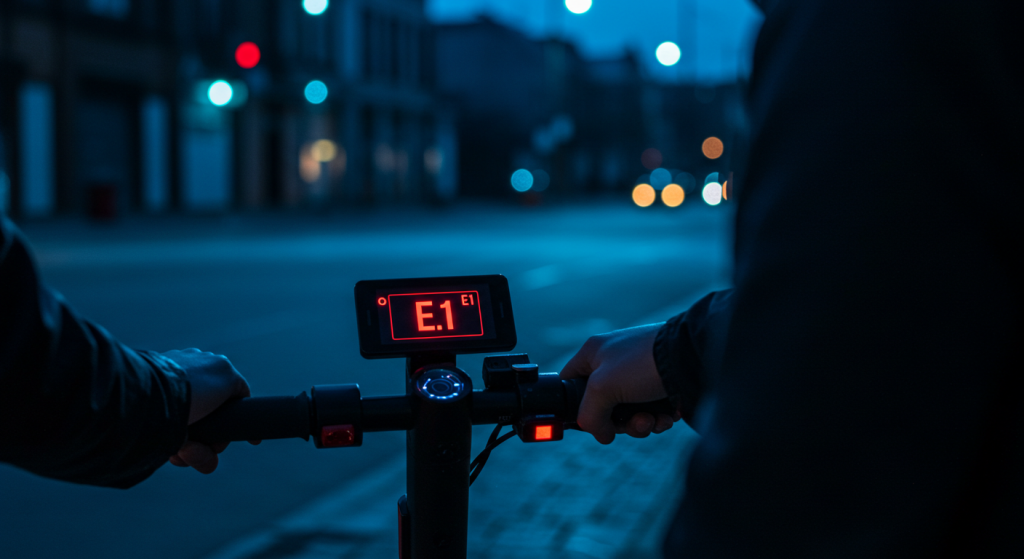
How Do You Fix E1 Error on Your Electric Scooter? Step-by-Step Guide

E1 error codes frustrate electric scooter riders worldwide. Your scooter stops working suddenly without warning. Ignoring this error can damage expensive components and leave you stranded miles from home. Quick diagnosis and proper repair get you back on the road safely. E1 error on electric scooters typically indicates throttle or controller communication problems. Fix it by checking throttle connections, cleaning contacts, resetting the controller, or replacing faulty components. Most E1 errors can be resolved with basic tools and simple troubleshooting steps within 30 minutes. But here’s the thing – not all E1 errors have the same cause or solution. 1. What Does E1 Error Mean on Electric Scooters? E1 error codes signal communication breakdowns between your scooter’s throttle and controller. The controller can’t read throttle input properly. This safety feature prevents uncontrolled acceleration that could cause accidents. Modern electric scooters use sophisticated diagnostic systems. These systems monitor dozens of components every millisecond. The controller checks throttle position, motor temperature, battery voltage, and brake status continuously. Here’s why it matters – error codes protect both rider and equipment. Without proper communication, your scooter might accelerate unexpectedly. The E1 error forces the system into safe mode immediately. Different manufacturers use varying error code systems for their models. Xiaomi scooters show E1 specifically for throttle communication failures. Segway models display similar codes for controller malfunctions. Razor scooters use E1 for speed sensor problems. Brand E1 Error Meaning Common Triggers Display Method Xiaomi Throttle communication failure Loose connections, water damage LCD screen Segway Controller malfunction Firmware issues, voltage problems LED indicators Razor Speed sensor error Magnetic sensor misalignment Beeping pattern Ninebot Brake system fault Brake lever issues App notification The diagnostic system runs continuous self-checks during operation. It monitors throttle position accuracy within 0.1 degrees. Motor speed sensors track rotation within 1 RPM precision. Battery voltage monitoring detects fluctuations above 0.5 volts. E1 errors appear on your scooter’s display screen immediately when detected. Some models flash LED lights in specific red patterns. Others beep repeatedly with distinct sound codes. Advanced models send notifications to smartphone apps. Error logging helps technicians diagnose intermittent problems later. Controllers store the last 50 error events with timestamps. This data reveals patterns that point to root causes. 2. What Are the Main Causes of E1 Error? Throttle connection problems cause approximately 40% of all E1 errors. Loose wire connections create intermittent signals that confuse controllers. Corroded contacts block electrical flow completely. Water damage shorts circuits and triggers false readings. Vibration from riding gradually loosens electrical connections over time. Poor manufacturing quality creates weak solder joints that fail early. Rough handling during transport damages delicate throttle assemblies. The best part? Most throttle-related E1 causes are fixable with basic maintenance. Regular cleaning prevents corrosion buildup. Proper storage in dry locations avoids water damage. Gentle handling protects delicate electronic connections. Controller malfunctions rank as the second leading cause at 25% frequency. Firmware bugs create communication errors between components. Overheating damages internal circuits permanently. Power surges from faulty chargers corrupt controller memory. Cause Category Frequency Difficulty to Fix Typical Cost Time Required Loose connections 40% Easy $0-20 15 minutes Water damage 25% Medium $50-150 1-2 hours Controller failure 20% Hard $100-300 2-4 hours Wiring problems 15% Medium $30-100 1 hour Wiring harness issues develop gradually through normal use. Constant flexing stresses wire insulation until it cracks. Sharp turns create stress concentrations at connection points. Poor cable management allows wires to rub against sharp edges. Battery voltage irregularities confuse sensitive controller circuits. Low voltage below 32V triggers protection modes automatically. Unbalanced lithium cells create unstable power delivery. Aging batteries lose capacity and voltage stability over time. Temperature extremes affect all electronic components significantly. Cold weather below 32°F reduces battery performance by 30%. Hot conditions above 100°F overheat controllers and trigger thermal shutdowns. Rapid temperature changes stress solder joints until they crack. Manufacturing defects account for 10% of E1 errors in new scooters. Poor quality control allows defective components to reach customers. Inadequate testing misses intermittent problems that appear later. Cost-cutting measures use substandard materials that fail prematurely. 3. How Do You Diagnose E1 Error Step by Step? Start with visual inspection of all visible connections and components. Look for loose plugs, damaged wires, or green corrosion signs. Check the throttle assembly for cracks, water intrusion, or physical damage. Power off your scooter completely before beginning any inspection work. Remove the battery if possible to prevent accidental activation. Wait 5 minutes for capacitors to discharge safely. Now, you might be wondering about proper testing procedures. Use a systematic approach that checks obvious problems before complex diagnostics. Simple fixes solve 70% of E1 errors quickly. Document your findings with photos before making any changes. This helps track what you’ve tried and provides reference for reassembly. Note any unusual smells, sounds, or visual abnormalities. Test throttle connections by unplugging and reconnecting each connector carefully. Clean contacts with electrical contact cleaner and soft brushes. Wiggle wires gently to find loose connections that cause intermittent problems. Diagnostic Step Tools Needed Time Required Success Rate Skill Level Visual inspection Eyes, flashlight 5 minutes 30% Beginner Connection check None 10 minutes 50% Beginner Voltage testing Multimeter 15 minutes 80% Intermediate Component swap Spare parts 30 minutes 95% Advanced Check controller status lights if your model includes them. Solid green lights indicate normal operation. Flashing red patterns show specific error conditions. No lights suggest complete power failure or blown fuses. Measure battery voltage with a quality digital multimeter. Healthy 36V batteries show 42V when fully charged. Readings below 35V indicate charging problems or damaged cells. Voltage that drops rapidly under load suggests internal resistance problems. Test individual wire continuity from throttle to controller. Infinite resistance indicates broken wires inside the cable. High resistance above 10 ohms suggests corroded connections. Perfect continuity near 0 ohms confirms good connections. Advanced diagnosis requires oscilloscope testing of signal quality. Throttle signals should be clean square waves without noise. Distorted signals indicate electromagnetic interference or component failure. 4. What Tools Do You Need to Fix E1

How Do You Fix E1 Error on Your Electric Scooter? Step-by-Step Guide Read More »

Shopping Cart
Scroll to Top