Why Kids Should Not Ride Electric Scooter: The Safety Facts
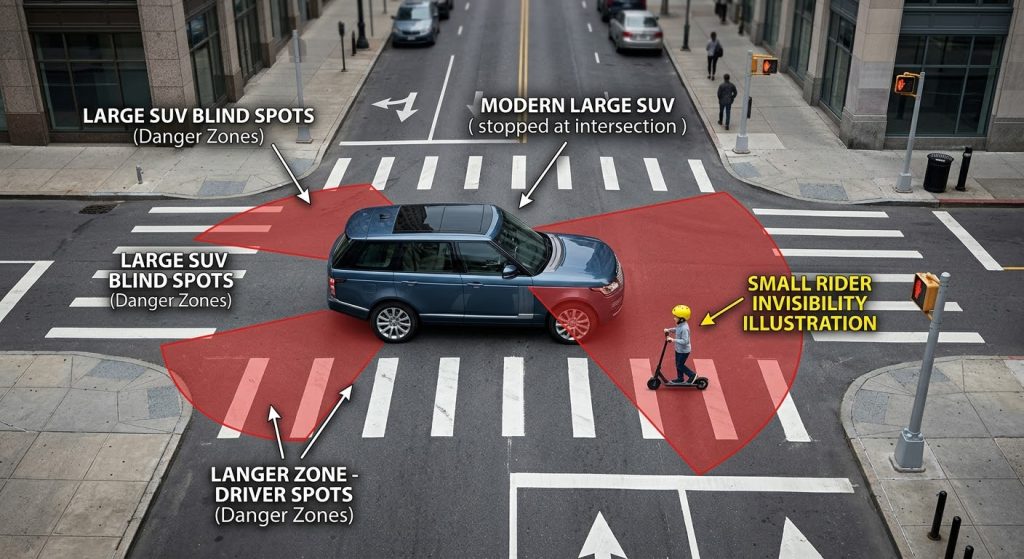
While seeing your child zoom down the sidewalk might look like simple fun, the reality is that an electric scooter is a powerful motorized vehicle that carries significant health risks. As pediatric experts, we want to help you understand the dangers that these high-speed devices pose to developing bodies and why waiting is the safest choice for your family. Is the speed of an electric scooter dangerous for kids? No, children are not physically or developmentally prepared for the high speeds these devices achieve without effort. Unlike a traditional bicycle where speed is earned through physical exertion, a motorized device can hit 15 to 25 mph instantly, which is far faster than a child can safely manage. The Impact of High Velocity Think about this: a fall at 20 mph is vastly different than a tumble from a slow-moving tricycle. Friction and Braking Challenges You might not realize that braking at high speeds requires significant coordination. Key Takeaway on Speed Risks The bottom line? The velocity of these machines turns minor falls into emergency room visits. Risk Factor Impact on Children Max Speed Often exceeds 15-20 mph, surpassing child reaction times. Braking Requires advanced motor skills to avoid flipping. Surface Small wheels catch on tiny cracks at high speed. What injuries happen on an electric scooter? Riding results in severe orthopedic fractures, facial trauma, and traumatic brain injuries that are often more complex than typical playground accidents. Because of the standing position and high center of gravity, children are frequently thrown forward onto their faces or outstretched arms. Common Orthopedic Fractures Look: we are seeing a spike in complex bone breaks that require surgery. Soft Tissue and Dental Damage Here is the truth: a helmet doesn’t protect the face or teeth. Key Takeaway on Physical Injuries It’s a fact that motorized scooter injuries are significantly more severe than bicycle-related accidents. Injury Category Typical Severity Recovery Period Head Trauma High (Concussions/Skull fractures) Weeks to Months Fractures Moderate to High (Often requiring surgery) 6-12 Weeks Skin/Dental Moderate (Painful grafting or implants) Variable At what age can a kid ride an electric scooter? You should wait until your child is at least 16 years old before they operate any motorized scooter. This recommendation is supported by the American Academy of Pediatrics (AAP) because of the unique risks associated with motorized transport and the maturity required to navigate them. The 16-Plus Safety Standard Listen: there is a reason for this specific age limit. Legal Restrictions and Local Laws In many areas, including Illinois, riding in public spaces is restricted to those 18 and older. Key Takeaway on Age Requirements The simple truth is that “kid-sized” doesn’t mean “kid-safe” when a motor is involved. Age Group Recommendation Primary Concern Under 16 Do Not Ride Developmental and physical inability to manage risk. 16-18 High Caution Requires adult-grade safety gear and training. 18+ Follow Laws Should always wear a helmet and follow traffic rules. Does an electric scooter require high maturity? Yes, operating these vehicles requires advanced executive function and impulse control that young children have not yet developed. A child’s brain is still learning how to assess “invisible” risks, such as a car turning a corner or the danger of a wet patch of leaves. Executive Function and Fast Movement Think about it. A split-second decision at 15 mph can be the difference between safety and a crash. Reaction Time Under Pressure When things go wrong, a child’s natural instinct is often to freeze or overcorrect. Key Takeaway on Cognitive Readiness The reality is that a child’s brain isn’t wired to handle motorized traffic until their mid-teens. Cognitive Skill Maturity Level in Kids Importance for Riding Impulse Control Low Prevents sudden, dangerous maneuvers. Risk Assessment Developing Helps anticipate car movements or road debris. Spatial Awareness Moderate Vital for maintaining distance from hazards. Can helmets keep an electric scooter rider safe? While a helmet is non-negotiable, a standard bicycle helmet is often insufficient for the high-impact forces of a motorized crash. Many parents don’t realize that standard gear is rated for much lower speeds and different types of falls than those occurring on scooters. Limitations of Standard Cycle Gear The deal is this: a bike helmet is designed for a different fall trajectory. Full-Face Protection Requirements If a device goes over 20 mph, motorcycle-grade equipment is actually what’s needed. Key Takeaway on Safety Equipment Do not rely on a helmet to make an inherently dangerous activity safe for a child. Gear Type Protection Level Missing Coverage Bike Helmet Basic Face, Jaw, Dental, High-speed impact. Pads Moderate Does not prevent internal injuries or fractures. Closed-Toe Shoes Essential Necessary to prevent severe toe/foot lacerations. Is an electric scooter too heavy for a child? Yes, the weight of the battery and motor makes these machines difficult for a child to steer or jump away from during a fall. A typical motorized model can weigh 30 to 50 pounds, which is a significant mass to have land on a small limb. Handling and Maneuverability Issues Here is the problem: a heavy machine is harder to turn quickly. Danger During a Fall or Tumble When a child falls, the heavy scooter often follows them down. Key Takeaway on Machine Mass The physical weight of the motor and battery creates a “crush risk” that manual scooters don’t have. Feature Manual Scooter Electric Model Average Weight 5-10 lbs 30-60 lbs Control Easy to maneuver Heavy and sluggish for kids Fall Risk Easy to step away Often falls on the rider How does an electric scooter behave in traffic? These devices are often invisible to drivers and lack the stability needed to navigate street traffic safely. Because they are quiet and low-profile, cars often don’t see them until it is too late, especially at intersections or when pulling out of driveways. Visibility in Crowded Streets You must realize that a child on a scooter is below the sightline of many SUVs. Navigating Complex Intersections Intersections are the most common site for fatal or life-altering […]
Why Kids Should Not Ride Electric Scooter: The Safety Facts Read More »