

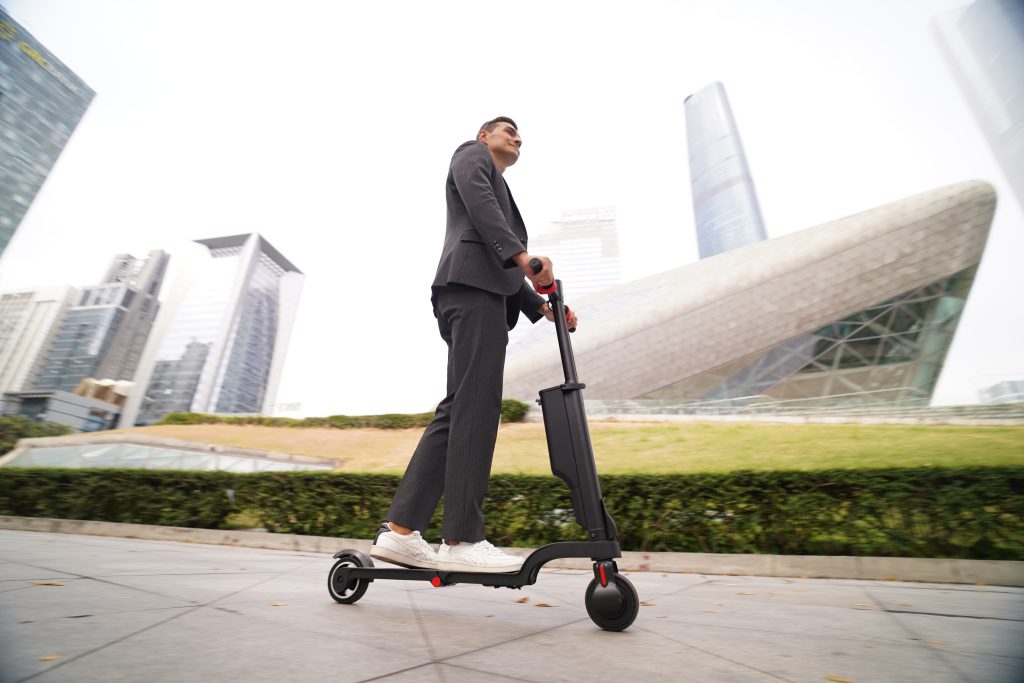
Our Guide to Electric Scooter Brakes: Everything Riders Need to Know
Electric scooter brakes determine your safety and riding confidence. Many riders ignore brake quality until emergency situations arise. Poor brakes cause accidents, injuries, and property damage. Different brake types offer varying performance, maintenance needs, and costs. Understanding brake systems helps you choose the right scooter and maintain it properly. Electric scooter brakes include disc, drum, electronic regenerative, and foot brake systems. Disc brakes provide the best stopping power and heat dissipation. Drum brakes offer reliability and weather protection. Electronic brakes enable regenerative charging and precise control. Foot brakes serve as backup systems. Quality brake systems feature dual mechanisms, progressive feel, and consistent performance. Proper maintenance extends brake life and ensures safety. Regular inspection, cleaning, and adjustment prevent brake failure and accidents. But here’s the thing – brake performance varies dramatically between different systems and price points. 1. What Types of Brakes Do Electric Scooters Use? Disc brake systems provide superior stopping power and heat management. Front and rear disc brakes use calipers to squeeze brake pads against rotating discs. Hydraulic disc brakes offer better feel and power than cable-operated versions. Ventilated discs prevent overheating during repeated hard braking. Drum brake mechanisms offer reliable performance in all weather conditions. Enclosed design protects brake shoes from water, dirt, and debris. Drum brakes require less maintenance than disc systems. However, they provide less stopping power and heat dissipation than disc brakes. Here’s why it matters – brake type affects your safety, maintenance costs, and riding experience. High-performance riding demands disc brakes for maximum stopping power. Casual riding may work fine with drum or electronic brakes. Electronic regenerative braking converts kinetic energy back into battery power. Motor resistance slows the scooter while charging the battery. Regenerative braking works best at moderate speeds. It provides smooth, progressive stopping without mechanical wear. Brake Type Stopping Power Weather Performance Maintenance Needs Cost Range Hydraulic Disc Excellent Good Medium $80-200 Cable Disc Very Good Good Medium $40-120 Drum Brake Good Excellent Low $30-80 Electronic Good Excellent Very Low $50-150 Foot Brake Fair Poor Low $10-30 Foot brake designs serve as backup or secondary braking systems. Riders press the rear fender against the wheel to create friction. Foot brakes work independently of electrical systems. They provide emergency stopping when other brakes fail. Combination brake systems use multiple brake types for optimal performance. Front disc brakes provide primary stopping power. Rear drum or electronic brakes offer secondary control. Dual systems ensure redundancy and balanced braking. Brake feel and modulation affect rider control and confidence. Progressive brakes allow fine speed control. On-off brakes make smooth stops difficult. Quality brake systems provide consistent feel across all conditions. 2. How Do You Choose the Right Brake System for Your Needs? Performance requirements depend on your riding style and conditions. High-speed commuting demands powerful disc brakes. Casual neighborhood riding works with drum or electronic systems. Heavy riders need more stopping power than lightweight users. Weight and speed considerations affect brake selection significantly. Heavier scooters require more stopping force. Higher speeds demand better heat dissipation. Brake power must match scooter performance capabilities. The best part? Modern brake systems offer excellent performance across all price ranges. Budget scooters include adequate braking for their intended use. Premium models feature advanced systems for demanding applications. Weather and terrain factors influence brake choice. Wet conditions favor drum brakes or electronic systems. Hilly terrain requires disc brakes for heat management. Flat, dry areas work well with any brake type. Riding Condition Recommended Brake Performance Priority Maintenance Factor Safety Consideration Urban Commuting Hydraulic Disc High power Medium effort Critical Casual Recreation Drum/Electronic Reliability Low effort Important Hilly Terrain Disc Brakes Heat dissipation Medium effort Critical Wet Climate Drum/Electronic Weather resistance Low effort Important Budget and maintenance preferences guide brake system selection. Disc brakes cost more initially but offer better performance. Drum brakes require less maintenance but provide adequate stopping. Electronic brakes need minimal service but depend on electrical systems. User skill level affects brake choice appropriately. Experienced riders can handle powerful disc brakes safely. Beginners may prefer gentler drum or electronic systems. Progressive brake feel helps new riders develop proper technique. Upgrade potential influences initial brake selection. Some scooters allow brake system upgrades. Others have fixed brake configurations. Consider future needs when choosing brake systems. 3. What Are the Signs Your Electric Scooter Brakes Need Attention? Performance degradation shows up as longer stopping distances. Brakes that once stopped quickly now require more distance. Gradual performance loss often goes unnoticed until emergency situations. Regular testing reveals performance changes before they become dangerous. Visual inspection reveals many brake problems early. Worn brake pads show metal backing plates. Cracked or warped discs need immediate replacement. Leaking brake fluid indicates hydraulic system problems. Now, you might be wondering about subtle signs that indicate brake problems. Spongy brake feel suggests air in hydraulic lines. Grinding noises mean brake pads are completely worn. Vibration during braking indicates warped discs or drums. Unusual sounds provide early warning of brake issues. Squealing indicates worn brake pads or contamination. Grinding means metal-on-metal contact and immediate attention. Clicking suggests loose components or worn hardware. Warning Sign Severity Level Immediate Action Repair Urgency Safety Risk Longer Stopping Medium Test brakes 1-2 weeks Medium Grinding Noise High Stop riding Immediate High Spongy Feel Medium Inspect system 3-5 days Medium Vibration Medium Check components 1 week Medium Fluid Leaks High Professional service Immediate High Safety-critical failure symptoms require immediate attention. Complete brake failure means stop riding immediately. Brake drag causes overheating and component damage. Inconsistent braking creates unpredictable stopping performance. Brake fade occurs when brakes overheat and lose effectiveness. Long downhill rides or repeated hard stops cause fade. Brake fade recovery requires cooling time. Persistent fade indicates worn components or inadequate brake capacity. Environmental factors affect brake performance and wear. Salt water accelerates corrosion and component failure. Sand and dirt contaminate brake surfaces. Temperature extremes affect brake fluid and component materials. 4. How Do You Properly Maintain Electric Scooter Brakes? Regular inspection schedules prevent brake problems before they become dangerous. Weekly visual checks […]
Our Guide to Electric Scooter Brakes: Everything Riders Need to Know Read More »