

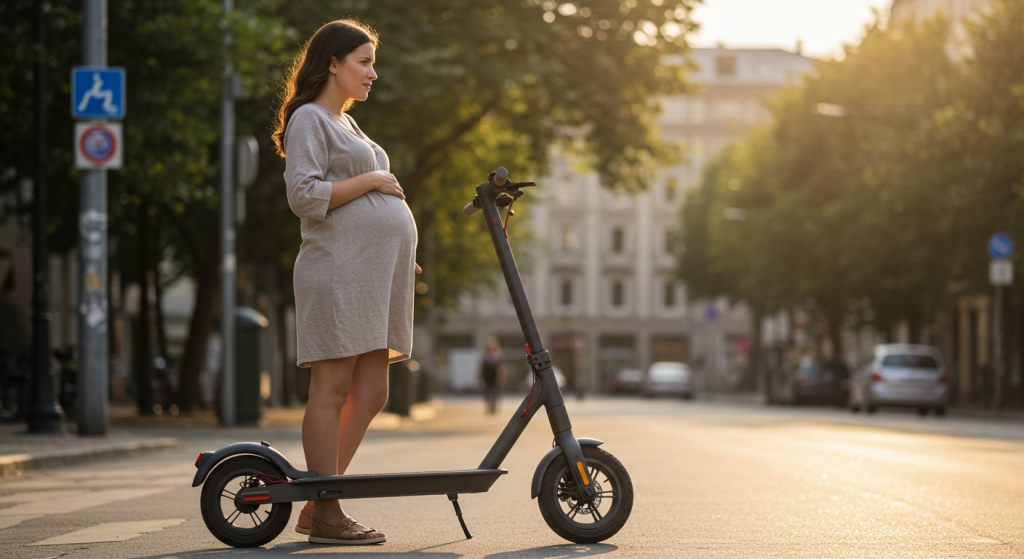
Is It Safe to Ride Electric Scooters During Pregnancy? Safety Tips You Must Know
Pregnancy brings new worries about daily activities. Electric scooter safety becomes a big concern. Many expecting mothers face transport challenges. They wonder if their usual ways of getting around stay safe. The wrong choice could put both mother and baby at serious risk. Riding electric scooters during pregnancy is not recommended. This is due to higher fall risks and balance changes. There’s also potential harm to both mother and baby. Medical experts tell pregnant women to pick safer transport options. This helps avoid accidents that could cause injury or pregnancy problems. But here’s the thing… Knowing the specific risks helps you make smart choices. You can decide how to get around safely during pregnancy. 1. What Are the Main Safety Risks of Riding Electric Scooters While Pregnant? Electric scooters create many safety challenges that get worse during pregnancy. The mix of speed, balance needs, and traffic exposure makes a high-risk situation for expecting mothers. Fall risks go up a lot during pregnancy because of body changes that affect stability and coordination. Even small falls can hurt the belly area, which creates serious threats to both mother and baby. Here’s why it matters… Pregnancy hormones like relaxin make joints and ligaments loose, making you more likely to get hurt from falls or quick movements. Risk Factor Pregnancy Impact What Could Happen Falls and crashes Higher injury risk Belly trauma, broken bones Shaking from riding Affects growing baby Possible growth concerns Speed and control Slower reaction time More likely to have accidents Traffic exposure Less mobility options Higher crash risk The shaking from electric scooters can affect pregnant women differently than other riders. Constant shaking may cause discomfort and could possibly impact the growing baby, though research on this specific area stays limited. Speed control gets harder as pregnancy moves forward. Changes in weight spread and center of gravity make it tough to keep balance at higher speeds or during sudden stops. Traffic exposure adds another danger layer. Pregnant women may have slower reaction times and less ability to quickly move away from hazards, raising the risk of crashes with cars or people walking. 2. How Does Pregnancy Affect Your Balance and Coordination on Scooters? Pregnancy causes big body changes that directly impact your ability to safely use an electric scooter. These changes start early and get worse as pregnancy goes on. Your center of gravity moves forward as your belly grows, affecting balance and stability. This change makes it harder to keep proper posture and control on a scooter platform. The best part? Understanding these changes helps you know when activities become too risky to keep doing safely. Pregnancy Stage Balance Changes Coordination Impact First three months Morning sickness, tiredness Less focus, slower reactions Second three months Weight gain, posture changes Changed center of gravity Third three months Big size increase Major balance challenges Hormone changes affect joint stability throughout pregnancy. Relaxin hormone makes ligaments loose to prepare for childbirth, but this also makes joints less stable and raises injury risk from falls. Reaction time gets slower during pregnancy because of hormone changes and body tiredness. This delay can be critical when quick responses are needed to avoid accidents or keep balance on a scooter. Vision changes during pregnancy can affect depth perception and side vision. These changes make it harder to judge distances and spot possible hazards while riding. 3. What Do Medical Experts Say About Electric Scooter Use During Pregnancy? Medical professionals always advise against electric scooter use during pregnancy because of the mix of fall risks and possible problems. OB-GYNs and maternal health experts put activities first that reduce injury risk. The American College of Obstetricians and Gynecologists recommends avoiding activities with high fall potential during pregnancy. Electric scooters fall into this group because of their speed and balance needs. Now, you might be wondering… what specific medical evidence supports these recommendations and how they apply to different pregnancy stages. Medical Authority Recommendation Risk Level ACOG Avoid high fall-risk activities High Maternal health experts Pick safer transport Medium to High Emergency medicine doctors Prevent belly trauma Very High Research on pregnancy and transport safety shows that even small accidents can have serious results. Belly trauma from falls can cause placenta problems, early labor, or baby injury. Healthcare providers stress that pregnancy is not the time to take unnecessary risks. The possible results of an accident are much worse than the convenience of scooter transport. Individual risk assessment varies based on pregnancy problems, previous pregnancy history, and overall health status. Women with high-risk pregnancies face even greater dangers from activities like scooter riding. 4. Which Trimester Poses the Greatest Risks for Electric Scooter Riding? Each three-month period presents unique challenges and risks for electric scooter use, but the dangers increase as pregnancy moves forward. Understanding period-specific risks helps expecting mothers make better transport decisions. First three months risks include morning sickness, tiredness, and early pregnancy problems. Nausea and dizziness can hit suddenly, making it dangerous to operate any vehicle, including electric scooters. Let me explain… why the third three months presents the highest risks, even though each stage has its own safety concerns. Three-Month Period Main Risks Safety Concerns First (1-12 weeks) Morning sickness, tiredness Sudden nausea, dizziness Second (13-26 weeks) Weight gain, balance changes Moving center of gravity Third (27-40 weeks) Size limits, mobility issues Severe balance problems Second three months often feels like the safest period, with less morning sickness and more energy. However, this is when big weight gain and posture changes begin affecting balance and coordination. Third three months poses the greatest risks because of big size increases and mobility limits. The growing belly greatly changes balance, making falls more likely and possibly more dangerous. Late pregnancy also brings more tiredness, swelling, and discomfort that can affect focus and reaction time. These factors combine to create a high-risk situation for scooter operation. 5. What Are Safer Transportation Alternatives for Pregnant Women? Pregnant women have several safer transport options that reduce fall risks while keeping […]
Is It Safe to Ride Electric Scooters During Pregnancy? Safety Tips You Must Know Read More »