Can You Use Lime Scooter Batteries in Personal E-Scooters?
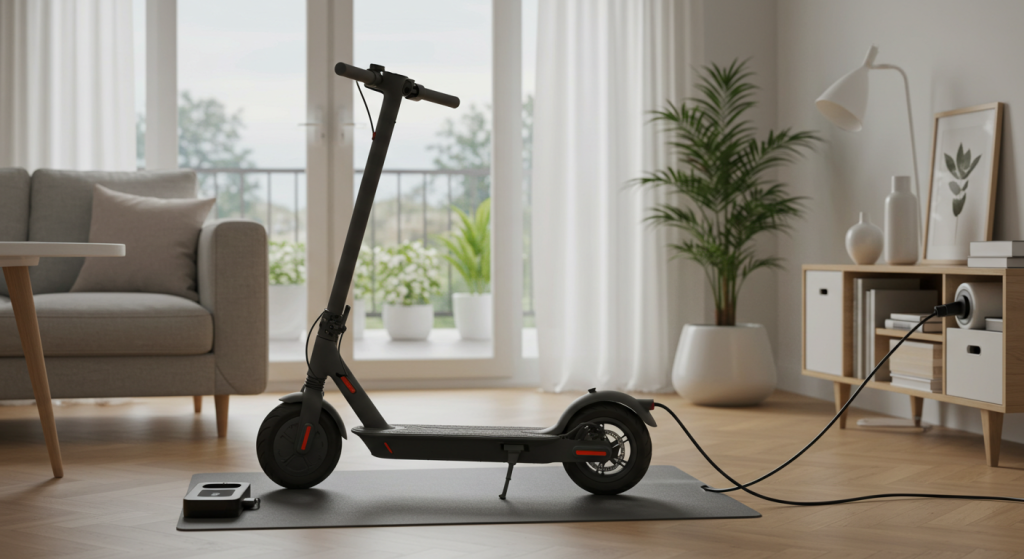
E-scooter owners often wonder about using Lime batteries to boost their ride performance. Without proper knowledge, you risk damaging your scooter, voiding warranties, or facing legal issues. This guide reveals the technical and legal realities of battery compatibility. Lime scooter batteries are not compatible with personal e-scooters due to proprietary designs, custom connectors, and integrated security systems. These batteries use specialized voltage outputs, charging protocols, and battery management systems that don’t work with standard e-scooter electronics. Attempting to use Lime batteries can damage your scooter and void warranties. But here’s the thing – better alternatives exist that won’t risk your scooter or legal standing. 1. Are Lime Scooter Batteries Compatible with Personal E-Scooters? Lime scooter batteries are not compatible with personal e-scooters due to proprietary design elements. These batteries use custom voltage outputs that don’t match standard e-scooter requirements. Most personal scooters operate on 36V or 48V systems, while Lime batteries use different specifications. Here’s why it matters – voltage mismatches can damage your scooter’s motor and controller permanently. Lime batteries output power at levels designed for their specific scooter models, not consumer devices. Physical connectors present another major compatibility issue. Lime uses proprietary connector designs that don’t fit standard e-scooter battery ports. The battery housing dimensions also differ significantly from consumer scooter battery compartments. Safety certifications create additional barriers to compatibility. Lime batteries carry certifications specific to their fleet operations. Personal e-scooters require different safety standards and certifications for consumer use. Warranty implications make Lime battery use even more problematic. Using non-OEM batteries voids most e-scooter warranties immediately. Manufacturers can deny all future warranty claims if they detect unauthorized battery modifications. Battery chemistry differences also affect compatibility. Lime uses high-discharge lithium cells optimized for commercial use patterns. Consumer e-scooters typically use different cell chemistry designed for recreational riding patterns. Compatibility Factor Lime Battery Standard E-Scooter Result Voltage Output Proprietary 36V/48V Incompatible Connector Type Custom Standard Won’t fit Safety Certification Fleet-specific Consumer-grade Non-compliant Warranty Coverage Voids warranty Maintains warranty Risk Battery management systems in Lime scooters communicate with specific hardware. Personal e-scooters can’t interpret these signals correctly. This mismatch can cause charging failures, power delivery issues, and safety shutdowns. Security features in Lime batteries prevent unauthorized use. These batteries include GPS tracking, remote disable functions, and theft protection systems. Personal e-scooters lack the infrastructure to support these features. Thermal management systems in Lime batteries operate at different parameters. These systems monitor temperature ranges specific to commercial fleet operations. Personal e-scooters can’t provide proper thermal regulation for Lime batteries. 2. What Technical Challenges Prevent Lime Battery Use? Proprietary battery management systems create the biggest technical barrier. Lime batteries include sophisticated BMS chips that communicate only with Lime scooter controllers. Personal e-scooters can’t decode these communication protocols. The best part? This incompatibility actually protects your scooter from potential damage. Mismatched BMS systems can cause overcharging, thermal runaway, and fire hazards. Custom charging protocols make Lime batteries impossible to charge with standard equipment. These batteries require specific charging voltages, current limits, and timing sequences. Home chargers can’t provide the correct charging profile. Security lockout mechanisms prevent unauthorized battery activation. Lime batteries include digital locks that require authentication codes. Personal e-scooters don’t have access to these unlock sequences. Voltage regulation differences cause power delivery problems. Lime batteries use dynamic voltage regulation based on load conditions. Personal e-scooter controllers expect consistent voltage levels throughout the discharge cycle. Technical Challenge Impact Risk Level BMS Incompatibility Communication failure High Charging Protocol Cannot charge safely Critical Security Lockouts Battery won’t activate High Voltage Regulation Power delivery issues Medium Temperature monitoring systems in Lime batteries operate differently than consumer models. These systems use proprietary sensors and shutdown protocols. Personal e-scooters can’t monitor battery temperature correctly with Lime batteries. Cell balancing algorithms in Lime batteries are optimized for fleet use patterns. Personal riding patterns differ significantly from commercial fleet operations. This mismatch can cause premature battery degradation and safety issues. 3. How Do Lime Batteries Compare to Standard E-Scooter Batteries? Power output specifications differ significantly between Lime and consumer batteries. Lime batteries deliver higher peak power for commercial-grade performance. Standard e-scooter batteries prioritize efficiency and longevity over raw power. Now, you might be wondering about the actual performance differences. Lime batteries can output 1000-1500 watts peak power, while consumer batteries typically max out at 500-800 watts. Battery chemistry differences affect charging and discharge characteristics. Lime uses high-density lithium cells optimized for frequent charging cycles. Consumer batteries often use different chemistry blends for cost efficiency. Charging cycle capabilities vary dramatically between battery types. Lime batteries handle 2000+ charge cycles due to commercial-grade cells. Standard e-scooter batteries typically last 500-1000 cycles before significant degradation. Lifespan and durability factors favor Lime batteries in harsh conditions. These batteries include weatherproofing, shock resistance, and temperature tolerance. Consumer batteries prioritize cost over extreme durability. Specification Lime Battery Standard E-Scooter Advantage Peak Power 1000-1500W 500-800W Lime Charge Cycles 2000+ 500-1000 Lime Weather Resistance IP67 IP54 Lime Cost $300-500 $100-250 Standard Capacity ratings show mixed results between battery types. Lime batteries often have higher amp-hour ratings but at different voltages. Direct capacity comparisons require voltage normalization calculations. Weight differences impact scooter handling and portability. Lime batteries weigh 15-25% more than standard batteries due to robust construction. This extra weight affects acceleration and range efficiency. 4. What Legal Issues Surround Using Lime Batteries? Theft and property law concerns create serious legal risks. Lime batteries remain company property even when found or purchased secondhand. Using these batteries could constitute theft or receiving stolen property. Let me explain the legal framework around shared scooter components. Lime retains ownership of all battery packs, even those removed from damaged scooters. Possession without authorization violates property laws. Intellectual property violations add another legal layer. Lime’s battery designs include patented technologies and trade secrets. Reverse engineering or modifying these batteries could infringe on intellectual property rights. Safety liability risks increase with unauthorized battery use. If a Lime battery causes injury or property damage in your scooter, insurance may deny coverage. You could face personal […]
Can You Use Lime Scooter Batteries in Personal E-Scooters? Read More »