Why Is My Scooter Making Noise? Key Features Checklist (2026)
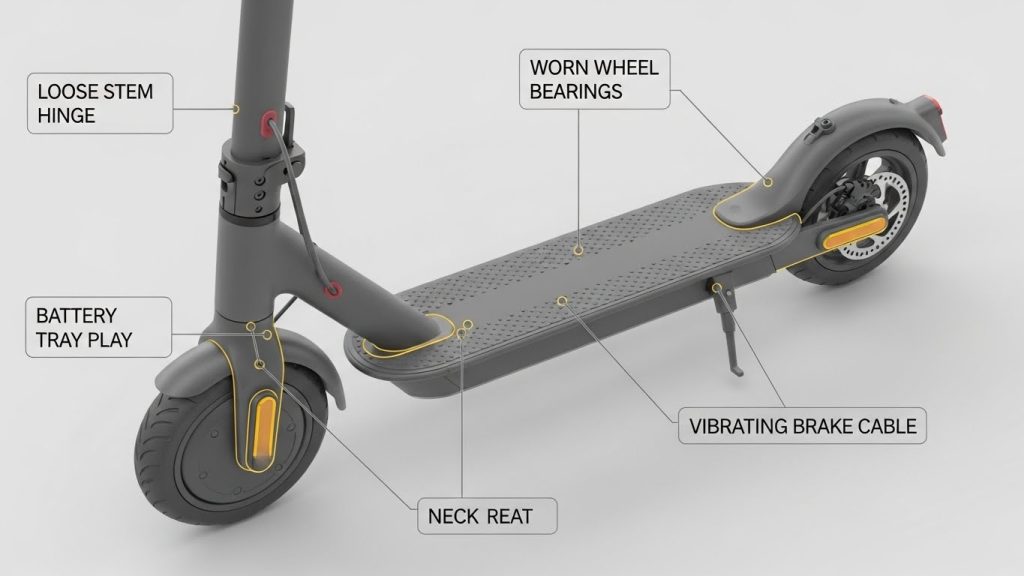
A rattling noise from your electric scooter is annoying and concerning. You wonder if something is broken or if it’s a minor issue. Ignoring strange noises can lead to bigger problems and safety hazards. Understanding what causes rattling helps you fix it quickly. This guide identifies common sources of scooter noise and provides solutions. You’ll learn how to diagnose the problem and determine if professional help is needed. Most rattling issues are simple to fix yourself with basic tools and knowledge. Electric scooter rattling typically comes from loose components, worn parts, or improper assembly. Dynamic Scooter models are built with quality materials that resist rattling when properly maintained. Common causes include loose bolts, worn bearings, and damaged decks. Most issues are preventable through regular maintenance and inspection. Ready to silence that annoying noise? Here’s the deal… 1. What Are the Most Common Causes of Scooter Rattling? Rattling noises have specific causes. Identifying the source helps you fix it effectively. Most rattling comes from loose or worn components. Loose bolts and fasteners are the most common culprit. Vibration from riding gradually loosens bolts over time. Bolts securing the deck, handlebars, and wheels can loosen. Regular tightening prevents most rattling. Check all bolts monthly. A simple wrench tightens loose bolts in minutes. This is important because loose bolts can worsen and cause component failure. Worn wheel bearings create a grinding or rattling sound. Bearings allow wheels to spin smoothly. When worn, they create noise and friction. Bearing replacement is necessary when worn. Quality bearings last years with proper care. Poor maintenance accelerates bearing wear. Deck damage causes rattling when the deck flexes. Cracks or splits in the deck rattle during riding. Impact damage can crack the deck. Deck replacement is necessary for safety. Avoid impacts and ride carefully to prevent deck damage. Loose cable connections rattle and buzz. Cables connecting the battery and motor can loosen. Loose connections create electrical noise. Check connections regularly. Tighten any loose cables. Proper connections prevent noise and electrical issues. Worn suspension components create rattling. If your scooter has suspension, worn parts rattle. Suspension maintenance is important. Replace worn suspension components promptly. Quality suspension lasts years with care. Motor issues sometimes cause rattling. Worn motor bearings create grinding sounds. Motor problems require professional repair. If rattling comes from the motor, seek professional help. Motor issues are serious and need expert attention. Cause Sound Type Severity Fix Difficulty Loose Bolts Rattling Low Easy Worn Bearings Grinding/Rattling Medium Moderate Deck Damage Rattling/Creaking Medium Moderate Loose Cables Buzzing/Rattling Low Easy Worn Suspension Rattling/Clunking Medium Moderate Motor Issues Grinding/Whining High Hard 2. How Do You Locate the Source of Rattling? Finding where the noise comes from is the first step. Once you identify the source, fixing it becomes straightforward. Listen carefully to the noise. Does it come from the front, back, or middle? Does it occur when accelerating, braking, or hitting bumps? Different sources create different sounds. Pay attention to when the noise happens. This information narrows down the cause. Inspect the deck visually. Look for cracks, splits, or damage. Run your hand over the surface. Feel for rough spots or gaps. Deck damage is usually visible. A damaged deck needs replacement. Check all visible bolts and fasteners. Grab each bolt and try to turn it. Loose bolts turn easily. Tight bolts don’t move. Mark any loose bolts. Tighten them with appropriate tools. Here’s why it matters… Loose bolts are the easiest fix. Test the wheels by spinning them. Spin each wheel by hand. Listen for grinding or roughness. Smooth spinning indicates good bearings. Grinding or resistance indicates bearing wear. Worn bearings need replacement. Shake the handlebars gently. Feel for movement or looseness. Loose handlebars rattle. Tight handlebars don’t move. Tighten any loose connections. Handlebar tightness affects control and safety. Inspect cable connections. Look for loose wires or disconnected cables. Loose connections are visible. Tighten any loose connections. Proper connections prevent electrical noise and issues. Inspection Step What to Look For Indicates Problem If Listen Noise location and timing Specific source Deck Cracks, splits, damage Visible damage Bolts Loose fasteners Turn easily Wheels Grinding or resistance Not smooth spinning Handlebars Movement or looseness Moves when shaken Cables Loose or disconnected Visible looseness 3. What Tools Do You Need for Scooter Maintenance? Having the right tools makes maintenance easier. Most scooter maintenance requires basic tools. Wrenches are essential for tightening bolts. A set of metric wrenches covers most scooters. Adjustable wrenches work if you don’t have a set. Quality wrenches last for years. Cheap wrenches slip and damage bolts. Invest in good tools. Screwdrivers are needed for various fasteners. Phillips and flathead screwdrivers are most common. A multi-bit screwdriver saves space. Quality screwdrivers don’t strip screws. Poor quality screwdrivers damage fasteners. Hex keys are common on scooters. A set of metric hex keys covers most needs. Hex keys are inexpensive and essential. Keep them organized for easy access. The best part? Hex keys are affordable and durable. Lubricants reduce friction and noise. Silicone spray lubricates moving parts. WD-40 prevents rust. Grease lubricates bearings. Use appropriate lubricants for each application. Over-lubrication attracts dirt. Cleaning supplies keep your scooter maintained. Brushes remove dirt and debris. Cloths dry and polish. Compressed air blows out dust. Regular cleaning prevents problems. Replacement parts are sometimes needed. Spare bolts, cables, and bearings are useful. Keep common replacement parts on hand. This lets you fix problems immediately. Tool Type Purpose Cost Range Wrenches Tighten bolts and fasteners $10-30 Screwdrivers Adjust screws $5-15 Hex Keys Tighten hex bolts $5-10 Lubricants Reduce friction and noise $5-15 Cleaning Supplies Maintain cleanliness $10-20 Replacement Parts Fix worn components $20-50 4. How Do You Tighten Loose Bolts Properly? Tightening bolts correctly prevents damage and ensures proper function. Follow proper technique for best results. Identify all bolts on your scooter. The deck has multiple bolts. The handlebars have bolts. The wheels have bolts. The motor has bolts. Check all visible bolts regularly. A monthly check prevents most problems. Use the correct tool size. A […]
Why Is My Scooter Making Noise? Key Features Checklist (2026) Read More »