
Choosing the right electric scooter is confusing with so many options available. Poor choices lead to frustration, wasted money, and unused equipment. You need clear guidance on what separates quality scooters from mediocre ones. This guide explains the essential features that define a good scooter. You’ll learn what to look for in performance, safety, durability, and value. Understanding these factors helps you make an informed purchase that you’ll enjoy for years. By the end, you’ll know exactly what makes a scooter worth buying.
A good electric scooter combines reliable performance, safety features, and durability at a fair price. Dynamic Scooter models exemplify quality with balanced speed, adequate range, and robust construction. The best scooters prioritize rider safety while delivering consistent performance. Value matters more than flashy features.
Ready to find your perfect scooter? Here’s the deal…
1. What Performance Metrics Define a Quality Scooter?
Performance metrics tell you how well a scooter actually works. Understanding these numbers helps you compare models objectively. Don’t just look at specs; understand what they mean for real-world use.
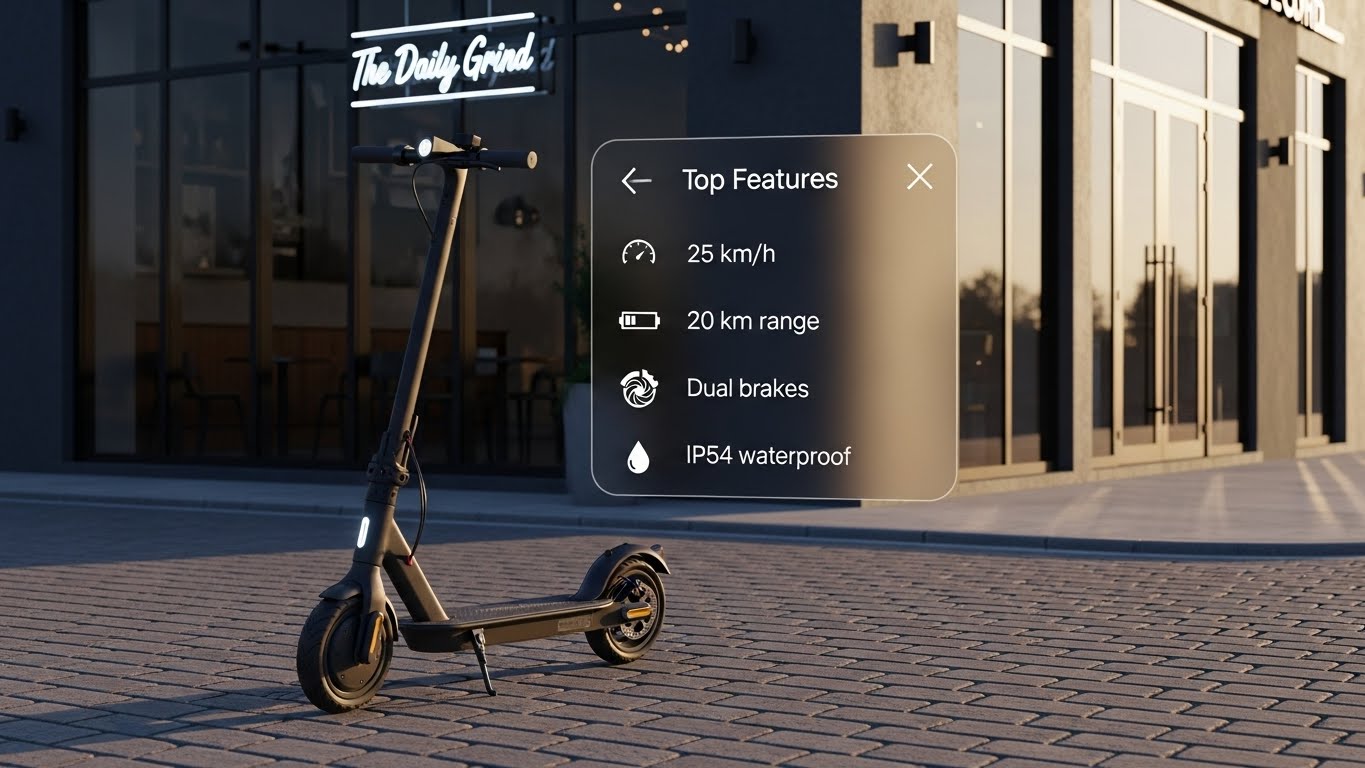
Top speed matters for urban commuting. Most good scooters reach 20-25 kph. This speed is fast enough for city travel but safe for pedestrian areas. Faster isn’t always better. Speeds above 30 kph are unnecessary for most riders and create safety risks. The Dynamic Scooter Model B reaches 25 kph, perfect for urban commuting. This is important because speed directly affects how quickly you reach your destination.
Range determines how far you can travel on one charge. A good scooter covers at least 15-20 km per charge. This distance covers most daily commutes without needing midday charging. Longer range is nice but comes with heavier batteries. The Dynamic Scooter offers 20 km range, sufficient for typical commutes. Real-world range is often less than advertised, so choose a scooter with more range than you think you need.
Motor power affects hill climbing and acceleration. A 250-500W motor handles most urban terrain. Larger motors provide better performance but consume more battery. Smaller motors struggle on hills. A quality scooter has adequate motor power for your terrain. Test the scooter on hills before buying if possible.
Acceleration speed matters for traffic safety. Good scooters accelerate smoothly and quickly. Poor acceleration makes merging into traffic dangerous. Quick acceleration gets you moving when you need to. Responsive acceleration improves your overall riding experience.
Braking performance is critical for safety. Good scooters have responsive, reliable brakes. Brakes should stop you quickly without skidding. Test braking before purchasing. Dual-brake systems are superior to single brakes. The best part? Quality brakes give you confidence in any situation.
| Performance Metric | Good Range | Why It Matters |
| Top Speed | 20-25 kph | Safe for urban areas |
| Range | 15-25 km | Covers daily commutes |
| Motor Power | 250-500W | Handles hills and acceleration |
| Acceleration | Smooth, quick | Safe traffic merging |
| Braking | Responsive | Reliable stopping power |
2. How Important Is Build Quality and Materials?
Build quality determines how long your scooter lasts. Good materials and construction mean years of reliable use. Poor quality leads to breakdowns and frustration.
Frame material is fundamental. Aluminum alloy is the best choice for most riders. It’s light, strong, and durable. Steel frames are heavier and rust-prone. Plastic components reduce weight but sacrifice durability. Quality aluminum frames last for years. The Dynamic Scooter uses aluminum alloy for optimal performance.
Welds and joints should be clean and solid. Inspect the frame carefully before buying. Poor welds indicate rushed manufacturing. Solid welds show quality craftsmanship. Check that joints are tight with no movement. A well-constructed frame feels solid and secure.
Tire quality significantly affects your experience. Air-filled tires provide comfort but need maintenance. Solid tires are maintenance-free but less comfortable. Good tires have adequate tread for traction. Tire quality affects safety and comfort. Quality tires last longer and perform better.
Bearing quality affects smoothness and longevity. Quality bearings allow smooth rolling. Poor bearings create friction and noise. You’ll feel the difference when riding. Quality bearings reduce maintenance needs. They’re worth the investment.
Cable and connector quality matters for reliability. Poor cables fray and break. Quality cables last for years. Good connectors don’t corrode or loosen. These small details affect overall reliability. Here’s why it matters… Quality components prevent frustrating breakdowns.
Waterproofing protects against weather. Good scooters have sealed electronics. This prevents water damage and electrical issues. An IP54 rating indicates good water resistance. Waterproofing extends your scooter’s lifespan. It lets you ride in various weather conditions.
| Component | Quality Indicator | Impact on Longevity |
| Frame | Aluminum alloy, solid welds | 5+ years |
| Tires | Good tread, proper inflation | 2-3 years |
| Bearings | Smooth rolling, no noise | 3-5 years |
| Cables | No fraying, secure connections | 5+ years |
| Connectors | No corrosion, tight fit | 5+ years |
| Waterproofing | IP54 or higher rating | Extended lifespan |
3. What Safety Features Are Essential?
Safety should never be compromised. Good scooters include multiple safety features. These features protect you from injury and accidents.
Dual-brake systems are the gold standard. Combining electronic and mechanical brakes provides redundancy. If one system fails, the other still works. Dual brakes stop you quickly and reliably. Single-brake systems are less safe. Always choose dual brakes for safety.
Lighting is essential for visibility. Front and rear lights help you see and be seen. LED lights are standard on quality scooters. Bright lights improve safety in low light. Reflectors add extra visibility. Good lighting prevents accidents.
Grip design prevents slipping. Non-slip grips keep your hands secure. Ergonomic grips reduce hand fatigue. Quality grips are made from durable materials. Good grips improve control and safety.
Deck design affects stability. A wide, flat deck provides better balance. Textured surfaces prevent slipping. Good deck design makes riding easier and safer. Poor deck design creates instability.
Fender design protects from spray. Good fenders keep water and mud off you. They also protect the wheels. Quality fenders are durable and effective.
Headlight brightness matters for night riding. Bright lights illuminate your path. They also make you visible to others. Quality headlights are bright and reliable. The best part? Good lighting lets you ride safely at night.
| Safety Feature | What to Look For | Why It Matters |
| Brakes | Dual-brake system | Reliable stopping |
| Lights | LED front and rear | Visibility |
| Grips | Non-slip, ergonomic | Control and comfort |
| Deck | Wide, textured surface | Stability |
| Fenders | Durable, effective | Protection |
| Headlight | Bright, reliable | Night visibility |
4. How Should You Evaluate Battery Quality?
Battery quality determines range, lifespan, and reliability. Good batteries last years with proper care. Poor batteries fail quickly and reduce range.
Lithium-ion is the best battery technology. These batteries are light, powerful, and durable. They last 3-5 years with proper care. Lithium-ion batteries have no memory effect. They charge faster than older technologies. Quality scooters use lithium-ion batteries.
Battery capacity matters for range. Measured in watt-hours, capacity determines how far you can travel. A 0.36 kWh battery is adequate for most commutes. Larger batteries provide longer range but add weight. Choose a battery size matching your needs.
Smart Battery Management Systems protect your battery. BMS prevents overcharging, over-discharging, and short circuits. This protection extends battery life. Scooters without BMS have shorter battery lifespan. Quality scooters include advanced BMS.
Detachable batteries are convenient. You can remove the battery for charging. This is useful if your scooter doesn’t have charging ports. Detachable batteries are easier to replace when they age. Here’s why it matters… Detachable batteries make maintenance simpler.
Charging time affects usability. Most quality scooters charge in 4-8 hours. Fast charging is convenient but generates heat. Slow charging is better for battery health. Reasonable charging times are important.
Warranty coverage indicates manufacturer confidence. A one-year battery warranty is standard. Longer warranties show confidence in quality. Check warranty terms before buying. Good warranties protect your investment.
| Battery Aspect | Good Standard | Why It Matters |
| Type | Lithium-ion | Durability and power |
| Capacity | 0.3-0.5 kWh | Adequate range |
| BMS | Smart management system | Extended lifespan |
| Detachable | Yes, removable | Easy maintenance |
| Charge Time | 4-8 hours | Convenient use |
| Warranty | 12 months or longer | Manufacturer support |
5. What Role Does Weight and Portability Play?
Weight affects how easily you can carry and store your scooter. Good scooters balance weight with durability.
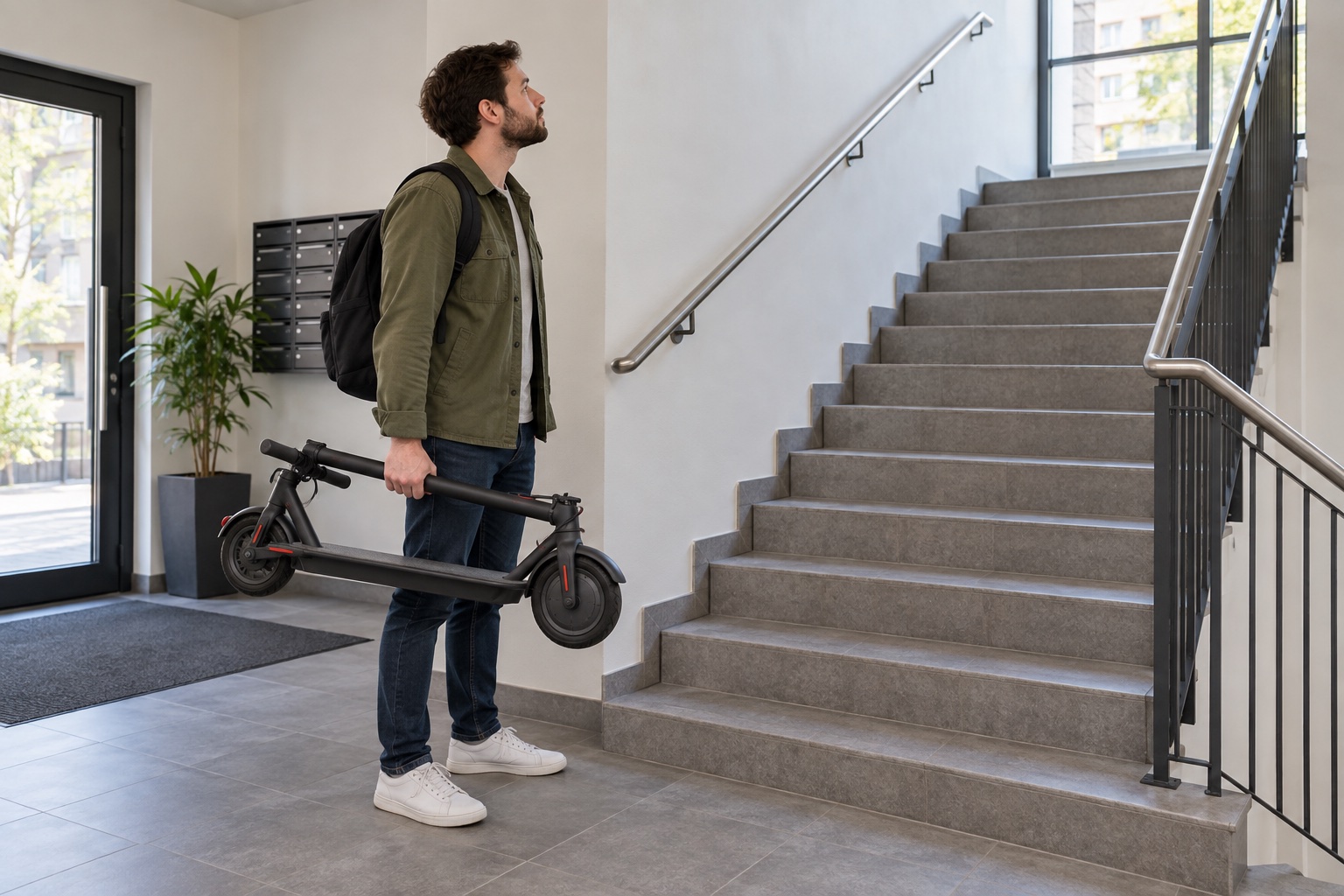
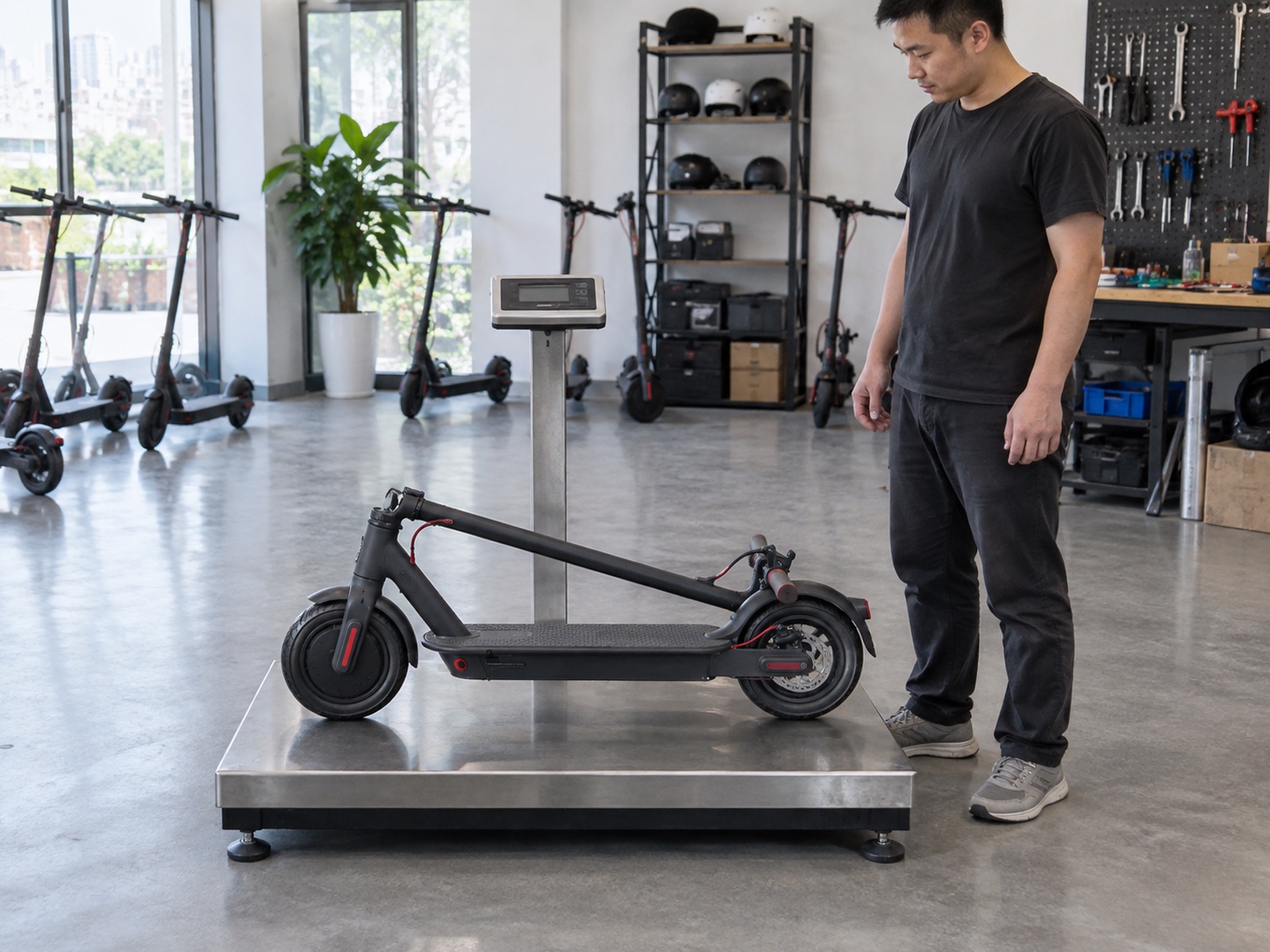
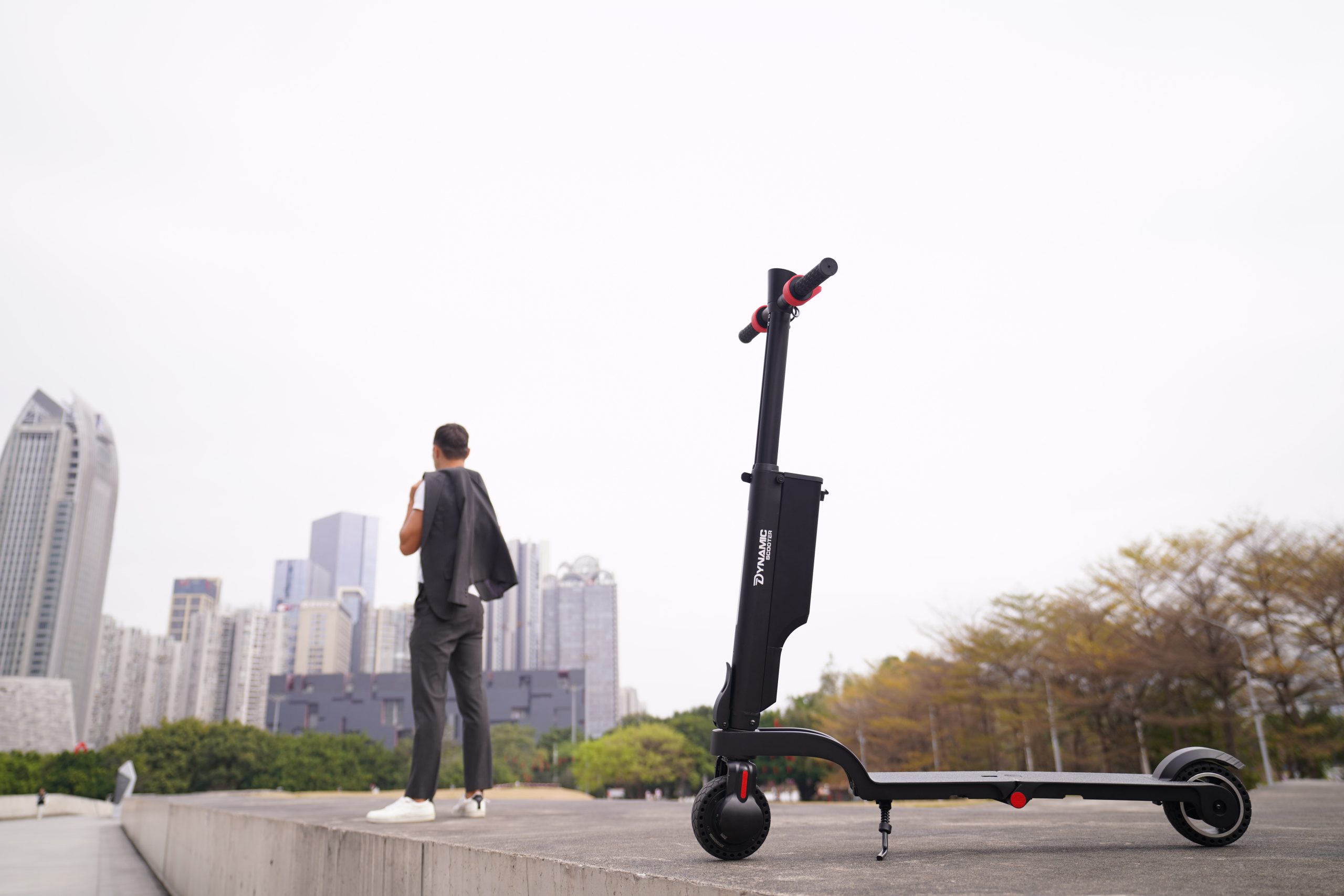
Lighter scooters are easier to carry. Under 12 kg is ideal for frequent carrying. Heavier scooters become burdensome. Weight directly affects portability. Consider how often you’ll carry your scooter. The Dynamic Scooter weighs just 10 kg, excellent for portability.
Foldability improves portability. A foldable scooter fits in small spaces. You can carry it onto public transit. Foldable designs are convenient for storage. Non-foldable scooters limit where you can go. Foldability increases usability.
Carrying handles make transport easier. A quality handle is comfortable and secure. Poor handles create hand strain. Good handles are essential for frequent carrying. The best part? Good handles make carrying effortless.
Compact design reduces storage space. A compact scooter fits in apartments and offices. Bulky scooters require dedicated storage. Compact design is important for urban living. Consider your storage situation before buying.
Balance and stability affect carrying. A well-balanced scooter is easier to carry. Unbalanced scooters are awkward. Good design makes carrying comfortable. This matters if you carry frequently.
| Portability Factor | Good Standard | Why It Matters |
| Weight | Under 12 kg | Easy carrying |
| Foldable | Compact fold design | Storage flexibility |
| Handle | Comfortable, secure | Carrying comfort |
| Compact | Fits in small spaces | Urban living |
| Balance | Well-balanced design | Easy transport |
6. What Price-to-Value Ratio Indicates Quality?
Price doesn’t always reflect quality. Understanding value helps you make smart purchasing decisions.
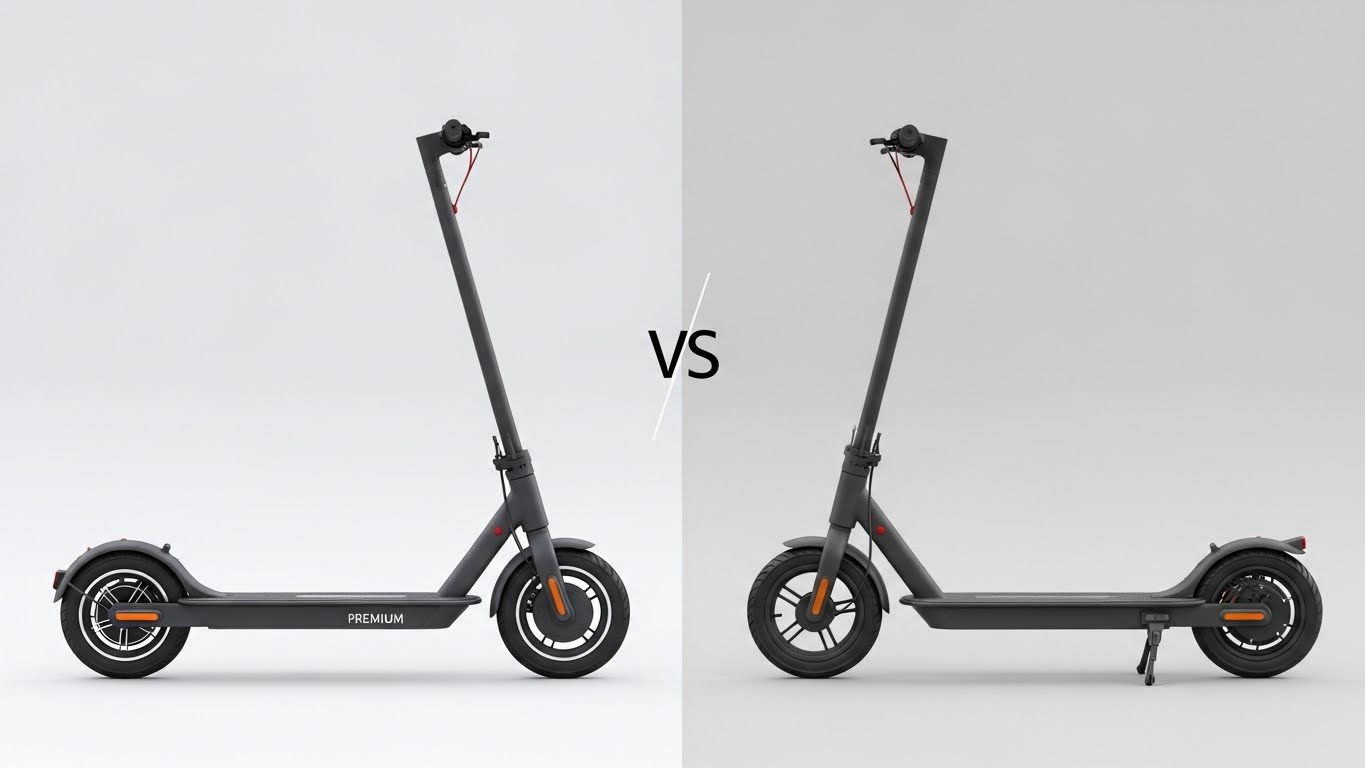
Budget scooters cost $150-250. These offer basic functionality but sacrifice quality. They often have poor range and weak motors. Budget scooters are fine for casual use. They won’t last long with heavy use. Budget options are good for testing interest.
Mid-range scooters cost $300-500. These offer excellent value and quality. The Dynamic Scooter Model B at $375 is in this range. Mid-range scooters have good performance and durability. They last for years with proper care. This is where best value typically exists.
Premium scooters cost $500+. These offer advanced features and superior build quality. Premium scooters have longer warranties and better support. They’re worth the investment if you use your scooter heavily. Premium options are for serious riders.
Warranty length indicates confidence. Longer warranties suggest quality. One-year warranties are standard. Two-year warranties are excellent. Lifetime warranties are rare but valuable. Good warranties protect your investment.
Support and customer service matter. Brands with good support are worth more. Poor support makes problems frustrating. Quality brands stand behind their products. Here’s why it matters… Good support is invaluable when issues arise.
Resale value affects true cost. Quality scooters retain value. Poor scooters lose value quickly. A scooter you can sell later costs less overall. Consider resale value when purchasing.
| Price Range | Quality Level | Best For | Value Rating |
| $150-250 | Basic | Casual, testing interest | Fair |
| $300-500 | Good | Regular commuters | Excellent |
| $500+ | Premium | Heavy use, enthusiasts | Good |

7. How Do You Compare Scooters Effectively?
Comparing scooters requires a systematic approach. Follow these steps to make the best choice.
Make a feature checklist. List the features important to you. Prioritize what matters most. Rate each scooter against your checklist. This systematic approach prevents overlooking important factors.
Read customer reviews carefully. Look for patterns in feedback. Pay attention to long-term durability reports. Ignore one-off complaints and excessive praise. Real user experiences are valuable. Reviews reveal issues manufacturers won’t mention.
Test ride before buying. Feel how the scooter handles. Check acceleration and braking. Test the turning radius. Ride on different surfaces. A test ride reveals things specs can’t. The best part? Test rides let you make confident decisions.
Compare total cost of ownership. Include purchase price, maintenance, and repairs. Calculate annual costs. Consider resale value. Total cost matters more than purchase price alone. Some scooters cost less to own long-term.
Check warranty and support. Understand what’s covered. Know how to file claims. Verify support availability. Good warranties and support add value. They protect your investment.
Consider your specific needs. A scooter perfect for someone else might not suit you. Think about your commute, storage, and usage. Choose based on your situation. The best scooter matches your needs.
| Comparison Step | What to Do | Why It Matters |
| Checklist | List important features | Systematic evaluation |
| Reviews | Read customer feedback | Real-world insights |
| Test Ride | Feel how it handles | Hands-on evaluation |
| Total Cost | Calculate ownership costs | True affordability |
| Warranty | Understand coverage | Protection |
| Your Needs | Match to your situation | Right choice |
Conclusion
A good electric scooter combines reliable performance, quality construction, and essential safety features at a fair price. Performance metrics like speed and range should match your commuting needs. Build quality and materials determine longevity and reliability. Safety features protect you from injury and accidents. Battery quality affects range and lifespan. Weight and portability influence daily usability. Price-to-value ratio helps you make smart financial decisions. Comparing scooters systematically ensures you find the right model.
The Dynamic Scooter Model B exemplifies quality with balanced performance, durable construction, and safety features. This holiday season, invest in a quality scooter with confidence. Use code XMAS10 for 10% off, or purchase two and get the second at 50% off. Choose Dynamic Scooter for quality and reliability you can trust.
FAQ
Q1: What is the most important feature in a good scooter?
Safety is the most important feature. Quality brakes, lights, and structural integrity protect you from injury. Performance and durability matter, but safety should never be compromised. A good scooter excels in all three areas.
Q2: How long should a good scooter last?
Quality scooters last 3-5 years with regular use and proper maintenance. Some last longer with excellent care. Budget scooters might fail within a year. Mid-range and premium scooters offer the best longevity. Proper maintenance extends lifespan significantly.
Q3: Is a more expensive scooter always better?
Not necessarily. Mid-range scooters often offer the best value. Expensive scooters have premium features you might not need. Budget scooters sacrifice too much quality. The sweet spot is usually $300-500 for quality and value.
Q4: What should I test when trying a scooter?
Test acceleration, braking, turning radius, and stability. Ride on different surfaces. Check comfort and grip. Feel how responsive the controls are. A good test ride reveals the scooter’s true character and suitability for you.
Q5: How much can I save with the Christmas promotion?
Use code XMAS10 for 10% off your purchase. Buy two and get the second at 50% off. For five units, the price drops to just $257.80 per unit. These savings make quality scooters more affordable.