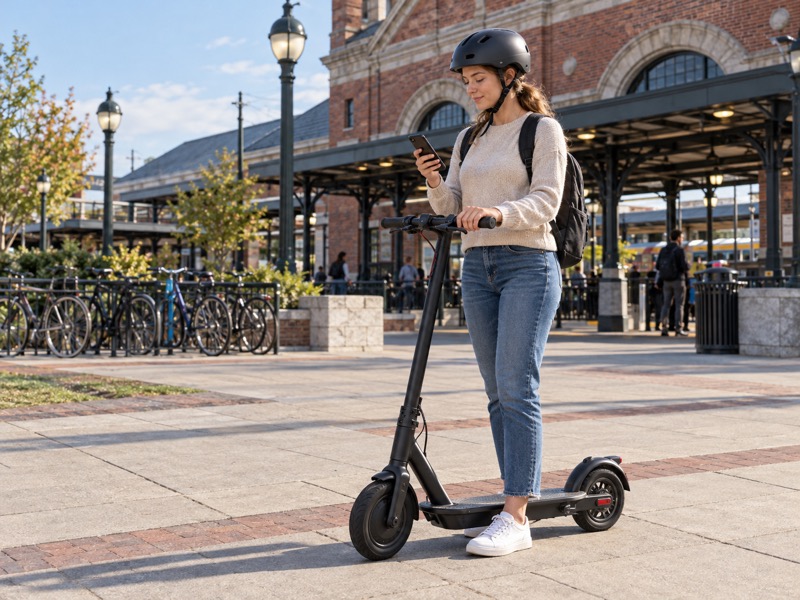
What are electric scooter laws in NJ in 2026?
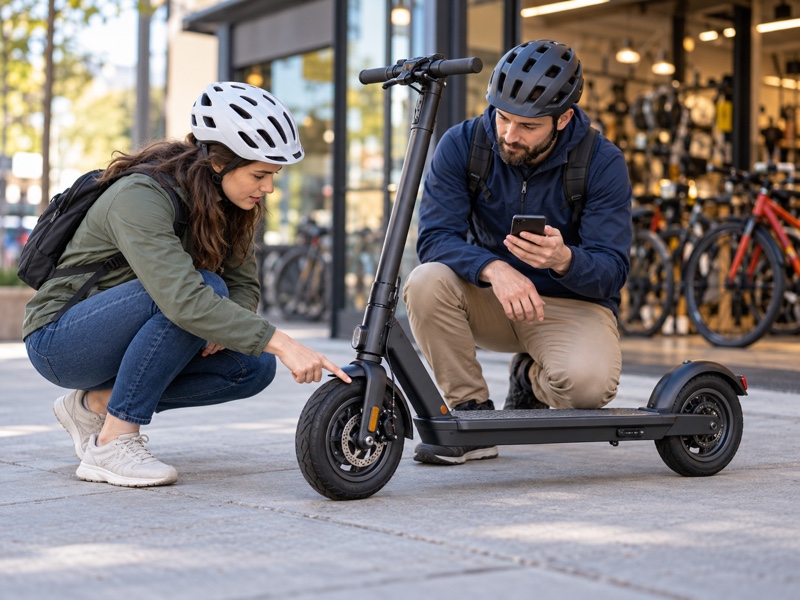
Electric scooter laws NJ riders follow permit qualifying low-speed scooters without licensing or registration. Unsure whether e-bike headlines affect your station commute? Check classification and each route connection before buying. Keep scooter requirements separate from e-bike rules, then confirm restrictions and destination parking before planning every part of your commute. 1. What qualifies under electric scooter laws NJ riders follow? A scooter qualifies under electric scooter laws NJ riders follow when it has handlebars, a standing floorboard and electric propulsion with a maximum capability below 19 mph. What should you check on the model specification? Here’s the specification check: Read the manufacturer's maximum-speed specification before looking at accessories. The statutory definition covers electric propulsion with or without human assistance. A product described as a commuter scooter still needs to meet the category's actual conditions. Save your exact model’s specification sheet and manual. Listings can combine versions with different hardware. Confirm the full model name and revision. Check its advertised maximum capability. Keep any written explanation of its speed settings. How do you compare it with other electric vehicles? A standing deck is a useful starting point when you identify the product. Pedal-equipped e-bikes, seated mopeds and disability mobility devices have their own definitions; the word “scooter” on a store page does not settle which rules apply. Detail to inspect What you need to establish Handlebars and deck Match the low-speed scooter description Maximum capability Below 19 mph Product category Check the device, not its marketing name Key Takeaway: Compare these details with your exact model before ordering; this gives you a clear basis for asking about classification. 2. Do electric scooter laws NJ riders follow accept slow modes? Selecting a slower mode does not, by itself, establish compliance with electric scooter laws NJ riders follow when a scooter has a faster maximum capability. Why does maximum capability need checking? Here’s the speed-setting catch: The definition refers to the maximum speed the motor can propel the device, so keep the scooter's full capability in view when reading a listing. NJDOT's scooter guide describes the same low-speed category, although its table rounds the speed to 19 mph. The enacted wording says less than 19 mph. For example, a listing might advertise a 25-mph maximum and a 15-mph economy mode. That is a reason to request a classification answer before purchase. The economy-mode number alone does not explain how the scooter fits the statutory definition. What should a seller confirm in writing? Ask about the scooter's capability as supplied, any accessible speed-restriction settings, and whether the quoted speed describes a restricted regional version. Keep the response with the invoice. A statement that a scooter is “street legal” should identify the jurisdiction and vehicle category. Ask for the maximum speed, not the recommended cruising speed. Confirm which version will ship to you. Resolve conflicting specifications before paying. Listing says Your next step 15 mph maximum Check the remaining category conditions 19 mph maximum Resolve the strict statutory threshold 25 mph with a slow mode Request classification guidance Key Takeaway: Use the full capability figure when comparing listings, so a comfortable cruising setting does not distract from a classification question. 3. Do electric scooter laws NJ riders follow require licensing? Qualifying low-speed scooters remain exempt from licensing and registration under electric scooter laws NJ riders follow; official municipal police guidance also lists no insurance requirement for this category. Which requirements belong to your device? Keep these categories separate: Avalon Police's 2026 guidance separates low-speed scooters from the electric bicycles covered by the new licensing system. Its scooter row lists no license, registration or insurance requirement. Keep that distinction when checking your own device. These exemptions depend on the low-speed definition. A faster scooter needs its own classification review; buying insurance or having a car license does not establish permission to operate every electric device. What paperwork is still useful to keep? Keep purchase records for ownership, service and theft reporting. Store a photograph of the serial number somewhere you can access without the scooter. If you choose insurance, ask the insurer which losses and devices the policy covers before relying on it. Save the receipt and model specification. Photograph the serial number and identifying features. Read any voluntary policy's exclusions. Item Qualifying low-speed scooter Driver's license Not required Scooter registration Not required Mandatory insurance Not listed as required by Avalon Police Key Takeaway: Keep category evidence alongside ownership records; you can then distinguish an exemption from optional protection when arranging your commute. 4. What helmet rules do electric scooter laws NJ riders follow set? Electric scooter laws NJ riders follow require helmets below 17 under applicable bicycle rules, while state guidance lists no youngest-rider cutoff for this scooter category. How should an adult household use that information? Here’s the helmet check before leaving: The NJDOT micromobility guide lists no youngest-rider cutoff and a helmet requirement below 17 for low-speed scooters. That state summary does not answer every local or rental question. A shared-scooter company may restrict borrowing based on how old you are. For an adult shopping for personal transport, helmet fit belongs in the buying process. Try the helmet with your usual glasses and outerwear, adjust it before leaving, and follow its manufacturer's fitting instructions. Carrying it on the handlebar leaves you without it when you fall. What should you confirm before borrowing or renting? Check the agreement rather than assuming a personal-owner rule applies to a rental. If you lend your scooter, explain its throttle response, brakes and folding latch before handing it over. Check how old your provider requires riders to be and review its account rules. Adjust the helmet before moving. Practise starts and stops away from traffic. Question Where to check State rider eligibility guidance NJDOT category guide Helmet requirement Applicable bicycle rules Rental eligibility Provider agreement Key Takeaway: Check state guidance and your provider separately, so your equipment and borrowing arrangements fit the trip you are planning. 5. Where do electric scooter laws NJ riders follow allow riding? […]
What are electric scooter laws in NJ in 2026? Read More »