
...

August 2026

How to Clean An Electric Scooter: Step-by-Step Guide

Dirty electric scooters break down faster and look terrible. Many owners skip regular cleaning and face expensive repairs later. Proper cleaning extends your scooter’s life and keeps it running smoothly. Electric scooter cleaning requires specific supplies, careful preparation, and safe techniques to avoid electrical damage. Use mild soap, soft brushes, and minimal water around electrical components. Always power off completely and protect charging ports before cleaning. Clean the frame first, then wheels, avoiding pressure washers and harsh chemicals. Dry thoroughly before reassembly and test all functions afterward. Regular cleaning every 2-4 weeks prevents dirt buildup, extends component life, and maintains optimal performance. Proper maintenance during cleaning catches problems early and saves money on repairs. This guide covers safe cleaning methods, required supplies, and maintenance tips to keep your scooter in perfect condition. 1. What Cleaning Supplies Do You Need for Electric Scooters? Having the right cleaning supplies makes scooter maintenance safe and effective. Wrong products can damage electrical components or void your warranty. Here’s the deal… investing in proper cleaning supplies costs less than replacing damaged parts from improper cleaning methods. Essential cleaning tools include soft-bristled brushes, microfiber cloths, and spray bottles for controlled water application. Avoid stiff brushes that scratch surfaces or damage seals. Use different brush sizes for various components. Microfiber cloths clean without scratching and absorb water effectively. Safe cleaning products for electrical components include mild dish soap, specialized electronics cleaners, and distilled water. Harsh chemicals damage plastic, rubber, and metal finishes. Electronics cleaners evaporate quickly and leave no residue. Distilled water prevents mineral deposits that tap water creates. Protective gear includes rubber gloves, safety glasses, and old clothes for messy cleaning tasks. Gloves protect hands from cleaning chemicals and dirty components. Safety glasses prevent splashing chemicals from reaching eyes. Old clothes allow freedom of movement without worry about stains. Specialized brushes and accessories include wheel brushes, detail brushes, and compressed air for hard-to-reach areas. Wheel brushes clean tire treads and brake components effectively. Detail brushes reach small spaces around controls and connections. Compressed air removes debris without water contact. Supply Category Recommended Items Purpose Safety Notes Cleaning Tools Soft brushes, microfiber cloths Surface cleaning Avoid stiff bristles Cleaning Products Mild soap, electronics cleaner Safe component cleaning No harsh chemicals Protective Gear Gloves, safety glasses Personal protection Always wear during cleaning Specialized Tools Detail brushes, compressed air Hard-to-reach areas Use appropriate pressure 2. How Do You Prepare Your Scooter for Safe Cleaning? Proper preparation prevents electrical damage and ensures thorough cleaning access. Skipping preparation steps can cause expensive damage to sensitive components. This is important because… electrical damage from improper cleaning often voids warranties and requires costly repairs. Power-off procedures start with turning off the scooter completely and removing the key if equipped. Check that all lights and displays are off before proceeding. Allow hot components to cool for at least 30 minutes after riding. Hot surfaces can crack when exposed to cold water. Removing detachable parts provides better cleaning access and protects sensitive components. Take off removable fenders, lights, and accessories according to your manual. Store small parts in containers to prevent loss. Label or photograph complex assemblies before disassembly. Protecting electrical components requires covering charging ports, displays, and control panels with plastic bags or tape. Water in electrical connections causes corrosion and failures. Use waterproof tape that removes cleanly without residue. Double-check all electrical areas are protected before starting. Setting up proper workspace includes choosing a shaded area with good drainage and ventilation. Direct sunlight causes cleaning products to dry too quickly and leave streaks. Good drainage prevents water from pooling around electrical components. Adequate ventilation helps components dry faster after cleaning. Preparation Step Time Required Critical Points Common Mistakes Power Off 2 minutes Complete shutdown, cooling time Rushing while components are hot Remove Parts 5-10 minutes Follow manual, organize parts Losing small components Protect Electronics 3-5 minutes Waterproof covering Incomplete protection Setup Workspace 5 minutes Shade, drainage, ventilation Cleaning in direct sun 3. What Is the Best Way to Clean the Scooter Frame and Body? Frame cleaning requires systematic approach to remove dirt without damaging finishes or electrical components. Different materials need specific cleaning methods for best results. Now, you might be wondering… how do you clean effectively while protecting sensitive areas? The answer involves proper technique and patience. Step-by-step frame cleaning starts with rinsing loose dirt with low-pressure water. Work from top to bottom to prevent recontaminating clean areas. Use spray bottles for controlled water application near electrical components. Avoid directing water streams at seals, joints, or electrical connections. Removing dirt and road grime requires gentle scrubbing with soapy water and soft brushes. Mix mild dish soap with warm water in a bucket. Dip brushes in soapy water and scrub in circular motions. Rinse brushes frequently to prevent spreading dirt around surfaces. Cleaning different frame materials safely depends on identifying aluminum, steel, or plastic components. Aluminum frames resist corrosion but scratch easily with abrasive cleaners. Steel frames need thorough drying to prevent rust. Plastic components can crack from harsh chemicals or extreme temperatures. Dealing with stubborn stains requires patience and appropriate products for each stain type. Oil stains respond to degreasing dish soap and warm water. Rust stains need specialized rust removers safe for your frame material. Road salt requires thorough rinsing with distilled water to prevent corrosion. Frame Material Cleaning Method Special Considerations Products to Avoid Aluminum Mild soap, soft brush Scratches easily Abrasive cleaners Steel Soap, immediate drying Rust prevention Extended water exposure Plastic Gentle cleaners Temperature sensitivity Harsh chemicals Painted Surfaces pH-neutral cleaners Finish protection Acidic or basic cleaners 4. How Should You Clean Electric Scooter Wheels and Tires? Wheel and tire cleaning improves performance and extends component life. Dirty wheels affect braking and handling while hiding potential problems. Want to know the secret? clean wheels reveal wear patterns and damage that dirty wheels conceal, helping prevent accidents and costly repairs. Tire cleaning techniques vary by tire type and tread pattern. Solid tires clean easily with soap and water […]

How to Clean An Electric Scooter: Step-by-Step Guide Read More »
What To Do If Your Electric Scooter Handlebar Is Loose?

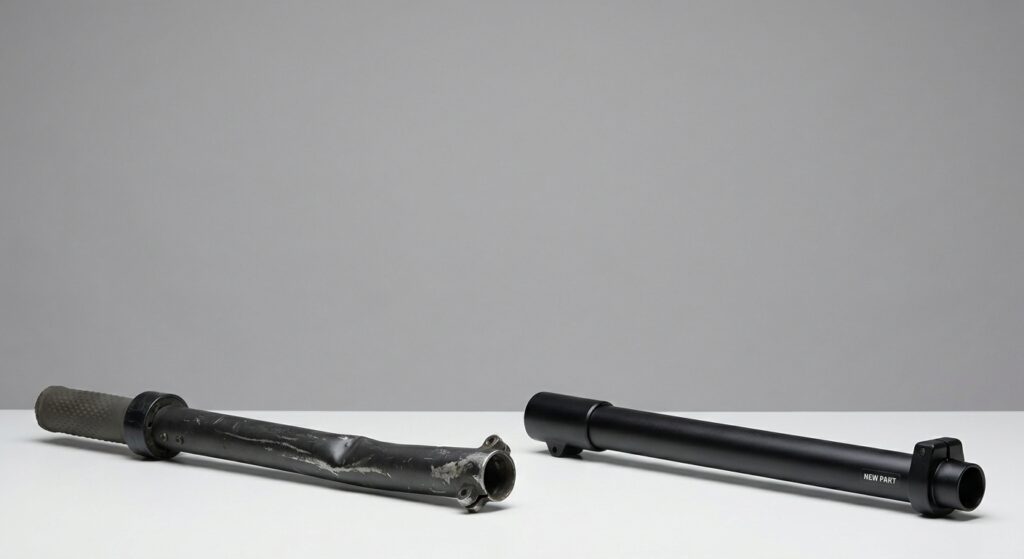
If your electric scooter handlebar is loose, you must immediately stop riding, park on a flat surface, inspect the stem’s folding mechanism and bolts, and tighten any worn or loose fasteners using an Allen key to restore structural stability. Picture this: you are cruising smoothly on your morning commute when you suddenly feel an unsettling, shaky wobble under your hands. Your heart drops as you realize your steering is no longer responding precisely, leaving you incredibly vulnerable amidst busy city traffic. This sudden panic is exactly what happens when your connection to the road is compromised. Ignoring a loose electric scooter handlebar is a recipe for disaster on any daily ride. What starts as a minor, annoying vibration can rapidly escalate into full mechanical steering failure at high speeds. A sudden collapse of your stem could throw you over the front wheels, leading to serious injury and costly repairs. Fortunately, this definitive step-by-step guide will show you how to easily diagnose, fix, and prevent steering wobble right at home. Is your loose electric scooter handlebar safe to ride? Riding with a loose electric scooter handlebar is highly unsafe because it drastically reduces your steering responsiveness and increases the risk of a catastrophic crash. When your steering column has physical play, your tires cannot react accurately to sudden movements. Even a minor millimeter of slack can amplify dramatically when you travel at speeds over fifteen miles per hour. Therefore, securing this connection immediately is your absolute first priority before resuming any ride. What are the immediate risks of wobbly steering? Think about it: when your controls are unstable, your physical reaction times are severely delayed. If you have to swerve suddenly to avoid an obstacle, a wobbly handlebar can cause you to overcorrect and lose balance. This risk is even higher when navigating wet roads or steep declines. A loose setup also places immense stress on the folding latch, which can snap under sudden pressure. How to perform an emergency road test? Look: before you head out on your next commute, you should perform a quick physical safety check. Stand over your deck, squeeze the front brake, and gently rock the handlebars forward and back. If you feel any play or hear clicking sounds, your stem requires immediate attention. This simple habit keeps you ahead of potential road failures before they happen. Key Takeaway: Never ignore any level of steering instability. A minor wobble is a clear warning sign of loose hardware that can quickly lead to complete structural failure on the road. Risk Level Steering Play (mm) Recommended Action Safe to Ride? Low < 1mm Tighten collar clamp Yes (with caution) Medium 1mm – 5mm Adjust folding latch & stem bolts No High > 5mm Inspect headset bearings / Professional repair Absolutely No The table above categorizes different severities of steering play to help you quickly assess the safety of your ride before commuting. Why is your loose electric scooter handlebar so wobbly? Your handlebar is wobbly because the constant vibrations from daily riding gradually back out the structural screws and loosen the quick-release latch tension. This mechanical degradation accelerates rapidly when you travel over bumpy city streets, brick paths, or gravel roads. These endless micro-impacts slowly break the friction seal of your fasteners. To keep your ride stable, you must address this persistent issue on your loose electric scooter handlebar by restoring proper clamp tension. How riding vibrations loosen hardware Here is the deal: every bump you hit sends a shockwave directly up the steering column. Over time, these microscopic vibrations break the friction bond between your bolts and the metal stem threads. Without preventative maintenance, these fasteners will slowly unwind until the assembly shifts. This natural process can turn a perfectly solid ride into a wobbly safety hazard within a few weeks. What parts wear down over time? But wait, there’s more: it is not just about loose screws; mechanical parts also experience physical wear and tear. Plastic spacer bushings can crack, and metallic folding pins can slowly bend under heavy physical pressure. You must regularly inspect these wear-prone areas to ensure your system remains rigid. Replacing worn bushings is often the cheapest way to restore that tight, brand-new feeling. Key Takeaway: Road vibration is the primary enemy of a secure stem, meaning routine inspections of high-wear parts are essential to stop play before it starts. Wear Component Lifespan (Months) Primary Symptom of Failure Replacement Cost Rubber Dampeners 6 – 12 Soft forward/back handlebar drift Very Low Stem Locking Pin 12 – 24 Sudden popping noises when braking Low Threaded Bolts 12 – 18 Continuous backing out after tightening Very Low Review this component wear guide to understand which parts might need physical replacement rather than simple tightening. How to fix a loose electric scooter handlebar fast? To fix the wobble quickly, you must locate the primary locking collar or stem bolts, realign the handlebars with the front tire, and tighten each fastener in an alternating pattern. Taking care of a loose electric scooter handlebar takes less than ten minutes with the right approach. By applying even pressure across all bolts, you prevent the clamping collar from warping. This simple DIY method restores steering control and makes your daily trips instantly safer. Step-by-step tightening process By the way: you do not need to be a professional mechanic to perform this repair. Start by cleaning any dirt out of the bolt heads so your tools seat fully inside them. Tighten each screw a quarter-turn at a time to ensure even clamping pressure across the stem. This gradual method protects the soft aluminum threads from stripping under heavy torque. How to check correct wheel alignment? Here is why: a secure handlebar is useless if it is pointed five degrees to the left. You should always double-check your alignment by looking straight down the front of the steering column. Adjust the collar clamp position until the grips are perfectly perpendicular to your tire. Taking your time here ensures a comfortable […]

What To Do If Your Electric Scooter Handlebar Is Loose? Read More »

Electric Scooter Laws South Carolina 2026: Rules & Restrictions

In South Carolina, electric scooters occupy a legal gray area at the state level—often treated under Electric Personal Assistive Mobility Device (EPAMD) statutes—but are primarily governed by strict local city ordinances that regulate sidewalk riding, speed limits, parking, and business permits. Picture yourself cruising down a sun-drenched historic street in Charleston, enjoying a breezy morning ride on your way to work. Suddenly, you hear a siren and find yourself being pulled over by an officer, facing an expensive ticket because you rode on a sidewalk where local rules forbid it. Fortunately, understanding electric scooter laws in South Carolina is the key to enjoying your daily commute with absolute confidence and peace of mind. This comprehensive guide demystifies the complex web of statewide statutes and local city codes, giving you a clear, easy-to-follow roadmap. Let’s make sure you stay safe, legal, and fully compliant on every single ride. Is Your Ride Legal in South Carolina? Yes, riding an electric scooter is generally legal in South Carolina, but the exact rules depend heavily on municipal ordinances since state-level rules are built around older technology. Navigating electric scooter laws in South Carolina requires understanding this crucial legal division. While state codes provide a baseline, they leave plenty of room for local municipalities to set their own standards. This dual-layered regulatory system means that what is perfectly legal in one neighborhood could get you stopped in another. Because state laws have not fully caught up to modern stand-up scooters, local towns have taken matters into their own hands. As a rider, staying informed about your local area is your absolute best defense against unexpected citations. How Do State Statutes Define Micromobility? South Carolina’s broad transit codes struggle to place modern electric kick-scooters into a neat classification box. Instead, the state baseline groups low-speed personal vehicles into broad categories of alternative transport. Here is the deal: without a dedicated statewide category for standard stand-up scooters, individual officers and towns are forced to make their own rules. The state mainly recognizes: Why Does South Carolina Focus on EPAMDs? Statewide laws heavily focus on EPAMDs because they were originally designed to regulate Segway-style self-balancing vehicles. To qualify under this classification, a device must possess very specific self-balancing technology. Think about it: most daily stand-up electric scooters don’t actually self-balance on their own. This technical gap is why local governments have to step in and draft customized municipal ordinances. Key Takeaway: Statewide legislation is built around self-balancing devices, leaving standard stand-up scooters in a legal gray area that local municipalities must address. Device Category State Definition Max Power/Speed (State) Local Regulation Allowed? EPAMD Self-balancing, 2 non-tandem wheels 15 mph / Unspecified power Yes, highly encouraged Moped Under 50cc or electric equivalent 30 mph / Under 2 brake HP Yes, subject to traffic codes Stand-Up E-Scooter Not explicitly defined statewide N/A (Defaults to local) Yes, completely local jurisdiction An analysis of state-level classifications reveals a clear gap between vintage statutory language and contemporary scooter designs. How Are Scooter Regulations Decided? Scooter regulations in South Carolina are ultimately decided by a combination of broad state traffic guidelines and highly specific municipal city ordinances. Understanding how electric scooter laws in South Carolina are structured helps riders avoid unexpected legal trouble. Because the state level focuses on older EPAMD classifications, local city councils have complete authority to override or define terms. This means you must know the specific local code of any town you enter. While this decentralized system allows cities to protect their historic streets, it places the responsibility of compliance directly on the rider. Let’s look at how these rules are interpreted in daily life. What Makes Stand-Up Scooters Legally Ambiguous? The legal status of stand-up electric scooters remains fuzzy because they do not utilize the dual non-tandem, self-balancing wheel configuration required of EPAMDs. Because of this, standard personal scooters occupy a legal middle ground. Look at it this way: riding an unclassified device means you might be subjected to erratic law enforcement stops depending on which road you choose. Are We Treating Stand-Up Units as Mopeds? Some local courts and enforcement officers have occasionally attempted to categorize high-powered stand-up scooters under state moped regulations. However, mopeds require formal DMV registration, license plates, and distinct equipment standards. The best part? Personal electric scooters generally escape these restrictive requirements because their motor power falls well below typical moped thresholds. Key Takeaway: Never assume a standard stand-up scooter is legally identical to an EPAMD; always check local definitions first to avoid misclassification citations. Classification Route Primary Legal Risk Operational Impact Recommended Action EPAMD Fallback Lack of self-balancing design Unintended traffic violations Keep speed governed below 15 mph Moped Fallback Stricter registration rules Equipment & licensing issues Verify with local DMV offices Determining the correct vehicle class requires analyzing both design specs and local interpretation frameworks. Should You Ride on Sidewalks or Roads? You should ride your electric scooter on public roadways or designated bike lanes, as sidewalk riding is strictly banned in most major South Carolina business districts. Knowing how electric scooter laws in South Carolina treat different riding surfaces keeps both you and pedestrians safe. While state rules technically allow EPAMDs on sidewalks, cities heavily restrict riding on pedestrian paths to prevent accidents. Choosing a lightweight electric scooter makes transitioning between roadways and bike paths incredibly seamless. This flexibility allows you to adapt instantly to local sidewalk restrictions without breaking a sweat. Can You Ride Your Scooter on the Sidewalk? Riding on the sidewalk is heavily regulated and often banned in commercial city centers like downtown Charleston or Columbia. This is done to prevent high-speed collisions with shoppers and tourists walking on narrow pathways. Think about it: sidewalks are designed first and foremost for pedestrians, making any fast motorized device a major hazard. What Are the Rules for Riding on Roadways? When you take your electric scooter onto public roads, you are generally required to ride as far to the right side of the lane as possible. You must obey […]

Electric Scooter Laws South Carolina 2026: Rules & Restrictions Read More »

Why Your Electric Scooter Shuts Off While Riding: Causes & Fixes

An electric scooter typically shuts off while riding due to a protective cutoff triggered by battery overheating, loose wiring connections, or an overloaded motor controller. Picture this: you are gliding smoothly down a busy street, keeping pace with traffic, when suddenly your motor dies and your display screen goes completely black. Getting stranded in the middle of a chaotic intersection is not only incredibly frustrating, but it also poses a serious safety risk as vehicles try to navigate around you. Fortunately, you do not need to be a professional mechanic to fix this issue; simple home-based troubleshooting can resolve most connection and battery bugs. If you are struggling with a sudden electric scooter shutdown while riding, this comprehensive diagnostic guide will help you pinpoint the issue and get back to your daily commute quickly. Why does electric scooter shutdown while riding? An electric scooter suddenly powers off during a trip due to system-protective measures like battery overheating, loose wire connections, or electrical overcurrent. When these safety thresholds are breached, the internal management system cuts the flow of power to prevent critical hardware damage. Understanding why you experience an electric scooter shutdown while riding is the first step toward getting back on the road safely. Troubleshooting Common Culprits Here is the deal: Most sudden power cuts can be traced back to a handful of electrical or mechanical safeguards inside your vehicle. By knowing exactly where to look, you can save hours of troubleshooting and avoid costly mechanic bills. Key Takeaway: Identifying the core cause of your scooter’s power failure empowers you to resolve minor mechanical issues at home. This proactive approach ensures your daily commutes remain uninterrupted and completely safe. Component Failure Mode Fix Battery Pack Overheating / Sag Cool down or balance cells Controller Overcurrent reset Smooth throttle modulation Wiring Loose terminal plugs Secure with electrical tape Analyzing these distinct components helps you narrow down whether your power failure stems from thermal defense or a physical connection break. Can a hot battery cause electric scooter shutdown while riding? Yes, an overheated battery pack will trigger a safety shutdown to prevent dangerous thermal runaway and permanent cell degradation. When internal temperatures exceed safe operating limits, the protective circuitry cuts off the power supply immediately. Experiencing an electric scooter shutdown while riding on an exceptionally hot summer afternoon is a clear indicator that your battery needs to cool down. Managing High Battery Temperatures Think about it: Lithium-ion battery packs are highly sensitive to thermal spikes caused by extreme weather or aggressive riding. Allowing the cells to cool down completely before recharging or restarting is vital for preserving the system’s integrity. Key Takeaway: Allowing your battery pack to cool down naturally prevents severe damage to the individual lithium-ion cells. This simple habit keeps your power output steady and extends the overall lifespan of your machine. Component Failure Mode Fix Battery Cells Thermal overload Rest the scooter in shade Temp Sensor False thermal read Replace faulty thermistor Keeping an eye on your deck’s temperature during hot summer days helps intercept thermal shutdowns before they strand you. Does water trigger electric scooter shutdown while riding? Yes, water ingress into the deck or handlebars can cause short circuits that immediately shut down the motor. Moisture acts as a conductive bridge between electrical contacts, triggering the system’s safety circuit to cut off power to prevent permanent damage. If moisture penetrates your electrical seals, a sudden electric scooter shutdown while riding will occur to protect the electronics. Preventing Moisture Damage The best part? You can easily prevent water damage by adding extra silicone sealant around your deck seams and cable entry ports. Ensuring that your vehicle is rated for wet-weather riding will keep you safe during sudden downpours. Key Takeaway: Protecting your scooter’s delicate electronics from water ingress stops corrosion and sudden short circuits. Taking active waterproofing steps guarantees reliable performance during damp morning commutes. Component Failure Mode Fix Charging Port Water ingress Dry completely and seal cover Deck Seams Gasket failure Apply clear silicone sealant Vigilant waterproofing acts as your primary shield against unpredictable weather and sudden moisture-induced cutouts. Will loose wires lead to electric scooter shutdown while riding? Yes, loose wiring connections will instantly break the electrical circuit when your vehicle experiences sudden road vibrations or bumps. Constant rattling from uneven pavement weakens soldered points and plastic connectors inside the steering column and deck. Over time, these unstable terminals will spark a sudden electric scooter shutdown while riding and leave you without any display power. Securing Loose Terminal Connections Look at it this way: Even a microscopic gap in a main power wire can stop the flow of electricity to your motor. Opening the deck to inspect and secure loose connection blocks is a highly effective weekend maintenance project. Key Takeaway: Regularly checking and securing your internal wiring harnesses prevents connection breaks on rough roads. This simple check gives you peace of mind when navigating bumpy urban routes. Component Failure Mode Fix Main Harness Plug disconnection Re-seat and wrap with electrical tape Phase Wires Solder joint crack Re-solder loose wire terminals Securing your internal connections ensures that physical road impacts do not disrupt your scooter’s continuous electrical flow. Is overload behind electric scooter shutdown while riding? Yes, carrying too much weight or climbing excessively steep hills will overload the system and cause an immediate power cutoff. When you force the motor to work beyond its design limitations, it draws a massive amount of current that triggers the battery protective shutdown. If you exceed the maximum payload capacity, you will likely experience a safety-oriented electric scooter shutdown while riding to protect the motor from burning out. Managing Load and Incline Strain Here is the deal: Every motor has a specific current draw limit that must not be exceeded for long periods. Reducing the payload and assisting the scooter on steep hills prevents severe electrical strain on the battery. Key Takeaway: Operating your scooter within its rated weight and hill-climbing limits prevents the system from drawing destructive […]

Why Your Electric Scooter Shuts Off While Riding: Causes & Fixes Read More »

Why Is My Electric Scooter Going Slow? Common Causes & Fixes

Slow electric scooters frustrate riders and waste time. Many speed problems have simple fixes that owners can handle themselves. Understanding the causes helps you get back to full speed quickly. Electric scooters go slow due to battery problems, motor issues, mechanical friction, excess weight, and environmental factors. Low battery charge reduces power delivery and activates speed limiters. Worn motors, brake drag, low tire pressure, and heavy loads all decrease performance. Cold weather reduces battery efficiency while hills demand more power. Most speed problems stem from poor maintenance, aging components, or improper use. This guide covers the main causes of slow speeds and practical solutions to restore your scooter’s performance. 1. What Battery Problems Cause Slow Electric Scooter Performance? Battery issues are the most common cause of slow electric scooter performance. Most speed problems start with power delivery issues from the battery system. Here’s the deal… your scooter’s speed depends directly on how much power the battery can deliver to the motor. Low battery charge reduces available voltage and triggers speed-limiting protection systems. Most scooters slow down when battery charge drops below 50%. Voltage sag under load causes further speed reduction. The battery management system limits power to prevent damage. Battery age and capacity degradation affect performance even when fully charged. Old batteries cannot deliver peak power like new ones. Capacity loss means less energy storage and shorter range. Internal resistance increases with age, reducing power delivery efficiency. Faulty battery cells create voltage imbalances that limit overall pack performance. One weak cell drags down the entire battery pack. Damaged cells cannot hold charge or deliver power properly. Cell failures often cause sudden speed drops during rides. Temperature effects significantly impact battery performance and scooter speed. Cold batteries deliver less power and have reduced capacity. Hot batteries may trigger thermal protection that limits performance. Extreme temperatures can cause permanent battery damage. Battery Problem Speed Impact Warning Signs Solution Low Charge Gradual slowdown Battery indicator, reduced range Charge battery fully Age Degradation Consistent slow performance Shorter range, slow charging Replace battery pack Faulty Cells Sudden speed drops Voltage warnings, uneven charging Professional battery service Temperature Issues Variable performance Weather-related speed changes Temperature management 2. How Do Motor Issues Affect Electric Scooter Speed? Motor problems directly impact your scooter’s ability to convert electrical power into motion. Even minor motor issues can cause significant speed reductions. This is important because… motor problems often worsen quickly and can cause complete failures if ignored. Motor wear creates internal friction that reduces efficiency and speed. Brushed motors wear out faster than brushless designs. Worn brushes create poor electrical contact and reduced power. Internal components may develop play or misalignment over time. Overheating triggers thermal protection systems that limit motor power to prevent damage. Heavy use, high ambient temperatures, and poor ventilation cause overheating. Thermal sensors reduce power when temperatures exceed safe limits. Continued overheating can cause permanent motor damage. Electrical connection issues prevent proper power delivery to the motor. Loose connections create resistance and voltage drops. Corroded terminals reduce electrical conductivity. Damaged wiring can cause intermittent power delivery problems. Controller malfunctions affect how power flows from battery to motor. The controller regulates motor speed and torque delivery. Faulty controllers may limit power or provide inconsistent performance. Programming errors can cause speed restrictions or poor acceleration. Motor Issue Performance Effect Diagnosis Method Repair Complexity Wear and Friction Gradual speed loss Listen for unusual noises Professional service required Overheating Sudden power reduction Feel motor temperature Improve ventilation, reduce load Connection Problems Intermittent speed issues Check connections visually DIY repair possible Controller Faults Erratic performance Professional diagnostics Professional service required 3. What Mechanical Problems Slow Down Electric Scooters? Mechanical friction and alignment issues rob power from your scooter’s motor. Small mechanical problems can cause surprisingly large speed reductions. Now, you might be wondering… how much difference can mechanical issues really make? The answer is often 20-30% speed reduction from seemingly minor problems. Tire pressure affects rolling resistance and overall scooter performance significantly. Under-inflated tires increase rolling resistance and reduce speed. Low pressure also increases tire wear and reduces range. Proper pressure improves efficiency and extends tire life. Brake drag occurs when brakes do not fully release after use. Dragging brakes create constant friction that slows the scooter. Brake cable tension, pad alignment, and hydraulic issues cause drag. Even slight brake contact reduces speed and wastes battery power. Chain or belt tension affects power transfer efficiency from motor to wheels. Loose chains skip and waste power during acceleration. Tight chains create excessive friction and wear. Belt drives need proper tension for optimal power transfer and longevity. Bearing friction in wheels, steering, and folding mechanisms reduces efficiency. Dirty or worn bearings increase rolling resistance. Lack of lubrication causes bearings to bind and create drag. Regular bearing maintenance prevents friction-related speed loss. Mechanical Problem Speed Loss Easy Check Method Maintenance Frequency Low Tire Pressure 15-25% Pressure gauge check Weekly Brake Drag 10-20% Spin wheel freely Monthly Chain/Belt Issues 5-15% Visual inspection Monthly Bearing Friction 5-10% Feel for smooth rotation Quarterly 4. How Does Rider Weight and Load Impact Scooter Speed? Weight significantly affects electric scooter performance, especially on hills and during acceleration. Most riders underestimate how much weight impacts their scooter’s speed. Want to know the secret? staying within weight limits and reducing unnecessary cargo can dramatically improve performance. Weight limits exist for safety and performance reasons. Exceeding limits stresses the motor, battery, and mechanical components. Heavy loads require more power to achieve the same speeds. Manufacturers design scooters for specific weight ranges to optimize performance. Cargo and passenger weight effects are cumulative and impact all aspects of performance. Extra weight reduces acceleration, top speed, and range. Hills become more challenging with heavy loads. Braking distances increase with additional weight. Hill climbing performance suffers dramatically with excess weight. Motors work harder to overcome gravity and weight. Battery drain increases significantly on inclines with heavy loads. Some scooters may not climb hills at all when overloaded. Acceleration differences become obvious with varying weights. Heavy […]

Why Is My Electric Scooter Going Slow? Common Causes & Fixes Read More »

How to Start a Electric Scooter Without a Kickstart: Complete Guide

To start an electric scooter without a kickstart, you simply need to configure your handlebar dashboard’s program settings (known as P-settings) to activate Zero-Start mode, allowing the motor to engage directly from a complete standstill when you press the throttle. This direct-start method bypasses the standard requirement of manual physical kicking to launch the scooter. Imagine waking up late, rushing out the door, and realizing you have only fifteen minutes to cross town for a crucial morning meeting. You hop onto your commuter ride, push off frantically against the cold pavement, and feel that sudden spike of frustration as you struggle to gain enough physical momentum to get the motor to kick in. This tiring, low-tech hassle is the last thing you need when every second counts, and it can leave you feeling exhausted before your workday even begins. Fortunately, our complete guide will show you how to completely eliminate this exhausting manual start process. Learning how to operate an electric scooter without a kickstart will revolutionize your daily travel experience by providing instant torque with zero physical effort. Let’s dive deep into how you can configure, manage, and safely enjoy this ultimate urban mobility upgrade. Why ride an electric scooter without a kickstart? Riding an electric scooter without a kickstart provides immediate throttle response directly from a complete standstill. This instant acceleration eliminates the physical strain of kicking off, making your daily journeys remarkably smooth. If you are looking to enjoy this seamless riding experience, choosing a premium electric scooter without a kickstart will transform how you handle heavy city traffic. It is the ultimate convenience upgrade for modern urbanites who value speed and comfort. What is Zero-Start technology? Here is the deal: zero-start technology is an advanced feature that allows your motor to engage the exact moment you touch the throttle. Unlike traditional kick-to-start models, there is absolutely no need to manually push off with your foot to reach a minimum speed threshold. This makes it incredibly easy to start riding on steep inclines or when carrying heavy backpacks. It provides a level of modern convenience that feels like stepping directly into the future. How does zero-start compare to kick-start? Think about it: choosing between zero-start and kick-start is all about balancing speed with physical safety. While zero-start engages the motor instantly, kick-start models require you to reach a manual speed of about two miles per hour before the throttle works. This mechanical buffer acts as a built-in safety net. This means you can choose the launch style that best matches your daily commuting environment. Key Takeaway: Zero-start technology eliminates manual pushing, providing an effortless, instant launch that is ideal for effortless city commuting and steep hills. Let’s evaluate how these two starting modes compare to help you decide which style suits your daily commute best. Start Mode Initial Effort Safety Buffer Battery Strain Zero-Start Mode None (Immediate) Moderate (Sensitive throttle) High (Peak current draw) Kick-Start Mode Manual Kick Needed High (Bypasses accidental starts) Minimal (Motor starts under load) How to configure an electric scooter without a kickstart? You configure an electric scooter without a kickstart by adjusting the firmware configuration—specifically turning on the Zero-Start or Non-Kickstart function in the internal program menu. This digital adjustment modifies the controller settings so that pressing the hand throttle instantly powers the motor from a stationary position. Operating your vehicle without a manual kickstart is simple once you access these advanced system control screens. How do you access P-settings? Look: accessing your scooter’s internal P-settings is the secret key to unlocking zero-start capability. These program settings are built into your handlebar display and let you customize speed limits, braking power, and starting modes. By holding down specific button combinations, you enter a configuration menu where P09 or similar settings control the kickstart toggle. It only takes a couple of minutes to set up your ride exactly how you want it. What do P09 parameter settings control? But wait, there’s more: the P09 parameter is the standard industry code used to toggle your startup method. Adjusting this code modifies the controller’s safety check sequence directly. This simple programming step lets you bypass manual physical kickoff entirely. Key Takeaway: Adjusting your handlebar display’s P-settings is a quick, one-time setup that unlocks immediate motor start capability. Properly saving your P-setting adjustments ensures consistent and hassle-free performance. Common P-Setting Default Mode Modified Value Action Result P09 Configuration 1 (Kick-to-Start) 0 (Zero-Start) Direct throttle engagement P12 Configuration Medium Torque High Torque Faster initial acceleration Who benefits from an electric scooter without a kickstart? Modern commuters, elderly riders, and anyone with limited mobility benefit most from an electric scooter without a kickstart because it does not require strenuous manual kicking. Getting up to speed instantly saves crucial physical energy on hot summer days. By utilizing an electric scooter without a kickstart, riders can confidently navigate stop-and-go city streets without breaking a sweat. It streamlines your travel into a highly enjoyable, sweat-free journey. Is this configuration ideal for commuting? Let’s face it: navigating crowded pedestrian crossings and traffic lights is exhausting when you constantly have to kick-start your ride. Commuters face continuous stops and starts that can quickly tire out legs on long routes. This configuration lets you glide forward effortlessly without constantly searching for stable footing. It elevates your morning ride into a highly enjoyable, sweat-free journey. Who benefits from adaptive mobility options? Truth is: physical kick-starting can be a massive barrier for individuals recovering from joint injuries or managing long-term mobility issues. Having access to a vehicle that powers itself instantly means anyone can enjoy the freedom of electric transit. This adaptive design opens up eco-friendly transportation to a wider audience. Key Takeaway: Eliminating manual kickoff dramatically reduces fatigue, transforming stop-and-go commuting into a highly comfortable and stable experience. Switching to direct start options enhances overall ride control and physical comfort in dense urban landscapes. Commute Challenge Kickstart Experience Zero-Start Experience Traffic Light Stops Tedious kicking to restart Instant smooth takeoff Physical Fatigue High leg […]

How to Start a Electric Scooter Without a Kickstart: Complete Guide Read More »

The Benefits of a Dual Motor Electric Scooter: Power, Hills & Range

A dual motor electric scooter offers unparalleled hill-climbing power, faster acceleration, and enhanced stability to transform your daily commute. Imagine riding home after a long, exhausting workday. You approach a steep hill on your route, and as you try to climb, your single-motor ride grinds to a painful crawl, forcing you to kick off or walk while passing cyclists and cars zoom past you with ease. It is incredibly frustrating to feel stranded, sweaty, and exposed to traffic on a sluggish machine that simply cannot handle the geography of your city. Fortunately, you do not have to settle for sub-par commutes anymore. Upgrading to a premium dual motor electric scooter provides the robust, dual-wheel propulsion you need to conquer any incline, glide past traffic safely, and reclaim control of your daily travel experience. Why Buy a Dual Motor Electric Scooter? You should buy a dual motor electric scooter because it delivers unmatched stability, balanced traction, and reliable power across all urban road surfaces. Unlike single-motor alternatives that struggle under load, these advanced systems drive energy to both wheels for a highly controlled ride. This dual-traction setup prevents tire slippage on loose gravel or slick painted lanes. It provides a level of handling confidence that makes daily riding truly effortless. What Makes Dual Hub Propulsion Superior? Think about it: when you rely on only one wheel to push your entire weight, you lose traction and control on unpredictable city streets. A dual-motor system distributes the mechanical workload evenly between the front and rear tires to maximize grip. But wait, there is more: sharing the physical strain over two hubs minimizes premature tire wear. This means you spend far less time replacing parts and more time enjoying the open road. Key Takeaway: Choosing a dual-motor design ensures you always have maximum grip and control, completely transforming unstable rides into secure, confident commutes. Motor Setup Wet Grip Level Tire Workload Distribution Cornering Control Single Motor Low to Moderate Overloaded Rear Wheel Standard Dual Motor Exceptional Evenly Balanced Front/Rear Maximum Stability Analyzing wheel traction patterns reveals that dual-drive layouts significantly reduce slip risk on unpredictable city asphalt. Can a Dual Motor Electric Scooter Climb Hills? Yes, a dual motor electric scooter can climb steep urban hills effortlessly without dropping speed or straining its electrical systems. Single-motor scooters often stall or slow to a crawl when facing sharp inclines, leaving you frustrated and sluggish. By utilizing two active hub motors, these performance scooters split the gravitational resistance to maintain steady momentum. You can glide smoothly over severe slopes without ever needing to kick-assist your vehicle. Conquering Steep Slopes with Ease Here is the truth: tackling a hill on a single-drive system generates excessive heat, which can permanently degrade your battery and motor controllers. Dual-drive powertrains solve this issue by keeping individual motor temperatures incredibly low during heavy climbs. The best part? You will no longer have to plan your commute around avoiding hilly streets. Key Takeaway: Dual-motor drivetrains split the vertical workload to protect internal electronics while keeping your climbing speed fast and consistent. Slope Angle Single Motor Speed Dual Motor Speed Motor Thermal Strain 5 to 10 Degrees Moderate Drop Maintains Cruise Low 15+ Degrees Severe Drop / Stall Holds Velocity Very Low (Shared) Performance metrics confirm that dual hub propulsion maintains up to 90% of cruising speed on steep municipal inclines. How Fast is a Dual Motor Electric Scooter? A premium dual motor electric scooter is incredibly fast, often reaching cruising speeds of 15 to 25+ miles per hour in a fraction of the time of standard models. The simultaneous power output from both wheels delivers instantaneous acceleration directly from a complete standstill. This rapid velocity generation allows you to merge with city traffic patterns seamlessly. It transforms sluggish, stressful travel into a highly efficient, exciting ride. Experience Instant Throttle Response Think about it: waiting for a single-motor scooter to slowly ramp up to top speed makes crossing busy intersections feel quite dangerous. Two active hub motors working in tandem generate immediate, predictable torque the second you press the throttle. It gets better: this instant performance allows you to shorten your daily commute times dramatically while keeping your ride safe and engaging. Key Takeaway: Dual drive setups deliver instant throttle response and high top speeds, giving you the power required to navigate busy city traffic safely. Drive Configuration 0-15 mph Acceleration Top Cruising Speed Intersection Merging Single Drive 4.8 Seconds 12 – 15 mph Slow / Risky Dual Drive 2.1 Seconds 25+ mph Quick / Secure Velocity diagnostics indicate that dual-hub configurations reach peak commuting speeds more than twice as fast as single-motor options. Is a Dual Motor Electric Scooter Safer to Ride? Yes, a dual motor electric scooter is significantly safer to ride because it provides superior braking balance and exceptional road traction. When you decelerate, having regenerative braking active on both wheels prevents dangerous wheel lockups and skidding. This balanced design dramatically reduces your overall stopping distance, especially on slick or wet roads. It gives you absolute control over your machine during unexpected emergency stops. Dual Braking and Advanced Stability But wait, there is more: traditional scooters with a single brake tend to fish-tail when you are forced to stop suddenly on wet pavement. Dual-motor vehicles distribute physical deceleration forces evenly across both wheels to keep your path completely straight. The best part? You can navigate dark, rain-slicked city streets with total peace of mind, knowing your brakes will react instantly. Key Takeaway: By balancing mechanical braking and tire traction across both wheels, dual-drive models minimize braking distances and prevent sliding. Safety Metric Single Brake / Single Drive Dual Regenerative / Dual Drive Stopping Distance Extended Ultra-Short Slide Prevention Low (Rear Locks Up) High (Balanced Braking) Cornering Stability Standard Superior Traction Control Kinetic stopping data proves that dual-wheel braking deceleration prevents directional skidding in wet weather. Will a Dual Motor Electric Scooter Last Longer? Yes, a premium dual motor electric scooter is engineered to last much longer because it distributes […]

The Benefits of a Dual Motor Electric Scooter: Power, Hills & Range Read More »

How to Test Electric Scooter Controller: Voltage, Throttle, Hall Sensor & Motor Checks

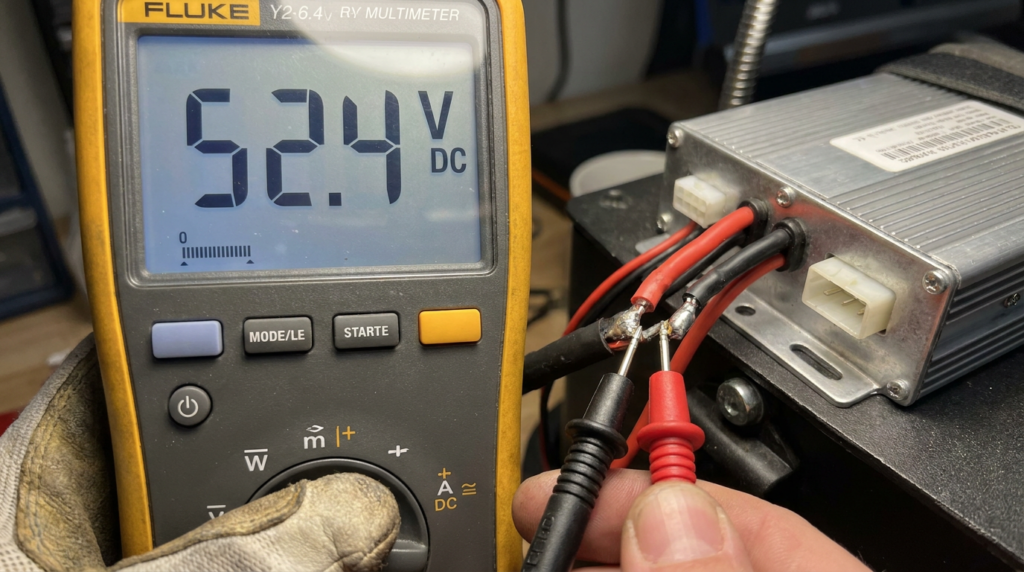
You test an electric scooter controller by isolating the battery, inspecting the housing for physical damage, and measuring key input and output voltages using a digital multimeter. Imagine stepping onto your deck, flicking the power switch, and pressing the throttle, only to find that absolutely nothing happens. It is incredibly frustrating to be stranded with a silent machine when you have a busy morning commute ahead of you. Fortunately, diagnosing your electric scooter controller is a straightforward DIY task that lets you identify the root electronic issue with absolute confidence. Why test your electric scooter controller? Testing this vital component is essential because isolating the electronic brain prevents you from replacing expensive parts unnecessarily. Methodically testing your electric scooter controller helps you confirm whether an issue lies within the processor itself or in connected peripherals like the motor or throttle. By pinning down the exact failure point, you save both time and money on your repair journey. The controller acts as the central hub of your ride, routing current from the battery to the safety sensors and the hub motor. If this central processor experiences a failure, the rest of your electrical components cannot communicate. Understanding how to analyze these communication links protects the health of your entire vehicle. What issues point to a failing brain? Let’s be honest: pinpointing a failing control board can seem daunting when you do not know what symptoms to watch for. There are several classic signs of hardware distress that you can easily spot during daily use. Symptom Primary Diagnostic Point Action Required Unresponsive Throttle Voltage Output Verification Signal testing on throttle line Immediate Shutoff Input Voltage Check Under-voltage cutoff analysis Jerky Motor Spin Hall Sensor / Phase Wire Test Connectivity check Checking these symptoms methodically ensures you do not waste money buying parts you do not need. Key Takeaway: Diagnosing electronic malfunctions early prevents cascading electrical damage to your motor and battery cells. Taking the time to observe these indicators ensures a much safer and highly efficient troubleshooting process. What tools test an electric scooter controller? You need a digital multimeter, a set of screwdrivers, and insulated safety gloves to properly diagnose your electric scooter controller. These basic instruments allow you to access the electrical deck housing and safely interface with active wires. Without the proper gear, you risk causing accidental short circuits during your diagnostic process. High-quality diagnostic equipment is essential to ensure you do not receive false resistance readings while testing. Standard screwdrivers should have rubberized handles to block electrical conductivity. Keeping your workspace clean and organized further streamlines the entire process. Is a digital multimeter absolutely required? But that’s not all. A digital multimeter is your main window into the invisible electrical pathways of your vehicle. To complete a thorough test, you must configure your meter to several key diagnostic settings. Tool Critical Feature Safety Rating Digital Multimeter Auto-ranging with solid copper probes CAT II/III 600V minimum Screwdrivers Insulated shaft handles 1000V rated safety Safety Gloves Nitrile coated or electrical grade Class 00 rated Having the correct gear prevents accidental circuit shorts and keeps your skin safe. Key Takeaway: Investing in basic electrical safety tools protects you from unexpected arcs while troubleshooting. Proper tools remove the guesswork from your repairs and keep you safe. Is your electric scooter controller safe to test? Testing is safe if you disconnect the battery main lead before touching exposed terminals on the electric scooter controller. Discharging residual power from the internal capacitors is another crucial step before handling the motherboard. Safely managing your electric scooter controller eliminates the risk of high-current sparks. Working in dry, climate-controlled conditions is equally important to avoid creating secondary paths for the current. Water and lithium-ion batteries are a highly dangerous combination that can lead to thermal runaway. Keep your testing environment ventilated and clear of clutter. How do you avoid dangerous short circuits? Here is the kicker: even minor slips with a metal screwdriver can spark a massive short circuit inside the deck. Adhering to a strict set of safety protocols is the only way to avoid damaging your hardware. Risk Factor Hazard Level Prevention Step Wet Surface High Dry the deck cavity thoroughly Uninsulated Probes Medium Cover probe tips except for 2mm Active Battery Connection Extreme Disconnect XT60 primary plug Following these basic rules removes the risk of personal shocks or permanent damage to the scooter. Key Takeaway: Safety protocols are non-negotiable when dealing with high-capacity lithium battery outputs. Taking the time to secure your workspace guarantees a secure repair process. How to inspect an electric scooter controller? You inspect the electric scooter controller by removing its metal housing and searching for visual tells like soot marks or bulging capacitors. This simple physical review can reveal immediate proof of electronic failure without requiring complex measurements. Spotting these physical defects can save you hours of unnecessary multimeter diagnostics. You should also smell the enclosure carefully for any distinct chemical odor that points to fried silicon. A burnt smell is an absolute indicator that an overcurrent event has destroyed the internal motherboard. Inspecting wire insulation for heat warping is another excellent practice. What visual clues reveal physical damage? Think about it: electronic components are incredibly sensitive to water intrusion, excess heat, and vibrational stress. Knowing exactly what physical defects to look for helps you identify a dead board immediately. Area to Check Visual Defect Assessment Enclosure Seal Cracked silicone High risk of moisture intrusion Capacitor Tops Domed shape Blown component; replace unit Silicon Board Black carbon residue Short circuit occurred If any of these issues appear, you must replace the controller rather than try to salvage it. Key Takeaway: Visual inspections uncover the majority of physical failures before you even turn on your multimeter. Taking a few minutes to inspect the board prevents you from running unnecessary tests. How to test input electric scooter controller voltage? You test input voltage by measuring across the positive and negative power supply lines feeding into the electric scooter controller while under […]

How to Test Electric Scooter Controller: Voltage, Throttle, Hall Sensor & Motor Checks Read More »

What Is the Best Electric Scooter for Adults 300 Lbs?

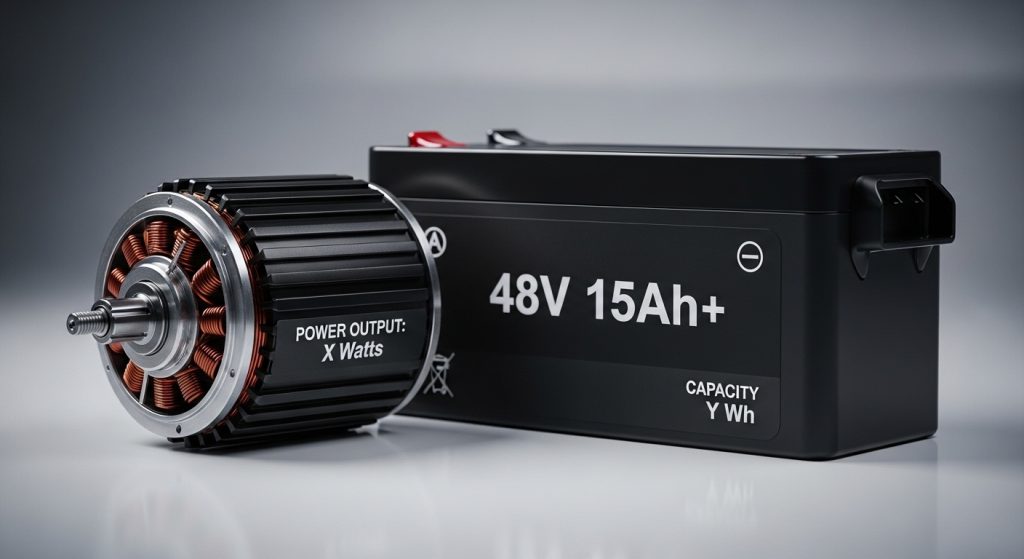
Finding an electric scooter that supports your weight is tough. Standard models bend or break, leaving you stranded and frustrated. This guide shows you exactly what to look for in a heavy-duty electric scooter for adults 300 lbs, so you can ride with confidence and power. The best electric scooter for a 300 lbs adult is a heavy-duty model with a weight capacity of at least 330 lbs, a powerful motor of 1000W or more, and a durable frame made from high-strength steel or aluminum alloy. Key features to look for include a robust suspension system, wide pneumatic tires for stability, and a dual braking system for reliable stopping power. A high-capacity battery (48V 15Ah+) is also vital for achieving adequate range and performance under a heavier load. So, what specific features make an electric scooter right for you? Let me explain… 1. What Makes an Electric Scooter Suitable for 300 Lbs Adults? Not all electric scooters are built the same. For a 300 lbs adult, a standard model just will not do. You need an electric scooter designed for a higher weight capacity. This starts with the frame. A heavy-duty model uses stronger materials like aircraft-grade aluminum or steel. This prevents the frame from flexing or breaking under stress. The motor is another key part. An electric scooter for a heavier rider needs more power. A weak motor will struggle with hills and have slow acceleration. Look for a motor with at least 500 watts, but 1000 watts or more is much better. Dual motors, one in each wheel, provide the best performance for a 300 lbs rider. They offer better grip and power distribution. Battery performance is also affected by rider weight. A heavier load puts more strain on the battery, which can reduce your range. A suitable electric scooter for adults 300 lbs needs a high-capacity battery. This ensures you can travel a good distance without needing a recharge. Look for batteries with a high amp-hour (Ah) rating. A battery with 15Ah or more is a good starting point. The deck size matters too. A wider and longer deck provides more room for your feet. This improves stability and comfort during your ride. A stable platform is key for feeling secure, especially when traveling at higher speeds. Many heavy-duty models come with decks that are 8 to 10 inches wide and 20 to 24 inches long. Weight distribution is another factor. An electric scooter with a low center of gravity will feel more stable and be easier to control. This is especially true when taking turns or riding on uneven surfaces. A well-balanced electric scooter for adults 300 lbs will have the battery and motor positioned to keep the weight low and centered. Here’s why it matters… a comfortable and stable ride is a safe ride. Feature Importance for 300 Lbs Rider High Weight Capacity Prevents frame damage and ensures rider safety. Powerful Motor Provides adequate acceleration and hill-climbing ability. Large Battery Delivers sufficient range under a heavier load. Sturdy Frame Offers durability and a stable riding experience. Wide Deck Increases comfort and improves balance. How much weight can a heavy-duty electric scooter withstand? Standard electric scooters typically support up to 220 or 265 pounds. This is not enough for a 300 lbs adult. Heavy-duty models are built to handle more. These models often have a weight capacity ranging from 300 to 400 pounds or even more. It is always best to choose an electric scooter with a weight limit that is higher than your actual weight. This extra capacity provides a safety margin. It means the frame, motor, and brakes are not constantly operating at their absolute limit. This reduces wear and tear and improves the scooter’s lifespan. An electric scooter rated for 350 lbs will perform much better for a 300 lbs rider than one rated for exactly 300 lbs. Rider weight has a direct impact on performance. A heavier rider will experience slower acceleration and reduced range compared to a lighter rider on the same scooter. This is why a powerful motor and a large battery are so important. They help to offset the effects of the increased load. A 300 lbs rider on a scooter with a 500W motor will notice a big difference compared to one with a 1500W motor. Always check the manufacturer’s specified weight capacity. Be wary of claims that seem too good to be true. Reading reviews from other heavy riders can give you a better idea of real-world performance. Look for reviews that specifically mention the rider’s weight and how the scooter handled it. The best part? Many reputable brands now offer specific heavy-duty models designed for larger adults. Testing is also important. Some manufacturers conduct real-world testing with riders at or above the weight limit. This gives you more confidence that the electric scooter for adults 300 lbs can truly handle the load. Certifications and safety ratings can also provide peace of mind. Look for scooters that meet industry standards for load-bearing capacity. Scooter Class Typical Weight Limit (lbs) Recommended for 300 lbs Rider? Standard 220 – 265 No Heavy-Duty 300 – 400 Yes Super-Duty 400+ Yes (Offers best performance) 3. What Motor Power Do You Need for a 300 Lbs Rider? Motor power is measured in watts. For a 300 lbs rider, more watts are always better. A motor with less than 500 watts will feel sluggish and struggle on even small inclines. A minimum of 500W is a good starting point for flat areas, but for mixed terrain, you should aim higher. An electric scooter for adults 300 lbs with a 500W motor is suitable only for very flat, smooth surfaces. For a truly capable electric scooter, look for a motor with 1000 watts or more. This amount of power will provide strong acceleration and allow you to climb moderate hills without slowing to a crawl. Many heavy-duty models come with motors in the 1000W to 2000W range. Some high-performance models even offer 3000W […]

What Is the Best Electric Scooter for Adults 300 Lbs? Read More »

Massachusetts Electric Scooter Laws: A Complete Rider’s Guide

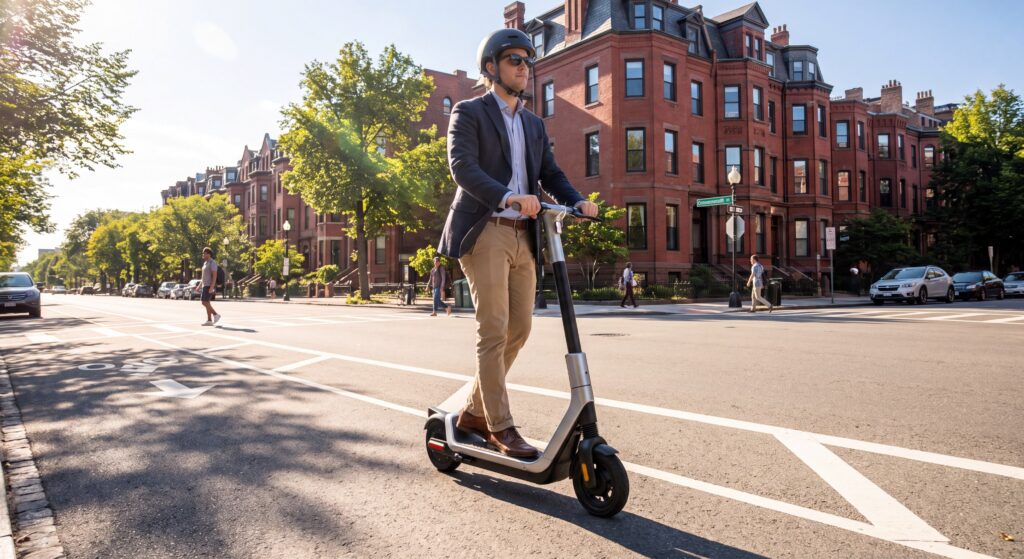
Massachusetts electric scooter laws classify e-scooters as motorized scooters, meaning you must follow specific road rules, license requirements, and speed limits to ride legally in the Bay State. Imagine coasting along the scenic Charles River Esplanade on a crisp autumn morning, the wind in your face and the Boston skyline gleaming in the distance. But your peaceful commute can quickly turn into a stressful ordeal if you are pulled over by a local officer and hit with a massive fine because you didn’t know the obscure local regulations. The overlapping state statutes and confusing municipal guidelines can leave any rider feeling lost. To keep you safe and legally compliant, we have built this ultimate, comprehensive guide to Massachusetts electric scooter laws so you can ride with absolute confidence. What are the Massachusetts electric scooter laws for beginners? Beginners should know that Massachusetts electric scooter laws classify e-scooters under motorized scooter regulations, which means you do not have to register your vehicle with the RMV. You can ride your vehicle on public roadways without a license plate or title. However, you must still follow the state’s basic traffic laws and safety guidelines. Learning these simple rules early ensures you enjoy a safe, hassle-free ride. Staying informed helps you avoid unexpected traffic stops. How state statutes define your electric ride When you step onto your electric scooter, you are operating what the state legally terms a “motorized scooter.” This official category refers to any vehicle with two or three wheels, handlebars, and an electric motor that can propel the device independently. Think about it: Knowing this classification helps you understand your rights on the road. It also prevents you from getting confused by laws meant for larger vehicles. Key Takeaway: Understanding your scooter’s legal status as a motorized vehicle helps you avoid RMV registration headaches while keeping you safe on local roads. Legal Element E-Scooter Classification Registration Required? Vehicle Type Motorized Scooter No RMV Paperwork None No Key Restriction No Expressways Yes This data clearly shows that taking precautions saves you both time and hefty state fines. Where can you ride under Massachusetts electric scooter laws? You can legally ride your electric scooter on public roads and designated bike lanes under Massachusetts electric scooter laws. However, you are strictly prohibited from taking your ride onto expressways or limited-access state highways. Additionally, local towns can write their own rules regarding sidewalk riding. Planning your daily route is simple once you know which paths are open. Sticking to approved pathways keeps your daily commute stress-free. Master public roads and designated bike lanes When you travel through local streets, staying on the right side of the road is your main legal duty. State guidelines encourage you to use bicycle lanes to keep away from fast traffic. Here is the deal: Riding in designated lanes ensures a safer experience for everyone. It also helps you steer clear of heavy city traffic. Key Takeaway: Planning your route along bike lanes and public roads keeps you fully compliant with state transit rules. Roadway Type Allowed? Special Riding Rule Public Streets Yes Must ride on the far right Bike Lanes Yes Highly recommended State Highways No Expressly prohibited This breakdown demonstrates that sticking to designated paths keeps you safe and avoids expensive state highway tickets. Do Massachusetts electric scooter laws require a license? Yes, you absolutely must possess a valid driver’s license or learner’s permit to ride legally under Massachusetts electric scooter laws. Unlike states that allow unlicensed riding, Massachusetts enforces this requirement for safety and accountability. If you are caught riding without these credentials, you could face hefty traffic fines. Carrying your license is a simple habit that protects you from legal trouble. It ensures every rider has a basic understanding of road safety. Licensure rules for commuter compliance Holding an active learner’s permit is the minimum legal requirement if you do not have a driver’s license. The state expects you to keep this document on your person whenever you are riding. Look: Keeping your paperwork in order is a simple way to protect your commute. It builds a responsible community of micromobility riders. Key Takeaway: Carrying a valid driver’s license or learner’s permit is a non-negotiable legal requirement for riding in Massachusetts. Credential Type Valid for Riding? Must Carry Physical Copy? Driver’s License Yes Yes Learner’s Permit Yes Yes No License/Permit No N/A This comparison proves that keeping your credentials active guarantees you will never be penalized for unlicensed riding. How fast can you go under Massachusetts electric scooter laws? You can ride at a maximum speed of exactly 20 miles per hour under Massachusetts electric scooter laws. This speed limit is strictly enforced on all public ways and bike paths across the state. Going any faster is considered a traffic violation and can result in immediate fines. Restricting your speed keeps you in complete control of your vehicle. It is the best way to handle busy city streets. Why speed management protects everyone Riding at a safe speed gives you plenty of time to react to sudden road hazards. Boston’s historic streets are often narrow, making speed control incredibly important. But wait, there is more: Managing your speed is a simple way to show respect to other commuters. It keeps the roads friendly for all types of travel. Key Takeaway: Keeping your speed capped at 20 MPH satisfies state regulations and gives you the reaction time needed to stay safe. Zone Type Legal Speed Limit Action if Exceeded Public Roadways 20 MPH Max Speeding Fine Crowded Sidewalks Riding Banned Immediate Citation Bike Paths 20 MPH Max Verbal Warning/Fine This data clearly demonstrates that keeping your speed controlled protects your wallet and your physical safety. Are helmets mandatory under Massachusetts electric scooter laws? Yes, wearing an approved safety helmet is mandatory for all riders under Massachusetts electric scooter laws. The state does not make exceptions for age or riding experience when it comes to head protection. Failing to wear a helmet is a direct traffic violation […]

Massachusetts Electric Scooter Laws: A Complete Rider’s Guide Read More »

Shopping Cart
Scroll to Top