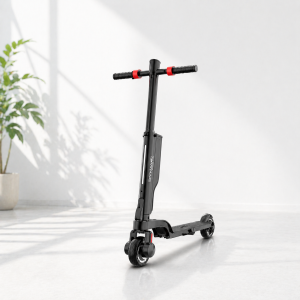

The electric scooter laws Colorado riders follow combine state traffic duties with local access rules. A short commute can leave you facing a restricted path or awkward parking. Check your device and route before you buy or ride, including the permissions, equipment and storage for each part of your trip.
1. What counts as an electric scooter in Colorado?
Under electric scooter laws Colorado applies, a qualifying device has handlebars, weighs under 100 pounds, and reaches no more than 20 mph on motor power alone on level pavement. The General Assembly's scooter guidance describes this category. E-bikes, motorcycles, EPAMDs, and low-power scooters have separate definitions.

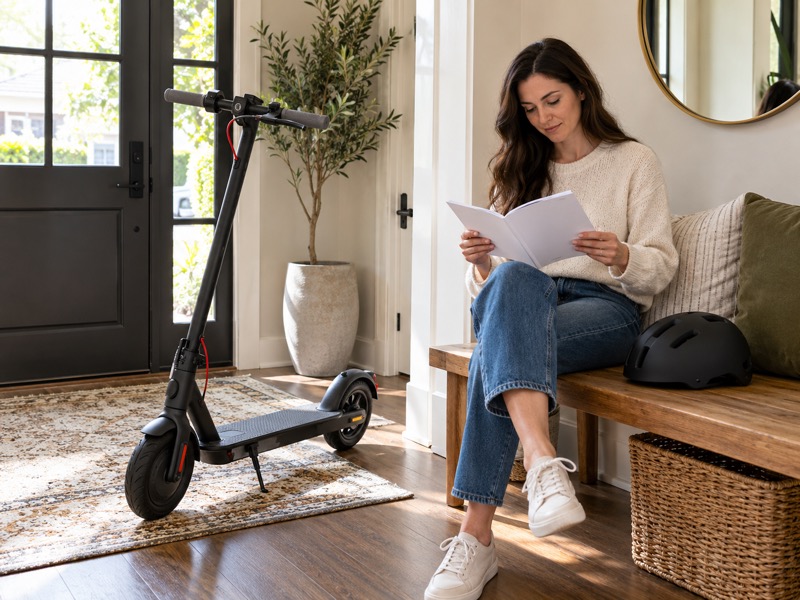
Check both the legal category threshold and what you can comfortably lift through your doorway; meeting a legal threshold does not make a scooter practical for stairs.
Which details should a buyer verify?
Check the model behind the label: Ask the seller for the specifications of the exact model and version you will receive. Save the manual, model label, and invoice together so you can check the supplied device against the description. For a used scooter, ask whether its controller, motor, battery, or software has changed.
- Confirm the actual scooter weight.
- Keep its original maximum-speed specification.
- Ask about modifications in writing.
If the documentation is missing, resolve that before paying. Riding slowly or selecting an economy mode does not establish the legal category of a machine designed for a different capability.
What should your model record show?
| Specification | Keep a record of |
|---|---|
| Weight | Manufacturer's figure |
| Maximum speed | Motor-only capability |
| Model version | Label and invoice |
Key Takeaway: Your model record separates classification from carrying comfort. Keep weight, original capability, and version together before comparing prices.
2. Do Colorado electric scooter laws require a license?
The electric scooter laws Colorado applies to qualifying devices exempt them from motor-vehicle registration and licensing requirements. They also fall outside the motor-vehicle and low-power-scooter categories covered by the compulsory vehicle-insurance rule. Read the state overview alongside sections 42-1-102 and 42-4-1409 in the 2026 vehicle statutes.

If you want insurance for theft, damage, or personal liability, ask an insurer about the specific device and activity. Commuting to your own workplace and using a scooter for paid delivery may raise different policy questions.
What paperwork is still useful?
Here's what those records actually help with: Keep proof of purchase and a clear photograph of the serial number. These records can help you identify a stolen scooter, request service, or show which model a seller supplied. Store a copy somewhere you can access if the scooter and your riding bag disappear together.
- Ask whether your intended use is covered.
- Check exclusions and any excess or deductible.
- Keep the insurer's written response with the policy.
A rental company's damage waiver also deserves a separate read. Check exactly what it covers before deciding it provides the same protection as an insurance policy you have reviewed.
Which records belong together?
| Record | Practical use |
|---|---|
| Receipt | Purchase and warranty details |
| Serial-number photograph | Device identification |
| Insurance answer | Coverage for your intended use |
Key Takeaway: Each record answers a different ownership question. Save the insurer's response alongside your receipt and serial-number photo for easier retrieval.
3. What rider eligibility and helmet rules apply in Colorado?
The electric scooter laws Colorado applies statewide set no general youngest-rider cutoff or helmet mandate in the provisions cited here. Local and rental conditions can differ; the Class 3 e-bike rules concern a separate category.

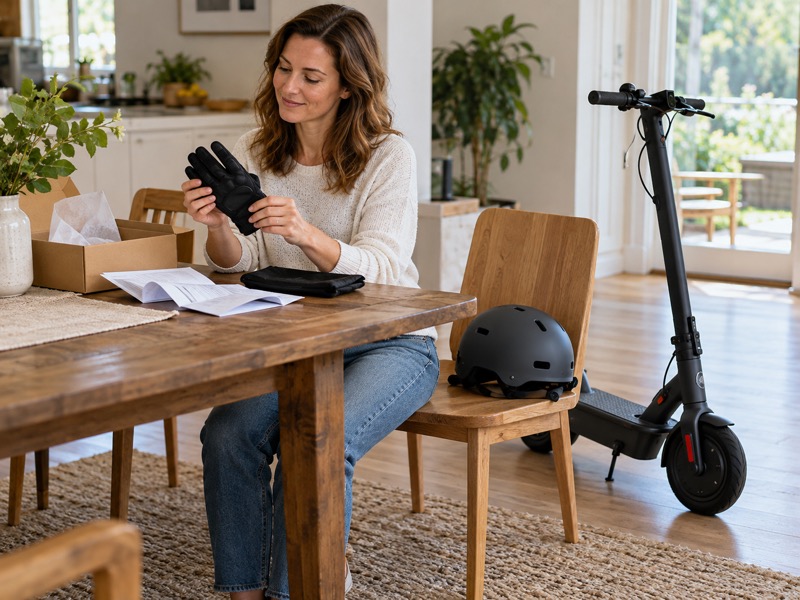
Wear a properly fitted helmet and check its maker's approval, adjustment, and replacement instructions.
What should an adult check before lending a scooter?
Here's the distinction before you lend: Check the intended rider, destination, and any agreement governing the scooter. For example, Boulder's shared program requires users to be 18 or older. That program condition does not establish how old riders of privately owned scooters must be statewide.
- Check the city's current device rules.
- Read the rental or campus eligibility terms.
- Adjust borrowed equipment before setting off.
If you are lending your personal scooter to another adult, show them the controls while stationary. Let them practice stopping in an appropriate permitted space before they use your commuting route.
Which rule applies to this rider?
| Situation | Check |
|---|---|
| Private scooter | Applicable state and local rules |
| Shared rental | Operator eligibility terms |
| Borrowed helmet | Fit and fastening |
Key Takeaway: Eligibility depends on the particular ride and agreement. Match the rules to your rider and adjust protective equipment before leaving.
4. Can you ride on roads and in bicycle lanes?
Yes, electric scooter laws Colorado riders follow generally apply vehicle traffic duties. Slower riders ordinarily use the right lane, with exceptions under section 42-4-1412. Check local restrictions too.

Prepare for intersections and turning vehicles, then check road markings and permissions for your specific route.
How do you choose a usable commuting route?
Look closely at where the lane ends: Review the route at the places where you would change direction or position. A protected lane that ends before a difficult junction may need a different connection on your trip home. Check where you can wait, cross, and rejoin your route without rushing.
- Check lane continuity through junctions.
- Identify an alternative around construction.
- Allow room to stop before a confusing merge.
Try the route at a quiet time before relying on it for work. Carrying a laptop or arriving under a deadline adds tasks you can avoid during that preparation.
What makes your route workable?
| Route segment | Check in advance |
|---|---|
| Bicycle lane | Continuity and junction layout |
| Road connection | Turning and waiting space |
| Construction area | Current permitted detour |
Key Takeaway: A useful lane needs workable connections. Review difficult junctions and keep a permitted alternative available when construction changes your route.
5. What do Colorado electric scooter laws say about sidewalks?
The electric scooter laws Colorado applies require checking local rules and signs before sidewalk or crosswalk use. Section 42-4-1412(10) requires pedestrian priority, audible passing warnings, and dismounting where ordered.

A route that depends on repeated sidewalk riding deserves closer review. Ask the city about that particular street and device category rather than relying on another town's scooter advice.
What should you do when the road feels unsuitable?
Pause before choosing that sidewalk shortcut: Look for a permitted connection before reaching the difficult section. Dismounting and walking may provide a practical way to complete part of a trip, but keep the scooter clear of people using ramps, doors, and crossing waiting areas. Choose a stopping place where you can examine the route without standing in traffic.
- Look for signs at both ends of a connection.
- Leave space for people approaching from either direction.
- Keep luggage from swinging into pedestrians.
If the only available route feels beyond your riding ability, arrange a different connection for that day. You can revisit the trip after checking a quieter route or a permitted walking link.
Which part of the connection needs checking?
| Connection | Check |
|---|---|
| Sidewalk | City rules and signs |
| Crosswalk | Pedestrians and dismount requirements |
| Doorway or ramp | Clear passage |
Key Takeaway: Each connection raises its own access question. Check the specific place and consider a permitted walking link around an unsuitable riding segment.
6. Which lights, reflectors, and brakes are required?
Electric scooter laws Colorado riders follow require a white front lamp visible 500 feet, a rear red reflector visible 600 feet, and specified side visibility for low-light riding. The transport department's equipment guidance explains the distances. Section 42-4-221 also requires brakes that stop from 10 mph within 25 feet on dry, level, clean pavement.
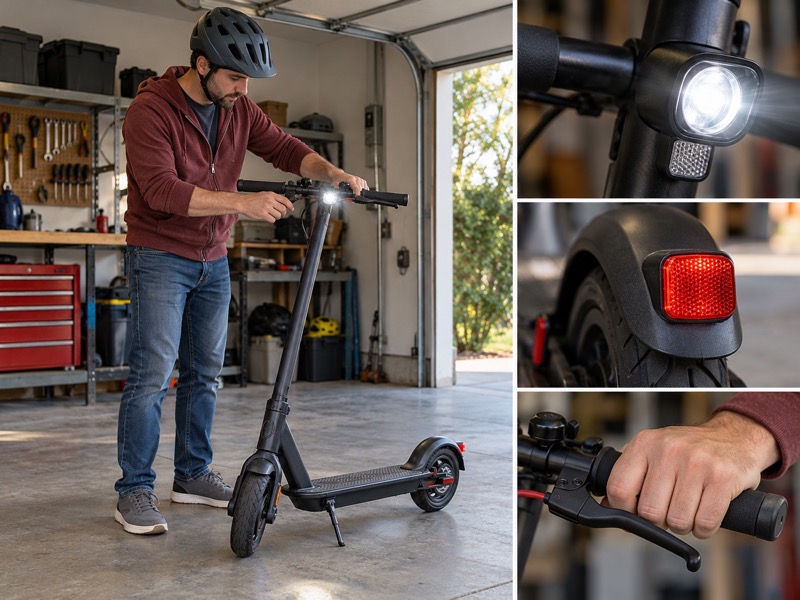
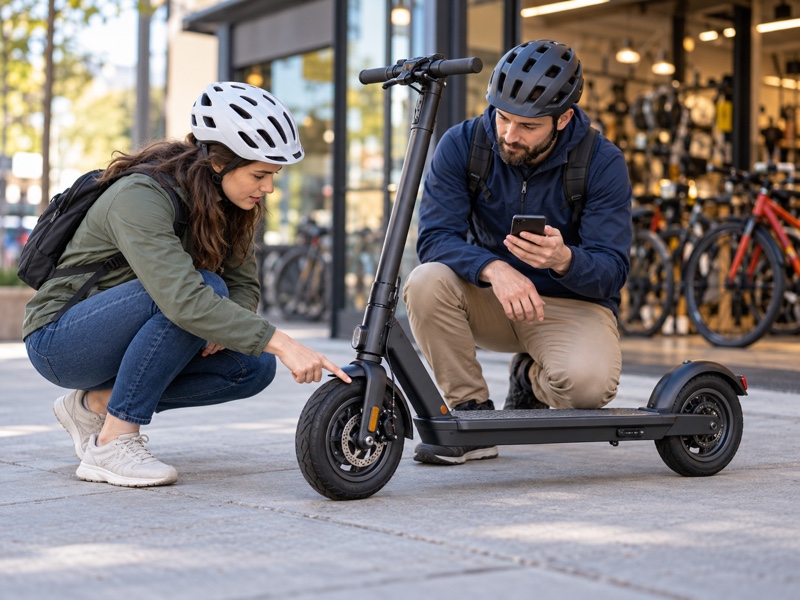
Follow the manufacturer's brake procedure and seek service if you cannot restore reliable operation; avoid attempting a stopping-distance test in traffic.
How should you prepare for an evening return?
Check what your commuting bag hides: Check lamps, reflectors, mounts, and brake operation before you leave home. A trip that starts in daylight can end after sunset, and a bag may cover equipment you checked before loading the scooter. Review the arrangement with your usual commuting clothes and luggage in place.
- Keep reflector surfaces clean and uncovered.
- Check that lights remain secure when steering.
- Resolve brake faults before the trip.
Colorado's side-visibility provision allows reflective material visible 600 feet or a side-visible lamp reaching 500 feet. Check the complete equipment arrangement instead of assuming a bright headlamp covers every requirement.
What should your equipment check cover?
| Part | Inspection task |
|---|---|
| Front lamp | Charge and mounting |
| Rear and sides | Visibility without luggage obstruction |
| Brakes | Condition and reliable operation |
Key Takeaway: Lighting, reflectors, and brakes need separate checks. Inspect your complete arrangement with usual luggage before a low-light trip.
7. Where can you park or ride on paths?
Parking and path access under the electric scooter laws Colorado residents follow depend on the location. State rules allow sidewalk parking unless locally or officially restricted, and parked scooters must not obstruct normal traffic. The state handbook also explains that authorities may restrict scooters on their paths.
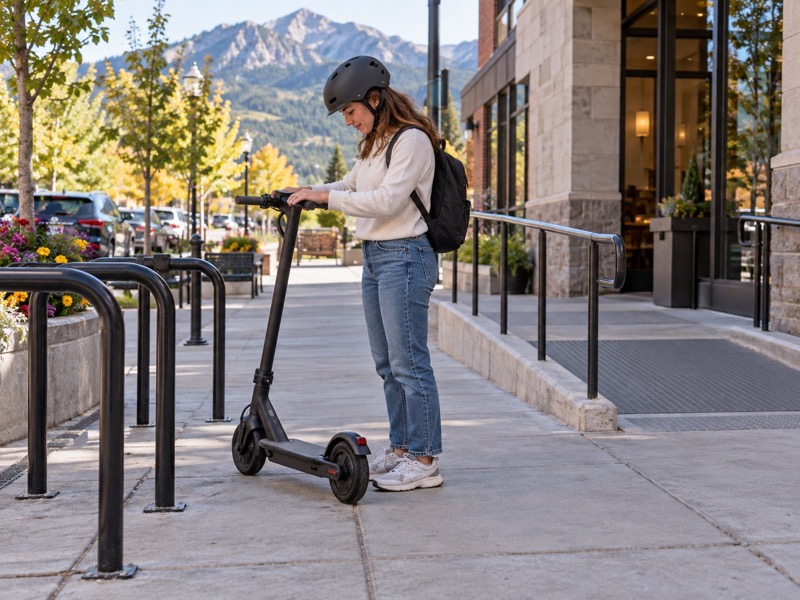
Shared rentals add a return-location requirement. Boulder's program uses designated parking corrals in its Mandatory Parking Zone, so checking only the destination address may leave you looking for a different place to end the rental.
What should you check at the destination?
Here's the destination detail people miss: Ask about scooter storage before arriving with one. Your workplace, apartment building, or transit operator may have its own access and storage conditions. Find out which entrance to use and where you can leave the scooter without blocking people.
- Locate the authorized parking area.
- Keep entrances and curb ramps open.
- Check the path manager's device rules.
- Read the rental map before starting.
Before carrying the scooter inside, measure the storage space and try the lift at home. Allow time to pack it away.
Who can answer the destination question?
| Destination | Check with |
|---|---|
| Shared path | Managing city or agency |
| Building | Property manager |
| Rental return | Current operator map |
Key Takeaway: Different managers control different parts of your trip. Confirm parking and storage before leaving so you can finish without blocking access.
8. How do Colorado electric scooter laws handle stop signs?
The electric scooter laws Colorado riders follow include safety-stop provisions, with yielding and specific conditions still applying. CDOT's explanation describes slowing to 10 mph or less at a stop sign, stopping when safety requires, and stopping before a red light. After a red-light stop, the allowed movement remains subject to traffic, pedestrians, and turning restrictions.

Even a familiar driving junction may look different from your scooter's position. Read it from your actual approach without following another rider through.
How should you approach an unfamiliar intersection?
Take another look before rolling forward: Reduce your approach speed early enough to understand the layout. Look for people near the crossing, approaching vehicles, turning vehicles, and any signs governing the movement you intend to make. If the sightline is blocked, wait until you can see rather than assuming the intersection is empty.
- Decide which direction you intend to travel.
- Check the whole crossing before moving.
- Stop whenever the conditions require it.
The safety-stop provision does not remove your responsibility to yield. Allow extra time at a complicated junction so you can stop and wait without turning the commute into a race against a meeting time.
What does each traffic control require?
| Control | Prepare to |
|---|---|
| Stop sign | Slow, yield, and stop when required |
| Red signal | Stop and check allowed movement |
| Blocked view | Wait for a clear view |
Key Takeaway: Traffic controls and surrounding conditions determine your next action. Allow time to stop, yield, and wait for a clear view.
9. What should you verify before buying a commuting scooter?
The electric scooter laws Colorado buyers need to check cover device classification, local access, and their intended route. Verify those details and destination storage before ordering. Online advice may describe a rental program, an e-bike, or a moped; keep the exact device category attached to each answer you save.

State law limits local scooter operating regulation relative to Class 1 e-bike regulation, but that does not replace checking a path's actual rules. Use the legislature's overview as a starting point, then confirm the place where you will ride.
What information should you send a seller?
Bring the seller your actual trip: Describe the trip you expect the scooter to handle. Include the distance you intend to travel, any stairs, your need to carry it, and the storage available at either end. Ask for the scooter's written specifications so you can check them against the category you intend to use.
- Keep a route with any walking connections marked.
- Ask about the exact model's weight and capability.
- Read return and warranty terms before purchase.
- Budget for suitable headgear, lights, and maintenance.
If the trip depends on a single restricted path, resolve that access question before choosing a scooter. A product's range specification cannot answer a permission question.
How do you bring the checks together?
| Purchase question | Evidence to obtain |
|---|---|
| Is this the intended category? | Model specifications |
| Can I use my route? | Current local and path rules |
| Can I store it? | Destination permission |
Key Takeaway: Specifications and permissions answer different questions. Keep evidence for both and choose around your actual route, carrying needs, and storage.
Summary: Check classification, route access, parking, and equipment before buying. Those answers help you avoid a commute that cannot work. For help comparing carrying needs and storage, contact us with your daily trip details. Dynamic Scooter supports practical short-distance travel built around informed choices, suitable equipment, and respect for shared spaces.
FAQ
The electric scooter laws Colorado riders ask about depend on device classification, the route, and local conditions. These answers concern a qualifying scooter; check your city and any rental agreement for the particular ride.
Which answers apply to your planned ride?
Check the assumption behind your question: a category threshold, a riding mode, or a product listing answers only part of your planning problem.
- Q1: Can I assume a 20 mph scooter may travel at 20 mph everywhere? No. The category threshold does not override lower local limits, path rules, signs, or conditions around you.
- Q2: Can I use a faster scooter if I select a slow mode? Don't assume so. Obtain the exact machine's specifications, including modifications, before treating that setting as proof of its classification.
- Q3: What's the best way to check a path? Ask its managing authority. Name electric scooters explicitly because a bicycle symbol or an e-bike page may leave your category unanswered.
- Q4: Can I park beside a building entrance? Only where permitted and passage stays clear. Check the entire scooter, including handlebars, against the space people need.
- Q5: Can you help me choose a scooter for my route? Yes. Send Dynamic Scooter your travel distance, carrying needs, and storage constraints to compare suitable specifications; confirm street and path permission with the responsible authority before ordering.
Key Takeaway: Match each answer to your own device and location so a general rule does not become an unsupported assumption about your trip.