


Buying an electric scooter is highly worth it for modern urban residents, as the remarkable advantages of rapid, cost-effective, and eco-friendly mobility easily outweigh the minor disadvantages of weather sensitivity and charging routines. Imagine stepping out of your door, only to face a gridlocked highway, a packed commuter train, and the constant stress of being late for your daily commitments.
You watch the minutes slip away while burning expensive fuel, knowing that parking fees and public transit delays are draining your hard-earned savings every single month. Fortunately, personal micro-mobility offers a liberating escape from this daily frustration. If you are ready to revolutionize your commute, buying an electric scooter is the ultimate way to unlock seamless travel.
Is buying an electric scooter worth it?
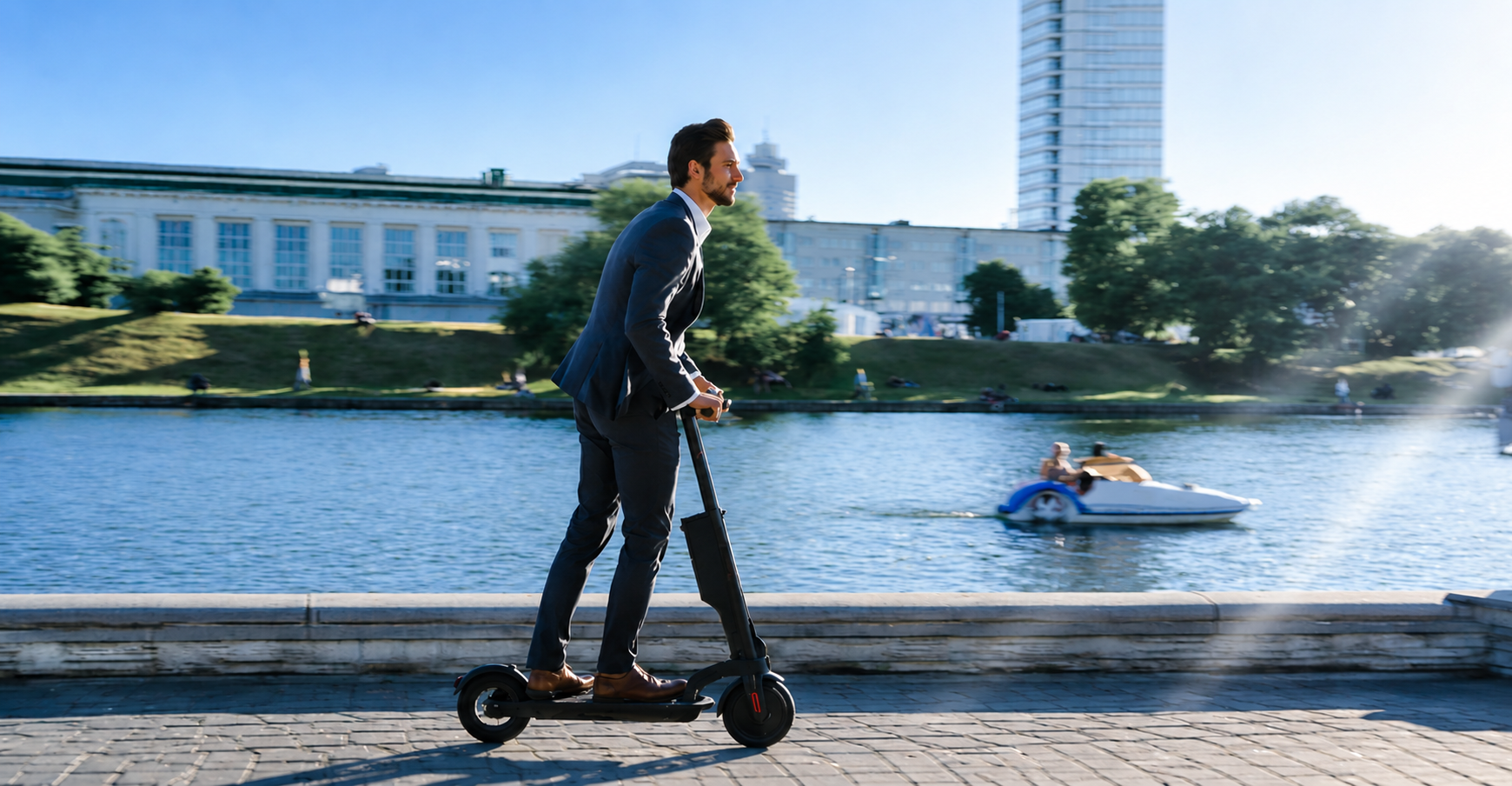
Yes, buying an electric scooter is definitely worth it for anyone seeking a fast, efficient, and highly enjoyable way to navigate crowded city streets. This personal transit method bypasses traffic jams and eliminates parking struggles instantly. Many commuters find that they reclaim hours of lost time every single week.
In addition, the long-term operational savings make this transition highly practical for budget-conscious riders. Balancing the upfront cost against daily transit fees reveals a highly favorable return on investment. It represents a modern lifestyle upgrade that supports both your schedule and your wallet.
What are the primary advantages?
The primary advantages center on unparalleled urban convenience and cost savings. Think about it: you can skip the gas station entirely while cruising past lines of idling cars. By choosing this mode of transportation, you actively reduce your carbon footprint with zero tailpipe emissions.
Furthermore, discovering the ideal ride is incredibly simple when browsing diverse options. If you are interested in exploring the complete range of specifications, checking out all products can help you find a device that perfectly matches your speed and travel requirements.
- Avoid heavy traffic congestion and transit delays.
- Zero fuel costs and minimal maintenance requirements.
- Compact, folding frames for seamless multi-mode travel.
What are the biggest drawbacks?
But here is the catch: you must consider range limitations and weather dependency. Heavy rain and extreme cold can reduce battery performance and limit your safe riding days. Additionally, rough pavements can cause a bumpy ride if your route lacks smooth bike lanes.
Despite these factors, proper planning easily mitigates most of the daily inconveniences. Selecting high-quality tires and keeping a reliable charger at your workplace ensures you are always prepared. The benefits of rapid transit still far exceed these minor challenges.
| Operational Advantage | Travel Limitation |
|---|---|
| Instant Traffic Avoidance | Restricted range per single charge |
| Zero Fuel Expense | Reduced traction in heavy rainfall |
| Effortless Parking | Rough pavement vibrations |
Following this operational analysis, we can clearly see that the daily advantages of urban speed and financial freedom far outweigh the minor physical limitations of the device.
Key Takeaway: While weather and range require minor planning, the daily speed and financial freedom of personal electric travel make it a superior choice for city dwellers.
What is the cost of buying an electric scooter?
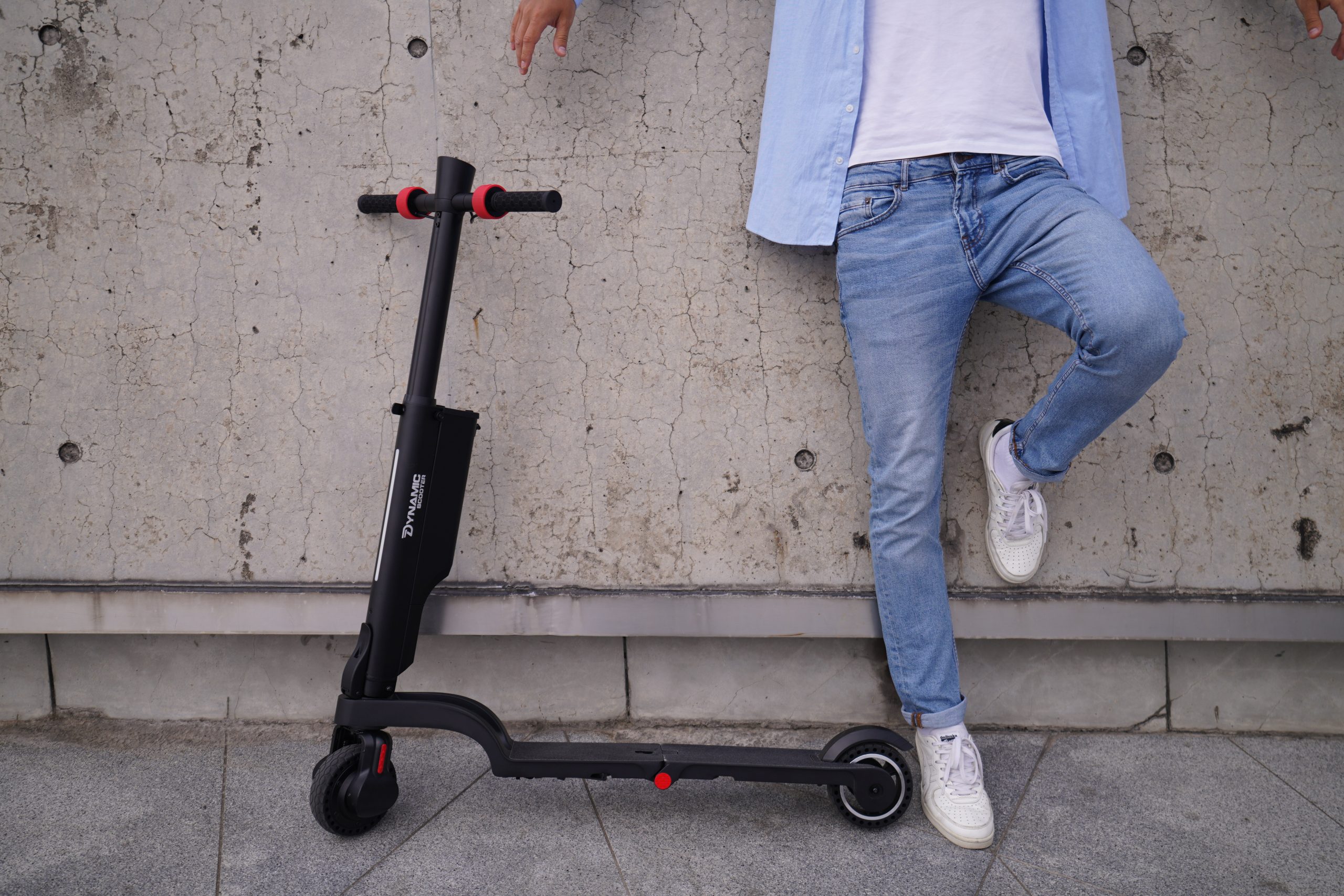
The cost of buying an electric scooter ranges from budget-friendly introductory options to high-end performance models designed for maximum durability. Your initial investment directly reflects the quality of build materials, motor power, and battery cell reliability. Understanding these pricing tiers helps you make a smarter choice.
While a lower price tag is tempting, investing in a robust mid-range or premium unit saves money over time. High-quality components last longer and require far fewer replacements. This upfront choice directly determines your overall satisfaction and safety.
Are budget models reliable?
Budget models are decent for casual, short-distance trips but may lack durability under heavy daily use. Let’s face it: cheap components often lead to faster wear and tear on brakes and folding mechanisms. You might find yourself replacing parts sooner than expected.
However, they serve as a fantastic entry point for those wanting to try micro-mobility without a major financial commitment. They provide basic functionality for flat, smooth pavements. Just be mindful of their steeper performance limits on hilly terrain.
- Thinner frame materials that are susceptible to structural wear.
- Smaller battery capacities with a shorter overall operating lifespan.
- Standard braking systems requiring more frequent manual adjustments.
But wait, there’s more: premium models feature advanced battery management systems and superior materials. These engineering upgrades ensure a much longer lifespan and reliable power output. They handle steep inclines and rough city streets with absolute ease.
Additionally, premium suspension systems protect the internal electronics from heavy road vibrations. This advanced protection dramatically reduces the chance of electrical faults. It is a classic case of getting exactly what you pay for.
| Pricing Category | Typical Price Range | Best Suited For |
|---|---|---|
| Budget Entry | $300 – $500 | Casual, flat weekend riding |
| Mid-Range Utility | $600 – $1,000 | Daily urban commuting routes |
| Premium Performance | $1,100+ | Long-range, hilly terrains |
This breakdown indicates that investing in the mid-to-high tier offers the most reliable daily utility for commuters.
Key Takeaway: Prioritizing build quality over the absolute lowest price guarantees a safer, more durable vehicle that pays for itself within months of active commuting.
Are you buying an electric scooter for commutes?
Yes, buying an electric scooter for your daily commute is an incredibly practical decision that streamlines your morning schedule. It allows you to travel directly from your doorstep to your office without waiting on transit schedules. This level of autonomy completely transforms your daily routine.
However, evaluating your specific route is essential before selecting a model. You must balance the need for long battery range with the physical weight of the machine. Finding this sweet spot ensures your journey remains effortless from start to finish.
How long does the battery last?
Most commuter models deliver a realistic range of 15 to 30 miles on a single charge. Think about it: this is more than enough for the vast majority of urban round trips. To maximize your distance, you should maintain a steady speed and avoid sudden accelerations.
If you want to dive deeper into maximizing your battery performance and lifespan, exploring our scooter blog offers expert advice and technical guides. Keeping your battery healthy ensures you never get stranded during your commute.
- Maintain an eco-friendly riding speed of 12 to 15 miles per hour.
- Avoid steep hills where the motor must work twice as hard.
- Ensure tires are fully inflated to minimize rolling resistance.
Are heavy models hard to carry?
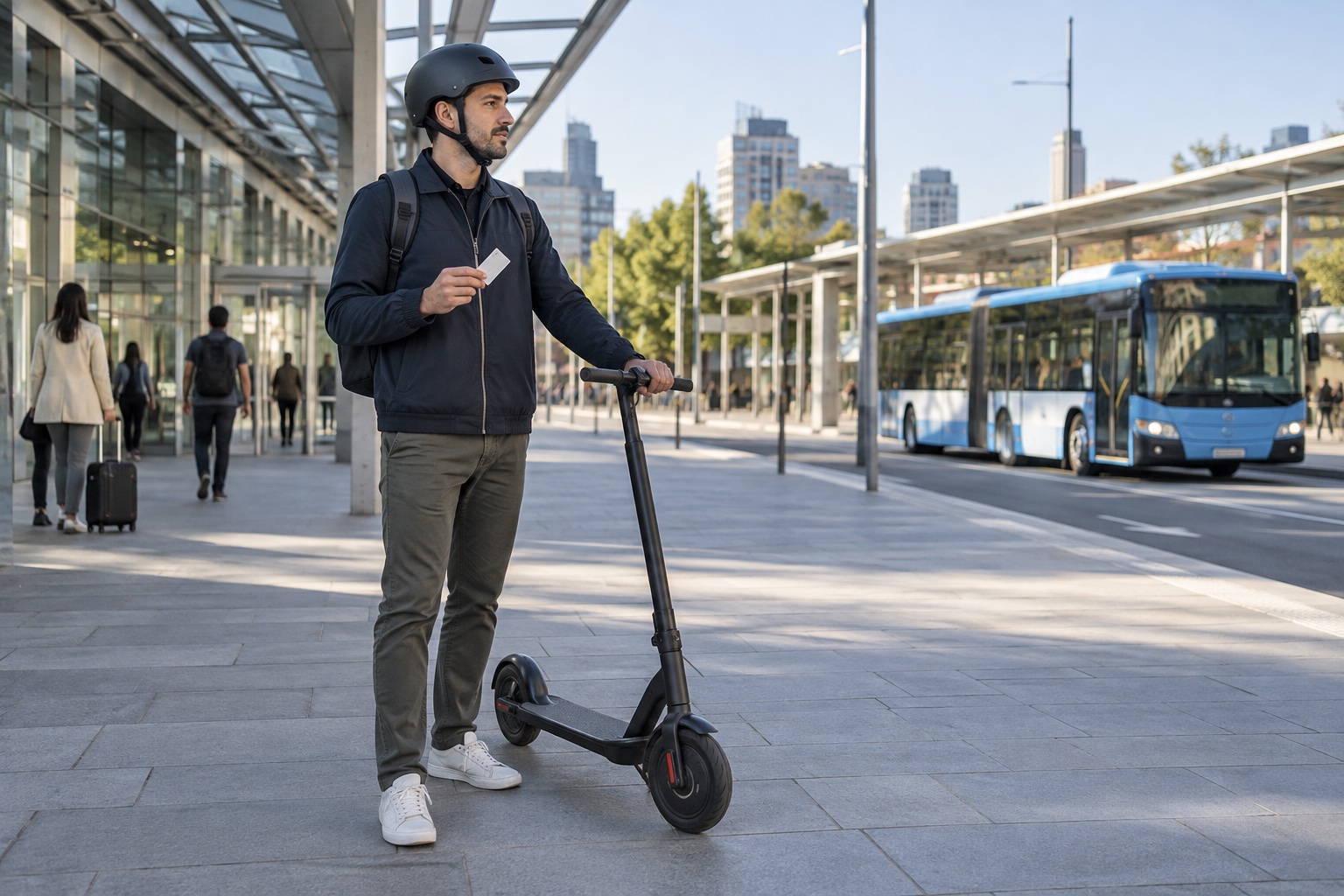
But here is the catch: high-performance models with massive batteries are heavy and difficult to lift. Carrying a sixty-pound scooter up subway stairs or onto a bus can be exhausting. For multi-mode commuting, lightweight portability is absolutely critical.
Opting for a streamlined folding design allows you to transition smoothly between riding and carrying. It fits neatly under your office desk or in a tight closet. Your back will thank you for choosing a balanced, lightweight model.
| Commuter Feature | Ideal Target Specs | Direct Benefit |
|---|---|---|
| Total Weight | Under 35 lbs | Easy lifting and carrying |
| Real-World Range | 20+ Miles per charge | Eliminates daily range anxiety |
| Folding Style | One-step stem latch | Swift boarding of public transit |
Analyzing these features shows that portability and range must align to create a perfect commuter experience.
Key Takeaway: For a seamless daily commute, choose a folding model under 35 pounds with a range that comfortably exceeds your round-trip distance.
Does buying an electric scooter save money?
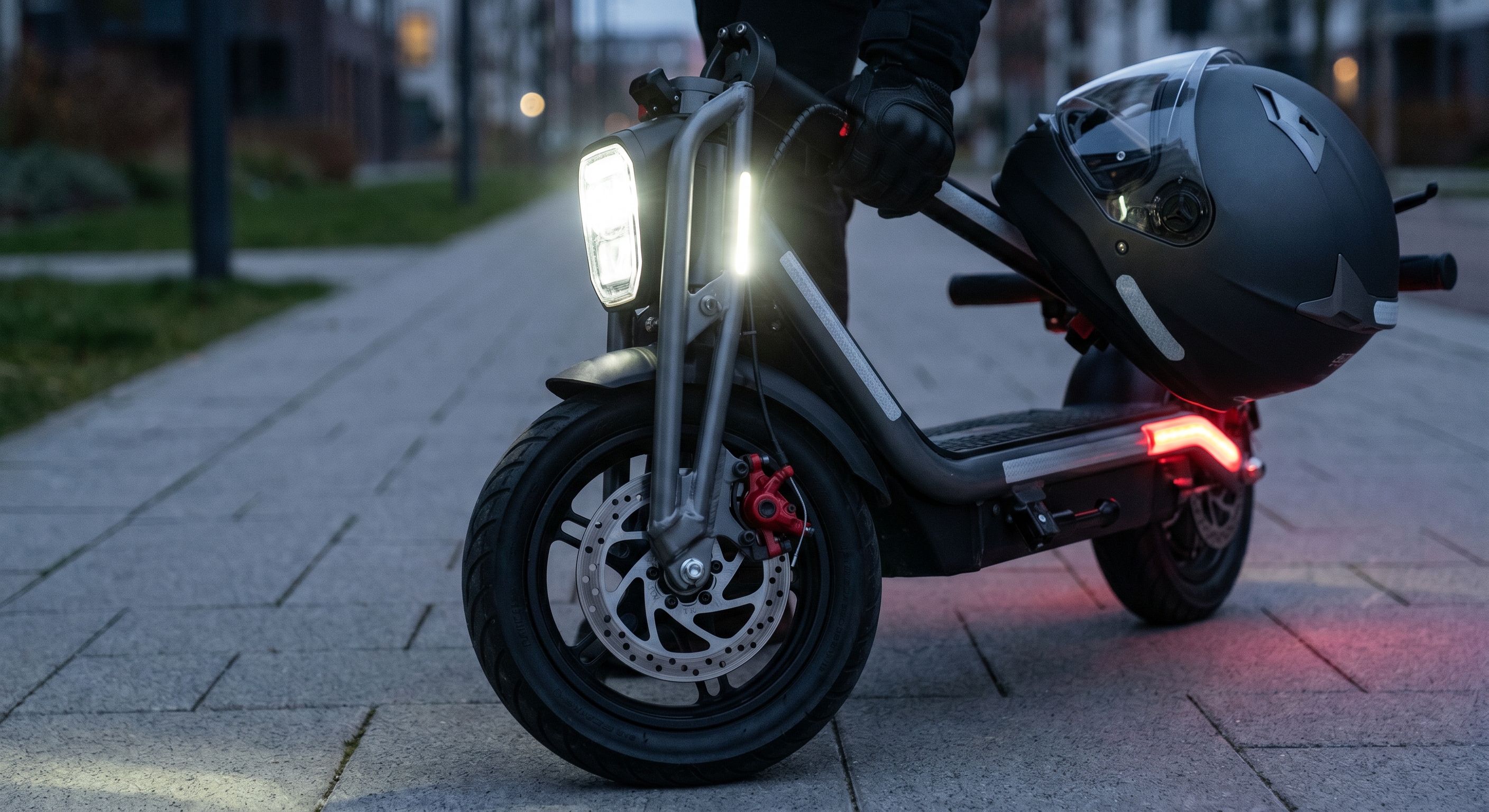
Yes, buying an electric scooter saves a tremendous amount of money compared to operating a car or using ride-share services. The cost of electricity required to fully charge a battery is practically negligible. Over a single year, these savings accumulate into thousands of dollars.
In addition, you completely escape the financial burden of city parking fees, toll roads, and costly transit passes. The initial purchase price is often recovered in just a few short months. It is one of the smartest financial decisions an urban commuter can make.
Are charging costs high?
The cost to charge a standard electric scooter battery is incredibly low, averaging less than fifteen cents per charge. The best part? This means you can travel hundreds of miles for the price of a single gallon of gasoline. The energy efficiency is truly remarkable.
Even if you charge your device daily, your monthly utility bill will show barely any change. It represents a fraction of the cost of public transportation. This ultra-low operating cost is unmatched by any other motorized vehicle.
- Extremely low electricity draw per battery charge sequence.
- Bypasses the volatile fluctuating pricing of municipal gasoline.
- Maximizes energy output via advanced regenerative braking systems.
Is vehicle maintenance expensive?
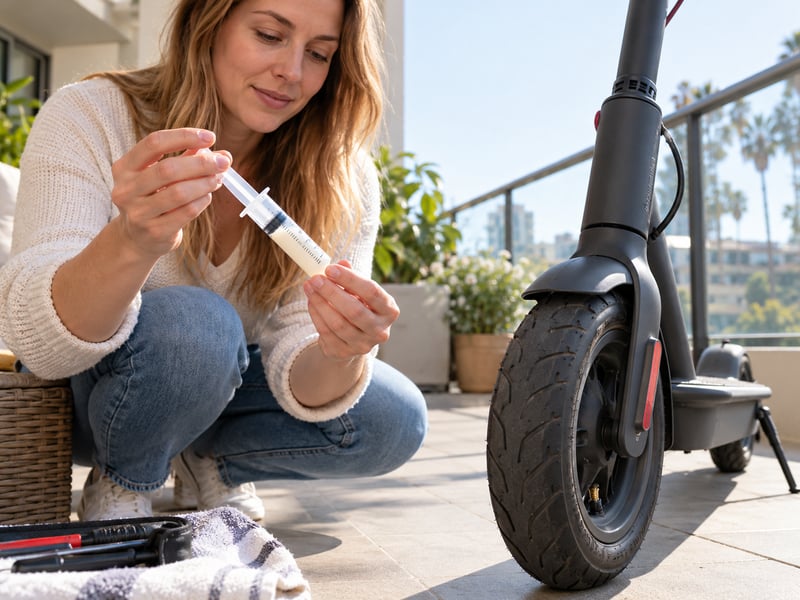
Let’s face it: traditional vehicles require expensive oil changes, engine tune-ups, and complex mechanical repairs. Electric scooters have very few moving parts, which minimizes the likelihood of component failure. Your ongoing upkeep is mostly limited to checking tire pressure and brake pads.
Most of these basic maintenance tasks can easily be done at home with simple tools. This hands-on simplicity keeps money in your pocket rather than handing it over to mechanics. It ensures a low-stress ownership experience year after year.
| Transit Category | Monthly Cost | Primary Expense Source |
|---|---|---|
| Electric Scooter | ~$5 – $15 | Minimal charging electricity |
| Public Subway/Bus | ~$100 – $150 | Monthly commuting passes |
| Personal Car | ~$400 – $600 | Fuel, parking, and insurance |
This comparison highlights the extreme economic advantage of switching to lightweight electric transit for your daily travel.
Key Takeaway: Bypassing fuel, parking, and complex repairs makes a personal electric vehicle an unbeatable long-term budget saver.
Is buying an electric scooter legally safe?
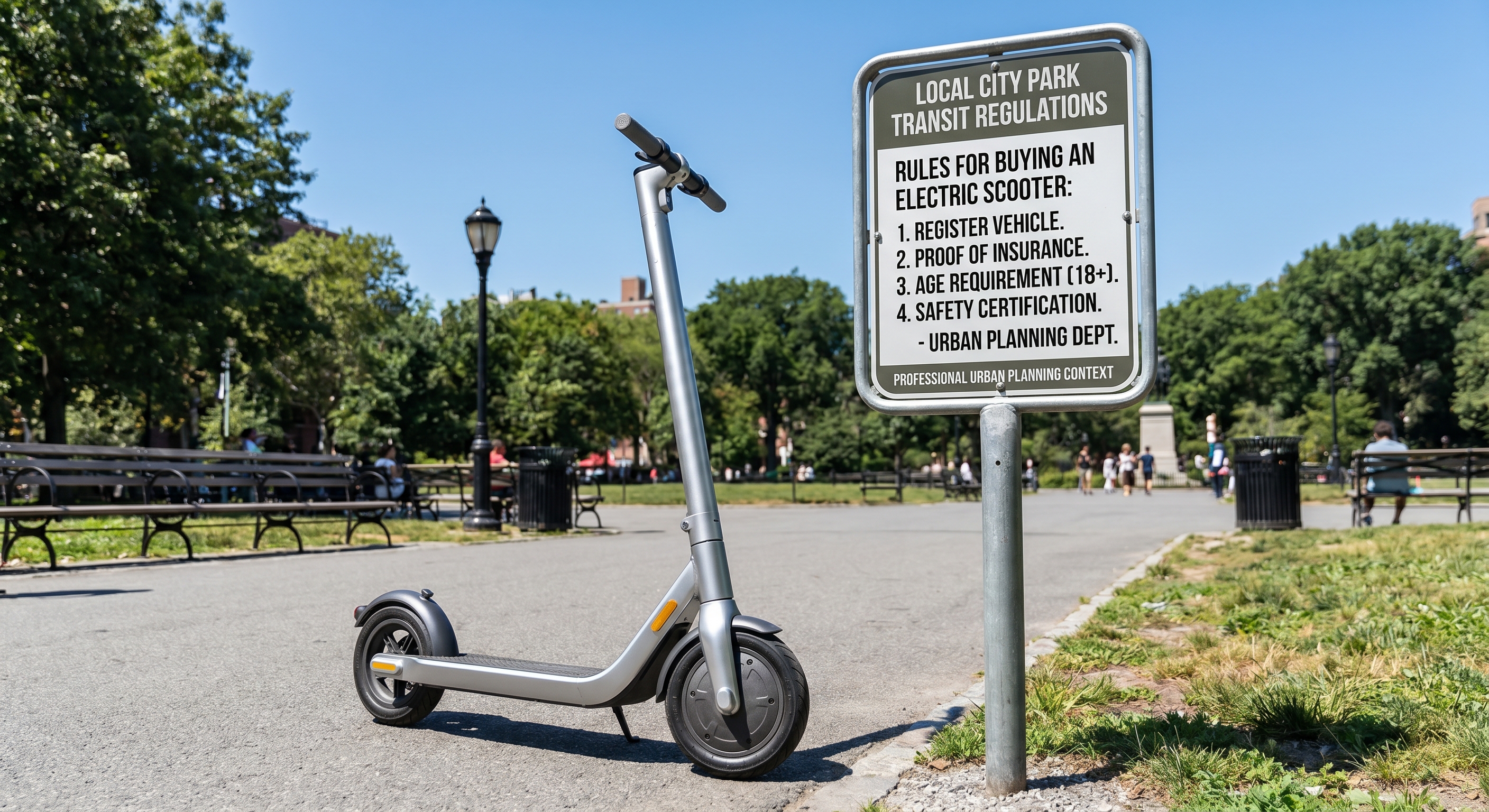
Yes, buying an electric scooter is legally safe in most cities, provided you understand and follow your local micro-mobility regulations. Governments worldwide are rapidly updating transit laws to integrate personal electric vehicles safely. Knowing your local rules keeps you safe from fines and ensures hassle-free riding.
However, rules regarding maximum speeds, helmet laws, and road access can vary between adjacent municipalities. Taking a few moments to review your regional guidelines prevents unexpected legal issues. It is a simple step that guarantees peace of mind on every journey.
Are licenses required?
In most countries and states, you do not need a driver’s license to ride a standard electric scooter. Think about it: this removes a massive barrier to entry for students, young professionals, and non-drivers alike. You can simply purchase, charge, and begin riding immediately.
However, some regions impose minimum age requirements, typically starting at sixteen years old. Always verify these age restrictions before letting younger family members ride. Staying compliant ensures everyone enjoys a safe, worry-free experience.
- No DMV registration, testing, or licensing processes required.
- Accessible alternative transit for non-drivers and students.
- Promotes equitable mobility options throughout urban areas.
Can you ride on public sidewalks?
But here is the catch: riding on pedestrian sidewalks is frequently illegal in major metropolitan areas. Cities restrict scooters to bike lanes or quiet public streets to protect walking pedestrians. This rule promotes a safer environment for everyone sharing the urban space.
Utilizing dedicated bike lanes also allows you to maintain a more consistent and safer speed. It keeps you clear of heavy vehicle traffic while avoiding foot traffic. It is the ideal path for a fast, legal commute.
| Legal Aspect | Standard Regulation | Recommended Action |
|---|---|---|
| Driver’s License | Not required for standard speeds | Keep ID on hand just in case |
| Riding Area | Bicycle lanes and side streets | Avoid pedestrian sidewalks |
| Helmets | Mandatory for minors | Wear a certified helmet always |
Following these guidelines ensures that you remain fully compliant with local law enforcement while traveling.
Key Takeaway: Respecting pedestrian spaces and riding in dedicated bike lanes ensures a legally compliant, stress-free journey.
Are there rules when buying an electric scooter?
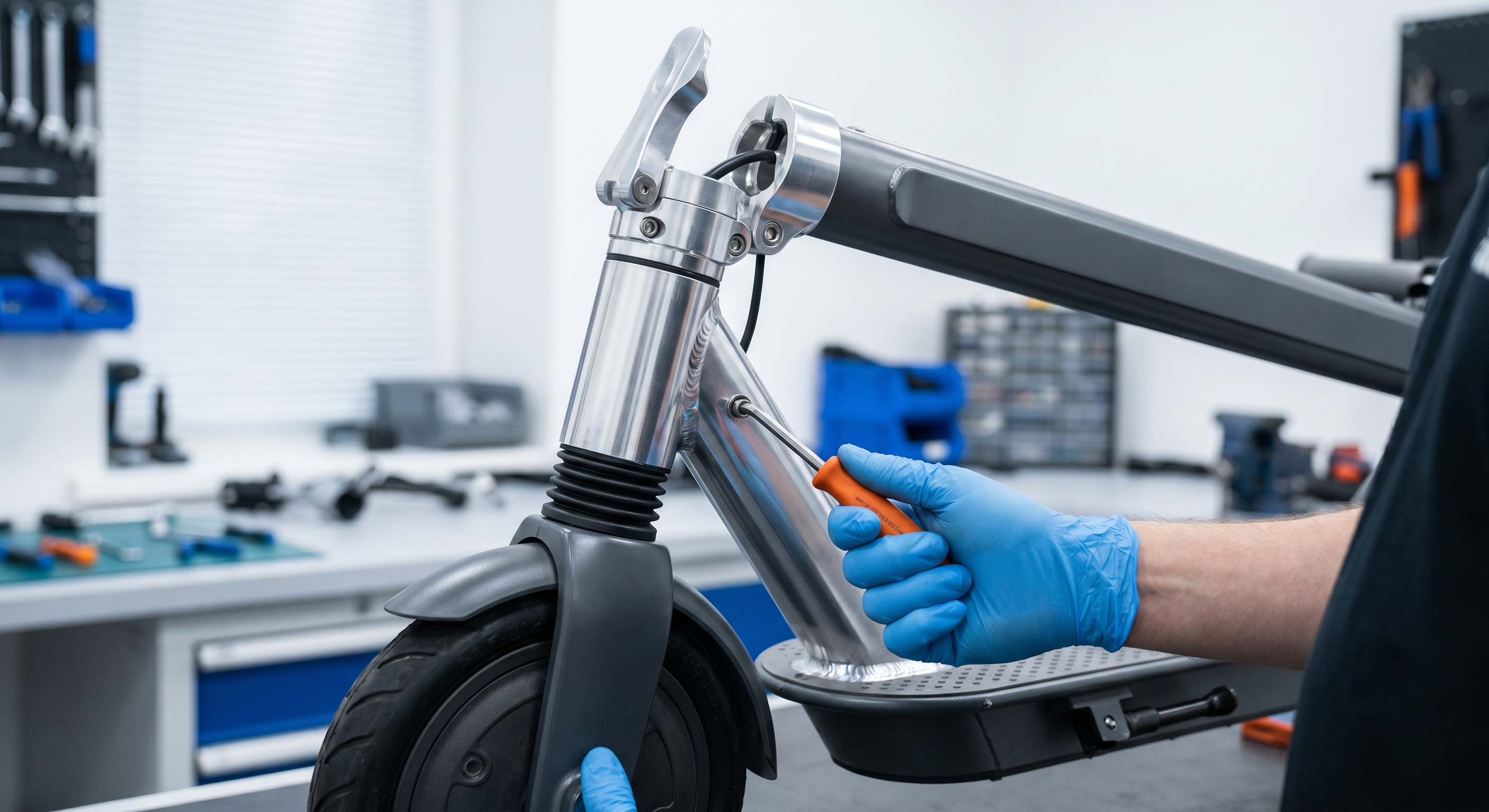
When buying an electric scooter, there are essential safety and operational rules you must observe to protect yourself and your equipment. Proper maintenance and safe riding habits are not optional; they are vital to a successful ownership experience. Adhering to these basic principles guarantees a long-lasting, reliable ride.
From wearing protective gear to performing routine safety checks, these habits quickly become second nature. Understanding these guidelines before your first ride prevents accidents and mechanical breakdowns. It ensures that every trip you take is both safe and enjoyable.
Do you need safety gear?
Wearing a high-quality, certified helmet is the most critical safety rule for every single rider. Let’s face it: unexpected road hazards like wet leaves, loose gravel, or sudden car doors can cause falls. Adequate head protection dramatically reduces the risk of serious injury.
To ensure you are fully prepared, selecting the right safety equipment is a wise decision. You can explore essential scooter parts and protective accessories to upgrade your setup before heading out. Staying visible with reflective gear is also highly recommended.
- Always wear an impact-tested helmet on every journey.
- Incorporate bright LED headlights and taillights for night visibility.
- Utilize wrist guards and gloves to prevent abrasions.
Are speed limits enforced?
But wait, there’s more: many municipal areas enforce speed limits for personal electric vehicles, typically capping them at fifteen miles per hour. Riding at excessive speeds on shared paths increases the likelihood of collisions. Maintaining a controlled speed ensures you have ample time to react.
Most modern scooters feature adjustable speed modes to help you comply with these limits effortlessly. Using eco or standard modes in crowded areas keeps you safe and law-abiding. It also helps conserve your battery power for longer journeys.
| Safety Habit | Key Purpose | Recommended Frequency |
|---|---|---|
| Wearing Helmet | Prevents head injuries | Every single ride |
| Checking Tire Pressure | Optimizes range and grip | Once every week |
| Testing Brakes | Ensures reliable stopping power | Before starting any journey |
This routine care matrix demonstrates how simple, structured habits lead to a safer and more predictable daily commute.
Key Takeaway: Developing a consistent safety routine and wearing proper protective gear keeps you safe while preserving your scooter’s performance.
Should you avoid buying an electric scooter?
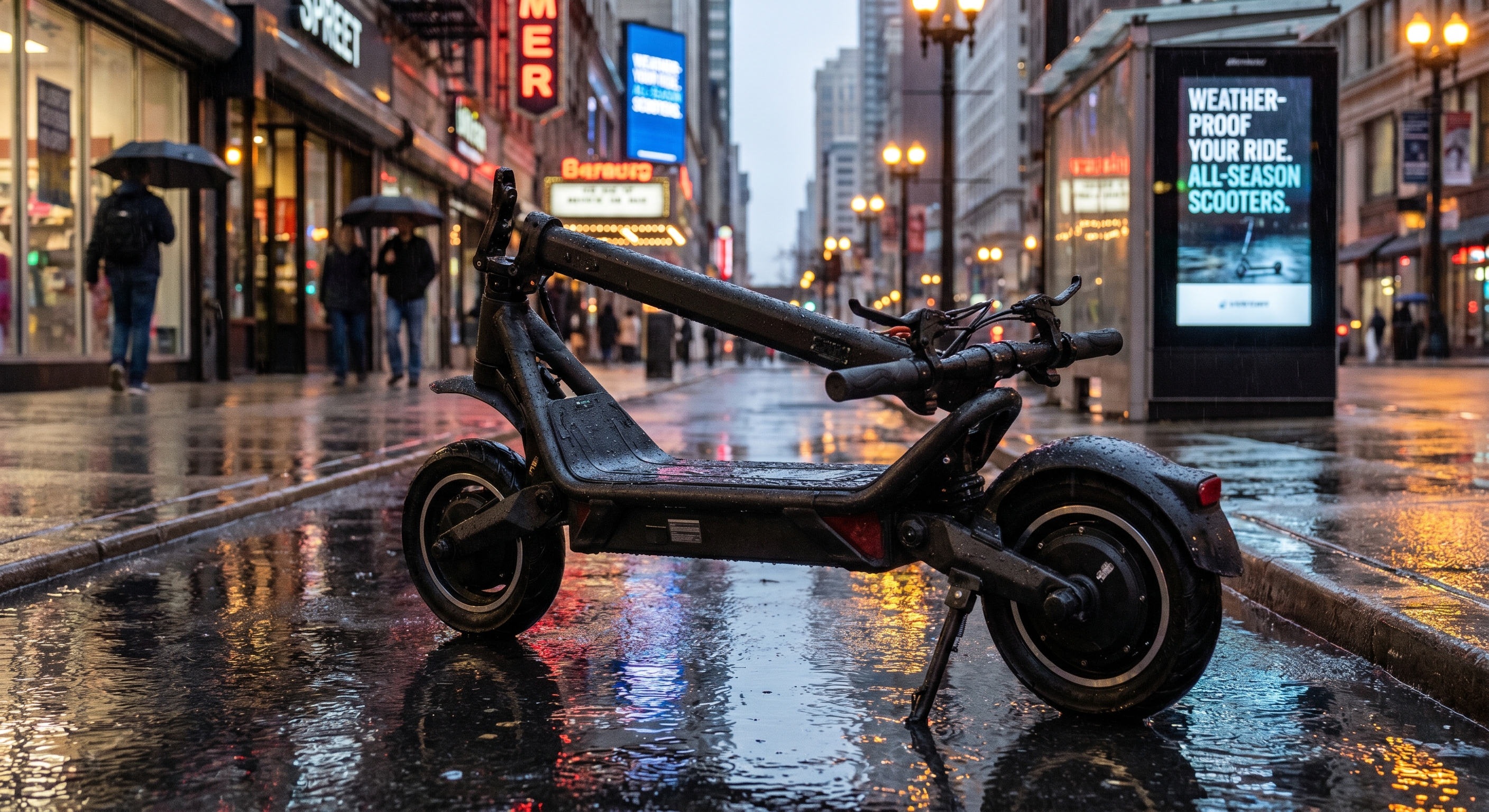
No, you should not avoid buying an electric scooter unless your daily route involves extreme terrain, heavy snowfall, or exceptionally long distances. For the vast majority of urban and suburban residents, these devices are incredibly practical tools. They offer unmatched convenience for short to medium-range journeys.
However, understanding the limitations helps you set realistic expectations for your new vehicle. It is important to compare these machines to traditional transport methods like bicycles or walking. This clear perspective ensures you choose the right tool for your lifestyle.
Does it offer less exercise?
Riding an electric scooter admittedly offers less intense cardiovascular exercise than pedaling a traditional bicycle. Think about it: the electric motor handles the propulsion, leaving you to focus on balance and steering. It is designed primarily as an effortless transit tool rather than a workout.
On the positive side, this means you will arrive at your destination feeling fresh and completely sweat-free. Active balancing still engages your core and leg muscles throughout the ride. It is a fantastic option for those who want low-impact mobility.
- Low-impact muscular engagement for active balancing.
- Bypasses the exhaustion of climbing steep hills manually.
- Keeps you fresh and professional for office environments.
Are rental options better?
But here is the catch: relying on shared rental scooters gets incredibly expensive if you use them every day. Rental fees accumulate rapidly, often exceeding the cost of owning your own machine within just a few months. Plus, finding a nearby rental that is clean and fully charged is never guaranteed.
Owning your personal device ensures you always have immediate access to a reliable ride. You can customize the settings, maintain the safety features yourself, and enjoy peace of mind. It is the far more practical choice for daily commuters.
| Ownership Aspect | Shared Rental Scooters | Personal Ownership |
|---|---|---|
| Cost Over Time | Extremely high daily rates | Low initial cost; free usage |
| Vehicle Reliability | Unpredictable battery and brakes | Meticulously maintained by you |
| Availability | Subject to location and demand | Always ready at your doorstep |
This comparison highlights that personal ownership is much more economical and reliable than renting for daily commutes.
Key Takeaway: If you plan to ride more than twice a week, purchasing your own electric scooter is vastly superior to renting in terms of cost and reliability.
Who benefits most from buying an electric scooter?
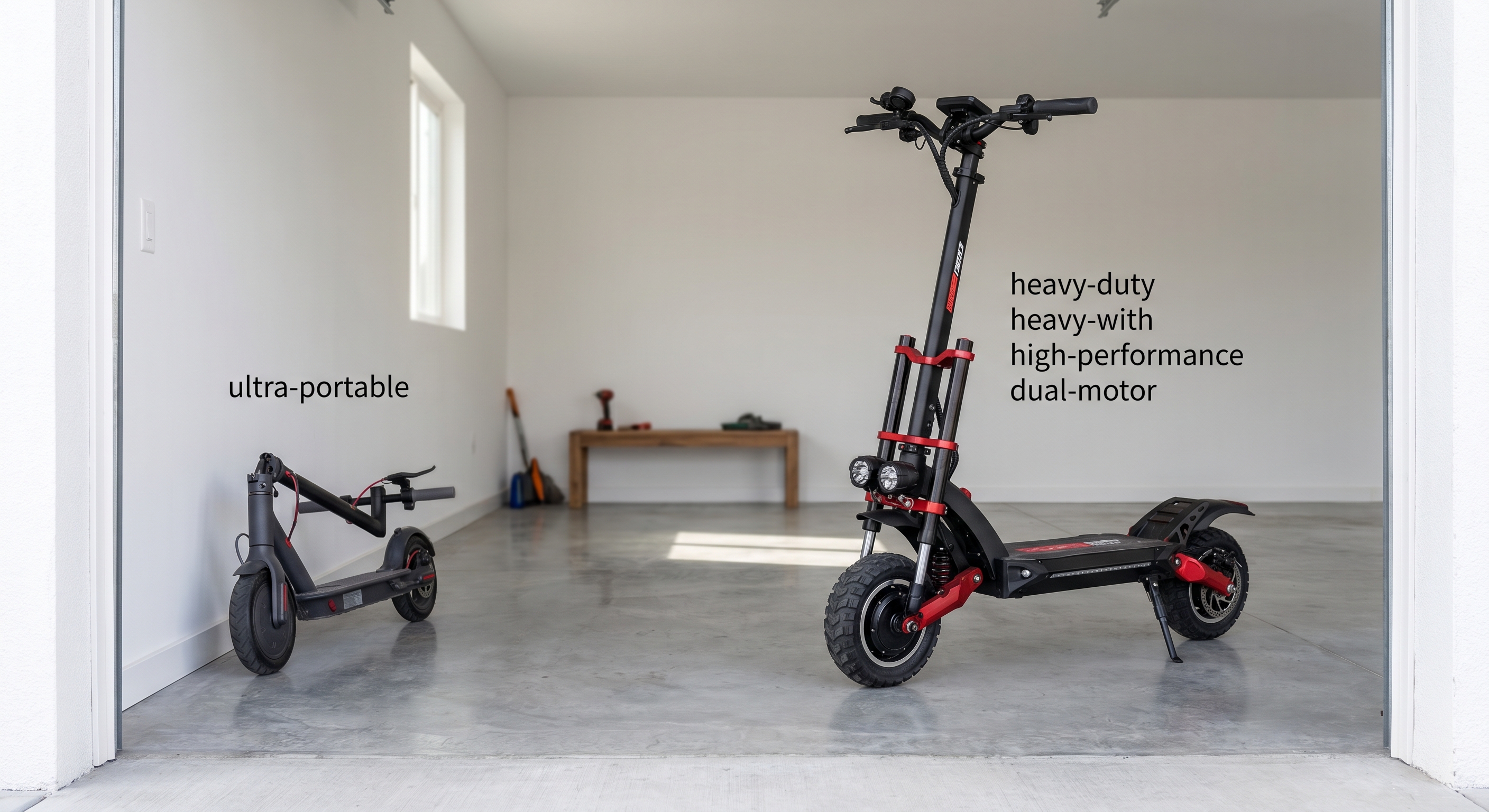
Urban commuters, college students, and eco-conscious city residents benefit the most from buying an electric scooter for their primary transit needs. These groups typically travel distances under ten miles, where gridlock and parking costs are major hassles. A personal electric vehicle solves these challenges seamlessly.
Additionally, businesses operating in large warehouse complexes or campuses find these devices incredibly useful for rapid onsite travel. They boost employee productivity and reduce walking fatigue across large facilities. It is a versatile solution that adapts to many different environments.
Are urban commuters the main target?
Urban commuters are indeed the primary beneficiaries of this modern micro-mobility revolution. The best part? You can say goodbye to packed subway cars and unpredictable transit delays forever. Your daily commute becomes a fun, liberating experience that you actually look forward to.
Bypassing traffic jams saves valuable time that can be spent with family or focusing on work. It reduces morning stress levels, helping you start your day with a clear, focused mind. It is a simple upgrade that yields massive quality-of-life improvements.
- Direct door-to-door transit without terminal waiting times.
- Zero stress from crowded platforms or missed connections.
- Rapid navigation through narrow gridlocked urban centers.
Can campus students benefit?
Let’s face it: walking across a sprawling university campus can take upwards of twenty minutes between tightly scheduled classes. An electric scooter cuts this travel time down to a fraction of that, ensuring you never arrive late. It fits easily into campus bike racks or classroom corners.
This rapid transit allows students to maximize study time and participate more easily in campus activities. It is a highly practical, cost-effective asset for busy academic schedules. It represents the ultimate campus companion.
| Ideal User Profile | Primary Pain Point Solved | Maximum Daily Benefit |
|---|---|---|
| Urban Professional | Gridlocked traffic and parking costs | Reclaims lost time; cuts stress |
| College Student | Sprawling campus walks | Fast travel between lectures |
| Eco-Conscious Rider | Carbon emissions from cars | Zero-emission, clean transport |
As this demographic analysis highlights, diverse user groups find unique, life-changing benefits in daily electric transit.
Key Takeaway: Anyone looking to replace short car trips or avoid public transit will find immense value in owning a personal electric vehicle.
What features matter when buying an electric scooter?
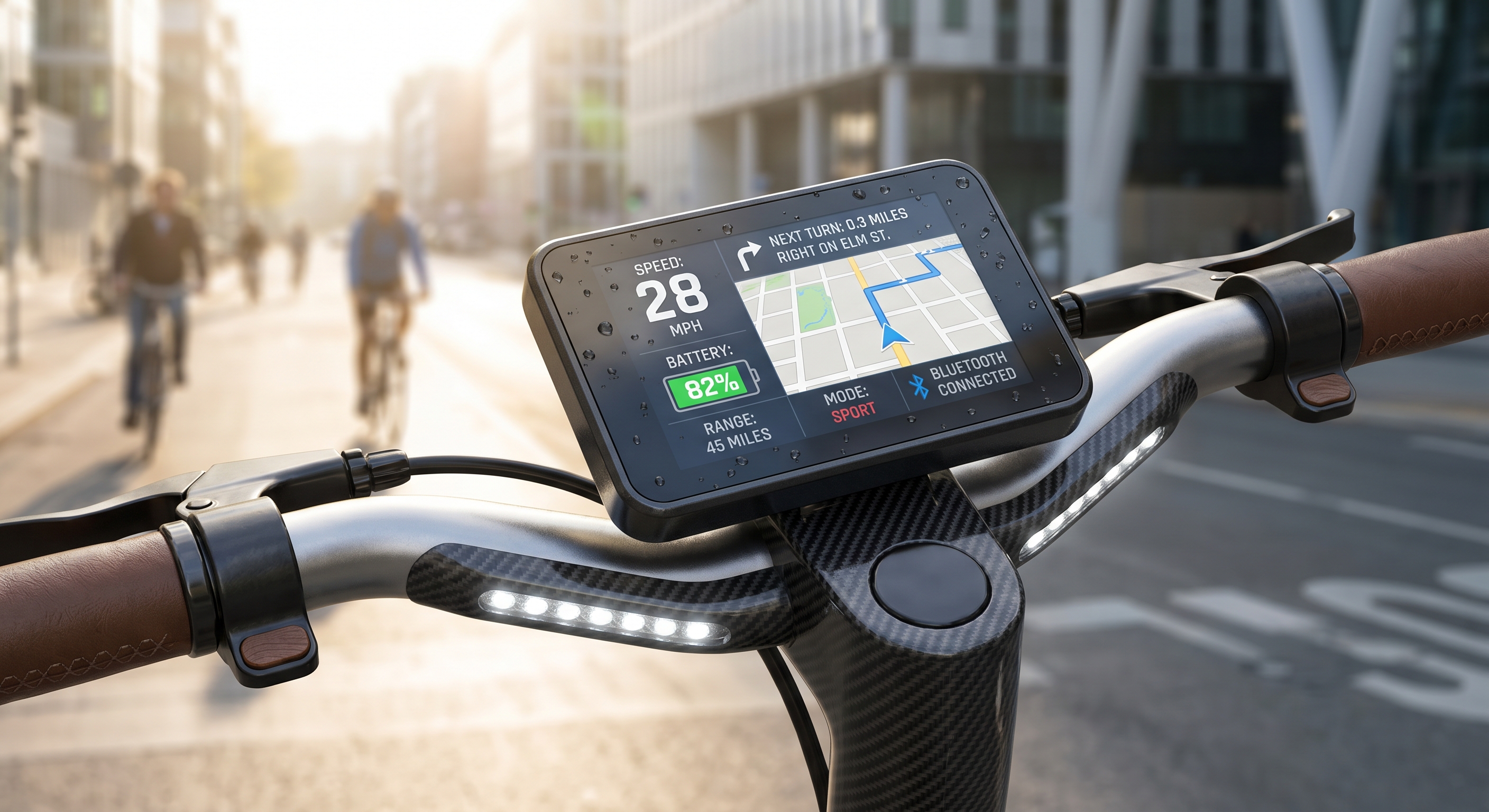
When buying an electric scooter, you must focus on the core technical specifications that directly impact your safety and comfort. Motor wattage, battery capacity, tire type, and suspension quality are the absolute essentials to compare. Prioritizing these features ensures you get a machine that matches your physical environment.
Avoid getting distracted by flashy cosmetic extras that do not contribute to ride performance or durability. Understanding the fundamentals allows you to make an informed, confident purchase decision. It is the key to selecting a vehicle that serves you reliably for years.
Why does motor power matter?
Motor power, measured in watts, determines your scooter’s ability to tackle steep hills and carry heavier payloads. Think about it: a weak motor will struggle and slow to a crawl on even moderate inclines. A robust motor maintains a safe, consistent speed regardless of the terrain.
For typical urban environments, a continuous motor output of at least 350 watts is highly recommended. It provides the necessary torque to navigate city streets confidently and safely. It ensures you never feel underpowered in traffic.
- Strong torque for accelerating smoothly from a complete stop.
- Reliable hill-climbing capabilities on steep city streets.
- Prevents motor overheating during prolonged uphill runs.
Are air-filled tires necessary?
But wait, there’s more: pneumatic, air-filled tires offer vastly superior shock absorption compared to solid rubber tires. They cushion your ride against potholes, cracks, and uneven pavements, protecting both you and the scooter. This physical comfort is crucial for longer daily commutes.
To find the perfect balance of tire engineering, motor performance, and suspension systems, you can check out different scooter models to compare options. Selecting the right tires guarantees a smooth, enjoyable ride on any surface.
| Key Technical Feature | Recommended Baseline | Practical Ride Impact |
|---|---|---|
| Motor Output | 350W – 500W Continuous | Confident hill-climbing ability |
| Tire Design | 8.5 to 10-inch Pneumatic | Smooth ride on bumpy city roads |
| Braking System | Front/Rear Dual Brakes | Safe, reliable stopping power |
This technical breakdown ensures you select a scooter model fully equipped to handle real-world road conditions.
Key Takeaway: Prioritizing a robust motor of at least 350W and pneumatic tires ensures a safe, comfortable, and reliable ride on your local streets.
Where should you start when buying an electric scooter?

To begin the process of buying an electric scooter, you should start by clearly identifying your daily travel requirements and budget. Assessing your route’s terrain, distance, and storage limitations helps narrow down your options quickly. This proactive planning ensures you choose the perfect model for your lifestyle.
Once you have defined your requirements, reaching out to micro-mobility specialists is the logical next step. Expert guidance helps clarify technical specifications and ensures you receive a highly reliable product. It is the smartest way to start your journey toward effortless travel.
How do you choose a model?
Begin by mapping your standard daily routes to determine your absolute minimum range requirement. Think about it: a scooter with a thirty-mile range is unnecessary if your commute is only two miles each way. Selecting a balanced capacity keeps your machine lightweight and affordable.
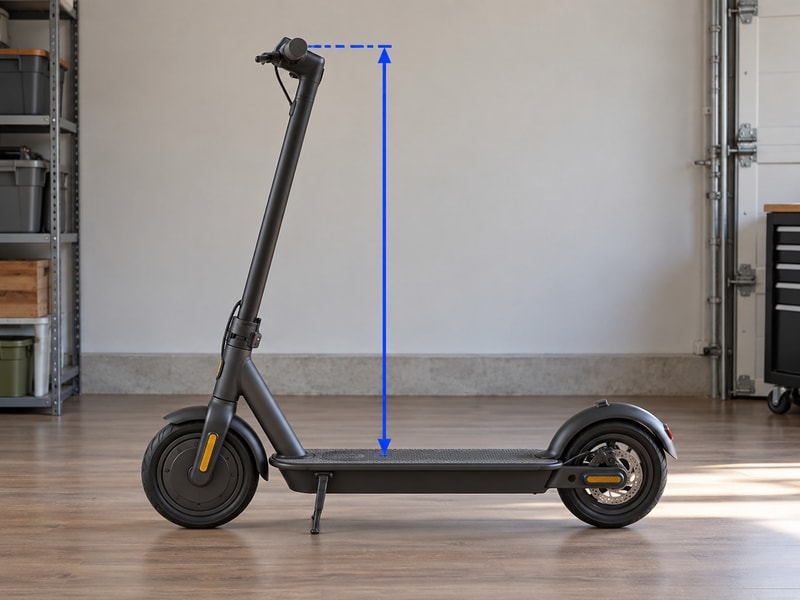
Next, consider where you will store and charge your device at home and work. Ensure the folded dimensions fit comfortably within your designated space. This step guarantees a seamless fit into your existing daily routine.
- Verify the exact round-trip distance of your daily route.
- Confirm weight limits if you must carry the unit regularly.
- Check for integrated safety lights and braking mechanisms.
Who should you contact?
But here is the catch: navigating technical specifications alone can sometimes feel overwhelming. Consulting experienced professionals saves time and prevents costly mistakes. They can match your weight, terrain, and budget to the ideal machine instantly.
If you are ready to conquer gridlocked traffic and eliminate expensive fuel bills, please contact us today to find your ideal ride. We provide high-performance, precision-engineered electric scooters backed by expert support to transform your daily travel. Our ultimate vision is a cleaner, more efficient urban landscape where personal mobility empowers everyone to navigate cities with absolute freedom and minimal environmental footprint.
| Selection Step | Key Action | Ultimate Objective |
|---|---|---|
| Step 1: Route Mapping | Measure round-trip distances | Identifies correct battery range |
| Step 2: Storage Check | Measure closet and desk space | Confirms size and weight limits |
| Step 3: Consultation | Contact micro-mobility experts | Guarantees a safe, reliable purchase |
This systematic process takes the guesswork out of finding your ideal personal electric vehicle.
Key Takeaway: Mapping your exact travel needs and seeking expert guidance ensures you buy a reliable, high-performing vehicle that fits your lifestyle.
Frequently Asked Questions about Buying an Electric Scooter
Can I ride my electric scooter in heavy rain?
No, you should not ride an electric scooter in heavy rain, as sensitive electrical components are highly vulnerable to water damage. While many models have basic water-resistance ratings to handle light splashes or damp ground, riding through heavy downpours risks shorting the battery and voiding your product guarantee.
What’s the best way to maintain my scooter’s battery?
Absolutely avoid letting your battery drain completely to zero percent before recharging. Keeping the charge level between twenty and eighty percent as much as possible significantly extends its overall lifespan. Always charge and store your device in a dry, temperature-controlled environment.
How do I know if an electric scooter is legal on my local streets?
It depends entirely on your specific city and country regulations. Most municipalities permit electric scooters to operate on public streets with a speed limit of fifteen miles per hour, usually restricted to bicycle lanes. It is highly recommended to check your local city hall’s transit guidelines before riding.
Can I fold and carry all electric scooters easily?
No, portability varies significantly across different models on the market. While commuter-focused models are designed to fold down quickly and weigh under thirty-five pounds, high-performance models can weigh over seventy pounds. Always verify the weight and folded dimensions if you need to carry your machine regularly.
What’s the best speed for safe urban riding?
A speed of fifteen miles per hour is widely considered the ideal balance for urban commuting. It allows you to travel quickly and keep pace with cyclists while ensuring you have ample reaction time to brake safely for sudden hazards.




1 thought on “Advantages and Disadvantages to Buying an Electric Scooter”
Pingback: Renting vs Buying an Electric Scooter: Which Is Better?