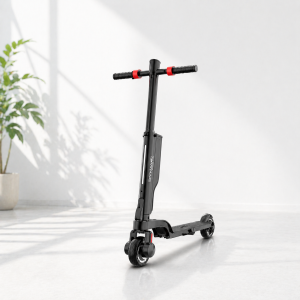

Electric scooter laws NJ riders follow permit qualifying low-speed scooters without licensing or registration. Unsure whether e-bike headlines affect your station commute? Check classification and each route connection before buying. Keep scooter requirements separate from e-bike rules, then confirm restrictions and destination parking before planning every part of your commute.
1. What qualifies under electric scooter laws NJ riders follow?
A scooter qualifies under electric scooter laws NJ riders follow when it has handlebars, a standing floorboard and electric propulsion with a maximum capability below 19 mph.
What should you check on the model specification?
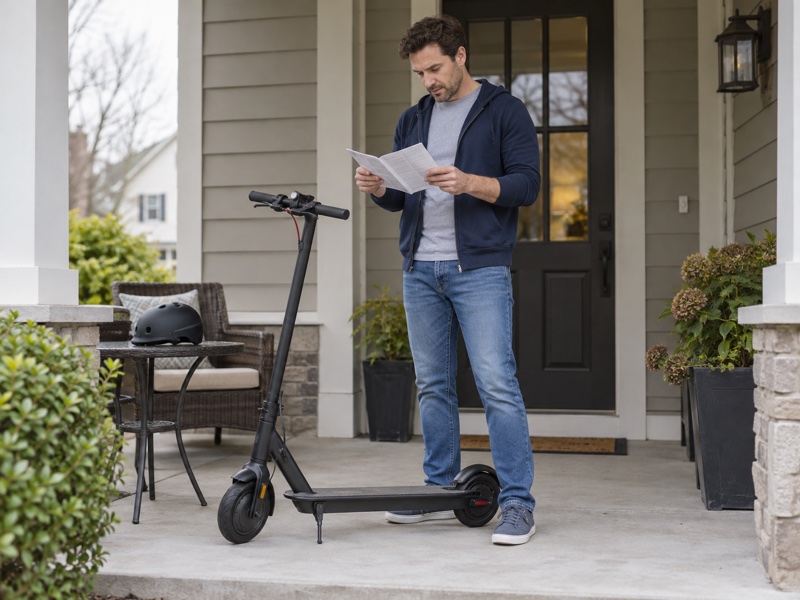
Here’s the specification check: Read the manufacturer's maximum-speed specification before looking at accessories. The statutory definition covers electric propulsion with or without human assistance. A product described as a commuter scooter still needs to meet the category's actual conditions.
Save your exact model’s specification sheet and manual. Listings can combine versions with different hardware.
- Confirm the full model name and revision.
- Check its advertised maximum capability.
- Keep any written explanation of its speed settings.
How do you compare it with other electric vehicles?
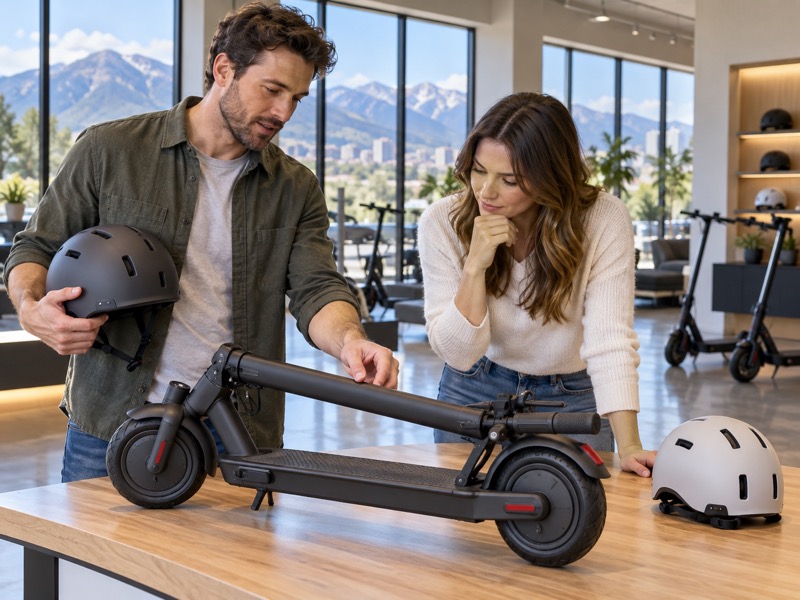
A standing deck is a useful starting point when you identify the product. Pedal-equipped e-bikes, seated mopeds and disability mobility devices have their own definitions; the word “scooter” on a store page does not settle which rules apply.
| Detail to inspect | What you need to establish |
|---|---|
| Handlebars and deck | Match the low-speed scooter description |
| Maximum capability | Below 19 mph |
| Product category | Check the device, not its marketing name |
Key Takeaway: Compare these details with your exact model before ordering; this gives you a clear basis for asking about classification.
2. Do electric scooter laws NJ riders follow accept slow modes?
Selecting a slower mode does not, by itself, establish compliance with electric scooter laws NJ riders follow when a scooter has a faster maximum capability.
Why does maximum capability need checking?
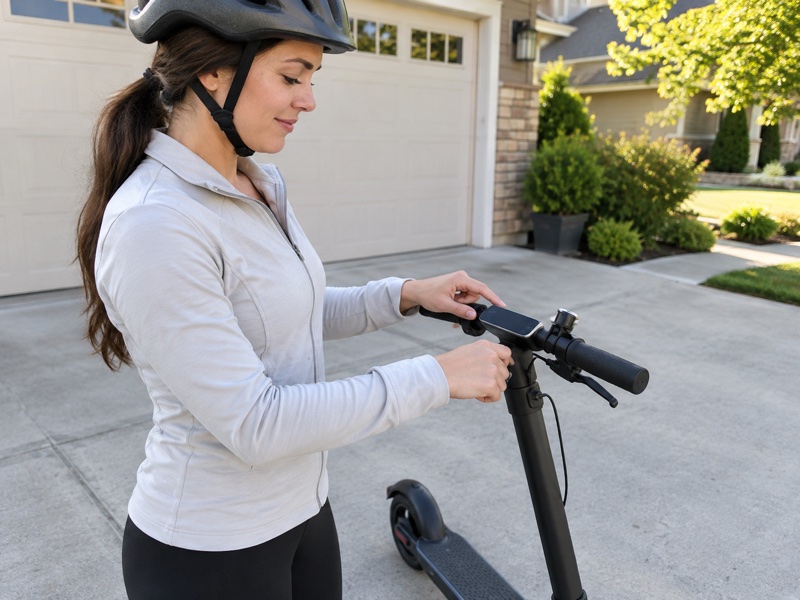
Here’s the speed-setting catch: The definition refers to the maximum speed the motor can propel the device, so keep the scooter's full capability in view when reading a listing. NJDOT's scooter guide describes the same low-speed category, although its table rounds the speed to 19 mph. The enacted wording says less than 19 mph.
For example, a listing might advertise a 25-mph maximum and a 15-mph economy mode. That is a reason to request a classification answer before purchase. The economy-mode number alone does not explain how the scooter fits the statutory definition.
What should a seller confirm in writing?
Ask about the scooter's capability as supplied, any accessible speed-restriction settings, and whether the quoted speed describes a restricted regional version. Keep the response with the invoice. A statement that a scooter is “street legal” should identify the jurisdiction and vehicle category.
- Ask for the maximum speed, not the recommended cruising speed.
- Confirm which version will ship to you.
- Resolve conflicting specifications before paying.
| Listing says | Your next step |
|---|---|
| 15 mph maximum | Check the remaining category conditions |
| 19 mph maximum | Resolve the strict statutory threshold |
| 25 mph with a slow mode | Request classification guidance |
Key Takeaway: Use the full capability figure when comparing listings, so a comfortable cruising setting does not distract from a classification question.
3. Do electric scooter laws NJ riders follow require licensing?
Qualifying low-speed scooters remain exempt from licensing and registration under electric scooter laws NJ riders follow; official municipal police guidance also lists no insurance requirement for this category.
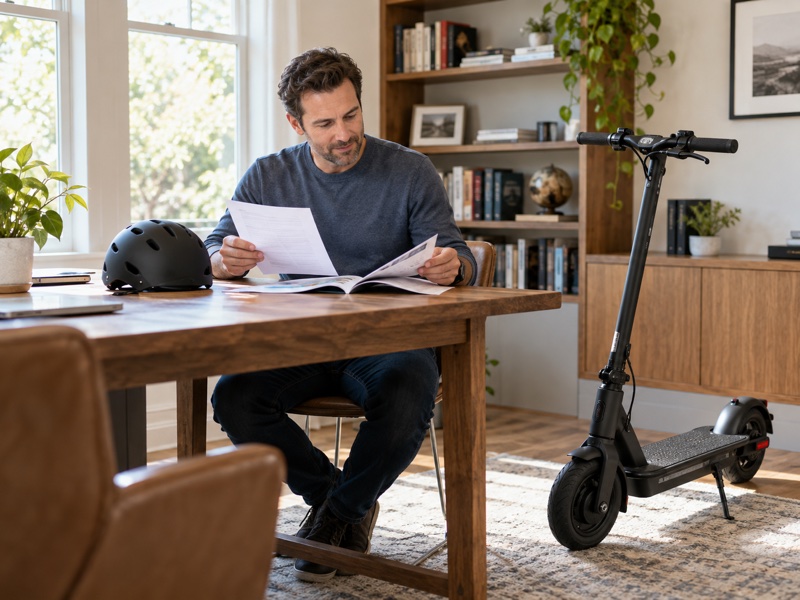
Which requirements belong to your device?
Keep these categories separate: Avalon Police's 2026 guidance separates low-speed scooters from the electric bicycles covered by the new licensing system. Its scooter row lists no license, registration or insurance requirement. Keep that distinction when checking your own device.
These exemptions depend on the low-speed definition. A faster scooter needs its own classification review; buying insurance or having a car license does not establish permission to operate every electric device.
What paperwork is still useful to keep?
Keep purchase records for ownership, service and theft reporting. Store a photograph of the serial number somewhere you can access without the scooter. If you choose insurance, ask the insurer which losses and devices the policy covers before relying on it.
- Save the receipt and model specification.
- Photograph the serial number and identifying features.
- Read any voluntary policy's exclusions.
| Item | Qualifying low-speed scooter |
|---|---|
| Driver's license | Not required |
| Scooter registration | Not required |
| Mandatory insurance | Not listed as required by Avalon Police |
Key Takeaway: Keep category evidence alongside ownership records; you can then distinguish an exemption from optional protection when arranging your commute.
4. What helmet rules do electric scooter laws NJ riders follow set?
Electric scooter laws NJ riders follow require helmets below 17 under applicable bicycle rules, while state guidance lists no youngest-rider cutoff for this scooter category.
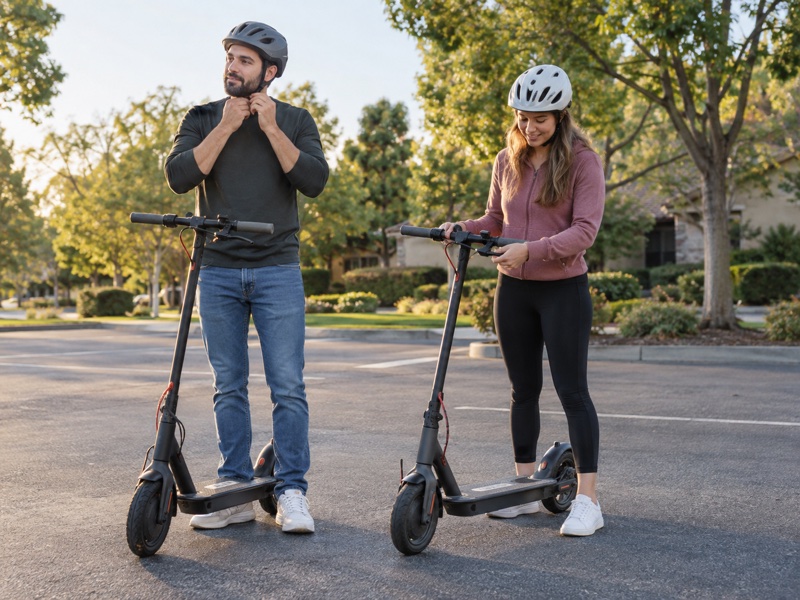
How should an adult household use that information?
Here’s the helmet check before leaving: The NJDOT micromobility guide lists no youngest-rider cutoff and a helmet requirement below 17 for low-speed scooters. That state summary does not answer every local or rental question. A shared-scooter company may restrict borrowing based on how old you are.
For an adult shopping for personal transport, helmet fit belongs in the buying process. Try the helmet with your usual glasses and outerwear, adjust it before leaving, and follow its manufacturer's fitting instructions. Carrying it on the handlebar leaves you without it when you fall.
What should you confirm before borrowing or renting?
Check the agreement rather than assuming a personal-owner rule applies to a rental. If you lend your scooter, explain its throttle response, brakes and folding latch before handing it over.
- Check how old your provider requires riders to be and review its account rules.
- Adjust the helmet before moving.
- Practise starts and stops away from traffic.
| Question | Where to check |
|---|---|
| State rider eligibility guidance | NJDOT category guide |
| Helmet requirement | Applicable bicycle rules |
| Rental eligibility | Provider agreement |
Key Takeaway: Check state guidance and your provider separately, so your equipment and borrowing arrangements fit the trip you are planning.
5. Where do electric scooter laws NJ riders follow allow riding?
Qualifying low-speed scooters can use streets and bicycle paths under electric scooter laws NJ riders follow, subject to applicable restrictions and the authority responsible for the route.
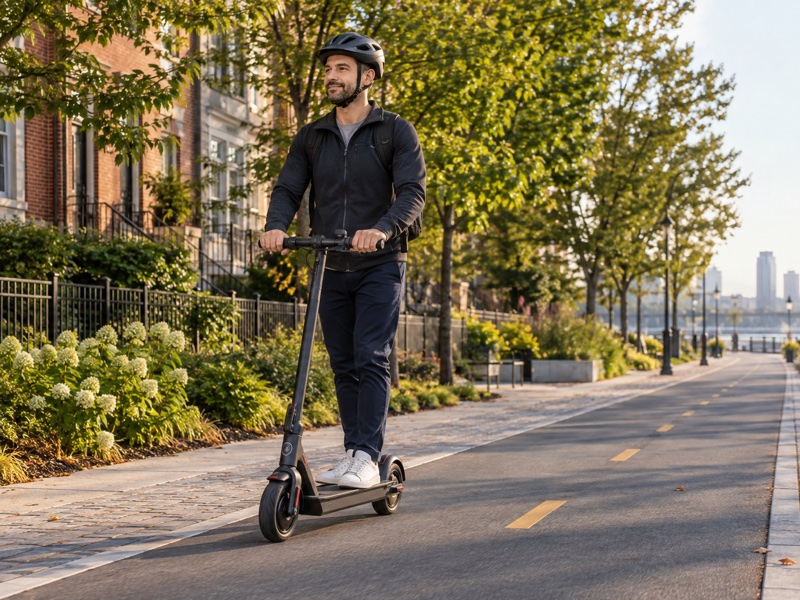
How do the electric scooter laws NJ commuters follow affect routes?
Watch the gaps between permitted routes: The state Highway Traffic Safety chart lists roads and bike paths as scooter operating spaces. Its older e-bike entries should not be used for the new 2026 bicycle requirements. For your scooter trip, inspect each connection between those spaces.
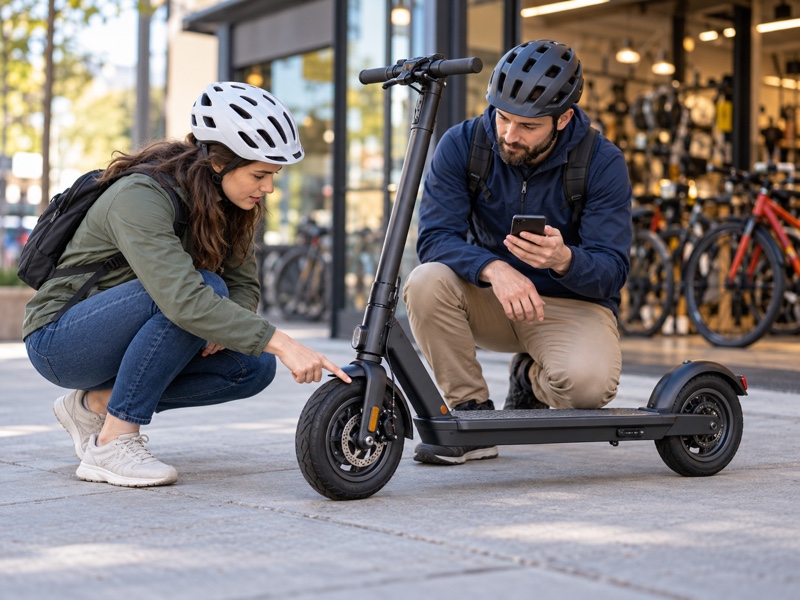
A route can look continuous on a map while changing at a bridge, station approach or park entrance. Read posted restrictions and identify the authority responsible for a section that is unclear. Leave yourself an alternative before your initial morning commute.
What makes a usable route for an adult commuter?
Visit the difficult junctions before relying on a travel-time estimate. A short route with a comfortable crossing may suit you better than a direct road where you feel rushed. If one connection remains unresolved, plan where you can stop and continue on foot.
- Check entrances, junctions and bridge approaches.
- Note rough surfaces and places without room to stop.
- Save a walking alternative for the final connection.
| Route segment | Check before riding |
|---|---|
| Street | Restrictions and traffic conditions |
| Bicycle path | Managing authority and signs |
| Missing connection | A permitted alternative |
Key Takeaway: Review each connection rather than just the longest stretch; this helps you plan a usable alternative before your commute.
6. Do electric scooter laws NJ riders follow allow sidewalks?
Electric scooter laws NJ riders follow leave sidewalk riding subject to a local-rule check, while sidewalk parking must keep pedestrian movement unobstructed.
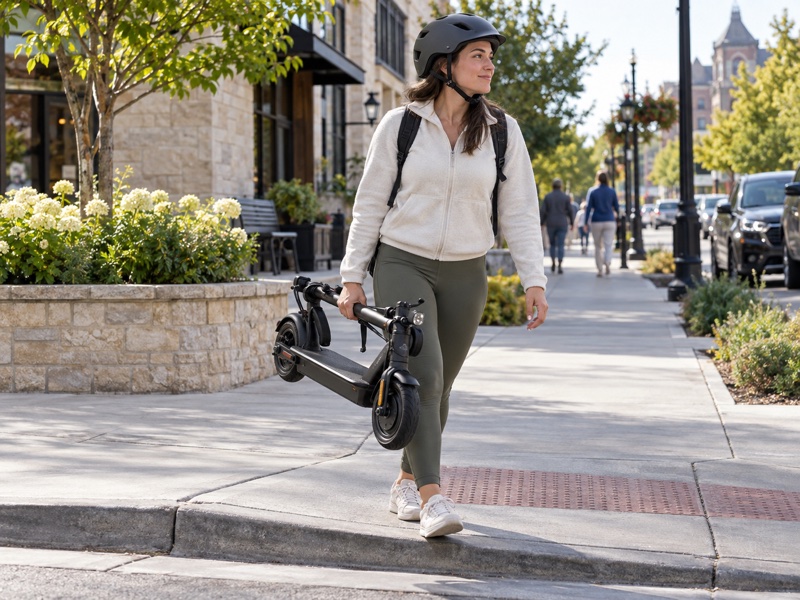
Why should you separate riding from parking?
Here’s where riding and parking differ: The state safety chart says municipalities determine sidewalk riding. The statewide permission to park without obstructing traffic does not settle permission to ride there. Use that distinction when preparing questions for your town.
Check the municipality where you will ride, including the destination if it is across a town boundary. A familiar stretch near home may have a different rule from the shopping street where you finish the trip.
How should you choose a parking location?
Look at the space a wheelchair user, stroller or person carrying bags will need. Keep access to doors, curb ramps, transit stops and crossings clear. Ask the property manager where scooters belong if your destination has no obvious parking area.
- Leave the pedestrian route open.
- Keep the scooter stable and out of doorways.
- Use an approved rack or designated area when available.
| Action | Practical check |
|---|---|
| Riding on a sidewalk | Municipal rule |
| Parking on a sidewalk | Pedestrian access remains clear |
| Leaving it at work | Property manager's arrangement |
Key Takeaway: Separate permission to ride from space to park, so you can plan the destination without blocking someone else’s access.
7. Do electric scooter laws NJ riders follow cover park trails?
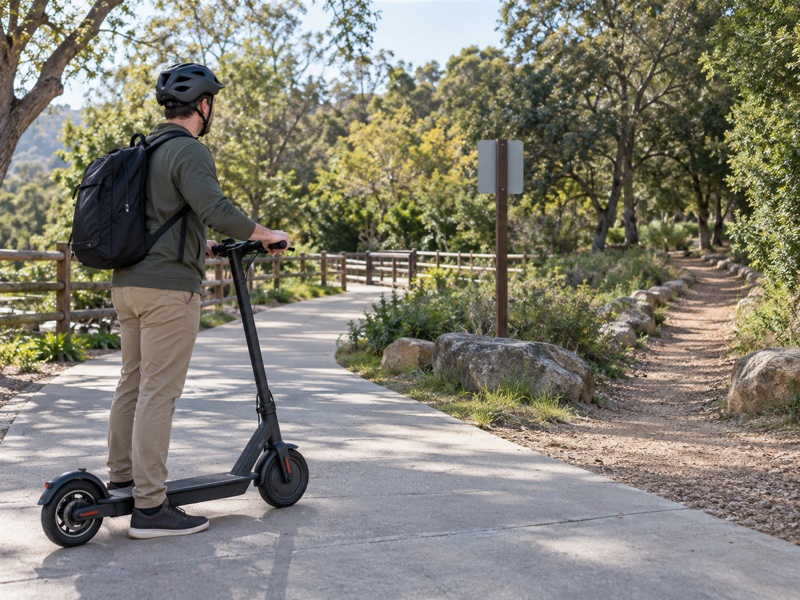
Electric scooter laws NJ riders follow require the responsible authority's permission for a qualifying scooter on a nonmotorized trail with a natural-surface tread.
What should you check before a recreational ride?
Check the named trail before setting off: The enacted trail provision, retained in the 2026 amendment, distinguishes these natural-surface trails from general bicycle-path access. Local entities and state agencies may also prohibit scooters on paths under their control. A bicycle symbol on a route map cannot settle scooter access.
Find the park's current rules and identify the specific trail. Give the manager its name and your device category when asking for clarification. A question about “bikes” may produce an answer for pedal bicycles rather than your electric kick scooter.
How can you avoid an interrupted outing?
Plan the return trip as carefully as the outward trip. A route app may connect paved segments through an unpaved shortcut you did not expect. Preview the surface, distance and exits, then choose a route whose permission you can establish.
- Check the named trail's manager.
- Confirm its surface and posted restrictions.
- Identify an exit before an uncertain segment.
| Surface or facility | Access question |
|---|---|
| Paved bicycle path | Has its authority prohibited scooters? |
| Natural nonmotorized trail | Has its authority permitted scooters? |
| Private recreational property | What does the owner allow? |
Key Takeaway: Confirm permission for the specific surface and trail; this helps you avoid planning a return trip around an unverified shortcut.
8. How do electric scooter laws NJ riders follow differ for e-bikes?
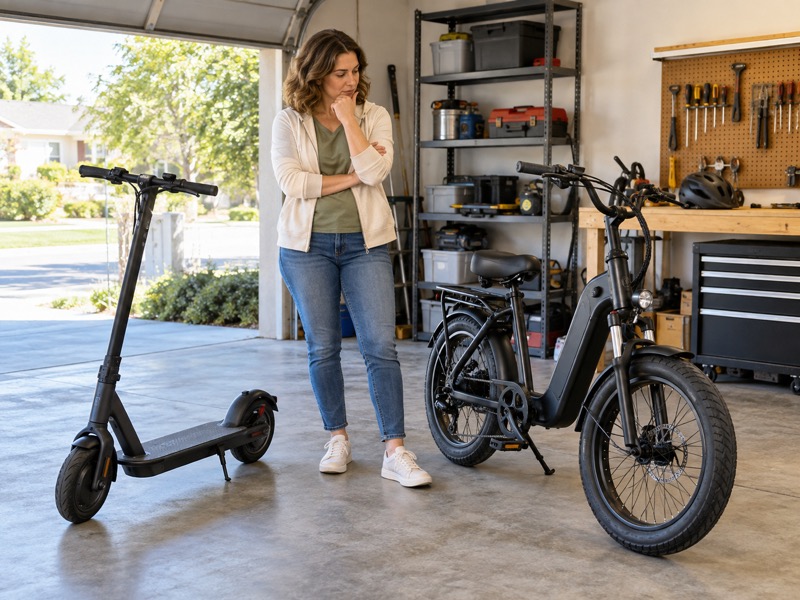
The electric scooter laws NJ riders follow preserve the qualifying low-speed kick-scooter exemption, while 2026 changes introduced licensing and registration requirements for defined e-bikes.
Which official page should e-bike owners read?
Check which device the headline means: The MVC's current e-bike page identifies low-speed electric bicycles and motorized bicycles, sets out licensing and registration, and distinguishes their insurance requirements. It describes requirements effective in July 2026. A household owning both devices should check each category separately.
Check stand-up scooters separately from MVC e-bike requirements. Keep each device’s details available when asking officials for help.
How do you evaluate a headline or social post?
Check the date, vehicle definition and whether the source describes an enacted law or a proposed bill. Read beyond a headline that combines e-bikes and scooters. For a purchase decision, use the current official category wording and resolve any mismatch with the product specification.
- Identify the device named in the rule.
- Check whether the change is enacted and effective.
- Compare it with your exact model.
| You own | Start with |
|---|---|
| Low-speed kick scooter | Scooter definition and exemption |
| Pedal-equipped e-bike | Current MVC e-bike guidance |
| Faster or unusual device | Specific classification guidance |
Key Takeaway: Keep scooter and e-bike checks separate, so a rule for another device does not drive your purchase or route decision.
9. What buying checks suit electric scooter laws NJ riders follow?
Check classification, route access and everyday handling against electric scooter laws NJ riders follow before choosing a scooter for your commute.

Does it work for the whole trip?
Now check the parts you will carry: List every part of your trip, including stairs, storage and the walk from parking to your desk. Compare the features you will use each day. Confirm current operator policies separately if a bus or train forms part of the trip.
Try carrying the folded scooter before making stairs part of your plan. A specification sheet cannot tell you whether its shape catches your coat or whether you can comfortably lift it with a work bag. Practise folding your electric scooter with the manufacturer's instructions before attempting it at a crowded entrance.
What needs arranging at the destination?
Ask your employer or building manager about scooter storage and charging. Check whether the available rack suits the scooter before buying a lock, and follow a secure scooter-locking method appropriate to its frame.
- Confirm a permitted route and fallback.
- Test lifting and storage access.
- Agree on parking before your initial commute.
What should you do before your next commute?
| Purchase check | Evidence to gather |
|---|---|
| Classification | Exact model specification |
| Route | Current restrictions and alternatives |
| Daily handling | Carrying and folding trial |
| Destination | Storage and parking permission |
Key Takeaway: Gather these four checks before ordering; you can then compare a scooter with your actual route, carrying needs and destination.
Summary: Check classification, route access, helmet guidance and storage before buying. Your scooter should fit the whole commute, including stairs and parking. Dynamic Scooter stands for practical choices shaped around everyday riders. To compare portability and daily-use needs with our team, contact us with your specific route details before you order.
FAQ
Electric scooter laws NJ riders follow raise recurring questions about exact specifications, local permissions and borrowing arrangements; the answers below identify what you need to check.
Q1: Can I ride a scooter advertised at exactly 19 mph?
Do not assume it qualifies. The enacted definition uses less than 19 mph. Ask the seller to explain the exact model's capability and seek classification guidance if its specification sits at the boundary.
Q2: Can I lend my scooter to another adult?
It depends on the arrangement. Explain the controls and confirm the intended route; any rental agreement or voluntary insurance policy may also restrict who can use it.
Q3: How do I know whether my town permits sidewalk riding?
Use your municipality’s current rule. Check its code or ask the responsible department. Give the location and describe a low-speed stand-up electric scooter so the answer addresses your device.
Q4: Can I assume a scooter setting proves legal compliance?
No. Keep the manufacturer's maximum-capability information and resolve any difference between the advertised specification and the selected mode before relying on the low-speed category.
Q5: What’s the best starting point before buying?
Start with your route and exact model specification. Note your commute distance, storage space and carrying needs when comparing portability and daily-use features.