
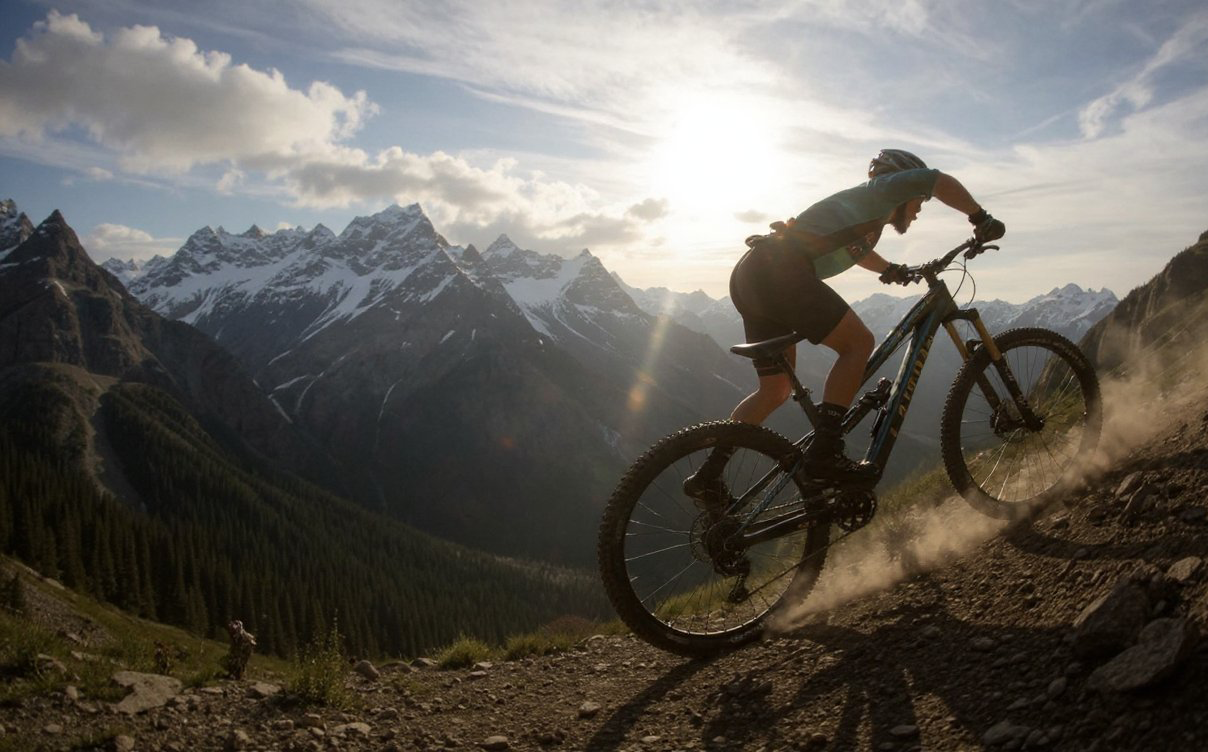
Struggling to keep up on steep trails? You are missing out on epic views because your legs give out. An electric mountain bike gives you the power to conquer any hill and ride farther than ever before.
An electric mountain bike, or e-MTB, is a bicycle with an integrated electric motor that assists your pedaling. This system helps you climb hills and cover long distances with less effort. It combines human power with electric power. The motor gets energy from a rechargeable battery mounted on the frame. You control the power with a simple handlebar-mounted control button. This makes tough trails more accessible to more riders.
Ready to see how it all comes together? Here is the deal…
1. What Makes an Electric Mountain Bike Different from a Regular Bike?
An electric mountain bike shares its DNA with a traditional mountain bike. Both are built for off-road adventure. But the addition of a motor and battery creates a whole new experience. This drive system is the main point of difference. It provides power to help you pedal.
A regular mountain bike is a purely mechanical machine. Your fitness and strength are the only engine. This is a rewarding challenge. But it can also be a limit. Steep climbs can become walking sections. Long rides can leave you exhausted.
An e-MTB lowers these barriers. The motor does not do all the work for you. Instead, it amplifies your effort. Think of it as having superhuman legs. You still pedal. You still get a workout. But you can go faster and farther.
The frame of an electric mountain bike is also distinct. It must be strong enough to handle the extra weight and forces. The motor and battery add around 20 pounds. This requires a more robust frame, usually made of aluminum alloy. The geometry is also tweaked for stability.
This is key because the extra weight changes how the bike handles. It has a lower center of gravity. This makes it feel very planted and stable on descents. You might feel more confident on an e-MTB. The bike sticks to the trail and carves through turns.
Cost is another major difference. The advanced technology in an e-MTB comes at a price. The motor, battery, and controller are expensive parts. This makes the initial investment higher than for a comparable regular mountain bike. However, many riders find the benefits are well worth the cost.
| Feature | Electric Mountain Bike (e-MTB) | Regular Mountain Bike (MTB) |
| Power Source | Pedal-assist motor & human power | Human power only |
| Average Weight | 45–60 lbs (20–27 kg) | 25–35 lbs (11–16 kg) |
| Core Components | Motor, Battery, Drivetrain | Drivetrain, Brakes, Frame |
| Riding Feel | Assisted, powerful, stable | Raw, connected, physically demanding |
| Upfront Cost | Higher | Lower |
2. How Does the Motor and Battery System Work on an E-MTB?
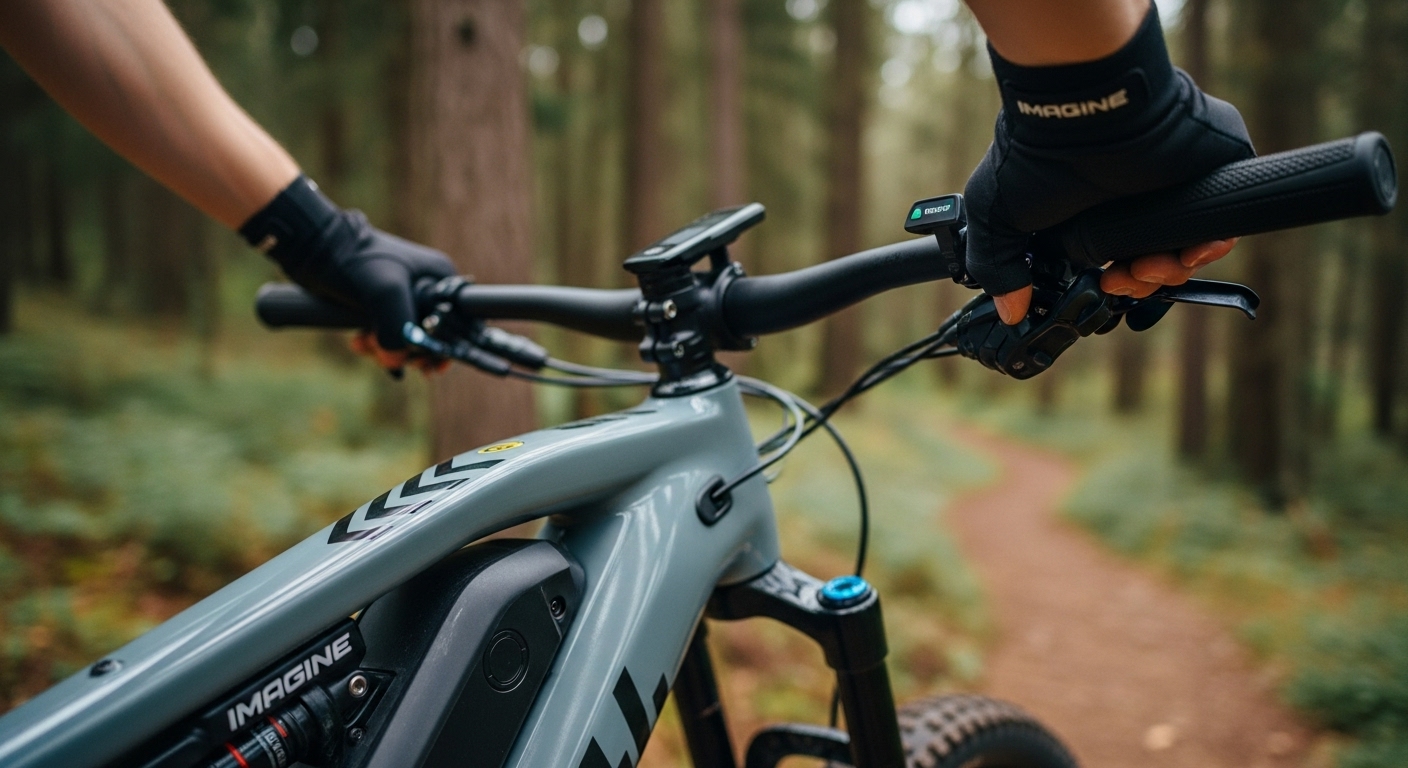
The heart of an electric mountain bike is its drive system. This is what provides the “e” in e-MTB. The system has three main parts: the motor, the battery, and the controller. They work together to deliver smooth, reliable power.
The motor is the engine of the bike. There are two main types. Mid-drive motors are the most common on modern e-MTBs. They are located at the bottom bracket, where the pedals attach. This central location is great for balance. It provides a very natural feel, as the power is applied directly to the cranks.
Hub-drive motors are found in the center of the wheel. They are simpler and often less expensive. But they can feel like they are pushing or pulling the bike. For high-performance trail riding, mid-drive is the preferred choice. It offers better weight distribution and efficiency.
The battery is the bike’s fuel tank. Its capacity is measured in watt-hours (Wh). A higher Wh number means more energy storage and a longer range. A typical battery for an electric mountain bike is between 500Wh and 750Wh. The Dynamic Scooter Q5 features a powerful 624Wh battery.
The bottom line? The battery is often removable. You can open up it from the frame and take it inside to charge. A full charge usually takes 4-6 hours. A sophisticated Battery Management System, or BMS, protects the battery. It prevents overcharging and helps extend its lifespan.
Advanced sensors make the power delivery feel seamless. Torque sensors measure how hard you are pedaling. Cadence sensors measure how fast you are pedaling. Speed sensors track the bike’s speed. The controller uses this data to tell the motor exactly how much power to provide. This results in a smooth and intuitive increase.
| Motor Technology | How It Works | Rider Experience |
| Mid-Drive Motor | Applies power at the crankset | Natural feel, great for climbing |
| Hub-Drive Motor | Turns the wheel hub directly | Can feel like being pushed |
| Sensor System | Measures pedal force and speed | Smooth, intuitive power delivery |
3. What Are the Key Components of an Electric Mountain Bike?
An electric mountain bike is more than just a bike with a motor. Every part is chosen to handle the increased speeds and forces. From the frame to the brakes, these components are built for performance and durability.
The frame is the bike’s foundation. Most are made from high-strength aluminum alloys. This material offers a great mix of durability, stiffness, and value. The frame is specifically designed to build in the motor and battery. This often means a larger, reinforced downtube.
Suspension is what separates a mountain bike from other bikes. It absorbs impacts from rocks and roots. Most trail-focused e-MTBs use a full-suspension design. This includes a suspension fork at the front and a shock absorber at the rear. This keeps your wheels on the ground for better traction and control.
Here’s why it matters… on a heavier electric mountain bike, good suspension is key. It is not just for comfort. It helps you manage the bike’s mass. It lets you stay on your intended line through rough terrain. Air-sprung suspension is common because it is highly adjustable to the rider’s weight and style.
The braking system must be powerful. E-MTBs are heavier and faster than regular bikes. They need strong brakes to slow them down safely. Hydraulic disc brakes are the standard for this reason. They provide incredible stopping power and fine control. Look for brakes with large rotors (180mm or 200mm) for the best performance.
| part | Material/Type | Function on an E-MTB |
| Frame | Aluminum Alloy | Provides a strong, stiff chassis for all parts |
| Suspension | Air-Sprung Full Suspension | Offers control and comfort on rough trails |
| Brakes | 4-Piston Hydraulic Disc | Delivers safe, reliable stopping power |
| Tires | 2.4″+ Wide, Reinforced Casing | Maximizes grip and prevents punctures |
The drivetrain also has to be tough. The chain, cassette, and derailleur handle power from both you and the motor. This is a lot of stress. Brands like Shimano and SRAM offer e-bike-specific components. These parts are designed to withstand the extra torque and provide reliable shifting.
4. What Riding Modes and Assistance Levels Can You Expect?
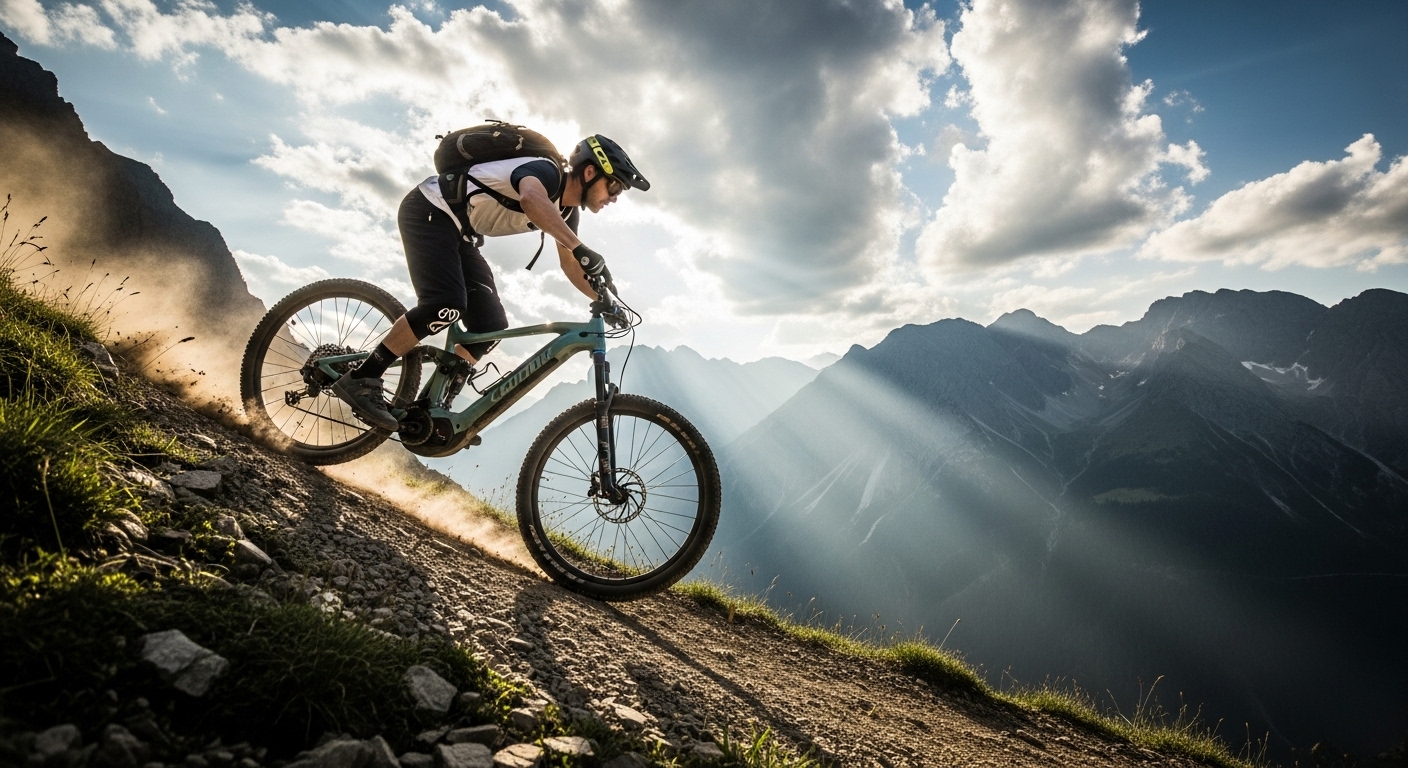
An electric mountain bike puts you in control of the power. You can choose how much help you get from the motor. This is done through different riding modes and assistance levels. This flexibility is one of the greatest benefits of an e-MTB.
The primary mode is Pedal-Assist (PAS). In this mode, the motor adds power as you pedal. It feels like you always have a strong tailwind. You can choose from several levels of assistance. These are usually controlled by a simple button on your handlebar.
A typical system might have these levels:
•Eco: The lowest setting. It gives a small increase and conserves the most battery. It is great for long, flat sections.
•Trail/Tour: A medium setting. It offers a good balance of power and range. It is perfect for rolling terrain.
•increase/Turbo: The highest setting. It delivers maximum power for the steepest climbs. It is thrilling but uses the battery much faster.
The best part? You can change levels as you ride. You can switch to increase for a tough climb, then back to Eco on the flat. This lets you manage your effort and your battery life. Some advanced systems even have an automatic mode. It adjusts the assistance level for you based on the terrain.
Some e-MTBs also have a throttle. This lets you use the motor without pedaling. However, many trail systems classify these as motorized vehicles. Most modern e-MTBs focus on the pedal-assist experience. This keeps the feeling of riding a bicycle.
Another useful mode is Walk Assist. An electric mountain bike can be heavy to push. Walk Assist provides a small amount of power to help you push the bike up hills you cannot ride. You hold a button, and the bike moves at a slow walking speed.
| Mode | Use Case | Power Output | Battery Consumption |
| Eco | Long distance, flat terrain | Low | Very Low |
| Trail | Rolling hills, general use | Medium | Medium |
| increase | Steep climbs, maximum speed | High | High |
| Walk Assist | Pushing the bike up a hill | Very Low | Very Low |
5. What Terrain and Riding Conditions Are Best for E-MTBs?
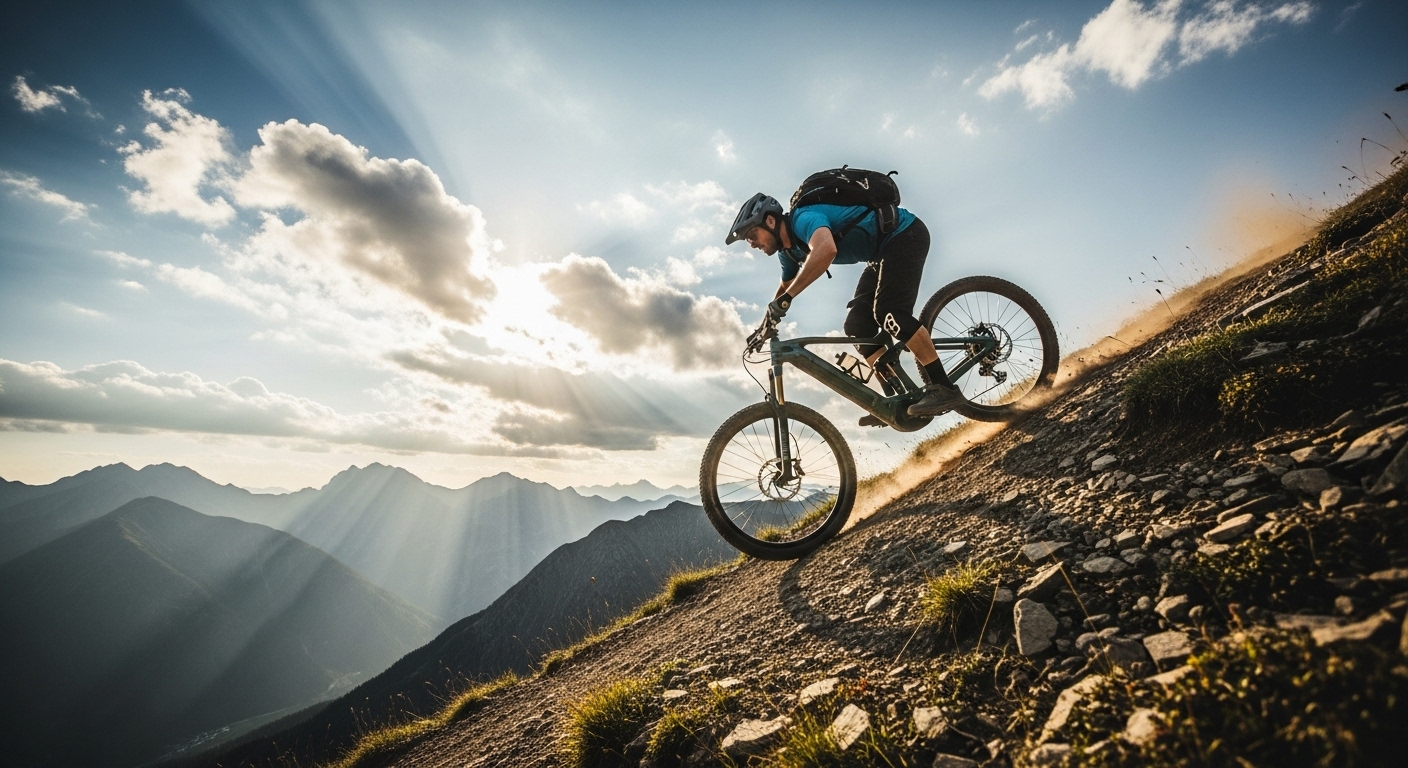
Electric mountain bikes are designed to conquer the mountains. The motor’s assistance makes climbing a joy. Long, grueling fire roads become fun warm-ups. Technical singletrack climbs that once seemed impossible are now within reach. This completely changes the dynamic of a ride.
You will find you have more energy for the fun parts: the descents. Instead of being worn out by the climb, you are fresh and ready to flow down the trail. This means you can ride more laps or discover trails farther from the trailhead.
The added weight of an electric mountain bike also has benefits. It makes the bike feel incredibly stable at speed. The low center of gravity helps it hug the ground in corners. This can give you more confidence on fast, flowing downhills.
Now, you might be wondering… are they only for expert riders on extreme trails? Absolutely not. The beauty of an electric mountain bike is its versatility. It is a tool that can be used by anyone, on almost any terrain.
They are perfect for riders who:
•Want to discover more in a limited time.
•Need to keep up with faster friends or family.
•Are recovering from an injury.
•Want to use their bike for commuting and trail riding.
E-MTBs are also great for mixed-condition riding. The powerful motor and grippy tires work well on pavement, gravel, and dirt. This makes them a true “one bike” solution for many people. You can ride it to the trails, have an adventure, and ride it home.
| Riding Condition | E-MTB Advantage | Recommended Feature |
| Long Climbs | Reduces fatigue, makes climbing fun | Powerful mid-drive motor |
| Fast Descents | Stable and planted due to weight | Long-travel full suspension |
| Mixed Terrain | Versatile for pavement and dirt | All-terrain tires, multiple modes |
| Commuting | Arrive at work fast and sweat-free | Fender and rack mounts |
6. How Do You keep and Care for an Electric Mountain Bike?
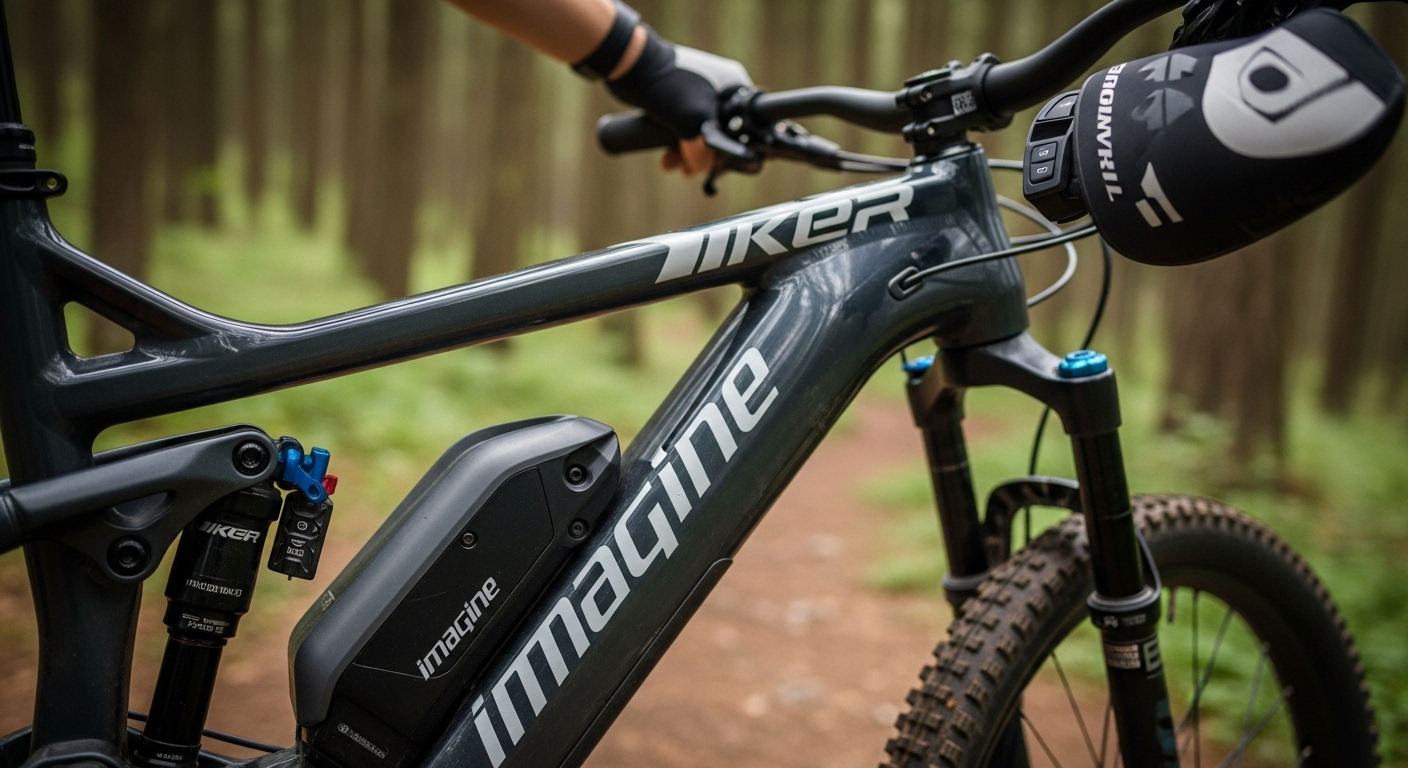
Taking care of your electric mountain bike is key to its longevity and performance. While the electrical parts add a new dimension, most of the maintenance is straightforward. Consistent care will keep your bike running like new.
The battery is one of the most expensive parts, so it deserves special attention. For the best lifespan, avoid extreme temperatures. Store and charge the battery indoors at room temperature. If you are not riding for a while, store the battery with a partial charge, around 40% to 60%.
The drivetrain on an electric mountain bike is under high stress. The motor’s torque adds to your own power. This means the chain and cassette can wear out faster if not cared for. Keep your chain clean and lubricated. A clean drivetrain shifts better and lasts longer.
Let me explain… a simple pre-ride check is the best way to prevent problems. Before every ride, take a few minutes to inspect your bike. Check the tire pressure. Make sure your wheels are lock. Squeeze the brake levers to feel for proper function. This quick check can save you from a long walk home.
Cleaning your bike is also part of maintenance. Use a low-pressure hose or a bucket and brush. Avoid spraying water directly into the motor, battery connections, or bearings. A clean bike is not only nice to look at; it is also easier to inspect for any wear or damage.
| Task | Frequency | Main Benefit |
| Check Tire Pressure | Before each ride | best grip and flat prevention |
| Clean and Lube Chain | Every 1-2 rides | Smooth shifting, longer part life |
| Inspect Brake Pads | Monthly | Ensures safe stopping power |
| Check Major Bolts | Monthly | Prevents parts from loosening |
| Full Service | Annually | Professional check of all systems |
Finally, remember the software. Many e-bike systems can be updated. These updates can fix bugs or even improve performance. Your local bike shop can usually perform these updates for you during a service.
7. What Should You Look for When Buying an Electric Mountain Bike?
Choosing your first electric mountain bike is an exciting method. The market has exploded with options. To find the right bike, you need to match the bike’s features to your needs and budget. Focusing on the core components is a great place to start.
The motor and battery are the heart of the bike. For trail riding, a mid-drive motor is highly recommended. Look for torque figures of at least 70 Newton-meters (Nm) for good climbing power. For the battery, a capacity of 500 watt-hours (Wh) is a good minimum. More demanding riders should look for 600Wh or more.
Suspension is another key area. For anything other than smooth paths, full suspension is the way to go. Pay attention to the amount of suspension travel, measured in millimeters. A travel of 130-150mm is great for all-around trail riding. More aggressive riders may want 160mm or more.
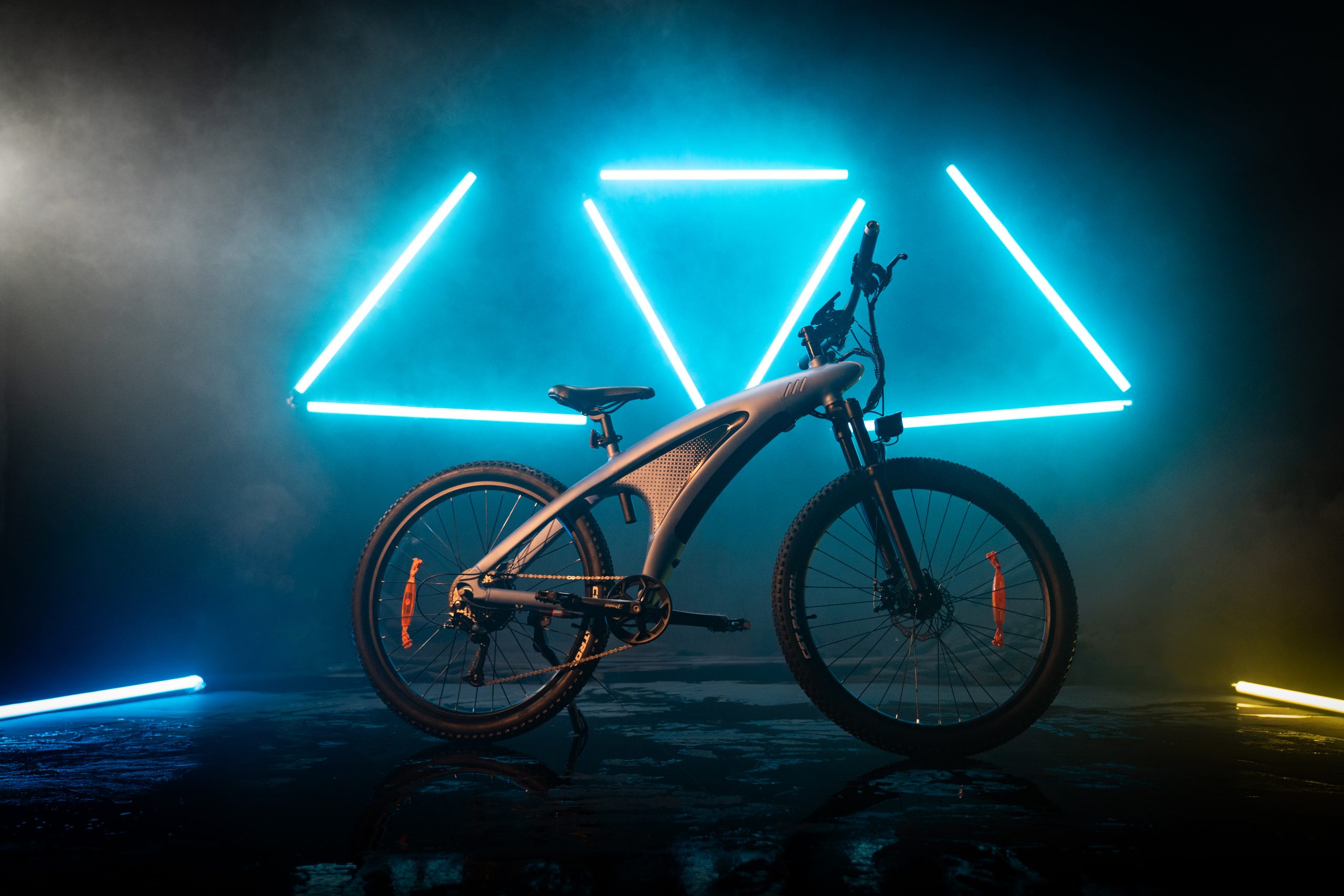
What does this mean for you? It means thinking honestly about where you will ride. Buying a long-travel enduro e-bike for gentle paths is overkill. A mid-travel trail bike is more versatile and often more fun for general riding. The Dynamic Scooter Q5, with its full suspension, is a capable all-rounder.
Do not compromise on brakes. The extra weight and speed of an e-MTB demand powerful brakes. Look for four-piston hydraulic disc brakes. These offer more power and better heat management than two-piston models. Reputable brands include Shimano and SRAM.
| part | Good Spec | Better Spec |
| Motor | 70Nm Torque Mid-Drive | 85Nm+ Torque Mid-Drive |
| Battery | 500Wh Capacity | 625Wh+ Capacity |
| Suspension | 140mm Full Suspension | 160mm+ Full Suspension |
| Brakes | 4-Piston Hydraulic | 4-Piston with 200mm Rotors |
Warranty and dealer support are also very key. A good warranty provides peace of mind. Look for at least a two-year warranty on the motor and battery. A strong local dealer can be a great resource for service and advice.
Conclusion
So, an electric mountain bike is a powerful tool for any rider. It blends your own effort with electric assistance. This opens up new trails and longer adventures. You get to climb higher and ride farther. Key parts like the motor, battery, and strong frame work together. They give you a ride that is both thrilling and controlled. Understanding these components helps you pick the right e-MTB. It also helps you keep it in top shape for years of fun. You get a great workout and discover more of the outdoors.
Ready to feel the power for yourself? The Dynamic Scooter Electric Mountain Bike Q5 offers the perfect blend of performance and value. Contact us today to schedule a test ride and transform your trail experience.
FAQ
Q1: How fast can an electric mountain bike go?
Most e-MTBs can reach speeds of 20–28 mph (32–45 km/h) depending on motor power and local regulations. High-performance models like the Dynamic Scooter Q5 can hit up to 30 mph with a 650W motor.
Q2: How far can you ride on a single charge?
Range depends on battery capacity, terrain, rider weight, and assist level. Typically, you can expect 25–50 miles (40–80 km) in pedal-assist mode and 20–30 miles (32–48 km) in pure electric mode.
Q3: Are electric mountain bikes waterproof?
Most e-MTBs have IPX4 or higher waterproof ratings, meaning they can handle light rain and splashes. However, avoid submerging the battery or motor in water.
Q4: Do you need a license to ride an electric mountain bike?
In most regions, e-MTBs under 750W and 28 mph do not require a license. However, local laws vary, so check your area’s regulations before riding.
Q5: How long does it take to charge an e-MTB battery?
Charging time ranges from 4 to 6 hours for a full charge.