

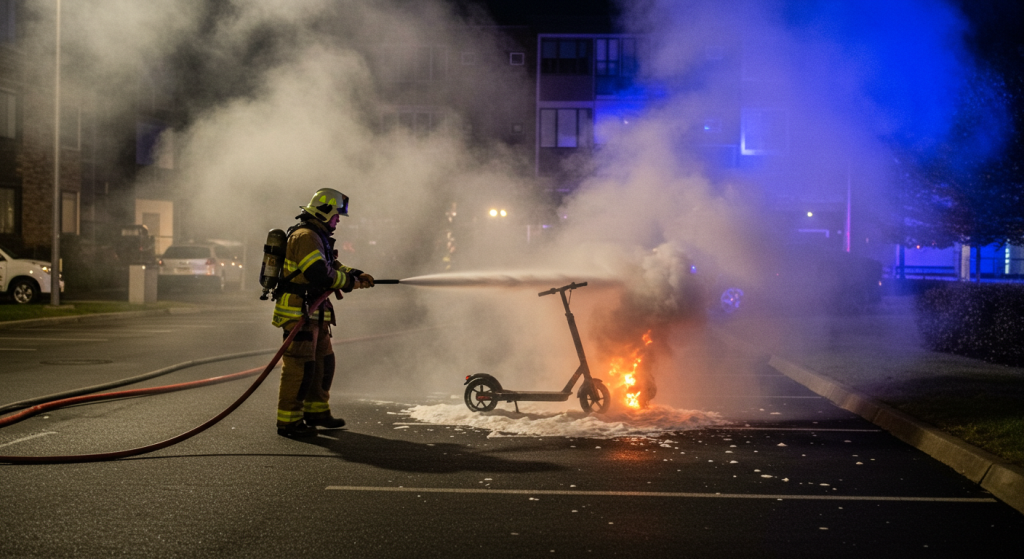
Why Electric Scooter Catches Fire? Causes and Prevention Tips
Electric scooter fires can destroy property and cause serious injuries or death. Many riders ignore fire risks until it’s too late. Understanding why scooters catch fire helps you prevent dangerous situations and protect yourself and others. Electric scooters catch fire mainly due to battery problems, charging issues, manufacturing defects, and environmental damage. Lithium-ion batteries can overheat and enter thermal runaway, creating intense fires that spread quickly. Poor quality control in cheap scooters increases risks significantly. Using wrong chargers, overcharging, water damage, and physical impacts also cause fires. Prevention requires buying quality scooters, following proper charging practices, regular maintenance, and avoiding extreme conditions. Quality brands with safety certifications have much lower fire risks than budget alternatives. This guide covers the main fire causes, prevention methods, and emergency procedures to keep you safe. 1. What Are the Main Causes of Electric Scooter Fires? Electric scooter fires result from several interconnected factors that create dangerous conditions. Understanding these root causes helps you identify and avoid high-risk situations. Here’s the deal… most fires are preventable with proper knowledge and precautions. Battery overheating represents the most common cause of scooter fires. Lithium-ion batteries generate heat during charging and use. When temperatures exceed safe limits, thermal runaway occurs. This creates a chain reaction where heat generates more heat until the battery ignites. Faulty charging systems create fire hazards through electrical malfunctions and overcharging. Cheap chargers lack proper voltage regulation and safety shutoffs. Damaged charging ports allow moisture and debris to cause short circuits. Overcharging forces too much energy into batteries, causing dangerous overheating. Manufacturing defects in electrical components increase fire risks significantly. Poor quality control allows defective batteries, wiring, and circuits to reach consumers. Substandard materials break down quickly under normal use. Cost-cutting measures eliminate important safety features and protections. Physical damage to battery cells and wiring creates immediate fire hazards. Crashes, drops, and impacts can puncture battery cells or damage protective circuits. Exposed wires can short circuit and generate sparks. Even minor damage can worsen over time and eventually cause fires. Fire Cause Category Risk Level Prevention Difficulty Common Triggers Battery Overheating High Medium Overcharging, age, damage Charging Problems High Low Wrong chargers, damaged ports Manufacturing Defects Very High High Poor quality control Physical Damage Medium Low Crashes, drops, impacts 2. How Do Battery Problems Lead to Scooter Fires? Battery-related fires are the most dangerous type of electric scooter fire due to their intensity and rapid spread. Lithium-ion batteries contain flammable electrolytes that burn extremely hot when ignited. This is important because… understanding battery fire mechanisms helps you recognize warning signs and take preventive action. Lithium-ion battery chemistry creates inherent fire risks when safety systems fail. These batteries store large amounts of energy in compact spaces. Chemical reactions generate heat and gases that can ignite under certain conditions. Once started, battery fires are difficult to extinguish and can reignite hours later. Cell damage from impacts and overuse compromises battery safety systems. Physical damage can puncture cell walls and expose reactive materials to air. Overuse degrades internal components and reduces safety margins. Even small amounts of damage can lead to catastrophic failure over time. Poor quality control in cheap batteries eliminates critical safety features. Budget manufacturers skip expensive safety testing and use substandard materials. Protective circuits may be inadequate or missing entirely. Quality control processes fail to catch defective cells before they reach consumers. Age-related battery degradation increases fire risks as scooters get older. Battery capacity decreases over time, but internal resistance increases. This generates more heat during charging and use. Older batteries are more likely to develop internal shorts and other dangerous conditions. Battery Problem Fire Risk Warning Signs Prevention Methods Thermal Runaway Extreme Excessive heat, swelling Quality batteries, proper charging Physical Damage High Dents, punctures, leaks Careful handling, protective cases Manufacturing Defects Very High Early failures, overheating Buy certified brands only Age Degradation Medium Reduced range, slow charging Replace old batteries promptly 3. What Charging Mistakes Cause Fire Hazards? Charging-related fires are among the most preventable types of scooter fires. Most charging fires result from user mistakes or equipment failures that proper practices can avoid. Now, you might be wondering… what specific charging behaviors create the highest risks? The answer involves several common but dangerous practices. Using incompatible or counterfeit chargers creates serious fire hazards. Wrong voltage or amperage can overcharge batteries and cause overheating. Counterfeit chargers lack proper safety features and quality control. Even chargers that appear to work correctly may have hidden defects that cause fires later. Overcharging and leaving scooters plugged in overnight stresses battery systems beyond safe limits. Continuous charging after batteries reach full capacity generates excess heat. Cheap charging systems may lack automatic shutoffs that prevent overcharging. Extended charging times increase the chances of electrical failures and fires. Charging in extreme temperatures affects battery chemistry and safety systems. High temperatures during charging can trigger thermal runaway. Cold temperatures can cause batteries to accept charge improperly. Both conditions stress battery systems and increase fire risks significantly. Damaged charging ports and loose connections create electrical hazards that can spark fires. Moisture, debris, and corrosion in charging ports cause short circuits. Loose connections generate heat and sparks that can ignite nearby materials. Physical damage to charging cables exposes live wires and creates shock and fire risks. Charging Mistake Fire Risk Level Common Scenarios Safe Alternatives Wrong Charger Very High Using phone or laptop chargers Original equipment only Overcharging High Overnight charging, forgetting Timed charging, monitoring Extreme Temperatures Medium Garage, car charging Room temperature charging Damaged Equipment High Worn cables, dirty ports Regular inspection, replacement 4. How Do Manufacturing Defects Create Fire Risks? Manufacturing defects represent the most dangerous cause of scooter fires because users cannot easily detect or prevent them. These defects often remain hidden until catastrophic failure occurs. Want to know the secret? choosing reputable manufacturers with proper certifications is your best protection against defective products. Poor quality control in budget scooters allows dangerous defects to reach consumers. Manufacturers may skip expensive safety testing to reduce costs. Inspection processes may […]
Why Electric Scooter Catches Fire? Causes and Prevention Tips Read More »