
...

Speed

Electric Scooter Speed: How Fast Can You Really Go?

Frustrated by misleading electric scooter speed claims? Manufacturers advertise 25 km/h, but real speeds disappoint, causing missed appointments and wasted time. Discover the truth about scooter speeds in this guide, revealing all factors affecting performance and how to choose a scooter that delivers on promises. Electric scooter speeds vary significantly based on motor power, battery voltage, rider weight, and terrain conditions. Entry-level models typically reach 10-15 mph (16-24 km/h), mid-range scooters achieve 15-25 mph (24-40 km/h), while high-performance models can exceed 40 mph (64 km/h). Understanding these factors helps set realistic expectations and ensures you select a scooter that meets your specific speed requirements. Want to know what really determines how fast your electric scooter can go? Let’s dive into the key factors that make all the difference in your riding experience. 1. What Determines the Speed of an Electric Scooter? Motor power stands as perhaps the most significant factor affecting your scooter’s speed capabilities. Measured in watts, motor power typically ranges from 250W in basic models to over 5000W in premium performance scooters. Higher wattage generally translates to faster acceleration and higher top speeds. Battery voltage plays an equally crucial role. Here’s something many riders overlook – voltage directly correlates with speed capability, while amp-hours (Ah) relates more to range. Rider weight significantly impacts actual speed achievement. A 180-pound rider might experience notably faster acceleration and higher top speeds than a 220-pound rider on the same scooter model. Factor Impact on Speed Example Motor Power Higher wattage = faster speeds 250W ≈ 15 mph, 500W ≈ 20 mph Battery Voltage Higher voltage = faster speeds 24V < 36V < 48V < 60V Rider Weight Heavier riders = reduced speed 180 lbs vs. 220 lbs = ~15% speed difference Terrain Hills and rough surfaces = slower speeds 15 mph on flat vs. 10 mph on inclines Controller Settings Eco mode = reduced speed Sport mode vs. Eco mode = ~30% difference 2. What Are the Average Speeds of Different Electric Scooter Types? When shopping for an electric scooter, understanding the speed capabilities across different categories helps set realistic expectations. Let me break this down for you – electric scooters generally fall into distinct categories based on their performance characteristics. Entry-level electric scooters typically reach speeds between 10-15 mph (16-24 km/h), making them perfect for casual riders, beginners, or shorter commutes. These models usually feature motors in the 250-350W range and smaller batteries. Mid-range electric scooters, including the Dynamic Scooter Model B, offer speeds between 15-25 mph (24-40 km/h), striking an excellent balance between performance and practicality. You might wonder why this range is so popular – it provides enough speed to keep up with urban traffic while remaining manageable for most riders. High-performance electric scooters push the boundaries with speeds ranging from 25-40+ mph (40-65+ km/h), catering to thrill-seekers and long-distance commuters. Scooter Category Speed Range Typical Motor Power Best Use Case Entry-Level 10-15 mph (16-24 km/h) 250-350W Short commutes, beginners Mid-Range 15-25 mph (24-40 km/h) 350-600W Daily commuting, versatile use High-Performance 25-40+ mph (40-65+ km/h) 1000W+ Long commutes, enthusiasts Commercial/Sharing 15-20 mph (24-32 km/h) 350-500W Urban sharing programs 3. How Do Motor Types Affect Electric Scooter Speed? The heart of any electric scooter lies in its motor, and the type of motor dramatically influences speed capabilities. You might not realize this, but motor configuration choices impact everything from acceleration to hill-climbing ability. Hub motors represent the most common design in modern electric scooters, with the motor integrated directly into the wheel hub. This elegant solution eliminates the need for chains, belts, or gears, reducing maintenance requirements. The Dynamic Scooter Model B utilizes an optimized hub motor design. Chain or belt-driven motors, though less common, offer distinct advantages for speed enthusiasts. These systems mount the motor separately from the wheel, transferring power through a chain or belt connection. Single versus dual motor configurations represent another critical choice affecting speed potential. Here’s something worth noting – dual motor setups don’t just double your speed; they transform the entire riding experience. Motor Characteristic Speed Impact Acceleration Impact Typical Applications Hub Motor (Direct Drive) Higher top speeds Moderate acceleration Mid to high-end commuter scooters Hub Motor (Geared) Moderate top speeds Excellent acceleration Portable commuter scooters Chain/Belt Drive Highest potential speeds Very strong acceleration Performance/off-road scooters Single Motor Moderate speeds Standard acceleration Entry to mid-range models Dual Motors Similar top speed, better maintained on hills Much stronger acceleration Performance models 4. What Role Does Battery Technology Play in Scooter Speed? Battery technology serves as the unsung hero in electric scooter performance. Many riders don’t appreciate that battery specifications affect speed just as much as motor ratings. Lithium-ion batteries dominate the modern electric scooter market, having largely replaced older lead-acid technology due to their superior energy density, lighter weight, and longer lifespan. The Dynamic Scooter Model B features a detachable lithium-ion battery, combining performance with convenience for urban commuters. Battery voltage represents perhaps the most direct battery-related factor affecting speed potential. Here’s what makes this fascinating – voltage essentially sets the ceiling for how fast your motor can spin, regardless of its power rating. Battery capacity, measured in amp-hours (Ah), primarily affects range rather than top speed, but indirectly influences sustained speed performance. Battery Aspect Impact on Speed Example Comparison Considerations Battery Chemistry Lithium-ion maintains speed longer Li-ion maintains top speed for ~80% of discharge vs. ~50% for lead-acid Weight, cost, lifespan Voltage Higher voltage = higher top speed 36V vs. 48V: ~20% speed increase Controller compatibility, safety Capacity (Ah) Larger capacity = more consistent speed 10Ah vs. 5Ah: Similar top speed but better sustained performance Weight, charging time, cost Battery Age Newer batteries = better speed maintenance New vs. 500 cycles: Up to 15% difference Replacement cost 5. How Do Weight and Load Capacity Affect Maximum Speed? The relationship between weight, load capacity, and electric scooter performance represents one of the most significant yet frequently underestimated factors affecting real-world speed. What many buyers fail to consider is that manufacturer speed ratings typically reflect

Electric Scooter Speed: How Fast Can You Really Go? Read More »

How Old to Ride an Electric Scooter? Age Limits & Rules in 2026

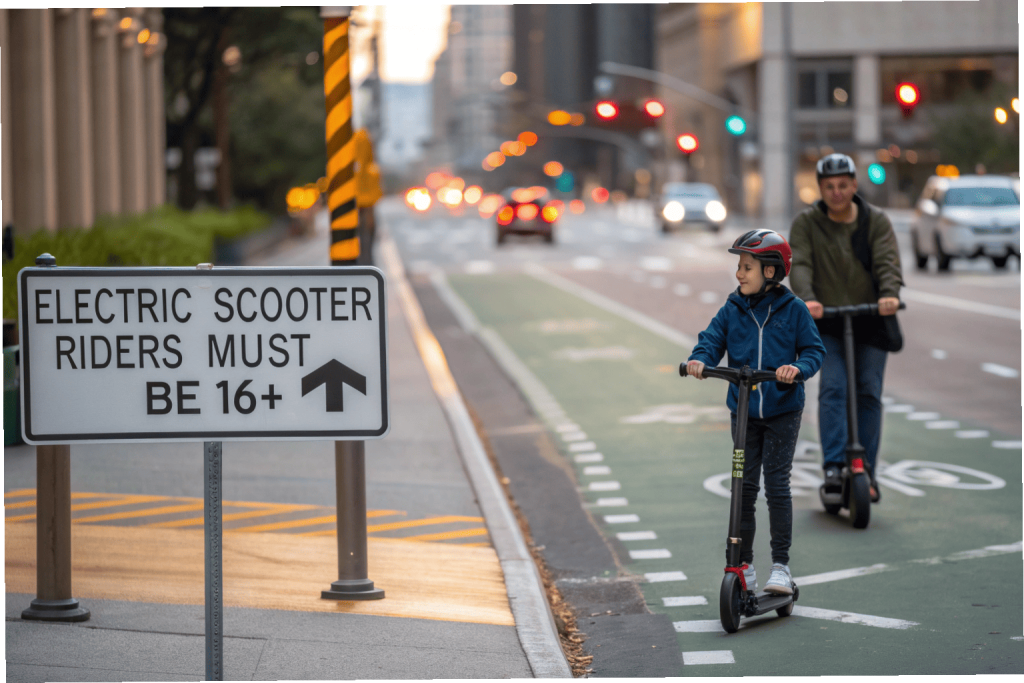
Electric scooters are now very popular. They help people move around cities easily. But many people ask: how old do you have to be to ride an electric scooter? Electric scooter age requirements in North America are generally consistent: most U.S. states and Canadian provinces require riders to be 16+ years old. Some regions mandate helmet use for minors, and riding areas are typically limited to bike lanes and streets. Always check local regulations as they may vary by city. This is about safety and following the law. This article will tell you about age limits in different places, safety issues, and tips for riders of all ages. 1. How Old Do You Need to Be to Ride an Electric Scooter? The age to ride an electric scooter is not the same everywhere. Why is it different? It depends on local traffic laws, city size, bike lanes, and how people think about small vehicles. In Canada, each province or city makes its own rules. In Ontario, you must be 16 or older to ride on public roads. You must wear a helmet if you are under 18. British Columbia also says riders must be 16. In the United States, there is no national law about rider age. In California, you must be 16 and have a driver’s license or permit. In Florida, you can ride at age 16, often without a driver’s license. These age limits are about safety. Officials think about if young people can handle the scooter’s speed and weight, understand traffic, react quickly, and make good choices. Age Limits for E-Scooter Riding: International Comparison Country/Region Typical Minimum Age Key Considerations Canada (Varies) 16-18+ Provincial/Municipal Bylaws, Pilot Programs, Helmets USA (Varies) 16-18+ State/City Laws, Driver’s License Requirements Vary UK 18+ (Rentals Only) Illegal on public roads (private use), Trials ongoing Germany 14+ Specific speed/power limits, Bike lane usage France 12+ Speed limits, Helmet recommended (mandatory <12) List of E-Scooter Regulations in Major U.S. Regions Region Minimum Riding Age Helmet Requirements Other Key Regulations West (California) 16+ Required under 18 No sidewalk riding, max speed 25mph West (Washington) 16+ Recommended for all Allowed on bike lanes and low-speed roads Midwest (Illinois) 16+ Recommended but not mandatory Chicago allows bike lane riding, no sidewalks Midwest (Michigan) 12+ Recommended but not mandatory Max speed 25mph, some sidewalk riding allowed Northeast (New York) 16+ Required under 18 NYC bans e-scooters in Manhattan Southeast (Florida) 16+ Required under 16 Allowed on bike lanes and some roads South (Texas) 16+ Recommended but not mandatory Rules vary by city, Austin and Dallas more lenient Please note that these regulations may change, and city-level rules may differ from state regulations. Before riding, it’s best to check the latest local rules. This is especially important when traveling or using e-scooters across different states. For Dynamic Scooter users, we recommend paying attention to the age restrictions and safety requirements in your area when purchasing and using our products to ensure a legal and safe riding experience. 2. Why Are There Age Restrictions for Electric Scooters? Age limits for electric scooters exist for real safety reasons. So, what are these main reasons? First is body control and reaction time. Riding an electric scooter at speeds up to 25 kph (15 mph) needs good balance, quick reflexes, and fast adjustments. Young children are still growing these skills. Second is knowing traffic rules. Riding on roads means knowing who goes first, what signs mean, and how to share the road. Young riders may not understand these rules well or know what happens if they break them. Risk judgment is another big factor. Teens have brains that are still growing – the part that plans, controls impulses, and judges risks. This can make them take more risks. Think about it: one bad choice can cause a crash. Last, accident reports show why age limits help. Studies show more injuries among younger riders. Age limits try to protect the groups most likely to get hurt. 3. Do Age Requirements Differ for Various Electric Scooter Types? While general age rules exist, the type of scooter can change what’s recommended. Can a 12-year-old ride any scooter if the law allows? Not really. Slow electric scooters for young riders usually go 10-15 kph (6-10 mph). Makers might say ages 8-10 can use these, but only on private property with adults watching. Medium-speed scooters are for commuters and go 20-25 kph (12-15 mph). These usually need riders to be 16+ or 18+. The Dynamic Scooter Model B is this type, with good speed, range, and a design you can fold. High-speed scooters can go over 40 kph (25 mph). These are almost always for adults only, with age limits of 18+ strictly enforced. Foldable scooters, like those from Dynamic Scooter, are great for trips that use trains or buses too. But being easy to carry doesn’t make them good for young riders on public roads. E-Scooter Type vs. General Age Suitability Scooter Type Typical Top Speed General Age Suitability (Guideline Only) Kids’ E-Scooter < 15 kph (< 10 mph) 8+ (Private Property, Supervision) Low-Speed Commuter 15-20 kph (10-12 mph) 14-16+ (Check Local Laws) Mid-Speed Commuter 20-25 kph (12-15 mph) 16-18+ (Check Local Laws) High-Performance > 25 kph (> 15 mph) 18+ 4. How Can Minors Ride Electric Scooters Safely? Even where young people can legally ride electric scooters, safety must come first. How can parents help kids ride safely? Safety gear is a must. A helmet that fits right is the most important thing. Think about knee pads, elbow pads, and wrist guards for beginners. Bright clothes help others see you. Parents should watch and ride with young riders. This lets you guide them and step in if needed. Start in safe places like empty parking lots or quiet streets. Move to busier areas only when they show they can handle it. Safety training should come before riding alone. Teach basic controls: smooth starting, good stopping, and steady turning. Practice emergency stops and going around objects.

How Old to Ride an Electric Scooter? Age Limits & Rules in 2026 Read More »
How to Safely Remove Speed Limiter on Your Electric Scooter?

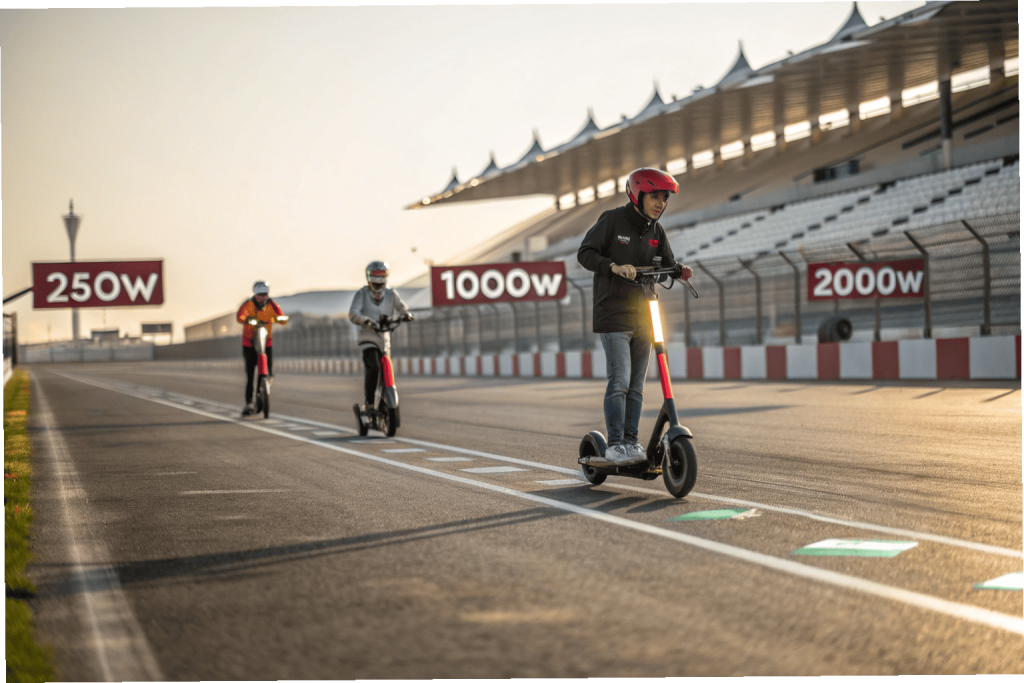
When it comes to electric scooters, some riders may want to go faster than the manufacturer’s settings allow. A common modification people consider is removing or disabling the speed limiter. How to safely remove speed limiter on your electric scooter is a question that many scooter owners ask. To remove the speed limiter on your electric scooter, you can either modify the scooter’s software using an app or adjust its hardware components. However, it’s important to consider safety risks, legal implications, and potential damage to your scooter before proceeding with any modifications. This article will guide you through everything you need to know about removing a speed limiter on your scooter safely, while also considering the legal, safety, and maintenance implications. 1. Introduction If you’ve ever felt limited by your electric scooter’s maximum speed, you’re not alone. Many riders crave higher speeds for a better riding experience. But here’s the kicker… While removing or modifying a speed limiter might seem like a simple task, it’s important to consider the safety risks and legal aspects before proceeding. This guide will walk you through everything from the basic concept of speed limiters to the technical steps involved in removing them, and provide insight into the potential benefits and dangers. Ready for the good part? By the end of this article, you’ll know exactly how to safely modify your scooter and whether it’s worth the risk. 2. What Is a Speed Limiter on an Electric Scooter? A speed limiter is essentially a device or software that restricts the maximum speed your scooter can reach. It’s a safety feature designed to ensure riders don’t exceed speeds that could compromise their control or safety. What’s the real story? There are two main types of speed limiters: software-based and hardware-based. Software-based limiters control the scooter’s motor by adjusting the maximum power it can output, while hardware-based limiters might physically limit the motor’s performance or restrict the power that goes to the wheel. This is where it gets interesting, Some scooters are programmed to limit speed in specific regions or countries due to local regulations, meaning these features are built with safety and compliance in mind. Understanding how the limiter works will help you decide the best method for removal and whether it’s something worth pursuing. Type of Speed Limiter Description Pros Cons Software-based Limits motor power through software updates or apps Easy to modify May void warranty Hardware-based Limits motor performance through physical components Difficult to modify Can damage scooter if not done properly 3. Reasons for Removing the Speed Limiter Let’s get real for a moment… Riders often seek to remove speed limiters to improve performance, but is it worth the risk? There are several reasons why people want to increase their scooter’s speed, and understanding these reasons can help you decide if the modification is right for you. One of the main reasons is performance enhancement. Some riders feel that their scooter could perform better on longer commutes or during recreational use. Another common reason is personal preference, as some users simply want a faster, more thrilling ride. You might be wondering, “What about the risks?” Removing the limiter comes with some potential hazards, including less control, overheating motors, or even faster wear and tear on the scooter. 4. Legal Considerations When Removing the Speed Limiter Here’s something that often gets overlooked… Before you rush into modifying your scooter, it’s vital to understand the legal implications. In many countries, there are laws that regulate the maximum speed for electric scooters. So, what’s the deal with these laws? If you remove the speed limiter, you may be violating local laws, potentially facing fines or other legal consequences. For instance, in the United States, some states have laws that restrict electric scooters to speeds of 20mph (32km/h). But wait, there’s more… In Europe, many countries have even stricter regulations, and modifying your scooter can make it illegal to use on public roads. Be sure to consult your local laws before proceeding with any modifications. Country/Region Speed Limit Legal Implications of Removal United States 20mph (32km/h) Can lead to fines or legal action European Union 15.5mph (25km/h) Illegal modifications may incur penalties Canada 32km/h (20mph) Removal may void warranty or insurance 5. How Speed Limiters Work in Electric Scooters To understand how to safely remove the speed limiter, you first need to know how it operates in the first place. Speed limiters are often integrated into both the hardware and software of the scooter. This is where it gets a bit technical… In software-based systems, the limiter is part of the scooter’s motor control unit, which restricts the maximum power the motor can deliver to the wheels. Hardware-based limiters, on the other hand, restrict the power through physical restrictions, like limiting the flow of electricity or using special resistors that cap the motor’s output. Now let’s dig deeper… These limiters are often built into the design of the scooter to prevent users from pushing the vehicle too far, as excessive speed can reduce the safety of the rider. 6. Is Removing the Speed Limiter Safe? Safety should always be your number one priority when modifying your scooter. What’s the real impact? Removing the speed limiter may seem like a good way to improve performance, but it introduces a number of risks. First, you’ll be traveling at higher speeds, which increases the risk of losing control, especially on uneven terrain. Additionally, riding at higher speeds can strain the scooter’s motor and battery, causing them to overheat or wear out faster. But here’s the kicker… These risks are compounded by the fact that the stability of the scooter might be compromised, especially if the rider is not accustomed to handling speeds higher than what the scooter was designed for. 7. What You Need to Know Before Attempting to Remove the Speed Limiter Before you take the plunge, here are a few things you need to know… First, it’s essential to be aware that modifying your scooter may void

How to Safely Remove Speed Limiter on Your Electric Scooter? Read More »

Shopping Cart
Scroll to Top