

How to Clean An Electric Scooter: Step-by-Step Guide
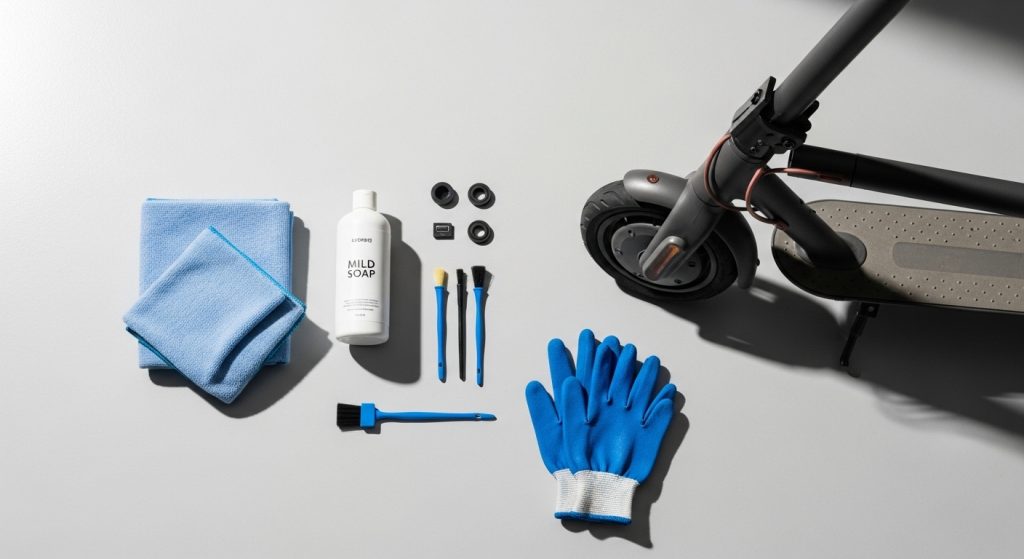
Dirty electric scooters break down faster and look terrible. Many owners skip regular cleaning and face expensive repairs later. Proper cleaning extends your scooter’s life and keeps it running smoothly. Electric scooter cleaning requires specific supplies, careful preparation, and safe techniques to avoid electrical damage. Use mild soap, soft brushes, and minimal water around electrical components. Always power off completely and protect charging ports before cleaning. Clean the frame first, then wheels, avoiding pressure washers and harsh chemicals. Dry thoroughly before reassembly and test all functions afterward. Regular cleaning every 2-4 weeks prevents dirt buildup, extends component life, and maintains optimal performance. Proper maintenance during cleaning catches problems early and saves money on repairs. This guide covers safe cleaning methods, required supplies, and maintenance tips to keep your scooter in perfect condition. 1. What Cleaning Supplies Do You Need for Electric Scooters? Having the right cleaning supplies makes scooter maintenance safe and effective. Wrong products can damage electrical components or void your warranty. Here’s the deal… investing in proper cleaning supplies costs less than replacing damaged parts from improper cleaning methods. Essential cleaning tools include soft-bristled brushes, microfiber cloths, and spray bottles for controlled water application. Avoid stiff brushes that scratch surfaces or damage seals. Use different brush sizes for various components. Microfiber cloths clean without scratching and absorb water effectively. Safe cleaning products for electrical components include mild dish soap, specialized electronics cleaners, and distilled water. Harsh chemicals damage plastic, rubber, and metal finishes. Electronics cleaners evaporate quickly and leave no residue. Distilled water prevents mineral deposits that tap water creates. Protective gear includes rubber gloves, safety glasses, and old clothes for messy cleaning tasks. Gloves protect hands from cleaning chemicals and dirty components. Safety glasses prevent splashing chemicals from reaching eyes. Old clothes allow freedom of movement without worry about stains. Specialized brushes and accessories include wheel brushes, detail brushes, and compressed air for hard-to-reach areas. Wheel brushes clean tire treads and brake components effectively. Detail brushes reach small spaces around controls and connections. Compressed air removes debris without water contact. Supply Category Recommended Items Purpose Safety Notes Cleaning Tools Soft brushes, microfiber cloths Surface cleaning Avoid stiff bristles Cleaning Products Mild soap, electronics cleaner Safe component cleaning No harsh chemicals Protective Gear Gloves, safety glasses Personal protection Always wear during cleaning Specialized Tools Detail brushes, compressed air Hard-to-reach areas Use appropriate pressure 2. How Do You Prepare Your Scooter for Safe Cleaning? Proper preparation prevents electrical damage and ensures thorough cleaning access. Skipping preparation steps can cause expensive damage to sensitive components. This is important because… electrical damage from improper cleaning often voids warranties and requires costly repairs. Power-off procedures start with turning off the scooter completely and removing the key if equipped. Check that all lights and displays are off before proceeding. Allow hot components to cool for at least 30 minutes after riding. Hot surfaces can crack when exposed to cold water. Removing detachable parts provides better cleaning access and protects sensitive components. Take off removable fenders, lights, and accessories according to your manual. Store small parts in containers to prevent loss. Label or photograph complex assemblies before disassembly. Protecting electrical components requires covering charging ports, displays, and control panels with plastic bags or tape. Water in electrical connections causes corrosion and failures. Use waterproof tape that removes cleanly without residue. Double-check all electrical areas are protected before starting. Setting up proper workspace includes choosing a shaded area with good drainage and ventilation. Direct sunlight causes cleaning products to dry too quickly and leave streaks. Good drainage prevents water from pooling around electrical components. Adequate ventilation helps components dry faster after cleaning. Preparation Step Time Required Critical Points Common Mistakes Power Off 2 minutes Complete shutdown, cooling time Rushing while components are hot Remove Parts 5-10 minutes Follow manual, organize parts Losing small components Protect Electronics 3-5 minutes Waterproof covering Incomplete protection Setup Workspace 5 minutes Shade, drainage, ventilation Cleaning in direct sun 3. What Is the Best Way to Clean the Scooter Frame and Body? Frame cleaning requires systematic approach to remove dirt without damaging finishes or electrical components. Different materials need specific cleaning methods for best results. Now, you might be wondering… how do you clean effectively while protecting sensitive areas? The answer involves proper technique and patience. Step-by-step frame cleaning starts with rinsing loose dirt with low-pressure water. Work from top to bottom to prevent recontaminating clean areas. Use spray bottles for controlled water application near electrical components. Avoid directing water streams at seals, joints, or electrical connections. Removing dirt and road grime requires gentle scrubbing with soapy water and soft brushes. Mix mild dish soap with warm water in a bucket. Dip brushes in soapy water and scrub in circular motions. Rinse brushes frequently to prevent spreading dirt around surfaces. Cleaning different frame materials safely depends on identifying aluminum, steel, or plastic components. Aluminum frames resist corrosion but scratch easily with abrasive cleaners. Steel frames need thorough drying to prevent rust. Plastic components can crack from harsh chemicals or extreme temperatures. Dealing with stubborn stains requires patience and appropriate products for each stain type. Oil stains respond to degreasing dish soap and warm water. Rust stains need specialized rust removers safe for your frame material. Road salt requires thorough rinsing with distilled water to prevent corrosion. Frame Material Cleaning Method Special Considerations Products to Avoid Aluminum Mild soap, soft brush Scratches easily Abrasive cleaners Steel Soap, immediate drying Rust prevention Extended water exposure Plastic Gentle cleaners Temperature sensitivity Harsh chemicals Painted Surfaces pH-neutral cleaners Finish protection Acidic or basic cleaners 4. How Should You Clean Electric Scooter Wheels and Tires? Wheel and tire cleaning improves performance and extends component life. Dirty wheels affect braking and handling while hiding potential problems. Want to know the secret? clean wheels reveal wear patterns and damage that dirty wheels conceal, helping prevent accidents and costly repairs. Tire cleaning techniques vary by tire type and tread pattern. Solid tires clean easily with soap and water […]
How to Clean An Electric Scooter: Step-by-Step Guide Read More »