

What weight can your electric scooter carry? Max Limits Explained
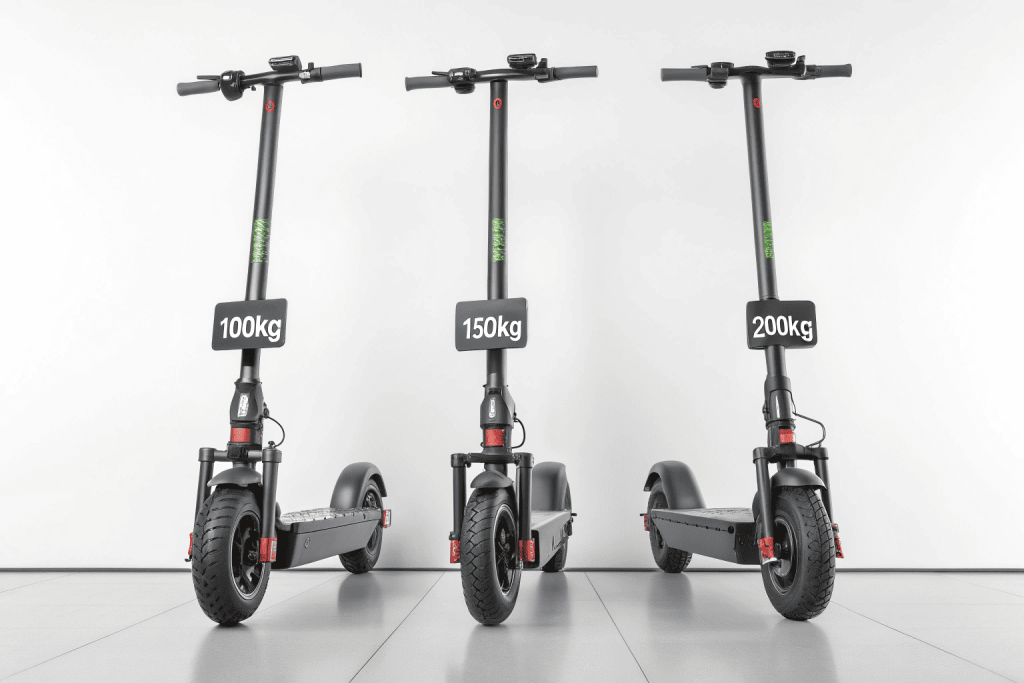
Electric scooters offer convenient travel. Understanding their weight capacity is key for safety and performance. Many riders overlook this detail, leading to issues like reduced speed, decreased battery life, and structural damage. Ignoring weight limits compromises your safety, making the ride unstable and increasing accident risk. This article answers common questions about electric scooter weight limits, helping you make informed decisions, and ensure a safer journey. We will explore why weight capacity matters, what factors influence it, how to find your scooter’s limit, and what happens if you exceed it. 1. What are common weight capacities for different electric scooter types? Electric scooters come in various designs, each suiting different purposes and rider weights. Understanding these categories helps you choose a model, as weight capacities vary significantly. Here’s the deal… Different scooters handle different loads. Electric scooters typically have weight capacities ranging from 100 kg to 150 kg (220 lbs to 330 lbs), depending on their type. Lightweight commuter scooters usually handle 100-120 kg, while mid-range models support 120-150 kg. Heavy-duty and off-road scooters, as well as those designed specifically for heavier riders, can exceed 150 kg, with some reaching up to 200 kg (440 lbs). Lightweight commuter scooters These scooters are for portability and short distances, often foldable and light for easy transport on public transit. Their weight capacities range from 100 kg to 120 kg (220 lbs to 265 lbs), making them ideal for urban commuters who prioritize ease of transport. Mid-range all-purpose scooters Mid-range scooters balance portability, speed, and range, suiting daily commuting and recreational rides. Their weight capacities usually fall between 120 kg and 150 kg (265 lbs to 330 lbs), and these models often feature powerful motors and better suspension, making them versatile for many riders. Heavy-duty and off-road scooters These scooters are built for durability and varied terrains, with robust frames and powerful motors to handle heavier loads and demanding conditions. Their weight capacities exceed 150 kg (330 lbs), with some reaching up to 200 kg (440 lbs), making them ideal for larger riders or those needing to carry extra gear, offering superior strength. Scooters designed for heavier riders Some manufacturers design scooters specifically for heavier individuals, featuring reinforced frames, stronger motors, and enhanced braking. They often have weight capacities of 150 kg (330 lbs) or more. If you are a heavier rider, look for these scooters; they provide necessary support and safety, as they are built for strength. Scooter Type Typical Weight Capacity (kg) Typical Weight Capacity (lbs) Lightweight Commuter 100-120 220-265 Mid-range All-purpose 120-150 265-330 Heavy-duty/Off-road 150-200+ 330-440+ For Heavier Riders 150+ 330+ 2. Why does electric scooter weight capacity matter? Understanding your electric scooter’s weight capacity is critical for safe and efficient operation. This manufacturer-set limit directly impacts performance and longevity. Ignoring it leads to serious problems. Here’s why it matters… It affects everything from speed to braking. Rider safety and stability Exceeding the weight limit compromises balance and handling, making steering harder, especially at higher speeds. An overloaded scooter becomes unstable, increasing the risk of falls or collisions. The frame and components are overstressed, which can lead to sudden failures. Your safety depends on respecting these limits. Scooter performance and longevity Too much weight forces the motor to work harder, reducing speed and range. The battery drains faster, and over time, this overexertion damages the motor, battery, and electrical parts. Suspension and tires wear out quickly, leading to costly repairs and a shorter lifespan. Proper loading keeps your scooter running well. Legal and warranty implications Manufacturers design scooters to specific standards, and the weight limit is part of that. Operating beyond capacity might void your warranty. If something breaks due to overloading, the manufacturer may not cover repairs. Some areas might have legal implications for unsafe vehicle operation. Always check local regulations. Aspect Impact of Exceeding Weight Limit Safety Reduced stability, increased accident risk Performance Slower speed, shorter range, reduced climbing Longevity Faster wear on motor, battery, tires, frame Warranty Potential voiding of manufacturer’s warranty Legal Possible legal issues depending on local laws 3. What factors influence an electric scooter’s weight limit? Design and engineering choices determine an electric scooter’s maximum weight capacity, creating a robust and safe riding experience. Understanding these factors helps you choose the right scooter. Let me explain… Each component plays a vital role. Frame material and construction The frame is the scooter’s backbone, typically made from aluminum alloy, steel, or carbon fiber. Aluminum is light and strong, while steel offers more durability for heavier loads. Carbon fiber is very light but expensive. How materials join, by welding or bolting, affects strength. A well-built frame supports more weight. Motor power and battery capacity The motor moves the scooter and its load. A powerful motor handles heavier riders without performance loss. Battery capacity relates to sustained power; a larger battery often means a heavier scooter but also supports longer rides with heavier loads. These components ensure efficient movement and sustained performance. Tire type and suspension system Tires absorb shocks and provide grip. Solid tires are puncture-proof but offer less cushioning, while pneumatic (air-filled) tires provide a smoother ride. The suspension system enhances comfort and stability, distributing weight better and absorbing impacts. This protects the rider and components, making them key for a comfortable and safe ride. Deck size and design The deck is where the rider stands. A larger, wider deck provides more space and stability. Its design and reinforcement contribute to weight capacity; some decks have internal supports to prevent bending or cracking under heavy loads. A well-designed deck ensures a secure platform, directly supporting the rider’s weight. Component Influence on Weight Limit Frame Material Structural strength (aluminum, steel) Motor Power Moves heavier loads efficiently Battery Capacity Sustained power for heavier loads Tire Type Shock absorption, load distribution Suspension System Stability, comfort under load Deck Design Stable platform, structural integrity 4. How can you find your electric scooter’s weight capacity? Finding your electric scooter’s weight capacity is simple. Manufacturers provide this information for safe use. […]
What weight can your electric scooter carry? Max Limits Explained Read More »