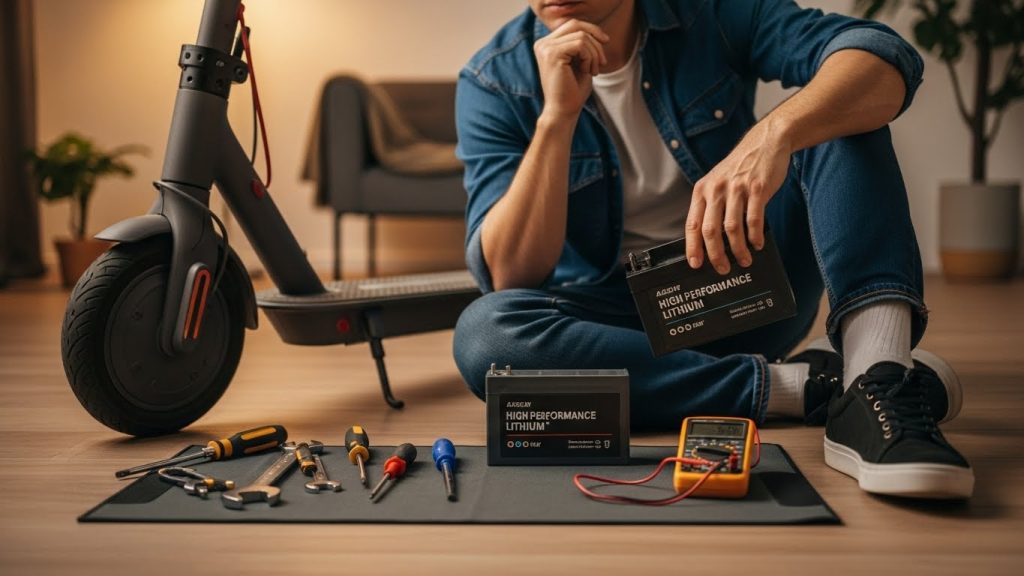
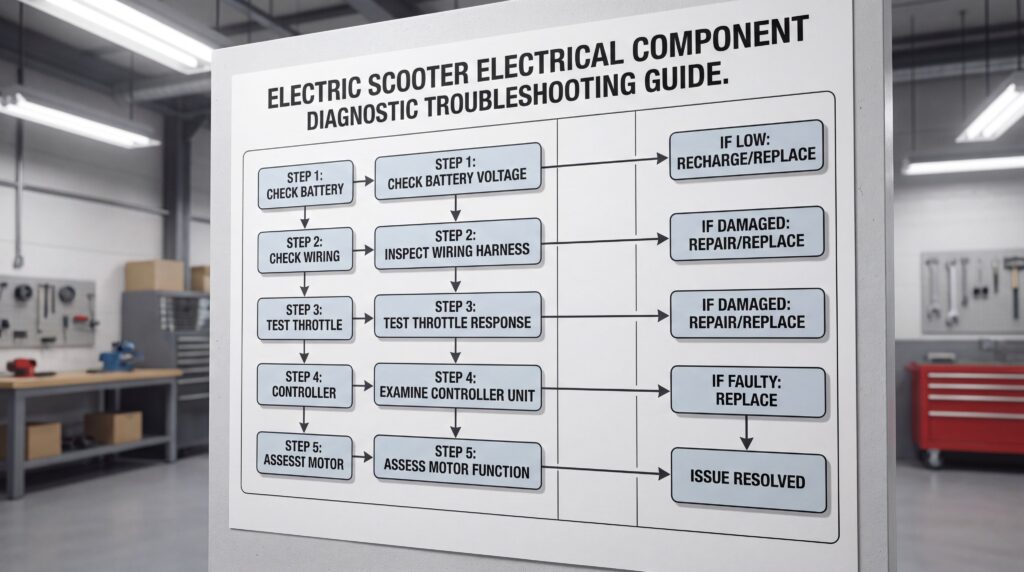
Common Electric Scooter Problems and How to Fix Them
You can fix most common electric scooter problems right at home using simple diagnostic techniques like resetting the circuit breaker, testing safety switches, or calibrating brake tension. There is nothing worse than preparing for your daily commute only to discover that your vehicle is completely lifeless or struggling to move forward. This unexpected issue can disrupt your entire schedule, leave you stranded, and make you worry about expensive repair shop bills. Fortunately, understanding the root cause of these electric scooter problems lets you troubleshoot like a pro and get back on the road safely. Why Do Electric Scooter Problems Cause Sudden Cutouts? Sudden cutouts during a ride typically occur because your vehicle’s safety circuit breaker has tripped or a wire connector inside the deck has vibrated loose. These physical disconnects disrupt the constant flow of energy, leading to common electric scooter problems that halt your journey. When your vehicle carries heavy loads or climbs steep slopes, the internal electrical temperature rises rapidly. Letting the system cool down for a few minutes is crucial before you attempt to reset the physical breaker button inside your deck. Is Your Circuit Breaker Tripping? A tripped circuit breaker is designed to act as an immediate electrical shield for your motor and speed controller. When the electrical current spikes beyond safe parameters, the breaker cuts the power supply instantly. Let’s face it: If your deck feels excessively warm, do not force the vehicle to turn back on immediately. Let the components cool down to prevent permanent wire damage. Check for Loose or Hot Wiring High vibrations from riding on rough pavement can gradually wiggle your internal wiring harnesses loose over time. This loose connection creates high electrical resistance, generating dangerous heat inside the battery compartment. Look at this: Regularly checking the tightness of these connection points will prevent sudden electrical disconnects while riding. Secure them with electrical tape or heat-shrink tubing to keep them stable. Diagnostic Check Primary Cause Recommended Solution Sudden Power Cutout Tripped Circuit Breaker Cool down and reset the breaker Intermittent Shutdowns Loose Wiring Connectors Tighten and secure wire harness terminals Hot Control Deck Excess Engine Strain Reduce load and avoid steep inclines Reviewing these diagnostic indicators helps you quickly pinpoint whether your cutoff issue is thermal or mechanical. Key Takeaway: Thermal protection is vital; always allow a tripped breaker to cool completely before restarting your ride. How to Solve Electric Scooter Problems When It Won’t Move? When your vehicle refuses to move forward, the most common culprit is a safety feature like a kick-to-start setting or a stuck brake lever sensor. These safety systems prevent accidental acceleration, but they can easily be confused with actual electric scooter problems. Before you assume that your motor has suffered a catastrophic failure, it is best to check the basic external components. Many modern commuter models like the Model B utilize smart safety systems that are incredibly easy to troubleshoot. Is It a Kick-to-Start Mechanism? Many modern scooters are programmed to not engage the motor from a complete standstill to prevent accidental throttle twists. This means you must manually push the vehicle forward before the motor kicks in. Here is the deal: If the motor suddenly springs to life once you start rolling, your vehicle is operating exactly as designed. This simple safety test saves countless riders from unnecessary repairs. How to Test the Brake Lever Switch? The brake lever switch acts as an automatic safety kill switch that instantly cuts power to the motor whenever you pull the brake. If this physical switch becomes dirty, misaligned, or stuck in the closed position, your motor will refuse to run. Here is the kicker: If the motor runs normally with the brake switch disconnected, you know the brake lever sensor is the faulty part. Clean the switch housing or replace the sensor to restore safe riding. Part Inspected Common Fault Diagnostic Test Kick-to-Start Normal safety configuration Push-start scooter to 3 km/h Fuse Blown or loose connection Check filament or replace fuse Brake Switch Stuck or faulty sensor Disconnect controller wire to test This basic physical checklist isolates external safety triggers from internal hardware failures. Key Takeaway: Always check simple physical switches and fuses before assuming your motor is dead. Are Battery Faults Behind Your Electric Scooter Problems? Weak batteries are often the primary driver of most power-related electric scooter problems because their capacity degrades over time. When your battery cells wear down, they fail to maintain a steady voltage under the stress of acceleration. Identifying battery health is highly important before you replace other expensive components. If you suspect your power pack is declining, our specialized support page can guide you through the process. Diagnosing Voltage Drop Under Load A failing battery pack might show a fully charged status on your handlebar display while resting, but plummet instantly once you stand on the deck. This is a classic symptom of high internal cell resistance. Think about it: A sudden drop of several volts indicates that one or more cells inside the pack are degraded. In this situation, the entire pack will eventually need to be rebuilt or replaced. Why Does the Power Cycle On and Off? When your battery voltage drops below a certain safe threshold under load, the speed controller activates its low-voltage cutoff. This safety feature cuts power immediately to protect the cells from deep discharge damage. But wait, there is more: This continuous cycling will make riding virtually impossible and highly annoying. Charging the pack deeply or replacing the worn cells is the only way to break this loop. Battery Symptom Underlying Cause Corrective Action Voltage Drops Under Load High cell resistance Perform deep charge or replace pack Cycling On and Off Low Voltage Cutoff (LVC) Recharge battery fully; check cells Zero Voltage Output Melted internal fuse Replace fuse or check BMS Comparing these electrical characteristics reveals whether your battery is simply depleted or physically worn out. Key Takeaway: A battery that drops voltage under load is often worn out and requires […]
Common Electric Scooter Problems and How to Fix Them Read More »