
...

Rain

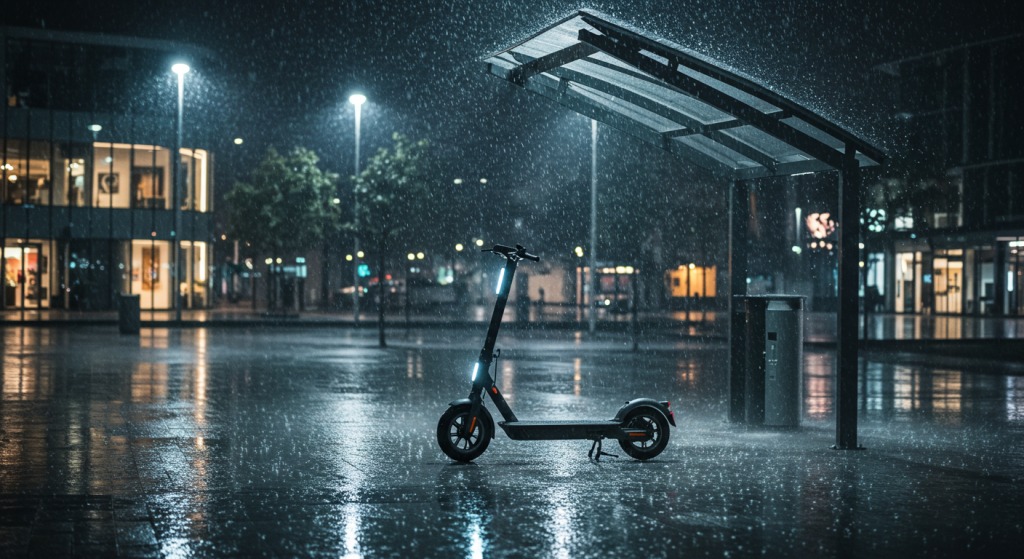
How to Protect Electric Scooter from Rain? Simple Tips That Work

Rain can destroy your electric scooter’s expensive components in minutes. Water damage often costs hundreds or thousands to repair. This guide shows you proven methods on how to protect electric scooter from rain and keep it running safely. To protect electric scooter from rain, use waterproof covers, avoid riding in heavy rain, seal charging ports, and dry the scooter thoroughly after any water exposure. Focus protection on the battery, motor, and electrical connections. Proper storage and maintenance prevent long-term water damage that can cost thousands in repairs. Here’s everything you need to know about keeping your electric scooter safe from rain damage. 1. What Rain Damage Can Happen to Your Electric Scooter? Water poses serious threats to electric scooters because they contain sensitive electronic components. Understanding how to protect electric scooter from rain starts with knowing what damage can occur. The battery system faces the highest risk from water exposure. Moisture can cause short circuits, permanent battery damage, and complete power system failure. Electrical connections throughout the scooter can corrode when exposed to water. This corrosion creates resistance that reduces performance and can cause dangerous malfunctions. Water can penetrate through small gaps in the housing and reach internal wiring. Here’s why it matters – even small amounts of water can trigger expensive repairs that cost more than proper protection. Metal components like the frame, bolts, and brake cables develop rust when exposed to moisture. Rust weakens structural integrity and affects safety systems. The folding mechanism, if present, becomes stiff and unreliable after water exposure. Aluminum frames resist rust better than steel, but joints and connections remain vulnerable. The display screen and control panel can malfunction or fail completely when water penetrates the housing. These components often lack adequate sealing in budget scooter models. Water can cause screen flickering, button failures, and complete system shutdowns. Component Rain Damage Risk Repair Cost Range Prevention Priority Battery System Very High $200-$800 Critical Motor Assembly High $150-$500 High Display/Controls High $100-$300 High Brake System Medium $50-$200 Medium Motor damage from water exposure can be gradual or immediate. Water can damage motor bearings, causing grinding noises and reduced efficiency. Electrical windings can short circuit when wet, leading to complete motor failure. Hub motors are particularly vulnerable because they sit close to the ground where water spray is heaviest. Regular inspection after rain exposure helps identify early signs of motor damage. 2. Which Electric Scooter Parts Need Rain Protection Most? Learning how to protect electric scooter from rain requires identifying the most vulnerable components. The battery compartment requires the highest level of protection from rain. Most scooters house the battery in the deck or stem area. Water entry through gaps or poor sealing can cause immediate and permanent damage to expensive lithium-ion batteries. Charging ports present another critical vulnerability when considering how to protect electric scooter from rain. Many scooters have rubber flaps or covers that provide minimal protection. Water can enter through loose or damaged port covers and travel directly to internal electrical systems. The motor assembly, typically located in the wheel hub, needs protection from water spray and splashing. While motors have some water resistance, prolonged exposure can damage bearings, magnets, and electrical windings. The best part? Most motor damage is preventable with proper covers and riding techniques. Display screens and control panels often have the weakest water resistance ratings. These components sit exposed on the handlebars where they face direct rain impact. Water can seep through button gaps and screen edges. Critical Protection Areas Water Entry Points Protection Methods Effectiveness Battery Compartment Deck seams, covers Silicone sealing 95% Charging Port Rubber flaps Waterproof caps 90% Motor Housing Wheel gaps Protective covers 85% Control Panel Button gaps Clear shields 80% Brake systems need special attention in wet weather protection strategies. Disc brakes perform poorly when wet and may require longer stopping distances. Cable-operated brakes can stretch or stick when water enters the cable housing. 3. What Waterproof Covers Work Best for Electric Scooters? Selecting the right waterproof cover is a key part of how to protect electric scooter from rain during storage and transport. Full scooter covers provide the most complete protection from rain during storage and transport. These covers typically use waterproof materials like PVC or polyester with waterproof coatings. Look for covers with IP65 or higher water resistance ratings. Custom-fit covers designed for specific scooter models offer the best protection when learning how to protect electric scooter from rain. They include cutouts for wheels and handles while providing complete coverage of vulnerable areas. Universal covers cost less but may not fit properly around unique scooter features. Material quality makes a significant difference in cover performance and longevity. Heavy-duty vinyl and marine-grade fabrics resist tearing and provide long-lasting protection. Lightweight covers may tear easily and offer poor water resistance. But here’s the thing – heavier covers can be difficult to carry and store when not in use. Ventilation features prevent moisture buildup inside covers during storage. Look for covers with breathable panels or vents that allow air circulation while blocking water entry. Poor ventilation can trap moisture and cause corrosion even when the scooter stays dry externally. Cover Type Protection Level Price Range Best Use Case Custom-Fit Full Cover Excellent $60-$120 Long-term storage Universal Full Cover Good $30-$80 General protection Partial Cover Fair $20-$50 Quick protection Emergency Cover Basic $10-$25 Temporary use Portability affects how often you’ll actually use a cover in your strategy for how to protect electric scooter from rain. Compact, lightweight covers that fold into small pouches encourage regular use. Heavy, bulky covers often get left at home when you need them most. 4. How Do You Protect the Battery and Charging Port from Rain? Battery and charging port protection forms the foundation of how to protect electric scooter from rain effectively. Charging port protection starts with proper cover maintenance. Check rubber flaps and covers regularly for cracks, tears, or loose fits. Replace damaged covers immediately to prevent water entry. Waterproof charging port caps provide superior protection compared to

How to Protect Electric Scooter from Rain? Simple Tips That Work Read More »
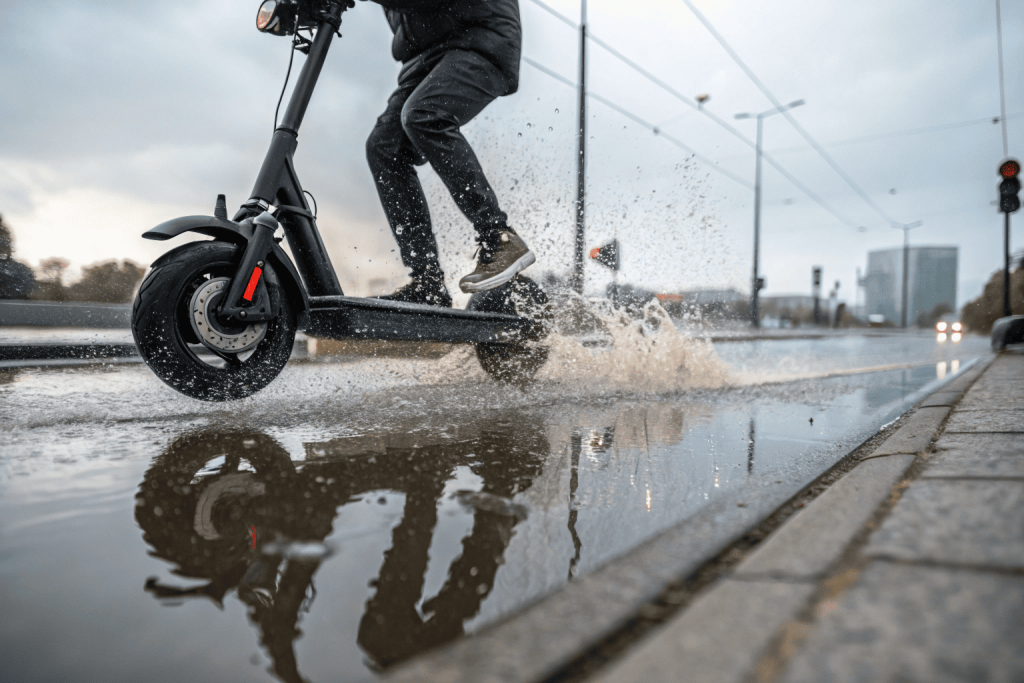
Are Electric Scooters Waterproof for Rain? What You Need to Know in 2026

Electric scooters offer easy travel. Many users ask about wet weather use. Water damage worries electronics. Riding in rain risks both scooter and rider. This article helps answer these questions. We cover IP ratings, light rain riding, heavy rain risks, water protection, maintenance, warranty issues, and safe riding practices. 1. Understanding IP Ratings: What Do the Numbers Mean? When evaluating the durability of any electronic device, especially one exposed to the elements like an electric scooter, understanding its Ingress Protection (IP) rating is crucial. IP stands for Ingress Protection, a standardized system that quantifies a device’s resistance to both solid particles (like dust and dirt) and liquids (like water). This rating provides a clear indication of how well a product is sealed against environmental factors. But how do you decode these numbers? The IP rating is always presented as two digits. The first digit, ranging from 0 to 6, describes the level of protection against solid foreign objects. A higher number signifies greater protection. For instance, a rating of 0 means no special protection, while a 6 indicates complete dust-tightness, preventing any dust ingress. A rating of 5 means the device is dust-protected, allowing only limited ingress of dust that won’t interfere with operation. The second digit, ranging from 0 to 9, indicates the level of protection against liquids. This is the number most relevant when considering exposure to rain or splashes. A rating of 0 means no protection against water, whereas a 4 signifies protection against splashing water from any direction. Higher ratings, such as 7 or 8, denote the ability to withstand submersion under specific conditions. So, what does this mean for your scooter? Understanding these two digits allows you to make informed decisions about your scooter’s suitability for various weather conditions. It helps set realistic expectations for its performance and longevity. Knowing these details helps prevent accidental damage and ensures you are using your scooter within its design limits, safeguarding your investment. IP First Digit Solid Protection Level 0 No protection 1 Protection against objects >50mm 2 Protection against objects >12.5mm 3 Protection against objects >2.5mm 4 Protection against objects >1mm 5 Dust protected (limited ingress) 6 Dust tight (no ingress) IP Second Digit Liquid Protection Level 0 No protection 1 Protection against dripping water 2 Protection against dripping water when tilted 3 Protection against spraying water 4 Protection against splashing water 5 Protection against water jets 6 Protection against powerful water jets 7 Protection against immersion up to 1m 8 Protection against continuous immersion These tables provide a clear breakdown of what each number in an IP rating signifies. Now that you understand the general system, let’s look at common ratings for electric scooters. For example, an IP54 rating, common for electric scooters, means the scooter is protected against dust (level 5) and splashing water from any direction (level 4). This implies it can handle light rain and splashes from puddles but is not designed for heavy downpours or submersion. Comparing this to other ratings provides more context: a scooter with an IP65 rating would be dust-tight and protected against water jets, offering more robust protection. An IP67-rated scooter would be even better, with complete dust protection and the ability to handle temporary submersion. Therefore, what parts are actually protected by these ratings? Typically, the IP rating applies to the enclosure containing the scooter’s most sensitive electronic components, such as the battery, motor, and controller. However, the effectiveness of these seals can degrade over time due to wear and tear. Regular inspections are important to ensure the protection remains intact. Despite its rating, even an IP54 scooter has limitations. Riding through deep puddles can still force water into the housing, and a sustained downpour could overwhelm the seals. It is crucial to remember that water resistance is not the same as being waterproof. This brings up an important question. How do these scooters fare in real-world light rain scenarios? 2. How Do Electric Scooters Handle Light Rain? Electric scooters with an IP54 rating are generally capable of handling light rain. Manufacturers design them with sealed battery compartments and protected wiring to resist moisture from splashes and brief showers. But how effective are these features in practice? Design elements like rubber gaskets and tightly sealed casings are the first line of defense. Many models also include fenders, which are crucial for minimizing the amount of water and debris kicked up by the wheels. This not only keeps the scooter and the rider cleaner but also reduces the amount of water hitting the main body, enhancing its water resistance. However, riding safely in light rain requires adjustments. It is essential to reduce your speed, as wet surfaces offer less tire grip and increase your braking distance. Avoid making sharp turns or sudden stops. Smooth, deliberate movements are key to maintaining control and preventing accidents. What other precautions should you take? Maintaining a greater following distance is also critical. Rain reduces visibility for everyone on the road, and other drivers may not see you as easily. Wearing bright, reflective clothing and using your scooter’s lights will significantly improve your visibility to others, making your ride much safer. Light rain can also affect your scooter’s performance. You may notice a slight decrease in battery range, as the motor has to work harder to overcome the increased drag from wet surfaces. Your top speed and acceleration might also feel a bit sluggish. Are you concerned about the battery? The increased resistance from wet roads means the motor draws more power, which can drain the battery faster than on a dry day. While these effects are usually minor in light rain, they become more pronounced in heavier downpours. Post-ride care is straightforward but important. Always wipe down your electric scooter with a dry cloth after a ride in the rain. Clean any exposed parts to remove dirt and grime, which can trap moisture and lead to corrosion. What is the best way to dry it? Allow the scooter to air dry

Are Electric Scooters Waterproof for Rain? What You Need to Know in 2026 Read More »

Can You Ride an Electric Scooter in the Rain?

Rainy days can be hard on electric scooter riders. The wet weather can ruin your day, damage your scooter, affect your safety, and create a lousy riding experience. Can you ride an electric scooter in the rain? Keep reading to learn the potential dangers and how you can safely ride in the rain. Can you ride an electric scooter in the rain? Riding in the rain is possible, but it comes with significant risks. Knowing the limitations, checking the waterproof rating, and using the right precautions will keep you safe. Riding an electric scooter in the rain can present various challenges. You must understand the potential dangers and how to deal with them. Let’s look closer into the question, can you ride an electric scooter in the rain safely? Can You Ride an Electric Scooter in the Rain? Yes, you can ride an electric scooter in the rain. It depends on the waterproof rating of the scooter and your safety gear. If you want to ride electric scooters in wet weather, you need to know how rain affects your scooter’s functionality and your safety. Why It’s Not Recommended to Ride a Scooter in the Rain? Riding an electric scooter in the rain is generally not recommended due to various risks. Falling off the scooter or damaging the scooter’s electrical system are possible consequences of riding wet roads in rainy conditions. High waterproof-rated scooters can still have malfunction issues if they remain in the rain for extended periods. It’s advisable to avoid riding in heavy rainfall and to consider an alternative mode of transportation if possible. Reduced Traction and Slippery Surfaces One concern when riding electric scooters in the rain is reduced traction. Many scooters are typically built to ride on rough surfaces. When there are wet leaves, a thin layer of water, oil, or other wet surfaces, the electric scooter tires do not get enough traction. Component Failures Water can cause multiple components to fail if the scooter is not sealed correctly. The motor is one of many parts that can fail. You can also have a problem with the battery and control components. If your electric scooter is not waterproof, there’s a good chance water will ruin it or cause functionality issues. Water Corrosion Electric scooters can experience water corrosion if exposed to the rain for long periods. Even though your electric scooters may have a higher waterproof rating, metal still rusts and can weaken the components. Reduced Visibility Another problem with riding an electric scooter in the rain is reduced visibility. It reduces your ability to see clearly. It also reduces visibility for other people to see you, your scooter’s lights and reflectors might not be as visible to other road users, making you more vulnerable to collisions. Physical Discomfort The last problem with riding electric scooters in the rain is physical discomfort. You will get cold and wet while riding in the rain, diminishing your physical ability and causing distractions from focusing on the road. Voided Warranty If you’re worried about voiding your warranty, do not drive your electric scooter in the rain. Most manufacturers will not cover water under warranty. If you have water damage due to rain exposure or other liquids, they may void your warranty. It’s a best practice to check with your warranty and make sure they allow it. Differences Between Scooter Types Some electric scooters are better for rain compared to others. The more expensive options tend to have better wiring, tires, and safety when driving in these environments. Unpredictable Weather Rain can come suddenly. Sometimes weather conditions are unpredictable. You do not want to experience being three to five miles away from your house and getting stuck in a rainstorm. Electric Scooter IP Ratings When considering riding an electric scooter in the rain, it’s essential to know your scooter’s IP (Ingress Protection) rating. The IP rating indicates the level of protection the scooter has against dust and water. Here’s a breakdown of some common IP ratings: IP Rating Protection Against Dust Protection Against Water Description IP54 Limited dust protection (dust can enter but not affect functionality) Protection against water splashes from any direction Suitable for light rain, but not for heavy or continuous exposure IP55 Dust protected (dust cannot enter in harmful amounts) Protection against low-pressure water jets from any direction Can handle moderate rain but should avoid direct exposure to jets IP56 Dust protected (dust cannot enter in harmful amounts) Protection against high-pressure water jets from any direction Good for riding in rain or water splashes, but avoid submersion IP65 Fully dust tight (no dust can enter) Protection against water jets from any direction at high pressure Well-suited for outdoor use in rain and heavy splashes IP66 Fully dust tight (no dust can enter) Protection against powerful water jets and temporary submersion Ideal for harsh conditions and very wet environments These ratings indicate how protected your scooter is from dust and water. IP65 and up provide the greatest water protection.However, IP54 and IP55 are not entirely unsuitable for riding in the rain, but you must carefully assess the conditions, especially in heavy rain or large puddles. Vehicles that are below IP65 may need extra precautions and are not as suitable for riding in heavy rain. For safety reasons, you should not ride a scooter with an IP rating below IP54 in the rain. How IP Rating Affects Electric Scooters in the Rain The IP (ingress protection) rating determines how resistant your electric scooter is to dust and water. If your scooter has a high IP rating, it has excellent waterproofing, but why? If a scooter has great waterproofing, the electrical components, motor and battery are protected by: A higher IP rating equates to better sealing, advanced waterproof materials, and robust enclosure designs. The higher the IP rating, the more resistant the scooter is to rain and splashes. However, no electric scooter is completely waterproof. It would be best if you never expose a high-IP-rated scooter to water for extended

Can You Ride an Electric Scooter in the Rain? Read More »

Shopping Cart
Scroll to Top