

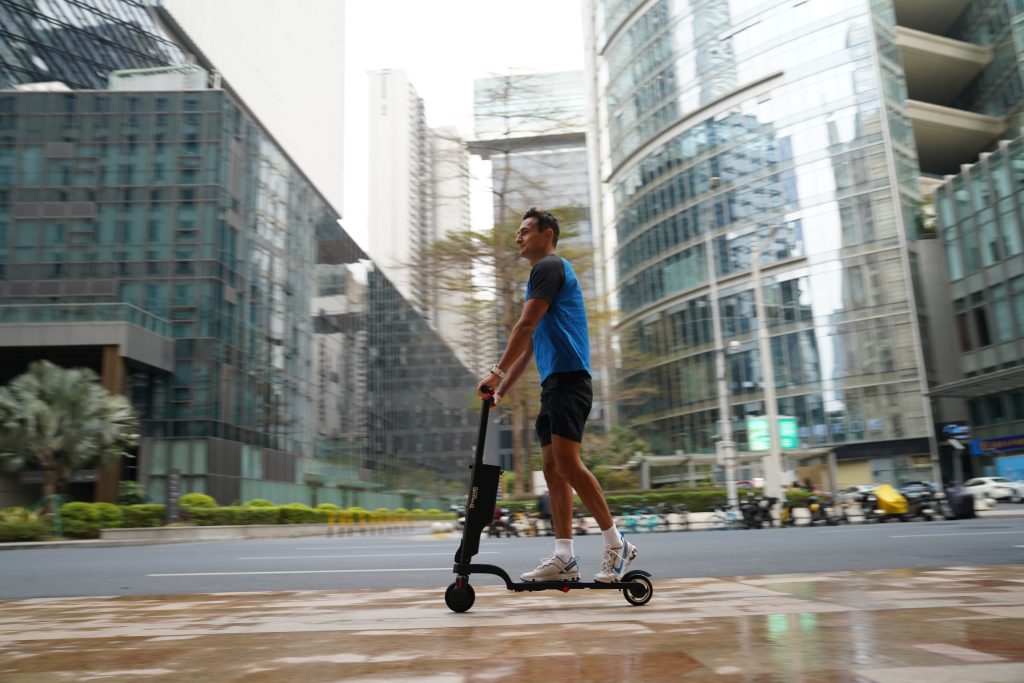
How to Pick the Best Electric Scooter? A 2026 Buyer’s Guide
Electric scooters offer a modern solution for urban travel. Yet, choosing the right one can feel overwhelming. Many buyers face confusion with various models and features. Without proper guidance, you might pick a scooter that does not meet your needs. This leads to frustration and wasted money. Imagine buying a scooter too slow for your commute or too heavy to carry. This mismatch makes daily travel harder. Finding the perfect scooter ensures smooth, efficient rides. This article guides you through key considerations, from range to safety features, helping you make an informed decision. 1. What Factors Should You Consider Before Buying an Electric Scooter? Selecting an electric scooter requires careful thought. Your primary purpose of use is a major factor. Do you need it for daily commuting, or is it for recreational rides? Commuters might prioritize range and portability. Recreational riders might focus on speed and suspension. Understanding your needs helps narrow down choices. Here’s why it matters… A scooter for short trips differs from one for long journeys. Rider weight and height are also critical. Scooters have payload limits. Exceeding this limit affects performance and safety. Taller riders need models with adjustable handlebars. This ensures a comfortable and safe riding posture. Always check the manufacturer’s specifications for weight capacity. Consider your comfort during longer rides. Local regulations and laws play a significant role. Speed limits for electric scooters vary by region. Some areas have restrictions on motor power. Others might require specific safety features. Always research the rules in your city or country. This prevents legal issues. It also ensures your scooter is street-legal. Budget and the total cost of ownership are final considerations. This includes the purchase price, maintenance, and potential insurance. Factor in charging costs too. A cheaper scooter might have higher long-term expenses. Factor Description Impact on Choice Purpose Commuting vs. Recreation Range, Speed, Portability Rider Specs Weight, Height Payload, Handlebar Adjustments Regulations Local Laws Speed, Motor Power, Safety Budget Purchase, Maintenance Overall Cost of Ownership 2. How Does Range and Battery Life Impact Your Scooter Choice? Range and battery life are central to an electric scooter’s utility. Understanding battery types is key. Most modern scooters use lithium-ion batteries. These offer good energy density and a longer lifespan. They also charge faster than older battery types. The quality of the battery directly affects the scooter’s performance. A high-quality battery provides consistent power. The best part? It ensures a reliable ride. Several factors affect a scooter’s actual range. Terrain plays a big role. Riding uphill uses more power. Speed also impacts range. Faster speeds drain the battery quicker. Rider weight is another factor. Heavier riders reduce the effective range. Wind resistance and tire pressure also influence how far you can go. Consider your typical riding conditions. This helps you estimate real-world range. Charging time and options are practical considerations. Some batteries charge in a few hours. Others take much longer. Fast charging capabilities are convenient. They allow for quick top-ups during the day. The importance of a Smart Battery Management System (BMS) cannot be overstated. Dynamic Scooter models feature advanced BMS technology. This protects the battery from overcharging, over-discharging, and overheating. This extends battery life. It also ensures safe operation. Look for scooters with advanced BMS features. Battery Aspect Description Impact on Scooter Type Lithium-ion Energy density, Lifespan Range Factors Terrain, Speed, Weight Actual distance covered Charging Time Hours to full charge Convenience, Downtime BMS Protection system Battery health, Safety 3. What Top Speed and Motor Power Do You Need? Top speed and motor power directly relate to performance. Legal speed limits for electric scooters vary significantly. Some regions cap speeds at 25 kph (15 mph). Others allow higher speeds. Always check local regulations before buying. A scooter capable of high speeds might be illegal in your area. This impacts your riding experience. But here’s the thing… More power often means better climbing ability. Motor types also influence performance. Hub motors are common. They integrate directly into the wheel. Geared motors offer more torque. This helps with hills. Power output, measured in watts, indicates strength. Higher wattage motors provide faster acceleration. They also handle inclines better. Consider your typical routes. If you face many hills, a higher wattage motor is wise. Rider weight affects performance. A heavier rider will experience lower top speeds. They will also see reduced climbing ability. Manufacturers often list a maximum payload. This indicates the scooter’s capacity. Always choose a scooter that comfortably supports your weight. Many Dynamic Scooter models also feature a large, high-definition LED screen display, providing clear access to ride information. This ensures optimal performance and safety. A scooter with sufficient power provides a smoother ride. Feature Description Impact Top Speed Max velocity Legal compliance, Ride feel Motor Type Hub vs. Geared Torque, Efficiency Power Output Wattage Acceleration, Hill climbing Rider Weight Payload capacity Performance, Safety 4. Why is Portability and Design Important for Urban Riders? Urban riders often need a scooter that is easy to transport. Portability is key for multimodal commutes. Foldable mechanisms make a big difference. Dynamic Scooter Model B boast a portable and foldable design, making them easy to transport. This allows you to carry it onto public transport. It also makes storage easier in small apartments. A scooter that folds quickly saves time and effort. Now, you might be wondering… How light is light enough? The weight of the scooter is another crucial factor. Lighter scooters are easier to carry. If you need to lift your scooter frequently, weight matters. Some models weigh less than 12 kg (26 lbs). Others can be over 20 kg (44 lbs). Consider your physical strength and daily routine. A lightweight scooter enhances convenience. Compactness for storage is also important. A folded scooter should fit into tight spaces. This includes under a desk or in a closet. Dimensions when folded are important. Ergonomic grip design enhances comfort. Non-slip grips prevent hand fatigue. Silicone and aluminum-magnesium alloy materials provide a secure hold. This improves control and safety during rides. A […]
How to Pick the Best Electric Scooter? A 2026 Buyer’s Guide Read More »