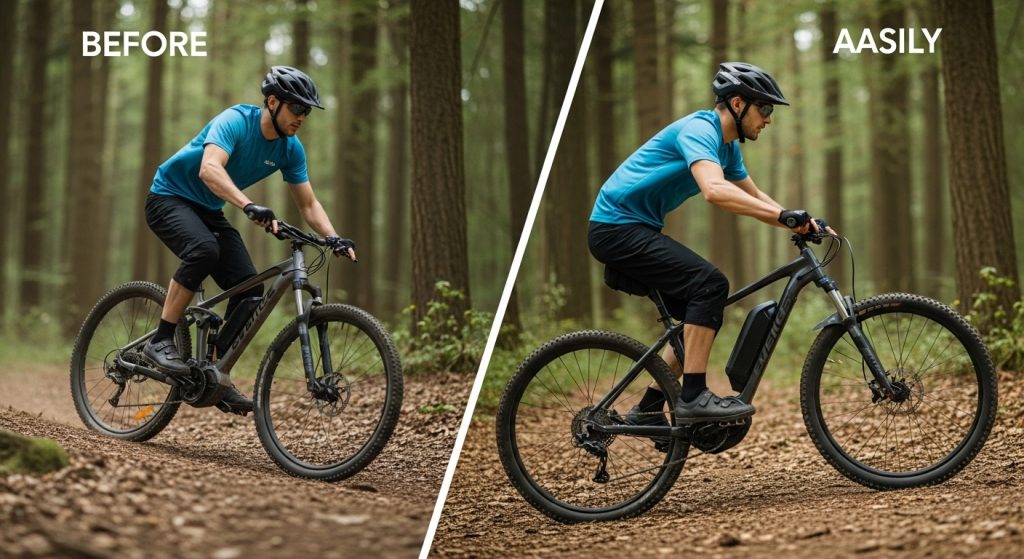

How to Choose an Electric Mountain Bike? Buyer’s Checklist (2026)
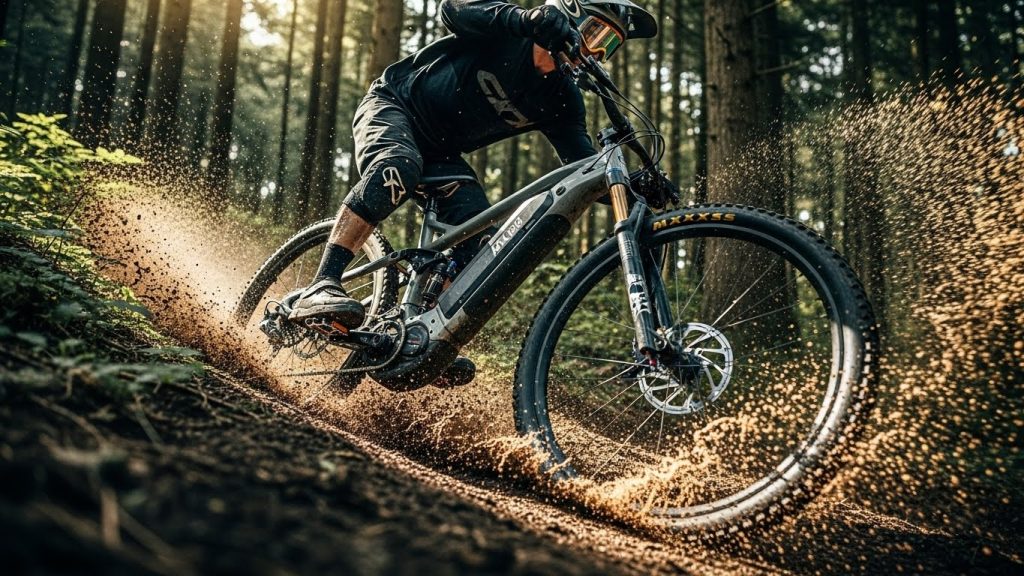
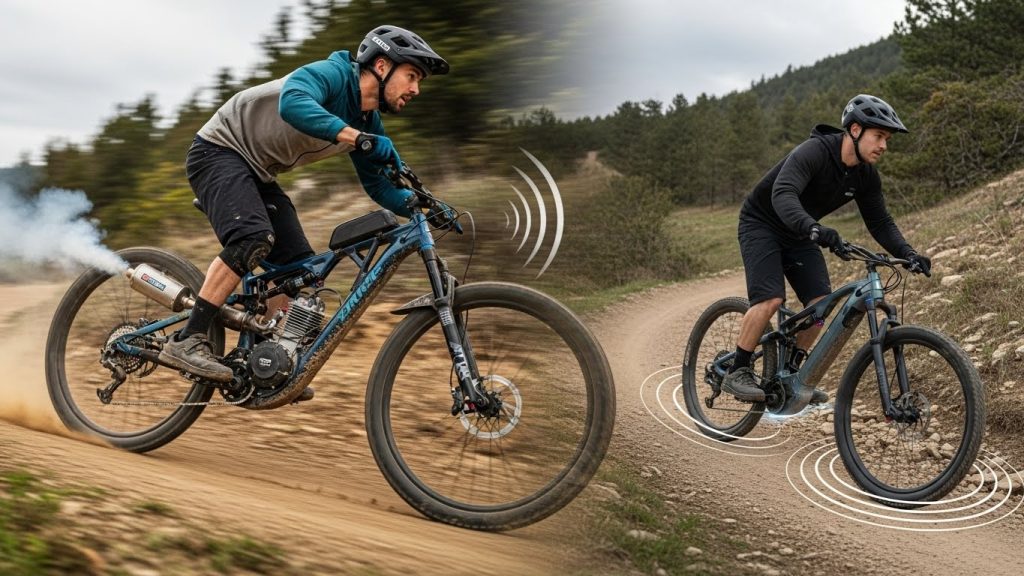
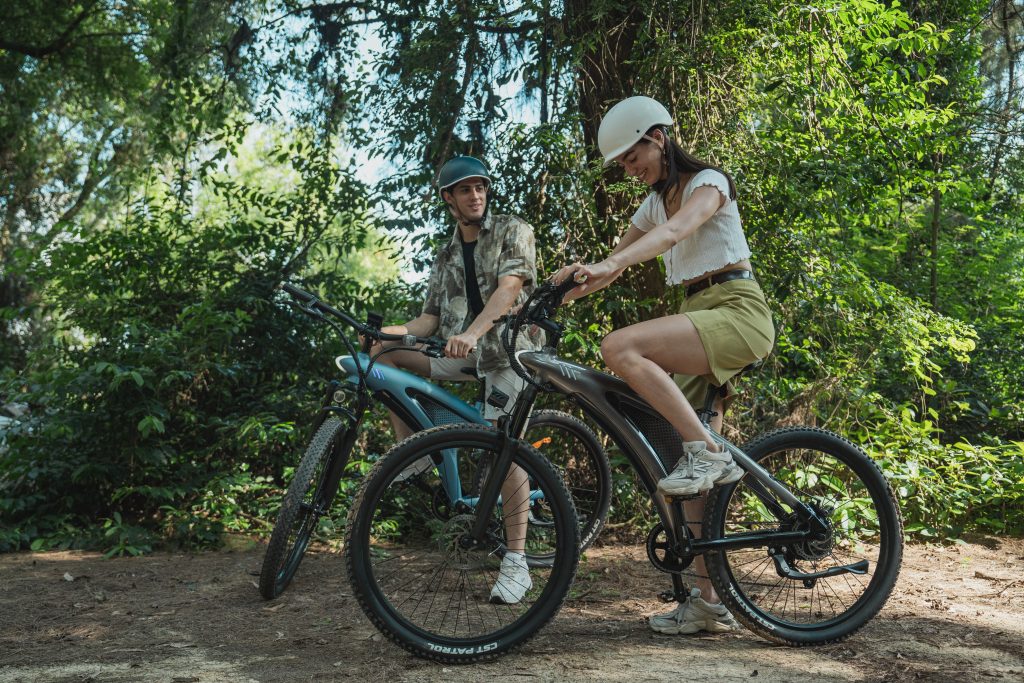
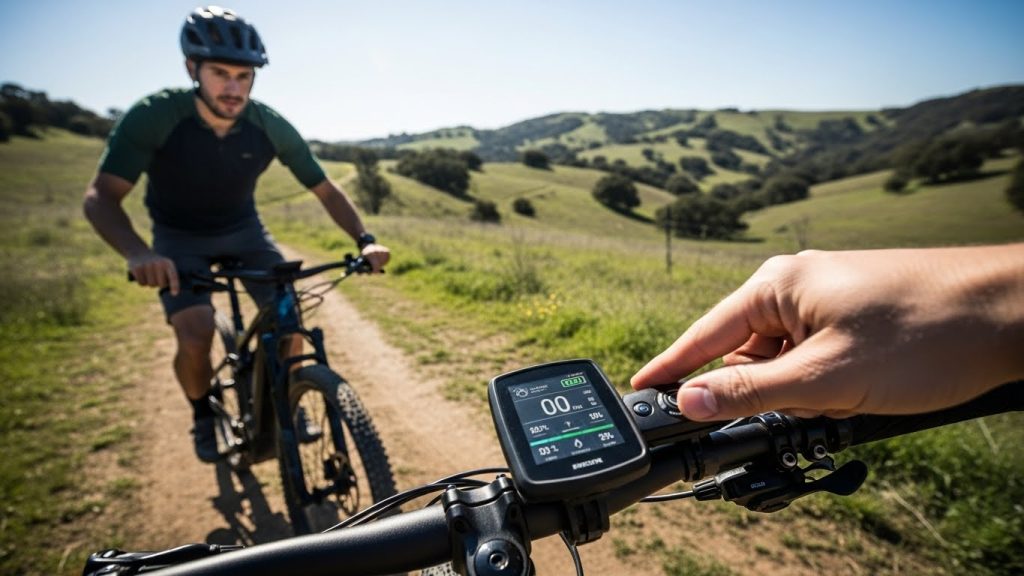
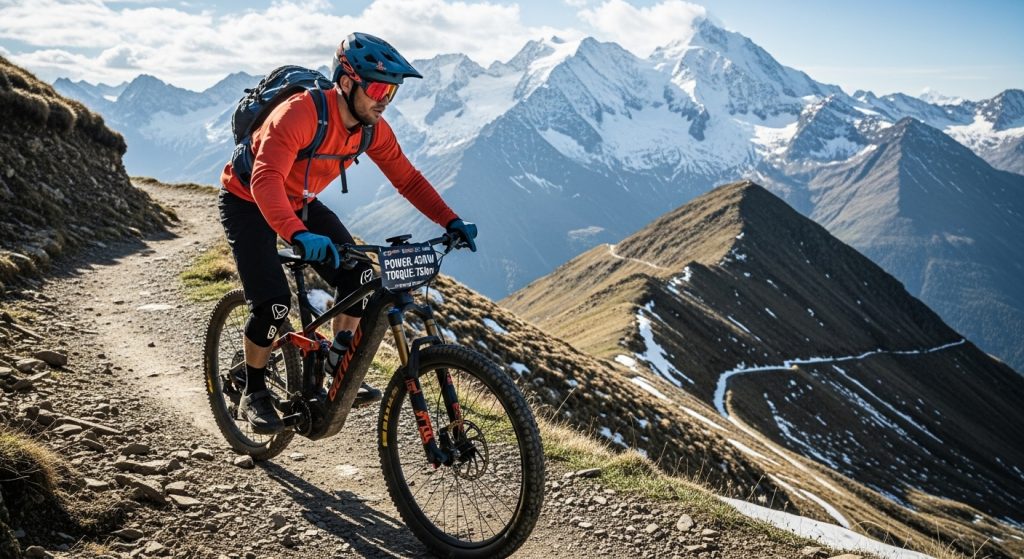
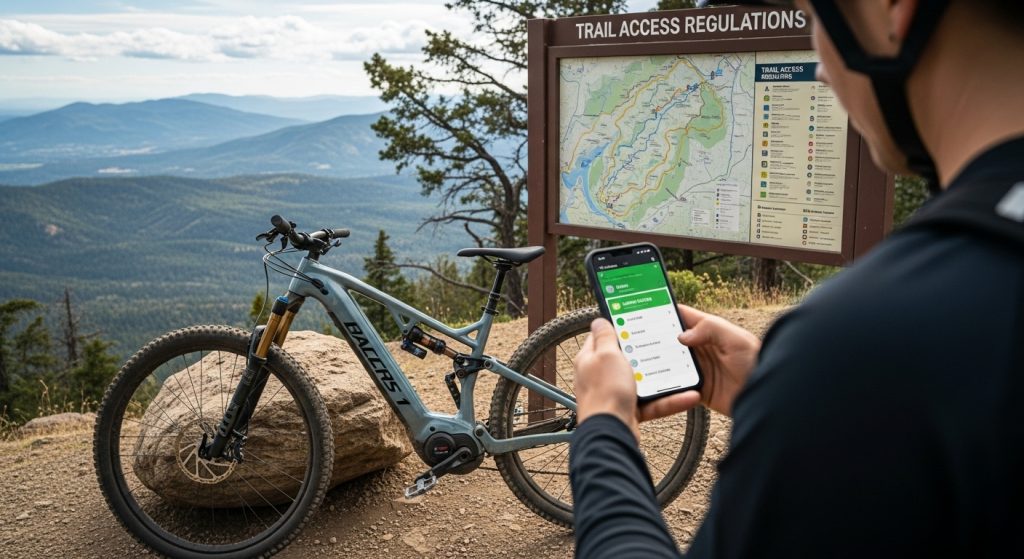
Choosing your first electric mountain bike can be a thrilling but daunting task. With so many options for motors, batteries, and suspension systems, it’s easy to feel overwhelmed. Making the wrong choice could leave you with a bike that doesn’t suit your riding style or can’t handle the trails you want to explore. This guide will walk you through everything you need to know, ensuring you select an e-MTB that will deliver countless hours of adventure. To choose the right electric mountain bike, first assess your riding style and budget. Prioritize a powerful mid-drive motor (at least 650W) and a high-capacity battery (500Wh or more). A full-suspension aluminum frame offers the best balance of performance and value. Finally, ensure the bike has quality components like hydraulic disc brakes and a reliable drivetrain, and is backed by a strong warranty. Let’s break down the key factors to consider step-by-step. 1. How Do You Determine Your Riding Style and Needs? Before you start comparing specs, the first step is to think about yourself as a rider. Your personal needs and the type of trails you plan to ride will dictate which bike is right for you. Being honest about your riding style will help you narrow down your options and avoid paying for features you don’t need. Are you a weekend warrior looking for recreational rides on local trails, or are you a competitive rider seeking maximum performance? Here’s a thought… a recreational rider might prioritize comfort and range, while a competitive rider will focus on weight and suspension performance. The terrain you ride on also matters. Smooth, flowing trails require a different bike than steep, technical, rocky terrain. Consider how often and how far you plan to ride. If you’re planning long, all-day adventures, battery range will be a top priority. If you’re sticking to shorter loops, you might be able to save money with a smaller battery. Your fitness level also plays a role. An e-MTB can help you ride farther and faster, but you should still choose a bike that complements your physical capabilities. Finally, establish a realistic budget. Quality electric mountain bikes are a significant investment, but there are great options at different price points. Determine what you’re willing to spend, but also consider the long-term value. A slightly more expensive bike with better components and a stronger warranty can often be a smarter investment. Rider Profile Key Priorities Recommended Bike Type Recreational Rider Comfort, Range, Value Trail E-MTB (120-140mm travel) Competitive Racer Performance, Low Weight Enduro/Race E-MTB (150-170mm travel) Commuter/Fitness Reliability, Versatility All-Mountain E-MTB or Hardtail 2. What Motor Specifications Should You Prioritize? The motor is the powerhouse of your e-MTB, so it’s essential to choose one that can handle your demands. Motor performance is defined by power (watts) and torque (Newton-meters). For challenging trails and steep climbs, you need a motor that delivers ample power smoothly and reliably. Look for a motor with at least 500W of continuous power and 80 Nm of torque. The key is this… this level of power will get you up most climbs without struggling. For riders who want top-tier performance, a motor like the one in the Dynamic Bike Electric Mountain Bike Q5, which provides 650W of power (peaking at 1000W), is an excellent choice. It offers the grunt needed to conquer even the steepest terrain. Mid-drive motors are the standard for high-performance e-MTBs. Located at the bike’s crankset, they offer a low center of gravity and a natural pedaling feel. They also allow you to take advantage of the bike’s gears, which improves efficiency and climbing ability. Hub-drive motors, located in the wheel, are less common on quality mountain bikes as they can negatively affect suspension performance and handling. Motor reliability is crucial. Stick with reputable brands like Bosch, Shimano, Brose, or Yamaha. These companies have years of experience and a proven track record. A reliable motor means less time in the shop and more time on the trail. Also, consider the noise level; modern mid-drive motors are impressively quiet, allowing you to enjoy the sounds of nature. Motor Type Pros Cons Mid-Drive Natural feel, efficient, good balance More expensive Hub-Drive (Rear) Less expensive, simple design Can affect handling, less efficient on climbs Hub-Drive (Front) Good for flat terrain Not suitable for mountain biking 3. How Do You Choose the Right Battery Configuration? Your e-MTB’s battery is its fuel tank. The capacity of the battery, measured in watt-hours (Wh), directly determines your potential range. Choosing the right battery setup is a balance between range, weight, and convenience. Don’t let range anxiety cut your rides short. For most riders, a battery with a capacity of 500Wh to 700Wh is the sweet spot. This provides enough power for several hours of trail riding. The important thing to remember is… that real-world range depends on many factors, including your weight, the terrain, and the level of assistance you use. A bike like the Dynamic Bike Q5, with its 600Wh battery, offers a pedal-assist range of up to 100 km, which is more than enough for epic all-day rides. Consider the convenience of a removable battery. While integrated batteries offer a sleek look, they can be impractical if you don’t have an outlet where you store your bike. A removable battery, like the one on the Q5, can be easily unlocked and taken inside for charging. This is a major advantage for apartment dwellers or anyone who wants the flexibility to charge their battery anywhere. Battery lifespan and warranty are also key considerations. A quality battery should last for 500-1,000 charge cycles. Look for a battery management system (BMS) that protects against overcharging and ensures longevity. A good warranty (at least 2 years) provides peace of mind. The Dynamic Bike Q5 comes with a 3-year warranty, showcasing the brand’s confidence in its battery technology. Battery Capacity Estimated Range (PAS) Best For < 500Wh 30-60 km Shorter, less demanding rides 500-700Wh 50-100 km Most trail riders, all-day adventures > 700Wh 100+ km Long-distance […]
How to Choose an Electric Mountain Bike? Buyer’s Checklist (2026) Read More »