

Can Your Electric Scooter Be Tracked? The Truth in 2026
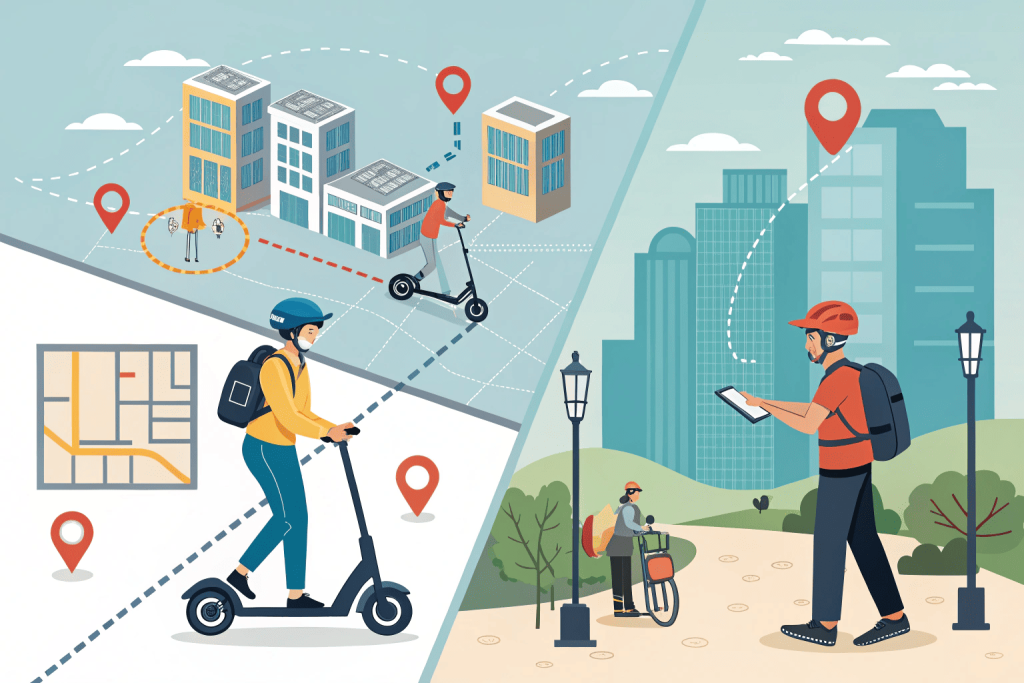
Electric scooters offer convenient, eco-friendly transportation. However, a common concern for owners and fleet managers is security. Losing an electric scooter, whether through theft or misplacement, can be a frustrating and costly experience. This problem highlights the need for effective tracking solutions to protect your investment and ensure operational efficiency. This article will explore how electric scooters can be tracked, the benefits of tracking features, available devices, and the future of this technology. 1. How do electric scooters use GPS for tracking? Electric scooters often use Global Positioning System (GPS) technology for tracking. GPS relies on a network of satellites orbiting Earth. These satellites send signals to receivers in the scooters. The receiver calculates its position based on the time it takes to receive signals from multiple satellites. This is important because it allows for precise location data. Scooter manufacturers integrate small GPS modules directly into the scooter’s internal systems. These modules are connected to the scooter’s power source. They continuously transmit location data to a central server. This real-time data allows owners or fleet managers to see the scooter’s exact position on a map. Many systems also use geofencing. Geofencing creates virtual boundaries around specific areas. If a scooter enters or leaves a defined zone, the system triggers an alert. This feature is useful for managing rental fleets and preventing scooters from going into restricted areas. Tracking Component Function Benefit GPS Module Receives satellite signals, calculates position. Provides accurate location data. Data Transmission Sends location data to a central server. Enables real-time monitoring. Geofencing Sets virtual boundaries, triggers alerts. Controls usage areas, enhances security. For example, a rental company might set a geofence around a city park. If a user tries to take a scooter outside this area, the system can automatically slow down the scooter or send a notification. This ensures compliance with usage policies and helps manage the fleet efficiently. 2. What are the benefits of tracking features in electric scooters? Tracking features offer many benefits for electric scooter owners and operators. Theft prevention is a primary advantage. A GPS-enabled scooter can be located quickly if stolen, greatly increasing the chances of recovery. This provides peace of mind for owners. For rental services, tracking is vital for fleet management. Companies can monitor the location of hundreds or thousands of scooters. They can redistribute scooters to high-demand areas. The bottom line? Efficient fleet management leads to better service and higher profits. Parents can use tracking for safety. They can monitor their children’s scooter usage and location. This ensures children stay within safe zones. Tracking also helps analyze performance, like speed and distance, which can help optimize routes for personal use. Benefit Category Specific Advantage User/Operator Impact Security Theft recovery, deterring unauthorized use. Reduces financial loss, increases peace of mind. Operational Efficiency Fleet redistribution, usage monitoring. Optimizes resource allocation, improves service. Safety Parental monitoring, emergency location. Enhances user safety, provides oversight. Performance Analysis Route optimization, usage patterns. Improves riding experience, informs maintenance. Consider a scenario where a scooter is left in an unauthorized area. The tracking system immediately alerts the operator. They can then dispatch a team to retrieve it, preventing potential damage or loss. This proactive approach saves time and money. 3. What types of tracking devices are available for scooters? Several types of tracking devices are available for electric scooters. Many modern scooters come with built-in GPS modules. These are integrated during manufacturing. They offer seamless tracking capabilities right out of the box. These are often part of a larger smart scooter system. Aftermarket GPS trackers are also popular. These are separate devices you can purchase and install on any scooter. They vary in size and features. Some are small and discreet, making them hard for thieves to find. Now, you might be wondering about their power source. Most aftermarket GPS trackers have their own internal batteries. Some can be wired directly into the scooter’s power system. Bluetooth trackers are another option, but they have limited range. They are best for finding a scooter within a short distance, like in a parking lot. IoT-based tracking solutions use cellular networks for broader coverage. These are more advanced and offer features like remote diagnostics. They provide reliable tracking over long distances, making them suitable for both personal and commercial use. Device Type Integration Method Key Feature/Limitation Built-in GPS Modules Factory integrated Seamless, part of scooter system. Aftermarket GPS Trackers User installed Versatile, varied sizes, internal or external power. Bluetooth Trackers Attached to scooter Short-range, ideal for nearby location. IoT-based Solutions Cellular network Long-range, advanced features, reliable. For example, a rider might use a small aftermarket GPS tracker hidden inside the scooter’s frame. If the scooter is stolen, they can activate the tracker and provide its location to the police. This simple step can be the difference between recovery and permanent loss. 4. How can you install a GPS tracker on your electric scooter? Installing a GPS tracker on your electric scooter can be a straightforward process. First, choose the right tracker for your needs. Consider factors like battery life, size, and whether you want a wired or wireless option. A small, waterproof tracker is often ideal. For internal units, you may need to open the scooter’s casing. This often involves removing a few screws. Find a secure, hidden spot inside the frame or under the deck. Let me explain… hiding the tracker makes it harder for thieves to disable it. External mounting options are simpler. You can attach the tracker to the handlebars, seat post, or under the deck using strong adhesive or zip ties. Ensure it is secure and does not interfere with riding. Some trackers come with magnetic mounts for easy attachment. Power source considerations are important. If your tracker has an internal battery, check its life and recharge frequency. For wired trackers, connect it to the scooter’s main battery. This provides continuous power, but may require some basic electrical knowledge. Installation Method Steps Considerations Internal Installation Open casing, find hidden spot, secure tracker. Requires basic […]
Can Your Electric Scooter Be Tracked? The Truth in 2026 Read More »