

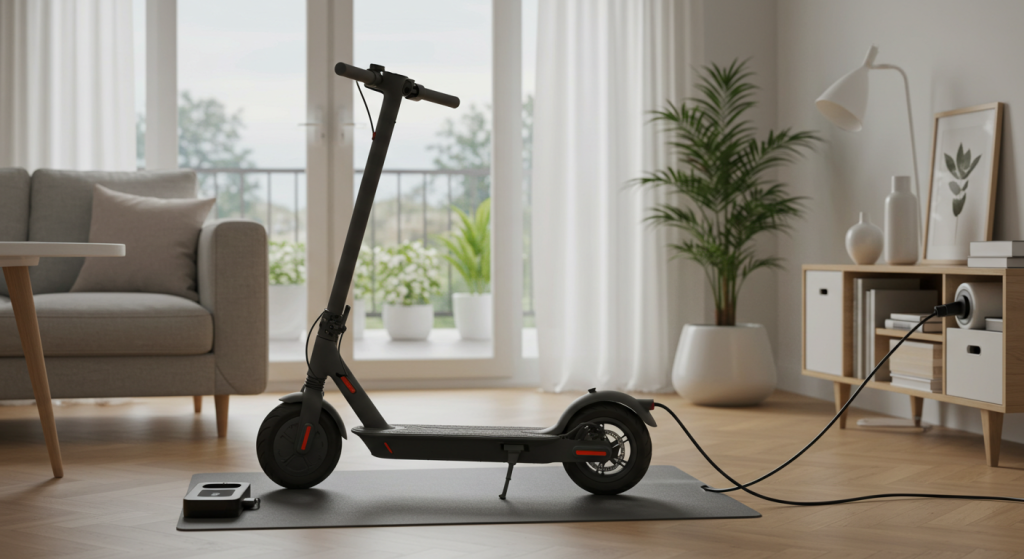
Is It Safe to Charge Your Electric Scooter at Home?
Worried about charging your electric scooter at home but unsure about safety risks? Improper charging can lead to fires, electrical damage, or battery failure costing thousands in repairs. This comprehensive guide shows you how to charge safely, save money, and protect your investment at home. Yes, you can safely charge your electric scooter at home using the original charger, proper ventilation, and basic safety precautions. Most electric scooters are designed for home charging with standard 110V outlets. Follow manufacturer guidelines, avoid overcharging, and charge in well-ventilated areas away from flammable materials. Proper setup prevents fires, extends battery life, and reduces electricity costs significantly. But here’s the thing – knowing the right setup prevents costly mistakes and keeps your family safe while maximizing convenience. 1. What Are the Basic Requirements for Home Charging? Most electric scooters work perfectly with standard household electrical systems. Your home’s 110V electrical infrastructure provides sufficient power for safe, efficient charging. Modern scooters are specifically designed to work with residential power systems. Check your scooter’s power requirements before setting up charging. Most models specify voltage, amperage, and wattage needs in the user manual. These specifications help you choose the right outlet and circuit for safe operation. Power consumption varies significantly by model and battery size. Lightweight scooters typically use 100-300 watts during active charging cycles. Mid-range models consume 200-400 watts. Heavy-duty scooters may require 400-600 watts for optimal charging speed. Here’s why it matters – using inadequate electrical systems or overloading circuits creates serious fire risks and equipment damage. Your home’s electrical circuits can easily handle scooter charging loads. Standard 15-amp household circuits support up to 1,800 watts safely. Most scooters use less than one-third of this capacity. However, avoid charging multiple high-power devices on the same circuit simultaneously. Scooter Type Power Draw Outlet Type Circuit Requirement Charging Time Lightweight (24V) 100-200W Standard 110V 15A circuit 2-4 hours Mid-range (36V) 200-400W Standard 110V 15A circuit 3-6 hours Heavy-duty (48V) 400-600W Standard 110V 20A circuit 4-8 hours Indoor charging locations work best in garages, basements, utility rooms, or dedicated storage areas. These spaces offer excellent ventilation, hard flooring, and separation from living areas. Good ventilation prevents heat buildup that damages batteries and creates safety hazards. Outdoor charging requires weatherproof electrical outlets and covered areas protecting equipment from rain. GFCI outlets provide additional safety for outdoor installations. Never charge in direct sunlight or during storms. Safety equipment should include smoke detectors, fire extinguishers, and adequate lighting in charging areas. Keep charging spaces clean, organized, and free from clutter. Remove flammable materials like gasoline, paint, or cleaning supplies from charging zones. 2. How Do You Set Up a Safe Charging Station at Home? Choose locations with concrete, tile, or other non-flammable flooring for your charging station. Hard surfaces resist fire better than wood, carpet, or vinyl flooring. Concrete garage floors provide ideal charging surfaces with excellent fire resistance. Proper ventilation prevents dangerous heat buildup during charging cycles. Open windows, doors, or use exhaust fans to maintain air circulation. Avoid small closets, tight spaces, or areas without adequate airflow that trap heat and potentially toxic fumes. Cable management keeps your charging setup organized, safe, and professional-looking. Use cable ties, cord organizers, or cable trays to secure charging cords. Route cables away from walkways, doorways, and high-traffic areas to prevent tripping hazards. The best part? A well-designed charging station makes daily use more convenient while dramatically improving safety for your entire household. Dedicated charging areas should include adequate lighting for safe operation during evening hours. Install motion-activated LED lights or permanent fixtures providing clear visibility. Good lighting helps you spot potential problems quickly. Location Type Ventilation Rating Floor Type Safety Score Setup Cost Garage Excellent Concrete 9/10 $50-100 Basement Good Concrete 8/10 $75-150 Utility room Good Tile 7/10 $100-200 Covered patio Excellent Concrete 8/10 $150-300 Fire safety equipment should remain easily accessible from your charging area. Install smoke detectors if none exist in the charging space. Keep a Class C fire extinguisher rated for electrical fires within 10 feet of charging equipment. Temperature control significantly impacts battery health, charging efficiency, and safety. Maintain charging areas between 50-80°F when possible. Extreme temperatures damage batteries, reduce charging efficiency, and create safety risks. Storage solutions keep charging accessories organized and readily available. Install shelves, hooks, or cabinets for chargers, cables, and safety equipment. Organized storage prevents damage and makes equipment easy to find. 3. What Charging Equipment Do You Need? Original manufacturer chargers provide the safest, most reliable charging experience available. Manufacturers design these chargers specifically for your scooter’s battery chemistry, voltage, and capacity requirements. Using original equipment prevents compatibility issues and safety hazards. Third-party chargers may seem cost-effective but often lack proper safety features. Cheap alternatives may use incorrect voltages, inadequate current regulation, or poor-quality components. These deficiencies can damage batteries, create fire hazards, or void warranties. Extension cords work safely when chosen and used correctly. Select heavy-duty cords rated for your scooter’s maximum power draw plus 25% safety margin. Use 12-gauge cords for most scooters. Avoid lightweight household extension cords that overheat under load. Now, you might be wondering about smart charging accessories that add convenience, safety features, and automated control to your charging setup. Surge protectors guard expensive electronics against power spikes, lightning strikes, and electrical fluctuations. Choose models rated for your scooter’s wattage with adequate joule ratings. Replace surge protectors every 3-5 years as protection capabilities degrade over time. Equipment Type Primary Purpose Safety Benefit Typical Cost Replacement Interval Original charger Primary charging Maximum compatibility $30-80 3-5 years Heavy-duty extension Reach distant outlets Prevents overheating $15-30 5-10 years Surge protector Spike protection Prevents damage $20-50 3-5 years Smart timer Automated control Prevents overcharging $15-40 10+ years Smart timers prevent overcharging by automatically cutting power after predetermined periods. Program timers for your battery’s full charging time plus 30-60 minutes buffer. This prevents leaving chargers connected indefinitely while ensuring complete charging. Power strips with individual switches provide convenient control over multiple devices. Choose models with built-in surge protection and adequate amp ratings […]
Is It Safe to Charge Your Electric Scooter at Home? Read More »