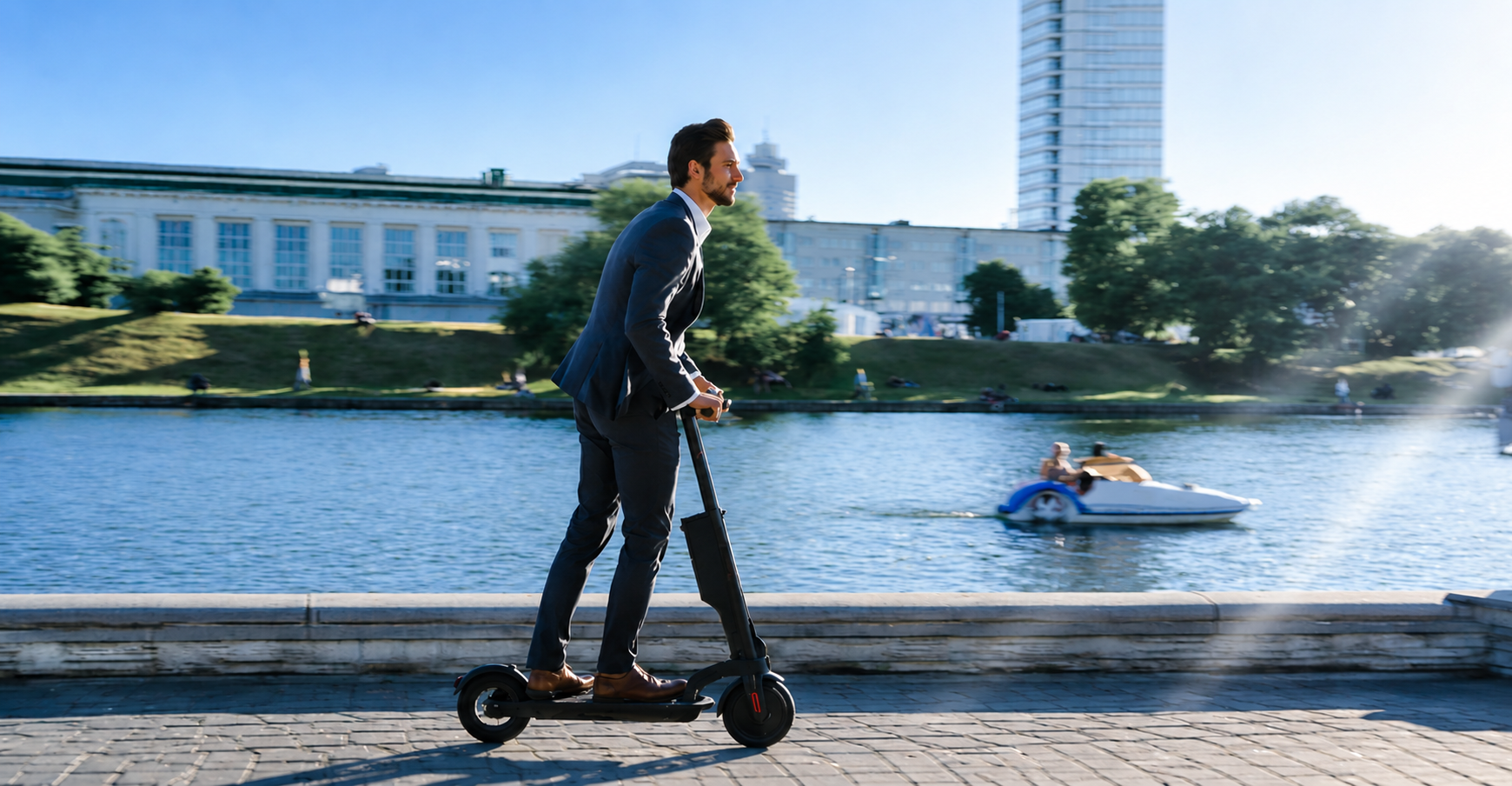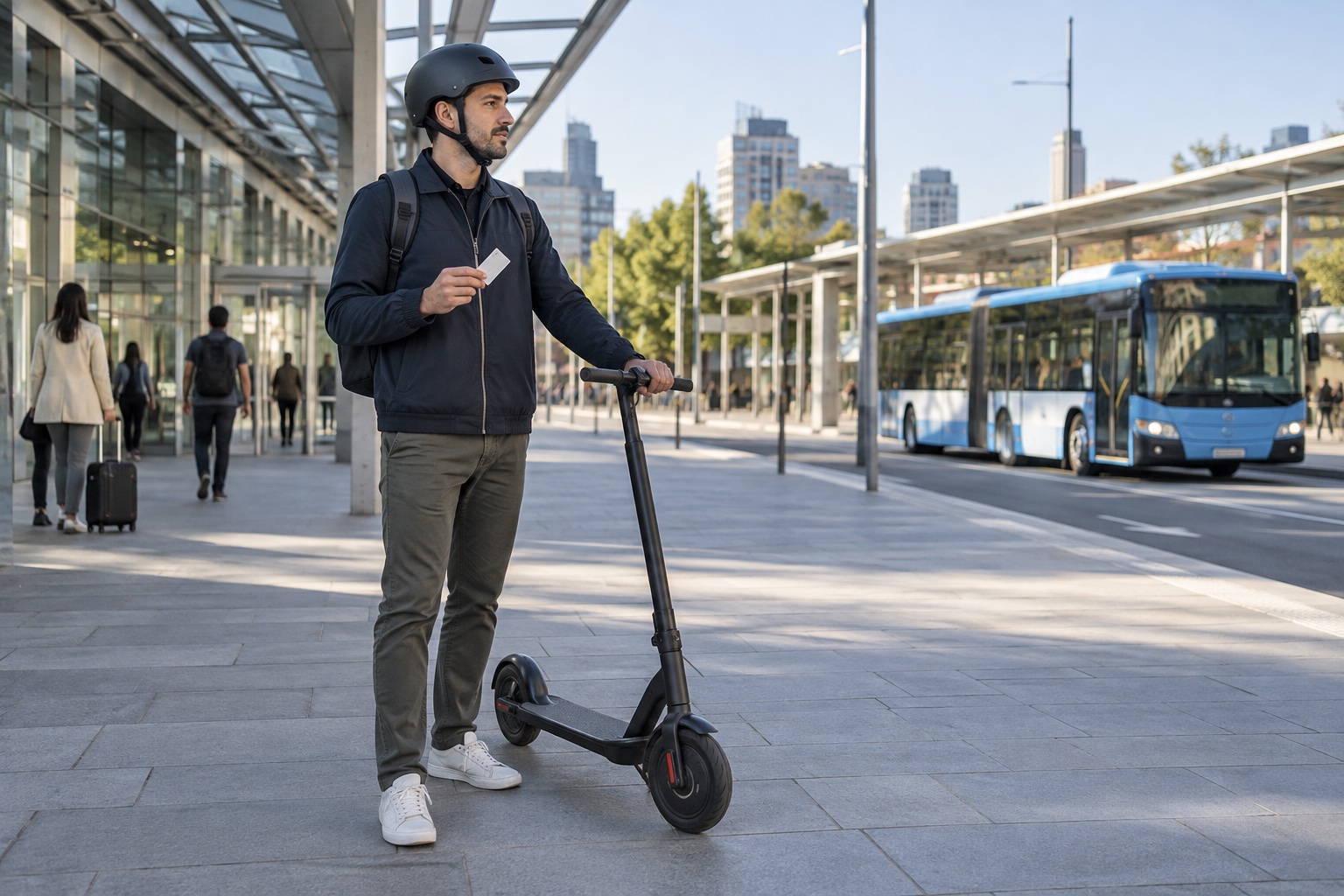

Riding an electric scooter with a seat is a simple process of mastering stable mounting, gradual throttle application, and weight distribution centered over the deck. You start your morning commute only to find that standing for three miles in professional attire is exhausting and leaves you sweaty before your first meeting.
This daily fatigue agitates your workflow, making the journey feel like a chore rather than a convenient transition. Fortunately, an electric scooter with a seat offers the perfect ergonomic solution to reclaim your energy and comfort.
How do you prepare an electric scooter with a seat?
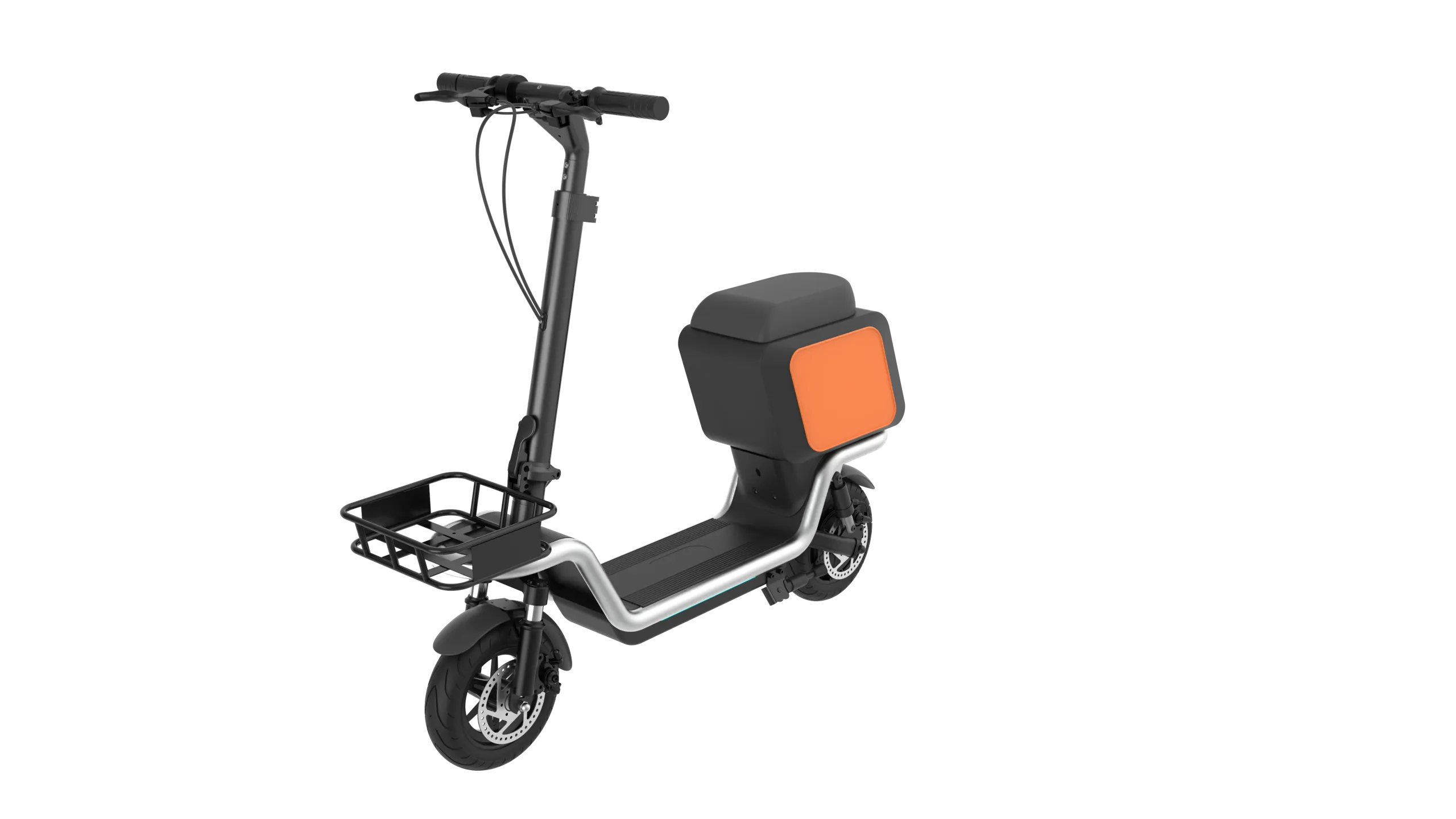
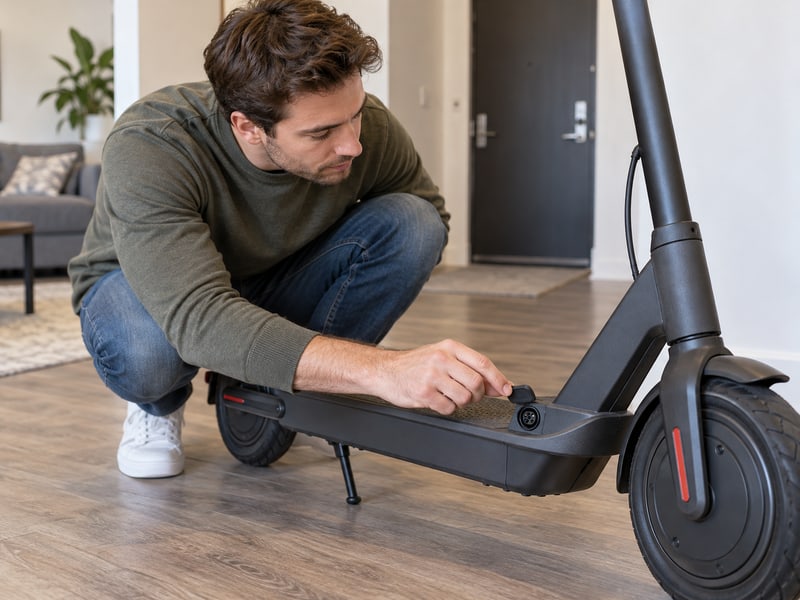
Preparing an electric scooter with a seat requires a systematic check of tire pressure, battery levels, and brake responsiveness to ensure a safe journey. Before you power on your electric scooter with a seat, you must verify that the seat post is securely locked into place at the correct height. This prevents unexpected shifts during transit that could compromise your balance or control.
Which components should you check first?
Safety starts with a quick visual and tactile inspection of the main mechanical parts.
- Check tire treads for any embedded debris or visible wear.
- Ensure the battery is charged to at least 80% for optimal range.
- Test the headlight and taillight for visibility.
- Confirm that the folding latch is fully engaged and immobile.
But wait, there is more: you should also check the tightness of the handlebar bolts. Vibrations from urban roads can occasionally loosen hardware over time.
How to adjust the seat height for comfort?
The best riding experience comes from a seat height that allows your feet to touch the ground comfortably while stopped.
- Loosen the quick-release clamp on the seat post.
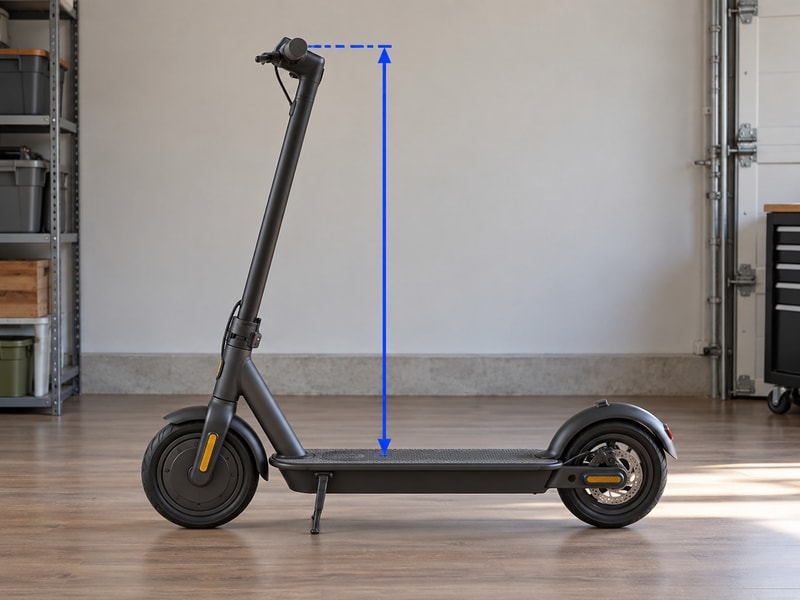
- Slide the post up or down until the seat aligns with your hip.
- Tighten the clamp firmly and apply downward pressure to test it.
- Sit down to ensure your knees are slightly bent while your feet rest on the deck.
The best part? This adjustment only takes a few seconds but drastically improves long-distance comfort.
Summary of the pre-ride checklist
Key Takeaway: A consistent pre-ride routine ensures your scooter remains reliable and prevents mechanical failures during your commute.
| Inspection Point | Frequency | Action Required |
|---|---|---|
| Tire Pressure | Daily | Ensure firm contact with the ground |
| Brake System | Daily | Squeeze levers to check for resistance |
| Battery Level | Daily | Charge to sufficient levels for your route |
| Bolt Tightness | Weekly | Use an Allen key to verify security |
Performing these steps consistently allows you to identify minor issues before they become expensive repairs.
How to mount your electric scooter with a seat safely?
Mounting an electric scooter with a seat safely involves standing beside the unit and gripping both handlebars firmly before lowering yourself onto the cushion. Beginners often make the mistake of trying to sit while the scooter is moving, but you should always be stationary. Using an electric scooter with a seat requires a stable foundation to prevent the deck from tipping sideways.
How to maintain a firm handlebar grip?
Your hands are your primary point of control and should be positioned at the ends of the grips.
- Wrap your fingers fully around the rubber handles.
- Keep your wrists straight to avoid accidental throttle twists.
- Position at least two fingers over the brake levers at all times.
- Maintain a relaxed but firm hold to absorb road vibrations.
Here is the kicker: gripping too tightly can lead to hand fatigue on longer rides.
What are the steps for sitting down safely?
The transition from standing to sitting should be a fluid, controlled motion that keeps the scooter upright.
- Stand on the left side of the scooter deck.
- Keep one foot on the ground for balance and leverage.
- Place your other foot onto the center of the deck.
- Slowly lower your weight onto the seat while keeping the handlebars centered.
The best part? Once seated, you will immediately feel the stability that a lower center of gravity provides.
Key Takeaway: Ensuring mounting stability
Key Takeaway: Mastering the mounting process builds the confidence needed to handle the scooter’s power as you transition into motion.
| Mounting Step | Goal | User Benefit |
|---|---|---|
| Handlebar Grip | Control | Prevents accidental acceleration |
| Foot Placement | Leverage | Keeps the unit upright during the sit |
| Centered Weight | Balance | Avoids side-tipping or wobbling |
Establishing a stable base is the most important part of starting any ride on a seated model.
How to accelerate an electric scooter with a seat smoothly?
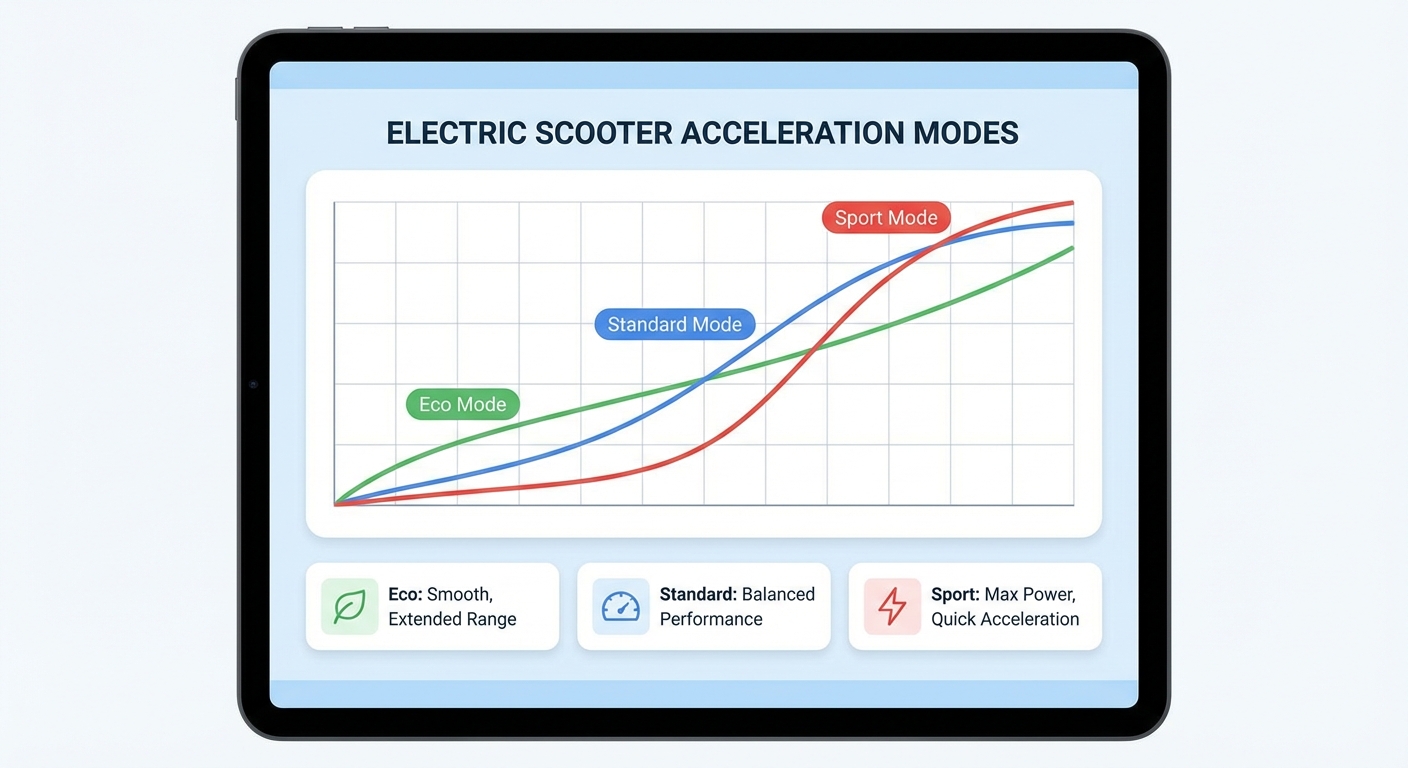
Accelerating an electric scooter with a seat requires a gentle application of the throttle to avoid sudden jerks that can catch a rider off-guard. Most modern systems utilize a thumb or twist throttle that responds to the slightest pressure. Your electric scooter with a seat will typically have multiple speed modes, and starting in the lowest setting is highly recommended for beginners.
How does the throttle mechanism work?
The throttle sends a signal to the motor controller to release power from the lithium battery.
- Thumb throttles use a lever pushed by the thumb.
- Twist throttles function like a motorcycle grip.
- Pressure-sensitive sensors dictate the rate of speed gain.
- Most scooters include a “dead zone” to prevent accidental starts.
But wait, there is more: understanding the difference between “Zero Start” and “Kick Start” modes is vital for safety.
How to avoid sudden jerky movements?
Smooth acceleration is achieved through incremental pressure rather than pushing the throttle to its limit immediately.
- Lean slightly forward to counteract the backward force of inertia.
- Apply pressure to the throttle slowly over two to three seconds.
- Listen to the motor to gauge how the scooter is responding.
- Keep your feet ready to touch the ground if you feel unstable.
Here is the kicker: jerky acceleration is the number one cause of beginner falls on seated scooters.
Comparison of acceleration modes
Key Takeaway: Selecting the appropriate ride mode ensures that the power delivery matches your skill level and current environment.
| Ride Mode | Acceleration Curve | Best For |
|---|---|---|
| Eco Mode | Shallow/Gentle | Beginners and crowded areas |
| Standard Mode | Linear/Predictable | Daily urban commuting |
| Sport Mode | Steep/Aggressive | Climbing hills or open roads |
Selecting Eco mode when you are first learning provides a much wider margin for error.
How do you balance an electric scooter with a seat?

Balancing an electric scooter with a seat is significantly easier than standing models because your weight is distributed lower and more centrally. You achieve balance by keeping your spine straight and using your feet on the deck to counteract lateral movements. Riding an electric scooter with a seat feels natural because the seated posture mimics that of a bicycle, which most people already understand.
How should you position your back and arms?
Proper ergonomics prevent fatigue and allow you to react more quickly to obstacles in your path.
- Keep your back straight but not rigid.
- Allow a slight bend in your elbows to act as shock absorbers.
- Look ahead at the road rather than down at the front wheel.
- Keep your shoulders relaxed to improve steering fluidity.
The best part? This upright posture reduces strain on your lower back compared to standing scooters.
Where do your feet go for maximum stability?
Foot placement is the secret to maintaining a stable center of gravity during turns and bumps.
- Keep both feet flat on the deck or dedicated footrests.
- Position your feet toward the front to prevent the front wheel from lifting.
- Avoid hanging your feet off the sides while the scooter is in motion.
- Use your legs to squeeze the center post slightly for extra control.
But wait, there is more: your feet are also your “training wheels” when slowing down to a complete stop.
Key Takeaway: Perfecting your riding posture
Key Takeaway: Correct posture and foot placement transform the scooter from a machine into an extension of your own movements.
| Posture Element | Correct Form | Common Mistake |
|---|---|---|
| Spine | Straight/Upright | Slouching over handlebars |
| Elbows | Slightly Bent | Locking arms straight |
| Feet | Flat on Deck | Dangling feet while moving |
Focusing on these ergonomic details ensures you stay comfortable even during 30-minute rides.
How to stop an electric scooter with a seat correctly?
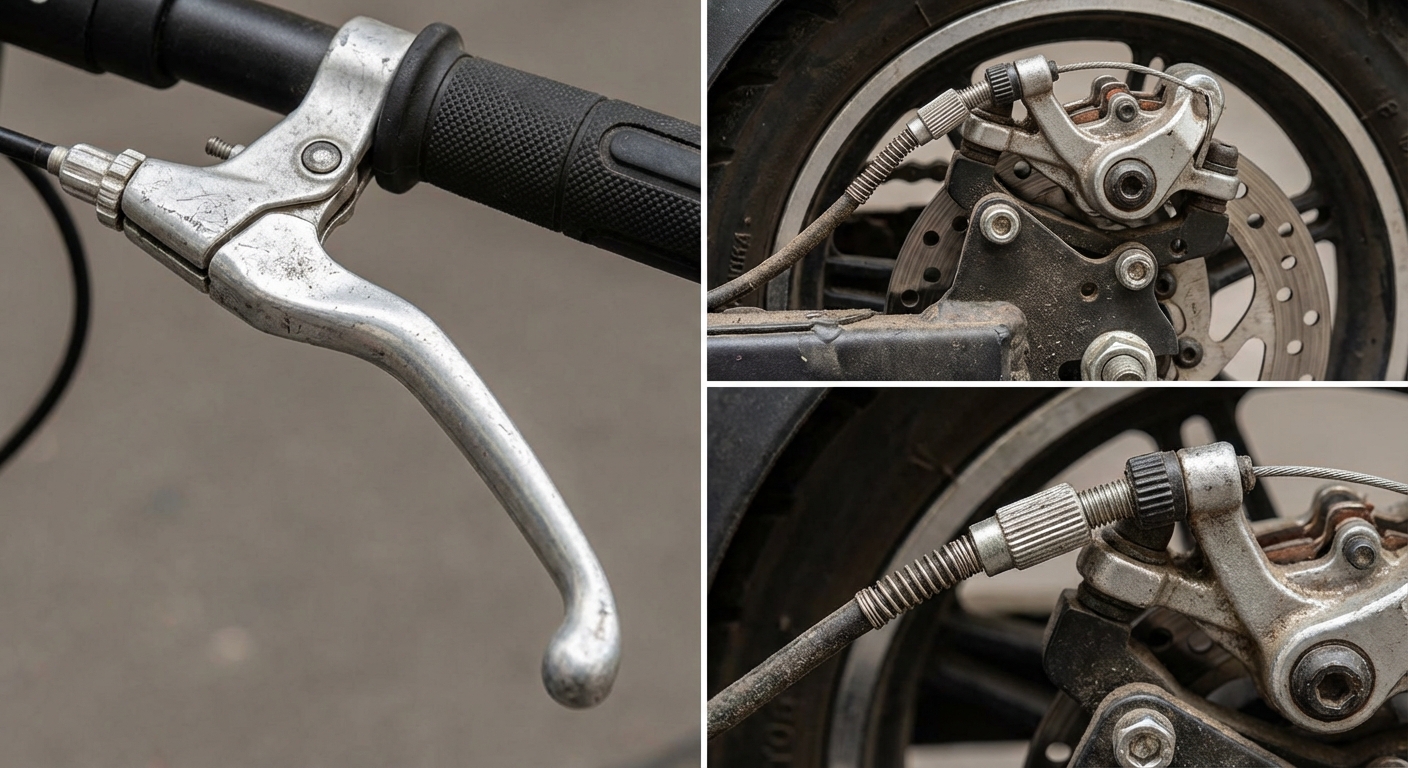
Stopping an electric scooter with a seat correctly involves applying the rear brake first to keep the unit stable and prevent forward tipping. Most commuters rely on dual braking systems that combine mechanical disc brakes with electronic regenerative braking. Using an electric scooter with a seat safely means you must practice the “controlled stop” to handle emergency situations without skidding.
How to use hand vs. regenerative brakes?
Understanding how your specific scooter handles stopping power is essential for navigating city traffic.
- Hand brakes provide immediate, mechanical friction to the wheels.
- Regenerative brakes slow the motor while recharging the battery slightly.
- Always apply the left (rear) brake before the right (front) brake.
- Modulate pressure slowly to avoid locking the wheels.
Here is the kicker: applying only the front brake at high speeds can cause the rear wheel to lift.
When should you put your feet down?
Timing your foot placement is the final step in a successful and graceful stop.
- Wait until the scooter has slowed to a walking pace (under 3 mph).
- Slide one foot off the deck and prepare to touch the pavement.
- Plant your foot firmly only once the scooter has reached zero speed.
- Lean slightly toward the foot that you are planting.
The best part? Being seated makes it much easier to reach the ground than when standing.
Braking distance safety summary
Key Takeaway: Giving yourself ample space to stop is the best way to prevent collisions and maintain control.
| Speed (MPH) | Surface Condition | Est. Braking Distance |
|---|---|---|
| 10 MPH | Dry Asphalt | 6 – 8 Feet |
| 15 MPH | Dry Asphalt | 12 – 15 Feet |
| 15 MPH | Wet/Slick Road | 25+ Feet |
Analysis shows that braking distances more than double on wet surfaces, requiring extreme caution.
What safety gear fits an electric scooter with a seat?
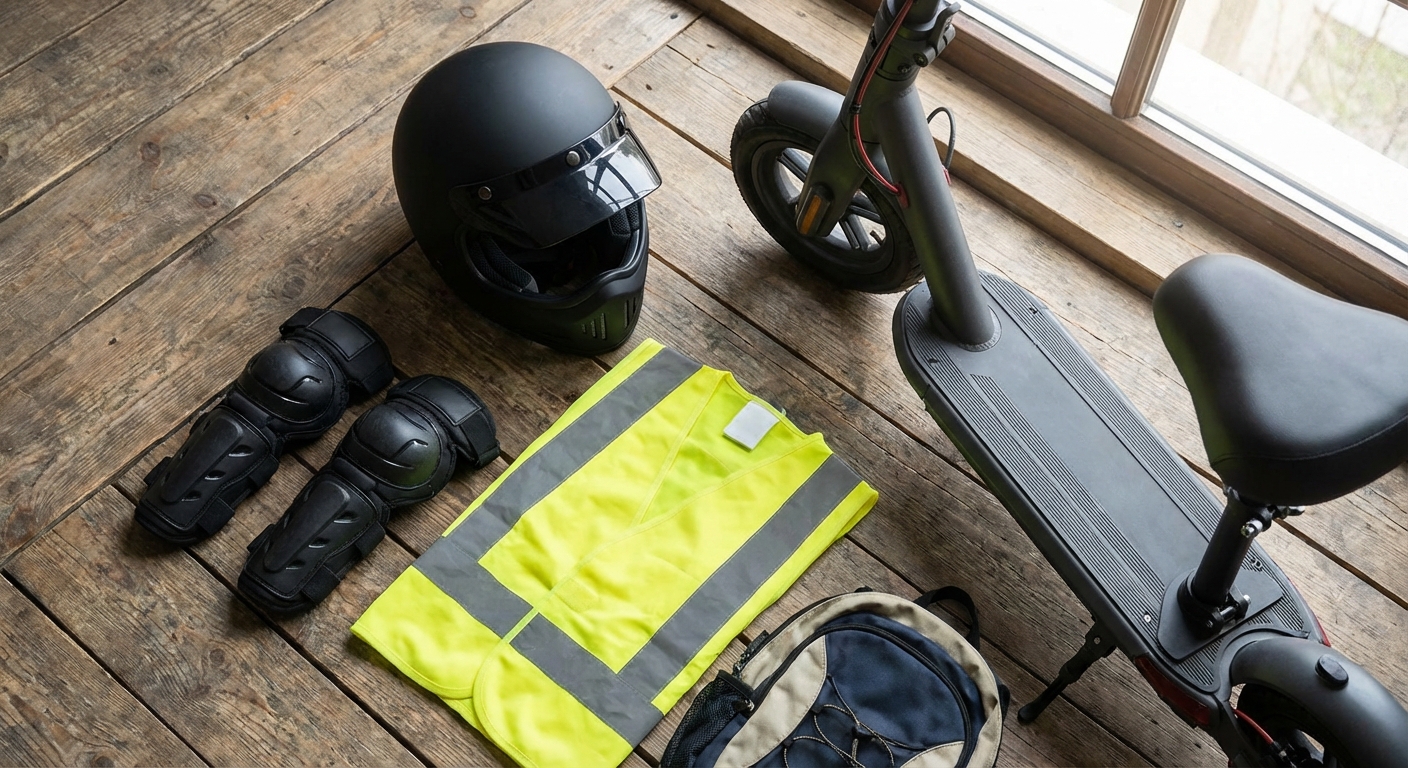
Safety gear for an electric scooter with a seat should include a high-quality helmet, reflective clothing, and sturdy footwear. While the ride feels more stable, the speeds can still reach 15 to 20 mph, making protection a priority. Equipping your electric scooter with a seat with the right gear ensures you are prepared for both the environment and other road users.
Is a helmet mandatory for seated riders?
Regardless of local laws, wearing a helmet is the single most important safety decision a rider can make.
- Choose a helmet that meets CPSC or ASTM safety standards.
- Ensure the fit is snug and the chin strap is properly fastened.
- Consider a helmet with a visor to protect your eyes from wind and debris.
- Replace your helmet immediately if it sustains any impact.
But wait, there is more: many modern commuter helmets now feature built-in LED turn signals.
What other protective gear is recommended?
Beyond the helmet, additional layers of protection can save you from painful road rash or visibility issues.
- Wear a high-visibility vest or jacket, especially during dawn or dusk.
- Knee and elbow pads provide a safety net for beginners during the learning phase.
- Use closed-toe shoes with good grip to keep your feet secure on the deck.
- Consider gloves to improve grip and protect your hands from the cold.
Here is the kicker: reflective gear makes you visible to cars from up to 500 feet away.
Key Takeaway: Essential safety equipment list
Key Takeaway: Investing in quality safety gear is an investment in your long-term health and riding confidence.
| Gear Item | Protection Level | Necessity |
|---|---|---|
| Certified Helmet | Head/Brain | Essential |
| Reflective Vest | Visibility | High |
| Closed-Toe Shoes | Foot/Ankle Grip | Required |
| Padded Gloves | Hands/Skin | Recommended |
A well-equipped rider is a respected rider on the road, signaling that you take safety seriously.
How to practice on an electric scooter with a seat?
You should practice on an electric scooter with a seat in a flat, open area like an empty parking lot to build muscle memory. The goal is to become familiar with the turning radius and braking sensitivity before you ever enter a public bike lane. Your electric scooter with a seat will feel different at various speeds, so progressive practice is the most effective learning method.
Where is the best place to practice?
Finding a controlled environment allows you to focus on your skills without the distraction of traffic.
- Empty parking lots provide a smooth surface and plenty of space.
- Quiet residential cul-de-sacs are excellent for practicing starts and stops.
- Avoid areas with loose gravel, sand, or heavy pedestrian traffic.
- Ensure the area is well-lit if you are practicing during evening hours.
The best part? You can use painted parking lines as guides for your maneuvers.
What drills help build riding confidence?
Specific drills target the skills you will need most when navigating real-world obstacles and turns.
- The “Figure-8” drill helps you master steering balance and leaning.
- The “Emergency Stop” drill teaches you the limits of your braking system.
- Practice slow-speed riding to improve your low-speed balance and control.
- Perform gradual turns to understand the scooter’s lean angle.
But wait, there is more: practicing your “shoulder check” while moving is vital for lane changes.
Summary: Building your riding skill set
Key Takeaway: Confidence is the result of repeated, successful execution of basic riding maneuvers in a safe environment.
| Practice Day | Skill Focus | Target Goal |
|---|---|---|
| Day 1 | Mounting & Starts | Smooth takeoffs without wobbling |
| Day 2 | Braking & Stops | Stopping exactly on a marked line |
| Day 3 | Turning & Slaloms | Navigating tight turns with control |
| Day 4 | Real-World Prep | Mastering shoulder checks and signals |
A structured 4-day plan can take a total novice to a confident commuter very quickly.
Is a foldable electric scooter with a seat portable
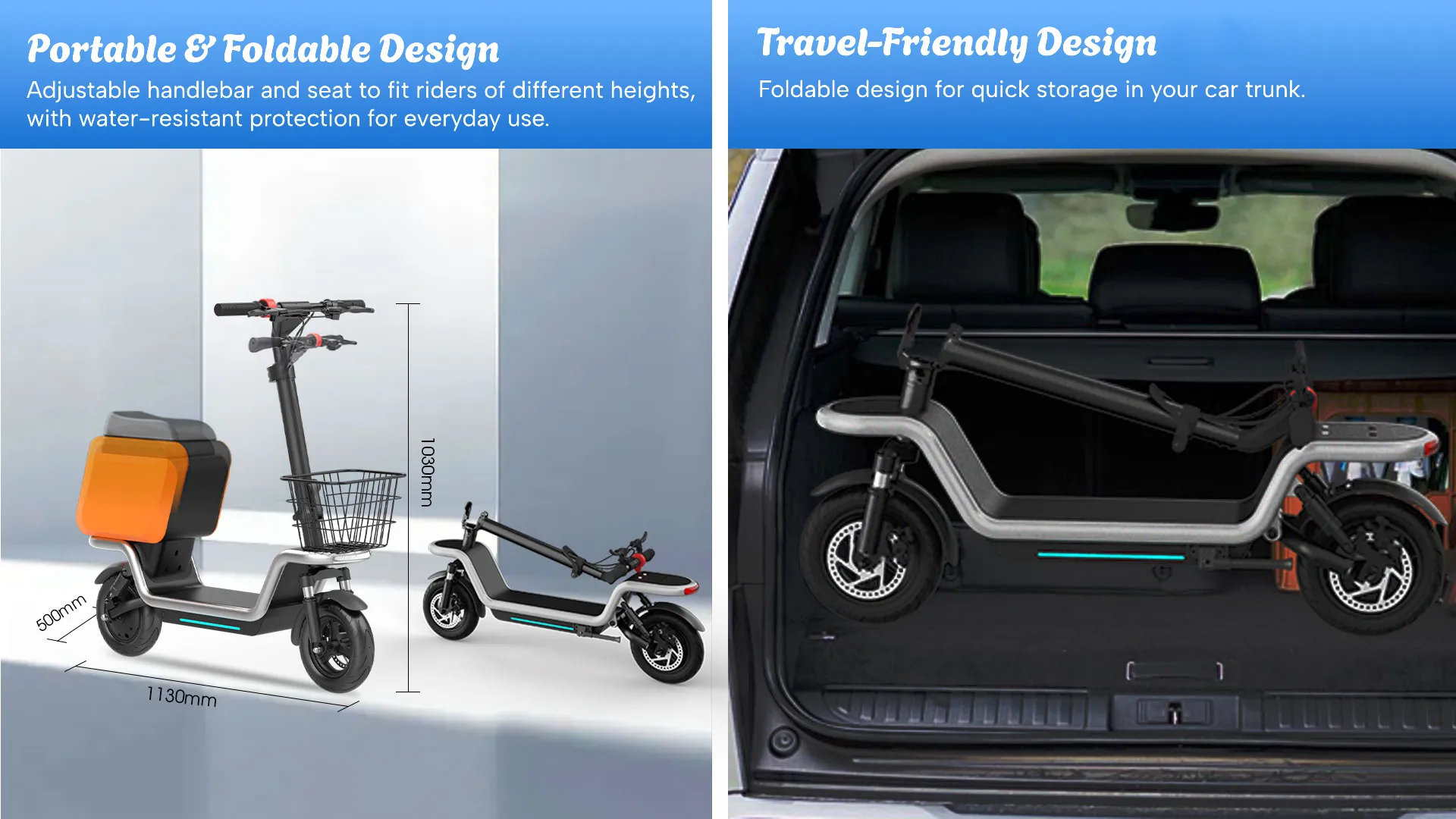
Yes, a foldable electric scooter with a seat is highly portable, often collapsing into a compact shape that fits in car trunks or under office desks. The convenience of folding allows you to combine your ride with public transit, making it a “last-mile” champion. Owning an electric scooter with a seat doesn’t mean sacrificing the mobility that stand-up models are famous for.
How does portability benefit daily commuters?
Portability solves the biggest challenges of urban transportation: storage and theft prevention.
- Easily take the scooter inside your apartment to keep it safe from weather.
- Avoid bike rack theft by storing the unit under your desk at work.
- Carry the folded scooter onto trains or buses to cover long distances.
- Save on parking fees by using the scooter for the final leg of your trip.
Here is the kicker: some models fold in as little as three seconds.
Can seated scooters fit in a standard car trunk?
Most seated models are designed with dimensions that accommodate even compact vehicle storage spaces.
- The seat post usually telescopes or folds down alongside the deck.
- Handlebars typically fold inward to reduce the overall width.
- Lightweight frames allow most adults to lift the unit without assistance.
- Protective bags are available to keep your trunk clean from road dirt.
The best part? Having a scooter in your trunk means you always have a backup transportation plan.
Key Takeaway: Portability and storage features
Key Takeaway: The ability to fold and carry your scooter expands your travel possibilities and enhances security.
| Storage Location | Suitability | Commuter Advantage |
|---|---|---|
| Car Trunk | Excellent | Always ready for a ride |
| Under Desk | High | Zero risk of outdoor theft |
| Public Transit | Moderate | Extends commute range |
| Apartment Closet | High | Saves valuable living space |
Evaluating folded dimensions before buying ensures the scooter fits your specific storage needs.
How to maintain your electric scooter with a seat?
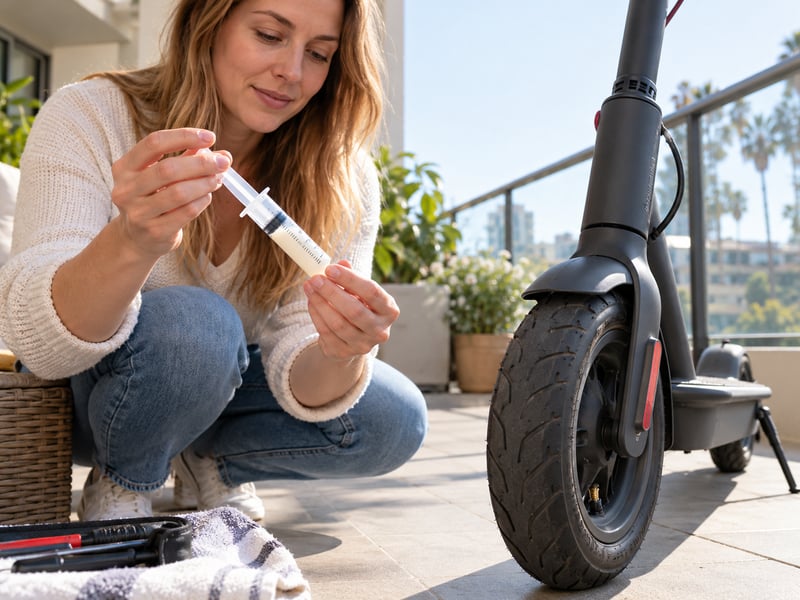
Maintenance for an electric scooter with a seat focuses on battery health, tire pressure, and keeping the folding mechanism lubricated. A well-maintained lithium battery is the heart of your machine, determining both your top speed and total range. Your electric scooter with a seat will last for thousands of miles if you follow a basic monthly care schedule.
How to care for the lithium battery?
Batteries are sensitive components that require specific charging habits to maximize their lifespan.
- Avoid letting the battery drop below 20% whenever possible.
- Store the scooter in a cool, dry place away from direct sunlight.
- Use only the charger that was provided by the manufacturer.
- Charge the battery to 50% if you plan to store it for more than a month.
But wait, there is more: overcharging a battery can lead to heat buildup and reduced capacity.
When should you check tire pressure?
Proper tire inflation is the easiest way to improve your ride quality and prevent flat tires.
- Check your tire pressure at least once every two weeks.
- Under-inflated tires increase rolling resistance and drain the battery faster.
- Over-inflated tires result in a harsh, bumpy ride on uneven pavement.
- Look for small cracks or bald spots that indicate it is time for a replacement.
Here is the kicker: 90% of flat tires are caused by riding with low pressure.
Maintenance schedule for beginners
Key Takeaway: Regular maintenance is the most effective way to protect your investment and ensure a safe ride.
| Task | Interval | Importance |
|---|---|---|
| Charge Battery | After Every Ride | Critical for longevity |
| Tire Pressure | Every 2 Weeks | High for ride quality |
| Bolt Check | Every Month | Critical for safety |
| Lubricate Latch | Every 3 Months | High for folding ease |
A simple monthly checkup keeps your scooter performing like new for years to come.
Where can you ride an electric scooter with a seat?
You can ride an electric scooter with a seat in designated bike lanes, quiet residential streets, and on paved multi-use paths. Local regulations vary significantly, so it is your responsibility to check city ordinances regarding motorized vehicles. Generally, an electric scooter with a seat is treated similarly to an e-bike, granting you access to most cycling infrastructure.
Are seated scooters allowed in bike lanes?
In most urban areas, seated scooters are welcomed in bike lanes as long as they adhere to speed limits.
- Keep your speed below the local bike lane limit (usually 15-20 mph).
- Use hand signals to indicate turns to cyclists behind you.
- Yield to pedestrians and traditional bicycles at all times.
- Avoid riding on sidewalks, which is illegal in many major cities.
The best part? Bike lanes offer a much safer alternative to riding in heavy car traffic.
When riding in areas shared with walkers, your priority must be predictability and slow speeds.
- Slow down to a walking pace when approaching pedestrians from behind.
- Use a bell or a polite verbal “on your left” before passing.
- Give at least three feet of space when overtaking someone on foot.
- Be especially cautious near shop entrances where people may step out suddenly.
But wait, there is more: being a courteous rider helps preserve scooter access for everyone.
Key Takeaway: Understanding local riding rules
Key Takeaway: Knowledge of local laws and polite riding etiquette keeps you safe and helps you avoid expensive fines.
| Location Type | General Permission | Speed Recommendation |
|---|---|---|
| Bike Lanes | Allowed | 12 – 15 MPH |
| Public Parks | Varies | 5 – 10 MPH |
| Main Roads | Discouraged | 15 – 20 MPH |
| Sidewalks | Usually Prohibited | N/A |
Always prioritize the safest route, even if it adds a few minutes to your journey.
FAQ
Can I ride an electric scooter with a seat on a hill?
Yes, but it depends on the motor power and the steepness of the incline. Most commuter seated scooters can handle a 10 to 15-degree climb comfortably, though you will notice a slight drop in speed as the motor works harder. To help the motor, lean forward and ensure your battery is well-charged before hitting hilly terrain.
How do I know if my scooter is waterproof?
Most scooters have an IP54 rating, which means they are resistant to splashes but not fully waterproof. This judgment means you can ride through a light drizzle, but you should never submerge the deck in puddles or ride through a heavy downpour. Water entering the battery compartment or motor can cause permanent electrical failure.
Is an electric scooter with a seat better for seniors?
Generally, yes, because the seated position provides three points of contact and a lower center of gravity. This setup offers much greater stability and reduces the balance required compared to standing models. It is an excellent mobility solution for those who find standing for long periods difficult or tiring.
How long does it take to learn how to ride?
Most people feel comfortable on a seated scooter within 15 to 30 minutes of their first practice session. Because the posture is so similar to a bicycle, the learning curve is incredibly shallow for most adults. Starting in a low-speed mode allows you to master the basics without feeling overwhelmed by the power.
What should I do if the scooter makes a strange noise?
You should stop riding immediately and inspect the wheels and brakes for any loose parts or debris. A clicking or grinding noise often indicates a pebble stuck in the brake caliper or a loose bolt on the folding mechanism. Consulting your user manual or a local technician is the safest way to address persistent mechanical sounds.
Conclusion
Riding an electric scooter with a seat is the ultimate way to enjoy modern urban mobility without the physical strain of standing. By following this guide, you have learned how to inspect your equipment, mount with stability, accelerate smoothly, and navigate your local streets with confidence. We have addressed the common pain points of commuter fatigue and safety concerns, providing you with a clear path toward a more comfortable daily journey.
If you are ready to upgrade your commute or have more questions about which model fits your lifestyle, contact us today to speak with our experts. At Dynamic Scooter, we believe that every mile should be effortless, empowering you to reach your destination refreshed and ready for the day ahead. Join the revolution of seated travel and experience the perfect blend of portability, power, and professional comfort.