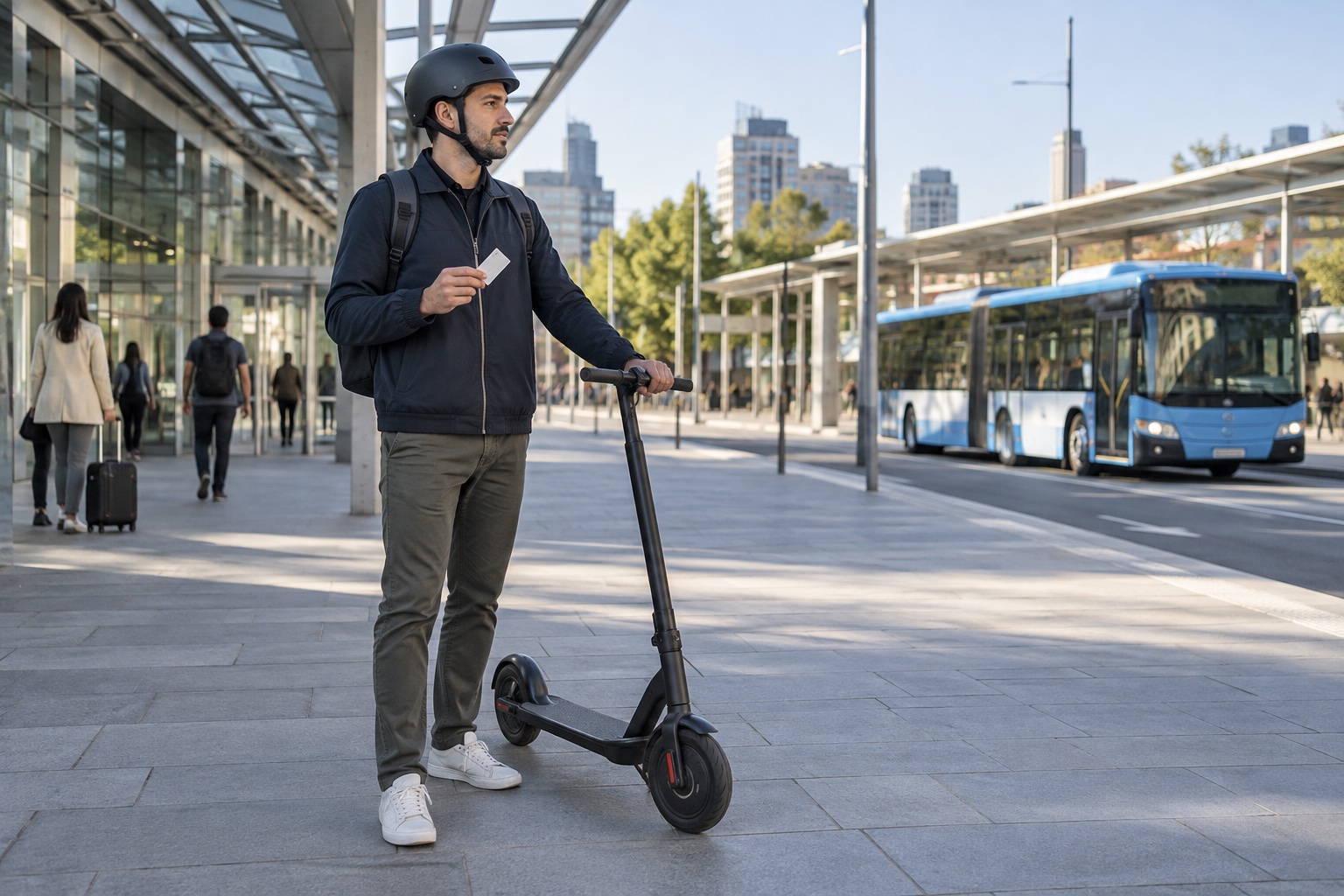

Electric scooters offer convenient, eco-friendly transportation. However, a common concern for owners and fleet managers is security. Losing an electric scooter, whether through theft or misplacement, can be a frustrating and costly experience.
This problem highlights the need for effective tracking solutions to protect your investment and ensure operational efficiency. This article will explore how electric scooters can be tracked, the benefits of tracking features, available devices, and the future of this technology.
1. How do electric scooters use GPS for tracking?
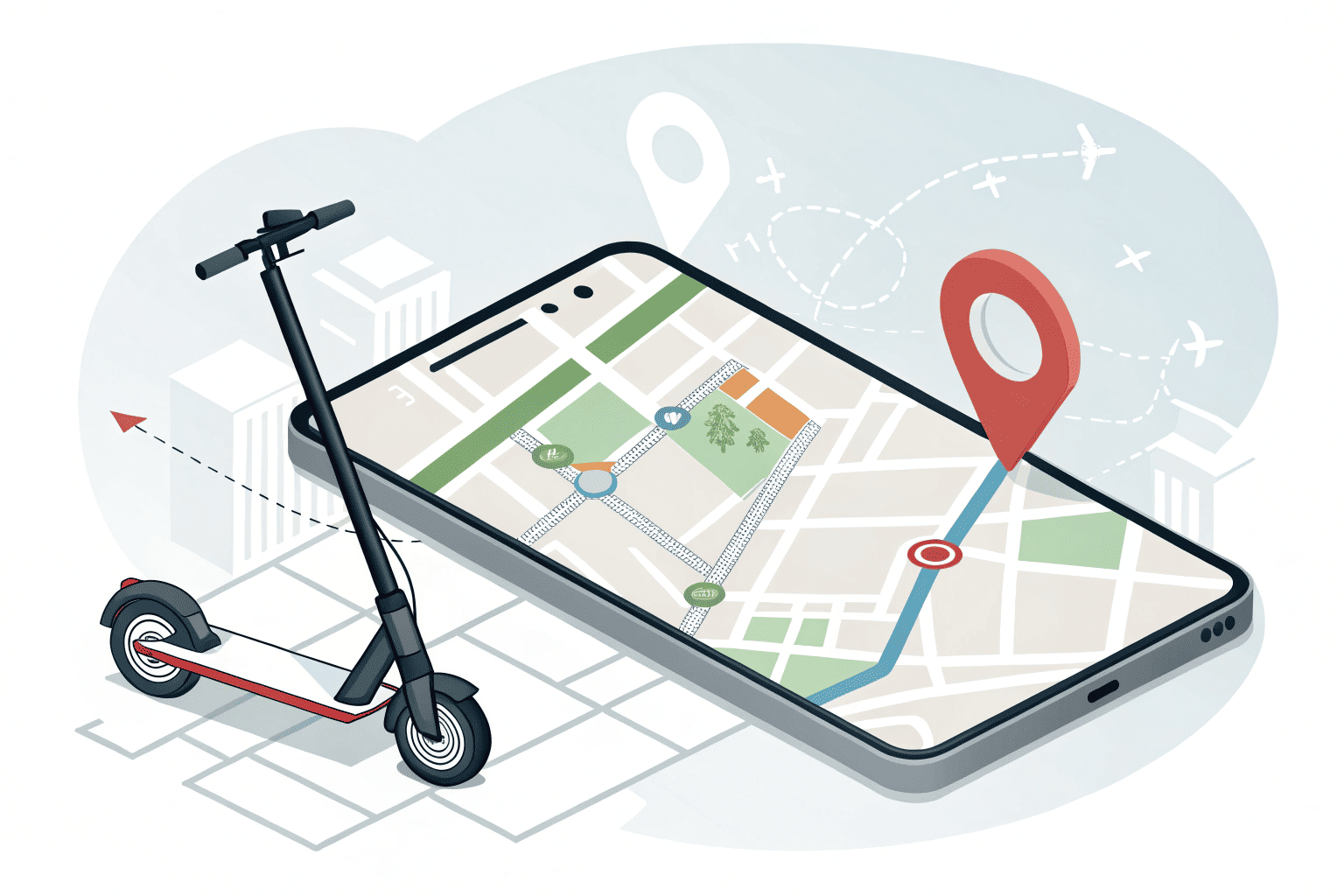
Electric scooters often use Global Positioning System (GPS) technology for tracking. GPS relies on a network of satellites orbiting Earth. These satellites send signals to receivers in the scooters. The receiver calculates its position based on the time it takes to receive signals from multiple satellites. This is important because it allows for precise location data.
Scooter manufacturers integrate small GPS modules directly into the scooter’s internal systems. These modules are connected to the scooter’s power source. They continuously transmit location data to a central server. This real-time data allows owners or fleet managers to see the scooter’s exact position on a map.
Many systems also use geofencing. Geofencing creates virtual boundaries around specific areas. If a scooter enters or leaves a defined zone, the system triggers an alert. This feature is useful for managing rental fleets and preventing scooters from going into restricted areas.
| Tracking Component | Function | Benefit |
|---|---|---|
| GPS Module | Receives satellite signals, calculates position. | Provides accurate location data. |
| Data Transmission | Sends location data to a central server. | Enables real-time monitoring. |
| Geofencing | Sets virtual boundaries, triggers alerts. | Controls usage areas, enhances security. |
For example, a rental company might set a geofence around a city park. If a user tries to take a scooter outside this area, the system can automatically slow down the scooter or send a notification. This ensures compliance with usage policies and helps manage the fleet efficiently.
2. What are the benefits of tracking features in electric scooters?
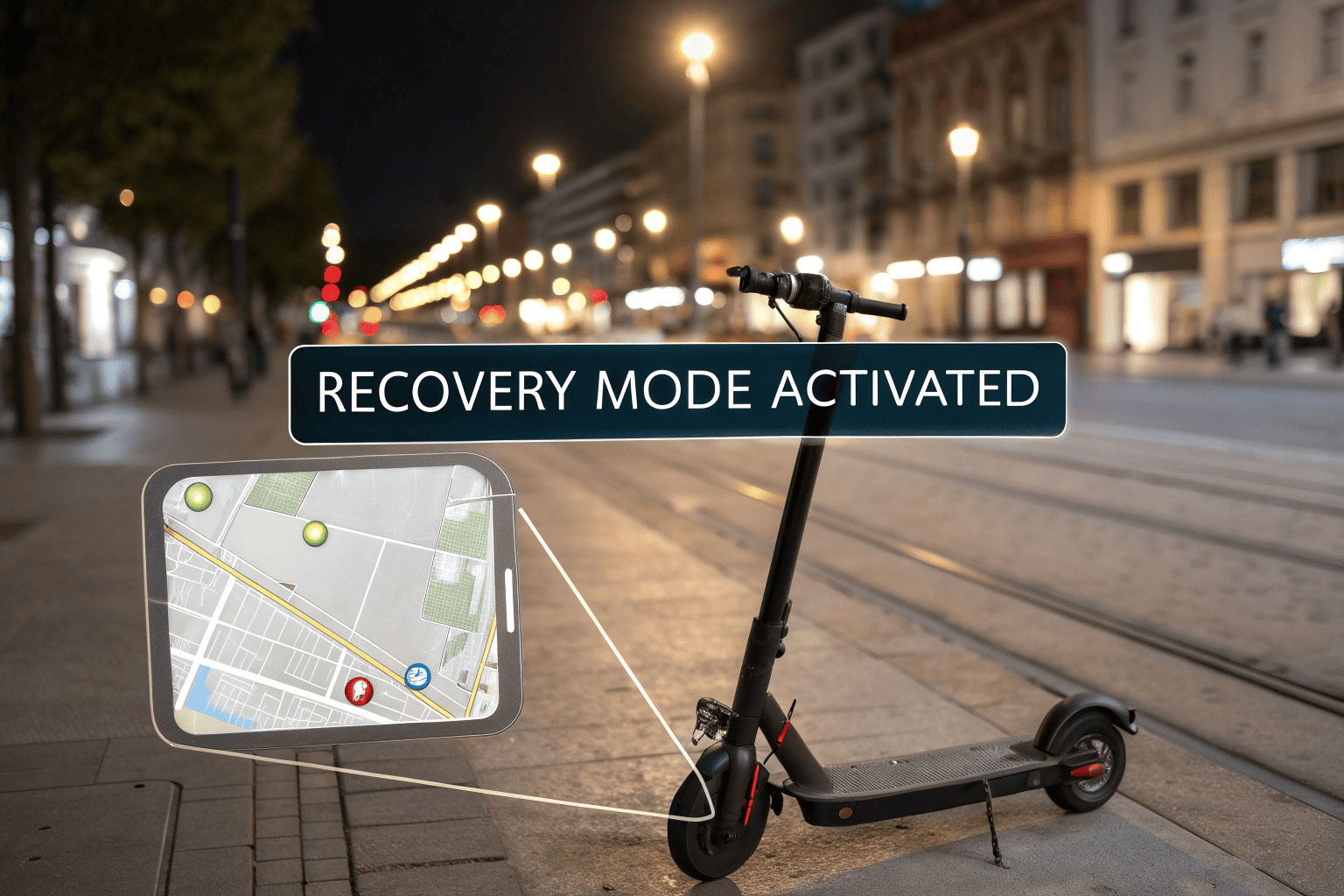
Tracking features offer many benefits for electric scooter owners and operators. Theft prevention is a primary advantage. A GPS-enabled scooter can be located quickly if stolen, greatly increasing the chances of recovery. This provides peace of mind for owners.
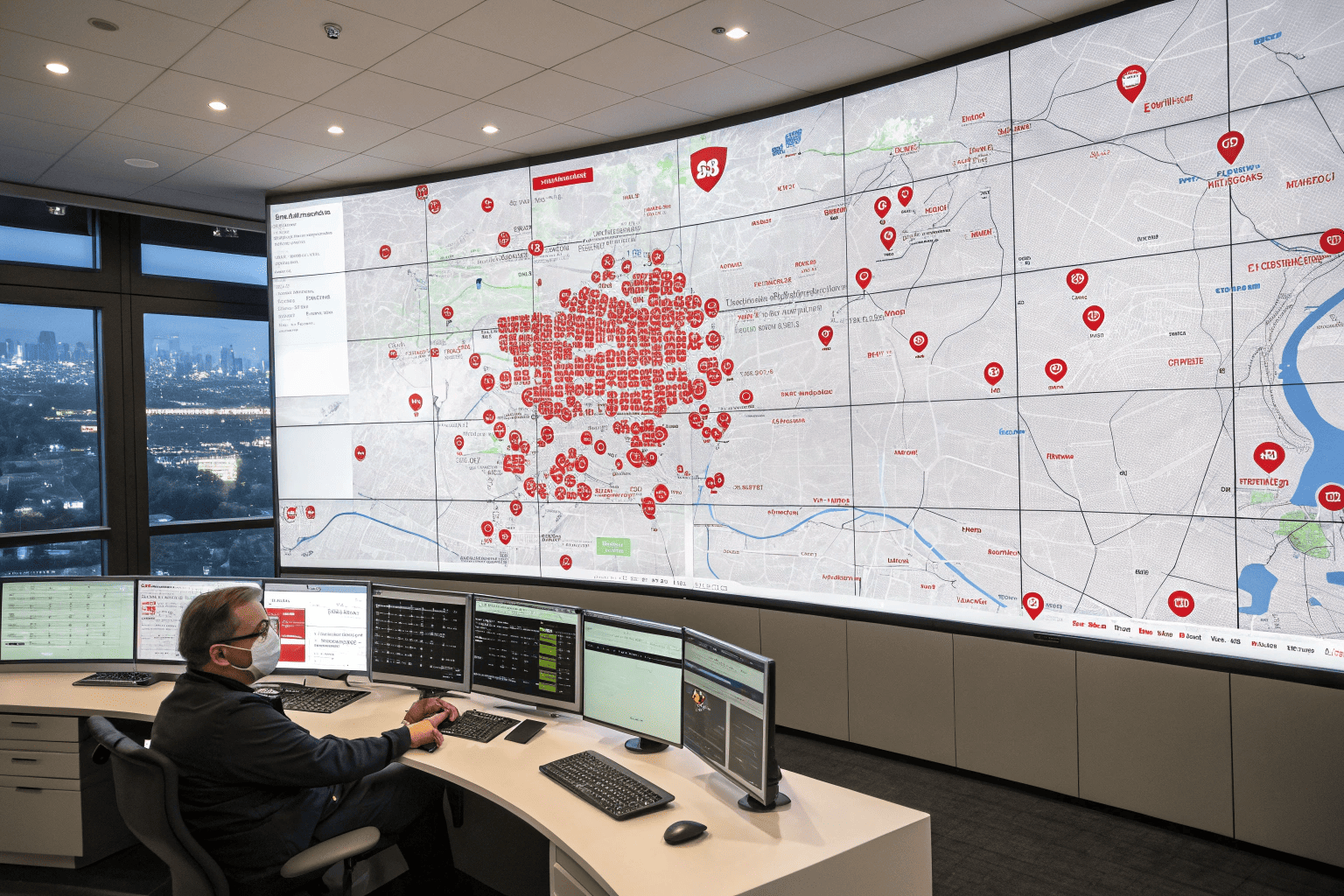
For rental services, tracking is vital for fleet management. Companies can monitor the location of hundreds or thousands of scooters. They can redistribute scooters to high-demand areas. The bottom line? Efficient fleet management leads to better service and higher profits.
Parents can use tracking for safety. They can monitor their children’s scooter usage and location. This ensures children stay within safe zones. Tracking also helps analyze performance, like speed and distance, which can help optimize routes for personal use.
| Benefit Category | Specific Advantage | User/Operator Impact |
|---|---|---|
| Security | Theft recovery, deterring unauthorized use. | Reduces financial loss, increases peace of mind. |
| Operational Efficiency | Fleet redistribution, usage monitoring. | Optimizes resource allocation, improves service. |
| Safety | Parental monitoring, emergency location. | Enhances user safety, provides oversight. |
| Performance Analysis | Route optimization, usage patterns. | Improves riding experience, informs maintenance. |
Consider a scenario where a scooter is left in an unauthorized area. The tracking system immediately alerts the operator. They can then dispatch a team to retrieve it, preventing potential damage or loss. This proactive approach saves time and money.
3. What types of tracking devices are available for scooters?
Several types of tracking devices are available for electric scooters. Many modern scooters come with built-in GPS modules. These are integrated during manufacturing. They offer seamless tracking capabilities right out of the box. These are often part of a larger smart scooter system.
Aftermarket GPS trackers are also popular. These are separate devices you can purchase and install on any scooter. They vary in size and features. Some are small and discreet, making them hard for thieves to find. Now, you might be wondering about their power source.
Most aftermarket GPS trackers have their own internal batteries. Some can be wired directly into the scooter’s power system. Bluetooth trackers are another option, but they have limited range. They are best for finding a scooter within a short distance, like in a parking lot.
IoT-based tracking solutions use cellular networks for broader coverage. These are more advanced and offer features like remote diagnostics. They provide reliable tracking over long distances, making them suitable for both personal and commercial use.
| Device Type | Integration Method | Key Feature/Limitation |
|---|---|---|
| Built-in GPS Modules | Factory integrated | Seamless, part of scooter system. |
| Aftermarket GPS Trackers | User installed | Versatile, varied sizes, internal or external power. |
| Bluetooth Trackers | Attached to scooter | Short-range, ideal for nearby location. |
| IoT-based Solutions | Cellular network | Long-range, advanced features, reliable. |
For example, a rider might use a small aftermarket GPS tracker hidden inside the scooter’s frame. If the scooter is stolen, they can activate the tracker and provide its location to the police. This simple step can be the difference between recovery and permanent loss.
4. How can you install a GPS tracker on your electric scooter?
Installing a GPS tracker on your electric scooter can be a straightforward process. First, choose the right tracker for your needs. Consider factors like battery life, size, and whether you want a wired or wireless option. A small, waterproof tracker is often ideal.
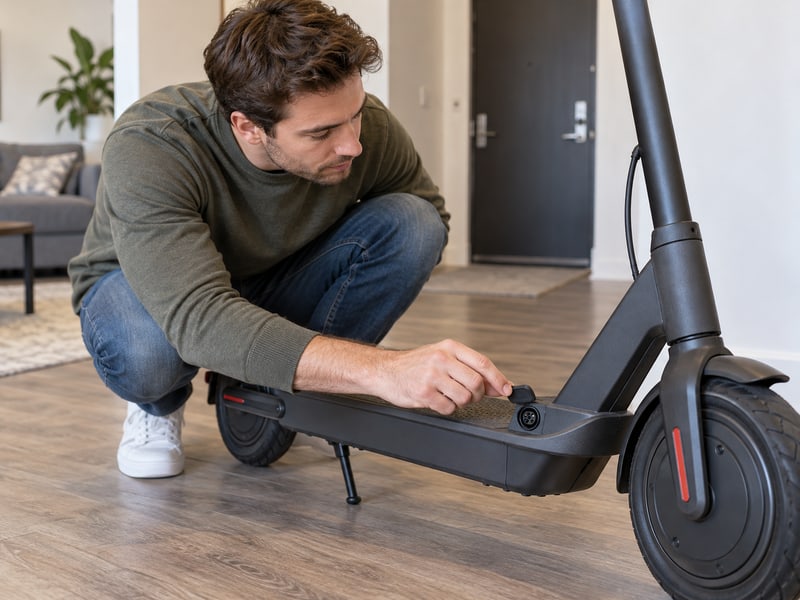
For internal units, you may need to open the scooter’s casing. This often involves removing a few screws. Find a secure, hidden spot inside the frame or under the deck. Let me explain… hiding the tracker makes it harder for thieves to disable it.
External mounting options are simpler. You can attach the tracker to the handlebars, seat post, or under the deck using strong adhesive or zip ties. Ensure it is secure and does not interfere with riding. Some trackers come with magnetic mounts for easy attachment.
Power source considerations are important. If your tracker has an internal battery, check its life and recharge frequency. For wired trackers, connect it to the scooter’s main battery. This provides continuous power, but may require some basic electrical knowledge.
| Installation Method | Steps | Considerations |
|---|---|---|
| Internal Installation | Open casing, find hidden spot, secure tracker. | Requires basic tools, offers better concealment. |
| External Mounting | Attach to handlebars, seat post, or under deck. | Simpler, but may be more visible. |
| Power Source (Internal) | Check battery life, recharge as needed. | Convenience, but requires periodic charging. |
| Power Source (Wired) | Connect to scooter’s main battery. | Continuous power, may need electrical knowledge. |
Sarah installed a small GPS tracker inside her scooter’s front light compartment. She wired it to the scooter’s battery, ensuring it always had power. This setup provided discreet, continuous tracking without needing frequent recharges.
After installation, test the tracker to ensure it is sending location data correctly. Most trackers come with a mobile app. This app allows you to monitor the scooter’s location and manage settings. Proper installation ensures reliable tracking.
5. What data can you collect from electric scooter tracking?
Electric scooter tracking systems collect a wealth of data. This data goes beyond just location. You can monitor the scooter’s speed and distance traveled. This helps you understand usage patterns. It also helps in planning maintenance schedules.
Battery level monitoring is another key data point. This helps prevent unexpected power loss. You can see the remaining charge in real-time. Here’s the deal… knowing the battery level helps manage rides and charging needs.
Ride history and patterns provide insights into how the scooter is used. You can see routes taken, stops made, and total ride time. This data is valuable for personal use and for fleet optimization. It helps identify popular routes or areas.
Some advanced systems offer maintenance alerts. They can notify you when the scooter needs servicing. This is based on mileage or usage time. This proactive approach helps extend the scooter’s lifespan and prevents breakdowns.
| Data Point | Utility | Application |
|---|---|---|
| Speed and Distance | Understand usage, assess wear and tear. | Performance analysis, maintenance planning. |
| Battery Level | Monitor charge, prevent power loss. | Ride management, charging optimization. |
| Ride History | Analyze routes, identify usage patterns. | Route optimization, fleet management. |
| Maintenance Alerts | Proactive servicing notifications. | Extends lifespan, prevents breakdowns. |
A delivery service uses tracking data to analyze their scooter fleet’s efficiency. They found that certain routes caused faster battery drain. They adjusted their delivery zones based on this data, improving overall operational efficiency and reducing downtime.
This comprehensive data collection helps users and businesses make informed decisions. It optimizes scooter usage and maintenance. It also enhances the overall ownership or management experience. Data-driven insights lead to better outcomes.
Electric scooter tracking raises several privacy concerns. Data collection and usage policies are a major point. Companies collect vast amounts of user data. This includes location, speed, and ride patterns. Users need to know how this data is stored and used.
Anonymization of data is one way to address this. Companies can remove personal identifiers from the data. This makes it harder to link data back to individual users. But here’s the thing… complete anonymization can be challenging.
Legal implications and regulations also play a role. Laws like GDPR in Europe or CCPA in California govern data privacy. These laws require companies to be transparent about their practices. They also give users rights over their data.
User consent and transparency are crucial. Companies should clearly inform users about tracking. They should obtain explicit consent before collecting data. Users should have control over their data and its sharing. This builds trust and ensures compliance.
| Privacy Aspect | Concern | Mitigation Strategy |
|---|---|---|
| Data Collection | Personal information, location, usage patterns. | Clear policies, user consent. |
| Data Usage | How data is processed, shared, and monetized. | Anonymization, strict internal controls. |
| Legal Compliance | Adherence to privacy laws (GDPR, CCPA). | Regular audits, legal counsel. |
| User Control | Ability to opt-out, access, or delete data. | Transparent dashboards, data management tools. |
A recent case involved a scooter rental company that shared user ride data with third-party advertisers without explicit consent. This led to a class-action lawsuit and significant fines. This highlights the importance of adhering to privacy regulations.
Users should read privacy policies carefully before using tracking-enabled scooters or apps. Understanding your rights helps protect your personal information. Companies must prioritize user privacy to maintain trust and avoid legal issues.
7. How do rental companies use tracking for their scooter fleets?
Rental companies heavily rely on tracking for their electric scooter fleets. Tracking helps them manage scooter distribution. They can see where scooters are located. This allows them to move scooters to areas with high demand. This ensures availability for users.
Identifying parking violations is another key use. Scooters left in no-parking zones can be quickly identified. Companies can then dispatch staff to move them. This helps maintain order and comply with city regulations. What does this mean for you? Fewer fines and better public relations.
Usage analytics are also gathered. Companies analyze ride data to understand user behavior. They can identify peak usage times and popular routes. This data helps optimize pricing models and overall operational strategies. It informs business decisions.
Remote locking and unlocking features are common. These are controlled via the tracking system. Users can unlock a scooter with their phone. Companies can remotely lock scooters that are out of bounds or due for maintenance. This provides flexibility and control.
| Rental Use Case | Tracking Application | Operational Benefit |
|---|---|---|
| Distribution Management | Real-time location, demand mapping. | Optimizes scooter placement, increases availability. |
| Parking Enforcement | Geofencing, location alerts. | Reduces violations, improves city relations. |
| Usage Analytics | Ride data analysis, pattern identification. | Informs pricing, optimizes business model. |
| Remote Control | Locking/unlocking, power management. | Enhances flexibility, improves security. |

One major rental company implemented a dynamic pricing model based on real-time demand data from their tracking system. During rush hour in busy districts, scooter rental prices increased, maximizing revenue. During off-peak hours, prices dropped to encourage usage.
Tracking systems are the backbone of modern scooter rental operations. They enable efficient management, enhance user experience, and provide valuable business insights. Without robust tracking, large-scale scooter sharing would be nearly impossible.
8. Can tracking features help improve scooter safety?
Tracking features can significantly improve electric scooter safety. Emergency location services are a major benefit. If a rider has an accident, the system can automatically send their location to emergency contacts or services. This speeds up response times.
Some advanced trackers include crash detection. They use accelerometers to detect sudden impacts. If a crash is detected, an alert is sent. Want to know the secret? This can be a lifesaver in remote areas or if the rider is incapacitated.
Deterring reckless riding is another safety aspect. Knowing that a scooter is being tracked can encourage riders to follow rules. This includes speed limits and designated riding areas. Accountability can lead to safer behavior.
Route planning for safer paths is also possible. Data from tracking can identify dangerous roads or intersections. This information can then be used to suggest safer routes to riders. It helps avoid high-traffic areas or hazardous conditions.
| Safety Feature | Mechanism | Impact on Rider Safety |
|---|---|---|
| Emergency Location | GPS coordinates sent to contacts/services. | Faster emergency response. |
| Crash Detection | Accelerometers detect impacts, send alerts. | Immediate notification in accidents. |
| Reckless Riding Deterrent | Awareness of tracking, accountability. | Encourages rule-following, safer behavior. |
| Safer Route Planning | Analysis of dangerous areas, route suggestions. | Avoids hazards, reduces accident risk. |
A university campus implemented tracking on its shared scooter fleet. They noticed a high number of accidents at a particular intersection. Using the tracking data, they worked with campus security to improve signage and lighting, reducing incidents.
Tracking technology transforms scooters into smarter, safer vehicles. It provides a layer of protection for riders. It also offers valuable data for urban planners to improve infrastructure. This leads to a safer riding environment for everyone.
9. What are the limitations of electric scooter tracking systems?
Despite their benefits, electric scooter tracking systems have limitations. GPS signal accuracy can be an issue. Tall buildings in urban areas or dense foliage can block satellite signals. This leads to less precise location data. The best part? Most systems still provide a general area.
Battery life of tracking devices is another concern. Aftermarket trackers rely on their own batteries. These need regular recharging or replacement. If the battery dies, tracking stops. This can be a problem if a scooter is stolen and the tracker runs out of power.
Cost of tracking services can also be a limitation. Many advanced GPS trackers require a monthly subscription. This covers data transmission and platform access. These recurring costs can add up, especially for personal users.
Vulnerability to tampering is a risk. Determined thieves might try to remove or disable a tracker. While many are hidden, a skilled individual could find and deactivate them. This highlights the need for robust, tamper-proof designs.
| Limitation | Description | Potential Impact |
|---|---|---|
| GPS Accuracy | Signal interference from buildings, trees. | Less precise location, minor deviations. |
| Battery Life | Limited power for aftermarket trackers. | Intermittent tracking, device failure. |
| Service Cost | Monthly subscriptions for data/platform. | Recurring expense, may deter some users. |
| Tampering Risk | Thieves can remove or disable trackers. | Loss of tracking capability, higher theft risk. |
John’s scooter was stolen from a busy street. The GPS tracker initially showed its location, but then the signal was lost. It was later discovered the thief had found and removed the tracker, making recovery difficult. This shows the importance of discreet installation.
Understanding these limitations helps set realistic expectations. While tracking systems are powerful tools, they are not foolproof. Combining tracking with other security measures, like strong locks, provides the best protection.

10. What is the future of tracking technology in electric scooters?
The future of tracking technology in electric scooters is promising. Advancements in GPS accuracy are continuously improving. New satellite constellations and improved receiver technology will provide even more precise location data. This will reduce signal interference issues.
Integration with smart city infrastructure is a major trend. Scooters will communicate with city systems. This includes traffic lights and public transport. This will optimize routes and manage traffic flow. This is important because it creates a more connected urban environment.
AI-powered analytics will become more common. Artificial intelligence will analyze vast amounts of tracking data. It will predict maintenance needs. It will also identify potential safety hazards. This proactive approach will enhance efficiency and safety.
Enhanced security features are also on the horizon. Biometric authentication, like fingerprint scanners, could be integrated. Advanced encryption will protect data. Tamper detection systems will alert owners if a tracker is being removed. This will make scooters even harder to steal.
| Future Trend | Description | Expected Impact |
|---|---|---|
| GPS Accuracy | Improved satellite tech, better receivers. | More precise location, fewer signal issues. |
| Smart City Integration | Communication with urban infrastructure. | Optimized routes, better traffic management. |
| AI Analytics | Predictive maintenance, safety hazard identification. | Enhanced efficiency, proactive safety. |
| Enhanced Security | Biometrics, encryption, tamper detection. | Increased theft prevention, data protection. |
Imagine a future where your scooter automatically alerts you to a pothole on your planned route, or reroutes you to avoid heavy traffic. This level of integration and intelligence is becoming a reality, making scooter travel safer and more efficient.
These innovations will transform electric scooters into highly intelligent and secure personal mobility devices. Tracking technology will play a central role in this evolution. It will provide unprecedented levels of control, safety, and efficiency for riders and fleet managers alike.
Conclusion
Electric scooter tracking technology offers significant advantages, from theft prevention to fleet management and enhanced safety. We have explored how GPS works, the various types of tracking devices, and the valuable data they provide. We also discussed important considerations like privacy and the limitations of current systems.
Understanding these aspects helps you make informed decisions about securing and managing your electric scooter. The future promises even more sophisticated tracking capabilities, integrating with smart city initiatives and AI-driven analytics.
If you are looking for an electric scooter with advanced features and reliable performance, visit Dynamic Scooter. Our models incorporate cutting-edge technology to keep you connected and your ride secure. We are committed to providing innovative solutions for your personal mobility needs.
FAQ
Q1: Can all electric scooters be tracked?
Not all electric scooters come with built-in tracking capabilities. Many newer models, especially those from rental fleets, include GPS tracking. For personal scooters, you may need to install an aftermarket GPS tracker.
Q2: Is it legal to track an electric scooter?
Yes, it is generally legal to track an electric scooter that you own. For rental scooters, tracking is part of the service agreement. Privacy laws apply to data collection, so companies must inform users about their tracking practices.
Q3: How accurate are electric scooter GPS trackers?
GPS trackers for electric scooters are typically accurate within a few meters, depending on signal strength and environmental factors. Urban areas with tall buildings can sometimes reduce accuracy.
Q4: Do GPS trackers drain the scooter’s battery?
Built-in GPS trackers are designed to have minimal impact on the scooter’s main battery. Aftermarket trackers have their own power sources, which can be internal batteries or wired into the scooter’s power system.
Q5: Can a stolen electric scooter be recovered using tracking?
Yes, GPS tracking significantly increases the chances of recovering a stolen electric scooter. Real-time location data allows law enforcement to pinpoint the scooter’s whereabouts, aiding in its retrieval.