
Electric scooters offer convenient travel. Understanding their weight capacity is key for safety and performance. Many riders overlook this detail, leading to issues like reduced speed, decreased battery life, and structural damage. Ignoring weight limits compromises your safety, making the ride unstable and increasing accident risk.
This article answers common questions about electric scooter weight limits, helping you make informed decisions, and ensure a safer journey. We will explore why weight capacity matters, what factors influence it, how to find your scooter’s limit, and what happens if you exceed it.
1. What are common weight capacities for different electric scooter types?
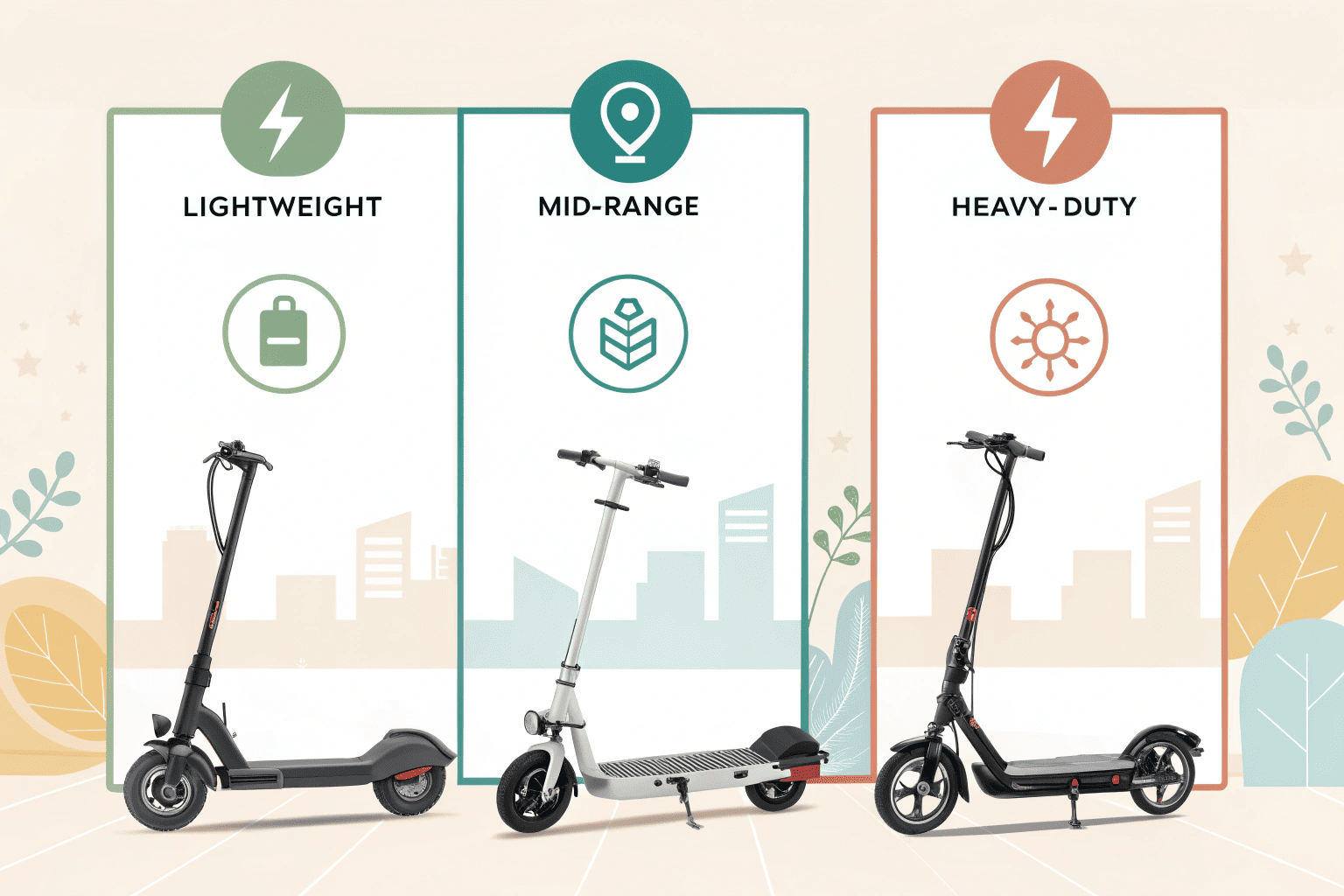
Electric scooters come in various designs, each suiting different purposes and rider weights. Understanding these categories helps you choose a model, as weight capacities vary significantly. Here’s the deal… Different scooters handle different loads.
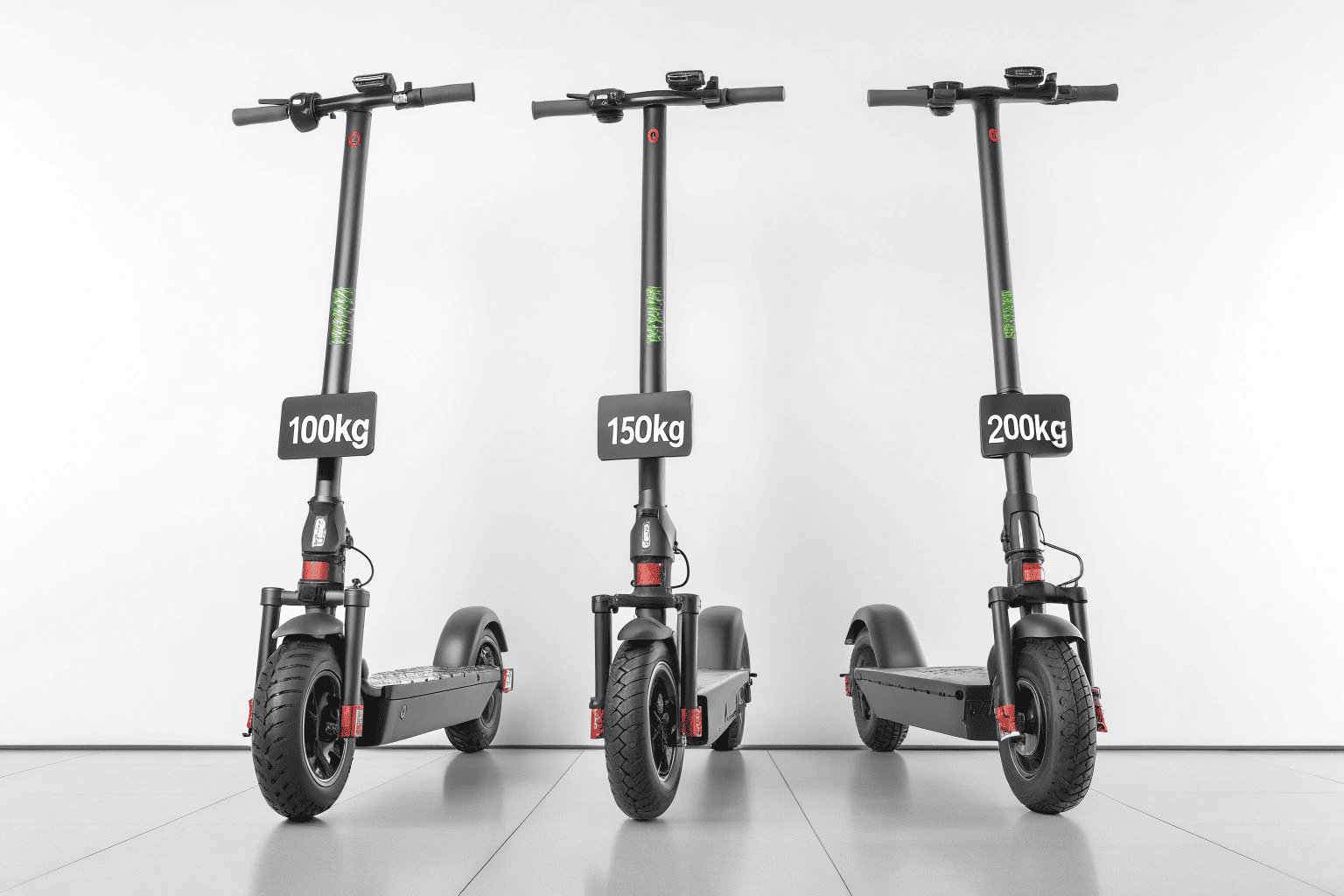
Electric scooters typically have weight capacities ranging from 100 kg to 150 kg (220 lbs to 330 lbs), depending on their type. Lightweight commuter scooters usually handle 100-120 kg, while mid-range models support 120-150 kg. Heavy-duty and off-road scooters, as well as those designed specifically for heavier riders, can exceed 150 kg, with some reaching up to 200 kg (440 lbs).
Lightweight commuter scooters
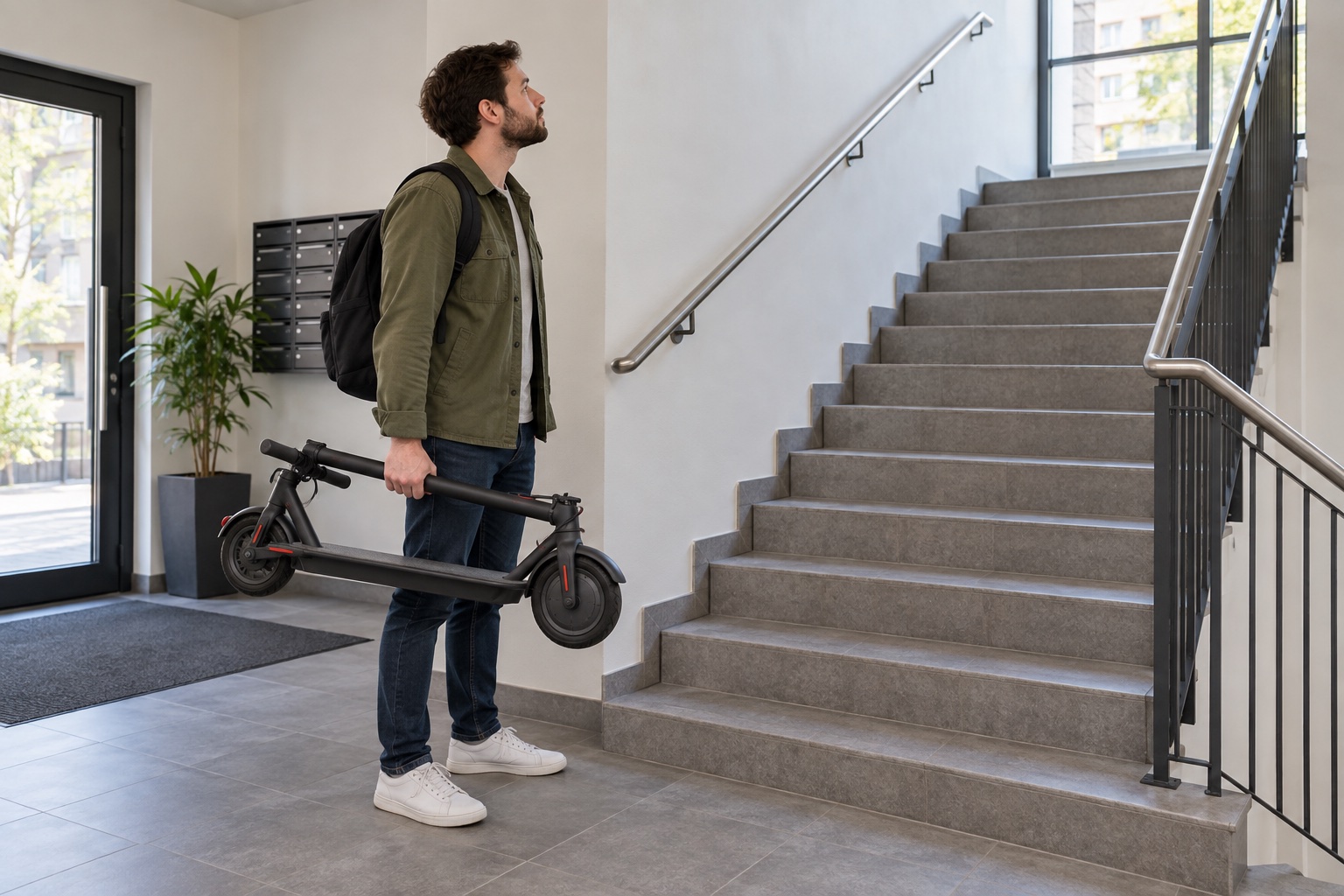
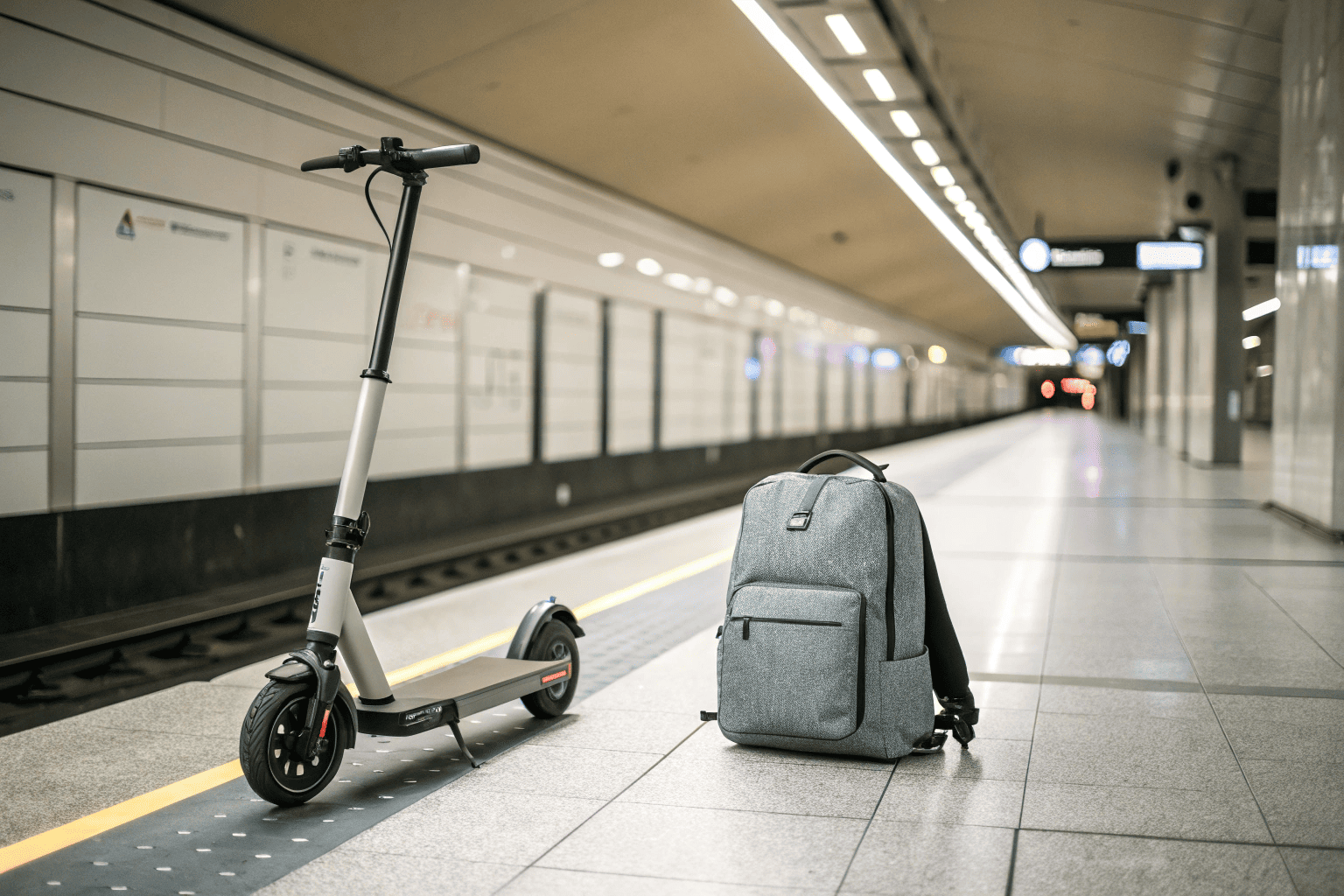
These scooters are for portability and short distances, often foldable and light for easy transport on public transit. Their weight capacities range from 100 kg to 120 kg (220 lbs to 265 lbs), making them ideal for urban commuters who prioritize ease of transport.
Mid-range all-purpose scooters
Mid-range scooters balance portability, speed, and range, suiting daily commuting and recreational rides. Their weight capacities usually fall between 120 kg and 150 kg (265 lbs to 330 lbs), and these models often feature powerful motors and better suspension, making them versatile for many riders.
Heavy-duty and off-road scooters
These scooters are built for durability and varied terrains, with robust frames and powerful motors to handle heavier loads and demanding conditions. Their weight capacities exceed 150 kg (330 lbs), with some reaching up to 200 kg (440 lbs), making them ideal for larger riders or those needing to carry extra gear, offering superior strength.
Scooters designed for heavier riders
Some manufacturers design scooters specifically for heavier individuals, featuring reinforced frames, stronger motors, and enhanced braking. They often have weight capacities of 150 kg (330 lbs) or more. If you are a heavier rider, look for these scooters; they provide necessary support and safety, as they are built for strength.
| Scooter Type | Typical Weight Capacity (kg) | Typical Weight Capacity (lbs) |
| Lightweight Commuter | 100-120 | 220-265 |
| Mid-range All-purpose | 120-150 | 265-330 |
| Heavy-duty/Off-road | 150-200+ | 330-440+ |
| For Heavier Riders | 150+ | 330+ |

2. Why does electric scooter weight capacity matter?
Understanding your electric scooter’s weight capacity is critical for safe and efficient operation. This manufacturer-set limit directly impacts performance and longevity. Ignoring it leads to serious problems. Here’s why it matters… It affects everything from speed to braking.
Rider safety and stability
Exceeding the weight limit compromises balance and handling, making steering harder, especially at higher speeds. An overloaded scooter becomes unstable, increasing the risk of falls or collisions. The frame and components are overstressed, which can lead to sudden failures. Your safety depends on respecting these limits.
Scooter performance and longevity
Too much weight forces the motor to work harder, reducing speed and range. The battery drains faster, and over time, this overexertion damages the motor, battery, and electrical parts. Suspension and tires wear out quickly, leading to costly repairs and a shorter lifespan. Proper loading keeps your scooter running well.
Legal and warranty implications
Manufacturers design scooters to specific standards, and the weight limit is part of that. Operating beyond capacity might void your warranty. If something breaks due to overloading, the manufacturer may not cover repairs. Some areas might have legal implications for unsafe vehicle operation. Always check local regulations.
| Aspect | Impact of Exceeding Weight Limit |
| Safety | Reduced stability, increased accident risk |
| Performance | Slower speed, shorter range, reduced climbing |
| Longevity | Faster wear on motor, battery, tires, frame |
| Warranty | Potential voiding of manufacturer’s warranty |
| Legal | Possible legal issues depending on local laws |
3. What factors influence an electric scooter’s weight limit?
Design and engineering choices determine an electric scooter’s maximum weight capacity, creating a robust and safe riding experience. Understanding these factors helps you choose the right scooter. Let me explain… Each component plays a vital role.
Frame material and construction
The frame is the scooter’s backbone, typically made from aluminum alloy, steel, or carbon fiber. Aluminum is light and strong, while steel offers more durability for heavier loads. Carbon fiber is very light but expensive. How materials join, by welding or bolting, affects strength. A well-built frame supports more weight.
Motor power and battery capacity
The motor moves the scooter and its load. A powerful motor handles heavier riders without performance loss. Battery capacity relates to sustained power; a larger battery often means a heavier scooter but also supports longer rides with heavier loads. These components ensure efficient movement and sustained performance.
Tire type and suspension system
Tires absorb shocks and provide grip. Solid tires are puncture-proof but offer less cushioning, while pneumatic (air-filled) tires provide a smoother ride. The suspension system enhances comfort and stability, distributing weight better and absorbing impacts. This protects the rider and components, making them key for a comfortable and safe ride.
Deck size and design
The deck is where the rider stands. A larger, wider deck provides more space and stability. Its design and reinforcement contribute to weight capacity; some decks have internal supports to prevent bending or cracking under heavy loads. A well-designed deck ensures a secure platform, directly supporting the rider’s weight.
| Component | Influence on Weight Limit |
| Frame Material | Structural strength (aluminum, steel) |
| Motor Power | Moves heavier loads efficiently |
| Battery Capacity | Sustained power for heavier loads |
| Tire Type | Shock absorption, load distribution |
| Suspension System | Stability, comfort under load |
| Deck Design | Stable platform, structural integrity |
4. How can you find your electric scooter’s weight capacity?
Finding your electric scooter’s weight capacity is simple. Manufacturers provide this information for safe use. You just need to know where to look. Now, you might be wondering… Where is this information located?
Check the manufacturer’s specifications
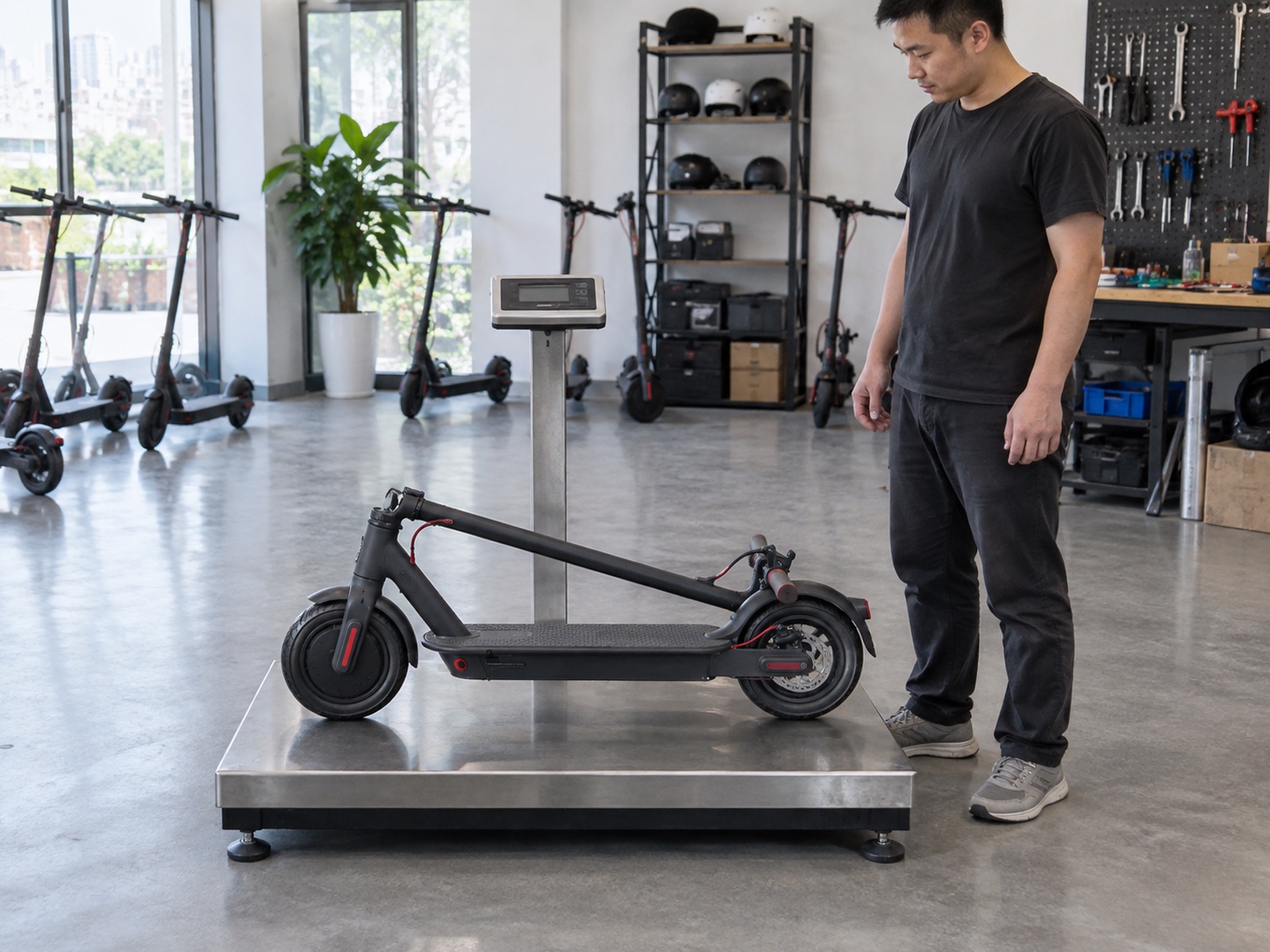
The most reliable place is the manufacturer’s official specifications, usually found on their website. Look for technical data; it will clearly state the maximum load. This is the definitive source for accurate numbers.
Look for labels on the scooter itself
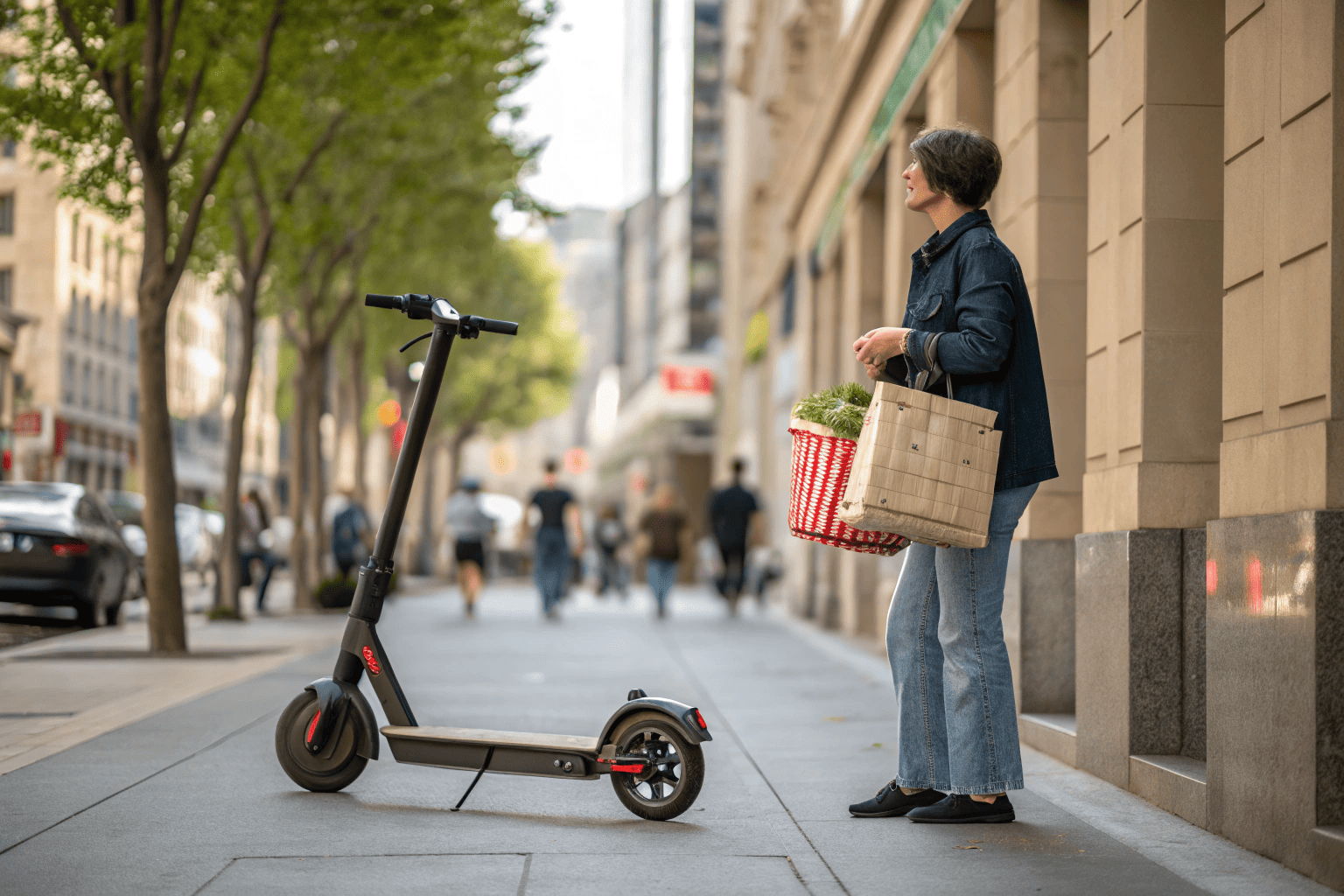
Many electric scooters have a sticker or label on the frame, often including safety information and typically listing the maximum weight capacity. Check the underside of the deck or near the steering column for these quick and easy-to-find labels.
Consult the user manual
Every electric scooter comes with a user manual containing detailed instructions for assembly, operation, and maintenance, including all technical specifications. The weight capacity will be prominent. Keep your manual handy for future reference.
Online product listings and reviews
If you bought your scooter online, the product page likely listed specifications. While generally accurate, cross-reference with the manufacturer’s site. User reviews offer insights, but always rely on official data for critical information and verify details from multiple sources.
| Source | Reliability | Location | Notes |
| Manufacturer Website | High | Online | Official and most accurate |
| Scooter Label | High | On scooter frame/deck | Quick reference, concise |
| User Manual | High | Physical/Digital | Comprehensive details |
| Online Retailer | Medium | Product page | Verify with official sources |
5. What happens if you exceed the weight limit?
Exceeding your electric scooter’s weight limit has negative consequences, ranging from minor performance drops to serious safety hazards. Understand these risks before you ride. The bottom line? Overloading is dangerous and costly.
Reduced speed and range
More weight makes the motor work harder, meaning slower speeds and increased battery consumption. This significantly reduces your riding range, potentially leaving you stranded, as the scooter cannot perform as intended.
Increased wear and tear on components
Overloading stresses all scooter parts, including the frame, motor, battery, tires, and suspension. Bearings wear faster, and the deck might crack. This accelerated wear leads to frequent breakdowns, shortens your scooter’s lifespan, and increases repair costs. This is important because… It impacts your wallet directly.
Safety risks and instability
The most critical consequence is increased safety risk. An overloaded scooter becomes unstable, especially when turning or braking. Brakes may work less effectively, increasing stopping distances and the risk of losing control, which can lead to serious injuries. Your safety is paramount.
Voided warranty
Most manufacturers state that exceeding the weight limit voids the warranty. If a component fails due to overloading, the manufacturer may not cover repairs, leaving you responsible for all expenses. Read your warranty terms carefully and protect your investment by following guidelines.
| Consequence | Impact |
| Performance Loss | Slower speeds, reduced range |
| Component Damage | Increased repair costs, shorter lifespan |
| Safety Hazard | High risk of accidents and injury |
| Warranty Invalidity | Financial burden on owner |
6. How does rider weight impact scooter performance?
Rider weight significantly influences electric scooter performance, affecting acceleration and travel distance. Understanding these impacts helps you manage expectations and ride more efficiently. This is important because… Your riding experience changes with your weight.
Acceleration and climbing ability
A heavier rider needs more power to accelerate, resulting in slower starts and reduced responsiveness. On hills, the effect is more pronounced, with the scooter struggling to maintain speed or even stopping on steeper inclines. The motor works harder, leading to less efficient power delivery, which directly impacts your commute time.
Braking distance
More weight means more momentum, translating to longer braking distances. The scooter’s brakes must dissipate more energy to stop the increased mass, which is a critical safety concern, especially in emergencies. Account for increased stopping distances if you are a heavier rider and plan your stops well in advance.
Battery drain and range
The motor works harder with a heavier load, consuming more battery power, leading to faster battery drain and reduced overall range. You will get fewer miles per charge, which is inconvenient for longer commutes. Consider your weight when estimating travel distance and carry a charger if needed.
Ride comfort and handling
Rider weight affects comfort; a heavier rider might find suspension less effective, leading to a bumpier ride. The scooter might feel less agile and harder to maneuver, making long rides less enjoyable. Choose a scooter with good suspension for comfort.
| Performance Aspect | Impact of Heavier Rider Weight |
| Acceleration | Slower starts, reduced responsiveness |
| Climbing Ability | Struggles on inclines, potential speed loss |
| Braking Distance | Longer stopping distances |
| Battery Drain | Faster power consumption, reduced range |
| Ride Comfort | Less effective suspension, bumpier ride |
7. What are the best practices for maintaining your electric scooter’s weight capacity?
Proper maintenance ensures your electric scooter handles its weight capacity. Regular care extends its lifespan and keeps you safe. Following these practices maximizes your investment. The best part? It is simple to do.
Regular inspection of components
Inspect key components regularly. Check the frame for cracks or bends, examine tires for wear and inflation, and look at brakes for proper function. A quick visual check catches small issues early, and this proactive approach saves time and money.
Proper tire inflation
Tire pressure is crucial for performance and weight distribution. Under-inflated tires lead to instability, reduce range, and cause faster wear. Over-inflated tires make the ride harsh and reduce grip. Maintain recommended tire pressure and check it frequently; correct pressure supports the load effectively.
Avoiding overloading
This is the most direct way to maintain capacity. Be mindful of the total weight on the scooter, including your body weight, cargo, and accessories. If you need to carry more, make multiple trips or use different transport. Never push your scooter beyond its limits; it is designed for a specific load.
Following manufacturer’s guidelines
Your scooter’s user manual has specific maintenance instructions tailored to your model, covering charging and service intervals. Adhering to them ensures proper operation and preserves your warranty. Always refer to the manual for best practices.
| Best Practice | Description | Benefit |
| Regular Inspection | Check frame, tires, brakes for damage/wear | Prevents major issues, ensures safety |
| Proper Tire Inflation | Maintain recommended tire pressure | Improves stability, range, tire life |
| Avoid Overloading | Stay within manufacturer’s weight limit | Prevents damage, maintains performance |
| Follow Guidelines | Adhere to user manual’s instructions | Extends lifespan, preserves warranty |
Conclusion
Understanding your electric scooter’s weight capacity is fundamental. It ensures safe and efficient operation. We explored how frame material, motor power, and tire type contribute to this limit. Exceeding limits reduces performance and increases component wear and safety risks. Adhering to specifications and regular maintenance ensures reliability and optimizes performance. This knowledge empowers informed decisions, extends your investment’s life, and enhances your riding experience.
For a high-performance electric scooter, explore Dynamic Scooter models. They combine robust design with cutting-edge features. Visit our website today to find the perfect ride that meets your needs and exceeds your expectations. Every journey will be smooth and secure.
FAQ
Q1: Is it safe to ride an electric scooter near its maximum weight limit?
It is generally safe to ride an electric scooter near its maximum weight limit, provided the scooter is well-maintained and the rider adheres to safe riding practices. However, performance might be slightly reduced.
Q2: Does passenger weight count towards the scooter’s weight capacity?
Yes, the total weight on the scooter, including the rider and any passengers or cargo, counts towards the scooter’s maximum weight capacity. Most electric scooters are designed for a single rider.
Q3: How often should I check my electric scooter’s weight capacity?
You should know your electric scooter’s weight capacity from the manufacturer’s specifications. There is no need to check it often, but always be mindful of the total load you are putting on the scooter.
Q4: Can cold weather affect an electric scooter’s weight capacity?
Cold weather primarily affects battery performance and range, not the scooter’s structural weight capacity. However, reduced battery power might make it harder for the scooter to perform optimally with heavier loads.
Q5: What is the difference between payload and weight capacity?
Payload refers to the total weight a scooter can carry, including the rider and any cargo. Weight capacity is the maximum payload specified by the manufacturer. They are often used interchangeably.