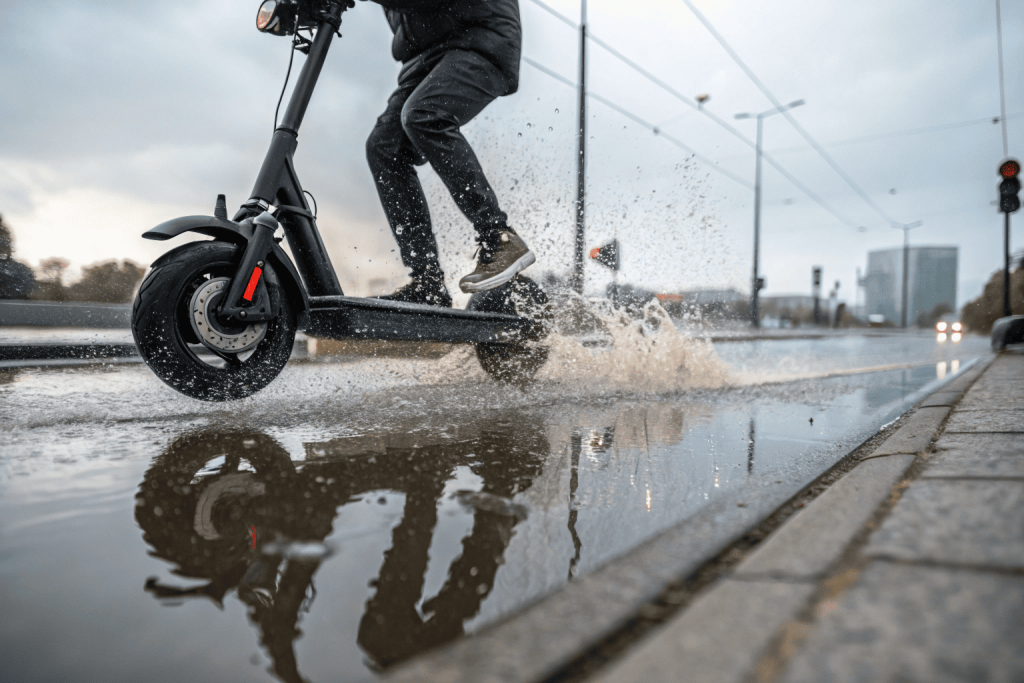

Are Electric Scooters Safe to Ride? The Ultimate 2026 Safety Guide
Electric scooters offer a convenient way to travel short distances. Many people wonder about their safety. You might ask if these devices are truly safe for daily use. This question is valid for anyone considering an electric scooter. This article will discuss key safety features, riding practices, and maintenance tips. You will learn how to minimize risks and enjoy your ride. We will cover essential aspects of electric scooter safety, from design to rider behavior. 1. What Makes an Electric Scooter Safe? Electric scooter safety starts with its design and construction. You want a scooter built for stability and control. The good news is, manufacturers focus on several key areas to ensure a safer ride. Understanding these elements helps you choose a reliable scooter. Frame materials are a primary consideration. High-quality aluminum alloy or steel frames offer strength. They withstand daily use and impacts better. A durable frame provides a solid foundation for all other components. This contributes greatly to overall rider safety. Think about it – a weak frame could lead to serious accidents. Tire types also play a big role in safety. Pneumatic (air-filled) tires generally offer better shock absorption. They provide a smoother ride on uneven surfaces. Solid tires, on the other hand, are puncture-proof. They require less maintenance. However, they might offer less grip and a bumpier ride. The choice depends on your typical riding conditions. Good traction is vital for preventing slips and falls, especially in wet conditions. Many ask, are electric scooters safe on different surfaces? Tire quality is a big part of that answer. Braking systems are perhaps the most critical safety feature. Most electric scooters come with one or more types of brakes. Disc brakes offer strong stopping power. They perform well in various weather conditions. Electronic brakes, often regenerative, help to slow the scooter smoothly. They can also help recharge the battery slightly. Foot brakes, applied by pressing on the rear fender, offer a simple backup. Here’s the deal: a scooter with a dual-braking system provides an added layer of security. This ensures you can stop effectively when needed. Lighting and visibility features are also very important. Good lights help you see the path ahead in low-light conditions. They also make you more visible to others. Front-facing LED headlights and rear brake lights are standard on most quality scooters. Some models include side reflectors or even turn signals. The bottom line is, being seen by drivers and pedestrians can prevent many accidents. Suspension systems contribute to stability and comfort. Scooters with front or dual suspension absorb shocks from bumps and uneven terrain. This makes the ride smoother and easier to control. Better control means a lower risk of losing balance. While not all scooters have suspension, it is a valuable feature for those who ride on varied surfaces. The question of whether electric scooters are safe often comes down to these design choices. Feature Importance for Safety Common Types/Examples Frame Material Structural integrity, durability Aluminum alloy, Steel Tires Traction, shock absorption Pneumatic, Solid Braking System Stopping power, reliability Disc, Electronic (regenerative), Foot Lighting Visibility, path illumination LED headlights, Taillights, Reflectors Suspension Stability, ride comfort Front suspension, Dual suspension, None Choosing a scooter with these features in mind can greatly enhance your safety. It’s a fact that well-built scooters reduce risks. Always check the specifications before making a purchase. Consider your typical riding environment and needs. This will help you select the safest option for your journeys. Remember, understanding what makes an electric scooter safe is the first step to a secure ride. 2. How Do Rider Skills Affect Safety? Your riding skills play a critical role in electric scooter safety. Even the safest scooter needs a skilled rider. This is why proper training and practice are so important. You can greatly reduce your risk of accidents by mastering basic techniques. Proper training is the foundation of safe riding. Before hitting busy streets, practice in a safe, open area. Learn how the scooter accelerates, brakes, and turns. Consider this: a few hours of practice can prevent many potential mishaps. Familiarity with your scooter’s behavior builds confidence. Balancing and steering techniques are fundamental. Keep your knees slightly bent to absorb shocks. Lean into turns rather than just turning the handlebars. This helps maintain stability. It’s simple: smooth, controlled movements are safer than jerky ones. Practice slow-speed maneuvers to improve your balance. Navigating different terrains requires adaptability. Paved roads are ideal, but you might encounter gravel or uneven paths. Slow down on rough surfaces. Shift your weight slightly back to handle bumps. Here’s a tip: avoid sudden turns or braking on loose surfaces. This prevents skidding and loss of control. Awareness of surroundings is paramount. Always look ahead for obstacles, pedestrians, and vehicles. Use your peripheral vision to monitor traffic around you. Remember to anticipate potential hazards. Being proactive helps you react in time. Distractions, like using a phone, greatly increase risk. Hand signals and communication are vital for interacting with others. Use clear hand signals for turning and stopping. Make eye contact with drivers and pedestrians. The key is to make your intentions clear. This helps prevent misunderstandings and collisions. Effective communication keeps everyone safer on the road. Skill Category Key Practice Areas Safety Benefit Basic Handling Acceleration, braking, turning Predictable control, reduced sudden movements Balance & Stability Slow-speed maneuvers, weight shift Avoids falls, maintains upright position Terrain Adaptation Gravel, bumps, wet surfaces Prevents skidding, maintains control Situational Awareness Obstacle detection, traffic monitoring Proactive hazard avoidance, quicker reactions Communication Hand signals, eye contact Clear intentions, prevents misunderstandings Developing these skills makes you a safer rider. It’s clear that practice makes perfect. Take the time to become proficient with your electric scooter. Your safety, and the safety of others, depends on it. Always prioritize skill development. This ensures a more enjoyable and secure riding experience. 3. What Safety Gear Should You Use? Wearing the right safety gear is non-negotiable for electric scooter safety. Even experienced riders face risks. That’s why proper protective equipment […]
Are Electric Scooters Safe to Ride? The Ultimate 2026 Safety Guide Read More »