Electric scooters offer easy travel. Many users ask about wet weather use. Water damage worries electronics. Riding in rain risks both scooter and rider. This article helps answer these questions. We cover IP ratings, light rain riding, heavy rain risks, water protection, maintenance, warranty issues, and safe riding practices.
1. Understanding IP Ratings: What Do the Numbers Mean?
When evaluating the durability of any electronic device, especially one exposed to the elements like an electric scooter, understanding its Ingress Protection (IP) rating is crucial. IP stands for Ingress Protection, a standardized system that quantifies a device’s resistance to both solid particles (like dust and dirt) and liquids (like water). This rating provides a clear indication of how well a product is sealed against environmental factors. But how do you decode these numbers?
The IP rating is always presented as two digits. The first digit, ranging from 0 to 6, describes the level of protection against solid foreign objects. A higher number signifies greater protection. For instance, a rating of 0 means no special protection, while a 6 indicates complete dust-tightness, preventing any dust ingress. A rating of 5 means the device is dust-protected, allowing only limited ingress of dust that won’t interfere with operation.
The second digit, ranging from 0 to 9, indicates the level of protection against liquids. This is the number most relevant when considering exposure to rain or splashes. A rating of 0 means no protection against water, whereas a 4 signifies protection against splashing water from any direction. Higher ratings, such as 7 or 8, denote the ability to withstand submersion under specific conditions. So, what does this mean for your scooter?
Understanding these two digits allows you to make informed decisions about your scooter’s suitability for various weather conditions. It helps set realistic expectations for its performance and longevity. Knowing these details helps prevent accidental damage and ensures you are using your scooter within its design limits, safeguarding your investment.
| IP First Digit | Solid Protection Level |
| 0 | No protection |
| 1 | Protection against objects >50mm |
| 2 | Protection against objects >12.5mm |
| 3 | Protection against objects >2.5mm |
| 4 | Protection against objects >1mm |
| 5 | Dust protected (limited ingress) |
| 6 | Dust tight (no ingress) |
| IP Second Digit | Liquid Protection Level |
| 0 | No protection |
| 1 | Protection against dripping water |
| 2 | Protection against dripping water when tilted |
| 3 | Protection against spraying water |
| 4 | Protection against splashing water |
| 5 | Protection against water jets |
| 6 | Protection against powerful water jets |
| 7 | Protection against immersion up to 1m |
| 8 | Protection against continuous immersion |
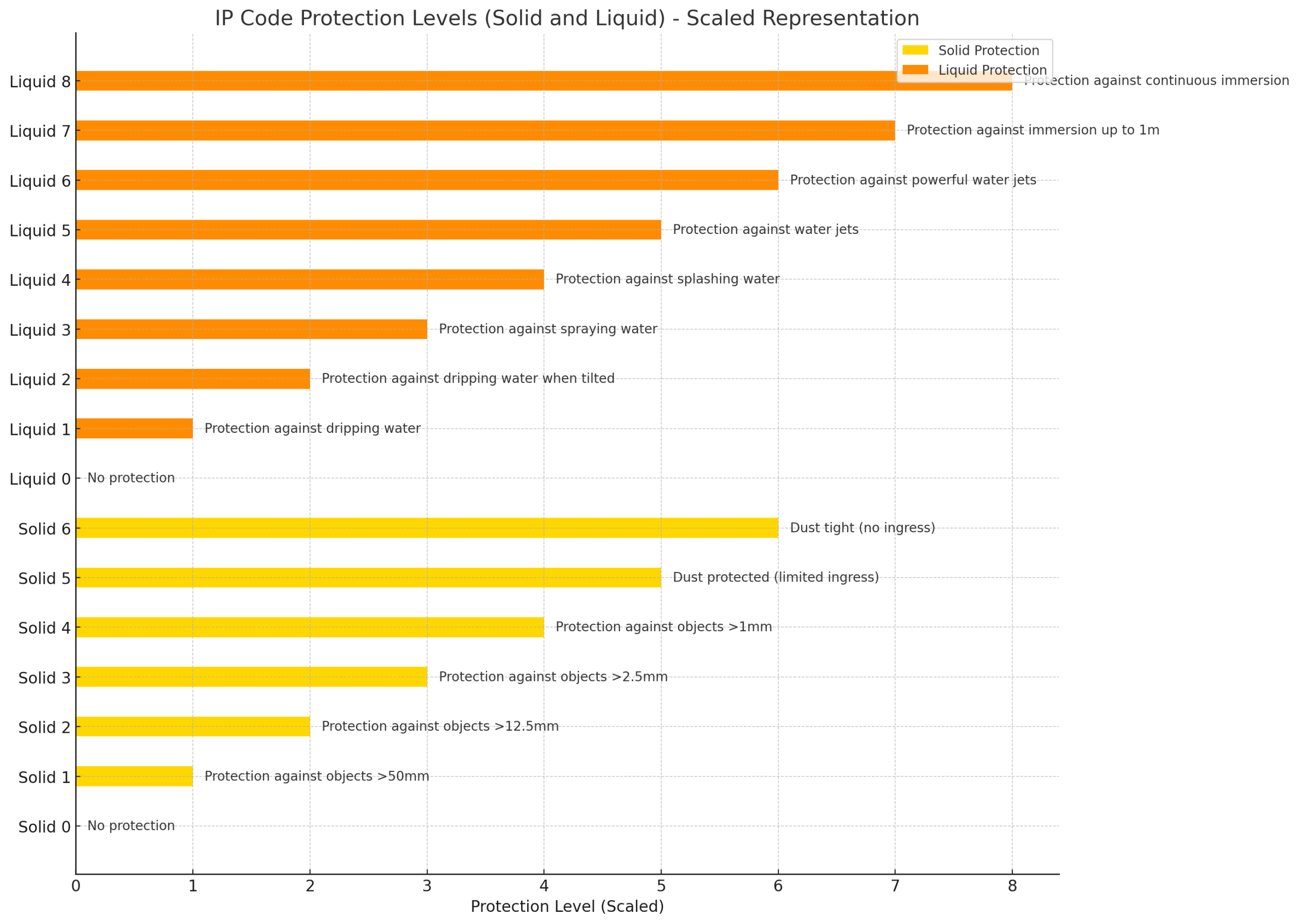
These tables provide a clear breakdown of what each number in an IP rating signifies. Now that you understand the general system, let’s look at common ratings for electric scooters. For example, an IP54 rating, common for electric scooters, means the scooter is protected against dust (level 5) and splashing water from any direction (level 4).
This implies it can handle light rain and splashes from puddles but is not designed for heavy downpours or submersion. Comparing this to other ratings provides more context: a scooter with an IP65 rating would be dust-tight and protected against water jets, offering more robust protection. An IP67-rated scooter would be even better, with complete dust protection and the ability to handle temporary submersion. Therefore, what parts are actually protected by these ratings?
Typically, the IP rating applies to the enclosure containing the scooter’s most sensitive electronic components, such as the battery, motor, and controller. However, the effectiveness of these seals can degrade over time due to wear and tear. Regular inspections are important to ensure the protection remains intact.
Despite its rating, even an IP54 scooter has limitations. Riding through deep puddles can still force water into the housing, and a sustained downpour could overwhelm the seals. It is crucial to remember that water resistance is not the same as being waterproof. This brings up an important question. How do these scooters fare in real-world light rain scenarios?
2. How Do Electric Scooters Handle Light Rain?
Electric scooters with an IP54 rating are generally capable of handling light rain. Manufacturers design them with sealed battery compartments and protected wiring to resist moisture from splashes and brief showers. But how effective are these features in practice?
Design elements like rubber gaskets and tightly sealed casings are the first line of defense. Many models also include fenders, which are crucial for minimizing the amount of water and debris kicked up by the wheels. This not only keeps the scooter and the rider cleaner but also reduces the amount of water hitting the main body, enhancing its water resistance.
However, riding safely in light rain requires adjustments. It is essential to reduce your speed, as wet surfaces offer less tire grip and increase your braking distance. Avoid making sharp turns or sudden stops. Smooth, deliberate movements are key to maintaining control and preventing accidents. What other precautions should you take?
Maintaining a greater following distance is also critical. Rain reduces visibility for everyone on the road, and other drivers may not see you as easily. Wearing bright, reflective clothing and using your scooter’s lights will significantly improve your visibility to others, making your ride much safer.
Light rain can also affect your scooter’s performance. You may notice a slight decrease in battery range, as the motor has to work harder to overcome the increased drag from wet surfaces. Your top speed and acceleration might also feel a bit sluggish. Are you concerned about the battery?
The increased resistance from wet roads means the motor draws more power, which can drain the battery faster than on a dry day. While these effects are usually minor in light rain, they become more pronounced in heavier downpours.
Post-ride care is straightforward but important. Always wipe down your electric scooter with a dry cloth after a ride in the rain. Clean any exposed parts to remove dirt and grime, which can trap moisture and lead to corrosion. What is the best way to dry it?
Allow the scooter to air dry completely in a well-ventilated area, away from direct heat sources that could damage the electronics. Proper drying prevents moisture from lingering and causing long-term issues, extending the life of your scooter.
| Riding Condition | Impact on Performance | Safety Tips |
| Dry | Optimal range and speed | Standard riding practices |
| Light Rain | Minor reduction in range and power | Slow down, increase following distance, use lights |
| Heavy Rain | Significant performance drop, high risk of damage | Avoid riding, seek shelter immediately |
This table summarizes how different weather conditions can impact your ride. Understanding these factors helps you operate your scooter safely and keep it in excellent condition. But what happens when light rain turns into a heavy downpour?
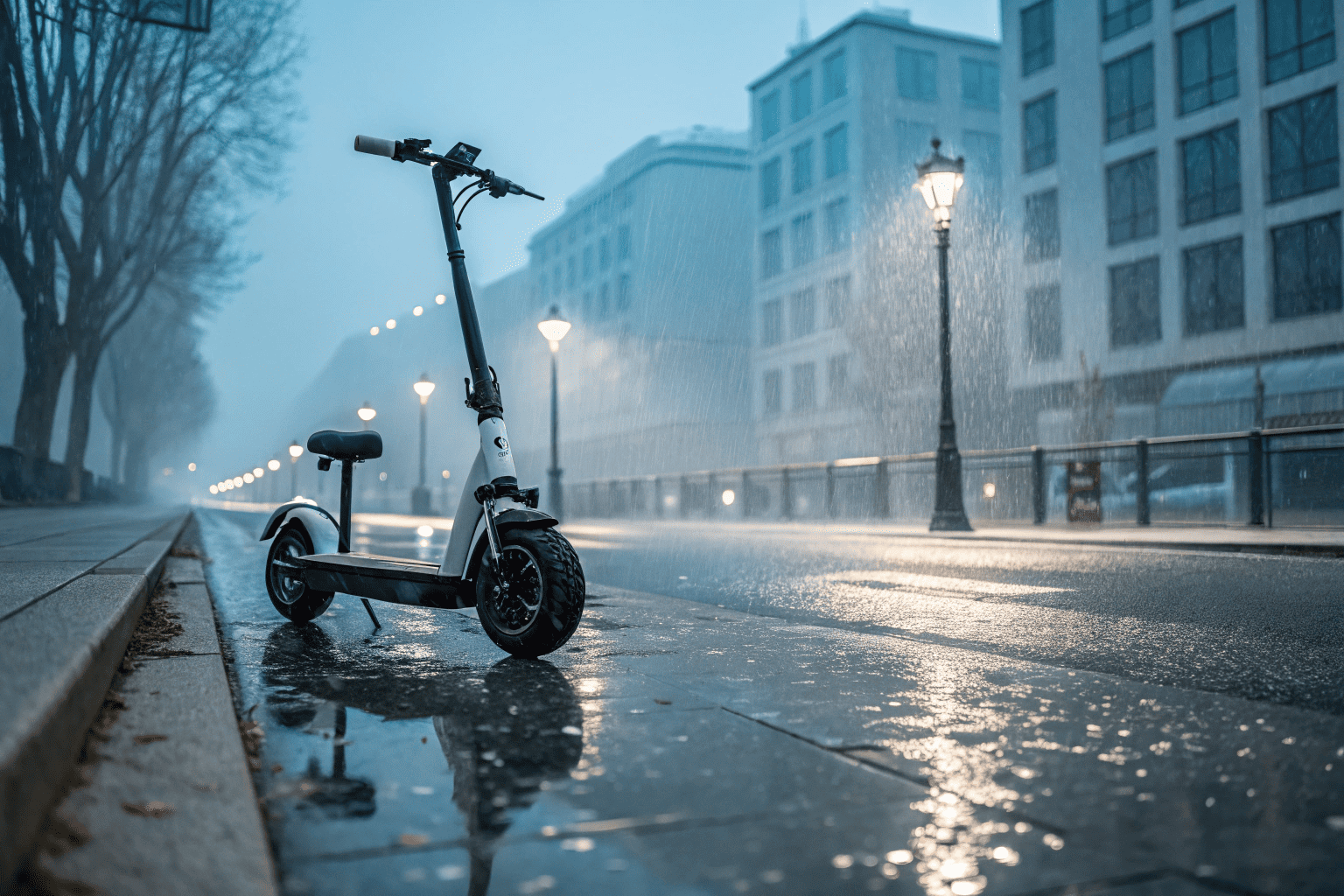
3. What Are the Risks of Riding in Heavy Rain or Puddles?
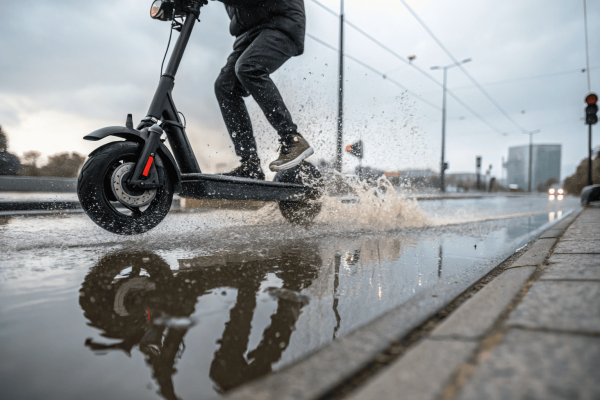
Riding an electric scooter in heavy rain or through deep puddles poses significant risks. Water can penetrate the scooter’s defenses and cause severe damage to its most critical components. What are the primary dangers involved?
The electrical system is particularly vulnerable. The motor, battery, and controller can all be damaged by water ingress. Even with an IP54 rating, the seals can fail under the pressure of heavy rain or submersion, leading to short circuits that can cause immediate failure or long-term, intermittent problems.
Battery damage is a major concern. Water can corrode the battery cells, reducing their lifespan and capacity. In a worst-case scenario, it can cause a short circuit that leads to a thermal event or fire. A swollen or overheating battery is a serious safety hazard. Are you aware of the potential for fire?
Furthermore, water in the charging port can create a short circuit when you plug it in. Always ensure the port is completely dry before charging. Water damage to the battery is almost never covered by the warranty, leaving you responsible for expensive repairs.
Reduced traction is another immediate danger. Wet surfaces are slippery, and your tires can lose their grip on the road, making it difficult to steer or brake effectively. Puddles can conceal potholes or debris, leading to a sudden loss of control or an accident. How much does this affect braking?
Braking performance is significantly reduced in wet conditions. Water acts as a lubricant on brake pads and rotors, decreasing friction and increasing your stopping distance. You may find that it takes much longer to come to a complete stop, which can be dangerous in traffic.
Long-term exposure to moisture is also a problem. Even if your scooter seems fine after a wet ride, corrosion can develop over time. Rust can form on metal components, weakening the frame and compromising electrical connections, which can lead to unexpected failures. What does this mean for the scooter’s longevity?
Consistent exposure to moisture will shorten your scooter’s lifespan. It accelerates wear and tear on all components, leading to more frequent breakdowns and higher maintenance costs over time.
| Risk Category | Specific Danger | Potential Outcome |
| Electrical Damage | Short circuits in motor, battery, controller | Component failure, long-term damage, fire |
| Battery Damage | Corrosion of cells, charging port issues | Reduced lifespan, swelling, overheating |
| Reduced Traction | Slippery road surfaces, hidden hazards | Loss of control, falls, accidents |
| Braking Issues | Reduced friction, longer stopping distances | Collisions, inability to stop in time |
| Long-Term Corrosion | Rust on frame and electrical components | Reduced lifespan, sudden failures, high repair costs |
This table highlights the serious risks of riding in heavy rain. These dangers affect both your scooter’s health and your personal safety. So, how can you proactively protect your scooter from water damage?
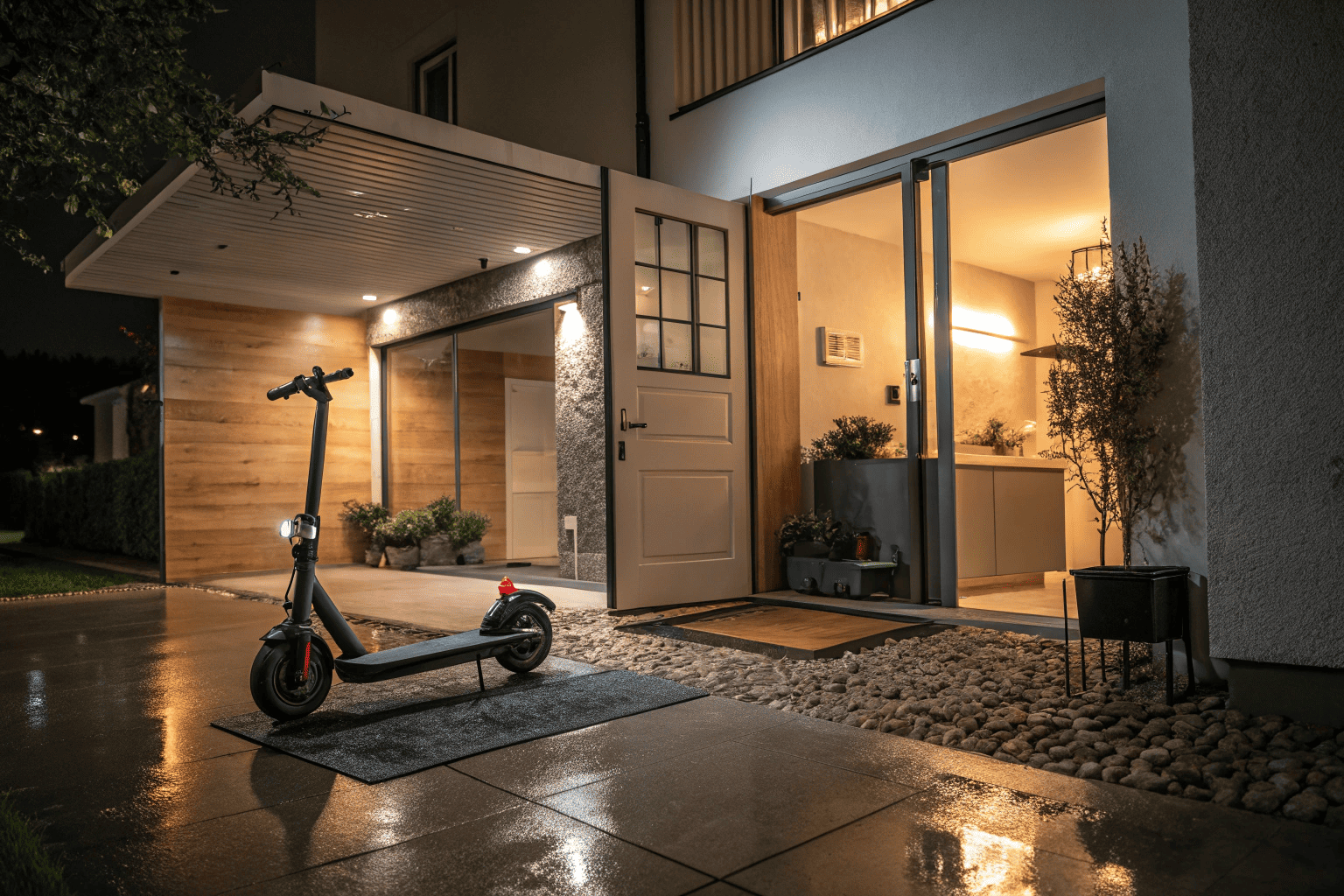
4. How Can You Protect Your Electric Scooter From Water Damage?
Protecting your electric scooter from water damage is essential for its longevity. Even if your scooter has a decent IP rating, taking extra precautions can make a big difference. You can use aftermarket accessories or apply some DIY waterproofing solutions. What are some effective accessories?
Aftermarket products can provide an additional layer of security. Waterproof display covers are widely available and protect one of the most exposed electronic components. Silicone sleeves for the throttle and brake levers can also prevent water from seeping into sensitive areas. Look for products specifically designed for your scooter model for the best fit.
Fender extensions are another valuable accessory. They reduce the amount of water and mud sprayed up by the wheels, keeping the scooter’s body and your legs cleaner. This also minimizes the amount of water that hits the deck and undercarriage. Consider a waterproof bag for your charger to keep it safe during transport.
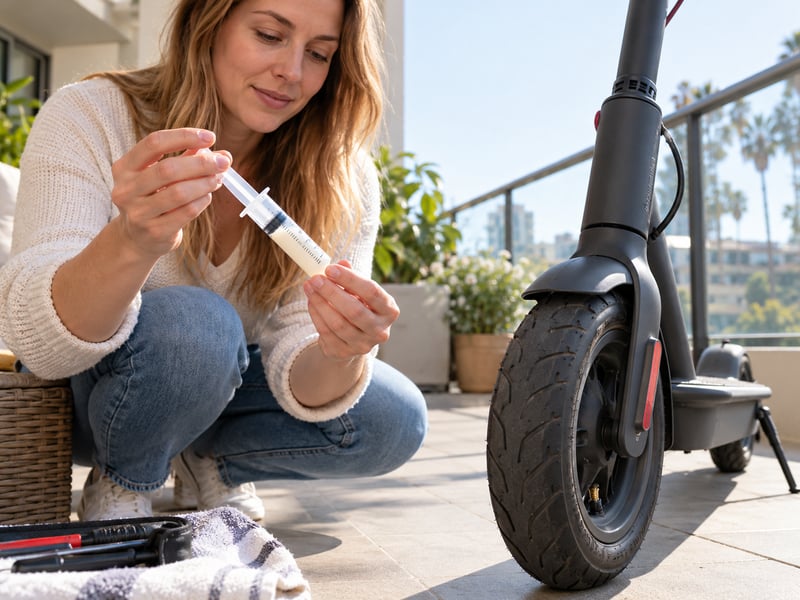
DIY waterproofing can also be very effective. Applying silicone sealant to the seams and gaps in the scooter’s body can create a more robust barrier against water. Focus on the edges of the battery compartment and where cables enter the frame. Using dielectric grease on electrical connectors can repel water and prevent corrosion. Are you wondering where to apply these?
Key areas to seal include the charging port, the perimeter of the display screen, and the base of the handlebars. Apply the sealant carefully to avoid interfering with any moving parts or buttons. Allow it to cure completely before riding.
Proper storage is also crucial, especially if you live in a rainy climate. Never leave your electric scooter out in the rain. Store it in a dry, sheltered location like a garage or shed. If you must store it outdoors temporarily, use a high-quality waterproof cover to protect it from the elements. What about checking for leaks?
Regular inspections can help you catch problems early. After any ride in wet conditions, check for signs of moisture. Look for condensation inside the display, water droplets near the battery compartment, or any corrosion on the charging contacts. Early detection can prevent costly repairs.
| Protection Method | Description | Benefits |
| Display Cover | A silicone or plastic shield for the display | Protects screen electronics from water damage |
| Silicone Sealant | Applied to seams and cable entry points | Creates a waterproof barrier, prevents internal corrosion |
| Dielectric Grease | Applied to electrical connectors | Repels moisture, prevents short circuits and rust |
| Fender Extensions | Added to existing fenders to increase coverage | Reduces water spray, keeps the scooter cleaner |
| Waterproof Storage Cover | Covers the entire scooter during storage | Protects from rain, dust, and other environmental factors |
This table outlines several effective methods for protecting your scooter. Combining multiple approaches will offer the best defense and help ensure your scooter has a long, reliable life. But what specific maintenance should you perform after riding in the rain?

5. What Maintenance Is Needed After Wet Weather Riding?
Proper maintenance after riding in wet weather is critical to prevent long-term damage and ensure your electric scooter remains safe and reliable. A few simple steps can make a huge difference. What is the first thing you should do?
First and foremost, clean and dry your scooter thoroughly. Use a soft, dry cloth to wipe down all surfaces, paying close attention to the deck, wheels, and handlebars. Remove any mud, grit, or road salt, as these can trap moisture and accelerate corrosion.
Avoid using a high-pressure washer, as it can force water past the seals and into sensitive areas. A damp cloth is sufficient for cleaning. After wiping it down, allow the scooter to air dry completely in a well-ventilated space, away from direct sunlight or heat sources that could damage the electronics.
Next, inspect the electrical connectors. Check for any signs of moisture, especially around the charging port and motor connections. Water can corrode these contacts, leading to poor performance or electrical shorts. Are you checking the most critical spots?
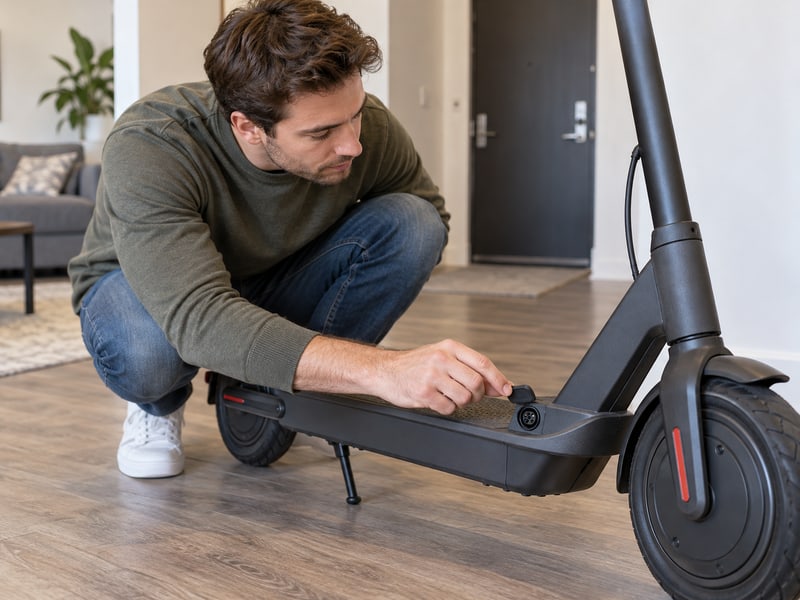
If you find any moisture, dry it gently with a soft cloth or use a can of compressed air to blow water out of hard-to-reach areas. Applying a small amount of dielectric grease to exposed connectors can create a protective barrier that repels water and prevents corrosion.
Lubricating moving parts is also essential. Water can wash away grease, leading to increased friction and premature wear. Apply a silicone-based lubricant to the folding mechanism and wheel bearings. Use it sparingly and wipe away any excess. Why is proper lubrication so important?
Proper lubrication ensures smooth operation, reduces wear and tear, and prevents rust from forming on metal components. This simple step can significantly extend the lifespan of your scooter.
Finally, always check your brakes after riding in wet conditions. Water can reduce the effectiveness of brake pads and rotors. Test them at a low speed in a safe area to ensure they are fully functional before your next ride. If you notice any squealing or reduced stopping power, consider having them inspected by a professional. What about the tires?
Inspect your tires for any embedded debris or punctures. Wet roads can make it easier for small sharp objects to stick to tires. Ensure proper tire pressure, as this affects both safety and performance.
| Maintenance Task | Description | Frequency (After Wet Ride) |
| Clean and Dry | Wipe down all surfaces, air dry | Always |
| Inspect Electrical Connectors | Check for moisture, corrosion | Always |
| Lubricate Moving Parts | Apply silicone-based lubricant | As needed, especially after heavy rain |
| Check Brakes | Test stopping power, inspect pads | Always |
| Inspect Tires | Check for debris, proper pressure | Always |
Following these maintenance steps will help protect your electric scooter from the adverse effects of wet weather, keeping it in top condition for many rides to come. But does riding in the rain affect your warranty?
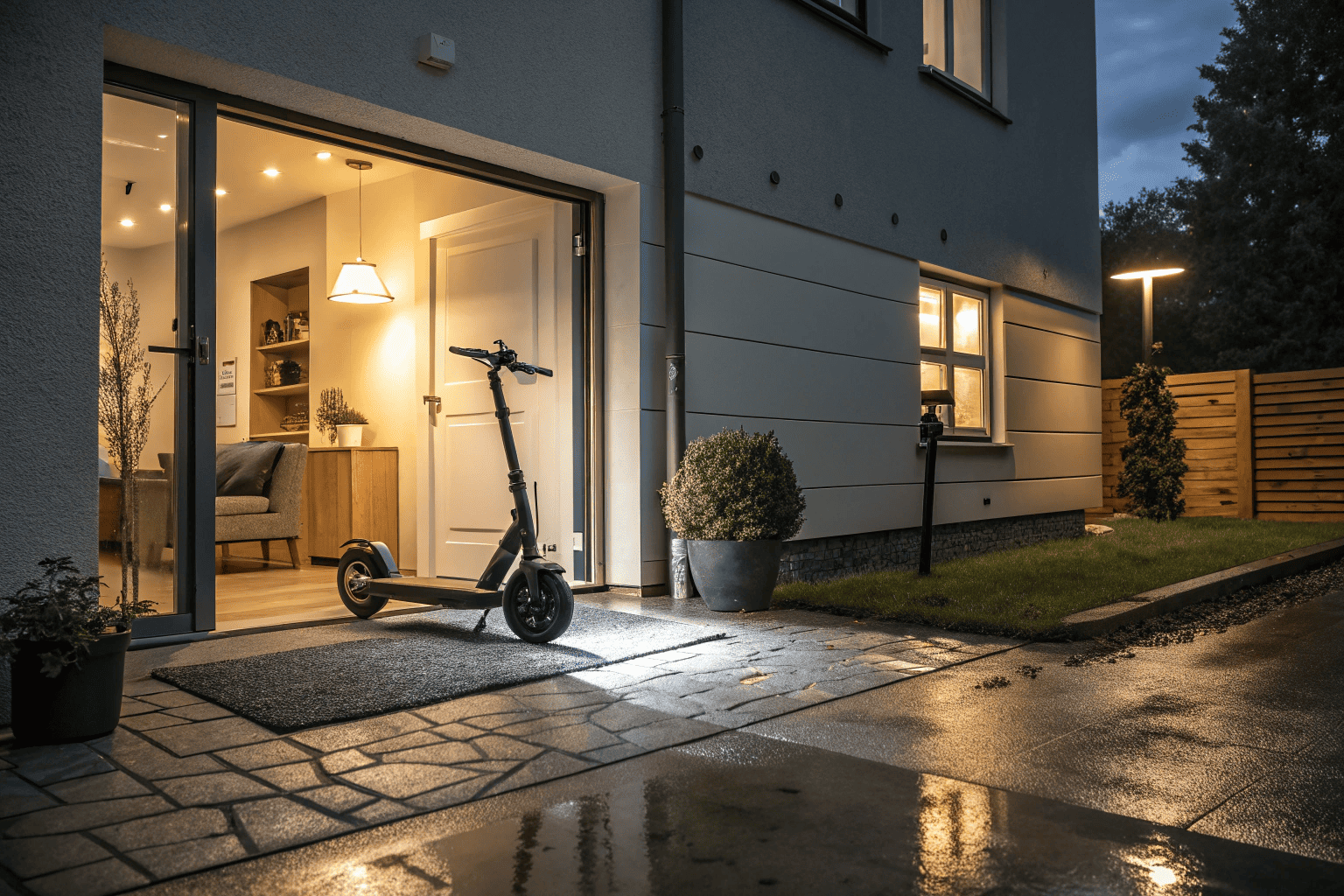
6. Does Riding in Rain Void Your Scooter’s Warranty?
One of the most critical questions for electric scooter owners is whether riding in the rain will void their warranty. The answer is often complex and depends heavily on the manufacturer’s specific terms and conditions. What should you look for in your warranty?
Most electric scooter warranties explicitly exclude damage caused by water ingress. Even if a scooter has an IP rating, manufacturers typically classify water damage as misuse or neglect, which falls outside the scope of standard warranty coverage. This means that if water gets into the electronics and causes a malfunction, you will likely be responsible for the repair costs.
Manufacturers often include clauses that state the warranty is voided if the product is used in conditions beyond its specified IP rating or if there is evidence of submersion. For an IP54-rated scooter, this means riding through deep puddles or in heavy, sustained rain could be considered grounds for voiding the warranty. How can you prove it wasn’t misuse?
Proving that water damage occurred within the scooter’s rated capabilities can be challenging. Manufacturers may have internal diagnostic tools that can detect water exposure, even if it’s not immediately visible. Always review your warranty document carefully to understand its limitations regarding water damage.
Some manufacturers offer extended warranties or accidental damage protection plans that might cover water damage. These plans usually come at an additional cost but can provide peace of mind for riders who anticipate riding in varied weather conditions. Is it worth the extra cost?
Whether an extended warranty is worthwhile depends on your riding habits and risk tolerance. If you frequently ride in areas prone to rain or splashes, it might be a sensible investment. However, for casual riders who primarily use their scooter in dry conditions, the added expense might not be justified.
To avoid warranty issues, the best practice is to adhere strictly to the manufacturer’s recommendations for use in wet conditions. If your scooter is IP54-rated, avoid riding in anything more than light drizzle, and steer clear of puddles. When in doubt, it is always safer to walk or find alternative transportation. What if you accidentally get caught in the rain?
If you find yourself unexpectedly caught in the rain, try to seek shelter as quickly as possible. Once safe, follow the post-ride maintenance steps mentioned earlier to minimize potential damage. Documenting the incident with photos or videos might also be helpful if you need to make a warranty claim, though success is not guaranteed.
| Warranty Aspect | Description | Implication for Rider |
| Water Damage Exclusion | Most warranties exclude water ingress | Rider responsible for repair costs |
| Misuse Clause | Riding beyond IP rating voids warranty | Manufacturer can deny claims based on usage |
| Proof of Damage | Internal diagnostics can detect water | Challenging for rider to dispute findings |
| Extended Warranty | Optional coverage for accidental damage | May cover water damage, but at extra cost |
| Manufacturer Recommendations | Adhere to guidelines for wet conditions | Best way to preserve warranty |
Understanding your warranty’s stance on water damage is crucial for protecting your investment. Always prioritize safe riding practices and proper maintenance to extend your scooter’s life. So, what are the best practices for safe riding in all conditions?
Conclusion
Navigating wet weather on an electric scooter requires a clear understanding of its capabilities and limitations. While IP ratings provide a valuable guide, they are not a license to disregard caution. Prioritizing safety through proper gear, defensive riding, and diligent maintenance is essential for every rider. Remember that water resistance is not waterproofing, and even the most robust scooters have their limits.
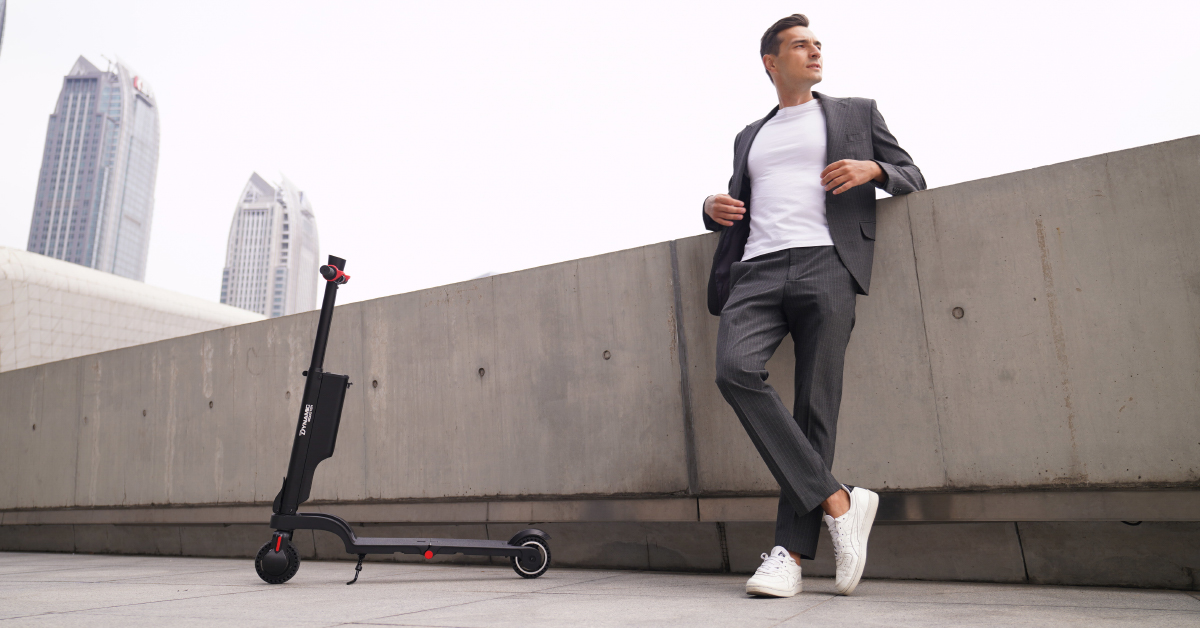
By respecting these boundaries and taking proactive steps to protect your device, you can enjoy the convenience and efficiency of electric scooters for years to come. For those seeking a reliable and durable ride, consider exploring the range of electric scooters from Dynamic Scooter, designed with both performance and protection in mind.
FAQ
Q1: Can I ride my electric scooter in heavy rain?
No, it is generally not recommended to ride your electric scooter in heavy rain, even if it has an IP54 rating. Heavy rain can overwhelm the scooter’s water resistance, leading to potential damage to electrical components and battery. It also significantly reduces traction and braking performance, increasing the risk of accidents.
Q2: What does IP54 mean for an electric scooter?
An IP54 rating means your electric scooter is protected against dust ingress (level 5) and splashing water from any direction (level 4). This implies it can handle light rain and splashes from puddles but is not designed for heavy downpours or submersion.
Q3: How can I protect my scooter from water damage?
You can protect your scooter by using aftermarket accessories like waterproof display covers and fender extensions. Applying silicone sealant to seams and dielectric grease to electrical connectors can also help. Always store your scooter in a dry place and avoid riding in heavy rain or deep puddles.
Q4: Is water damage covered by warranty?
Typically, water damage is not covered by standard electric scooter warranties. Most manufacturers consider it misuse or neglect, even if the scooter has an IP rating. Always check your specific warranty terms, and consider accidental damage protection plans if you anticipate frequent exposure to wet conditions.
Q5: What maintenance should I do after riding in the rain?
After riding in the rain, thoroughly clean and dry your scooter with a soft cloth. Inspect electrical connectors for moisture and apply dielectric grease if needed. Lubricate moving parts like the folding mechanism and wheel bearings. Finally, check your brakes and tires to ensure they are in good working order before your next ride.