
Electric scooters offer a convenient way to travel short distances. Many people wonder about their safety. You might ask if these devices are truly safe for daily use. This question is valid for anyone considering an electric scooter. This article will discuss key safety features, riding practices, and maintenance tips. You will learn how to minimize risks and enjoy your ride. We will cover essential aspects of electric scooter safety, from design to rider behavior.
1. What Makes an Electric Scooter Safe?
Electric scooter safety starts with its design and construction. You want a scooter built for stability and control. The good news is, manufacturers focus on several key areas to ensure a safer ride. Understanding these elements helps you choose a reliable scooter.
Frame materials are a primary consideration. High-quality aluminum alloy or steel frames offer strength. They withstand daily use and impacts better. A durable frame provides a solid foundation for all other components. This contributes greatly to overall rider safety. Think about it – a weak frame could lead to serious accidents.
Tire types also play a big role in safety. Pneumatic (air-filled) tires generally offer better shock absorption. They provide a smoother ride on uneven surfaces. Solid tires, on the other hand, are puncture-proof. They require less maintenance. However, they might offer less grip and a bumpier ride. The choice depends on your typical riding conditions. Good traction is vital for preventing slips and falls, especially in wet conditions. Many ask, are electric scooters safe on different surfaces? Tire quality is a big part of that answer.
Braking systems are perhaps the most critical safety feature. Most electric scooters come with one or more types of brakes. Disc brakes offer strong stopping power. They perform well in various weather conditions. Electronic brakes, often regenerative, help to slow the scooter smoothly. They can also help recharge the battery slightly. Foot brakes, applied by pressing on the rear fender, offer a simple backup. Here’s the deal: a scooter with a dual-braking system provides an added layer of security. This ensures you can stop effectively when needed.
Lighting and visibility features are also very important. Good lights help you see the path ahead in low-light conditions. They also make you more visible to others. Front-facing LED headlights and rear brake lights are standard on most quality scooters. Some models include side reflectors or even turn signals. The bottom line is, being seen by drivers and pedestrians can prevent many accidents.
Suspension systems contribute to stability and comfort. Scooters with front or dual suspension absorb shocks from bumps and uneven terrain. This makes the ride smoother and easier to control. Better control means a lower risk of losing balance. While not all scooters have suspension, it is a valuable feature for those who ride on varied surfaces. The question of whether electric scooters are safe often comes down to these design choices.
| Feature | Importance for Safety | Common Types/Examples |
| Frame Material | Structural integrity, durability | Aluminum alloy, Steel |
| Tires | Traction, shock absorption | Pneumatic, Solid |
| Braking System | Stopping power, reliability | Disc, Electronic (regenerative), Foot |
| Lighting | Visibility, path illumination | LED headlights, Taillights, Reflectors |
| Suspension | Stability, ride comfort | Front suspension, Dual suspension, None |
Choosing a scooter with these features in mind can greatly enhance your safety. It’s a fact that well-built scooters reduce risks. Always check the specifications before making a purchase. Consider your typical riding environment and needs. This will help you select the safest option for your journeys. Remember, understanding what makes an electric scooter safe is the first step to a secure ride.
2. How Do Rider Skills Affect Safety?
Your riding skills play a critical role in electric scooter safety. Even the safest scooter needs a skilled rider. This is why proper training and practice are so important. You can greatly reduce your risk of accidents by mastering basic techniques.
Proper training is the foundation of safe riding. Before hitting busy streets, practice in a safe, open area. Learn how the scooter accelerates, brakes, and turns. Consider this: a few hours of practice can prevent many potential mishaps. Familiarity with your scooter’s behavior builds confidence.
Balancing and steering techniques are fundamental. Keep your knees slightly bent to absorb shocks. Lean into turns rather than just turning the handlebars. This helps maintain stability. It’s simple: smooth, controlled movements are safer than jerky ones. Practice slow-speed maneuvers to improve your balance.
Navigating different terrains requires adaptability. Paved roads are ideal, but you might encounter gravel or uneven paths. Slow down on rough surfaces. Shift your weight slightly back to handle bumps. Here’s a tip: avoid sudden turns or braking on loose surfaces. This prevents skidding and loss of control.
Awareness of surroundings is paramount. Always look ahead for obstacles, pedestrians, and vehicles. Use your peripheral vision to monitor traffic around you. Remember to anticipate potential hazards. Being proactive helps you react in time. Distractions, like using a phone, greatly increase risk.
Hand signals and communication are vital for interacting with others. Use clear hand signals for turning and stopping. Make eye contact with drivers and pedestrians. The key is to make your intentions clear. This helps prevent misunderstandings and collisions. Effective communication keeps everyone safer on the road.
| Skill Category | Key Practice Areas | Safety Benefit |
| Basic Handling | Acceleration, braking, turning | Predictable control, reduced sudden movements |
| Balance & Stability | Slow-speed maneuvers, weight shift | Avoids falls, maintains upright position |
| Terrain Adaptation | Gravel, bumps, wet surfaces | Prevents skidding, maintains control |
| Situational Awareness | Obstacle detection, traffic monitoring | Proactive hazard avoidance, quicker reactions |
| Communication | Hand signals, eye contact | Clear intentions, prevents misunderstandings |
Developing these skills makes you a safer rider. It’s clear that practice makes perfect. Take the time to become proficient with your electric scooter. Your safety, and the safety of others, depends on it. Always prioritize skill development. This ensures a more enjoyable and secure riding experience.

3. What Safety Gear Should You Use?
Wearing the right safety gear is non-negotiable for electric scooter safety. Even experienced riders face risks. That’s why proper protective equipment is your first line of defense. It can prevent serious injuries in case of an accident.
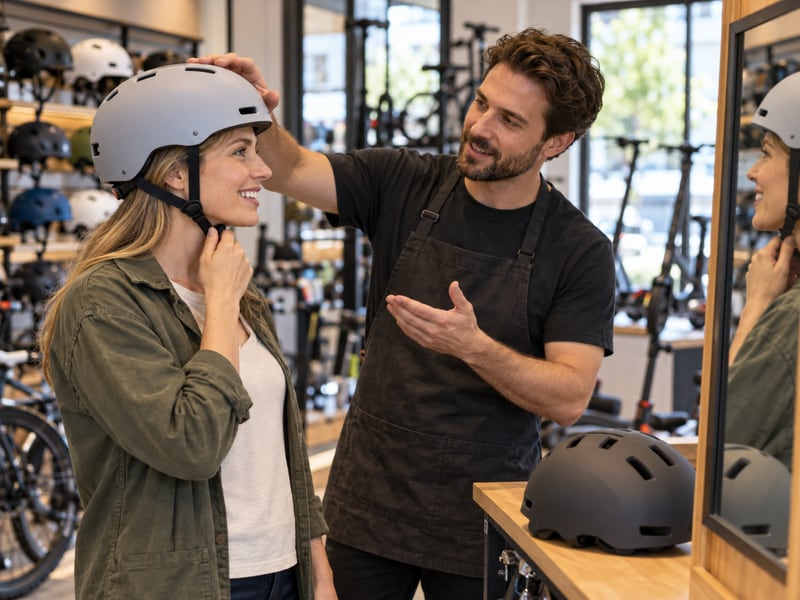
Helmets are the most important piece of safety gear. Choose a helmet that meets safety standards, such as CPSC or ASTM. It should fit snugly but comfortably. Remember this: a helmet protects your head from impact. It is the single most effective way to prevent severe head injuries. Always wear one, no matter how short your ride.
Protective pads for knees and elbows offer added protection. Falls can happen unexpectedly. These pads absorb impact and prevent scrapes and fractures. Consider adding wrist guards as well. They protect against common wrist injuries from falls. These small additions make a big difference in preventing road rash and broken bones.
Reflective clothing for visibility is crucial, especially when riding at dusk or night. Bright colors and reflective materials make you stand out. Drivers and pedestrians can see you from a distance. Here’s a simple rule: if you ride when light is low, wear something reflective. This greatly reduces the risk of not being seen.
Proper footwear provides better grip and stability. Avoid open-toed shoes or high heels. Choose closed-toe shoes with good soles. You will find that sneakers or sturdy boots offer the best control. They prevent your feet from slipping off the deck. Secure footwear also protects your feet from debris.
Gloves offer grip and protection. They improve your hold on the handlebars. This is especially helpful in wet conditions. Beyond grip, gloves protect your hands from abrasions in a fall. They also provide some cushioning against vibrations. Look for gloves with good padding and a secure fit.
| Safety Gear | Purpose | Key Features/Considerations |
| Helmet | Head protection | CPSC/ASTM certified, snug fit |
| Knee/Elbow Pads | Joint protection | Impact absorption, comfortable fit |
| Reflective Gear | Visibility | Bright colors, reflective strips |
| Footwear | Grip, stability, foot protection | Closed-toe, good sole, secure fit |
| Gloves | Grip, hand protection | Padding, secure fit, abrasion resistance |
Using all recommended safety gear significantly reduces injury risk. It’s a smart move to invest in quality gear. Your safety is worth it. Make wearing safety gear a habit every time you ride. This proactive approach ensures a safer and more confident riding experience.
4. How Do Road Conditions Impact Safety?
Road conditions greatly influence electric scooter safety. The environment you ride in presents unique challenges. This means you must adapt your riding style to different surfaces. Understanding these impacts helps you ride more safely.
Potholes and uneven surfaces pose a significant risk. They can cause loss of balance or even falls. Always scan the road ahead for such hazards. To avoid issues, slow down and try to navigate around them. If you cannot avoid them, brace yourself and keep your knees bent to absorb the shock. This helps maintain control.
Wet or slippery roads reduce tire traction. Rain, ice, or even wet leaves make surfaces slick. Because of this, you must reduce your speed. Brake gently and avoid sudden turns. Increase your following distance from other vehicles. Wet conditions demand extra caution. Your stopping distance will increase significantly.
Traffic awareness and rules are vital for urban riding. Electric scooters share the road with cars, bikes, and pedestrians. It is important to understand local traffic laws. Obey all traffic signals and signs. Ride predictably and in a straight line. Do not weave in and out of traffic. This makes you a more visible and predictable rider.
Pedestrian interactions require courtesy and caution. Sidewalks are often crowded. For everyone’s safety, avoid riding on sidewalks where prohibited. If you must ride near pedestrians, slow to walking speed. Give them ample space. Use your bell to alert them to your presence. Always yield to pedestrians.
Night riding considerations add another layer of risk. Reduced visibility affects both you and others. This is why good lighting on your scooter is a must. Wear reflective clothing. Choose well-lit routes. Avoid unlit areas. Your ability to see and be seen is critical after dark. Many accidents happen at night due to poor visibility.
| Road Condition | Safety Challenge | Recommended Action |
| Potholes | Loss of balance, falls | Scan ahead, slow down, navigate around |
| Wet Roads | Reduced traction, skidding | Reduce speed, gentle braking, increase distance |
| Heavy Traffic | Collisions, unpredictability | Obey laws, ride predictably, stay visible |
| Pedestrians | Collisions, conflicts | Slow down, give space, use bell, yield |
| Low Light | Poor visibility | Use lights, wear reflective gear, choose lit routes |
Adapting to road conditions is a key part of electric scooter safety. You can see that vigilance and caution are your best tools. Always assess your surroundings. Adjust your riding behavior accordingly. This proactive approach helps prevent accidents. It ensures a safer journey for you and others.

5. What Maintenance Steps Improve Safety?
Regular maintenance is vital for electric scooter safety. A well-maintained scooter performs better. This also means it is less likely to break down unexpectedly. You can prevent many accidents by keeping your scooter in top condition.
Regular brake checks are a must. Test your brakes before every ride. Ensure they respond quickly and smoothly. If you notice any squeaking or grinding, have them inspected. Worn brake pads or loose cables reduce stopping power. This puts you at greater risk. Proper brake function is non-negotiable for safe riding.
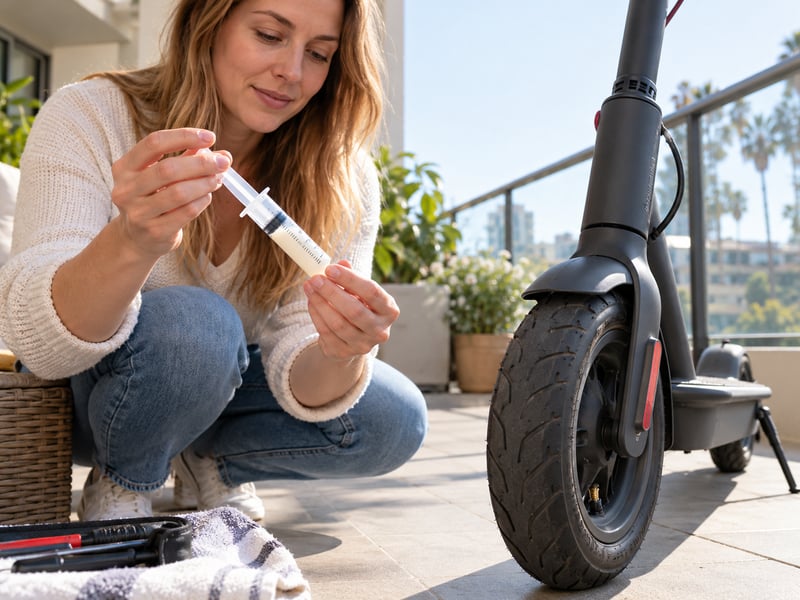
Tire pressure and wear inspection should be routine. Under-inflated tires affect handling and stability. Over-inflated tires can reduce grip. Check your tire pressure weekly. Look for signs of wear, cracks, or punctures. Replace worn tires promptly. Good tires provide the necessary traction for safe maneuvering.
Battery care and charging safety are often overlooked. Always use the charger provided with your scooter. Avoid overcharging or completely draining the battery. To extend battery life, store your scooter in a cool, dry place. Extreme temperatures can damage the battery. A damaged battery can pose a fire risk. Follow manufacturer guidelines for charging and storage.
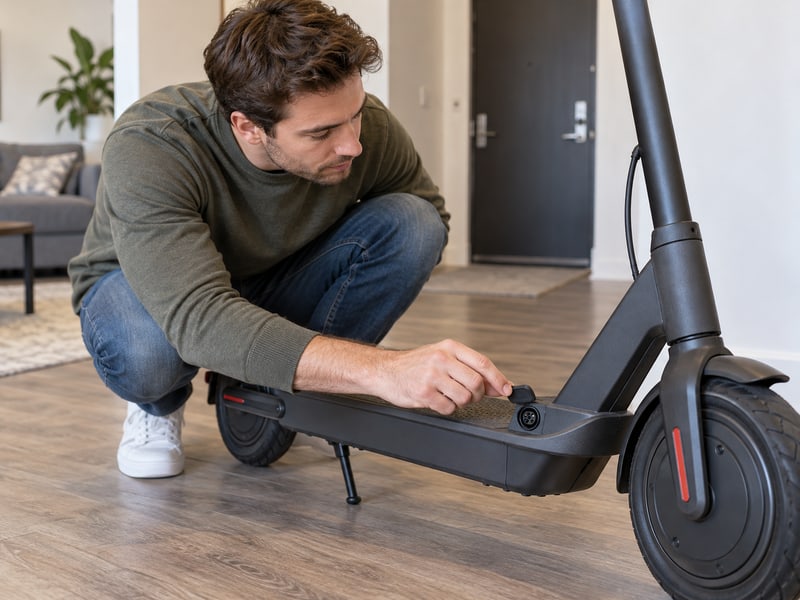
Tightening loose parts prevents accidents. Vibrations from riding can loosen screws and bolts. Make it a habit to check handlebars, folding mechanisms, and wheel nuts regularly. A loose handlebar can cause you to lose control. A loose wheel can lead to a serious fall. Use the right tools to tighten any loose components.
Cleaning and storage tips also contribute to longevity and safety. Keep your scooter clean from dirt and debris. This helps prevent components from seizing up. Store your scooter indoors, away from direct sunlight and moisture. Proper storage protects electronic components. It also prevents rust and corrosion. A clean, well-stored scooter is a safer scooter.
| Maintenance Task | Frequency | Safety Benefit | Warning Signs |
| Brake Checks | Before each ride | Reliable stopping power | Squeaking, grinding, slow response |
| Tire Inspection | Weekly | Optimal handling, traction | Low pressure, cracks, punctures |
| Battery Care | As needed | Prevents fire risk, extends life | Overheating, unusual smells |
| Loose Parts Check | Monthly | Prevents loss of control, falls | Wobbling, rattling, visible gaps |
| Cleaning/Storage | After each ride | Prevents component damage, corrosion | Dirt buildup, rust, moisture |
Following these maintenance steps ensures your electric scooter remains safe. You will find that a little effort goes a long way. Regular checks prevent small issues from becoming big problems. This proactive approach keeps you riding safely and smoothly. It also protects your investment in your scooter.

6. How Do Regulations Influence Electric Scooter Safety?
Regulations play a big part in electric scooter safety. Laws vary widely by location. This means you must know the rules in your area. Understanding these regulations helps you ride legally and safely.
Local laws and ordinances dictate where you can ride. Some cities allow scooters on bike paths. Others restrict them to roads. It is important to check your city’s specific rules. Riding where prohibited can lead to fines. It also puts you at risk of accidents with other road users.
Speed limits and zones are common regulations. Many areas set a maximum speed for electric scooters. This is often around 25 kph (15 mph). Some zones, like pedestrian areas, might have lower limits. Always obey these speed restrictions. High speeds increase the risk of severe injuries in a crash. They also make it harder to react to sudden obstacles.
Age restrictions are in place in many regions. Riders must be a certain age, often 16 or older. This ensures riders have enough maturity and judgment. You should know that these rules protect younger riders. They also protect others from inexperienced users. Always verify the minimum age requirement before riding.
Licensing and registration requirements are becoming more common. Some places require a driver’s license to operate an electric scooter. Others might require registration of the device. Check with your local Department of Motor Vehicles. This ensures you are riding legally. It also helps authorities track scooters for safety and enforcement.
Helmet laws are a key safety regulation. Many jurisdictions mandate helmet use for all electric scooter riders. Some only require them for younger riders. Regardless of the law, wearing a helmet is always a good idea. It is your best protection against head injuries. Always prioritize your safety over convenience.
| Regulation Type | Common Examples | Safety Impact |
| Riding Zones | Bike paths, roads, sidewalks | Prevents conflicts with pedestrians/vehicles |
| Speed Limits | 25 kph (15 mph), pedestrian zones | Reduces crash severity, improves reaction time |
| Age Restrictions | 16 years old and up | Ensures rider maturity and judgment |
| Licensing/Registration | Driver’s license, device registration | Promotes accountability, tracks devices |
| Helmet Laws | Mandatory for all, or minors | Reduces head injury risk |
Staying informed about local regulations is crucial for electric scooter safety. You can avoid legal trouble and accidents by following the rules. Always check official government websites for the most current information. Ignorance of the law is no excuse. Ride responsibly and legally to ensure a safe journey.
7. What Advanced Safety Features Are Available?
Modern electric scooters offer advanced safety features. These go beyond basic requirements. They aim to provide an even safer and more controlled riding experience. Understanding these features helps you choose a scooter with enhanced protection.
Anti-lock braking systems (ABS) prevent wheel lock-up during hard braking. This maintains steering control. This means you can stop quickly without skidding. ABS is a significant safety upgrade. It is especially useful in emergency braking situations. This feature greatly reduces the risk of falls.
Cruise control helps maintain a steady speed. This reduces rider fatigue on longer rides. It allows you to focus more on your surroundings. You do not need to constantly adjust the throttle. This feature contributes to a smoother and safer journey. It prevents accidental speed changes.
Smart battery management systems (BMS) protect the battery. They prevent overcharging, over-discharging, and overheating. For example, Dynamic Scooter Model B includes a Smart Battery Management System. This extends battery life. It also prevents potential fire hazards. A reliable BMS is a must for battery safety.
GPS tracking and anti-theft features offer peace of mind. You can locate your scooter if it is lost or stolen. Some systems also include remote locking. This adds a layer of security to your investment. It deters theft. This feature is particularly useful for urban riders.
Integrated turn signals improve rider communication. They make your intentions clear to others. Unlike hand signals, they are always visible. This is especially true in low light. Turn signals reduce the risk of collisions. They are a simple yet effective safety addition.
| Advanced Feature | Safety Benefit | How It Works |
| ABS | Prevents wheel lock-up, maintains control | Modulates brake pressure during hard stops |
| Cruise Control | Reduces fatigue, improves focus | Maintains set speed automatically |
| Smart BMS | Prevents battery issues, fire hazards | Monitors and regulates battery performance |
| GPS Tracking | Theft recovery, location tracking | Uses satellite signals to pinpoint location |
| Turn Signals | Clear communication, increased visibility | Integrated lights indicate turns |
These advanced features enhance electric scooter safety. You can see how they add value. They provide extra layers of protection. Consider these options when choosing your next scooter. They contribute to a more secure and confident ride. This helps you navigate busy environments with greater ease.
Conclusion
Electric scooter safety depends on several factors. These include scooter design, rider skill, and adherence to regulations. We have covered essential safety features, proper riding techniques, and the importance of maintenance. You now understand how to minimize risks. By choosing a well-built scooter and practicing safe habits, you can enjoy your rides.
To ensure you have the safest experience, consider a Dynamic Scooter. Our models prioritize rider safety with features like dual-brake systems and Smart Battery Management. Visit our website today to find a scooter that fits your needs and keeps you safe on the road.

FAQ
Q1: How fast can electric scooters go?
Electric scooters have varying top speeds, often limited by local regulations. Many models reach speeds up to 25 kph (15 mph). The rider’s weight and terrain also affect speed.
Q2: Are electric scooters waterproof?
Most electric scooters have some level of water resistance, often rated IP54. This means they can handle splashes but are not fully waterproof. Avoid riding in heavy rain or through deep puddles.
Q3: How long does an electric scooter battery last?
Battery life depends on the model, rider weight, speed, and terrain. Many scooters offer a range of 20 km (12 miles) on a single charge. Proper battery care helps extend its life.
Q4: Can I ride an electric scooter in bike lanes?
Regulations vary by location. In many areas, electric scooters are allowed in bike lanes. Always check local laws to ensure compliance and safe riding.
Q5: What is the weight limit for electric scooters?
Most electric scooters support a payload of up to 100 kg (220 lbs). Always check the specific model’s weight limit. Exceeding this limit can affect performance and safety.