...

July 25, 2025

Are Electric Scooters Legal for Street Use in America? What You Need to Know

Electric scooters flood American streets, but many riders face fines and confiscation. Without knowing local laws, you risk legal trouble and safety issues that could cost hundreds in penalties. This guide reveals state-by-state rules to keep you riding legally. Most electric scooters are legal on US streets with speed limits under 25 mph, but regulations vary by state and city. Riders typically need helmets, valid licenses, and must follow traffic laws. Some areas restrict scooter use to bike lanes or prohibit sidewalk riding entirely. But here’s the thing – the legal landscape changes fast, and what’s legal in one city might be banned in the next. 1. What Makes an Electric Scooter Street Legal in the US? Street-legal electric scooters must meet specific federal and state requirements. The Consumer Product Safety Commission sets basic safety standards for all scooters sold in America. These standards cover everything from brake performance to electrical safety systems. Here’s why it matters – non-compliant scooters can be seized by police, and riders face hefty fines. Most states require scooters to have working brakes, lights, and reflectors for night riding. The braking system must stop the scooter within a specific distance at maximum speed. Speed limits vary but typically cap at 15-20 mph on public roads. Motor power usually cannot exceed 750 watts, similar to electric bike regulations. This power limit keeps scooters in the low-speed vehicle category, avoiding motorcycle licensing requirements. Requirement Standard Limit Penalty for Violation Maximum Speed 15-25 mph 50−50-50−200 fine Motor Power 750 watts Confiscation possible Age Minimum 14-16 years 25−25-25−100 fine Weight Limit 220-300 lbs Equipment failure risk Weight limits often reach 220 pounds, matching most quality scooters on the market. Registration requirements differ by state, with some requiring license plates or permits. 2. Which States Allow Electric Scooters on Public Roads? California leads with comprehensive scooter laws allowing street use in most cities. The state passed AB-2989 in 2018, creating a framework for scooter regulation. Riders must be 16 or older and wear helmets under 18 years old. California requires scooters to have working brakes on both wheels. Front and rear lighting systems become mandatory after sunset. The state allows local cities to create additional restrictions but cannot ban scooters entirely. Texas permits scooters on roads with speed limits under 35 mph. The best part? No helmet requirement for adults, making it rider-friendly for commuters. Texas law treats scooters like bicycles for most traffic purposes. The Lone Star State requires scooters to stay in bike lanes where available. Sidewalk riding is prohibited in business districts but allowed in residential areas. Local cities can create stricter rules than state law. Florida allows scooters on roads and bike paths but bans sidewalk riding in business districts. The state requires working lights and reflectors for night riding. Helmet laws apply only to riders under 16 years old. New York recently legalized scooters statewide after years of restrictions. The state allows local control over scooter operations and parking rules. New York requires helmets for all riders under 18 and prohibits sidewalk use. State Road Legal Helmet Required License Needed Max Speed California Yes Under 18 No 15 mph Texas Yes No No 20 mph Florida Yes Under 16 No 15 mph New York Yes Under 18 No 15 mph Washington Yes All riders No 15 mph Michigan and Illinois have similar laws but require helmets for all riders. Some states like Alabama still prohibit scooters on public roads entirely. These states classify scooters as motor vehicles, requiring full licensing and insurance. Washington State requires helmets for all scooter riders regardless of age. The state allows scooters on roads with speed limits under 25 mph. Local cities can create additional safety requirements. 3. How Do City Laws Differ from State Regulations? Cities often impose stricter rules than state laws allow. San Francisco requires permits for scooter companies and limits where riders can park. The city caps scooter speeds at 15 mph and requires GPS tracking for all rental units. Now, you might be wondering why local laws matter more than state rules. Cities control traffic flow and sidewalk use, giving them authority over scooter operations. Municipal governments can ban scooters entirely despite state approval. New York City banned scooters until 2020 despite state approval. The city now allows scooters but requires special permits for rental companies. Private scooter ownership remains legal with proper registration. Miami requires business licenses for scooter rentals and sets specific parking zones. The city prohibits scooter parking on sidewalks and requires upright positioning. Violation fines start at $50 for improper parking. Portland limits scooter speeds in downtown areas and requires companies to provide helmets. The city created special scooter parking corrals to reduce sidewalk clutter. Speed limits drop to 8 mph in high-pedestrian areas. Seattle bans scooters from certain neighborhoods during peak hours. The city requires scooter companies to redistribute units daily to prevent clustering. Parking violations result in immediate scooter impoundment. City Speed Limit Parking Rules Special Requirements San Francisco 15 mph Designated zones only Company permits Miami 15 mph No sidewalk parking Business license Portland 8 mph downtown Upright parking only Helmet provision Seattle 15 mph No residential areas Time restrictions Austin 10 mph Bike rack areas Insurance required Chicago requires scooter registration and insurance for commercial operators. The city limits the total number of scooters to 2,500 units citywide. Boston limits the number of scooters per company to reduce sidewalk clutter. Los Angeles created a comprehensive scooter program with designated parking areas. The city requires companies to provide customer service in multiple languages. Scooter operators must maintain 95% uptime for their fleets. 4. What Safety Equipment Do You Need for Legal Riding? Helmets top the safety requirement list in most jurisdictions. Many states mandate helmets for riders under 18, while others require them for all users. Helmet laws often carry fines ranging from 25to25 to 25to100 for violations. Working brakes are mandatory in every state that allows scooters. Let me explain – both hand and foot brakes

Are Electric Scooters Legal for Street Use in America? What You Need to Know Read More »

Is It Legal to Ride Electric Scooters Without a Helmet? What Riders Need to Know

Riders face confusion about helmet laws and risk serious legal trouble or injuries. Without knowing local requirements, you could face hefty fines or life-changing head trauma. This guide reveals exactly when helmets are required and how to stay compliant. Electric scooter helmet laws vary dramatically by location, with most states requiring helmets for riders under 18 but allowing adults to ride helmet-free. However, many cities impose stricter rules requiring helmets for all riders regardless of age. Violations typically result in $25-200 fines, and riding without required helmets increases serious injury risk by 85%. But here’s the thing – these laws change frequently, and ignorance won’t protect you from penalties. 1. Which States Allow Helmet-Free Electric Scooter Riding? Most states allow adults over 18 to ride electric scooters without helmets. California permits helmet-free riding for adults but requires helmets for anyone under 18 years old. The state imposes $25 fines for violations. Here’s why it matters – state laws set the baseline, but cities can add stricter requirements. San Francisco requires helmets for all riders in downtown areas during peak hours, regardless of state law. Texas has no statewide helmet requirement for electric scooters. Individual cities create their own rules. Austin mandates helmets for riders under 18, while Dallas allows helmet-free riding for all ages. Florida requires helmets only for riders under 16 years old. Adults and older teens can ride without helmets on public roads. The state allows cities to impose additional helmet requirements. New York mandates helmets for all riders under 18 years old. Adults can ride helmet-free in most areas. The state recently legalized scooters with strict safety requirements. State Adult Helmet Required Minor Age Limit Typical Fine California No Under 18 $25 Texas Varies by city Varies $25-75 Florida No Under 16 $30 New York No Under 18 $50-100 Washington Yes All riders $124 Washington State requires helmets for all electric scooter riders regardless of age. The state treats scooters like bicycles for helmet law purposes. Violations carry $124 fines. Michigan requires helmets for riders under 19 years old. Cities can set stricter age limits. Detroit mandates helmets for all riders in the downtown core. Oregon requires helmets for riders under 16 years old statewide. Portland extends this requirement to riders under 18 in school zones. The city provides free helmets at community centers. 2. What Are the Legal Penalties for Riding Without a Helmet? Fines for helmet violations range from $25-200 depending on location and rider age. Most jurisdictions issue warnings for first-time offenses. Repeat violations result in higher fines and possible scooter confiscation. The best part? Some cities offer alternatives to fines. Austin allows violators to complete safety courses instead of paying penalties. The 2-hour courses cost $25 and cover traffic laws. Parents face additional penalties when minors ride without required helmets. California charges parents $25-100 for allowing children to violate helmet laws. Some states add points to parents’ driving records. Scooter rental companies face substantial penalties for helmet violations. Cities can suspend operating permits or reduce fleet sizes. Miami fines companies $500-2000 when customers ride without required helmets. Insurance claims may be denied or reduced for injuries during helmet violations. Health insurance policies often cut coverage by 25-50% for preventable injuries. Auto insurance typically excludes scooter accidents entirely. Violation Type Fine Range Additional Penalty Repeat Offense Minor without helmet $25-50 Parent liability $50-100 Adult violation $50-200 None $100-300 Rental company $500-2000 Permit suspension Fleet reduction Parent allowing $25-100 Driving points $100-200 Criminal charges rarely result from helmet violations alone. Combined violations like speeding plus no helmet can trigger reckless endangerment charges. These carry potential jail time and license suspension. Court appearances become mandatory for some repeat helmet violations. Judges can order community service or safety courses. Some cities require violators to attend victim impact presentations. 3. How Do City Laws Override State Helmet Requirements? Cities often impose stricter helmet rules than state laws allow. Los Angeles requires helmets for all scooter riders in business districts. The city sets fines at $200 for violations. Now, you might be wondering why local laws matter more than state rules. Cities control traffic flow and public safety, giving them authority to create additional requirements. Municipal laws always supersede less restrictive state rules. Miami mandates helmets for all rental scooter riders but not private owners. The city works with scooter companies to provide helmets with rentals. Violations result in $75 fines and possible rental account suspension. Seattle requires helmets for all scooter riders citywide. The law applies to both rental and private scooters. Police issue warnings for first offenses and $50 fines for repeat violations. Chicago mandates helmets for riders under 17 years old. The city allows helmet-free riding for adults on most streets. School zones require helmets for all riders during school hours. Nashville requires helmets for all electric scooter riders in the downtown core. The city created helmet-free zones in residential areas. Tourist districts have the strictest enforcement levels. City Helmet Requirement Coverage Area Fine Amount Los Angeles All riders Business districts $200 Miami Rental riders only Citywide $75 Seattle All riders Citywide $50 Chicago Under 17 All areas $25-50 Nashville All riders Downtown core $100 Boston requires helmets for riders under 18 years old. The city provides free helmets at public libraries and bike shops. Violations carry 25finesforminorsand25 fines for minors and 25finesforminorsand50 for supervising adults. Denver has no helmet requirements for electric scooters. The city focuses on speed limits and parking rules instead. Riders choose helmet use based on personal preference. 4. Which Helmet Types Meet Legal Standards? DOT-approved motorcycle helmets meet legal requirements in most jurisdictions. These helmets pass federal safety standards for impact protection. Look for DOT certification stickers inside helmets before purchasing. Let me explain why helmet type matters for legal compliance. Standard bike helmets may not meet scooter helmet requirements in some cities. Areas with high-speed scooter limits often require motorcycle-style protection. CPSC-certified bicycle helmets work for most electric scooter laws. These helmets cost $20-100 and provide adequate protection for

Is It Legal to Ride Electric Scooters Without a Helmet? What Riders Need to Know Read More »

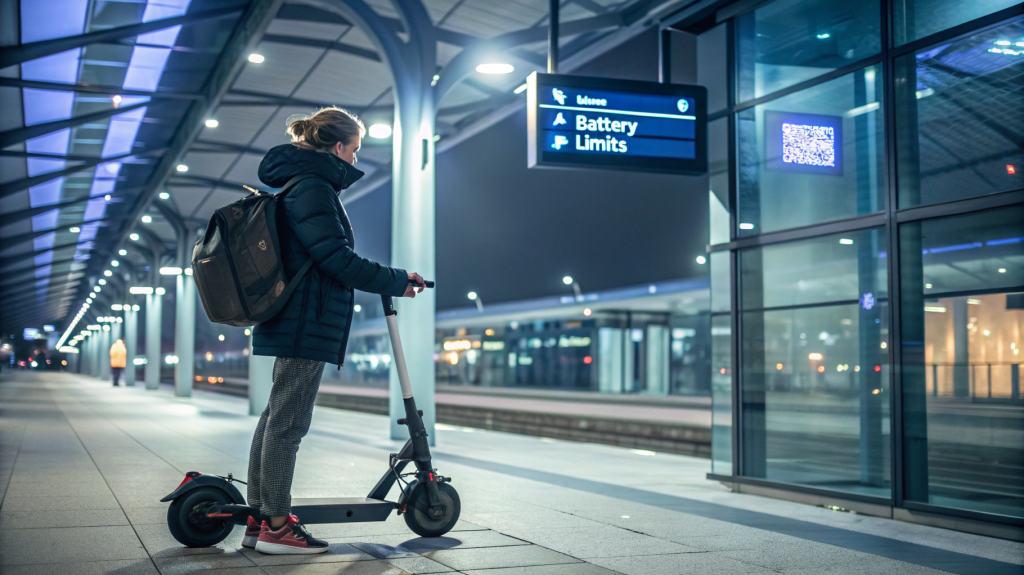
Are Electric Scooters Allowed on Trains? Transit Rules in 2026

You’re planning a trip and want to bring your electric scooter along. But train policies seem confusing and contradictory. Without clear guidance, you risk being denied boarding or facing unexpected fees that could ruin your travel plans. Most major train operators allow electric scooters with specific restrictions. Scooters must typically fold, weigh under 50-70 pounds, and have batteries under 100Wh. Each carrier has different policies, so checking requirements before travel prevents boarding issues and additional costs. But there’s more you need to know before packing… 1. What Are the General Rules for Bringing Electric Scooters on Trains? Train operators follow federal transportation guidelines when setting electric scooter policies. The Department of Transportation classifies electric scooters as personal mobility devices, subject to specific safety and size regulations. Here’s why it matters: These federal rules create the foundation for individual company policies. Most carriers require scooters to fold completely and fit within standard luggage dimensions. Weight limits typically range from 50 to 70 pounds. Battery capacity represents the most critical restriction. Lithium-ion batteries over 100 watt-hours often require special handling or complete prohibition. Smaller batteries under this threshold usually travel without additional requirements. Size restrictions focus on folded dimensions rather than operational size. Your scooter must collapse to fit designated storage areas. Most trains use airline-style overhead bins or under-seat spaces for scooter storage. Restriction Type Typical Limit Enforcement Level Consequences Weight 50-70 lbs Strict Boarding denial Battery capacity 100Wh max Very strict Confiscation possible Folded size 28″x22″x14″ Moderate Storage issues Documentation Proof of specs Variable Delays possible Railway companies reserve the right to refuse oversized or non-compliant scooters. Staff training varies between operators, leading to inconsistent enforcement. Some conductors may be more lenient while others strictly follow written policies. Safety protocols require scooters to remain folded and secured during travel. You cannot unfold or ride your scooter inside train cars. These rules protect passengers and prevent accidents in confined spaces. 2. Which Train Systems Allow Electric Scooters? Amtrak leads major carriers in electric scooter accommodation. Their policy allows folding electric scooters as carry-on baggage when they meet size and weight requirements. Scooters must fold to 28″ x 22″ x 14″ and weigh less than 50 pounds. The best part? Amtrak doesn’t charge extra fees for compliant electric scooters. They treat them as standard carry-on items, making train travel cost-effective for scooter owners. Regional rail services vary significantly in their policies. Commuter lines like Metro-North and LIRR generally allow folding scooters during off-peak hours. Peak hour restrictions help manage crowded conditions. Metro and subway systems often have stricter rules than long-distance trains. New York’s MTA allows folding scooters but prohibits riding them on platforms or in stations. Washington Metro has similar policies with designated car areas for scooter storage. Train System Scooter Policy Size Limit Weight Limit Extra Fees Amtrak Allowed as carry-on 28″x22″x14″ 50 lbs None Metro-North Off-peak only Standard luggage 50 lbs None LIRR Folded only 28″x22″x14″ 50 lbs None Washington Metro Designated areas Folded size 50 lbs None NYC Subway Folded, no riding Must fold No limit None International train travel presents additional complications. European rail systems often allow scooters but require advance booking. High-speed trains like TGV and ICE have specific storage compartments for mobility devices. Canadian VIA Rail follows similar policies to Amtrak but with stricter battery regulations. They require battery specifications documentation and may inspect scooters before boarding. Private rail operators often have more restrictive policies than government-run services. Tourist trains and scenic railways frequently prohibit electric scooters due to limited storage space and older car designs. 3. How Should You Prepare Your Electric Scooter for Train Travel? Proper preparation starts with checking your scooter’s specifications against train requirements. Measure folded dimensions carefully and weigh your scooter with all accessories. Battery capacity information usually appears on the battery itself or in your owner’s manual. But here’s the thing: Documentation proves more valuable than verbal explanations. Print your scooter’s specification sheet and battery certification. Train staff often request this information during boarding or security checks. Folding procedures should be practiced before travel day. Some scooters require specific folding sequences or tool use. Fumbling with unfamiliar mechanisms delays boarding and frustrates other passengers. Battery safety preparations include checking for damage or swelling. Damaged batteries pose fire risks and will be rejected by train staff. Clean battery terminals and secure all connections before folding your scooter. Preparation Step Time Required Tools Needed Importance Level Measure dimensions 5 minutes Tape measure Critical Check battery specs 10 minutes Owner’s manual Critical Practice folding 15 minutes None usually High Print documentation 5 minutes Printer High Clean and inspect 20 minutes Cleaning supplies Moderate Protective covering helps prevent damage and keeps other passengers comfortable. A simple bag or cover protects upholstery from dirt and grease. Some carriers require covers for scooters stored in passenger areas. Remove loose accessories before folding. Phone holders, bags, and lights can fall off during transport or storage. Pack these items separately in your regular luggage to prevent loss. Charge your scooter before travel but avoid overcharging. A fully charged battery provides backup power if needed, but overcharged batteries may trigger safety concerns with train staff. 4. What Are the Size and Weight Limits for Train Travel? Standard luggage dimensions of 28″ x 22″ x 14″ apply to most train operators for electric scooters. These measurements must be taken when the scooter is fully folded with all parts secured. Handlebars, pedals, and other protruding elements must fold completely within these limits. Now, you might be wondering: why these specific dimensions? Train storage areas are designed around airline carry-on standards. Overhead bins and under-seat spaces use these measurements as maximum capacity guidelines. Weight restrictions typically range from 50 to 70 pounds depending on the carrier. Amtrak uses a 50-pound limit while some regional services allow up to 70 pounds. These limits include the scooter, battery, and any attached accessories. Folded measurements differ significantly from operational dimensions. A scooter that’s 40 inches long when unfolded might compress to 28 inches

Are Electric Scooters Allowed on Trains? Transit Rules in 2026 Read More »

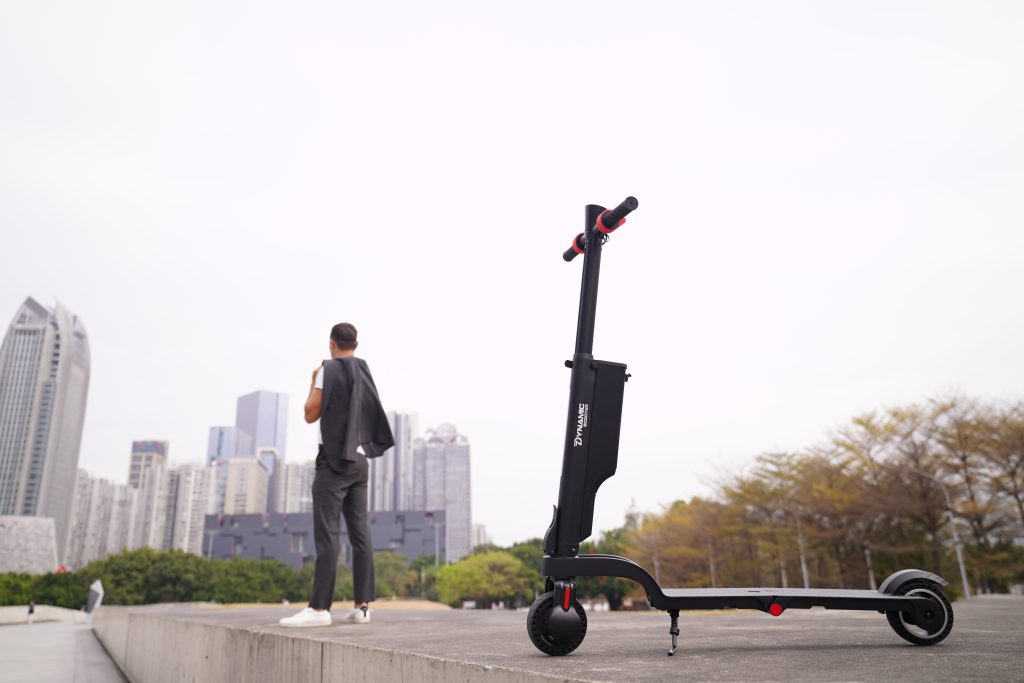
Which Electric Scooter Works Best for Adult Commuters? Top Picks for 2026

Adult commuters waste hours in traffic and pay high gas prices daily. Without a reliable electric scooter, you face expensive parking fees, crowded public transport, and stress from delays. This guide shows you the best adult scooters for fast, affordable commuting. The best electric scooters for adults feature 15-25 mph speeds, 15-30 mile ranges, and 220+ pound weight limits. Top models include foldable designs, dual brakes, LED displays, and waterproof ratings. Key factors are motor power, battery life, portability, and safety features for daily commuting needs. Here’s the thing – choosing the wrong scooter costs money and creates safety risks you can’t afford. 1. What Speed and Range Do Adult Scooters Need? Adult electric scooters need 15-25 mph top speeds for city commuting. Slower speeds work for short trips, but adults need higher speeds to keep up with bike lane traffic and reach destinations quickly. The best part? Most quality adult scooters hit 20 mph, which matches the speed limit in most bike lanes. This speed lets you commute efficiently without breaking traffic laws or creating safety hazards. Range requirements depend on your daily commute distance. Most adults need 15-30 miles of range for round-trip commuting. Battery capacity directly affects range, with larger batteries providing longer distances. Real-world range often falls short of manufacturer claims. Hills, rider weight, and weather conditions reduce actual range by 20-30%. Plan for shorter ranges than advertised specifications. Speed modes help manage battery life and safety. Eco mode extends range but limits top speed. Sport mode provides maximum performance but drains batteries faster. Most adults use normal mode for daily commuting. Speed Range Best Use Case Typical Range Battery Size 10-15 mph Short trips 8-15 miles 250-350Wh 15-20 mph City commuting 15-25 miles 400-500Wh 20-25 mph Long commutes 25-40 miles 600-800Wh Motor power affects both speed and hill climbing ability. Adults need at least 350W motors for decent performance. Heavier riders or hilly areas require 500W+ motors for adequate power. Dual motors provide better acceleration and hill climbing. Single motors work for flat areas and lighter riders. Consider your local terrain when choosing motor configuration. Acceleration matters for city riding where you stop and start frequently. Good scooters reach 15 mph in 4-6 seconds. Poor acceleration creates traffic hazards and rider frustration. 2. How Much Weight Can Adult Electric Scooters Handle? Most adult electric scooters support 220-300 pounds maximum weight. This includes the rider plus any cargo like backpacks or groceries. Exceeding weight limits damages motors and reduces battery life. Now, you might be wondering why weight limits matter so much. Heavy loads stress the motor, drain batteries faster, and affect braking distance. Staying within limits keeps you safe and protects your investment. Heavier riders need scooters with higher weight ratings and more powerful motors. Look for models rated at least 50 pounds above your weight for optimal performance and safety margins. Weight distribution affects scooter stability and handling. Carrying heavy backpacks raises your center of gravity. Use lower storage options when possible for better balance. Payload capacity includes everything you carry beyond your body weight. Laptop bags, groceries, and work supplies add up quickly. Factor in typical cargo when choosing weight limits. Weight Limit Motor Power Recommended For Price Range 220 lbs 350W Light adults $300-600 265 lbs 500W Average adults $500-900 300+ lbs 600W+ Heavy adults $800-1500 Scooter weight affects portability for adults who need to carry them. Lighter scooters (25-35 lbs) are easier to carry upstairs or onto public transport. Heavier models (40+ lbs) offer more features but reduce portability. Folding mechanisms help with storage and transport. Quick-fold designs let you collapse scooters in seconds. Some models fold small enough to fit under desks or in car trunks. Frame materials affect both weight and durability. Aluminum frames offer good strength-to-weight ratios. Steel frames are heavier but more durable. Carbon fiber is lightest but most expensive. 3. Which Safety Features Matter Most for Adults? Dual brake systems provide the most reliable stopping power for adult riders. Hand brakes offer precise control, while foot brakes provide backup stopping. Electronic brakes add regenerative charging but shouldn’t be the only brake type. Here’s why it matters – adults ride faster and weigh more than kids, creating higher stopping forces. Inadequate brakes cause accidents and injuries that could end your commuting plans permanently. LED headlights and taillights keep you visible during dawn, dusk, and night riding. Many cities require lights for legal scooter operation. Bright lights help cars and pedestrians see you from greater distances. Reflective materials on the deck and sides increase visibility from all angles. Some scooters include reflective strips or decals. Adding extra reflective tape improves safety without adding weight. Turn signals help communicate your intentions to other road users. Some premium scooters include built-in turn signals. Aftermarket signals can be added to most models for better safety. Safety Feature Why It Matters Legal Requirement Cost to Add Dual brakes Reliable stopping Often required Built-in LED lights Night visibility Usually required $20-50 Reflectors Side visibility Sometimes required $5-15 Bell/horn Pedestrian warning Some cities $10-25 Suspension systems smooth out bumps and improve control. Front suspension handles small bumps, while dual suspension tackles rough roads. Solid tires need more suspension than pneumatic tires. Tire type affects safety and comfort. Pneumatic tires provide better grip and shock absorption. Solid tires never go flat but offer harsher rides. Honeycomb tires split the difference. Anti-lock braking systems prevent wheel lockup during hard stops. This technology is rare on scooters but available on premium models. ABS reduces skidding and improves control. 4. What Makes a Scooter Suitable for Daily Commuting? Foldable designs let adults take scooters on trains, buses, and into offices. Quick-fold mechanisms save time during multi-modal commutes. Compact folded size fits in small storage spaces. Let me explain why portability matters for adult commuters. You need to store scooters securely at work and home. Theft-prone areas require indoor storage, making foldability necessary. Weather resistance protects scooters from rain and humidity. IP54 or higher ratings allow riding in

Which Electric Scooter Works Best for Adult Commuters? Top Picks for 2026 Read More »

Can Electric Scooters Work Without Battery Power? Manual Mode Explained

Picture this: you’re halfway to work when your electric scooter suddenly loses power. The battery indicator shows empty, and you’re stranded. This scenario happens to thousands of riders daily, leaving them wondering if their expensive scooter just became a paperweight. The good news? Most electric scooters can function manually, giving you a backup option when technology fails. Yes, electric scooters can be used manually when the battery dies. You can push or kick-propel most models like a traditional scooter, though the experience differs significantly from powered operation. The weight, wheel resistance, and design features affect how easily you can operate the scooter without electric assistance. But there’s more to manual operation than just pushing forward… 1. What Happens When Your Electric Scooter Battery Dies? When your electric scooter battery depletes, several immediate changes occur. The motor stops providing assistance, and you’ll notice increased resistance when trying to move forward. The display screen typically goes dark, and any electronic features like lights or horn stop working. Here’s why it matters: Understanding these changes helps you prepare for manual operation. Most riders experience a sudden shift in handling characteristics when the power cuts out. The scooter becomes noticeably heavier to maneuver, and acceleration requires physical effort rather than throttle control. Battery depletion signs include reduced speed, flickering display, and warning indicators. Smart riders monitor these signals to avoid being caught off-guard. Some models provide low-battery alerts, giving you time to find a charging station or prepare for manual operation. Battery Level Performance Impact Manual Readiness 100-50% Full power available No preparation needed 50-20% Reduced top speed Monitor battery closely 20-5% Limited acceleration Prepare for manual mode Below 5% Power cuts intermittently Switch to manual operation Safety becomes a primary concern when transitioning to manual mode. The sudden loss of power can affect your balance, especially if you’re traveling at higher speeds. Electronic brakes may still function temporarily, but mechanical brakes become your primary stopping method. Emergency situations requiring manual operation include battery failure, motor malfunction, or electrical system problems. Weather conditions like extreme cold can also drain batteries faster than expected, forcing riders into manual mode unexpectedly. 2. How Do Electric Scooters Function in Manual Mode? Electric scooters transform into kick scooters when operated manually. The basic mechanics remain the same: you push with one foot while balancing on the deck with the other. However, the added weight and different wheel characteristics create a unique riding experience. The best part? Most electric scooters are designed with manual operation in mind. Manufacturers understand that batteries fail, so they engineer their products to remain functional without power. The wheels can rotate freely when the motor isn’t engaged, allowing for smooth manual propulsion. Weight distribution plays a crucial role in manual operation. Electric scooters typically weigh between 15-35 pounds, compared to 5-10 pounds for traditional kick scooters. This extra weight comes from the battery, motor, and electronic components. The weight affects how much effort you need to push and how the scooter handles during turns. Wheel resistance varies between models. Some electric scooters have motors that create drag even when not powered, while others allow completely free wheel rotation. Hub motors generally create more resistance than chain-driven systems when operating manually. Component Impact on Manual Use Difficulty Level Hub motor High resistance Moderate to difficult Chain drive Low resistance Easy to moderate Belt drive Medium resistance Moderate Direct drive Variable resistance Easy to difficult The brake system functionality changes significantly without power. Electronic brakes become non-functional, leaving you with mechanical disc or drum brakes. These typically operate through hand levers and remain fully functional during manual operation. Folding mechanisms continue to work normally without power. This feature becomes particularly valuable when you need to carry the scooter or store it during manual operation. The ability to fold and carry your scooter provides flexibility when manual riding becomes too difficult. 3. Which Electric Scooter Models Support Manual Use? Not all electric scooters are created equal when it comes to manual operation. Lightweight, foldable models generally perform better without power than heavy, high-performance scooters. The design philosophy behind each model affects its manual usability. Now, you might be wondering: which specific features make a scooter better for manual use? Weight is the primary factor, followed by wheel size, motor type, and overall build quality. Scooters under 25 pounds typically offer the best manual experience. Foldable designs provide significant advantages for manual operation. When pushing becomes too difficult, you can fold the scooter and carry it. Models with quick-fold mechanisms are particularly user-friendly in this regard. The folding feature also helps with public transportation and storage. Popular models known for good manual operation include lightweight commuter scooters. These typically feature smaller batteries and motors, reducing overall weight. The trade-off is shorter range and lower top speeds, but better manual functionality. Scooter Type Weight Range Manual Difficulty Best Use Case Lightweight commuter 15-25 lbs Easy Daily commuting Mid-range performance 25-35 lbs Moderate Weekend rides Heavy-duty off-road 35-50+ lbs Difficult Specialized use only Ultra-portable 10-20 lbs Very easy Last-mile transport Wheel size affects manual operation significantly. Larger wheels (8-10 inches) roll more easily over obstacles and maintain momentum better than smaller wheels (6-8 inches). However, larger wheels also add weight to the overall scooter. Terrain compatibility becomes more important during manual operation. Scooters designed for smooth pavement may struggle on rough surfaces when operated manually. The lack of motor assistance makes it harder to overcome obstacles and uneven terrain. Brand comparisons reveal interesting differences in manual operation philosophy. Some manufacturers prioritize lightweight designs that work well manually, while others focus on maximum electric performance at the expense of manual usability. 4. What Are the Limitations of Manual Electric Scooter Operation? Manual operation of electric scooters comes with significant limitations that riders must understand. The most obvious limitation is the increased physical effort required. What once felt effortless with electric assistance now demands continuous leg work and energy expenditure. But here’s the thing: the limitations go beyond just physical effort.

Can Electric Scooters Work Without Battery Power? Manual Mode Explained Read More »

Shopping Cart
Scroll to Top