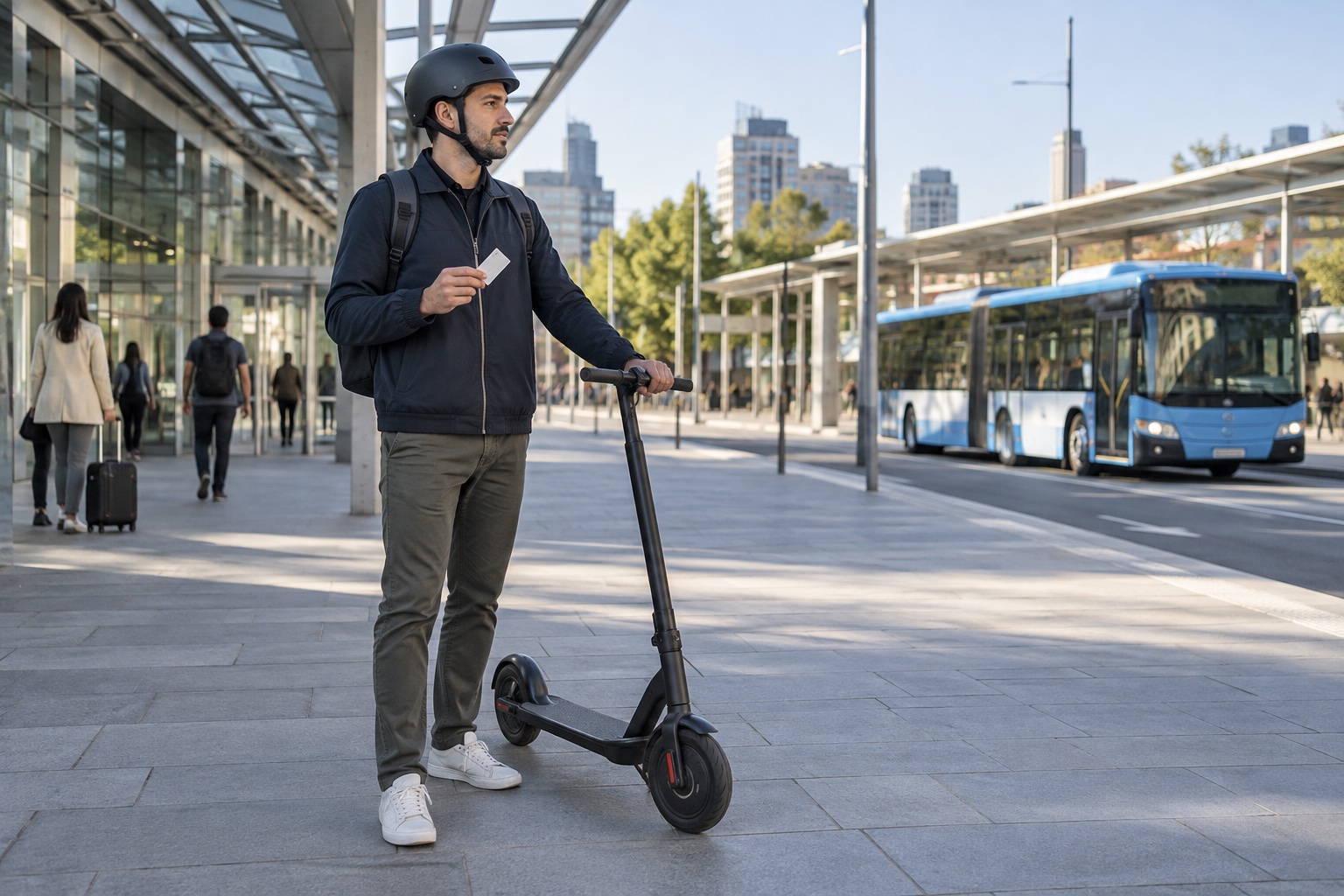

Picture this: you’re halfway to work when your electric scooter suddenly loses power. The battery indicator shows empty, and you’re stranded. This scenario happens to thousands of riders daily, leaving them wondering if their expensive scooter just became a paperweight. The good news? Most electric scooters can function manually, giving you a backup option when technology fails.
Yes, electric scooters can be used manually when the battery dies. You can push or kick-propel most models like a traditional scooter, though the experience differs significantly from powered operation. The weight, wheel resistance, and design features affect how easily you can operate the scooter without electric assistance.
But there’s more to manual operation than just pushing forward…
1. What Happens When Your Electric Scooter Battery Dies?
When your electric scooter battery depletes, several immediate changes occur. The motor stops providing assistance, and you’ll notice increased resistance when trying to move forward. The display screen typically goes dark, and any electronic features like lights or horn stop working.
Here’s why it matters: Understanding these changes helps you prepare for manual operation. Most riders experience a sudden shift in handling characteristics when the power cuts out. The scooter becomes noticeably heavier to maneuver, and acceleration requires physical effort rather than throttle control.
Battery depletion signs include reduced speed, flickering display, and warning indicators. Smart riders monitor these signals to avoid being caught off-guard. Some models provide low-battery alerts, giving you time to find a charging station or prepare for manual operation.
| Battery Level | Performance Impact | Manual Readiness |
| 100-50% | Full power available | No preparation needed |
| 50-20% | Reduced top speed | Monitor battery closely |
| 20-5% | Limited acceleration | Prepare for manual mode |
| Below 5% | Power cuts intermittently | Switch to manual operation |
Safety becomes a primary concern when transitioning to manual mode. The sudden loss of power can affect your balance, especially if you’re traveling at higher speeds. Electronic brakes may still function temporarily, but mechanical brakes become your primary stopping method.
Emergency situations requiring manual operation include battery failure, motor malfunction, or electrical system problems. Weather conditions like extreme cold can also drain batteries faster than expected, forcing riders into manual mode unexpectedly.

2. How Do Electric Scooters Function in Manual Mode?
Electric scooters transform into kick scooters when operated manually. The basic mechanics remain the same: you push with one foot while balancing on the deck with the other. However, the added weight and different wheel characteristics create a unique riding experience.
The best part? Most electric scooters are designed with manual operation in mind. Manufacturers understand that batteries fail, so they engineer their products to remain functional without power. The wheels can rotate freely when the motor isn’t engaged, allowing for smooth manual propulsion.
Weight distribution plays a crucial role in manual operation. Electric scooters typically weigh between 15-35 pounds, compared to 5-10 pounds for traditional kick scooters. This extra weight comes from the battery, motor, and electronic components. The weight affects how much effort you need to push and how the scooter handles during turns.
Wheel resistance varies between models. Some electric scooters have motors that create drag even when not powered, while others allow completely free wheel rotation. Hub motors generally create more resistance than chain-driven systems when operating manually.
| Component | Impact on Manual Use | Difficulty Level |
| Hub motor | High resistance | Moderate to difficult |
| Chain drive | Low resistance | Easy to moderate |
| Belt drive | Medium resistance | Moderate |
| Direct drive | Variable resistance | Easy to difficult |
The brake system functionality changes significantly without power. Electronic brakes become non-functional, leaving you with mechanical disc or drum brakes. These typically operate through hand levers and remain fully functional during manual operation.
Folding mechanisms continue to work normally without power. This feature becomes particularly valuable when you need to carry the scooter or store it during manual operation. The ability to fold and carry your scooter provides flexibility when manual riding becomes too difficult.
3. Which Electric Scooter Models Support Manual Use?
Not all electric scooters are created equal when it comes to manual operation. Lightweight, foldable models generally perform better without power than heavy, high-performance scooters. The design philosophy behind each model affects its manual usability.
Now, you might be wondering: which specific features make a scooter better for manual use? Weight is the primary factor, followed by wheel size, motor type, and overall build quality. Scooters under 25 pounds typically offer the best manual experience.
Foldable designs provide significant advantages for manual operation. When pushing becomes too difficult, you can fold the scooter and carry it. Models with quick-fold mechanisms are particularly user-friendly in this regard. The folding feature also helps with public transportation and storage.
Popular models known for good manual operation include lightweight commuter scooters. These typically feature smaller batteries and motors, reducing overall weight. The trade-off is shorter range and lower top speeds, but better manual functionality.
| Scooter Type | Weight Range | Manual Difficulty | Best Use Case |
| Lightweight commuter | 15-25 lbs | Easy | Daily commuting |
| Mid-range performance | 25-35 lbs | Moderate | Weekend rides |
| Heavy-duty off-road | 35-50+ lbs | Difficult | Specialized use only |
| Ultra-portable | 10-20 lbs | Very easy | Last-mile transport |
Wheel size affects manual operation significantly. Larger wheels (8-10 inches) roll more easily over obstacles and maintain momentum better than smaller wheels (6-8 inches). However, larger wheels also add weight to the overall scooter.
Terrain compatibility becomes more important during manual operation. Scooters designed for smooth pavement may struggle on rough surfaces when operated manually. The lack of motor assistance makes it harder to overcome obstacles and uneven terrain.
Brand comparisons reveal interesting differences in manual operation philosophy. Some manufacturers prioritize lightweight designs that work well manually, while others focus on maximum electric performance at the expense of manual usability.

4. What Are the Limitations of Manual Electric Scooter Operation?
Manual operation of electric scooters comes with significant limitations that riders must understand. The most obvious limitation is the increased physical effort required. What once felt effortless with electric assistance now demands continuous leg work and energy expenditure.
But here’s the thing: the limitations go beyond just physical effort. Speed becomes severely restricted during manual operation. While electric scooters can reach 15-25 mph with power, manual operation typically limits you to 5-8 mph, similar to traditional kick scooters.
Physical effort requirements vary dramatically based on terrain. Flat surfaces allow for relatively easy manual operation, while hills become major obstacles. Even gentle inclines that were effortless with electric power can become challenging when relying solely on leg power.
Distance limitations become apparent quickly during manual operation. The energy expenditure required for manual propulsion means you’ll cover much shorter distances before fatigue sets in. A 10-mile electric ride might translate to only 2-3 miles of comfortable manual operation.
| Terrain Type | Electric Speed | Manual Speed | Effort Level |
| Flat pavement | 15-25 mph | 5-8 mph | Low to moderate |
| Gentle hills | 10-20 mph | 2-5 mph | High |
| Steep inclines | 5-15 mph | Walking pace | Very high |
| Rough surfaces | 8-18 mph | 3-6 mph | Moderate to high |
Safety considerations multiply during manual operation. The increased effort required can lead to fatigue, which affects your reaction time and decision-making. Hills pose particular risks, as controlling speed and maintaining balance becomes more challenging without motor assistance.
Weather conditions have a greater impact on manual operation. Wind resistance becomes more noticeable when you’re providing all the propulsion. Rain makes surfaces slippery and increases the difficulty of manual operation. Cold weather can make the physical effort more demanding and uncomfortable.
Weight distribution affects handling during manual operation. The battery and motor weight can make the scooter feel front-heavy or rear-heavy, depending on the design. This imbalance becomes more noticeable when you’re pushing manually and can affect steering and stability.
5. How to Safely Operate an Electric Scooter Manually?
Safe manual operation requires different techniques than electric riding. Your body position, balance, and propulsion methods all need adjustment when transitioning from powered to manual operation. Understanding these differences can prevent accidents and make the experience more comfortable.
Let me explain: proper pushing technique involves using your stronger leg for propulsion while maintaining balance with your other foot on the deck. Most riders find their dominant leg works best for pushing, though you should practice with both legs to avoid fatigue.
Body positioning becomes more dynamic during manual operation. You’ll need to shift your weight more frequently to maintain balance and generate propulsion. Keep your knees slightly bent and your center of gravity low for better stability.
Steering requires more deliberate input during manual operation. Without the gyroscopic effect of a spinning motor, the scooter may feel less stable at low speeds. Make smooth, gradual steering inputs rather than sharp turns.
| Safety Aspect | Electric Operation | Manual Operation | Key Differences |
| Speed control | Throttle and brakes | Leg power and brakes | More gradual acceleration |
| Balance | Motor assistance | Pure rider skill | Requires more attention |
| Stopping | Electronic + mechanical | Mechanical only | Longer stopping distances |
| Turning | Stable at speed | Less stable at low speed | More careful cornering |
Traffic safety becomes more challenging during manual operation. Your reduced speed means you’ll be moving slower than traffic flow in many situations. Stay in bike lanes when available, and be extra visible to other road users.
Protective gear becomes even more important during manual operation. The increased physical effort and potential for fatigue can lead to mistakes. Always wear a helmet, and consider knee and elbow pads for additional protection.
Visibility concerns increase when operating manually. Your slower speed means you’ll be on the road longer, increasing exposure to traffic. Use lights and reflective gear, especially during dawn, dusk, or nighttime manual operation.
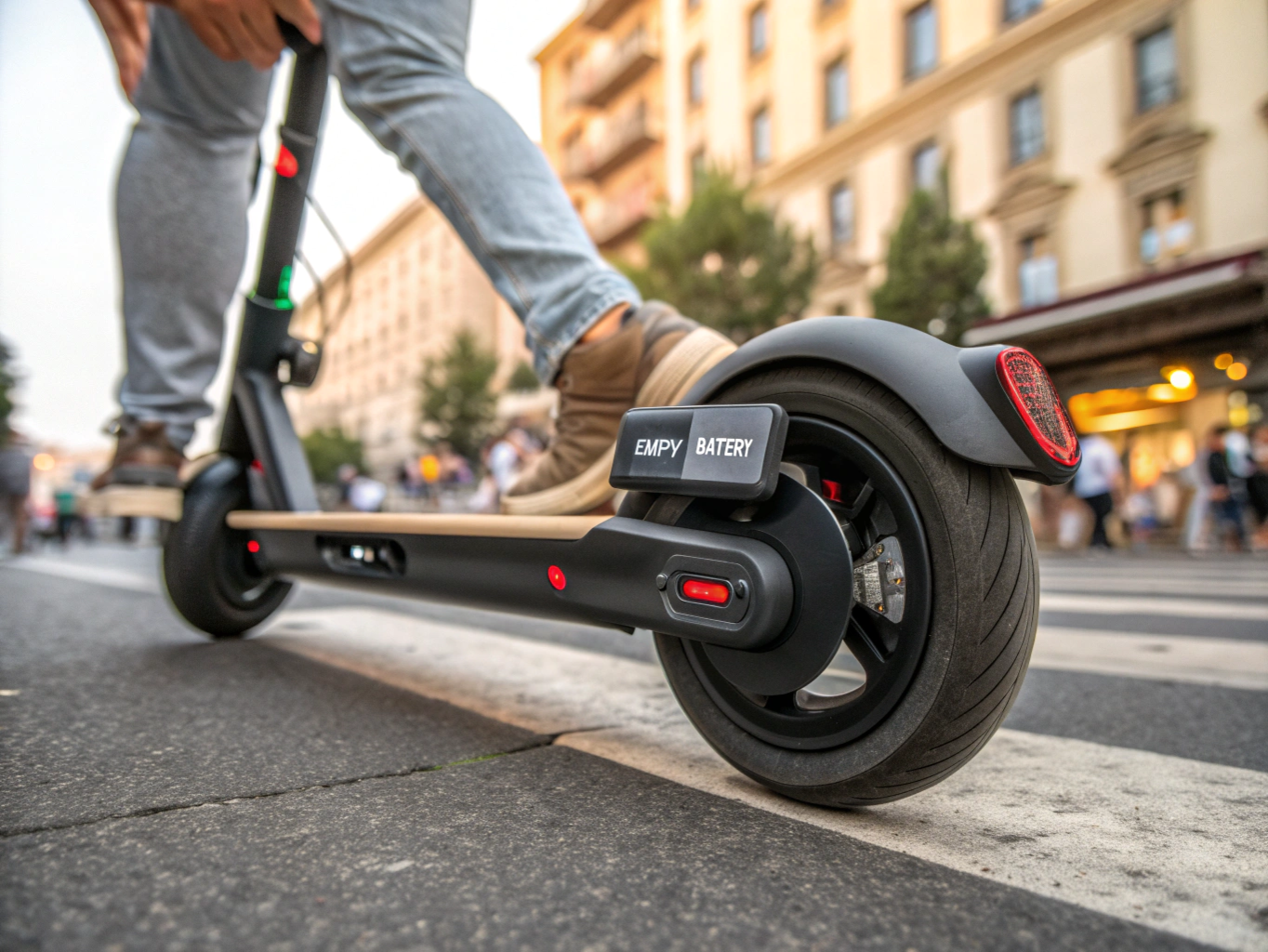
6. When Should You Use Manual Mode vs Electric Power?
Choosing between manual and electric operation depends on various factors including battery level, distance, terrain, and personal goals. Understanding when to switch modes can extend your scooter’s usefulness and provide backup options when needed.
This is important because: strategic mode switching can significantly extend your total travel range. By using manual operation for flat sections and saving battery power for hills, you can travel much farther than relying solely on electric power.
Battery conservation strategies involve using manual operation when conditions are favorable. Flat terrain, tailwinds, and short distances are ideal for manual operation. Save electric power for challenging conditions like hills, headwinds, or when you’re running late.
Emergency backup scenarios make manual operation invaluable. When your battery dies unexpectedly, manual operation can get you home or to a charging station. This backup capability is one of the key advantages electric scooters have over other electric vehicles.
Exercise and fitness benefits provide another reason to choose manual operation. Using your scooter manually provides cardiovascular exercise and leg strengthening. Some riders intentionally use manual mode for fitness purposes.
| Situation | Recommended Mode | Reasoning | Battery Impact |
| Flat commute | Manual + electric mix | Conserve battery for hills | Extends range 20-40% |
| Hilly terrain | Electric only | Safety and efficiency | Normal consumption |
| Short distances | Manual preferred | Save battery for longer trips | Minimal usage |
| Emergency backup | Manual only | No choice available | No consumption |
| Exercise goals | Manual preferred | Fitness benefits | Battery conservation |
Cost-saving considerations make manual operation attractive for budget-conscious riders. Using manual mode reduces electricity consumption and extends battery life. Over time, this can result in significant savings on charging costs and battery replacement.
Weather conditions influence mode selection. Pleasant weather makes manual operation more enjoyable, while extreme heat, cold, or precipitation favor electric operation. Wind conditions particularly affect the choice, with headwinds making manual operation much more difficult.
Time constraints often determine mode choice. When you’re running late, electric operation is usually necessary to maintain schedule. When you have extra time, manual operation can be a pleasant way to get exercise while commuting.

7. What Maintenance Tips Help Manual Operation?
Proper maintenance becomes even more critical when you plan to use your electric scooter manually. Components that might not affect electric operation can significantly impact manual performance. Regular maintenance ensures your scooter remains functional in both modes.
What does this mean for you? Well-maintained wheels and bearings make manual operation much easier. Dirty or damaged bearings create additional resistance that you’ll feel immediately when pushing manually. Clean, lubricated bearings allow the wheels to spin freely with minimal effort.
Wheel and bearing maintenance involves regular cleaning and lubrication. Remove dirt and debris from the wheel wells and bearing areas. Use appropriate lubricants for your scooter’s bearing type, typically marine-grade grease for sealed bearings.
Brake system care ensures reliable stopping power during manual operation. Check brake pads for wear and replace them when necessary. Adjust brake cables to maintain proper tension and responsiveness. Clean brake rotors to prevent squealing and ensure consistent performance.
| Maintenance Task | Frequency | Impact on Manual Use | Difficulty Level |
| Bearing lubrication | Monthly | High – reduces rolling resistance | Easy |
| Brake adjustment | Bi-monthly | High – ensures safe stopping | Moderate |
| Tire pressure check | Weekly | Medium – affects rolling efficiency | Easy |
| Folding mechanism | Monthly | Medium – ensures portability | Easy |
| General cleaning | Weekly | Low – improves overall function | Easy |
Folding mechanism upkeep ensures you can easily transition between riding and carrying modes. Clean the folding joints regularly and apply light lubrication to prevent sticking. Check for wear in the locking mechanisms and replace worn parts promptly.
Tire pressure affects manual operation more than electric operation. Under-inflated tires create additional rolling resistance that you’ll feel when pushing manually. Check tire pressure weekly and maintain manufacturer-recommended levels.
Storage and transport considerations become more important when you frequently use manual mode. Protect your scooter from moisture and extreme temperatures. Store it in a clean, dry location to prevent corrosion and component degradation.
Regular inspection helps identify potential problems before they affect manual operation. Check for loose bolts, worn components, and signs of damage. Address issues promptly to maintain safe and efficient manual operation.
Conclusion
Electric scooters offer remarkable versatility by functioning both as powered vehicles and manual kick scooters. When your battery dies or you choose to exercise, manual operation provides a reliable backup that can get you home safely. The key factors affecting manual use include scooter weight, wheel design, and terrain conditions.
The bottom line? Understanding manual operation transforms your electric scooter from a battery-dependent device into a truly flexible transportation tool. With proper technique and maintenance, you can confidently handle any situation where electric power isn’t available.
For riders seeking the perfect balance of electric performance and manual usability, Dynamic Scooter offers lightweight, foldable models designed with both modes in mind. Our scooters feature optimized weight distribution and free-rolling wheels that make manual operation surprisingly easy when needed.
Ready to experience the freedom of dual-mode transportation? Visit our website to explore Dynamic Scooter models that excel in both electric and manual operation, giving you the confidence to ride anywhere, anytime.

FAQ
Q1: Can all electric scooters be used manually when the battery dies?
Most electric scooters can be pushed manually when the battery is depleted, but the ease of operation depends on the model’s weight, wheel design, and mechanical components. Lighter, foldable models typically work better for manual use.
Q2: Is it safe to ride an electric scooter manually on hills?
Manual operation on steep hills can be challenging and potentially unsafe due to increased physical effort required and reduced control. It’s recommended to walk alongside the scooter on steep inclines rather than riding.
Q3: How much harder is it to push an electric scooter compared to a regular kick scooter?
Electric scooters are generally heavier (15-30 lbs vs 5-10 lbs for kick scooters) and may have more rolling resistance due to motor components, making them require 2-3 times more effort to push manually.
Q4: Will using an electric scooter manually damage the motor?
No, pushing an electric scooter manually when it’s turned off will not damage the motor. However, avoid forcing the wheels if they seem locked, as this could indicate a mechanical issue.
Q5: Can you charge an electric scooter by pushing it manually?
Most consumer electric scooters do not have regenerative charging capabilities when pushed manually. The motor would need to be specifically designed for this feature, which is uncommon in standard models.