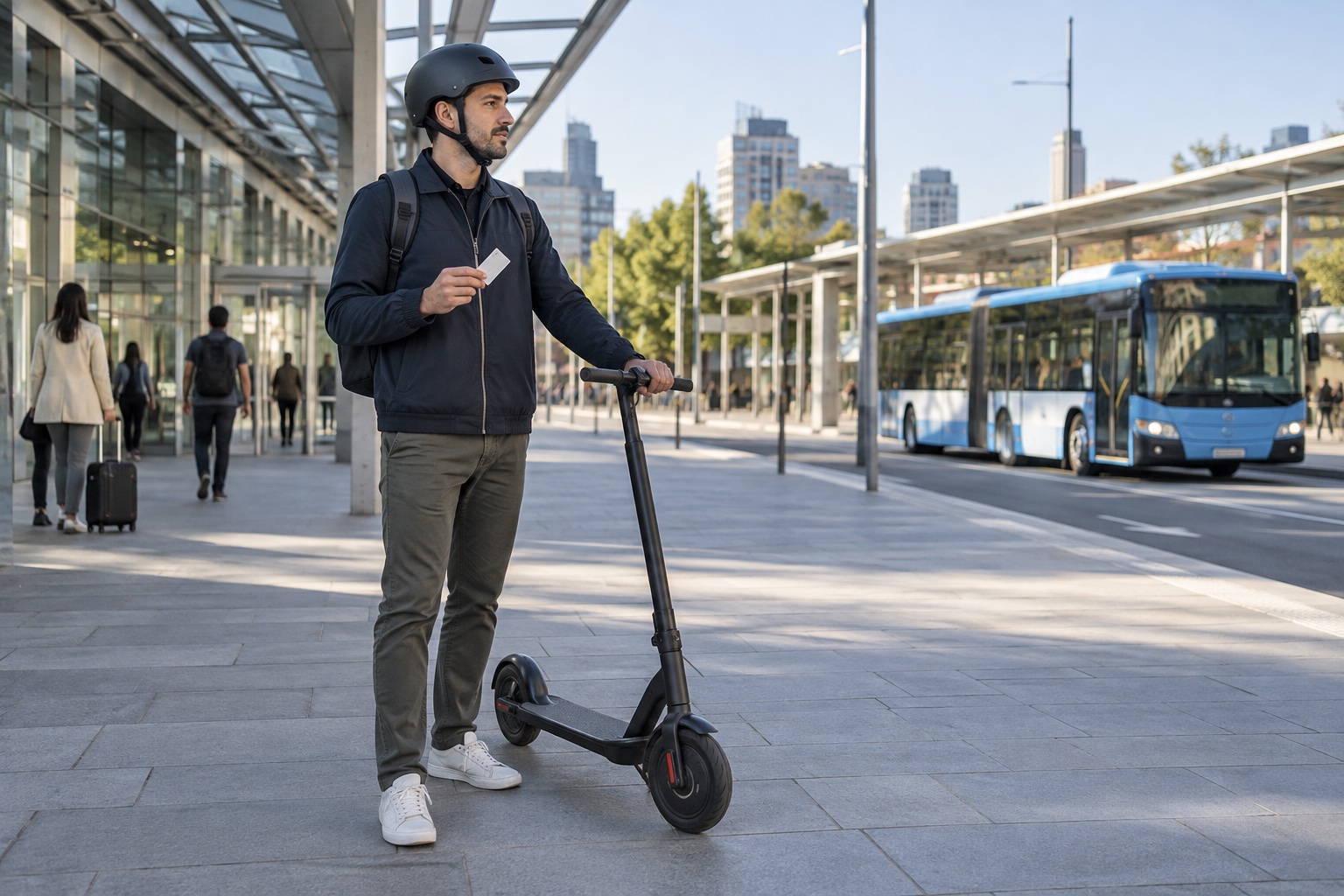

You start reading specs like a professional by focusing on how technical components like motor power and battery capacity interact with your specific daily commute. You’re likely staring at a spec sheet filled with confusing numbers and abbreviations that feel like a math test.
If you choose the wrong machine, you might end up with a scooter that’s too heavy to carry or too weak to climb your neighborhood hills. Learning to decipher electric scooter specs ensures you invest in a ride that fits your lifestyle without any buyer’s remorse.
Which power ratings are essential for electric scooter specs?
Nominal power is the most essential rating because it represents the continuous output a motor can handle without overheating. When reviewing electric scooter specs, you will often see “Peak Power” advertised in big, bold letters, but this is only for short bursts. You need to know what the motor can do consistently during your 20-minute ride.
What is nominal motor power?
Nominal power is the “true” strength of your scooter during a steady cruise. Think of it as the engine’s baseline performance level.
- Determines top cruising speed.
- Influences long-term motor longevity.
- Varies typically from 250W to 1000W.
Here is the kicker:
A motor with high nominal power will handle headwinds and flat roads much more efficiently than a weak motor pushing its limits.
Why does peak power matter?
Peak power is the maximum energy the motor can draw for a few seconds at a time. It is vital for situational needs rather than constant speed.
- Helps with initial acceleration from a stop.
- Provides the extra “oomph” needed for steep hills.
- Usually 1.5x to 2x higher than nominal power.
The best part?
You only really feel peak power when you’re racing away from a red light or tackling a bridge.
Key Takeaway: Prioritize a high nominal power rating for a reliable daily commute, using peak power only as a secondary metric for hill climbing.
| Power Spec | Purpose | Importance |
|---|---|---|
| Nominal Power | Continuous cruising | High |
| Peak Power | Acceleration & Hills | Medium |
Analytical Guide: Always compare the ratio of nominal to peak power to understand if a motor is built for sustained endurance or just short-lived speed.
How do battery metrics define electric scooter specs?

Battery metrics define the range and torque potential of your ride by calculating the total energy stored in the cells. To truly understand electric scooter specs, you must look past simple marketing names and calculate the Watt-hours (Wh). This single number tells you exactly how much “fuel” you have in the tank.
What do Volts and Ah represent?
Voltage (V) represents the electrical “pressure,” while Amp-hours (Ah) represent the capacity of the battery pack. These two work together to determine how fast and how far you can go.
- Voltage: Higher voltage usually means more torque and higher top speeds.
- Amp-hours: Higher Ah means the battery can deliver current for a longer duration.
- Combination: A 48V battery is generally more efficient than a 36V system.
Think about it:
Higher voltage is like having a wider pipe for water to flow through, allowing for more power to reach the motor instantly.
Why are Watt-hours the gold standard?
Watt-hours (Wh) is the only measurement that allows for a fair comparison between different scooter models. You calculate it by multiplying the Volts by the Amp-hours.
- Wh = Volts × Amp-hours.
- 360Wh is standard for budget commuters.
- 1000Wh+ is found in long-range performance models.
But wait, there’s more:
Two scooters might both claim a “10Ah battery,” but if one is 36V and the other is 48V, the 48V model actually has significantly more energy.
Key Takeaway: Use Watt-hours (Wh) as your primary point of comparison to avoid being misled by inconsistent Voltage or Amp-hour listings.
| Battery Metric | Unit | Role |
|---|---|---|
| Voltage | V | Torque & Top Speed |
| Capacity | Ah | Energy Storage |
| Total Energy | Wh | Real-world Range Potential |
Analytical Guide: A higher Watt-hour count is the most reliable predictor of a scooter’s ability to maintain high speeds over long distances.
Why is range estimation so confusing in electric scooter specs?
Range estimation is confusing because manufacturers often test their scooters under “perfect” conditions that rarely exist in the real world. When you see electric scooter specs claiming a 40km range, that test was likely done with a 65kg rider on a flat track in 25°C weather. Your actual mileage will vary based on how you ride and where you live.
What are real-world range killers?
Several environmental and physical factors will significantly reduce your battery life compared to the advertised numbers. Understanding these helps you set realistic expectations for your commute.
- Rider Weight: Heavier riders require more energy to move.
- Incline: Constant hill climbing can cut range by 50%.
- Temperature: Cold weather slows down the chemical reactions in the battery.
- Speed: Riding at “Sport” speeds uses exponentially more power than “Eco” mode.
The reality is:
Most riders should expect to achieve about 60% to 70% of the manufacturer’s maximum advertised range during a typical urban commute.
How do you calculate your own range?
You can get a better estimate by looking at the Watt-hour (Wh) spec and applying a simple “Rule of 15.” This provides a much more honest view of what to expect.
- Estimate 15Wh to 20Wh per kilometer for average riding.
- Divide your total Wh by 20 for a “worst-case” scenario.
- Check the accessories and parts section for external battery options if you need more.
Here is the deal:
If your scooter has a 360Wh battery, expect a very safe and reliable 18km to 20km of range, regardless of what the box says.
Key Takeaway: Always subtract 30% from any advertised range to find your “commuter-safe” distance, ensuring you never run out of juice.
| Condition | Range Impact |
|---|---|
| Flat & Slow | 100% of Advertised |
| City Stop-and-Go | 70% of Advertised |
| Hills & Full Speed | 50% of Advertised |
Analytical Guide: Evaluating range through the lens of Watt-hours per kilometer prevents you from being stranded by overly optimistic marketing claims.
How do weight limits define the best electric scooter specs?
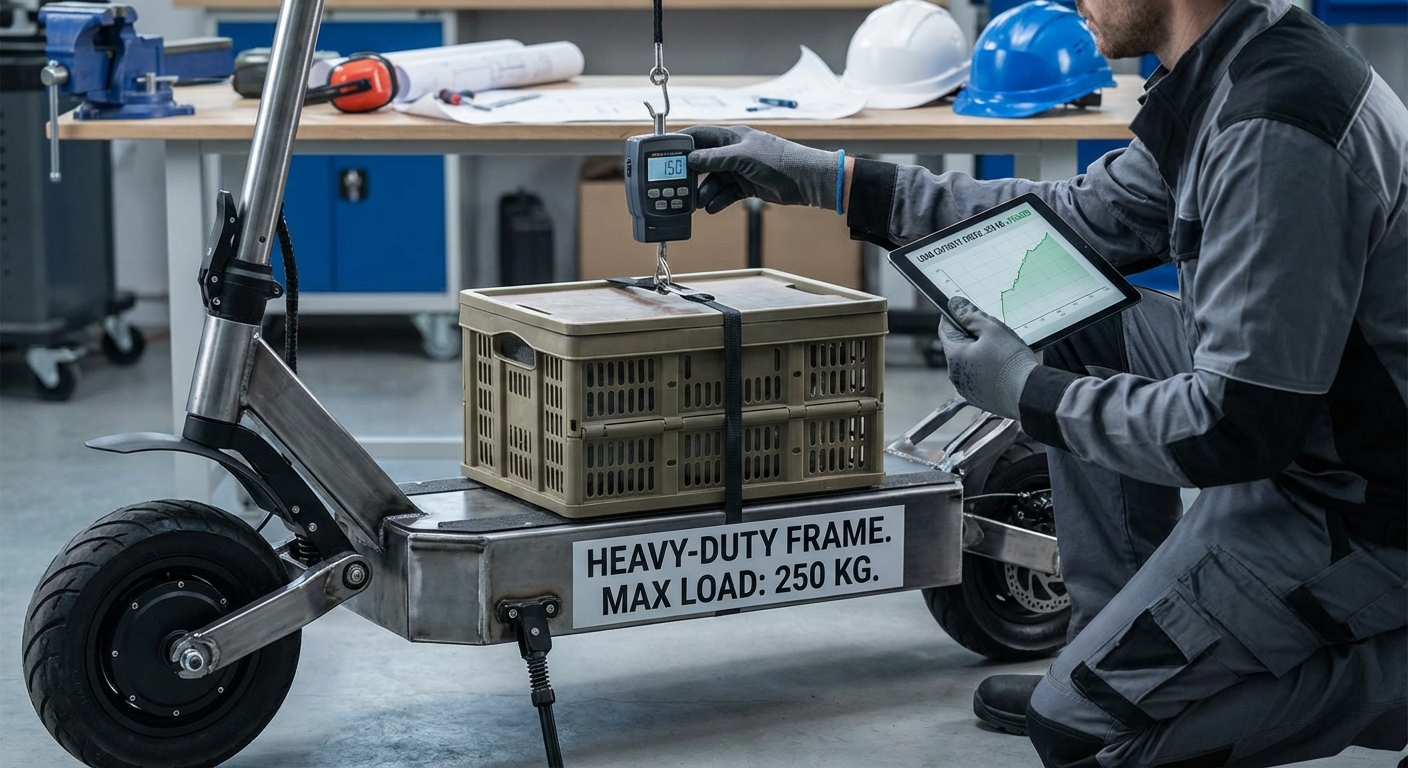
Weight limits define the structural integrity and safety margins of the vehicle’s frame and folding mechanism. When you check electric scooter specs, the “Max Load” tells you the highest weight the scooter can support without risking a mechanical failure. It isn’t just about whether the motor can move you; it’s about whether the stem will snap.
Why is payload capacity vital?
The payload capacity includes you plus everything you are carrying, such as a heavy laptop bag or groceries. Exceeding this limit causes immediate stress on the most vulnerable parts of the scooter.
- Increases wear on the folding hinge.
- Reduces the effectiveness of the braking system.
- Puts excessive pressure on the tires, leading to flats.
Make no mistake:
Riding a scooter rated for 100kg when you weigh 110kg is a recipe for a “stem wobble” that can become dangerous at high speeds.
How does frame material matter?
The materials used in the frame—usually aluminum or magnesium alloys—determine how much weight the scooter can handle while remaining portable.
- Aerospace Aluminum: Offers the best balance of strength and weight.
- Steel Components: Often used in high-stress areas like the folding joint.
- Deck Width: A wider deck usually correlates with a higher weight capacity.
Believe it or not:
A higher weight rating often means the manufacturer has used higher-grade bearings and a more robust steering column, even if you are a light rider.
Key Takeaway: Always choose a scooter with a weight limit that is at least 10kg to 15kg higher than your actual weight to ensure safety.
| Rider Category | Recommended Load Spec |
|---|---|
| Light (Up to 75kg) | 100kg Max Load |
| Average (75kg-100kg) | 120kg Max Load |
| Heavy (Over 100kg) | 150kg+ Max Load |
Analytical Guide: A scooter’s maximum load is a direct indicator of its build quality and the “safety factor” engineered into the structural components.
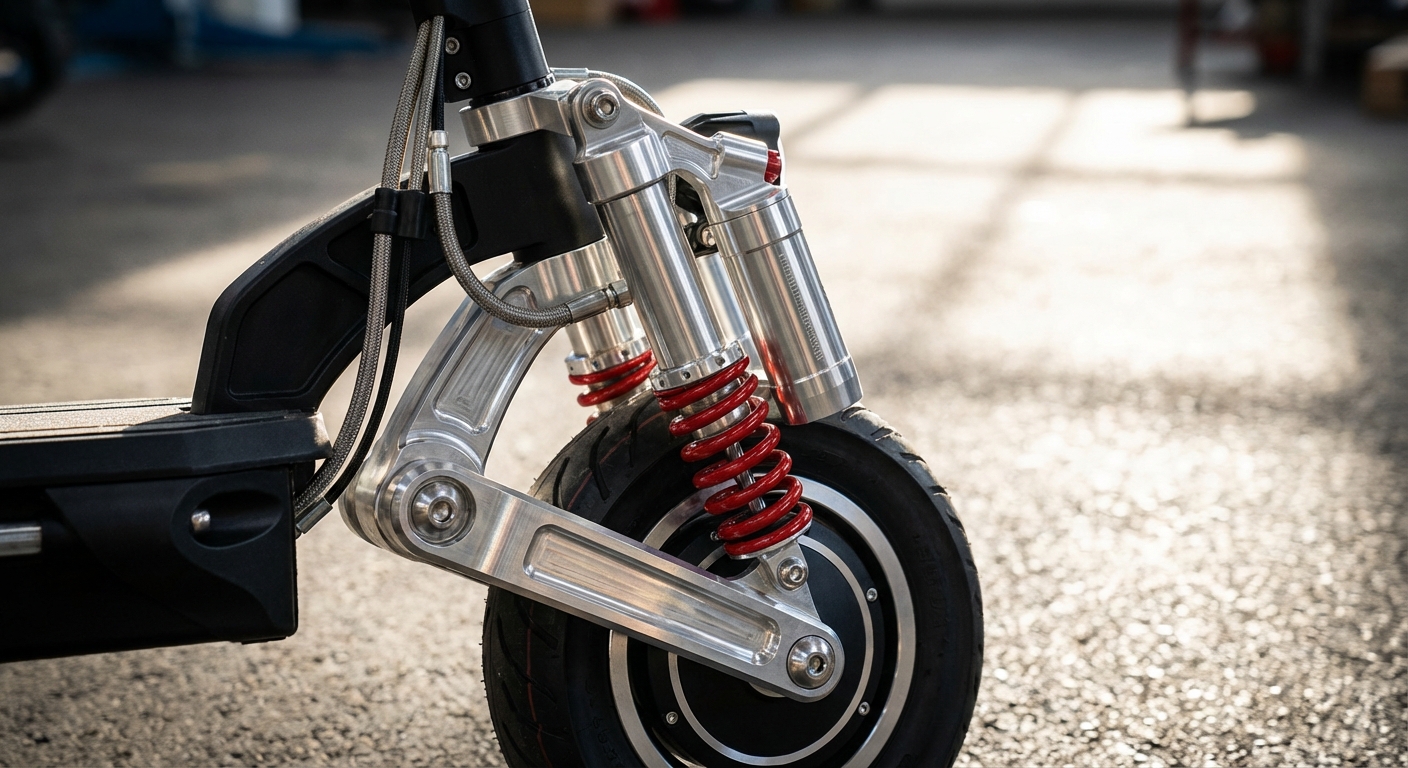
Suspension types improve ride quality by absorbing road vibrations and impacts from bumps, protecting both the rider and the internal electronics. High-end electric scooter specs will feature hydraulic or dual-spring systems. Without suspension, every crack in the pavement travels directly into your wrists and knees, leading to fatigue.
What is the difference in systems?
There are three main types of suspension you will encounter, each offering a different level of “float” over rough terrain.
- Spring Suspension: Simple, durable, and uses a coil to absorb shocks.
- Hydraulic Suspension: Uses oil to “dampen” the bounce, providing a much smoother feel.
- Rubber/Torsion: Compact and maintenance-free, but often feels stiffer.
The best part?
Hydraulic suspension makes a scooter feel like a luxury vehicle, while spring suspension is perfectly adequate for standard city bike lanes.
Why do you need dual suspension?
Dual suspension means there are shock absorbers on both the front and rear wheels, which is essential for speeds over 25 km/h.
- Prevents the rear wheel from “skipping” over bumps.
- Protects the motor (if it’s a rear-hub) from harsh impacts.
- Improves overall traction on uneven surfaces.
Here is the kicker:
If you are riding on cobblestones or poorly maintained roads, dual suspension is not a luxury—it is a requirement for safety and comfort.
Key Takeaway: Prioritize hydraulic or dual-spring suspension if your commute involves anything other than perfectly smooth asphalt to avoid joint pain.
| Suspension Type | Comfort Score | Maintenance |
|---|---|---|
| None | 1/5 | None |
| Spring | 3/5 | Low |
| Hydraulic | 5/5 | Moderate |
Analytical Guide: Evaluating the suspension type allows you to predict long-term comfort and the potential for “rider fatigue” during longer journeys.
Why do tire types change how you read electric scooter specs?
Tire types change your perspective on maintenance and ride quality because they are the only part of the vehicle in contact with the ground. When analyzing electric scooter specs, you must decide between the comfort of air and the reliability of solid rubber. Each choice requires a trade-off that will define your daily ownership experience.
Pneumatic vs. Solid tires?
Pneumatic tires are filled with air, while solid tires are made of hard rubber or foam-filled compounds. This is the biggest debate in the community.
- Pneumatic: Excellent shock absorption and superior grip on wet roads.
- Solid: Zero risk of flats and zero maintenance, but a very “harsh” ride.
- Honeycomb: A hybrid solid tire with holes to allow for a small amount of flex.
Here is the deal:
If you hate the idea of changing a tire on the side of the road, solid tires are your friend, but your feet might feel the vibration.
Why does tire size matter?
The diameter of the tire—usually 8.5 inches or 10 inches—dramatically affects how the scooter handles obstacles like potholes.
- 10-inch Tires: Roll over cracks easily and provide better stability.
- 8.5-inch Tires: More common on portable models but feel every bump.
- Width: Wider tires offer more “contact patch” for better braking.
But wait, there’s more:
A 10-inch pneumatic tire can often provide better “suspension” than a cheap spring system combined with small solid tires.
Key Takeaway: Choose 10-inch pneumatic tires for the best balance of safety and comfort, or solid tires only if your route is perfectly smooth.
| Tire Spec | Grip | Maintenance | Comfort |
|---|---|---|---|
| Pneumatic | High | High | High |
| Solid | Low | None | Low |
| Honeycomb | Medium | None | Medium |
Analytical Guide: Tire selection is the most significant factor in determining the “road feel” and the frequency of required mechanical upkeep.
What does the IP rating tell you about electric scooter specs?
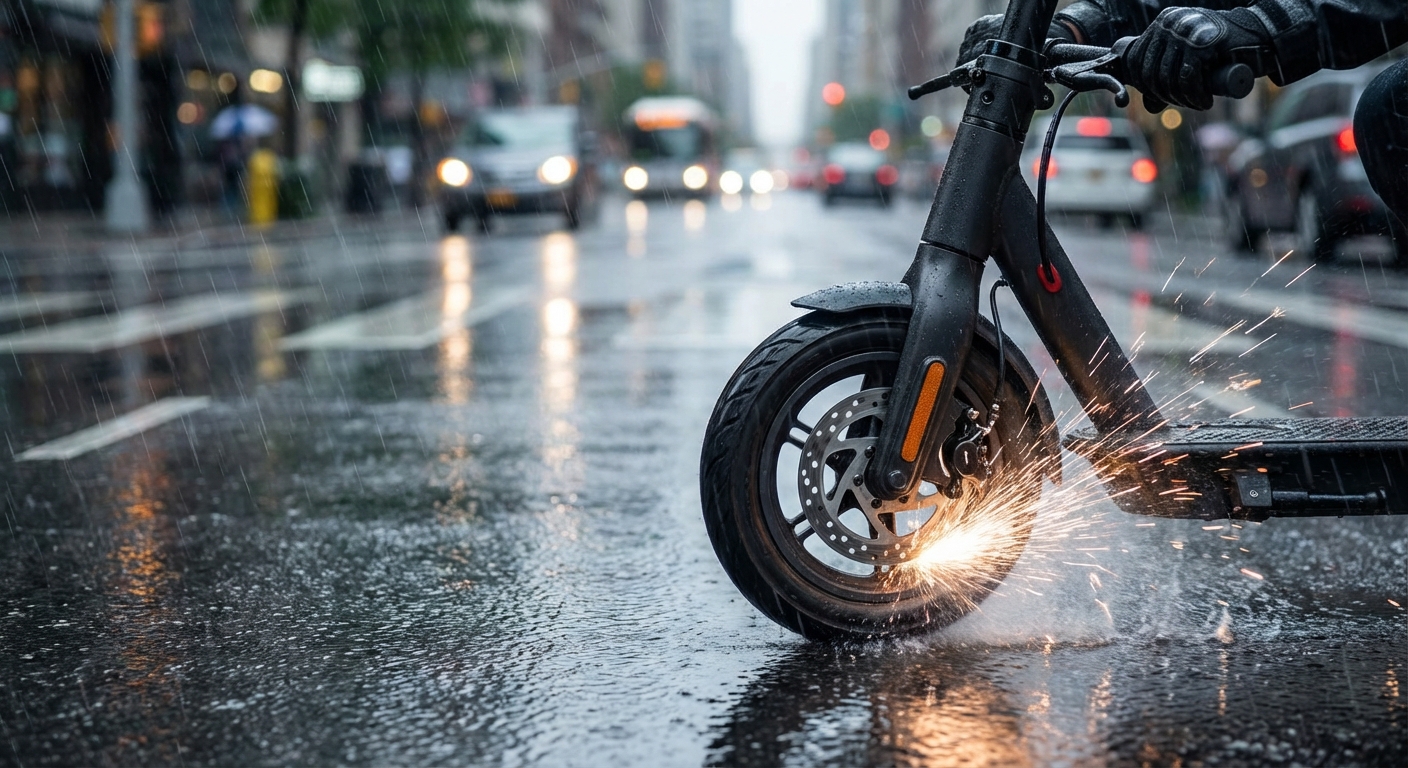
The IP rating tells you how well the sensitive electronic components are protected against dust and water ingress. In electric scooter specs, this is usually written as “IP” followed by two numbers, such as IP54. Without a proper rating, a simple rain shower could turn your expensive commuter tool into a very heavy paperweight.
How do you decode IP numbers?
The first number refers to solids (dust), and the second number refers to liquids (water). You should ignore the first number and focus on the second.
- IPx4: Protected against light splashes from any direction.
- IPx5: Protected against low-pressure water jets (can handle light rain).
- IPx6: Protected against high-pressure water jets (very water-resistant).
Think about it:
Most scooters are only splash-resistant, meaning you should never use a pressure washer to clean them or ride through deep puddles.
Can you ride in the rain?
Even with a high IP rating, no scooter is truly “waterproof,” and riding in wet conditions carries inherent risks to the battery and motor.
- Water can seep into the deck over time.
- Braking distances increase significantly on wet pavement.
- Bearings can rust if the scooter isn’t dried after a wet ride.
The best part?
A high IP rating (like IPX5 or IPX6) gives you peace of mind if you get caught in an unexpected drizzle while heading home.
Key Takeaway: Never submerge your scooter in water, and always look for at least an IPX4 rating if you live in a climate with frequent rain.
| IP Rating | Water Protection | Rain Suitability |
|---|---|---|
| IPX4 | Splash Proof | Emergency Only |
| IPX5 | Water Jets | Light Rain OK |
| IPX6 | Strong Jets | Moderate Rain OK |
Analytical Guide: The IP rating is your primary insurance policy against environmental damage, but it does not make the vehicle invulnerable to water.
How does portability influence lightweight electric scooter specs?
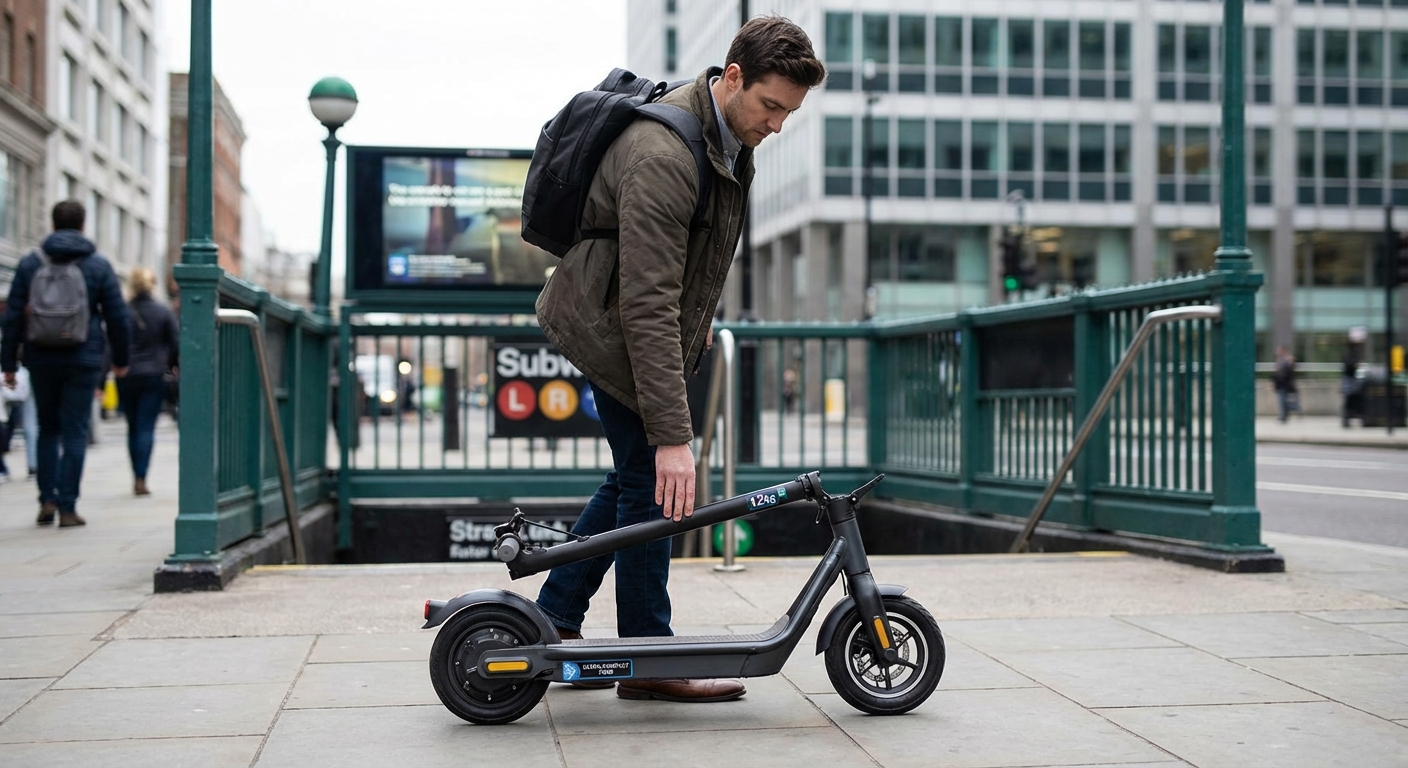
Portability influences specs by forcing a trade-off between battery size, motor power, and the total weight of the frame. To understand electric scooter specs like a pro, you must consider the “last mile” of your journey. If you have to carry your scooter up three flights of stairs, a 25kg “beast” is a terrible choice regardless of its speed.
What is a “portable” weight?
The total weight of the scooter is the most important spec for multi-modal commuters who use buses, trains, or car trunks.
- Under 12kg: Extremely portable, easy for almost anyone to carry.
- 12kg – 18kg: The “sweet spot” for most daily commuters.
- Over 20kg: Becomes a chore to lift for more than a few seconds.
Here is the deal:
Weight is often the direct result of battery size; more range almost always means a heavier, less portable machine.
Why check folding dimensions?
A scooter might be light, but if it doesn’t fold into a compact shape, it won’t fit under a desk or in a small locker.
- Look for a “folded size” spec in the manual.
- Check if the handlebars fold inward to save width.
- Ensure the stem locks into the deck for a secure carrying handle.
But wait, there’s more:
Some scooters feature “trolley wheels,” allowing you to roll them like a suitcase once they are folded, which saves your back.
Key Takeaway: Prioritize a weight under 15kg if your daily routine involves carrying the scooter onto public transit or into an apartment.
| Weight Class | Portability | Best Use Case |
|---|---|---|
| Ultra-Light | 5/5 | Short “Last Mile” |
| Mid-Weight | 3/5 | Standard Commute |
| Heavy-Duty | 1/5 | Long Range Only |
Analytical Guide: Portability is the silent spec that determines whether your scooter becomes a daily companion or a garage-bound burden.
How do you finalize your choice using electric scooter specs?
Finalizing your choice involves matching the technical data to the specific geography and frequency of your personal travel needs. High-quality electric scooter specs provide the roadmap, but you must be the navigator. By looking at nominal power for hills, Watt-hours for distance, and weight for portability, you can ignore the marketing fluff and buy with confidence.
Whether you choose a nimble commuter or a long-range cruiser, knowing these numbers ensures a better ride. If you need help finding the right balance, contact us today.

FAQ
Can I ride my scooter if the specs don’t mention an IP rating?
No, you should assume any scooter without a clear IP rating has zero water protection and avoid even damp pavement to prevent internal damage.
What is the most important spec for climbing steep hills?
Look specifically at “Nominal Power” and “Peak Power”; a 500W nominal motor is usually the minimum required for comfortable hill climbing.
How do I know if the advertised range is real?
Check the battery’s Watt-hours (Wh) and divide by 15 or 20 to get a more realistic estimate of the kilometers you will actually achieve.
What is a good weight for a portable electric scooter?
Ideally, a portable scooter should weigh between 12kg and 15kg, making it manageable to carry for most adults over short distances.
How often should I check my tire pressure specs?
You should check your tire pressure at least once a week, as riding with low pressure reduces range and significantly increases the risk of flats.