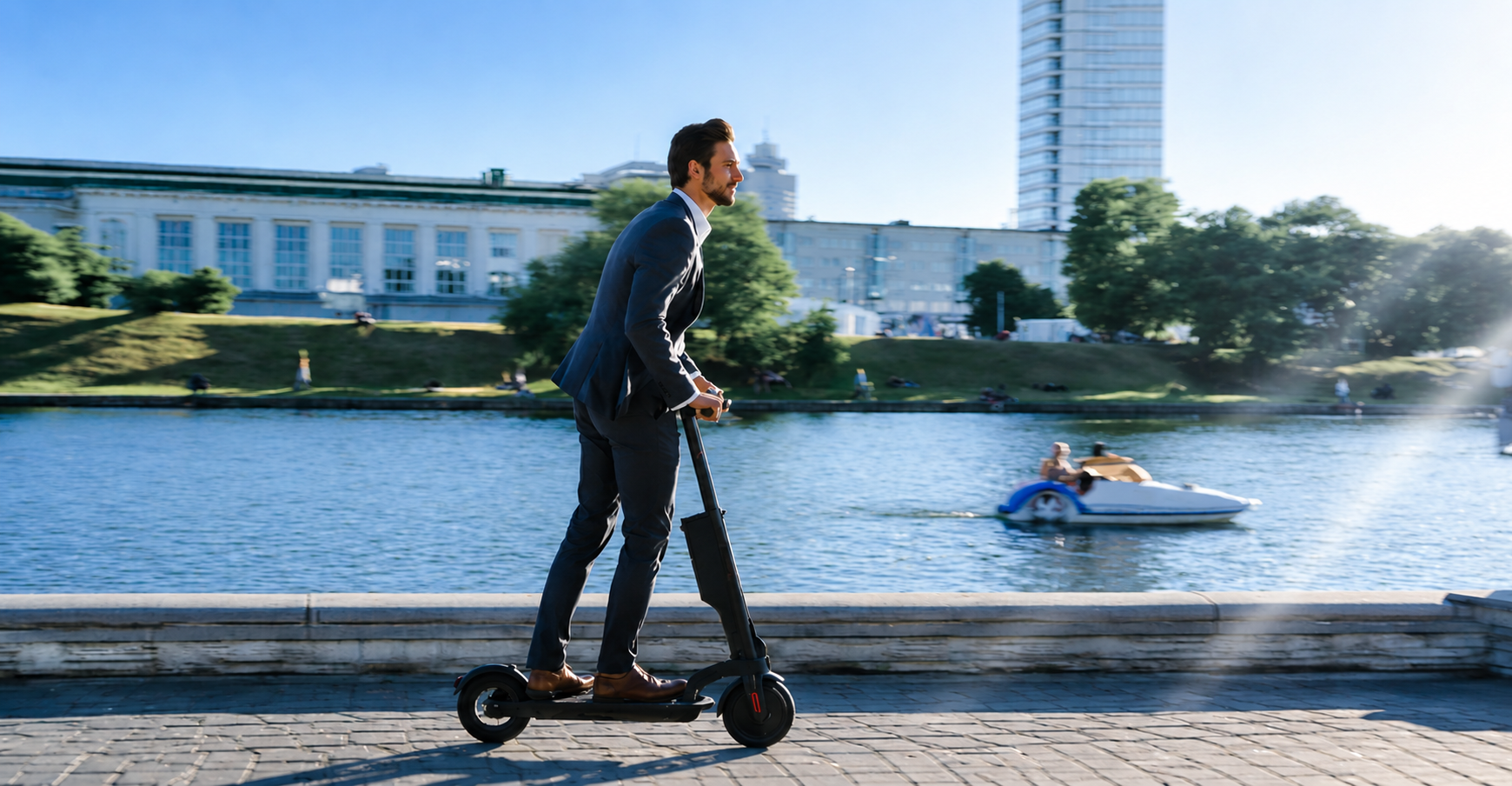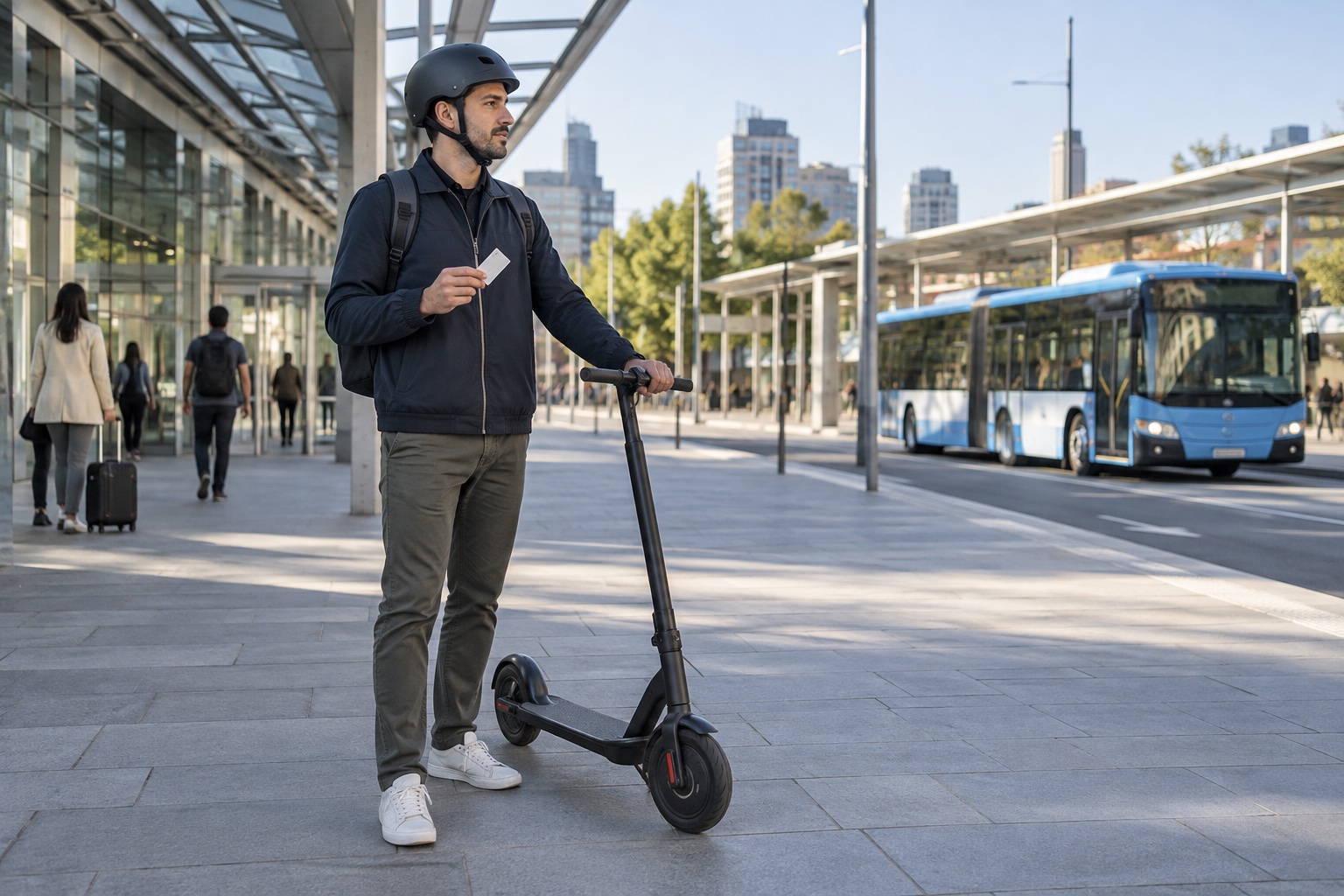

Electric scooters are now very popular. They help people move around cities easily. But many people ask: how old do you have to be to ride an electric scooter?
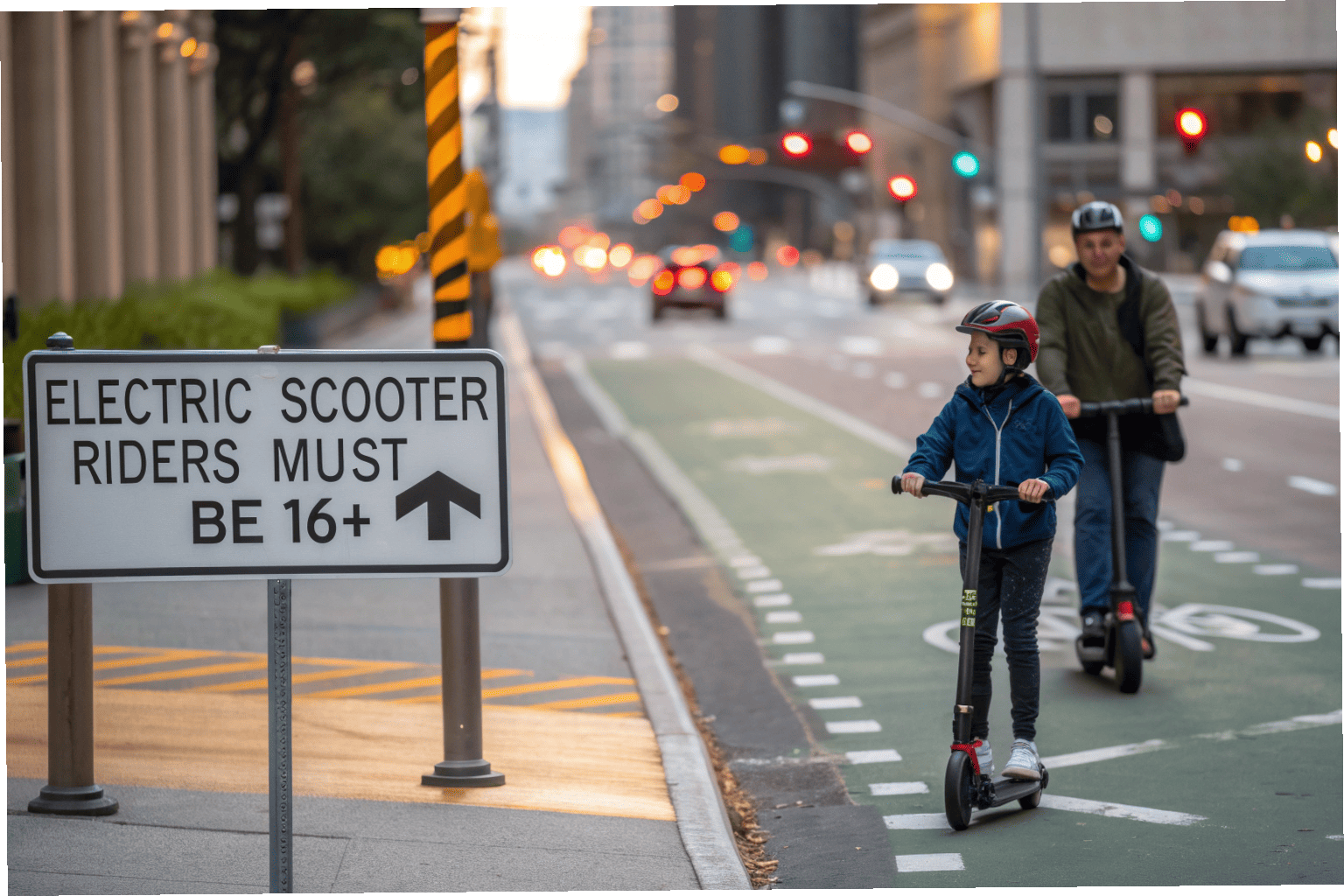
Electric scooter age requirements in North America are generally consistent: most U.S. states and Canadian provinces require riders to be 16+ years old. Some regions mandate helmet use for minors, and riding areas are typically limited to bike lanes and streets. Always check local regulations as they may vary by city.
This is about safety and following the law. This article will tell you about age limits in different places, safety issues, and tips for riders of all ages.
1. How Old Do You Need to Be to Ride an Electric Scooter?
The age to ride an electric scooter is not the same everywhere. Why is it different? It depends on local traffic laws, city size, bike lanes, and how people think about small vehicles.
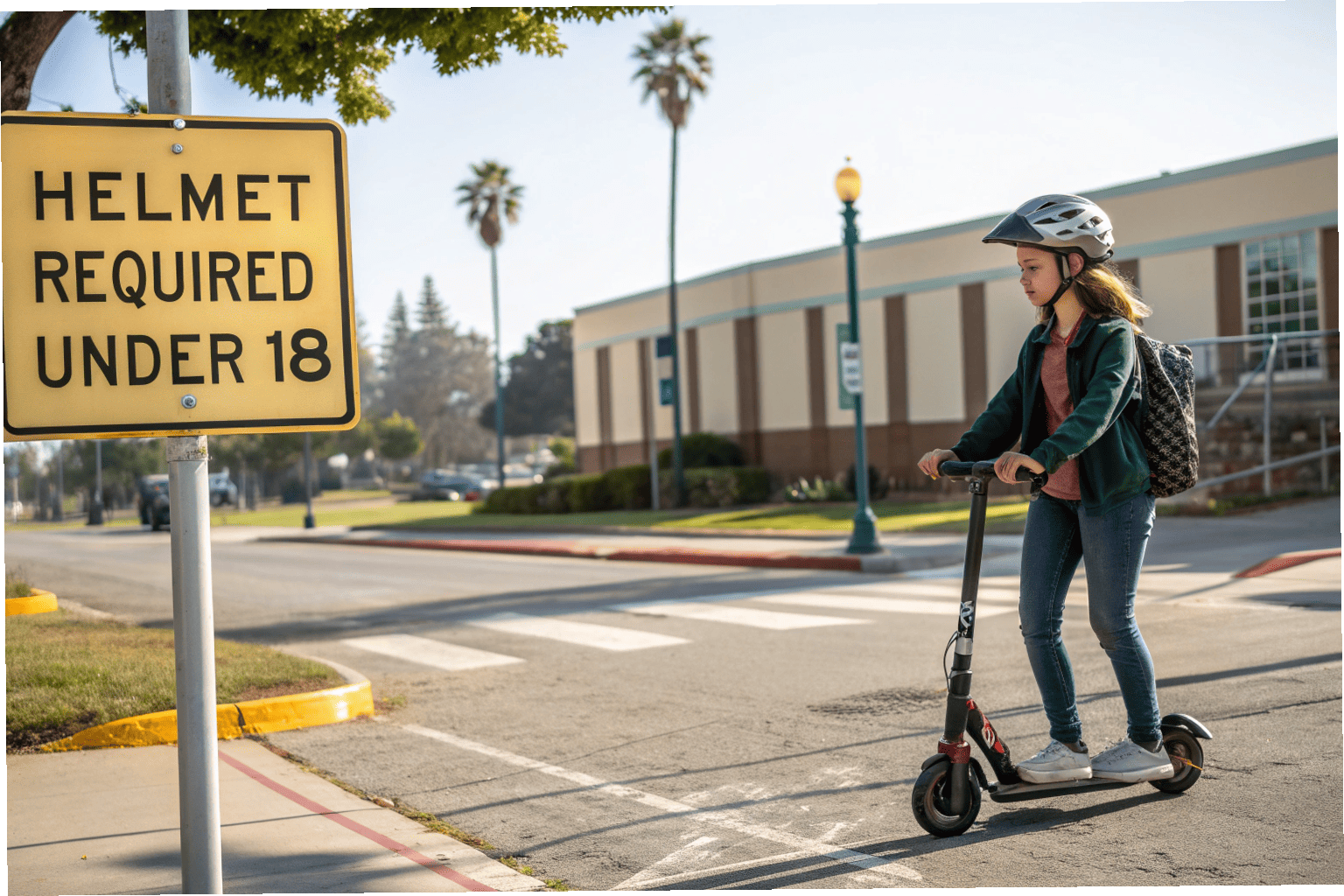
In Canada, each province or city makes its own rules. In Ontario, you must be 16 or older to ride on public roads. You must wear a helmet if you are under 18. British Columbia also says riders must be 16.
In the United States, there is no national law about rider age. In California, you must be 16 and have a driver’s license or permit. In Florida, you can ride at age 16, often without a driver’s license.
These age limits are about safety. Officials think about if young people can handle the scooter’s speed and weight, understand traffic, react quickly, and make good choices.
Age Limits for E-Scooter Riding: International Comparison
| Country/Region | Typical Minimum Age | Key Considerations |
|---|---|---|
| Canada (Varies) | 16-18+ | Provincial/Municipal Bylaws, Pilot Programs, Helmets |
| USA (Varies) | 16-18+ | State/City Laws, Driver’s License Requirements Vary |
| UK | 18+ (Rentals Only) | Illegal on public roads (private use), Trials ongoing |
| Germany | 14+ | Specific speed/power limits, Bike lane usage |
| France | 12+ | Speed limits, Helmet recommended (mandatory <12) |

List of E-Scooter Regulations in Major U.S. Regions
| Region | Minimum Riding Age | Helmet Requirements | Other Key Regulations |
|---|---|---|---|
| West (California) | 16+ | Required under 18 | No sidewalk riding, max speed 25mph |
| West (Washington) | 16+ | Recommended for all | Allowed on bike lanes and low-speed roads |
| Midwest (Illinois) | 16+ | Recommended but not mandatory | Chicago allows bike lane riding, no sidewalks |
| Midwest (Michigan) | 12+ | Recommended but not mandatory | Max speed 25mph, some sidewalk riding allowed |
| Northeast (New York) | 16+ | Required under 18 | NYC bans e-scooters in Manhattan |
| Southeast (Florida) | 16+ | Required under 16 | Allowed on bike lanes and some roads |
| South (Texas) | 16+ | Recommended but not mandatory | Rules vary by city, Austin and Dallas more lenient |
Please note that these regulations may change, and city-level rules may differ from state regulations. Before riding, it’s best to check the latest local rules. This is especially important when traveling or using e-scooters across different states.
For Dynamic Scooter users, we recommend paying attention to the age restrictions and safety requirements in your area when purchasing and using our products to ensure a legal and safe riding experience.
2. Why Are There Age Restrictions for Electric Scooters?
Age limits for electric scooters exist for real safety reasons. So, what are these main reasons?
First is body control and reaction time. Riding an electric scooter at speeds up to 25 kph (15 mph) needs good balance, quick reflexes, and fast adjustments. Young children are still growing these skills.
Second is knowing traffic rules. Riding on roads means knowing who goes first, what signs mean, and how to share the road. Young riders may not understand these rules well or know what happens if they break them.
Risk judgment is another big factor. Teens have brains that are still growing – the part that plans, controls impulses, and judges risks. This can make them take more risks. Think about it: one bad choice can cause a crash.
Last, accident reports show why age limits help. Studies show more injuries among younger riders. Age limits try to protect the groups most likely to get hurt.
3. Do Age Requirements Differ for Various Electric Scooter Types?
While general age rules exist, the type of scooter can change what’s recommended. Can a 12-year-old ride any scooter if the law allows? Not really.
Slow electric scooters for young riders usually go 10-15 kph (6-10 mph). Makers might say ages 8-10 can use these, but only on private property with adults watching.
Medium-speed scooters are for commuters and go 20-25 kph (12-15 mph). These usually need riders to be 16+ or 18+. The Dynamic Scooter Model B is this type, with good speed, range, and a design you can fold.
High-speed scooters can go over 40 kph (25 mph). These are almost always for adults only, with age limits of 18+ strictly enforced.
Foldable scooters, like those from Dynamic Scooter, are great for trips that use trains or buses too. But being easy to carry doesn’t make them good for young riders on public roads.
E-Scooter Type vs. General Age Suitability
| Scooter Type | Typical Top Speed | General Age Suitability (Guideline Only) |
|---|---|---|
| Kids’ E-Scooter | < 15 kph (< 10 mph) | 8+ (Private Property, Supervision) |
| Low-Speed Commuter | 15-20 kph (10-12 mph) | 14-16+ (Check Local Laws) |
| Mid-Speed Commuter | 20-25 kph (12-15 mph) | 16-18+ (Check Local Laws) |
| High-Performance | > 25 kph (> 15 mph) | 18+ |
4. How Can Minors Ride Electric Scooters Safely?
Even where young people can legally ride electric scooters, safety must come first. How can parents help kids ride safely?
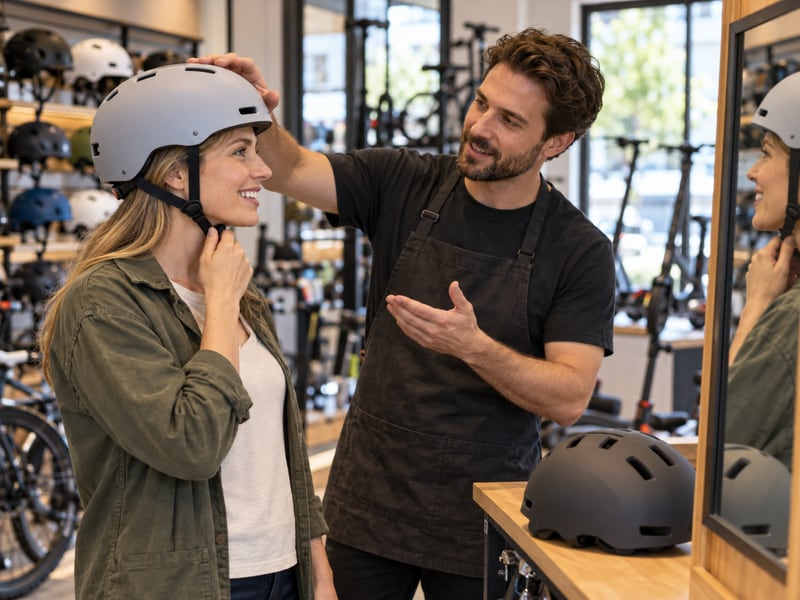
Safety gear is a must. A helmet that fits right is the most important thing. Think about knee pads, elbow pads, and wrist guards for beginners. Bright clothes help others see you.
Parents should watch and ride with young riders. This lets you guide them and step in if needed. Start in safe places like empty parking lots or quiet streets. Move to busier areas only when they show they can handle it.
Safety training should come before riding alone. Teach basic controls: smooth starting, good stopping, and steady turning. Practice emergency stops and going around objects. Make sure they know traffic rules for where they’ll ride.
Last, pick the right scooter. Choose models made for the child’s age, size, and skill. Avoid fast scooters and keep the scooter in good shape, especially brakes, tires, and lights.
5. How Do Laws and Regulations Impact Riding Age?
Laws directly control who can ride an electric scooter, where, and how. What’s behind these rules?
Public road rules usually say riders must be 16 or 18. These laws help scooters fit safely into traffic. They often include other rules like wearing helmets, speed limits, and not riding after drinking.
Private property rules are different. The strict age limits for public roads often don’t apply on private land if the owner says it’s okay. This lets younger kids ride kid scooters in safe, controlled places.
Breaking age rules can lead to warnings, fines, or having your scooter taken away. Parents may be responsible for what their kids do. If an underage rider causes an accident, there could be serious legal problems.
Rental companies usually require users to be 18+ with a driver’s license. They check this through their app. This stops most young people from renting scooters legally.

6. What Are School and Campus Rules for E-Scooter Riding?
Schools and colleges have their own rules for electric scooters. Here’s what you need to know. These local rules matter a lot.
Many K-12 schools don’t allow e-scooters on school grounds during school hours. There are too many people around, which creates crash risks. Schools often say scooters must be stored safely and not used until after school and off school property.
For students riding to school, local traffic laws apply. Schools often teach safety and might show safe routes near the school.
Colleges often have detailed rules instead of total bans. These usually include parking areas, speed limits, no-ride zones, and maybe registration requirements.
Schools’ views on e-scooters are changing. Many now look for ways to include them safely with better paths, rental partnerships, and safety programs.
7. How Can You Assess if a Teenager is Ready to Ride an E-Scooter?
Deciding if your teen is ready for an electric scooter means more than checking their age. How do you make this choice?
Look at their physical skills. Can they ride a bike well? Do they have good control and quick reactions? If they struggle with balance, an e-scooter might be hard for them.
Test their knowledge of traffic rules. Ask about real situations: “What would you do if a car door opened in front of you?” If they don’t know the rules well, they may not be ready.
Check their responsibility level. Does your teen make good choices? Do they follow rules without being told? Think about how they handle other privileges.
Make a checklist: proper helmet use, knowing local laws, seeing hazards, safe riding in controlled areas, and avoiding risky behaviors.
Parent Decision Guide: Is Your Teen Ready for an E-Scooter?
| Assessment Area | Signs of Readiness | Warning Signs |
|---|---|---|
| Physical Skills | Confident cyclist, Good balance | Frequent falls, Poor coordination |
| Traffic Knowledge | Understands signs, Follows rules | Ignores rules, Doesn’t check surroundings |
| Maturity Level | Responsible with privileges | Impulsive behavior, Rule-breaking |
| Safety Attitude | Wears helmet without reminders | Resistant to safety gear, Attempts stunts |
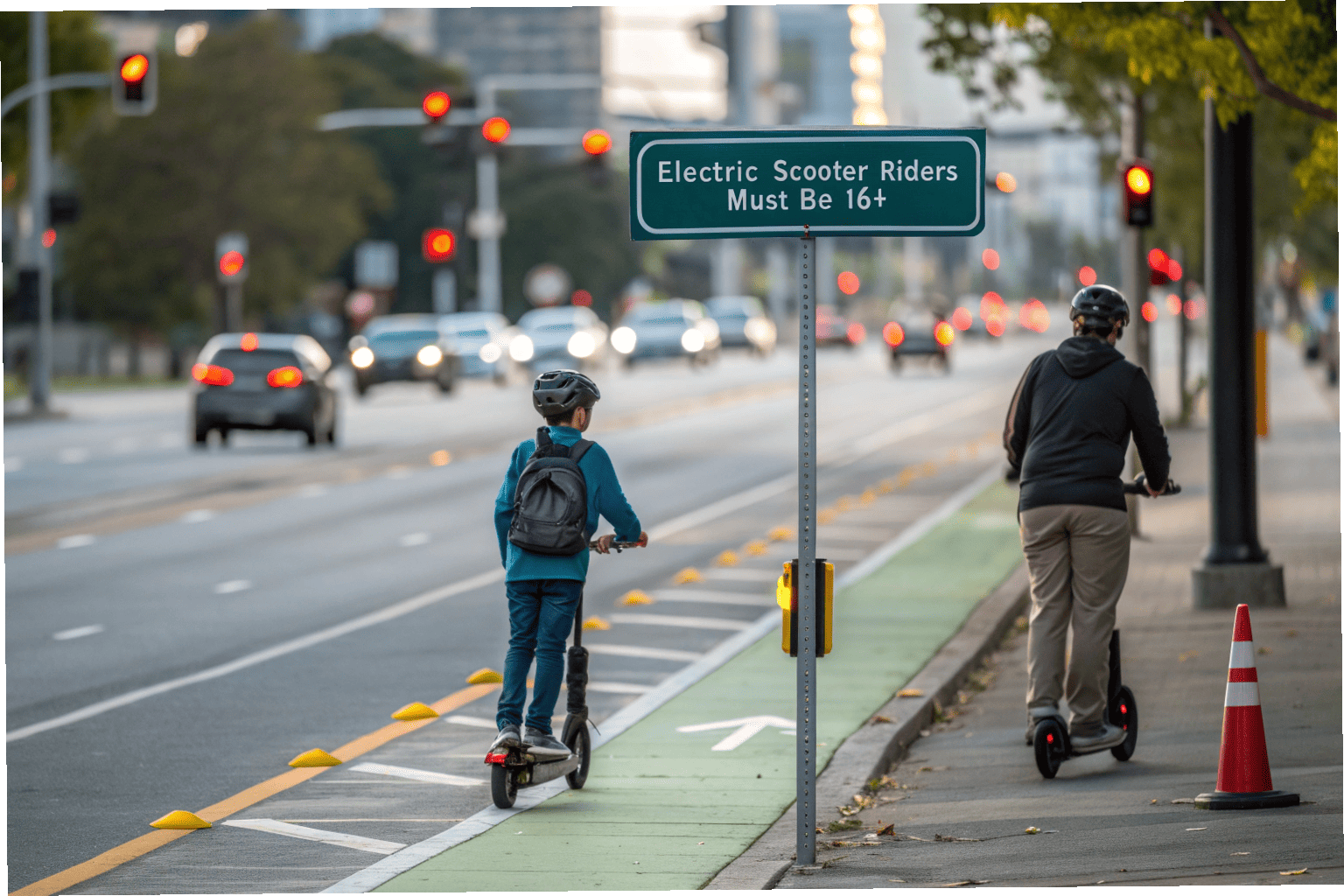
8. How Do E-Scooter Riding Skills Develop with Age?
Riding skills change a lot across different age groups. But here’s the thing… Skills don’t just improve with age; they also depend on practice and personal factors.
Young children (under 12) usually lack the strength, coordination, and multi-tasking ability for standard e-scooters. Early teens (12-15) have better coordination but may struggle with complex traffic. Older teens (16-18) have the physical skills but may lack judgment. Adults combine physical ability with better judgment, though beginners still need practice.
For teens, skills develop in steps: basic balance and control in safe areas, then more complex skills like going around objects and handling different surfaces, and finally riding in simple traffic.
Adults have advantages in strength, height, and brain development. But they aren’t automatically good riders and should avoid overconfidence.
9. At What Age Should Electric Scooter Safety Education Begin?
Safety education should start before a child reaches the legal riding age. Here’s why. Early education builds lifelong good habits.
Traffic safety awareness should start around ages 4-6. Focus on basic ideas like looking both ways and understanding traffic lights. Parents can teach these during daily activities.
For ages 7-11, teach more about road sharing and how vehicles work. Introduce the idea of different vehicles, including e-scooters, and how they share the road.
For pre-teens and early teens (12-15), education should focus on e-scooter operation, even before they ride alone. Cover helmet fitting, basic mechanics, performance limits, and specific traffic laws.
Families and schools working together create the best safety education, combining structured programs with personal guidance.
10. How Do E-Scooter Accidents Correlate with Rider Age?
Accident data shows clear patterns in how age relates to e-scooter incidents. This is interesting… The data often surprises people.
Children and young teens often have single-rider accidents – falls from losing balance or misjudging terrain. Older teens and young adults have more crashes with vehicles, often at intersections. Adults have fewer accidents overall but face issues with road conditions or mechanical problems.
For teens, common accident causes include distracted riding, carrying passengers, misjudging speeds and distances, taking risks, and sometimes riding after drinking.
Adults face different risks: overconfidence, complex traffic, rush hour riding, and bad weather. First-time adult riders have accident rates similar to inexperienced teens.
Effective safety strategies must be tailored: supervised practice for younger riders, peer education for teens, and brief training for adults, especially first-timers.
11. How Do You Choose Age-Appropriate Electric Scooters?
Picking the right electric scooter means matching it to the rider’s abilities, maturity, and how they’ll use it. Here’s what to know.
Children’s scooters have lower speeds (10-15 kph/6-9 mph), simple controls, lighter weight, and often parent controls. They’re for fun in safe, controlled areas.
Adult scooters have higher speeds, longer range, and stronger motors. They have sturdier frames, advanced controls, and safety features for visibility and durability. The Dynamic Scooter Model B is a good example of these adult features.
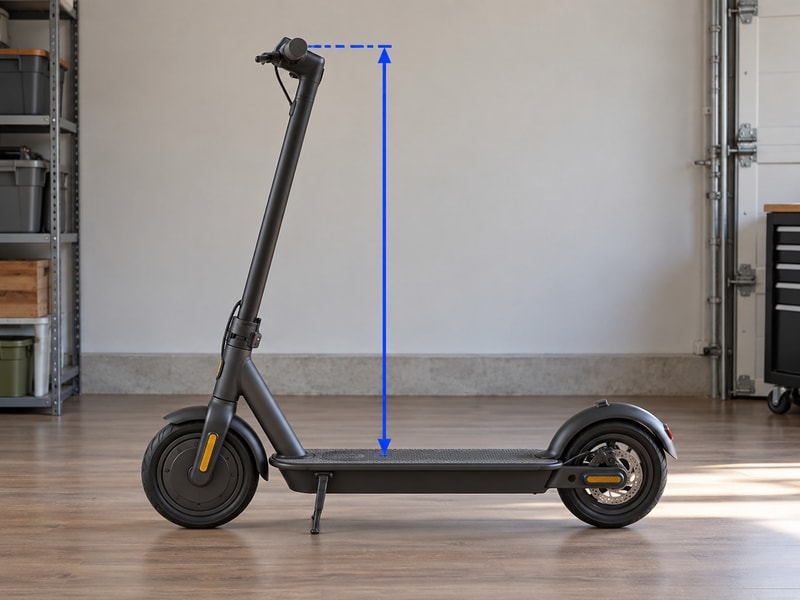
For family-shared scooters, look for adjustable handlebar height, changeable speed settings, durability, manageable weight, and appropriate weight capacity.
Balance safety with performance by choosing limited speeds for younger riders, good brakes, and stable platforms. Never compromise on brake quality, and make sure the scooter matches the rider’s current skill level.
12. What Are the Future Trends for Electric Scooter Age Restrictions?
Electric scooter rules are changing as technology improves, usage patterns shift, and new data comes in. Here’s what’s happening. Trends show more detailed approaches rather than simple restrictions.
Technology advances like better brakes, stability control, and improved lights are making e-scooters safer. Innovations like Dynamic Scooter’s Smart Battery Management System add safety layers. These may lead to reconsidering strict age limits.
Legal frameworks are moving toward tiered approaches instead of simple age cutoffs. Some places explore graduated systems allowing younger riders on slower scooters in protected lanes while keeping higher age requirements for mixed traffic.
Smart speed limiting and parent control features allow real-time tracking of location, speed, and riding patterns, with custom limits and geographic boundaries. These technologies may enable more flexible age restrictions.
As e-scooters become mainstream, the conversation shifts from whether to allow them toward safe integration. Education is increasingly emphasized alongside regulation, with infrastructure slowly improving.

FAQ Section
Q1: What is the legal age to ride an electric scooter?
The legal age varies by location. In Canada, riders usually need to be 16-18 years old for public roads. In the United States, 16 is common, varying by state and city. European countries range from 12 in France to 18 in some UK rental programs. Always check your local rules, as they may differ even between nearby cities.
Q2: How do speed limits on electric scooters affect age requirements?
Speed directly influences age restrictions. Slower models (under 15 kph/9 mph) sometimes allow younger riders in certain places, while faster scooters almost always require older riders (16+). Many areas classify e-scooters differently based on maximum speed, treating faster scooters more like motorized vehicles with stricter age rules.
Q3: Can minors ride electric scooters without adult supervision?
This depends on local laws and parent decisions. In most places where teens 16-17 can legally ride e-scooters, direct supervision isn’t required by law, though helmet use often is. For younger riders (typically under 16), many areas either don’t allow public road use or require adults to be present. Parents should consider their child’s maturity, traffic awareness, and riding skills before allowing unsupervised riding.
Q4: Do different brands of electric scooters have different age recommendations?
Yes, different brands provide varying age recommendations based on their products’ features. Manufacturers like Dynamic Scooter specify minimum recommended ages considering factors like speed, weight, stability, control complexity, and intended use. Kid-focused brands might recommend ages as low as 8 for basic models (private property use), while performance-oriented adult scooters typically recommend 16 or 18+.
Q5: How can I teach my child to safely ride an electric scooter?
Teaching safe riding requires a step-by-step approach. Start with proper safety gear – a helmet is essential, with knee and elbow pads for beginners. Begin in traffic-free areas like empty parking lots. Practice balancing, gentle starting, straight-line riding, and controlled stopping before moving to turns and obstacles. Clearly teach traffic awareness and rules. Create clear safety guidelines and gradually introduce more complex environments as skills improve.