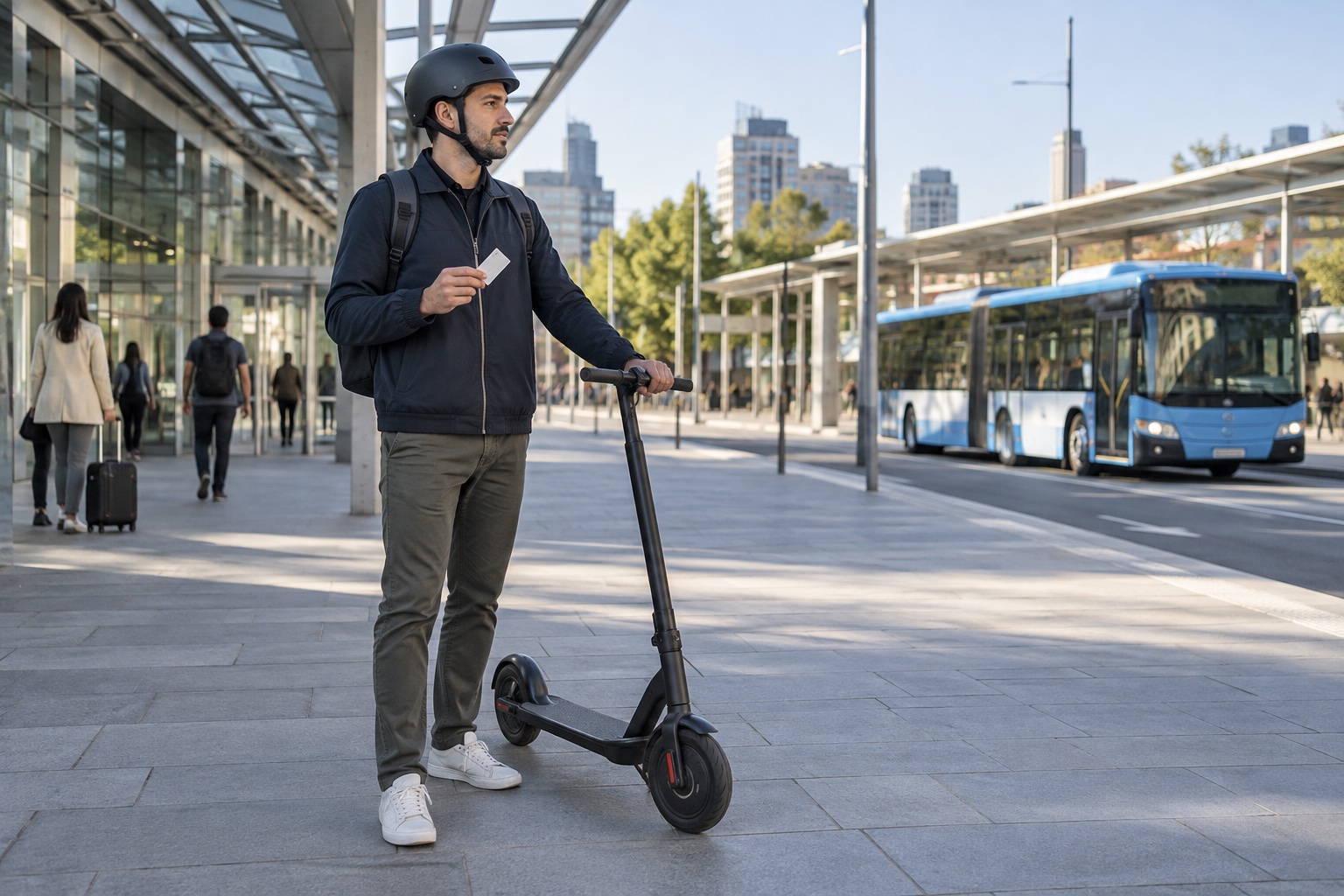

Performing seasonal upkeeps like monitoring tyre pressure, parking in shaded spots, and managing battery temperatures is the absolute best way to ensure your electric scooter thrives during hot summer months. Riding on a hot summer afternoon feels incredibly liberating as you cruise down the open road.
However, extreme ground heat and scorching sun rays can silently cook your vehicle’s sensitive internal cells. If you ignore these extreme temperatures, your battery can suffer from severe thermal shutdown, leaving you stranded on melting asphalt miles away from home. Fortunately, performing proactive electric scooter maintenance safeguards your ride against severe thermal wear and performance drops.
Why is summer electric scooter maintenance crucial?
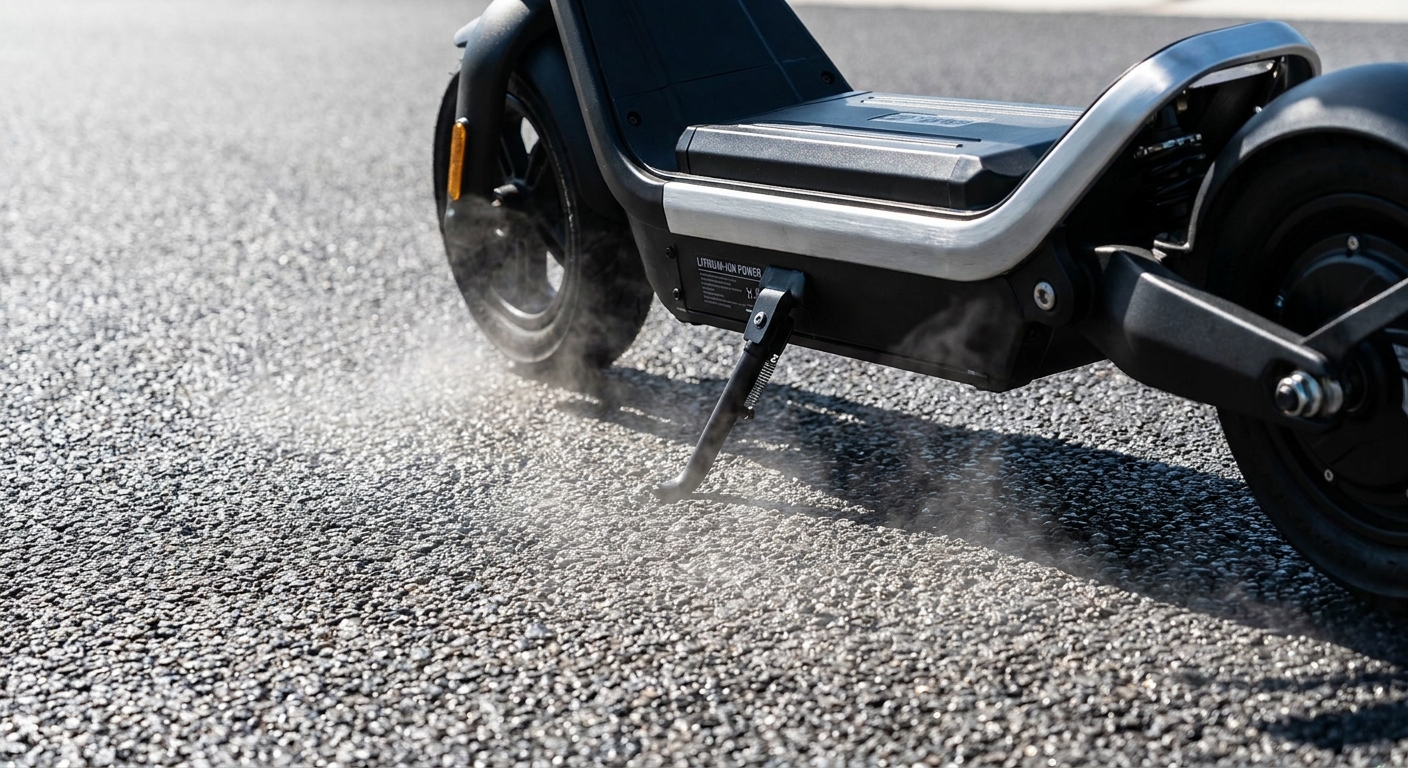
Summer weather demands strict upkeep because extreme heat accelerates chemical breakdown within battery cells and softens tyre rubber. Performing active electric scooter maintenance during high-temperature months protects your sensitive electronics from catastrophic failures. The combination of baking asphalt and hot direct sunlight places unprecedented physical stress on your vehicle. Neglecting basic care can lead to permanent battery damage and costly mechanical repairs.
By being proactive, you ensure your motor and internal circuits remain safe from thermal stress. It also guarantees your rides stay smooth and consistent all season long.
Why does extreme heat threaten your battery pack?
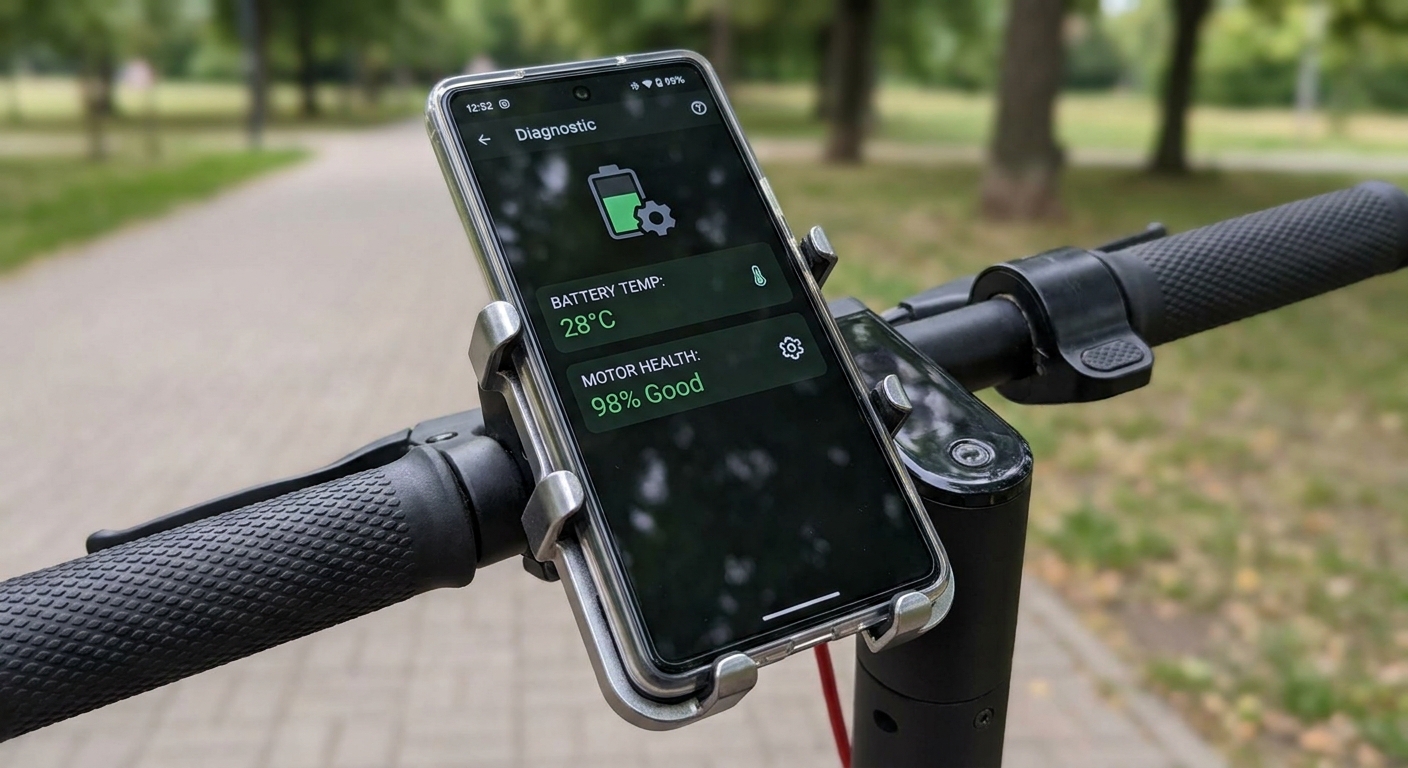
High temperatures increase the internal resistance of lithium-ion cells, causing them to generate more heat. Here is the deal: if your battery runs too hot, the system will lower power output to avoid thermal runaway. Continuous exposure to extreme ambient heat permanently degrades capacity and reduces your overall riding range.
You must watch out for signs of thermal degradation during your daily commutes. These signs can severely disrupt your travel plans if left unchecked.
- Sudden drop in acceleration power.
- Thermal warning lights active on the display.
- Battery draining much faster than usual.
What are the primary mechanical risks of hot pavement?
Hot asphalt transfers intense conductive heat directly through your low deck to the motor and suspension. But that is not all. Harsh UV rays dry out rubber seals and melt vital lubricating grease on your folding joints.
These issues can create severe safety hazards if you ride on degraded parts. Keeping these elements lubricated ensures structural stability on bumpy summer streets.
- Dried out folding hinges and joints.
- Cracked tyre tread under direct UV.
- Leaking grease from hub bearings.
Key Takeaway: Protecting your ride from ground-level heat preserves structural integrity and keeps your rides exceptionally smooth.
| Heat Source | Impacted Part | Recommended Threshold | Preventative Action |
|---|---|---|---|
| Ambient Air | Battery Pack | Keep below 45°C | Park in ventilated shade |
| Hot Asphalt | Motor Casing | Keep below 60°C | Avoid continuous peak throttle |
Monitoring these crucial thermal thresholds protects internal components from severe degradation.
Where do you park for electric scooter maintenance?
You should always park your vehicle in a cool, well-ventilated, shaded environment to protect it from thermal stress. Choosing proper parking areas is a fundamental step in proactive electric scooter maintenance during a heatwave. Leaving your ride exposed to scorching midday sun causes rapid heat build-up. It can easily warp plastic parts and fade your instrument console.
Shaded spots act as a shield against intense ultraviolet radiation. This simple daily habit prevents your deck from turning into a heat sponge.
Is shaded parking enough to prevent thermal damage?
Standard outdoor shade helps block direct solar rays, but it does not cool down high ambient air. The truth is: parking inside unventilated metal sheds or car trunks can create a dangerous greenhouse effect. This trapped heat cooks your electronics even if the scooter is turned off.
You need to seek out areas with active airflow to help your scooter cool down. Ventilation is just as important as blocking direct sunlight.
- Underground parking garages.
- Climate-controlled indoor bays.
- Covered patios with high airflow.
How does the Dynamic Scooter Cover shield your deck?
Investing in a premium, UV-reflective protective cover keeps direct sunlight off your delicate instrument panels. Think about it: a quality cover keeps abrasive summer dust out of delicate charging ports. When you protect these key entry points, you lower the chances of electrical shorts.
A specialized cover is lightweight and easy to carry on daily trips. It provides an extra layer of defense when outdoor parking is your only option.
- Deflecting harmful UV rays.
- Guarding display screens from sun fading.
- Preventing dust accumulation.
Key Takeaway: Utilizing a specialized cover blocks heat absorption and extends the lifespan of sensitive electronic screens.
| Parking Location | Temperature Risk | Protection Level | Best Use Case |
|---|---|---|---|
| Subterranean Garage | Low | High | Overnight & Long-term |
| Covered Shade | Medium | Medium | Quick day stops |
Choosing high-protection locations limits thermal exposure and keeps performance metrics stable.
How does charging affect electric scooter maintenance?
Charging your ride immediately after a trip can damage battery cells because they are already hot from operating. You must follow strict battery cooling guidelines as part of your regular electric scooter maintenance protocol. Forcing electricity into hot lithium-ion cells causes extreme internal heat spikes. Over time, this bad habit rapidly degrades overall battery health.
Letting your vehicle rest before plugging it in is highly recommended. This practice guarantees safe power intake and preserves battery capacity.
Should you charge your ride immediately after use?
Connecting your charger right after a ride leads to a dangerous compounding of operational and electrical heat. Here is the deal: your battery needs time to naturally cool down to ambient levels first. Giving your scooter a short break ensures the lithium-ion cells remain stable.
A cool battery accepts charges much more efficiently than a hot one. Taking this extra step will keep your power pack running at peak levels.
- Allow cells to rest for 30 minutes.
- Ensure the charging area is dry.
- Keep the scooter turned completely off.
What are the best practices for cool-down charging?
You should charge your vehicle in an open, ventilated indoor space rather than a confined closet. Think about it: keeping air circulating around the power brick prevents the charger itself from overheating. This simple routine maximizes energy efficiency and guards against unwanted high-voltage surges.
Timing your charge cycles is also highly beneficial. It avoids the hottest hours of the day when grid stress is highest.
- Charge during cooler morning hours.
- Unplug immediately once reaching 100%.
- Avoid charging on soft, flammable surfaces.
Key Takeaway: Allowing your battery to cool before charging prevents thermal spikes and maximizes the total life cycles of your cells.
| Charging Phase | Required Wait Time | Target Area Temp | Safe Charging Window |
|---|---|---|---|
| Post-Ride Cool Down | 30 – 45 Minutes | Ambient Air Temp | Morning / Evening |
| Active Charging | No Wait Required | Under 30°C | Max 4 Hours |
Adhering to these cool-down cycles is highly recommended to protect battery health.
Is tyre care key to electric scooter maintenance?
Proper tyre care ensures excellent road grip, smooth handling, and helps prevent dangerous summer blowouts. Monitoring inflation levels is a critical step in hot-weather electric scooter maintenance. Scorching asphalt drastically increases the temperature and pressure inside your rubber tyres. Failing to manage this expansion can cause sudden, dangerous tire failures while riding.
You must inspect the tread daily to catch cracks before they expand. Keeping your wheels in optimal condition keeps you safe at high speeds.
How does hot air affect tyre pressure readings?
Heat causes the air inside your tyres to expand, which naturally increases pressure readings during afternoon rides. The truth is: checking pressure when tyres are hot can lead to inaccurate readings. You might accidentally bleed out too much air, causing under-inflation once they cool.
Measuring tyre pressure when they are completely cold is the best practice. It gives you the true base reading needed for a safe journey.
- Increased risk of punctures.
- Reduced road grip on hot asphalt.
- Accelerated tread wear.
Can you utilize the dashboard for real-time monitoring?
The integrated smart dashboard displays real-time tyre pressure data so you can spot issues instantly. Best of all: it alerts you immediately if pressures rise or drop outside safe limits. This allows you to pull over safely and adjust inflation before a blowout occurs.
Real-time telemetry takes the guesswork out of daily wheel inspections. It ensures you ride with complete confidence in your vehicle’s stability.
- Real-time pressure alerts.
- Early puncture warning indicators.
- Optimization of battery range.
Key Takeaway: Checking your tyres when cold keeps pressure within safe limits, ensuring consistent grip and range.
| Tyre Condition | Temperature Impact | Performance Risk | Key Prevention Step |
|---|---|---|---|
| Under-Inflated | Excessive sidewall heat | Poor range & rim damage | Inflate to specs weekly |
| Over-Inflated | Reduced contact patch | Harsh ride & blowouts | Check and bleed pressure cold |
Maintaining the correct tyre pressure is essential for smooth handling on hot summer roads.
Can clean decks ease electric scooter maintenance?
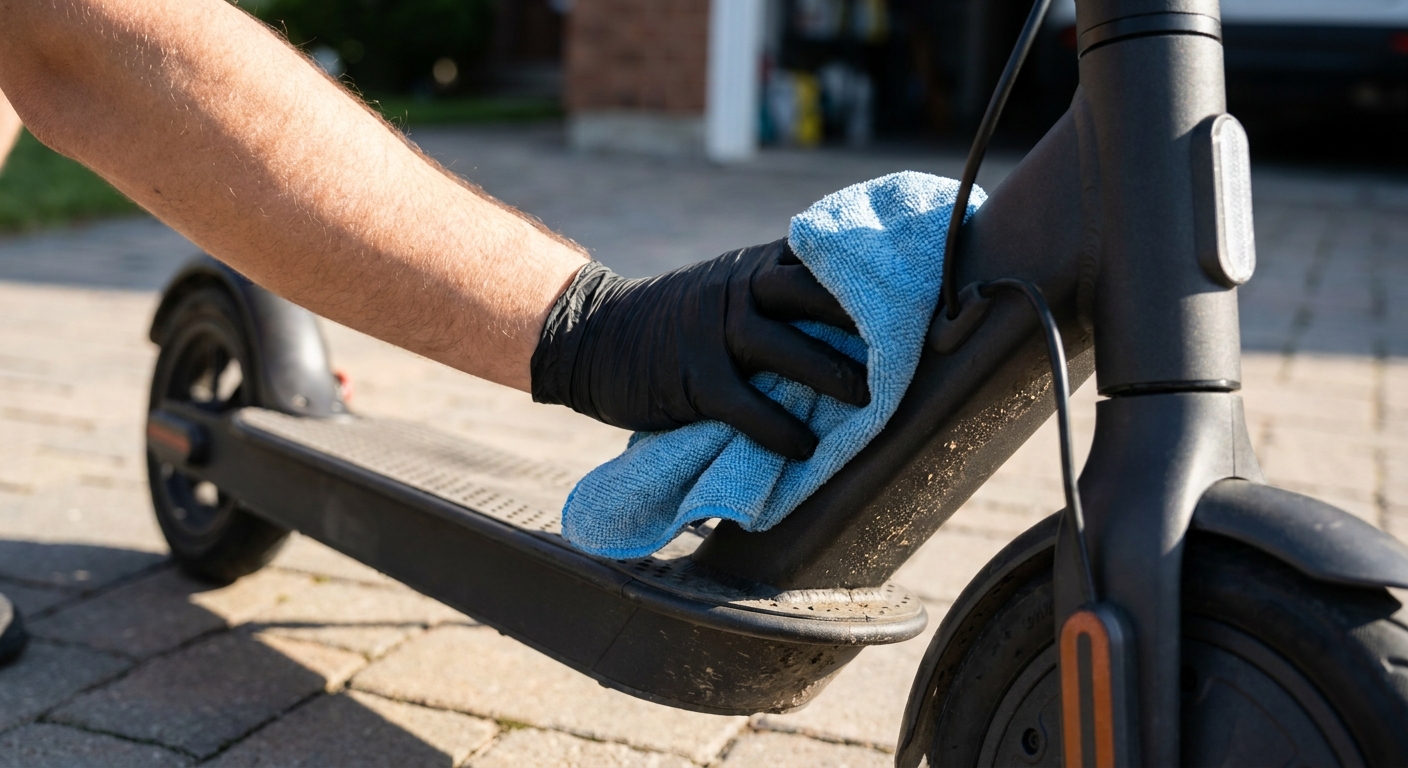
A clean deck and frame allow heat to escape efficiently while preventing dirt from wearing down moving parts. Keeping all surfaces completely free of road grime is an essential part of summer electric scooter maintenance. Thick layers of mud and dust trap heat, raising internal battery temperatures. Regular cleaning helps your vehicle run cooler and look brand new.
Dirt can also degrade your suspension seals over time. A quick wipe-down prevents costly damage to these moving parts.
Why is summer dust the silent killer of electrics?
Fine dust acts as an insulating blanket that traps heat inside the motor housing. Here is the deal: if this heat cannot escape, your motor has to work twice as hard. This extra effort drains your battery faster and causes components to wear out prematurely.
Abrasive dust can also scratch internal bearings if it gets past the seals. Keeping your ride clean protects these high-precision parts from friction.
- Insulates the motor housing.
- Clogs folding joints and hinges.
- Compromises electronic sensor connections.
How do you clean your deck without damaging sensors?
You must avoid high-pressure water hoses because they force moisture deep into sensitive electric hubs. But that is not all. Instead, use a damp microfiber cloth and a soft brush to carefully clear out debris.
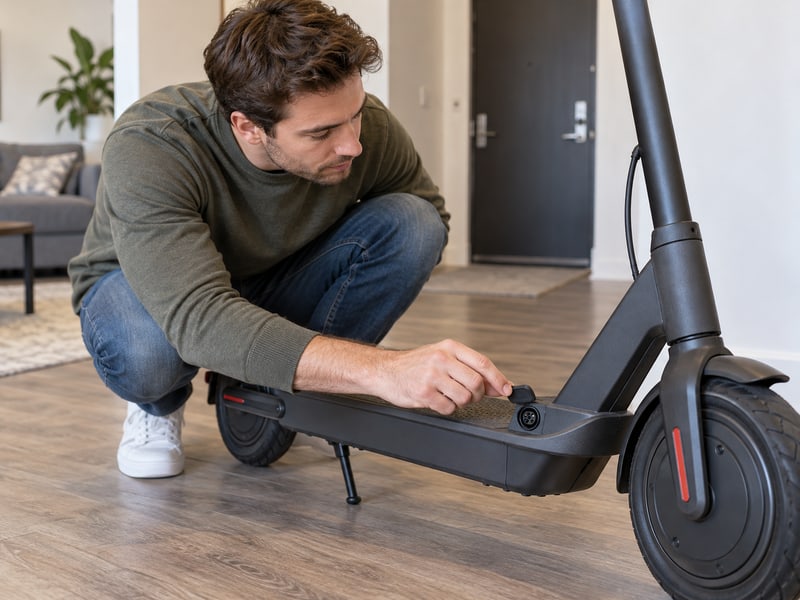
Always ensure the charging port is fully dry before plugging it in. This gentle approach protects electronic seals and keeps your ride looking brand new.
- Wipe down frame with damp microfiber.
- Clear brake caliper debris with soft brush.
- Dry all charging ports completely.
Key Takeaway: Keeping your scooter clean improves thermal dissipation, keeping the motor and battery significantly cooler.
| Component | Cleaning Method | Water Sensitivity | Cleaning Frequency |
|---|---|---|---|
| Battery Housing | Dry Wipe Only | Extreme | Weekly |
| Frame & Deck | Damp Microfiber cloth | Moderate | After every dusty ride |
Removing dust buildup regularly keeps operating temperatures well within safe limits.
Does charger choice impact electric scooter maintenance?
Using the correct charger prevents voltage spikes and limits excessive heat generation during active charging. Your choice of charging hardware directly determines the success of your electric scooter maintenance strategy. Cheap, uncertified chargers can send unstable currents to your battery. This instability can ruin your lithium cells and pose safety hazards.
Always prioritize high-quality power bricks designed for your specific model. Doing so guarantees consistent charging speeds and keeps you safe.
Why should you only use the Dynamic Smart Charger?
The official Dynamic Smart Charger uses advanced algorithms to safely regulate power output as battery temperatures rise. Best of all: this smart system automatically stops power flow if it detects thermal danger. It is carefully designed to match the specific voltage limits of your scooter’s battery.
This prevents accidental overcharging during hot summer afternoons. Relying on smart tech is the smartest way to preserve battery health.
- Automated thermal shut-off protection.
- Precise voltage matching capabilities.
- Heavy-duty, heat-resistant casing.
What are the dangers of third-party power bricks?
Generic third-party chargers often bypass critical safety features and push unsafe currents into your battery cells. Think about it: this constant electrical stress can cause cells to swell, burst, or trigger thermal runaway. Cheap hardware also risks voiding your warranty, leaving you unprotected against expensive electronic failures.
These uncertified bricks lack the thermal sensors found in official chargers. Saving a few dollars now is not worth risking your entire vehicle.
- Uncontrolled voltage fluctuations.
- Lack of temperature monitoring.
- High risk of permanent cell damage.
Key Takeaway: Relying only on certified smart chargers protects battery life and ensures safe charging in hot weather.
| Charger Type | Smart Temperature Sensor | Voltage Stabilization | Warranty Protection |
|---|---|---|---|
| Official Smart Charger | Yes | Fully Regulated | Active |
| Third-Party Brick | No | Unstable | Voided |
Choosing the right charger prevents critical battery stress and keeps you riding safely.
Why avoid DIY for electric scooter maintenance?
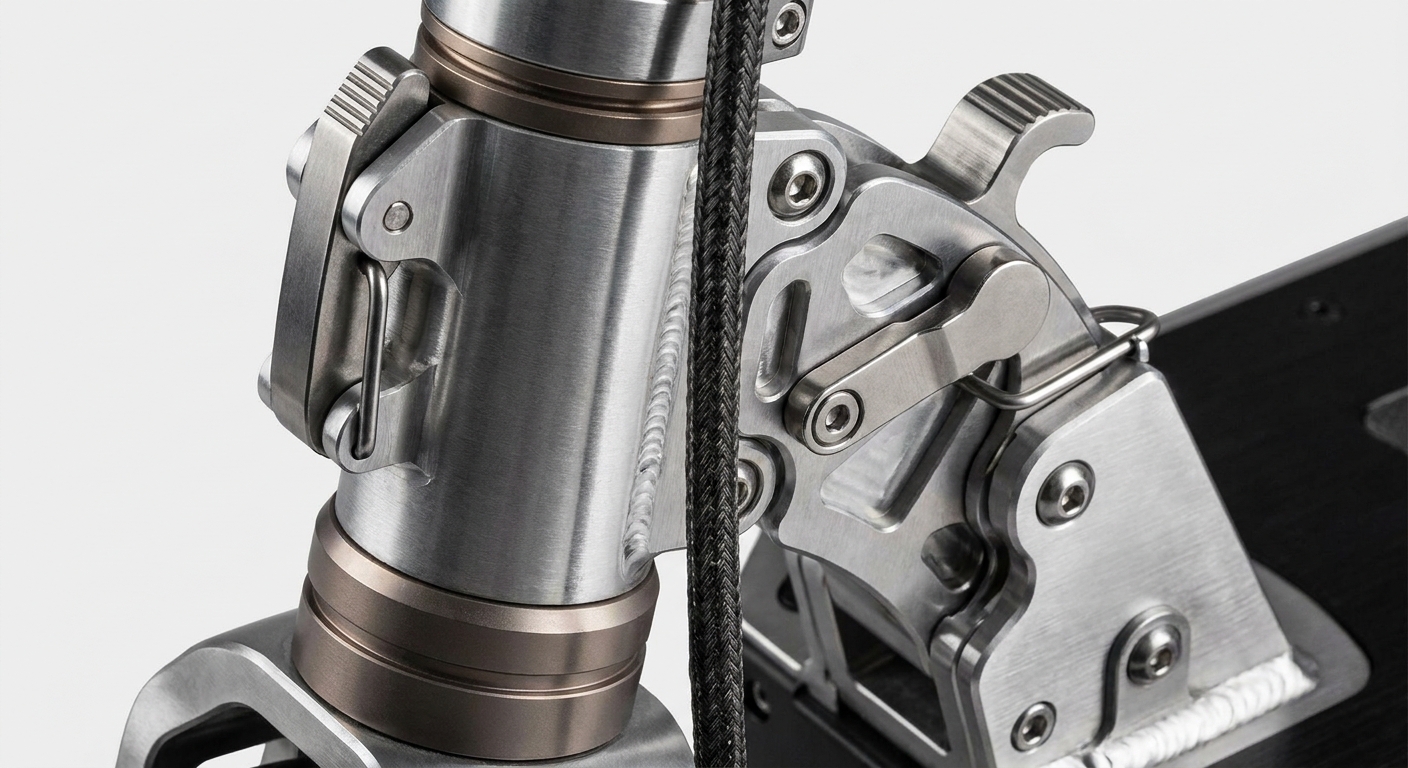
Amateur repairs risk damaging delicate electronic seals and compromising high-voltage battery safety mechanisms. You should always prioritize professional assistance over DIY attempts for critical electric scooter maintenance. Modern electric rides are highly complex, featuring sophisticated electrical networks. One wrong connection can short-circuit your entire system instantly.
Certified technicians have the specialized tools needed to handle these machines. Trusting the experts keeps your ride safe and reliable.
Are home garage modifications voiding your warranty?
Splicing wires or opening battery compartments often ruins water-resistant seals and safety shielding. Make no mistake: these home changes leave your scooter vulnerable to water damage and sudden short circuits. This will immediately void your manufacturer’s warranty, leaving you with massive repair bills.
It is much safer to leave complex electronics to technicians who have the proper training. Preserving your warranty ensures you have peace of mind long-term.
- Splicing high-voltage wiring.
- Flashing custom speed controller firmware.
- Damaging battery enclosure seals.
When should you step back and trust certified technicians?
If you notice any dashboard warning codes or battery swelling, stop riding immediately and seek professional help. The bottom line is: certified mechanics use advanced tools to find and fix hidden issues safely. They will ensure your scooter meets all manufacturer standards before you hit the road again.
Attempting to fix a swollen lithium battery at home is extremely dangerous. Professional service centers possess the safety equipment required for these jobs.
- Resolving persistent battery error codes.
- Replacing physically damaged motor casings.
- Re-sealing electronic enclosures for summer.
Key Takeaway: Relying on certified pros keeps your warranty active and ensures all safety systems work perfectly.
| Repair Approach | Electronic Seal Integrity | Diagnostic Tool Access | Warranty Impact |
|---|---|---|---|
| Professional Service | Factory Re-sealed | OEM Diagnostic Systems | Maintained |
| Amateur DIY Repair | Damaged / Compromised | Basic Hand Tools | Voided |
Trusting certified technicians ensures your vehicle remains reliable and safe to ride.
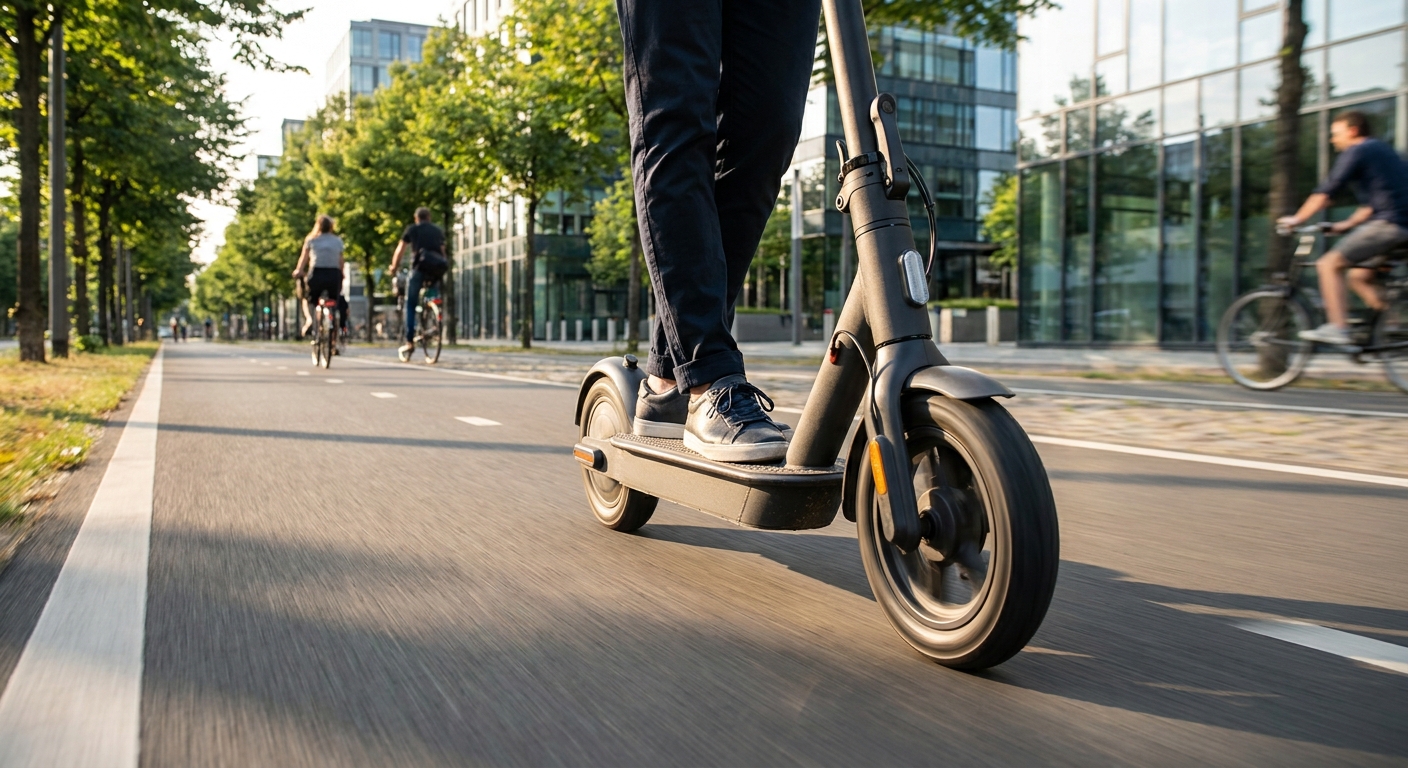
How do you spot errors in electric scooter maintenance?
Watching for physical frame changes and battery charging issues helps catch minor problems early. Spotting performance drops early is key to successful electric scooter maintenance before components fail. Small issues can quickly compound under high heat, leading to sudden failures. Conducting quick daily inspections prevents minor glitches from becoming road hazards.
You should always be alert to any changes in sound or ride feel. Trusting your senses is often your first line of defense.
What are the early warning signs of battery failure?
If your battery takes unusually long to charge or drains quickly during rides, it may be struggling with heat damage. Here is the deal: any signs of battery swelling, strange smells, or extreme heat from the deck require immediate attention. Never ignore these major warning signs, as they can lead to complete battery failure.
Hot battery decks are a clear indicator of high internal resistance. Pulling over and letting it cool is always the safest course of action.
- Drastic drop in range.
- Excessively hot deck surface.
- Sudden shutdowns under light loads.
How do you detect physical chassis anomalies and leaks?
Check your folding joints and suspension parts regularly for signs of worn seals or dried grease. But wait, there is more: hot weather can make hydraulic fluid expand, which may lead to small leaks around brake lines. Inspecting these areas daily ensures your brakes and frame stay safe and fully operational.
Even a tiny fluid leak can seriously reduce your braking power. Keeping everything dry and tightly sealed ensures a secure ride.
- Squeaking folding mechanisms.
- Traces of hydraulic oil on brake calipers.
- Small cracks forming on rubber tires.
Key Takeaway: Checking your scooter’s frame and brakes daily keeps small issues from turning into expensive repairs.
| Indicator | Root Cause | Safety Risk | Action Required |
|---|---|---|---|
| Fast Battery Drain | Heat-damaged cells | Sudden loss of power | Professional diagnostic check |
| Soft Brake Lever | Leaking hydraulic fluid | Reduced braking power | Bleed and top off system |
Taking quick action when you spot these warning signs ensures your scooter stays safe and reliable.
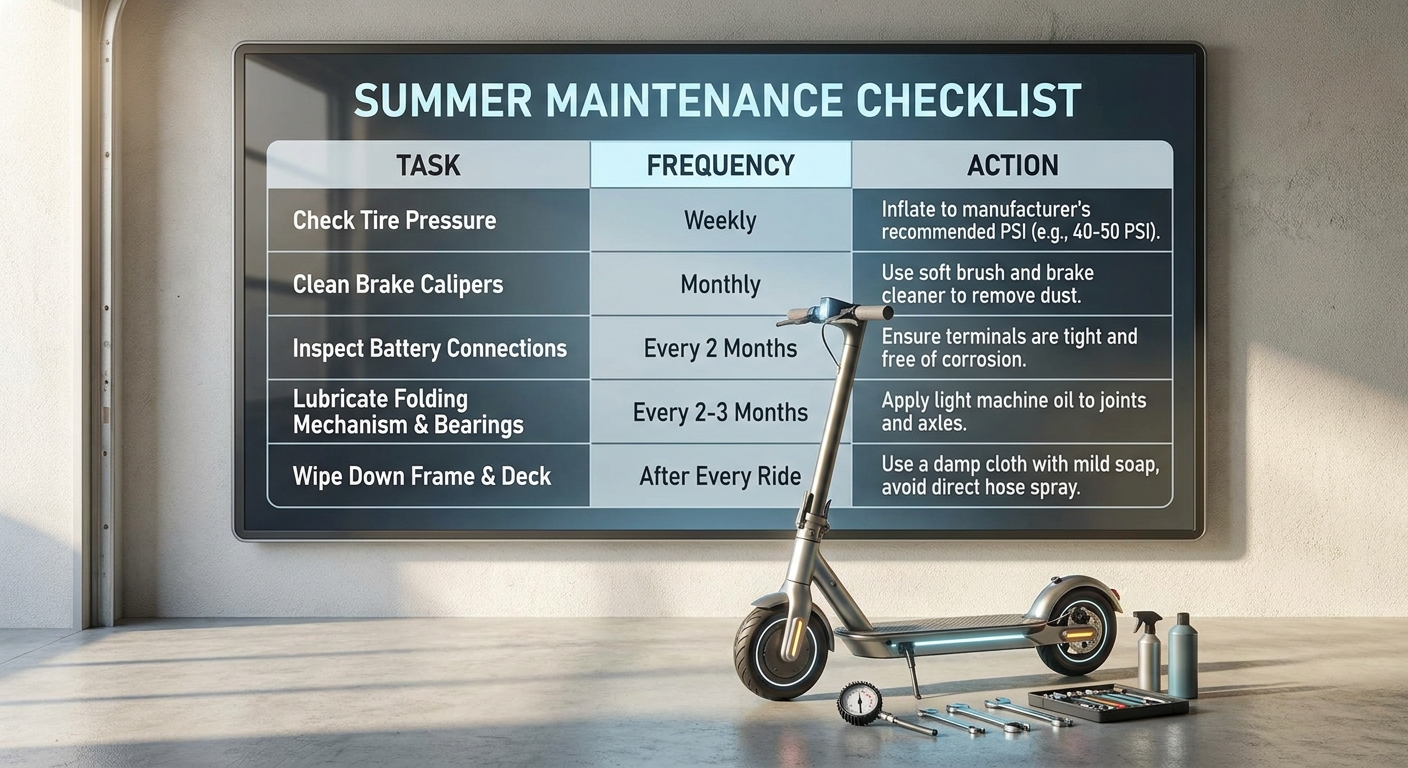
Keeping Your Ride Safe All Season Long
Summer riding can be highly demanding on lightweight electronic vehicles, but following a consistent care plan keeps your machine running perfectly. We have solved the thermal challenges of hot asphalt and summer heat by breaking down simple, actionable steps for battery cool-downs, cold tyre pressure monitoring, and proper charging habits.
If you ever notice dashboard warnings, structural anomalies, or need a pre-summer tune-up, please contact us today to book an inspection with our certified diagnostic teams. At Dynamic Scooter, we are committed to building highly durable, efficient, and forward-thinking electric mobility solutions designed to conquer any weather. Stay safe, stay cool, and let us handle the details so you can focus on the open road.

Frequently Asked Questions
Can I wash my electric scooter with a water hose in the summer?
No, you should never use a high-pressure hose to clean your scooter. Running water can force past delicate rubber seals and short-circuit sensitive electronic components underneath the deck.
What’s the best time of day to charge my battery during a heatwave?
Yes, charging is best done during the cool morning hours or overnight in a well-ventilated indoor space. This prevents the battery from getting too hot by avoiding the high temperatures of afternoon heat.
How do I know if my battery is getting too hot while riding?
Yes, you can check for safety warning indicators on your smart dashboard or feel if the deck is getting unusually hot under your feet. If your scooter suddenly slows down, pull over in the shade immediately to let it cool down.
Can I leave my electric scooter in the trunk of my car?
No, you must never store your scooter in a closed car trunk during hot weather. Temperatures inside parked vehicles can quickly soar past 60°C, causing permanent damage to the battery cells.
How do I know if my tyre pressure is too high?
Yes, you will notice a significantly rougher ride feel and see pressure readings spike on your dashboard TPMS. Always check tyre pressure when the tyres are cold before starting your ride to get an accurate, safe measurement.