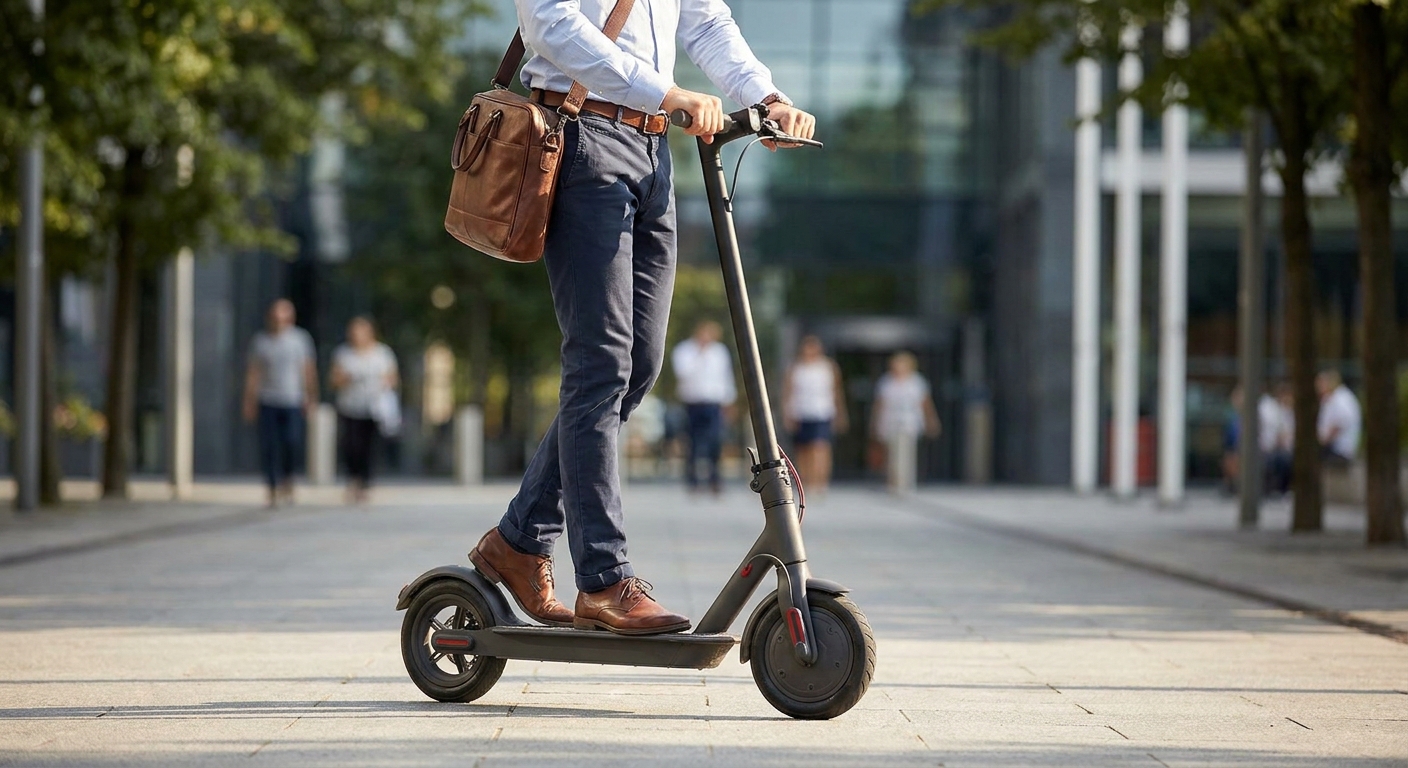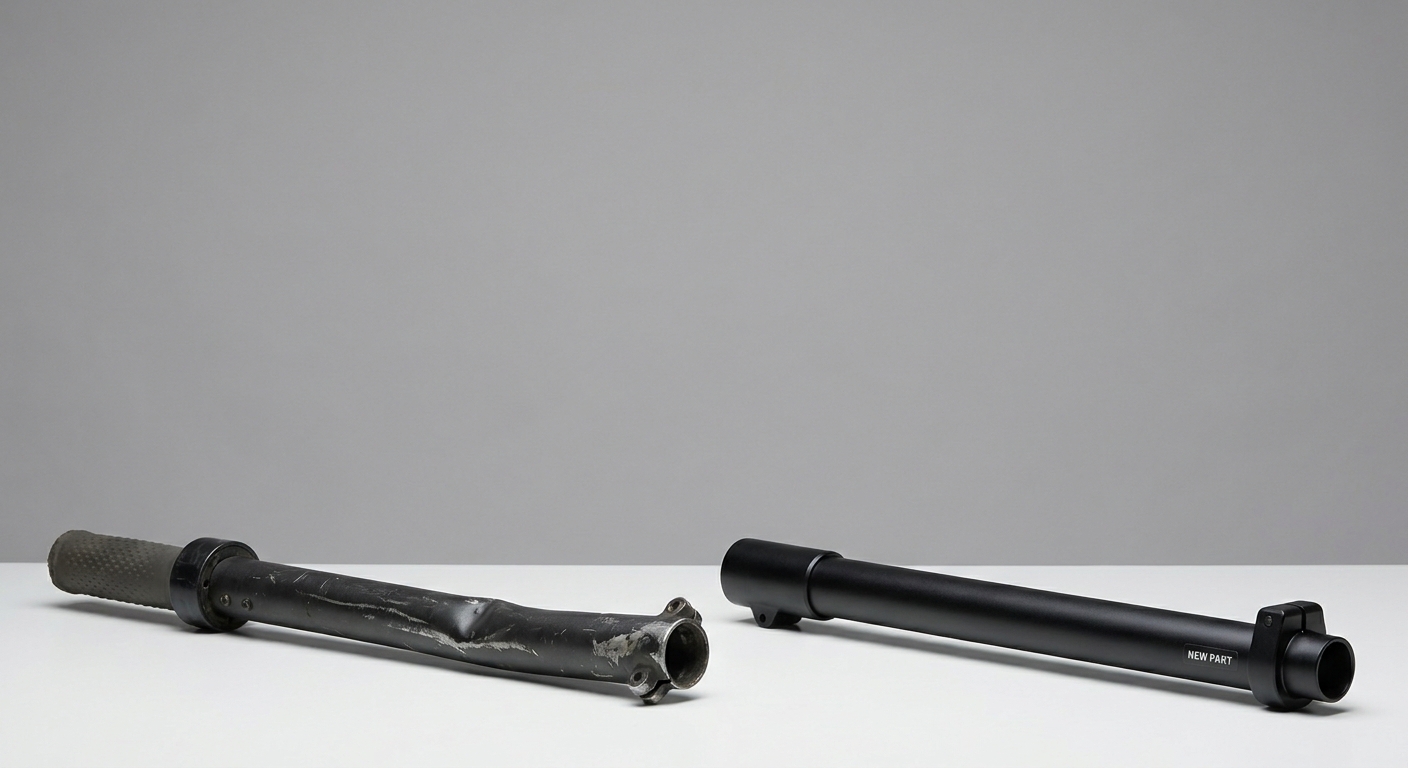

Buying an electric scooter feels exciting until you realize the legal maze ahead. Riding without proper registration can lead to hefty fines, impoundment, and legal trouble. Understanding registration requirements protects you from costly mistakes and keeps you riding legally.
Electric scooter registration requirements vary significantly by state and local jurisdiction. Some states require full registration like motorcycles, others have simplified processes, and many exempt low-power scooters entirely. Registration typically involves documentation, fees, insurance, and safety inspections depending on your location.
But here’s the thing – knowing your local laws saves money and headaches.
1. What Are the Basic Registration Requirements for Electric Scooters?
Electric scooter registration depends on multiple factors including power output, speed capability, and local laws. Federal regulations set baseline standards, but states and cities create their own rules.
Most states classify electric scooters based on motor power and top speed. Scooters under 750 watts and 20 mph often face fewer restrictions. Higher-powered models may require motorcycle-style registration.
Here’s why it matters – classification determines your legal obligations and riding privileges.
Age requirements vary widely across jurisdictions. Some states allow riders as young as 14 with parental consent. Others require drivers to be 16 or older with valid identification.
License requirements depend on scooter classification and local laws. Low-power scooters may only need a regular driver’s license. High-performance models might require motorcycle endorsements.
| Registration Factor | Low-Power Scooters | High-Power Scooters |
| Motor Power | Under 750W | Over 750W |
| Speed Limit | Under 20 mph | Over 20 mph |
| License Required | Driver’s license | Motorcycle license |
Insurance requirements protect riders and other road users. Some states mandate liability coverage for all electric scooters. Others only require insurance for registered vehicles.
Registration fees fund road maintenance and safety programs. Costs range from $15 to $200 depending on your state and scooter type. Annual renewals typically cost less than initial registration.
2. How Do Electric Scooter Laws Vary by State?
State laws create a complex patchwork of electric scooter regulations. Understanding your state’s specific requirements prevents legal problems and ensures safe riding.
California requires registration for scooters exceeding 20 mph or 1000 watts. Riders need valid driver’s licenses and must carry insurance. Helmets are mandatory for riders under 18.
Texas exempts most electric scooters from registration requirements. Scooters under 750 watts and 20 mph can operate without plates or insurance. Local cities may impose additional restrictions.
The best part? Many states are simplifying their electric scooter laws to encourage adoption.
Florida requires registration for scooters over 30 mph. Lower-speed models operate under bicycle rules with minimal restrictions. Insurance requirements apply only to registered vehicles.
New York prohibits electric scooters on public roads in most areas. Some cities allow limited use on bike paths and designated areas. Registration requirements remain unclear due to ongoing legal changes.
| State | Registration Required | Speed Limit | Insurance Required |
| California | Over 20 mph | 25 mph | Yes |
| Texas | No | 20 mph | No |
| Florida | Over 30 mph | 30 mph | For registered only |
Speed limitations protect riders and pedestrians while maintaining traffic flow. Most states cap electric scooter speeds between 15-25 mph on public roads. Bike paths often have lower limits.
Helmet requirements aim to reduce head injuries in accidents. Some states mandate helmets for all riders. Others only require protection for minors or high-speed scooters.
3. What Documents Do You Need for Electric Scooter Registration?
Proper documentation streamlines the registration process and prevents delays. Gathering required papers before visiting the DMV saves time and multiple trips.
Proof of purchase establishes ownership and scooter specifications. Keep your sales receipt, invoice, or bill of sale in a safe place. Online purchases require printed confirmation emails.
Manufacturer specifications verify motor power, speed capability, and safety features. This information appears on the scooter frame or in the owner’s manual. DMV staff use these details for proper classification.
Now, you might be wondering – what if you bought a used scooter without documentation?
Used scooter purchases require title transfers from previous owners. If no title exists, you may need a bill of sale and affidavit of ownership. Some states require VIN verification for used vehicles.
Identification proves your identity and residency for registration purposes. Bring a valid driver’s license or state ID card. Some states accept passports or military identification.
| Required Document | Purpose | Where to Obtain |
| Proof of Purchase | Ownership verification | Retailer or seller |
| ID/License | Identity confirmation | DMV or passport office |
| Insurance Card | Coverage verification | Insurance company |
Residency documentation confirms your legal address for tax and registration purposes. Utility bills, bank statements, or lease agreements work as proof. Documents must be recent and show your current address.
Insurance documentation proves financial responsibility and liability coverage. Contact insurance companies for electric scooter policies. Some auto insurers offer scooter coverage as add-ons.
4. How Much Does Electric Scooter Registration Cost?
Registration costs vary significantly based on location, scooter type, and additional requirements. Understanding fee structures helps budget for legal compliance.
Initial registration fees cover administrative costs and license plate issuance. States charge between $15-200 for first-time registration. High-performance scooters typically cost more than basic models.
Annual renewal fees maintain your registration status and road privileges. Most states charge $10-50 for yearly renewals. Some offer multi-year discounts for advance payments.
This is important because – budgeting for ongoing costs prevents registration lapses and legal problems.
Insurance premiums protect against liability and property damage claims. Annual costs range from $100-500 depending on coverage levels and riding history. Young riders often pay higher premiums.
Safety equipment costs ensure compliance with state requirements. Helmets cost $30-150 depending on quality and features. Lights, reflectors, and mirrors add $20-100 to your total investment.
| Cost Category | Low-End | High-End | Annual |
| Registration | $15 | $200 | $10-50 |
| Insurance | $100 | $500 | Yes |
| Safety Gear | $50 | $250 | As needed |
Penalty fees punish late registration and non-compliance. Late fees range from $25-100 depending on how long you delay. Some states double registration costs for overdue applications.
Inspection costs verify safety and emissions compliance where required. Professional inspections cost $20-75 at certified facilities. Some states allow self-certification for basic scooters.
5. What Are the Consequences of Not Registering Your Electric Scooter?
Riding an unregistered electric scooter carries serious legal and financial risks. Understanding potential consequences motivates proper compliance with local laws.
Traffic fines punish unregistered vehicle operation on public roads. Citations range from $50-500 for first offenses. Repeat violations carry higher penalties and potential criminal charges.
Vehicle impoundment removes your scooter from service until legal issues resolve. Impound fees cost $100-300 plus daily storage charges. Recovery requires proof of registration and payment of all fines.
Here’s the deal – prevention costs far less than dealing with legal consequences.
Insurance claim denials leave you financially responsible for accidents and damages. Unregistered vehicles may void coverage even with valid policies. Medical bills and property damage can cost thousands.
Criminal liability applies in serious accidents involving unregistered vehicles. Charges may include reckless driving, vehicular assault, or manslaughter. Criminal records affect employment and housing opportunities.
| Consequence | First Offense | Repeat Offense | Long-term Impact |
| Fines | $50-500 | $200-1000 | Credit damage |
| Impoundment | $100-300 | $300-800 | Transportation loss |
| Criminal Charges | Misdemeanor | Felony | Permanent record |
Court costs add to your financial burden beyond basic fines. Legal fees range from $500-2000 for traffic violations. Complex cases requiring attorneys cost significantly more.
License suspension affects your ability to operate any motor vehicle. Some states suspend driving privileges for serious scooter violations. Reinstatement requires fees and may need defensive driving courses.

6. How Do You Register Your Electric Scooter Step by Step?
The registration process follows standard DMV procedures with some scooter-specific requirements. Following proper steps ensures smooth processing and legal compliance.
Document gathering comes before visiting the DMV or starting online applications. Collect proof of purchase, identification, insurance, and any required inspections. Missing documents cause delays and multiple trips.
DMV visits or online portals handle registration applications and fee payments. Many states offer online registration for qualifying scooters. Complex cases may require in-person visits.
Want to know the secret? Online registration often processes faster and avoids DMV lines.
Application completion requires accurate information about you and your scooter. Provide correct specifications, addresses, and contact information. Errors delay processing and may require resubmission.
Fee payment finalizes your registration and triggers license plate production. Accept cash, checks, or credit cards depending on your DMV’s policies. Keep payment receipts for your records.
| Registration Step | Time Required | Cost Range | Online Available |
| Document Prep | 30 minutes | $0 | N/A |
| Application | 15-45 minutes | $15-200 | Often |
| Processing | 1-3 weeks | Included | Yes |
License plate installation makes your registration visible to law enforcement. Mount plates securely according to state requirements. Some states issue stickers instead of traditional plates.
Registration renewal maintains your legal status and riding privileges. Set calendar reminders for renewal dates to avoid lapses. Many states send renewal notices by mail or email.
7. What Safety Equipment Is Required for Registered Electric Scooters?
Safety equipment requirements protect riders and other road users while ensuring legal compliance. Understanding mandatory equipment prevents citations and improves riding safety.
Lighting systems make scooters visible during low-light conditions. Front white lights and rear red lights are standard requirements. Some states specify minimum brightness levels and beam patterns.
Braking systems must meet minimum performance standards for registered scooters. Both front and rear brakes are typically required. Electronic regenerative braking may supplement but not replace mechanical brakes.
Let me explain – proper safety equipment can prevent accidents and save lives.
Horn and signaling devices alert other road users to your presence and intentions. Electric horns or bells meet most state requirements. Turn signals may be required for high-speed scooters.
Reflector placement improves visibility from multiple angles. Front, rear, and side reflectors are commonly required. Reflective tape or clothing may supplement but not replace required reflectors.
| Safety Equipment | Purpose | Legal Requirement | Cost Range |
| Lights | Visibility | Required | $20-100 |
| Brakes | Stopping power | Required | Built-in |
| Horn | Alert others | Required | $10-30 |
Mirror requirements help riders monitor traffic and surroundings. Left-side mirrors are standard for registered scooters. Some states require both left and right mirrors for highway use.
Protective gear mandates vary by age and scooter type. Helmets are commonly required for minors or high-speed scooters. Eye protection may be mandatory for open-face helmets.
Conclusion
Electric scooter registration requirements depend on your location, scooter specifications, and intended use. Most states exempt low-power scooters but require registration for high-performance models. Proper registration protects you from fines, impoundment, and legal liability while ensuring insurance coverage. The bottom line? Understanding and following local laws keeps you riding safely and legally.
Registration costs typically range from $15-200 initially with annual renewals of $10-50. For reliable, compliant electric transportation, Dynamic Scooter offers models designed to meet registration requirements with built-in safety features and comprehensive documentation. Contact our team today to find the perfect registered scooter for your needs and enjoy worry-free riding with full legal compliance and manufacturer support.

FAQ
Q1: Can I ride an unregistered electric scooter on private property? Yes, you can typically ride an unregistered electric scooter on private property with the owner’s permission. Public roads, sidewalks, and bike paths usually require registration and compliance with local laws.
Q2: Do electric scooters under 50cc need registration? Registration requirements for electric scooters under 50cc vary by state. Some states exempt low-power scooters, while others require registration regardless of motor size. Check your local DMV for specific requirements.
Q3: How long does electric scooter registration take? Electric scooter registration typically takes 1-3 weeks for processing. Online applications may be faster, while mail-in applications take longer. Some states offer same-day registration at DMV offices.
Q4: Can I transfer electric scooter registration to another state? Yes, but you must re-register your electric scooter when moving to a new state. Each state has different requirements, so you’ll need to meet the new state’s registration and safety standards.
Q5: What happens if I get caught riding without registration? Penalties for riding without registration include fines ranging from $50-500, possible impoundment of your scooter, and potential criminal charges in some states. Repeat offenses carry higher penalties.