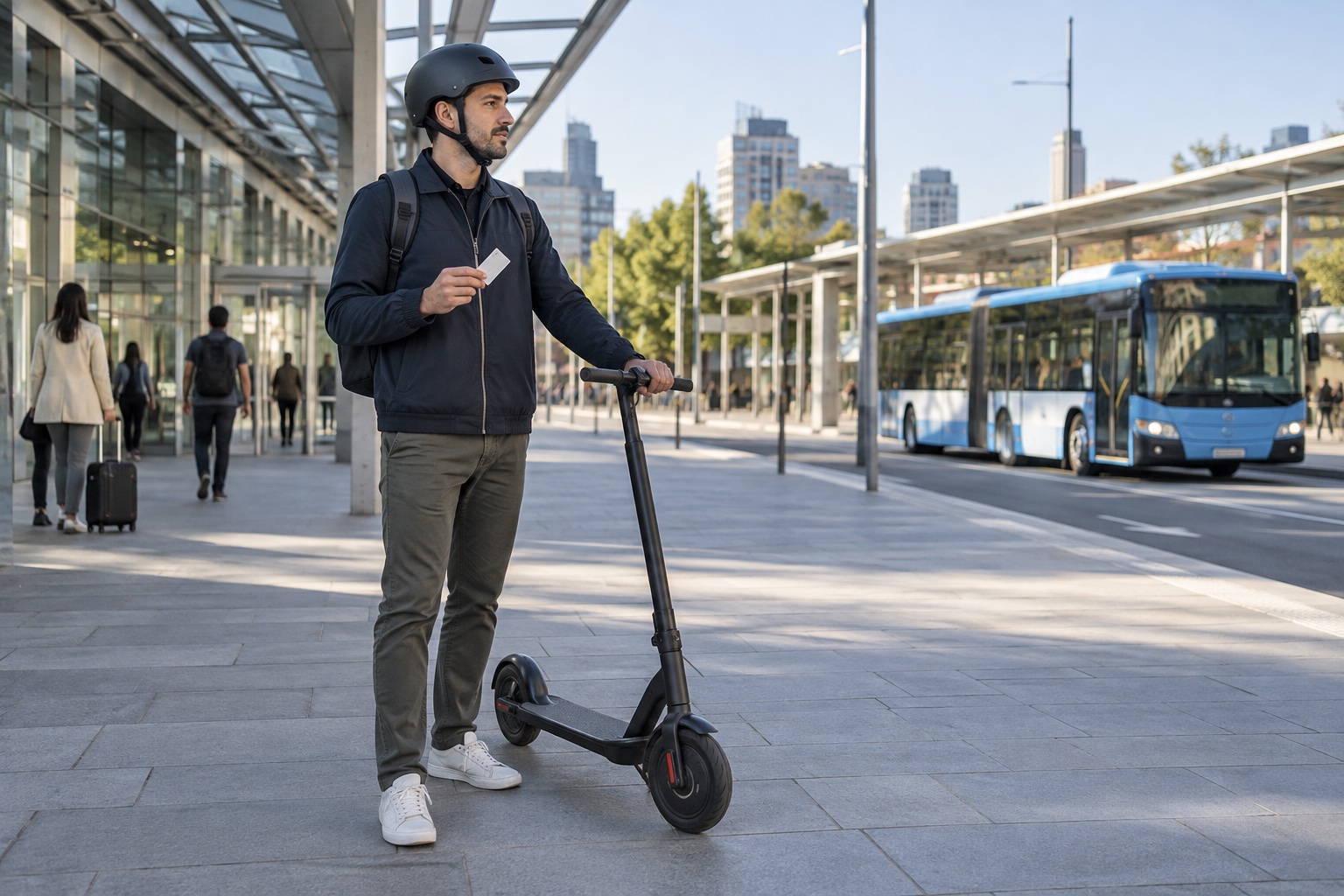

Electric scooter prices confuse buyers with wide ranges and hidden expenses. Sticker shock hits when you discover insurance, maintenance, and replacement costs. Understanding total ownership costs helps you budget correctly and choose the right scooter for your needs and wallet.
Electric scooter prices range from $150 for basic models to over $3,000 for premium options, with most quality scooters costing $300-800. Total ownership costs include purchase price, insurance, maintenance, charging, and eventual battery replacement. Budget models suit casual use, mid-range scooters handle daily commuting, and premium models offer advanced features and durability for heavy use.
But here’s the thing – the cheapest option often costs more long-term.
1. What Are the Different Price Ranges for Electric Scooters?
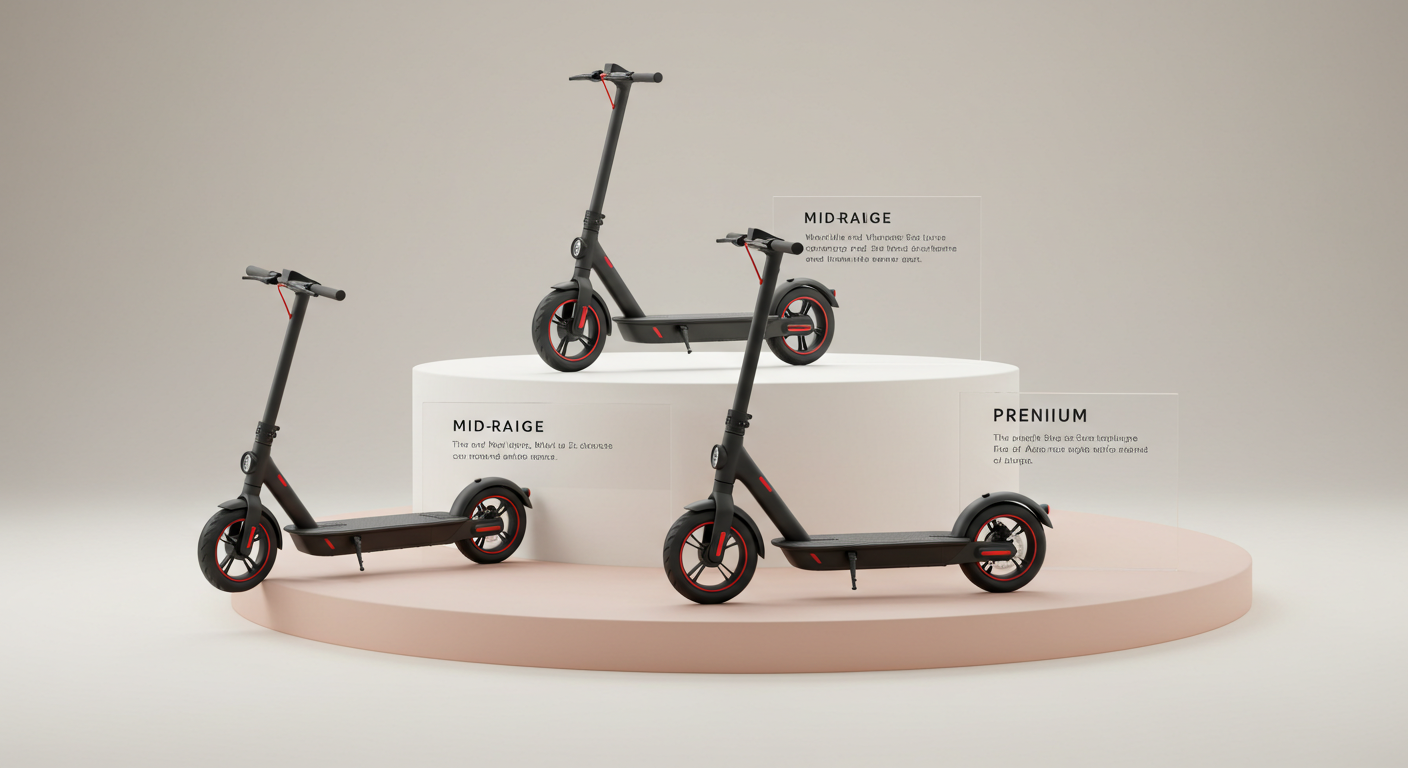
Electric scooter pricing spans a wide spectrum based on quality, features, and intended use. Understanding price categories helps narrow your search and set realistic expectations.
Budget models under $300 target casual riders and price-conscious buyers. These scooters offer basic transportation with limited range and features. Build quality varies significantly in this price range.
Entry-level scooters typically provide 8-15 mile range and 15 mph top speeds. Motors range from 250-500 watts with basic battery systems. Expect plastic components and minimal warranty coverage.
Here’s why it matters – budget scooters work for occasional use but struggle with daily commuting demands.
Mid-range options between $300-800 offer the best value for most buyers. These scooters balance price with performance and reliability. Better components and longer warranties justify the higher cost.
Quality improvements include aluminum frames, larger batteries, and more powerful motors. Range increases to 15-25 miles with speeds up to 25 mph. Better brakes and suspension improve safety and comfort.
| Price Range | Typical Features | Best For | Expected Lifespan |
| Under $300 | Basic components | Casual use | 1-2 years |
| $300-800 | Balanced features | Daily commuting | 2-4 years |
| Over $800 | Premium quality | Heavy use | 3-5+ years |
Premium scooters over $800 target enthusiasts and heavy users. These models offer advanced features, superior build quality, and extensive warranties. Performance and durability justify the premium pricing.
High-end features include dual motors, long-range batteries, and advanced suspension systems. Some models offer smartphone connectivity and GPS tracking. Commercial-grade components handle demanding use.
2. How Do Electric Scooter Features Affect the Price?
Specific features drive electric scooter pricing more than brand names or marketing. Understanding feature-to-price relationships helps identify good value and avoid overpaying for unnecessary options.
Motor power directly correlates with price and performance. Single 250W motors cost less but limit speed and hill climbing. Dual 1000W+ motors provide excellent performance but increase cost significantly.
Higher wattage motors require stronger frames and better cooling systems. These improvements add weight and complexity. Performance gains justify costs for demanding users but may be overkill for casual riders.
The best part? Matching motor power to your needs prevents overspending on unused performance.
Battery capacity affects both price and practical usability. Larger batteries cost more but provide longer range and better longevity. Battery technology also impacts pricing with lithium-ion commanding premium prices.
Range anxiety drives many buyers toward larger batteries than needed. Realistic usage assessment helps right-size battery capacity. Oversized batteries add weight and cost without practical benefits for short trips.
| Feature Category | Budget Option | Premium Option | Price Impact |
| Motor Power | 250-500W | 1000W+ dual | +$200-500 |
| Battery Capacity | 5-10Ah | 15-20Ah+ | +$150-400 |
| Build Materials | Steel/Plastic | Aluminum/Carbon | +$100-300 |
Advanced features like smartphone apps, GPS tracking, and theft protection add convenience but increase complexity and cost. These features appeal to tech-savvy users but may be unnecessary for basic transportation needs.
Safety equipment including lights, reflectors, and advanced braking systems affect pricing. Premium models include integrated lighting and hydraulic brakes. Budget models may require aftermarket safety additions.
3. What Are the Hidden Costs of Electric Scooter Ownership?
Electric scooter ownership involves ongoing expenses beyond the initial purchase price. These hidden costs can significantly impact total ownership expenses over time.
Insurance requirements vary by location and scooter specifications. Some areas require liability coverage for electric scooters. Insurance costs range from $50-200 annually depending on coverage levels and local requirements.
Registration and licensing fees apply in some jurisdictions. These costs typically range from $15-100 initially with annual renewal fees. Check local regulations before purchasing to avoid surprises.
Now, you might be wondering – what other costs should you budget for electric scooter ownership?
Maintenance expenses include regular upkeep and eventual component replacement. Tires wear out every 1,000-3,000 miles costing $20-80 to replace. Brake pads and cables need periodic replacement.
Battery replacement represents the largest long-term cost. Batteries typically last 2-4 years before capacity drops significantly. Replacement costs range from $100-500 depending on scooter model and battery type.
| Hidden Cost Category | Annual Estimate | Frequency | Total Impact |
| Insurance | $50-200 | Annual | High |
| Maintenance | $100-300 | Ongoing | Medium |
| Battery Replacement | $100-500 | 2-4 years | High |
Charging costs remain minimal for most users. Electricity for charging typically costs $20-60 annually. However, frequent fast charging may increase electricity bills and reduce battery lifespan.
Storage and security considerations add costs for many users. Secure storage may require locks, covers, or dedicated storage solutions. Theft protection through GPS tracking or insurance adds ongoing expenses.
4. How Much Should You Budget for Different Use Cases?
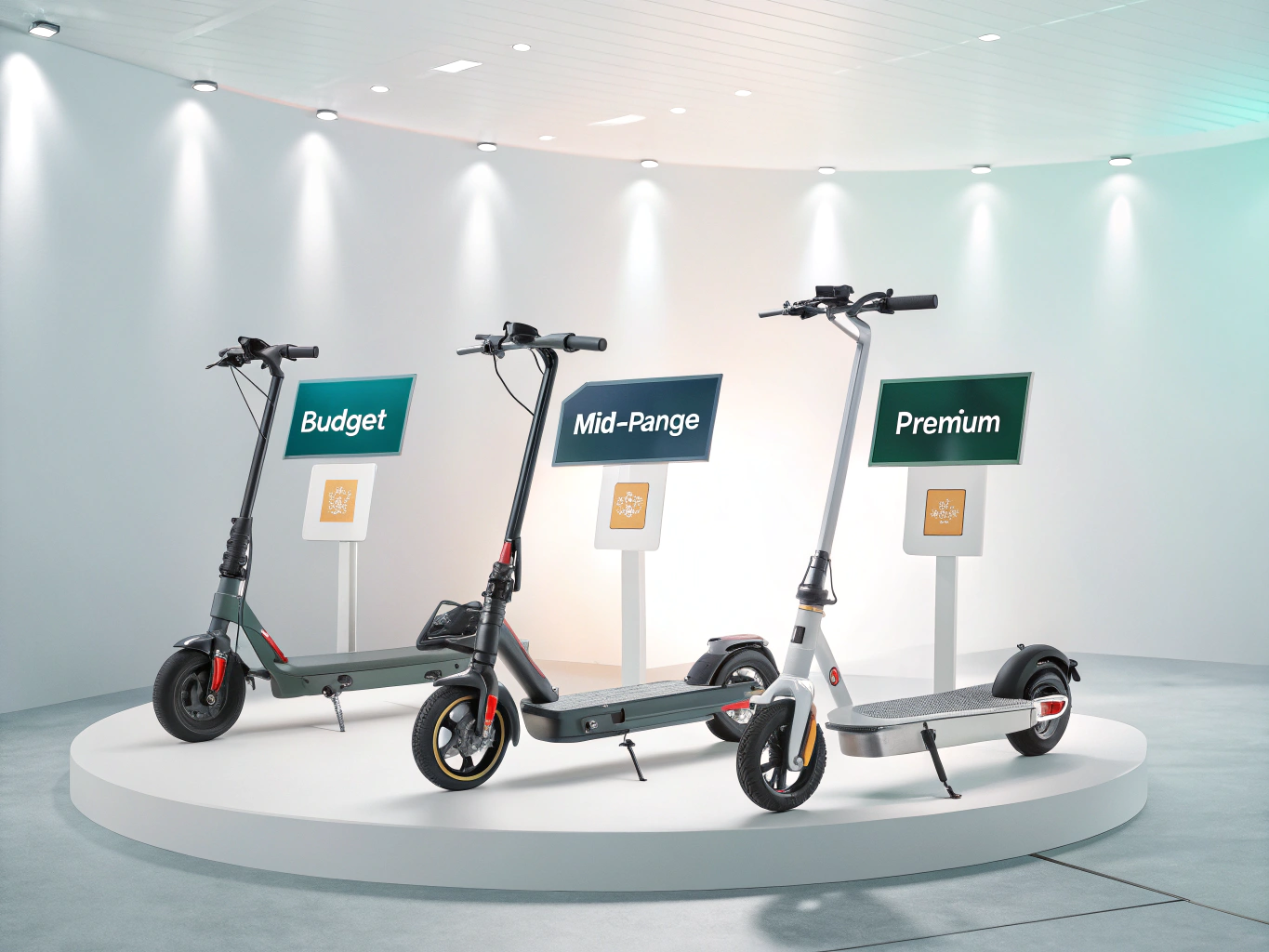
Electric scooter budgets should align with intended use patterns and performance requirements. Different use cases justify different spending levels and feature priorities.
Casual recreational riding requires minimal investment in basic transportation. Weekend rides and occasional errands don’t demand high performance or extensive range. Budget $200-400 for adequate recreational scooters.
Basic models provide sufficient performance for park rides and short neighborhood trips. Simple controls and lightweight design suit occasional users. Minimal maintenance requirements keep ongoing costs low.
This is important because – matching budget to usage prevents overspending on unused capabilities.
Daily commuting demands higher investment in reliability and performance. Regular use requires durable components and consistent performance. Budget $400-800 for dependable commuting scooters.
Commuter priorities include weather resistance, adequate range, and comfortable riding position. Better brakes and lighting improve safety during rush hour traffic. Warranty coverage becomes more valuable with regular use.
| Use Case | Recommended Budget | Key Features | Expected Usage |
| Recreation | $200-400 | Basic transport | 1-5 miles/week |
| Commuting | $400-800 | Reliability | 10-30 miles/week |
| Heavy Use | $800+ | Durability | 30+ miles/week |
Student campus transportation balances budget constraints with daily use needs. Campus riding involves moderate distances with frequent stops. Budget $300-500 for student-appropriate scooters.
Business and delivery applications require commercial-grade durability and performance. Heavy use and cargo carrying demand robust construction. Budget $800-1500 for commercial applications.
5. What Financing Options Are Available for Electric Scooters?
Financing options make electric scooters accessible to buyers who cannot pay full price upfront. Various programs cater to different credit situations and budget constraints.
Manufacturer financing programs offer competitive rates and terms. Many major brands partner with financing companies to provide installment plans. Terms typically range from 6-36 months with varying interest rates.
Zero-percent financing promotions appear during sales events and new model launches. These deals require good credit but eliminate interest costs. Monthly payments make premium scooters affordable for more buyers.
Here’s the deal – financing can make sense for quality scooters that provide reliable transportation value.
Credit card purchases offer flexibility and reward points but typically carry higher interest rates. Some cards offer promotional financing for large purchases. Pay off balances quickly to avoid high interest charges.
Personal loans from banks or credit unions may offer better rates than credit cards. Fixed terms and payments help budget monthly expenses. Shop rates from multiple lenders for best terms.
| Financing Option | Typical Terms | Interest Rate | Best For |
| Manufacturer | 6-36 months | 0-15% APR | New scooters |
| Credit Card | Revolving | 15-25% APR | Flexibility |
| Personal Loan | 12-60 months | 5-15% APR | Lower rates |
Student discounts and special offers reduce upfront costs for eligible buyers. Many manufacturers offer education discounts ranging from 5-15% off retail prices. Military and first responder discounts also apply.
Trade-in programs allow upgrading from older scooters or other transportation. Some dealers accept bicycles, older scooters, or other vehicles as trade credit. Values vary but can reduce new scooter costs.
6. How Do Electric Scooter Prices Compare to Other Transportation?
Electric scooter costs become clearer when compared to alternative transportation options. Total cost of ownership analysis reveals the true value proposition for different scenarios.
Bicycle comparison shows electric scooters cost more initially but offer speed and convenience advantages. Quality bicycles range from $300-1500 while e-bikes cost $800-3000. Electric scooters fall between traditional and electric bicycles.
Maintenance costs favor bicycles for mechanical simplicity. However, electric scooters require less physical effort and handle longer distances more comfortably. Weather protection and storage needs affect both options similarly.
Let me explain – electric scooters offer unique advantages that justify their cost for many users.
Public transportation costs accumulate quickly for regular users. Monthly transit passes range from $50-150 in most cities. Annual costs reach $600-1800 without considering fare increases or service limitations.
Electric scooters provide door-to-door convenience that public transit cannot match. No waiting for schedules or dealing with crowded conditions. However, weather limitations and range restrictions affect usability.
| Transportation Option | Initial Cost | Annual Operating | 3-Year Total |
| Electric Scooter | $300-800 | $100-200 | $600-1400 |
| Public Transit | $0 | $600-1800 | $1800-5400 |
| Car Ownership | $15000+ | $3000-5000 | $24000+ |
Car ownership costs dwarf electric scooter expenses but provide weather protection and cargo capacity. Vehicle purchase, insurance, fuel, and maintenance create substantial ongoing expenses. Parking costs add hundreds or thousands annually in urban areas.
Ride-sharing services offer convenience without ownership responsibilities. However, frequent use costs accumulate rapidly. Daily ride-sharing easily exceeds electric scooter ownership costs within months.
7. What Should You Look for When Buying a Used Electric Scooter?
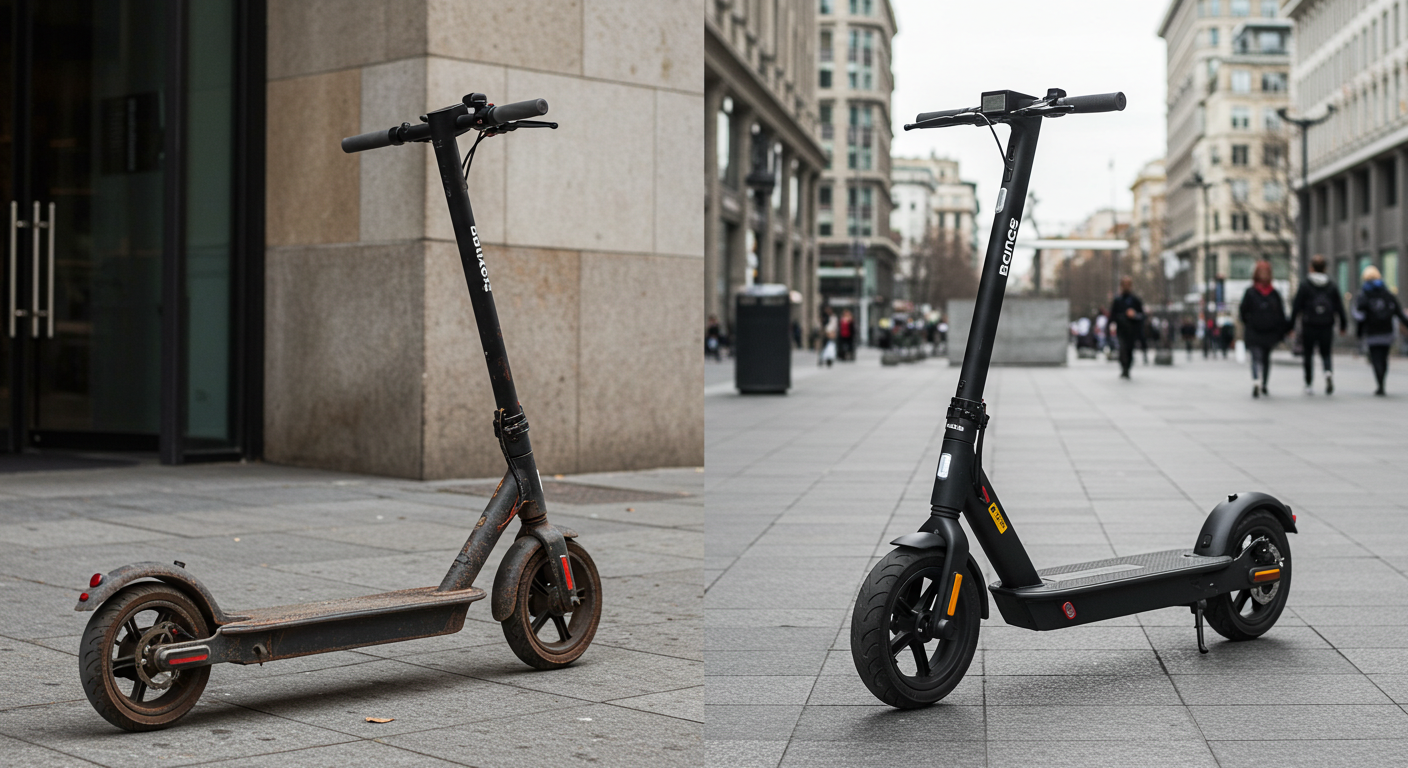
Used electric scooter purchases can provide significant savings but require careful evaluation to avoid costly mistakes. Battery condition and overall wear patterns indicate remaining useful life.
Depreciation rates vary by brand and model quality. Premium scooters retain value better than budget models. Expect 20-40% depreciation in the first year with slower decline afterward.
Popular models with good reputations hold value better than obscure brands. Parts availability and service support affect long-term ownership costs. Research model history before purchasing used scooters.
Want to know the secret? Thorough inspection prevents expensive surprises after purchase.
Battery condition determines remaining useful life and potential replacement costs. Test range performance and charging behavior. Batteries showing significant capacity loss may need immediate replacement.
Physical inspection reveals wear patterns and potential problems. Check for cracks in the frame or deck. Inspect wheels, brakes, and steering components for excessive wear. Test all electrical functions including lights and displays.
| Inspection Point | What to Check | Red Flags | Negotiation Impact |
| Battery | Range/charging | <50% capacity | -$100-300 |
| Frame | Cracks/damage | Structural issues | -$50-200 |
| Electronics | All functions | Non-working features | -$25-150 |
Warranty transfer policies vary by manufacturer. Some warranties transfer to new owners while others remain with original purchasers. Verify warranty status before finalizing purchases.
Negotiation opportunities exist based on condition and market conditions. Use identified problems as leverage for price reductions. Research comparable listings to establish fair market value. Factor in immediate repair needs when making offers.
Conclusion
Electric scooter costs range from $150-3000+ depending on features and quality, with most buyers finding good value in the $300-800 range. Hidden costs including insurance, maintenance, and battery replacement add $100-300 annually to ownership expenses. Financing options make premium scooters accessible while used markets offer savings for budget-conscious buyers. The bottom line? Total cost of ownership often favors electric scooters over cars and public transit for short to medium distance transportation needs.
Smart buyers match scooter capabilities to actual usage patterns, avoiding overspending on unused features while ensuring adequate performance for intended use. For reliable, affordable electric transportation that delivers exceptional value, Dynamic Scooter offers the bestselling Model B starting at just $375.37 with additional discount coupons available. This classic model provides the perfect balance of performance, reliability, and affordability for daily transportation needs. Contact our sales team today to learn about current promotions and find the perfect scooter for your budget, backed by comprehensive warranty coverage and genuine parts availability.

FAQ
Q1: Are expensive electric scooters worth the extra cost?
Expensive electric scooters often provide better build quality, longer range, higher speeds, and more features. However, the value depends on your specific needs and usage patterns. For casual use, mid-range models offer the best value.
Q2: How much does it cost to charge an electric scooter?
Charging an electric scooter typically costs $0.10-0.30 per full charge, depending on local electricity rates and battery capacity. Annual charging costs usually range from $20-60 for regular users.
Q3: Do electric scooter prices include shipping and assembly?
Shipping costs vary by retailer and location, typically adding $50-150 to the total price. Some retailers offer free shipping on orders over certain amounts. Assembly is usually required but can be done at home with basic tools.
Q4: Can I negotiate the price of an electric scooter?
Online retailers rarely negotiate, but local dealers may offer discounts, especially on older models or during sales events. Bundle deals with accessories or extended warranties sometimes provide better value than price reductions.
Q5: How much should I expect to spend on electric scooter maintenance?
Annual maintenance costs typically range from $50-200, including tire replacements, brake adjustments, and general upkeep. Premium models may have higher maintenance costs but often include better warranty coverage.