
Finding the right electric scooter for your child can feel overwhelming with so many options available. Without proper research, you might end up with a scooter that’s unsafe, too fast, or breaks within weeks. The key is choosing age-appropriate models with safety features, speed limits, and reliable build quality.
For 10-year-olds, the best electric scooters feature speeds of 8-15 mph, weight limits of 120-220 lbs, and safety features like dual brakes and LED lights. Top models include the Dynamic Scooter Model B, Razor E300, and Segway Ninebot eKickScooter CHIA, each offering different benefits for young riders. These scooters balance fun with safety through speed controls, sturdy construction, and parent-friendly features.
But here’s the thing – not all scooters are created equal for kids. This guide covers safety features, speed recommendations, sizing, battery life, brand reliability, terrain handling, and budget considerations to help you make the right choice.
1. What Safety Features Should You Look for in Kids’ Electric Scooters?
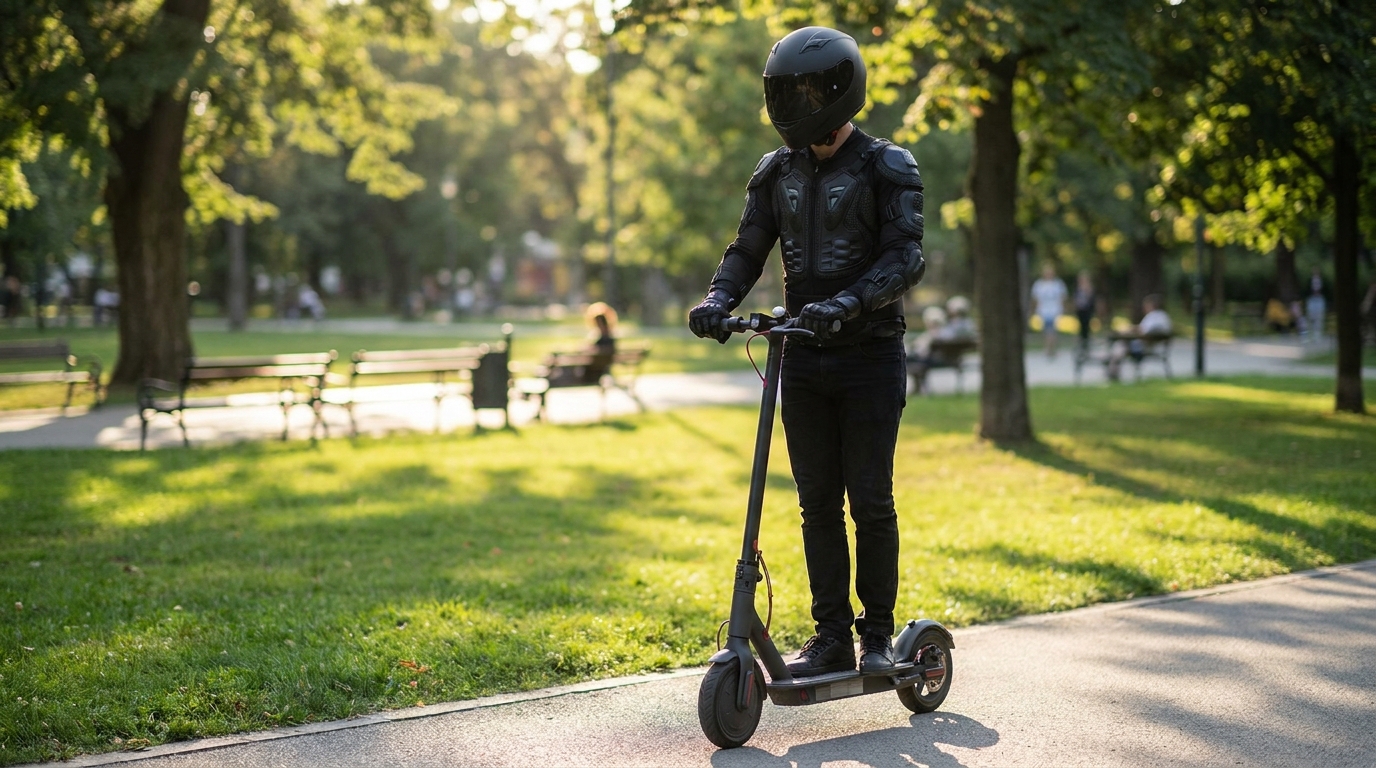
Safety comes first when choosing any electric scooter for children. The right safety features can prevent accidents and give parents peace of mind. Statistics show that proper safety equipment reduces scooter-related injuries by up to 85%.
Here’s why it matters – kids lack the experience to handle high-speed situations that adults can manage. Their reaction times are slower and decision-making skills are still developing. Look for scooters with dual brake systems that include both hand and foot brakes. This gives children multiple ways to stop quickly.
Hand brakes work like bicycle brakes and provide smooth, controlled stopping. Foot brakes engage when riders step on the rear fender. Having both options means kids can stop even if one system fails.
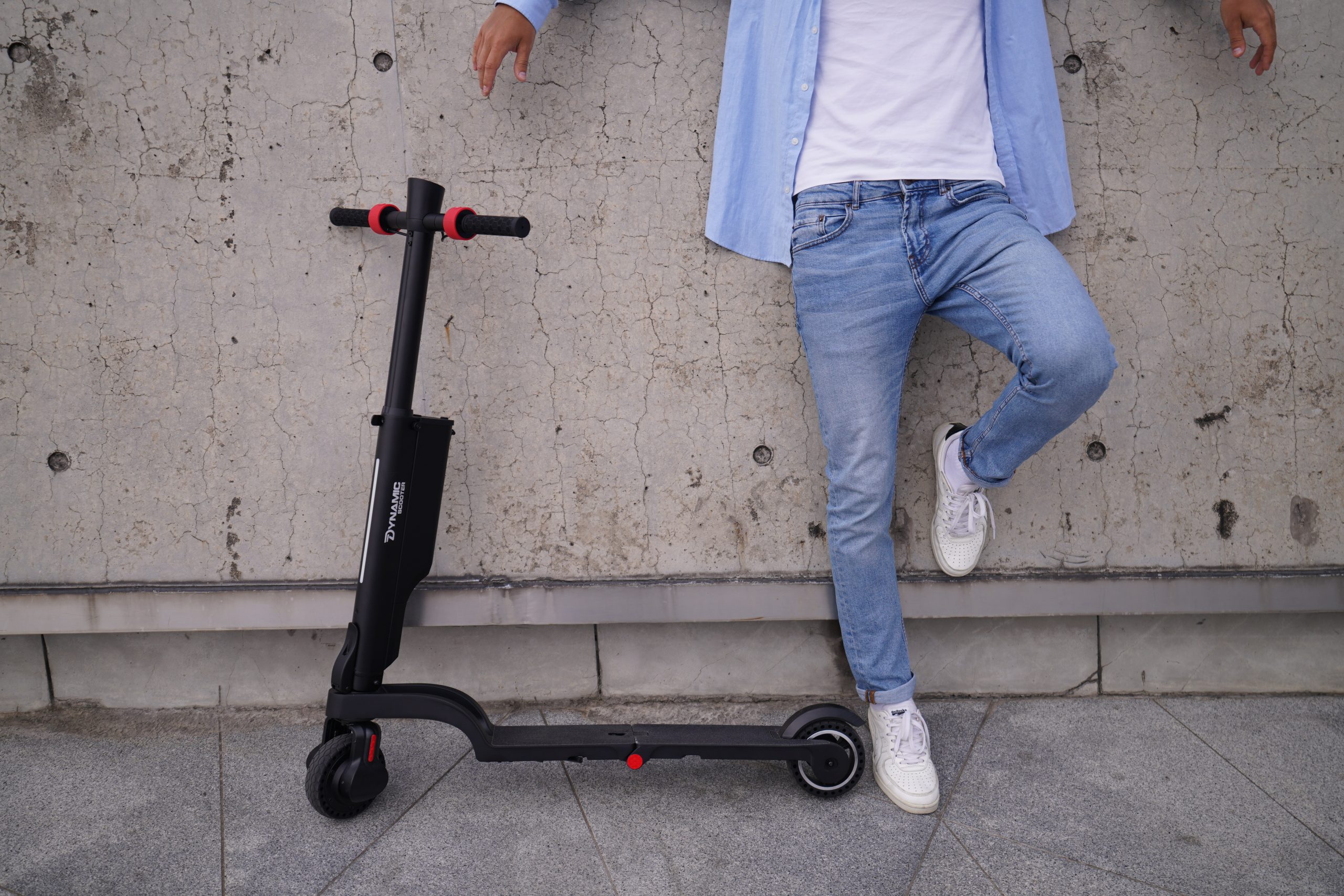
LED lights are another must-have feature. Front headlights help kids see obstacles while rear lights make them visible to others. Many quality scooters also include side reflectors for extra visibility. The Dynamic Scooter Model B includes a large LED display that shows speed and battery level.
| Safety Feature | Why It Matters | Age Recommendation |
| Dual Brake System | Faster, more reliable stopping | All ages |
| LED Lights | Better visibility in low light | 8+ years |
| Speed Limiter | Prevents dangerous speeds | Under 12 years |
| Bell or Horn | Alerts pedestrians | 8+ years |
| Kickstand | Prevents falls when parked | All ages |
Weight limits matter more than you might think. A scooter rated for 120 lbs won’t perform well with a 100-lb child plus backpack. Choose models with higher weight limits for better performance and safety margins. This also accounts for growth spurts.
Non-slip deck surfaces prevent falls during rides. Look for textured or rubberized surfaces that provide good grip even when wet. Some premium models include grip tape similar to skateboard surfaces.
Throttle design affects safety significantly. Twist throttles can cause sudden acceleration if bumped accidentally. Thumb throttles provide better control and are harder to engage unintentionally. The best models include gradual acceleration that prevents jerky starts.
Frame construction should use quality materials like aluminum or steel. Plastic frames may crack under stress while metal frames provide better durability. Check for sharp edges or protruding parts that could cause injury during falls.
| Construction Material | Durability | Weight | Cost |
| Aluminum Alloy | Excellent | Light | High |
| Steel | Good | Heavy | Medium |
| Reinforced Plastic | Fair | Light | Low |
Tire quality affects both safety and ride comfort. Solid rubber tires never go flat but provide a bumpy ride. Air-filled tires offer better shock absorption but can puncture. Some models use honeycomb tires that combine benefits of both types.
2. How Fast Should Electric Scooters Go for 10-Year-Olds?
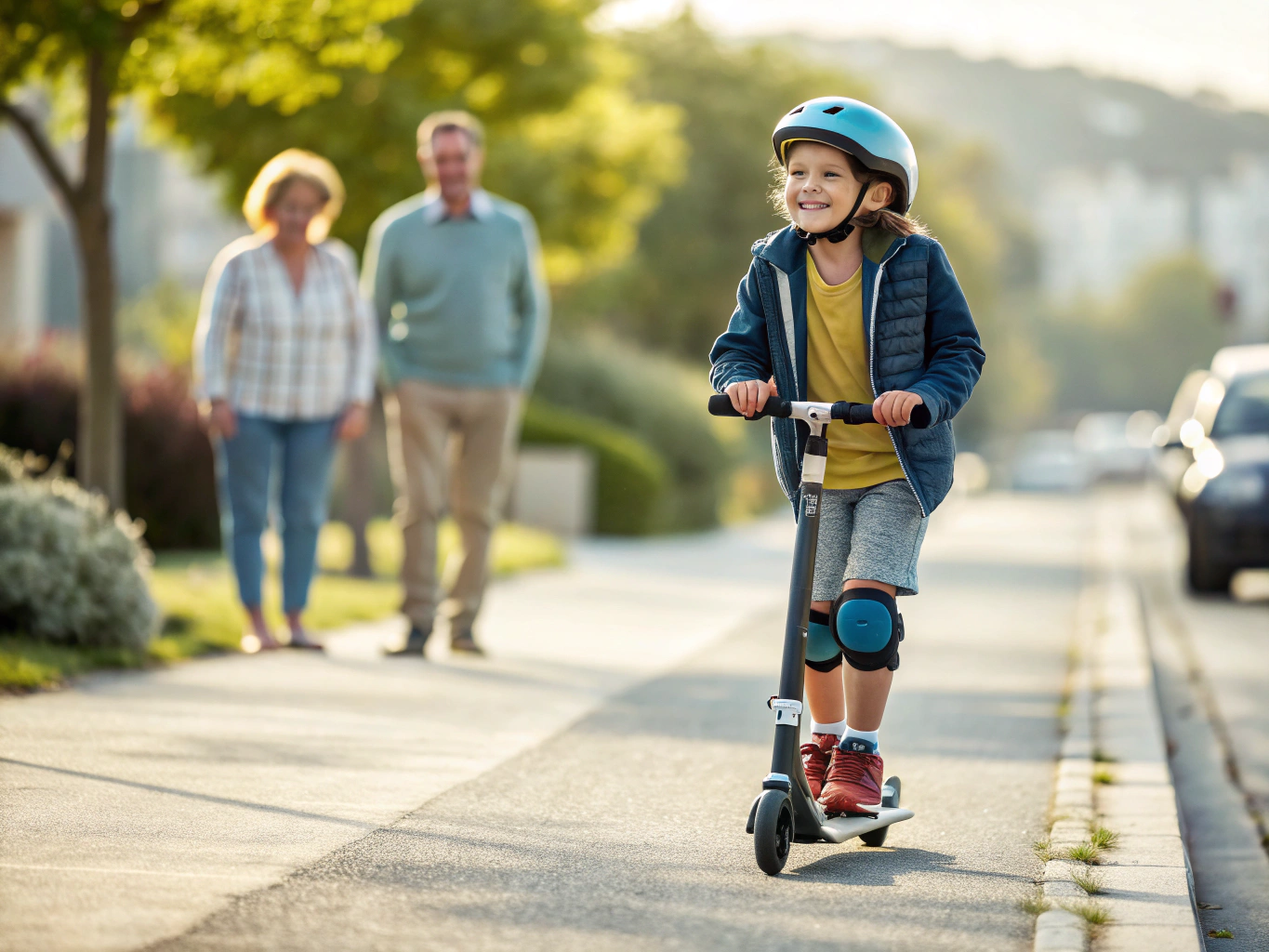
Speed selection directly impacts your child’s safety and enjoyment. Too slow feels boring while too fast becomes dangerous. Research from pediatric safety experts suggests that reaction time in children develops fully around age 12-14.
Most experts recommend 8-12 mph as the sweet spot for 10-year-olds. This speed allows kids to have fun while maintaining control. The best part? Many scooters offer adjustable speed settings that grow with your child’s skills and confidence.
Beginner mode typically caps speeds at 6-8 mph. This helps new riders build confidence before moving to higher speeds. At this pace, kids can practice steering, braking, and balance without feeling overwhelmed. Most children master basic controls within 2-3 practice sessions.
Intermediate settings usually allow 10-12 mph for more experienced young riders. This speed provides excitement while remaining manageable for most 10-year-olds. Kids can cover reasonable distances without exhausting themselves or their parents’ nerves.
| Speed Range | Skill Level | Best For | Learning Time |
| 6-8 mph | Beginner | First-time riders | 1-2 weeks |
| 8-12 mph | Intermediate | Confident kids | 2-4 weeks |
| 12-15 mph | Advanced | Experienced riders only | 1+ months |
Some scooters include parent controls through smartphone apps. These let you set maximum speeds remotely and track your child’s rides. The Dynamic Scooter Model B offers this feature with speeds up to 15 mph and remote monitoring capabilities.
Consider your child’s maturity level alongside their age. A responsible 10-year-old might handle 12 mph safely while others need to start slower. Watch for signs of overconfidence or reckless behavior that suggest speed limits should stay lower.
Environmental factors affect safe speeds significantly. Crowded sidewalks require slower speeds than empty bike paths. Hills and turns demand reduced speeds regardless of the rider’s skill level. Teach kids to adjust speed based on conditions.
Speed governors provide automatic protection against excessive speeds. These electronic systems prevent motors from exceeding preset limits. Some models allow parents to adjust these limits as children gain experience and demonstrate responsibility.
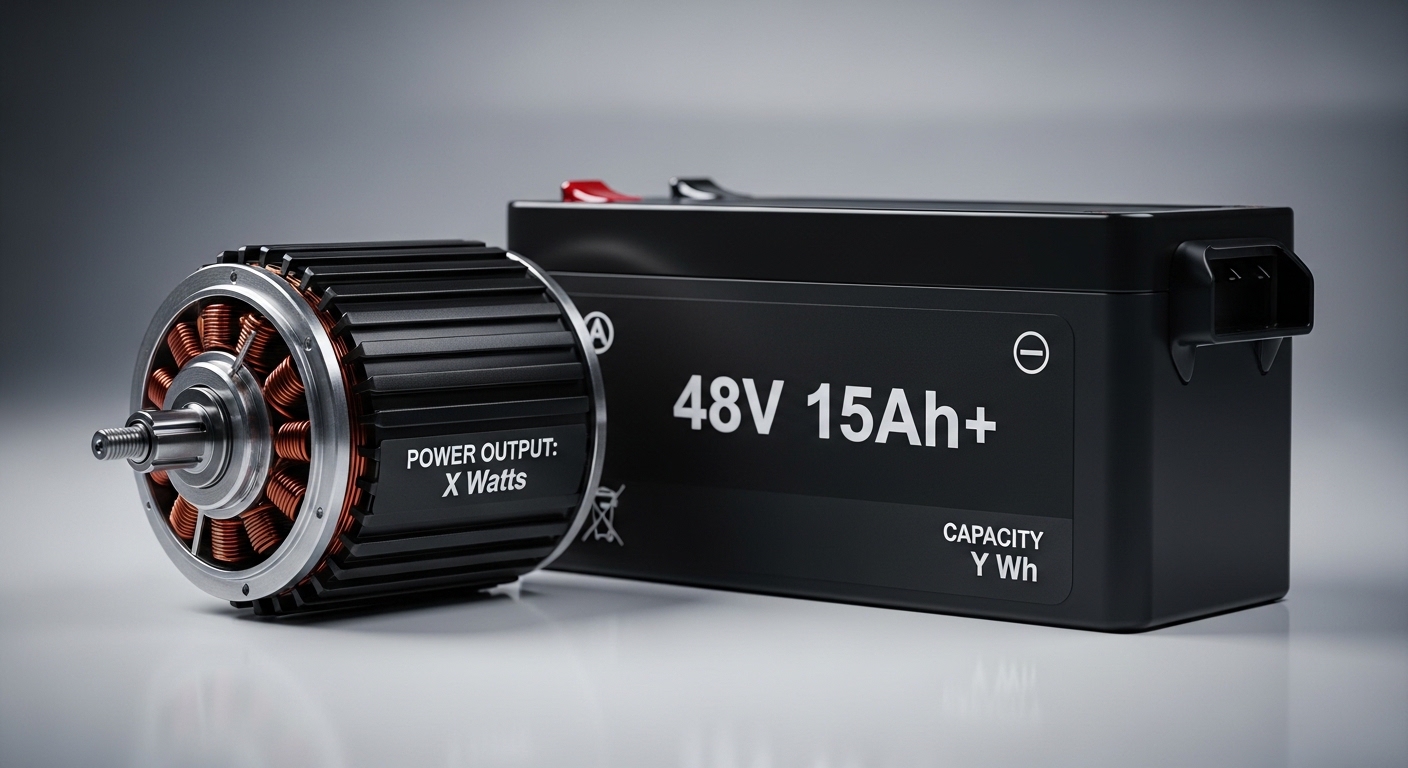
Motor power affects acceleration more than top speed. Higher wattage motors reach maximum speed faster but don’t necessarily go faster. For kids, gradual acceleration is safer than sudden bursts of speed that can cause loss of control.
| Motor Power | Acceleration | Best For | Typical Speed |
| 150W | Gradual | Young beginners | 8-10 mph |
| 250W | Moderate | Most 10-year-olds | 10-12 mph |
| 350W+ | Quick | Experienced riders | 12-15 mph |
Real-world speed testing shows that advertised speeds often exceed actual performance. Factors like rider weight, battery charge, and terrain affect real speeds. A scooter rated for 15 mph might only reach 12 mph with a 100-lb rider on slight inclines.
3. What’s the Right Weight and Size for Kids’ Electric Scooters?
Scooter dimensions affect both portability and riding comfort. Getting the size right makes a huge difference in your child’s experience. Poor sizing can lead to fatigue, poor control, and reduced enjoyment.
Now, you might be wondering about weight limits versus scooter weight. These are different measurements that both matter significantly. Scooter weight affects how easily kids can carry and maneuver their ride while weight limits determine performance and safety.
Most 10-year-olds can handle scooters weighing 20-35 pounds. Lighter models are easier to carry upstairs or into buildings. Heavier scooters often offer more stability and longer battery life but become difficult for kids to manage independently.
Deck size should accommodate your child’s foot size comfortably. A deck that’s too small makes balancing difficult while oversized decks feel awkward. Measure your child’s shoe length and add 2-3 inches for comfortable stance width.
| Scooter Weight | Portability | Stability | Kid Friendliness |
| 15-25 lbs | Excellent | Good | Excellent |
| 25-35 lbs | Good | Excellent | Good |
| 35+ lbs | Poor | Excellent | Poor |
Handlebar height matters for comfort and control. Adjustable handlebars grow with your child and allow proper riding posture. The ideal height puts handlebars at waist level when standing on the deck. Too high causes arm fatigue while too low creates back strain.
Folding mechanisms add convenience for storage and transport. Look for quick-release folding that doesn’t require tools or excessive force. Some models fold in seconds while others need multiple steps that kids find frustrating.
Wheelbase length affects stability and maneuverability. Longer wheelbases provide better stability at speed but make tight turns harder. Shorter wheelbases turn easily but feel less stable. Most kids’ scooters use 30-40 inch wheelbases for good balance.
Weight distribution impacts handling significantly. Front-heavy scooters feel unstable while rear-heavy models are hard to steer. The best designs place batteries and motors centrally for balanced weight distribution.
| Deck Dimensions | Foot Size | Age Range | Comfort Level |
| 12″ x 4″ | Small (Size 3-5) | 8-10 years | Good |
| 14″ x 5″ | Medium (Size 6-8) | 10-12 years | Excellent |
| 16″ x 6″ | Large (Size 9+) | 12+ years | Good for growth |
Ground clearance determines what obstacles scooters can handle. Higher clearance allows riding over small bumps and cracks. Lower clearance provides better stability but limits terrain options. Most kids’ models offer 3-5 inches of clearance.
Stem height adjustment ranges vary between models. Some offer 6-8 inches of adjustment while others provide 10+ inches. More adjustment means the scooter grows with your child longer, providing better value over time.

4. How Long Should the Battery Last on Kids’ Electric Scooters?
Battery life determines how long kids can ride before needing to recharge. This affects both fun factor and practical usability for daily activities like school commutes or neighborhood adventures.
Most quality kids’ scooters offer 8-15 miles of range per charge. This is important because longer rides mean more fun and fewer charging interruptions. Real-world range depends on rider weight, terrain, speed settings, and weather conditions.
Charging time varies from 2-6 hours depending on battery size and charger specifications. Faster charging means less downtime between rides. Some models include removable batteries for convenient charging indoors while others require plugging in the entire scooter.
| Battery Type | Range | Charge Time | Lifespan |
| Standard Lithium | 8-12 miles | 3-4 hours | 2-3 years |
| Extended Lithium | 12-20 miles | 4-6 hours | 3-4 years |
| Quick-Charge | 8-15 miles | 2-3 hours | 2-3 years |
Battery indicators help kids know when charging is needed. LED displays or smartphone apps show remaining power levels. This prevents getting stranded with a dead battery during rides. The Dynamic Scooter Model B features a clear battery display on its LED screen.
Temperature affects battery performance significantly. Cold weather reduces range by 20-30% while hot conditions can damage batteries permanently. Store scooters in moderate temperatures when possible and avoid leaving them in cars during extreme weather.
Real-world testing shows significant variation in advertised versus actual range. A scooter claiming 15-mile range might only achieve 10 miles with a 100-lb rider using moderate speeds. Hills and headwinds reduce range further.
5. Which Brands Make the Most Reliable Kids’ Electric Scooters?
Brand reputation often indicates build quality and customer support. Established companies typically offer better warranties and replacement parts availability. This matters significantly for long-term ownership satisfaction.
Let me explain why brand choice matters for kids’ scooters. Children are harder on equipment than adults. They need scooters built to handle drops, bumps, and daily use without constant repairs or safety concerns.
Dynamic Scooter offers excellent value with their Model B. It combines safety features, reasonable pricing, and solid build quality. The company focuses specifically on practical transportation solutions for families and commuters.
Razor leads the kids’ scooter market with models like the E300 and E100. These offer proven reliability and wide availability of parts. The company has decades of experience in personal transportation and maintains strong customer support networks.
Segway Ninebot provides premium options with advanced features like app connectivity and sophisticated battery management. Their scooters cost more but offer cutting-edge technology and excellent build quality.
| Brand | Price Range | Best For | Warranty |
| Dynamic Scooter | $300-$400 | Value and reliability | 6 months |
| Razor | $150-$400 | Budget-conscious families | 90 days |
| Segway | $300-$600 | Premium features | 1 year |
Customer service quality varies significantly between brands. Look for companies offering phone support, online chat, and comprehensive warranties. Good support helps when problems arise or when you need replacement parts.
Read recent customer reviews before buying. Focus on comments about durability, battery life, and company responsiveness to issues. Pay attention to reviews from parents rather than just general users.

6. What Terrain Can Kids’ Electric Scooters Handle Safely?
Terrain capability affects where kids can ride safely. Understanding limitations prevents accidents and equipment damage while maximizing riding opportunities in your area.
Most kids’ electric scooters work best on smooth, paved surfaces. Sidewalks, bike paths, and smooth driveways provide ideal riding conditions. Here’s the deal – rough terrain can damage scooters and cause falls that result in injuries.
Small bumps and cracks are usually manageable with proper technique. Teach kids to slow down over uneven surfaces and avoid large obstacles. Most scooters handle sidewalk cracks and small potholes without problems.
Grass and dirt paths challenge most electric scooters. The motors struggle with soft surfaces while small wheels get stuck easily. Save off-road adventures for kick scooters or bikes designed for rough terrain.
| Surface Type | Suitability | Speed Recommendation | Risk Level |
| Smooth pavement | Excellent | Full speed | Low |
| Sidewalks with cracks | Good | Reduced speed | Medium |
| Gravel paths | Poor | Not recommended | High |
Hills present special challenges for electric scooters. Most kids’ models handle gentle slopes but struggle with steep inclines. Check manufacturer specifications for maximum grade percentages before attempting hills.
Wet surfaces become slippery and dangerous. Avoid riding in rain or on wet pavement. Many scooters have water resistance but aren’t fully waterproof. Water can damage electrical components and create safety hazards.
7. How Much Should You Spend on a Kids’ Electric Scooter?
Price ranges vary widely based on features and build quality. Setting a realistic budget helps narrow choices without overspending on unnecessary features or compromising on safety.
Want to know the secret? The most expensive option isn’t always the best for kids. Focus on safety features and age-appropriate specifications rather than premium add-ons that kids won’t use or appreciate.
Entry-level scooters cost $150-$250 and offer basic functionality. These work well for occasional use or testing if kids enjoy electric scooters. Build quality may be lower but they provide good introduction to electric riding.
Mid-range options ($250-$400) provide better build quality and features. These scooters offer good balance of price and performance for regular riders. Most families find this range offers the best value for daily use.
Premium models ($400+) include advanced features like smartphone connectivity and longer range. These make sense for daily commuters or serious enthusiasts but may be overkill for casual riders.
| Price Range | Features | Best For | Expected Lifespan |
| $150-$250 | Basic functionality | Occasional use | 1-2 years |
| $250-$400 | Good features | Regular riders | 2-3 years |
| $400+ | Premium features | Daily use | 3+ years |
Consider total cost of ownership beyond initial purchase. Factor in replacement parts, maintenance, and potential repairs. Cheaper scooters often cost more long-term due to frequent breakdowns and poor parts availability.
The Dynamic Scooter Model B offers excellent value at $375.37. With code SS10, you save 10% plus fast shipping for $29.90. This pricing includes quality features typically found in more expensive models.
Conclusion
Choosing the right electric scooter for your 10-year-old requires balancing safety, performance, and value. Focus on models with appropriate speed limits of 8-12 mph, reliable dual brake systems, and solid build quality from reputable manufacturers. The best options offer 8-15 mile range, adjustable handlebars, and comprehensive safety features like LED lights and speed limiters.
The bottom line? Your child’s safety and enjoyment depend on selecting age-appropriate features rather than the fastest or flashiest model. Consider factors like terrain in your area, your child’s maturity level, and total cost of ownership including maintenance and replacement parts. The Dynamic Scooter Model B provides an excellent combination of safety features, reasonable pricing, and proven reliability for young riders. Visit dynamicscooter.com to see how our Model B can provide safe, fun transportation for your child while giving you peace of mind.
FAQ
Q1: What age is appropriate for electric scooters?
Most electric scooters are suitable for children 8 years and older, but maturity level matters more than age alone. Kids should understand basic traffic rules, demonstrate responsibility with other wheeled toys, and show good judgment before riding electric scooters. Some manufacturers recommend 10+ for their faster models.
Q2: Do kids need helmets when riding electric scooters?
Yes, helmets are strongly recommended for all electric scooter riders, especially children under 18. Many states and cities require helmets for young riders by law. Choose properly fitted bike helmets that meet CPSC safety standards. Consider knee and elbow pads for beginners or aggressive riders.
Q3: Can electric scooters be used in the rain?
Most electric scooters have some water resistance (IP54 rating) but aren’t fully waterproof. Avoid riding in rain or on wet surfaces as this increases accident risk significantly and can damage electrical components. Store scooters indoors during bad weather to protect batteries and motors.
Q4: How do I maintain my child’s electric scooter?
Regular maintenance includes checking tire pressure monthly, cleaning the deck and handlebars, and charging the battery properly. Store scooters indoors at moderate temperatures and avoid extreme heat or cold. Check brakes and bolts monthly for safety. Replace worn parts promptly to prevent accidents.
Q5: What’s the maximum weight limit for kids’ electric scooters?
Weight limits vary by model but typically range from 120-220 pounds for kids’ scooters. Choose models with higher weight limits than your child’s current weight to account for growth, gear, and backpacks. Exceeding weight limits reduces performance, range, and safety while potentially voiding warranties.