
Worried about damaging your electric scooter while cleaning? Water and electronics don’t mix well. One wrong move could ruin your ride and cost hundreds in repairs.
You can safely wash your electric scooter using the right methods and tools. Focus on waterproof areas, avoid electrical parts, and use damp cloths instead of direct water spray. Most scooters handle light moisture but need careful cleaning around batteries, displays, and charging ports.
But here’s the thing… knowing which parts to clean and which to avoid makes all the difference.
This guide covers safe cleaning methods, waterproof ratings, step-by-step instructions, common mistakes to avoid, maintenance tips, and answers to your most pressing questions about electric scooter care.
1. What Parts of an Electric Scooter Can Get Wet?
Not all scooter parts handle water the same way. The deck, wheels, and frame typically resist moisture better than electrical components. Understanding these differences helps you clean effectively without causing expensive damage.
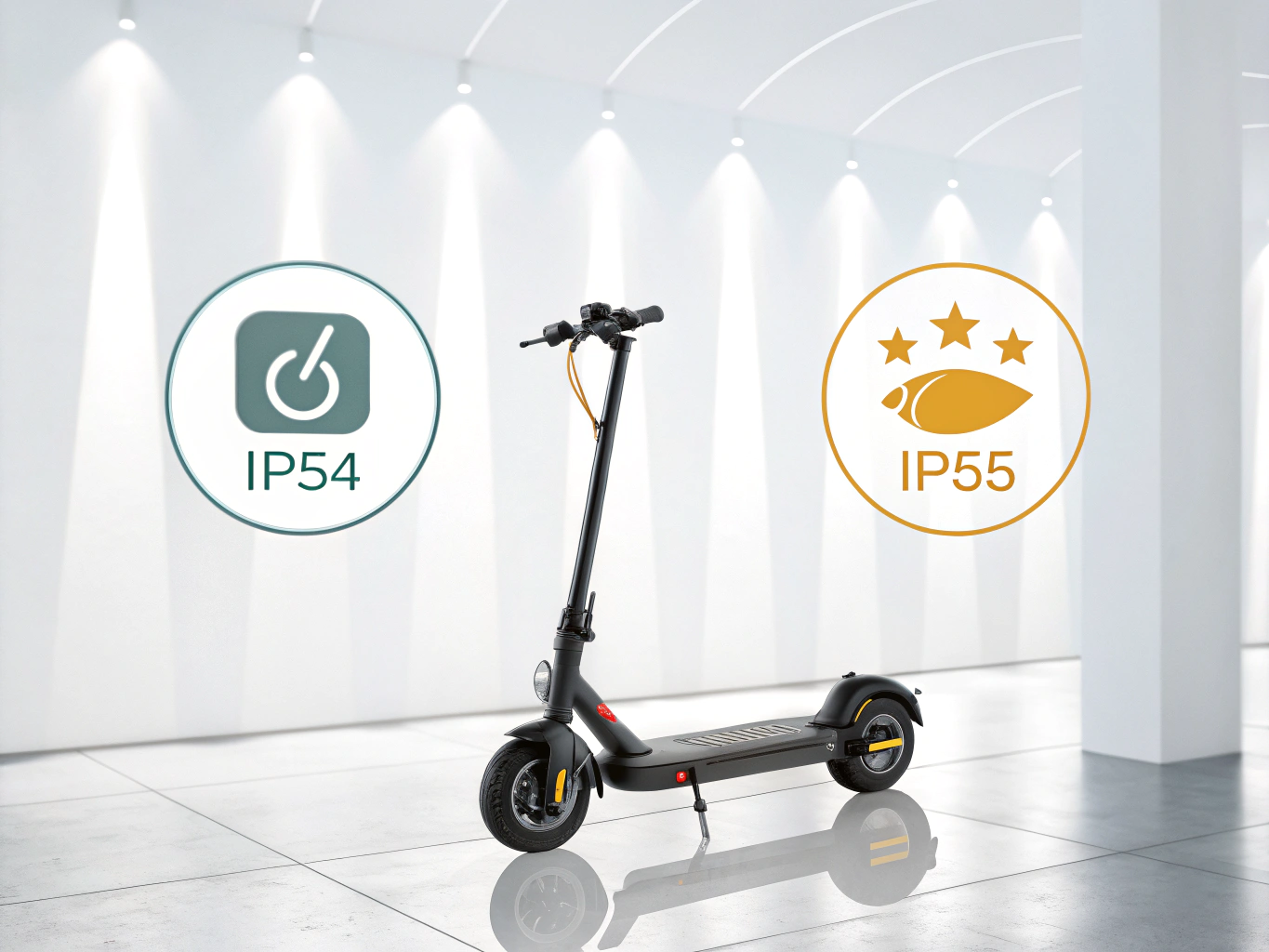
Most electric scooters have an IP rating that shows water resistance levels. IP54 means protection from dust and water splashes from any direction. IP65 offers better protection against water jets and heavy rain exposure.
Here’s why it matters… Understanding your scooter’s IP rating helps you clean safely without causing damage that voids your warranty.
Check these waterproof areas on your scooter that can handle moisture exposure: ● Aluminum or steel frame sections with proper coating ● Rubber wheel surfaces and tire treads
● Plastic deck covers with sealed edges ● Sealed brake components and housing ● Painted metal surfaces with intact finish
The frame construction determines water resistance levels. Welded aluminum frames resist corrosion better than steel frames. Look for drainage holes that prevent water accumulation in hollow frame sections.
| Scooter Part | Water Resistance | Cleaning Method | Special Notes |
| Frame | High | Damp cloth or light spray | Check for scratches first |
| Wheels | High | Direct washing allowed | Avoid bearing areas |
| Deck | Medium | Damp cloth only | Protect grip tape |
| Handlebars | Medium | Wipe with damp cloth | Cover display area |
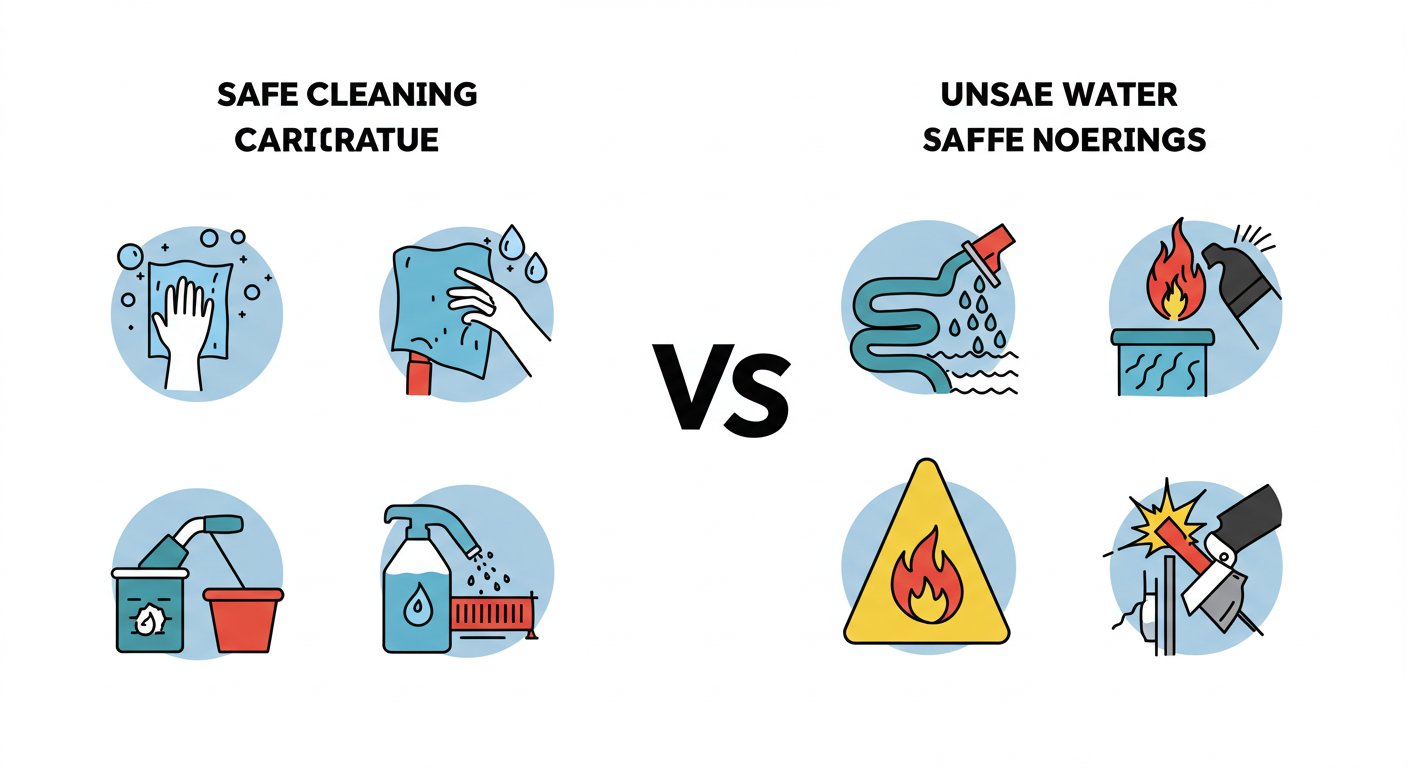
Avoid getting water near the battery compartment, charging port, display screen, and motor housing. These areas contain sensitive electronics that water can damage permanently.
The folding mechanism also needs protection from water exposure. Water can cause rust in the hinges and make folding difficult over time.
2. Which Electric Scooter Components Should Never Get Wet?
Several key components must stay completely dry during cleaning operations. Water damage to these parts often voids warranties and creates serious safety risks that could lead to accidents or fires.
The battery compartment tops the list of areas requiring absolute protection. Lithium batteries and water create dangerous situations including fire risks and permanent damage to expensive battery packs.
The best part? Most manufacturers clearly mark these sensitive areas with warning labels or special covers to help you identify them quickly.
Never allow water contact with these critical components: ● Battery housing and all electrical connections ● Charging port (even when covered with rubber cap) ● Display screen and control buttons ● Motor housing and internal wiring systems ● Brake cables and electrical connections ● Folding mechanism joints and pivot points
The charging port presents special risks even with protective covers. Water can seep past rubber seals and cause electrical shorts when you plug in the charger.
Motor housings contain powerful magnets and electrical windings. Water exposure can cause permanent damage to these expensive components.
| Component | Risk Level | Protection Method | Damage Cost |
| Battery | Extreme | Plastic bag cover | $200-500 |
| Display | High | Avoid completely | $50-150 |
| Motor | High | Keep dry always | $150-400 |
| Charging Port | High | Use port cover | $30-80 |
Water in the motor housing can cause permanent damage to the electrical windings. Even small amounts of moisture can corrode internal components and affect performance significantly.
The display screen often lacks proper waterproof sealing despite manufacturer claims. Water can seep behind the screen and damage the electronics permanently.
Brake cables carry electrical signals in regenerative braking systems. Water can disrupt braking performance and create serious safety hazards.
3. How Do You Prepare Your Electric Scooter for Cleaning?
Proper preparation prevents water damage and makes the cleaning process more effective and safer. Start by turning off your scooter completely and removing the battery if your model allows easy removal.
Find a suitable cleaning location away from direct sunlight and wind. Shade prevents cleaning products from drying too quickly and leaving streaks or residue.
Now, you might be wondering… what supplies do you actually need for safe and effective scooter cleaning without spending a fortune?
Gather these cleaning supplies before starting the process: ● Multiple microfiber cloths (at least 5 for different tasks) ● Mild soap or scooter-specific cleaning products ● Soft-bristled brush for stubborn dirt removal ● Plastic bags and tape for covering electronics ● Clean water in spray bottles for controlled application ● Dry towels for final drying and polishing
Choose your cleaning location carefully. Concrete surfaces work better than grass or dirt areas. Good drainage prevents puddles that could splash back onto your scooter.
| Preparation Step | Time Required | Purpose | Tools Needed |
| Power down scooter | 1 minute | Safety first | None |
| Remove battery | 2 minutes | Protect electronics | Screwdriver |
| Cover sensitive parts | 3 minutes | Prevent water damage | Plastic bags, tape |
| Gather supplies | 5 minutes | Efficient cleaning | Cleaning kit |
Cover the charging port with its rubber cap or additional plastic bag protection. Use painter’s tape to secure plastic bags over the display screen and any exposed wiring connections.
Remove any accessories like phone holders, bags, or lights. These items often trap dirt and moisture in mounting areas. Clean them separately to prevent recontamination.
Check for loose screws or damaged parts before starting the cleaning process. Water can worsen existing damage and create bigger problems.
4. What Is the Step-by-Step Process for Washing Your Scooter?
Follow this systematic approach to clean your electric scooter safely and thoroughly. Work from top to bottom to avoid recontaminating cleaned areas and maintain efficiency throughout the process.
Start with dry cleaning to remove loose dirt and debris that could scratch surfaces during wet cleaning. Use a soft brush to clear dirt from crevices and hard-to-reach spots.
Let me explain… the right sequence prevents water from reaching sensitive components while getting your scooter spotless and ready for safe operation.
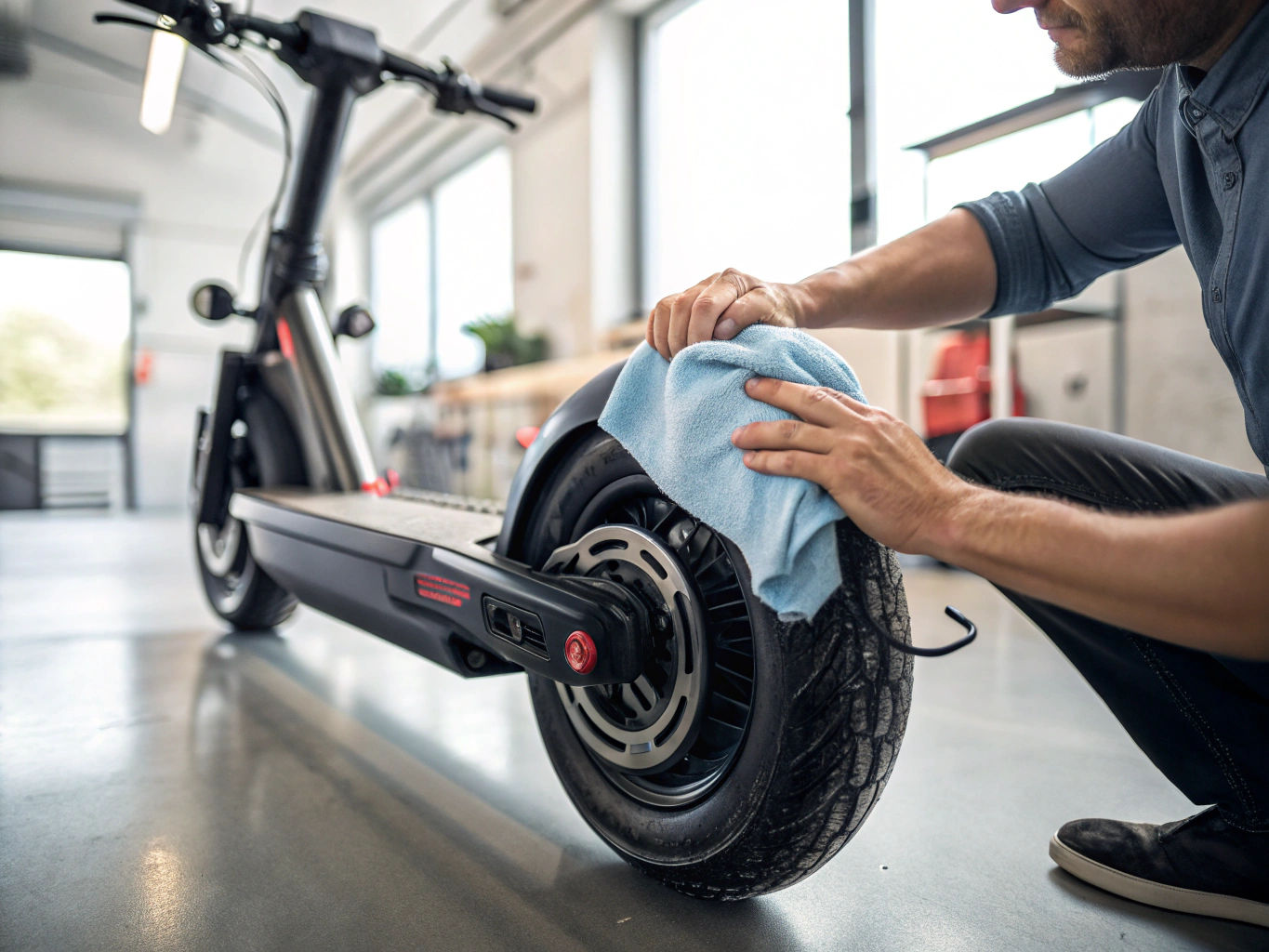
Detailed step-by-step cleaning process: ● Brush away loose dirt and debris from all surfaces ● Wipe frame sections with damp microfiber cloth ● Clean wheels thoroughly with soapy water solution ● Scrub deck surface carefully avoiding grip tape damage ● Clean handlebars and grips with appropriate products ● Detail small components like reflectors and bells ● Dry all surfaces completely with clean towels
Begin with the handlebars and work your way down to the deck and wheels. This prevents dirty water from dripping onto already cleaned surfaces.
Pay special attention to areas where dirt accumulates heavily. The deck surface, wheel wells, and folding mechanism joints collect the most debris during normal use.
| Cleaning Stage | Tools Needed | Time Required | Technique |
| Dry brushing | Soft brush | 5 minutes | Light circular motions |
| Frame wiping | Damp cloth | 10 minutes | Top to bottom |
| Wheel cleaning | Soap and water | 8 minutes | Thorough scrubbing |
| Final drying | Dry towels | 7 minutes | Complete moisture removal |
Use circular motions when wiping the frame to remove dirt more effectively than straight lines. Apply gentle pressure to avoid scratching painted surfaces.
Clean the wheels last since they carry the most dirt and contamination. Rinse them thoroughly to remove soap residue that could affect traction on wet surfaces.
Pay special attention to the folding mechanism during cleaning. Clean around hinges and joints without letting water penetrate the moving parts.
Dry each section immediately after cleaning to prevent water spots and mineral deposits. Standing water can seep into protected areas and cause damage.
5. How Often Should You Clean Your Electric Scooter?
Cleaning frequency depends on usage patterns, riding conditions, and storage environment factors. Regular maintenance prevents dirt buildup and extends scooter life significantly.
Daily riders in dusty or wet conditions need weekly cleaning to prevent damage. Occasional users can clean monthly or after particularly dirty rides without compromising scooter condition.
This is important because… consistent cleaning prevents permanent stains and mechanical problems that cost significant money to fix and can leave you without transportation.
Detailed cleaning schedule recommendations based on usage: ● Daily urban commuting in clean conditions: Weekly cleaning ● Daily riding in dusty areas: Twice weekly cleaning ● Weekend recreational use: Bi-weekly cleaning
● Occasional use in good conditions: Monthly cleaning ● After rain or mud exposure: Immediate cleaning required ● Before long-term storage: Thorough deep cleaning
Consider your local environment when setting cleaning schedules. Urban areas with heavy traffic create more dirt and pollution exposure. Construction zones generate excessive dust that can damage moving parts.
| Usage Pattern | Cleaning Frequency | Focus Areas | Special Considerations |
| Daily commute | Weekly | Wheels and deck | Check brake performance |
| Weekend rides | Bi-weekly | Full scooter | Inspect for damage |
| Light use | Monthly | Basic maintenance | Deep clean storage area |
| Post-rain | Immediate | Dry all components | Check electrical connections |
Watch for these signs that indicate immediate cleaning needs: visible dirt buildup affecting operation, reduced braking performance, or unusual noises during operation.
Salt exposure from winter roads requires immediate cleaning attention. Salt corrodes metal parts rapidly and damages electrical connections within hours of exposure.
Store your scooter in a dry location between cleanings to prevent moisture problems. Damp storage areas can cause rust and electrical problems.
6. What Cleaning Products Work Best for Electric Scooters?
Choose cleaning products that effectively remove dirt without damaging scooter materials or voiding manufacturer warranties. Avoid harsh chemicals that can corrode metal components.
Mild dish soap mixed with water works effectively for most cleaning tasks. This solution cuts through grease and grime without harming sensitive surfaces.
Here’s the deal… the right products clean effectively while protecting your investment in quality transportation and maintaining warranty coverage.
Comprehensive list of recommended cleaning products: ● Mild dish soap and water solution for general cleaning ● Automotive plastic cleaner for deck and cover maintenance ● Metal polish for aluminum frame shine and protection ● Rubber protectant for tire care and grip preservation ● Electronics-safe cleaner for display areas ● Microfiber cloths for scratch-free cleaning
Test cleaning products on hidden areas before full application. Some cleaners react poorly with specific materials or protective coatings applied by manufacturers.
| Product Type | Best Use | Application Method | Cost Range |
| Soap solution | General cleaning | Damp cloth application | $2-5 |
| Plastic cleaner | Deck and covers | Spray and wipe | $8-15 |
| Metal polish | Frame shine | Circular buffing | $10-20 |
| Rubber protectant | Tire care | Direct application | $6-12 |
Avoid these harmful products that can cause permanent damage: bleach solutions, ammonia-based cleaners, abrasive scrubbers, and petroleum-based solvents.
Specialized scooter cleaners cost more but offer better protection and results. These products are formulated specifically for electric vehicle materials and components.
Consider the environmental impact of cleaning products. Biodegradable options work just as well while protecting local water systems.
7. How Do You Dry and Maintain Your Scooter After Cleaning?
Proper drying prevents water damage and prepares your scooter for safe operation. Thorough drying also prevents rust and corrosion on metal components.
Use clean, dry microfiber towels to absorb moisture from all surfaces systematically. Pay extra attention to crevices where water tends to collect.
What does this mean for you? Complete drying and basic maintenance after cleaning keeps your scooter running smoothly and operating safely for years.
Comprehensive post-cleaning maintenance steps: ● Dry all surfaces thoroughly with multiple microfiber towels ● Check tire pressure and adjust to manufacturer specifications ● Lubricate folding mechanism lightly with appropriate oil ● Inspect all visible screws and connections for looseness ● Test all functions including brakes, throttle, and lights ● Check battery connections and charging port condition
Allow your scooter to air dry for at least 30 minutes before reassembling covered parts. This extra time prevents trapped moisture that could cause problems later.
| Maintenance Task | Frequency | Tools Required | Time Needed |
| Complete drying | After each cleaning | Microfiber towels | 10 minutes |
| Tire pressure check | Weekly | Pressure gauge | 3 minutes |
| Mechanism lubrication | Monthly | Light machine oil | 5 minutes |
| Safety inspection | Before each ride | Visual check | 2 minutes |
Check the charging port carefully for any water intrusion before plugging in your charger. Even small amounts of moisture can cause electrical shorts.
Test all scooter functions before your next ride. Check that brakes work properly, the throttle responds correctly, and all lights function as expected.
Store your clean scooter in a dry, well-ventilated area away from direct sunlight and temperature extremes. Avoid damp basements or areas with high humidity.
8. What Common Mistakes Should You Avoid When Cleaning?
Many scooter owners make costly mistakes during cleaning that can damage their vehicles or create safety hazards. Learning from these common errors saves money and prevents dangerous situations.
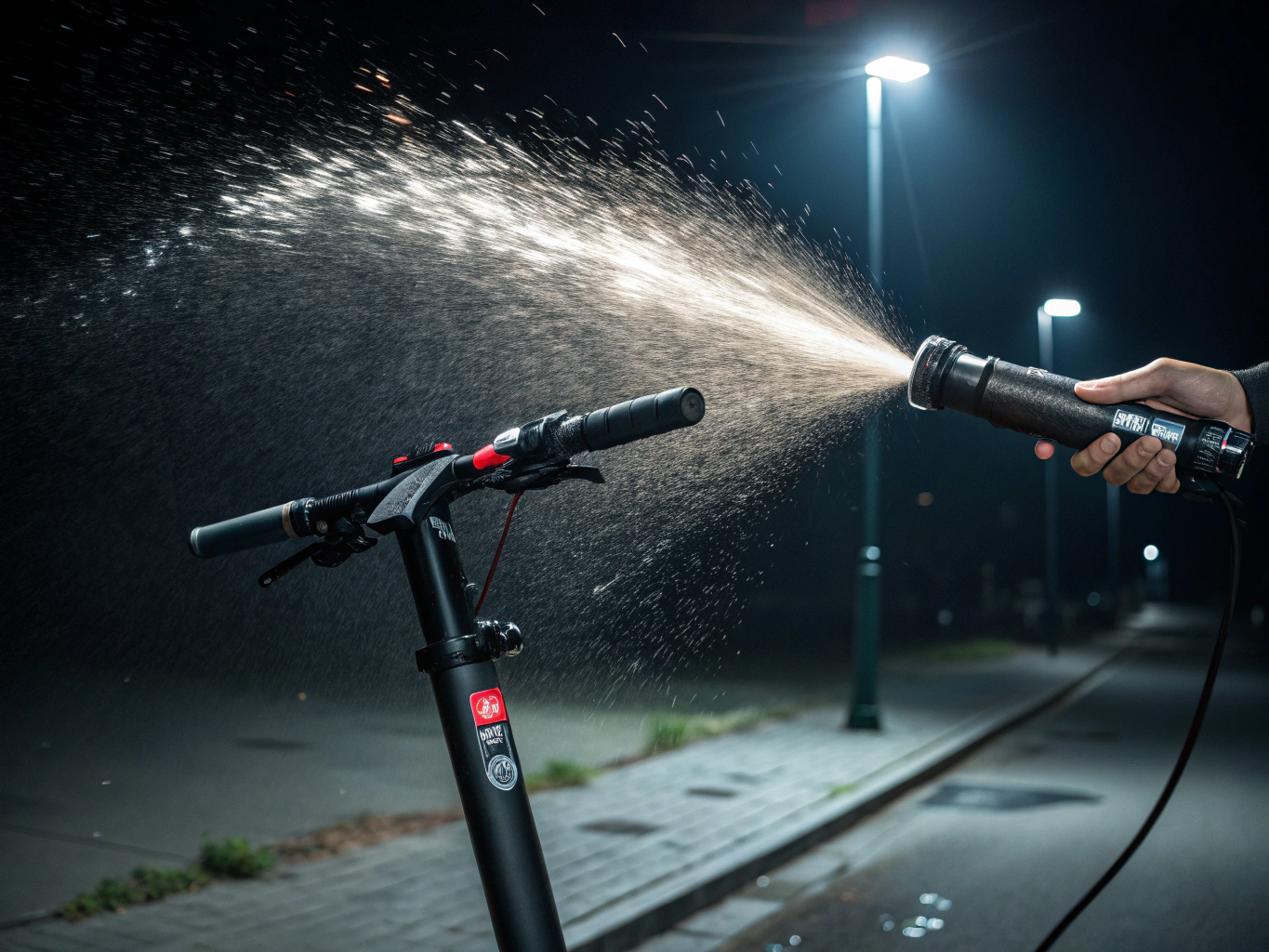
Using too much water is the most frequent mistake. Excessive water can penetrate seals and damage electrical components even in scooters with good water resistance ratings.
Want to know the secret? Avoiding these mistakes keeps your scooter running perfectly while maintaining its value and safety performance.
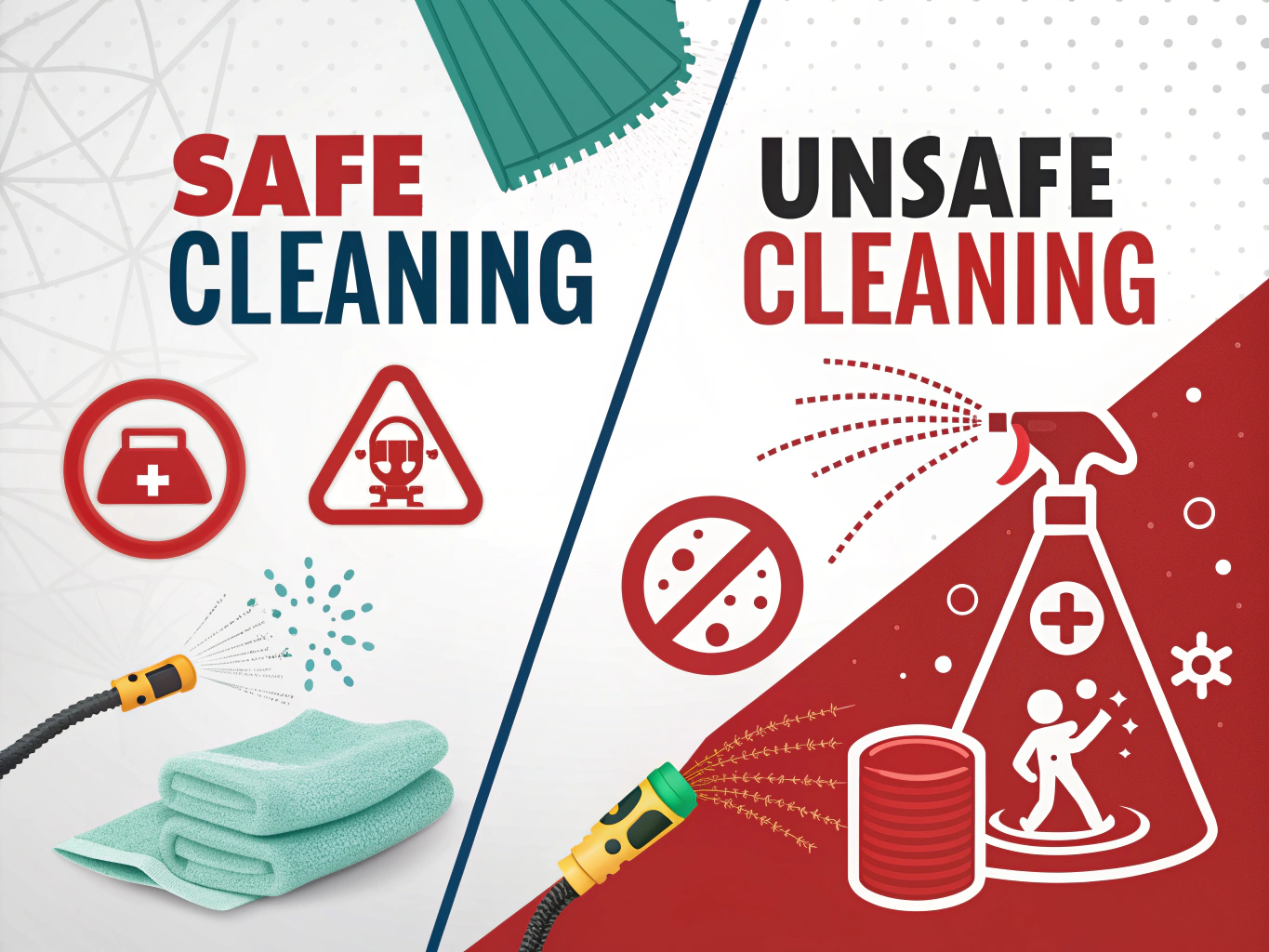
Common cleaning mistakes to avoid: ● Using pressure washers or garden hoses directly ● Submerging any part of the scooter in water ● Cleaning with the power on or battery connected ● Using harsh chemicals or abrasive cleaners ● Ignoring manufacturer cleaning guidelines ● Rushing the drying process
Pressure washers force water past seals and into electrical components. The high pressure can damage delicate parts and push contaminants deeper into mechanisms.
Never clean your scooter while it’s powered on. This creates electrical shock risks and can damage control systems.
| Mistake | Consequence | Prevention Method | Repair Cost |
| Pressure washing | Water damage | Use damp cloths only | $100-500 |
| Power on cleaning | Electrical damage | Always power off first | $50-300 |
| Wrong chemicals | Surface damage | Read labels carefully | $30-200 |
| Inadequate drying | Corrosion | Allow proper drying time | $20-150 |
Rushing the cleaning process leads to missed spots and inadequate protection of sensitive areas. Take your time to do the job properly.
Using the wrong cleaning products can damage finishes, plastics, and rubber components permanently. Always check product compatibility before application.
Cleaning in direct sunlight causes cleaning products to dry too quickly and leave streaks or residue. Hot surfaces can also burn your hands during cleaning.
Conclusion
Cleaning your electric scooter safely protects your investment while keeping it running smoothly and looking great. Focus on waterproof areas, avoid electrical components, and use proper techniques to prevent costly damage. Regular cleaning extends scooter life significantly and maintains optimal performance for reliable daily transportation.
Following the right procedures saves money on repairs and keeps you safe on the road. Proper maintenance also preserves your scooter’s resale value and warranty coverage.
The bottom line? A well-maintained scooter provides reliable, cost-effective transportation for years while delivering consistent performance and safety.
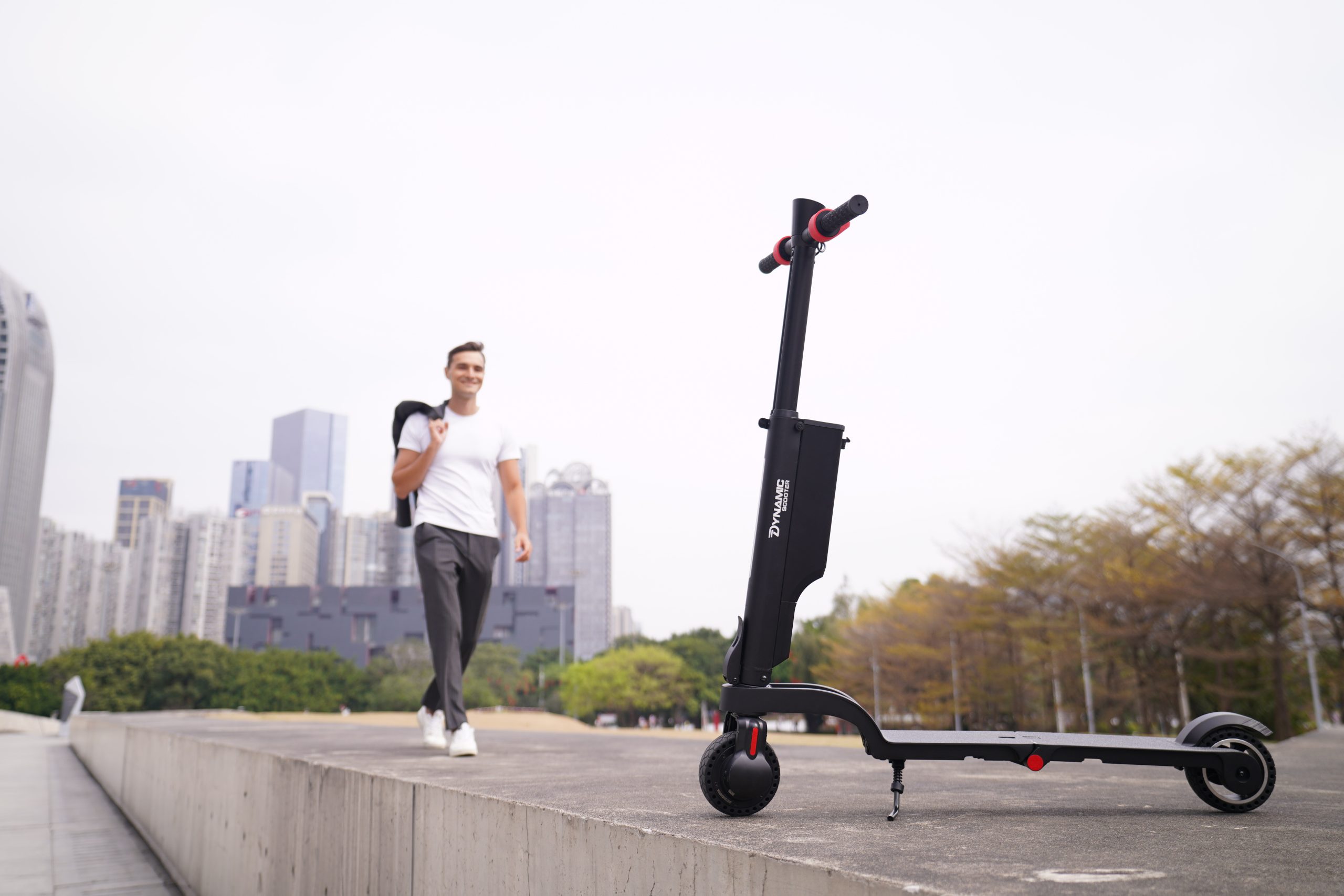
Ready to upgrade your ride with a scooter built for easy maintenance? Dynamic Scooter offers premium electric scooters engineered for durability and simple care routines. Visit our website to find the perfect scooter for your needs, complete with detailed care instructions and warranty support.
FAQ
Q1: Can I use a pressure washer on my electric scooter?
No, pressure washers force water into sealed areas and can damage electrical components permanently. The high pressure can push water past protective seals and into sensitive electronics. Use damp cloths and gentle cleaning methods instead.
Q2: Is it safe to ride my scooter immediately after cleaning?
Wait until all surfaces are completely dry, especially around brakes and electrical components. Test all functions including brakes, throttle, and lights before riding. Moisture can affect braking performance and electrical systems.
Q3: What should I do if water gets into the battery compartment?
Stop using the scooter immediately and disconnect the battery if possible. Remove all moisture with dry cloths and let everything dry completely for 24-48 hours before testing. Contact a technician if problems persist.
Q4: How do I clean the display screen without damaging it?
Use a slightly damp microfiber cloth with no cleaning products. Wipe gently in circular motions and avoid pressing hard on the screen surface. Never spray cleaning products directly on the display.
Q5: Can I clean my scooter in cold weather?
Yes, but bring the scooter to room temperature first. Cold surfaces can crack when exposed to sudden temperature changes from warm cleaning water. Work in a heated garage when possible during winter months.