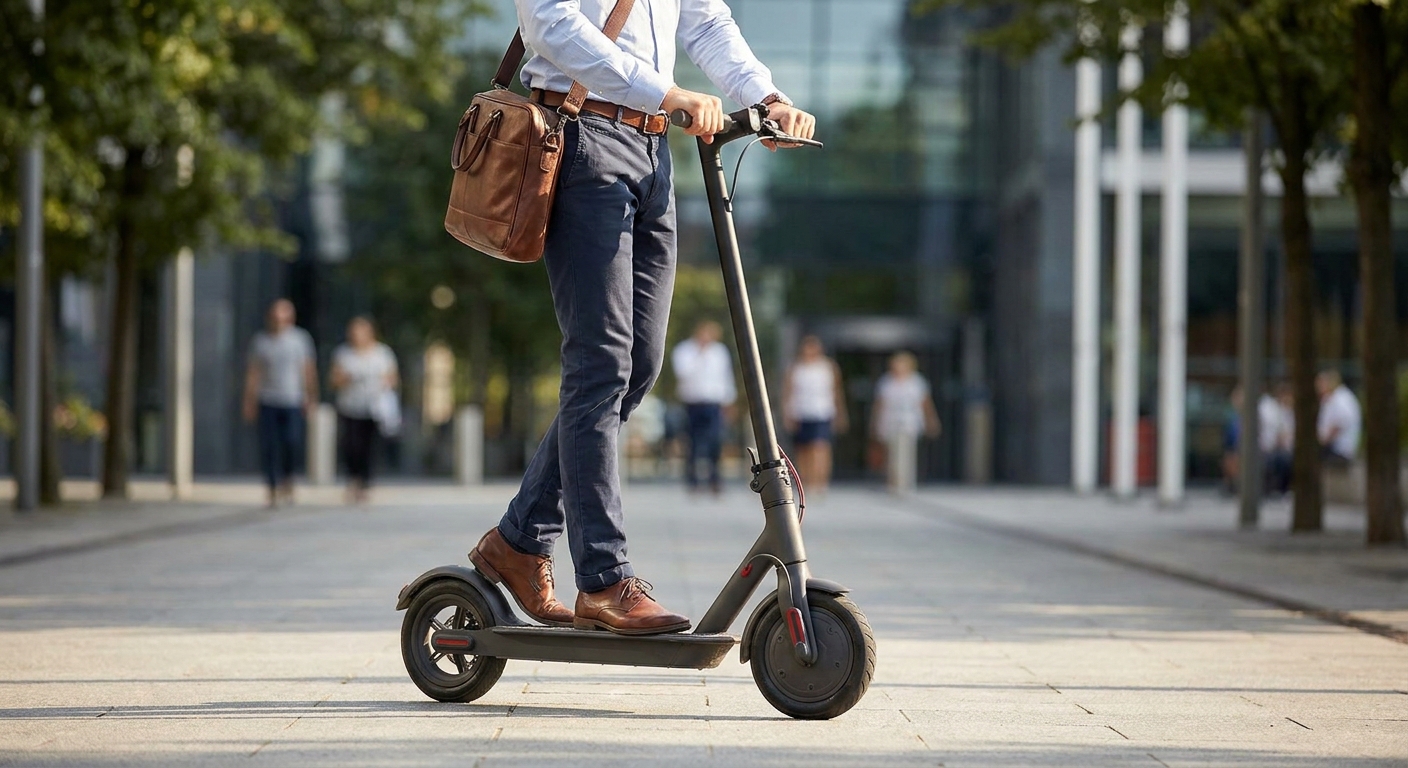

Understanding electric scooter motor power is all about knowing how nominal and peak wattage translate to real-world speed, acceleration, and hill-climbing capabilities so you can choose the perfect ride for your commute. Picture this: you are riding your scooter on your daily commute, enjoying the fresh air, when you approach a sudden, steep hill. Slowly but surely, your motor groans, the speed drops to a crawl, and you are forced to kick-assist manually or walk the scooter up while other commuters pass you by with ease. It is an exhausting and frustrating way to start your workday.
Thankfully, learning how to decode electric scooter motor power lets you avoid this exact headache. By understanding how wattage converts to real-world performance, you can choose an optimized, ultra-portable powerhouse like the Dynamic Scooter Model B to cruise smoothly through any terrain.
What Is Electric Scooter Motor Power?
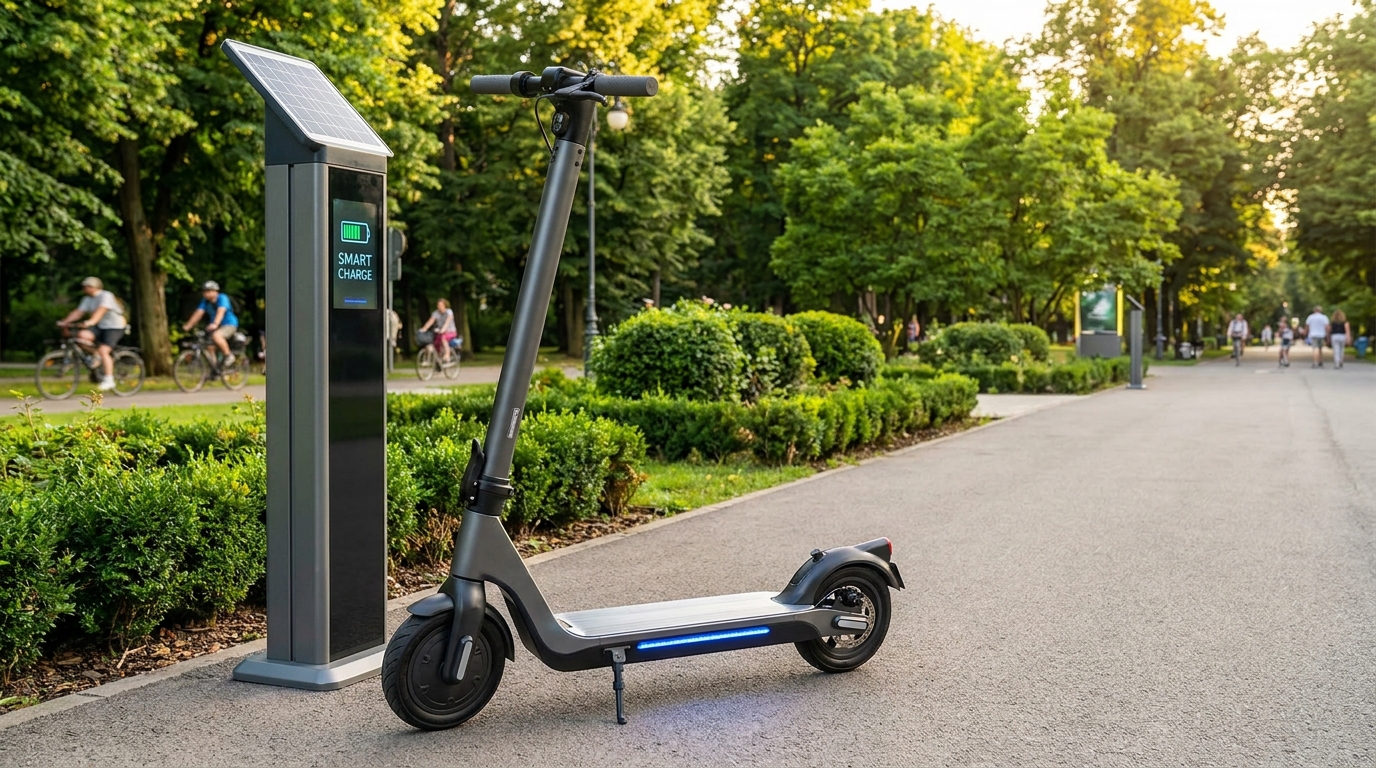
Electric scooter motor power represents the electrical energy converted into mechanical force to propel you forward. Understanding electric scooter motor power is essential for selecting a ride that reliably meets your daily performance expectations. If you skip this technical baseline, you might buy a model that struggles on simple slopes or drains its battery far too quickly.
What is continuous or nominal motor power?
Continuous power, often called nominal power, represents the sustained wattage a motor can handle safely without overheating. Think about it: this is the baseline efficiency standard of your ride.
- Sustained Performance: Measures the wattage output for long-term cruising.
- Thermal Efficiency: Keeps the motor running cool on flat roads.
- Standardized Rating: Represents the actual power class stamped on the hardware.
How does heat affect nominal ratings?
Heat is the absolute enemy of electric motors, directly limiting how long they can run at their peak. Here is why this matters: if a motor runs too hot, the copper windings lose efficiency and degrade.
- Resistance Rise: Heat increases electrical resistance, wasting vital battery power.
- Protective Cutoffs: Modern controllers drop power automatically to prevent thermal damage.
- Copper Protection: Keeping operating temperatures low preserves the life of the stator.
Continuous wattage vs peak surge options
Comparing continuous power to temporary peak surges helps you understand the mechanical limits of your scooter. But wait, there’s more: you must look at how these two metrics work together to deliver a smooth riding experience.
- Cruising Efficiency: Nominal power handles the vast majority of your flat urban route.
- Instant Acceleration: Peak power takes over during quick launches from stop signs.
- System Harmony: A balanced controller optimizes both profiles to extend component longevity.
Key Takeaway: Prioritizing continuous (nominal) wattage over highly advertised peak power guarantees reliable, long-term performance on your daily route.
| Power Metric | Typical Range (Watts) | Primary Practical Function | Impact on Battery Life |
|---|---|---|---|
| Nominal Power | 250W – 500W | Sustained cruising on flat urban pathways | Low to Moderate (Predictable consumption) |
| Peak Power | 500W – 1000W+ | Climbing sudden inclines and rapid acceleration | High (Rapid energy draw in short bursts) |
Look closely at the ratio between nominal and peak power; a wider gap indicates a highly responsive controller capable of delivering strong power surges when needed.
How Does Peak Electric Scooter Motor Power Work?
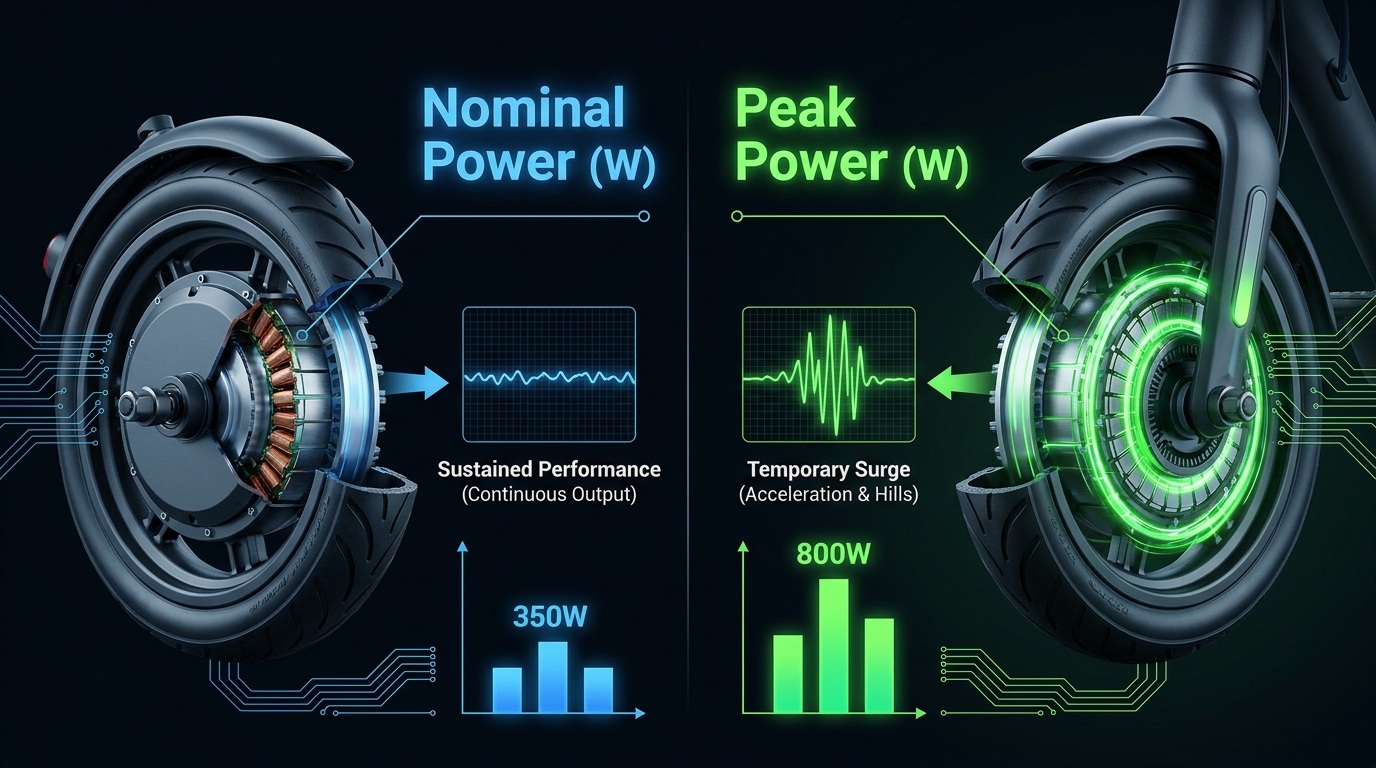
Peak electric scooter motor power is the maximum wattage a motor can generate for short, temporary bursts of energy. This temporary threshold represents a sudden spike in energy draw rather than the steady-state electric scooter motor power you use while cruising.
The role of the controller in managing power
The motor controller acts as the brain, regulating exactly how much electrical current flows from the battery to the hub. Here is the kicker: the motor cannot draw peak power unless the controller actively permits the higher amperage.
- Current Regulation: Limits the flow of amps to protect delicate wiring.
- Throttle Response: Translates your hand movements into sudden acceleration surges.
- Safety Intercepts: Prevents electrical overloads from damaging the lithium-ion cells.
How long can you sustain peak output?
Peak output is designed only for brief intervals, typically lasting between 15 to 30 seconds. Think of it this way: sustained peak draw is unsustainable because of massive heat accumulation.
- Short Bursts: Active during the initial launch from a complete stop.
- Automatic Throttling: Built-in sensors pull wattage back to nominal levels to cool the system.
- Battery Protection: Prevents extreme voltage drops that lead to premature power loss.
Balancing nominal and peak capabilities
A well-engineered scooter balances both nominal and peak limits to keep your ride efficient yet punchy. Simply put: you do not want an aggressive scooter that burns through its battery in minutes.
- Daily Cruise Stability: Keeps your ride comfortable and highly predictable.
- On-Demand Power: Delivers instant torque exactly when you need to pass a cyclist.
- Ecosystem Balance: Protects the battery, controller, and motor from premature wear.
Key Takeaway: Understanding peak power ensures you know exactly when your scooter will deliver temporary performance boosts without overworking the electrical system.
| Power Profile | Operational Duration | Main Advantage | Thermal Strain |
|---|---|---|---|
| Continuous (Nominal) | Indefinite (Normal operation) | Maximizes range and protects motor health | Very Low (Runs within safe limits) |
| Peak Surge | 15 – 30 seconds max | Conquers sudden steep hills with ease | Very High (Requires rapid thermal cooling) |
Evaluate whether a manufacturer clearly lists both specs; transparency here is a strong indicator of build quality and controller engineering.
How Much Electric Scooter Motor Power Do You Need?
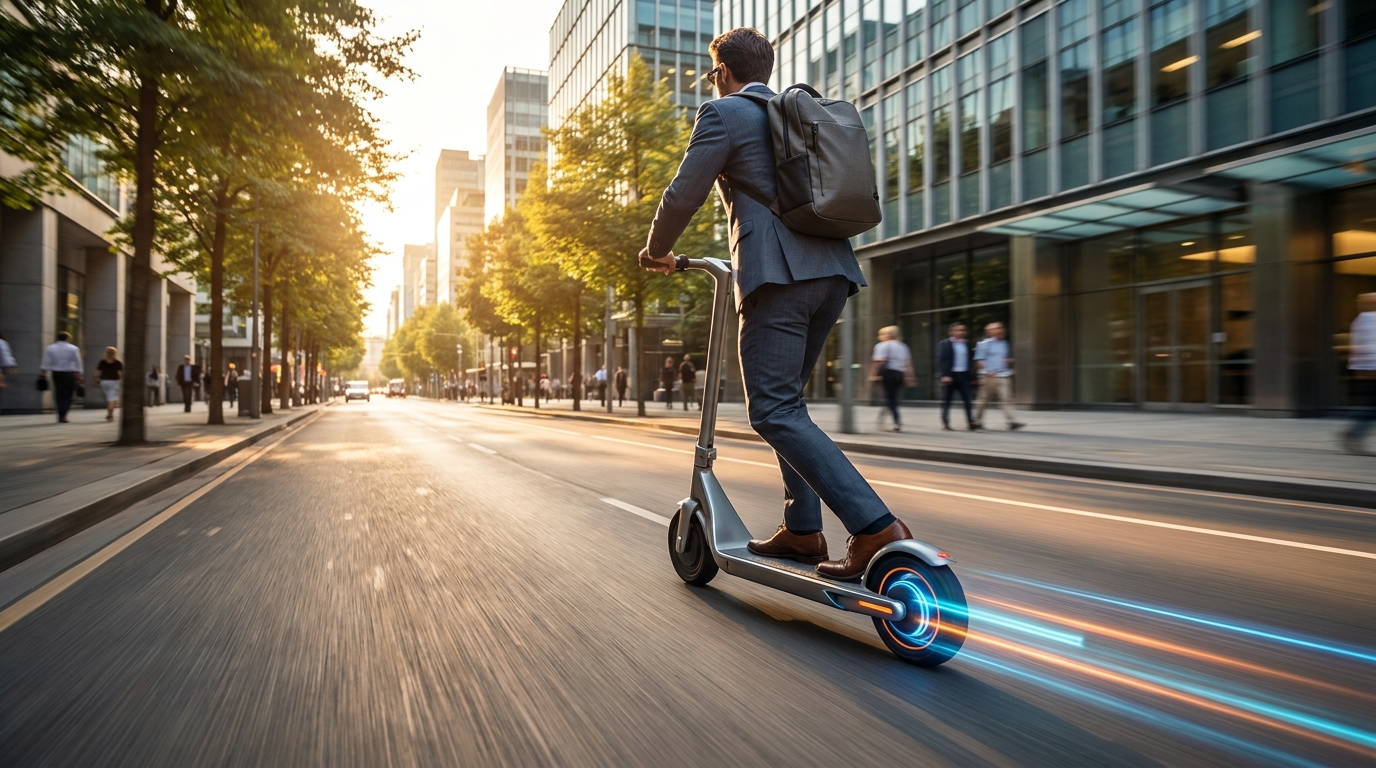
The amount of motor power you need depends entirely on your daily route, rider weight, and local landscape. Determining the ideal electric scooter motor power for your routine saves you from overpaying for excess wattage or struggling with an underpowered machine.
Finding the sweet spot for light urban use
For flat sidewalks, designated bike lanes, and short commutes, a moderate motor is your absolute best bet. Let’s be honest: you do not need off-road capabilities just to travel a few blocks.
- Portability Focus: Lower-wattage motors keep the overall vehicle weight light.
- Optimal Range: Keeps battery consumption minimal for extended daily travel.
- Adequate Speed: Easily maintains standard legal speeds of 20 to 25 km/h.
Why does terrain dictate your power choices?
Smooth asphalt requires very little effort, while gravel, grass, and cobblestones demand immediate power upgrades. Here is why this matters: rough terrains increase rolling resistance exponentially.
- Traction Maintenance: High wattage prevents the wheels from spinning out on loose dirt.
- Velocity Preservation: Sustains forward momentum without bogging down.
- Structural Integrity: Keeps the powertrain from straining under constant resistance.
Wattage requirements for heavy duty riding
If you plan to ride over rugged paths or carry heavy cargo, you must scale up your wattage parameters. But wait, there’s more: high payload capacities require high-torque electrical configurations.
- Robust Output: Ensures smooth performance even when carrying heavy gear.
- Stall Prevention: Guarantees the motor will not freeze on difficult obstacles.
- Component Cushioning: Prevents structural strain on the axle and wheel bearings.
Key Takeaway: Matching motor wattage to your specific commute prevents performance issues and ensures you get the maximum value from your investment.
| Use Case Profile | Recommended Nominal Wattage | Terrains Handled | Portability Level |
|---|---|---|---|
| Casual Urban Commuter | 250W – 350W | Paved streets, flat bike lanes | Outstanding (Lightweight and compact) |
| Active Urban Explorer | 350W – 500W | Light gravel, moderate hills | Highly Practical (Balanced weight) |
| All-Terrain / Long Haul | 800W – 1000W+ | Rough dirt paths, steep hills | Heavy & Bulky (Limited portability) |
Prioritize overall vehicle weight and folding efficiency over extreme motor wattage if your route does not feature steep elevation changes.
How Does Electric Scooter Motor Power Type Differ?
Motor power types differ primarily based on where and how the hub motor is configured within the wheels. Choosing the right configuration affects how your electric scooter motor power is delivered to the ground, impacting both traction and handling.
The mechanics of brushless DC hub motors
Brushless DC (BLDC) motors represent the modern standard in high-efficiency electric micro-mobility. Let let keep it simple: by eliminating physical brushes, these motors minimize friction and wear.
- Minimal Maintenance: No physical brushes mean fewer moving parts to replace over time.
- High Efficiency: Directly converts battery energy into wheel rotation with minimal heat loss.
- Silent Operation: Runs extremely quietly compared to traditional brushed alternatives.
Should you choose front or rear drive?
Front-drive scooters offer nimble steering, while rear-drive models excel in traction and overall stability. Look: your choice dramatically alters how the scooter feels when navigating sharp corners.
- Front Drive: Pulls the scooter forward, offering agile handling on flat paths.
- Rear Drive: Pushes the scooter, preventing wheel slippage during fast acceleration.
- Weight Distribution: Rear motors handle rider weight distribution much more effectively.
Direct drive versus geared hub motors
Direct drive motors offer maximum durability, whereas geared motors provide superior torque from a smaller physical footprint. Let that sink in: the right choice depends on your torque demands.
- Direct Drive: Features a simple, bulletproof design that lasts for thousands of miles.
- Geared Motors: Uses internal gears to amplify torque output at lower speeds.
- Mechanical Complexity: Geared configurations feature additional parts that may require servicing.
Key Takeaway: Brushless rear-drive hub motors offer the ultimate combination of traction, reliability, and maintenance-free commuting for daily riders.
| Motor Type | Torque Level | Maintenance Needs | Ideal Application |
|---|---|---|---|
| Direct Drive Hub | Moderate | Virtually Zero (Completely sealed) | Flat to moderate urban commuting |
| Geared Hub | Exceptionally High | Moderate (Internal gears can wear) | Steep hill climbing and heavy payloads |
Assess your daily route and transport needs; if your commute involves lifting the scooter onto public transit, a single sealed direct-drive motor is almost always the smarter choice.
How Do Volts and Electric Scooter Motor Power Align?
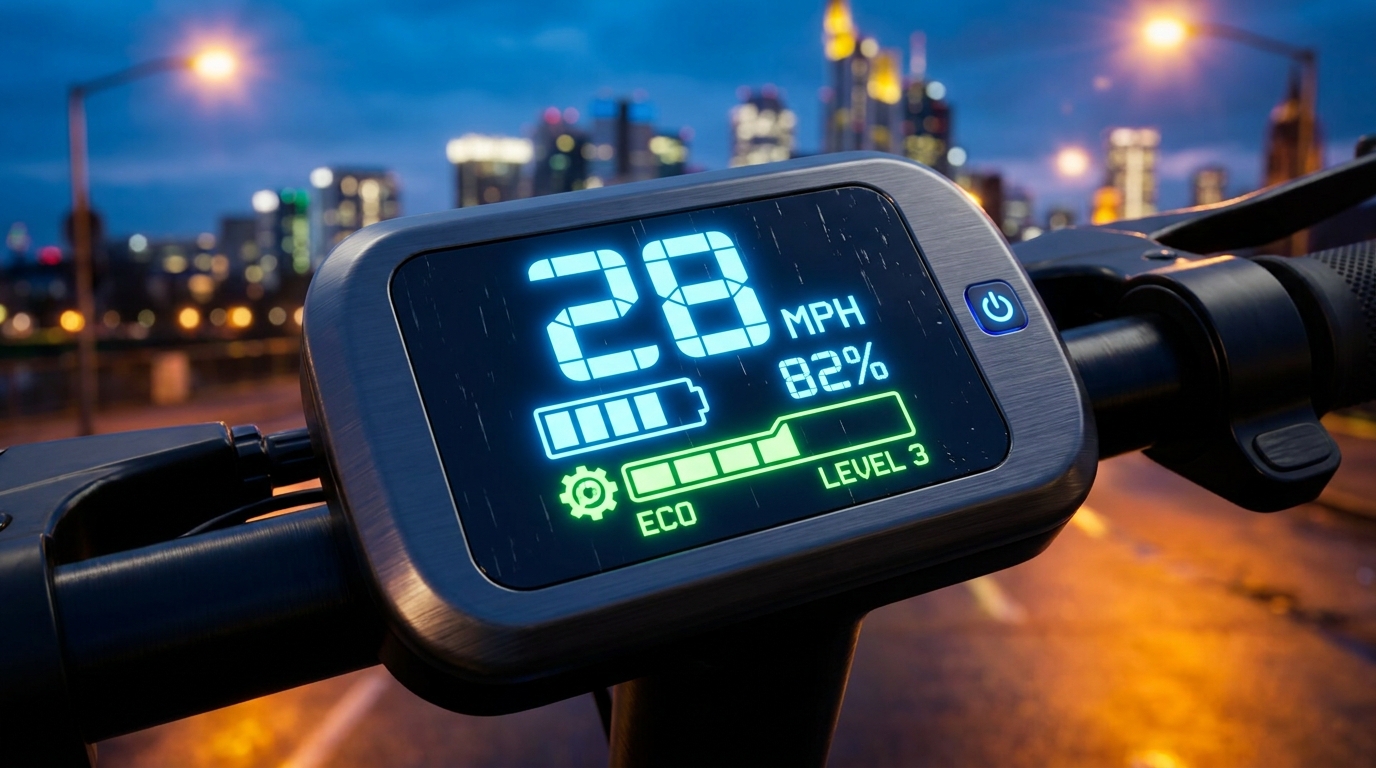
Voltage and motor power align because higher voltage acts as the electrical pressure pushing more current through the system. Evaluating this synergy shows how system voltage directly supports high-efficiency electric scooter motor power delivery.
How voltage affects top-end performance
Higher voltage allows the motor to spin faster, which directly increases your maximum attainable speed. Think about it: a 48V system will consistently outperform a 36V system even if both are rated for the same wattage.
- Higher RPMs: Increases the maximum rotations per minute of the wheel hub.
- Reduced Power Loss: Pushes current more efficiently with less energy wasted as heat.
- Enhanced Power Delivery: Keeps acceleration punchy and responsive throughout your ride.
What is the impact of voltage sag?
Voltage sag occurs when the battery’s charge drops, resulting in a temporary loss of acceleration power. Here is the kicker: lower-voltage scooters suffer from noticeable performance drops long before the battery is fully empty.
- Gradual Deceleration: Speed decreases as the battery level drops.
- Current Compensation: High-voltage systems resist this sag to keep speeds consistent.
- Battery Management: Smart software helps minimize sag by regulating current flow.
Standard battery voltage pairings
Most commuter scooters use 36V or 48V systems, while extreme performance models rely on 60V setups. But wait, there’s more: aligning your motor wattage with the proper voltage prevents system bottlenecks.
- 36V Systems: Perfect for lightweight, highly compact commuter models.
- 48V Systems: Offers the ideal sweet spot for balanced speed, weight, and hill climbing.
- 60V+ Systems: Reserved exclusively for high-speed, off-road performance machines.
Key Takeaway: Choosing a higher voltage system guarantees consistent, sag-free performance and faster speeds even as your battery drains.
| System Voltage | Best Wattage Match | Real-World Advantage | Commuter Class |
|---|---|---|---|
| 36V | 250W – 350W | Extremely light weight, highly compact | Last-mile commuter |
| 48V | 500W – 800W | Excellent balance of speed and hill torque | Daily urban cruiser |
| 60V+ | 1000W+ | Aggressive speed, virtually no voltage sag | Performance enthusiast |
When buying, avoid matching low-voltage batteries with high-wattage motors, as this combination leads to severe voltage sag and short battery life.
Can Electric Scooter Motor Power Conquer Steep Hills?
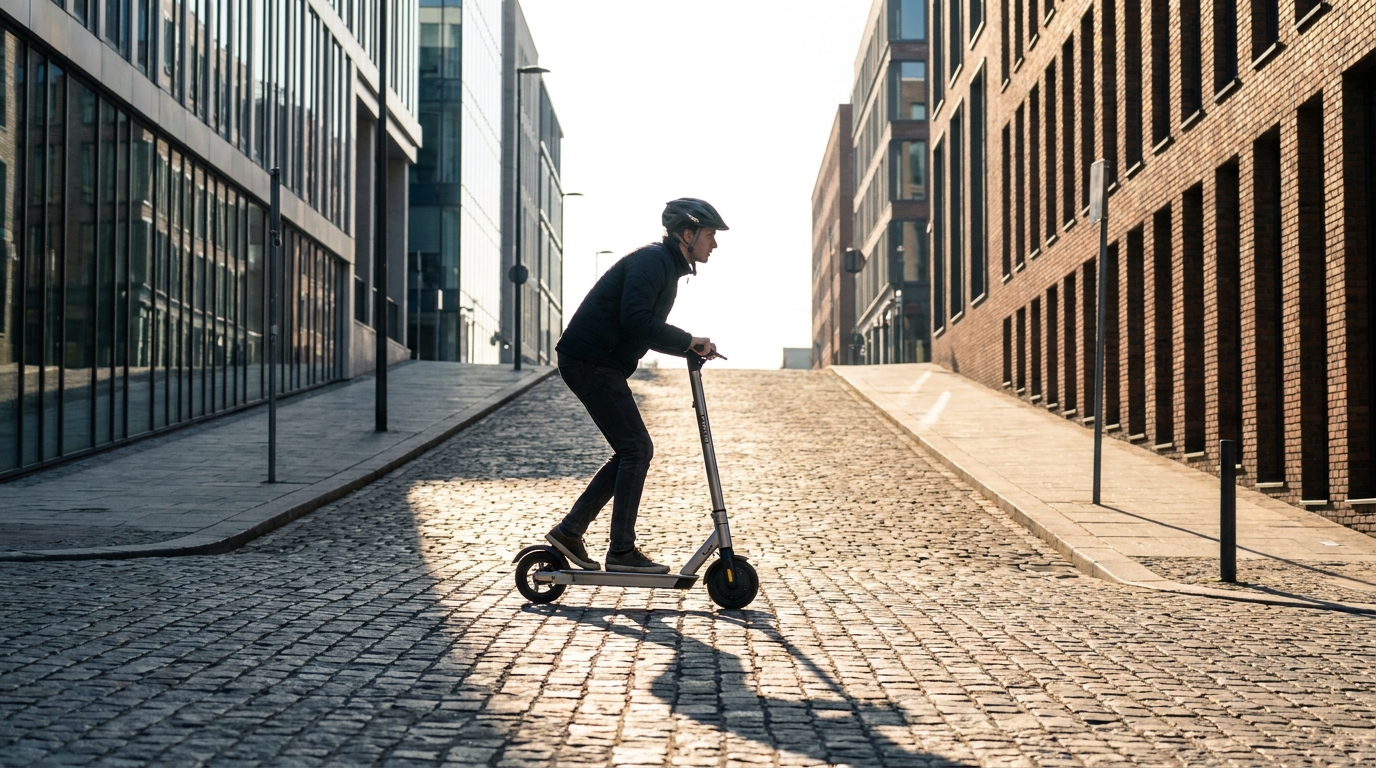
Yes, adequate motor power can conquer steep hills if the system is designed to generate sufficient low-end rotational torque. Scaling elevated pathways requires robust electric scooter motor power paired with a battery capable of sustaining continuous heavy current draw.
Understanding the physics of hill climbing
Gravity increases the resistance your motor must overcome, requiring an immediate surge in torque. And the truth is: raw wattage specs on paper do not always translate to easy climbing if the torque curve is too flat.
- Gravitational Resistance: Demands instant power to maintain forward velocity.
- Amperage Surge: Forces the battery to discharge high current levels to keep moving.
- Mechanical Leverage: Smaller wheel sizes naturally generate better climbing leverage.
Can a 350W motor tackle moderate grades?
A high-quality 350W nominal motor can handle moderate slopes of up to 10% to 12% if the rider is within normal weight limits. Let let keep it simple: expect a natural speed reduction as the motor swaps speed for climbing torque.
- Speed Trade-off: Speed will drop slightly to preserve climbing momentum.
- Rider Weight Limits: Lighter riders will climb far more efficiently.
- Incline Capable: Perfect for standard highway overpasses and light city hills.
When are dual motors necessary for slopes?
If your daily route features steep inclines exceeding 15% to 20%, a dual-motor configuration is highly recommended. This is where things change: distributing the physical load across two wheels prevents motor strain.
- All-Wheel Traction: Prevents front-wheel slip on steep, damp asphalt.
- Shared Thermal Load: Two motors running cool will easily outlast one struggling single motor.
- Zero Stall Risk: Keeps you moving at a steady pace without manual kicking.
Key Takeaway: For moderate urban inclines, a high-torque 350W to 500W motor is perfectly sufficient. If you regularly face extreme terrain, choose dual motors.
| Slope Gradient | Incline Percentage | Minimum Power Requirement | Expected Performance |
|---|---|---|---|
| Mild Incline | Under 10% (5.7°) | 350W Nominal | Maintains comfortable cruising speeds |
| Moderate Hill | 10% – 15% (8.5°) | 500W Nominal | Slows slightly but climbs reliably |
| Steep Slope | 15% + (9.5°+) | 800W+ or Dual Motors | Aggressive climb without thermal shutoff |
If your daily route has a grade steeper than 15%, prioritize dual-motor setups to prevent motor stress and thermal shutdown.
Does Electric Scooter Motor Power Determine Speed?
Motor power determines speed to an extent, but it acts primarily as the foundation while battery voltage and firmware set the final limits. Understanding this relationship prevents you from assuming that raw electric scooter motor power always equates directly to a faster ride.
The relationship between wattage and speed
More wattage provides the force needed to overcome physical wind resistance and rolling friction at higher speeds. Think of it this way: a powerful motor has the muscle to keep pushing when the wind pushes back.
- Force Generation: Pushes through aerodynamic drag at high velocities.
- Acceleration Support: Reaches top speed quickly and smoothly.
- Sustained Velocity: Keeps you cruising at your target speed without bogging down.
How do electronic speed governors work?
Most regions enforce strict legal speed limits on public pathways, which manufacturers program directly into the controller’s firmware. The best part? This means even a massive motor will be restricted to local limits for legal safety.
- Firmware Limits: Hard-coded limits restrict the maximum RPM of the wheel hub.
- Toggled Speed Modes: Allows you to swap between Eco, Standard, and Sport modes easily.
- Legal Compliance: Keeps your ride legal for city bike lanes and streets.
The role of aerodynamic drag at high speed
Aerodynamic drag increases exponentially as you go faster, requiring massive amounts of power to maintain high velocities. But wait, there’s more: riding upright acts like a sail, putting heavy strain on the motor.
- Wind Resistance: Consumes the vast majority of your battery at speeds over 25 km/h.
- Rider Posture: Leaning forward slightly reduces drag and saves battery life.
- Power Consumption: High-wattage motors are required to maintain speeds against heavy headwinds.
Key Takeaway: Motor wattage determines how easily your scooter reaches its top speed, but electronic speed governors and wind drag set the final physical limits.
| Motor Power Rating | Maximum Theoretical Speed | Typical Limited Speed | Wind Resistance Sensitivity |
|---|---|---|---|
| 250W – 350W | 25 – 30 km/h | 25 km/h | High (Headwinds will reduce speed) |
| 500W – 800W | 35 – 45 km/h | 32 km/h | Moderate (Maintains speed easily) |
| 1000W+ | 50+ km/h | Restricted per local laws | Low (Easily cuts through strong drag) |
Always pay attention to whether a manufacturer lists the top speed as “unlocked” (for private property) or “governed” (for public road legality).
Does Rider Weight Affect Electric Scooter Motor Power?
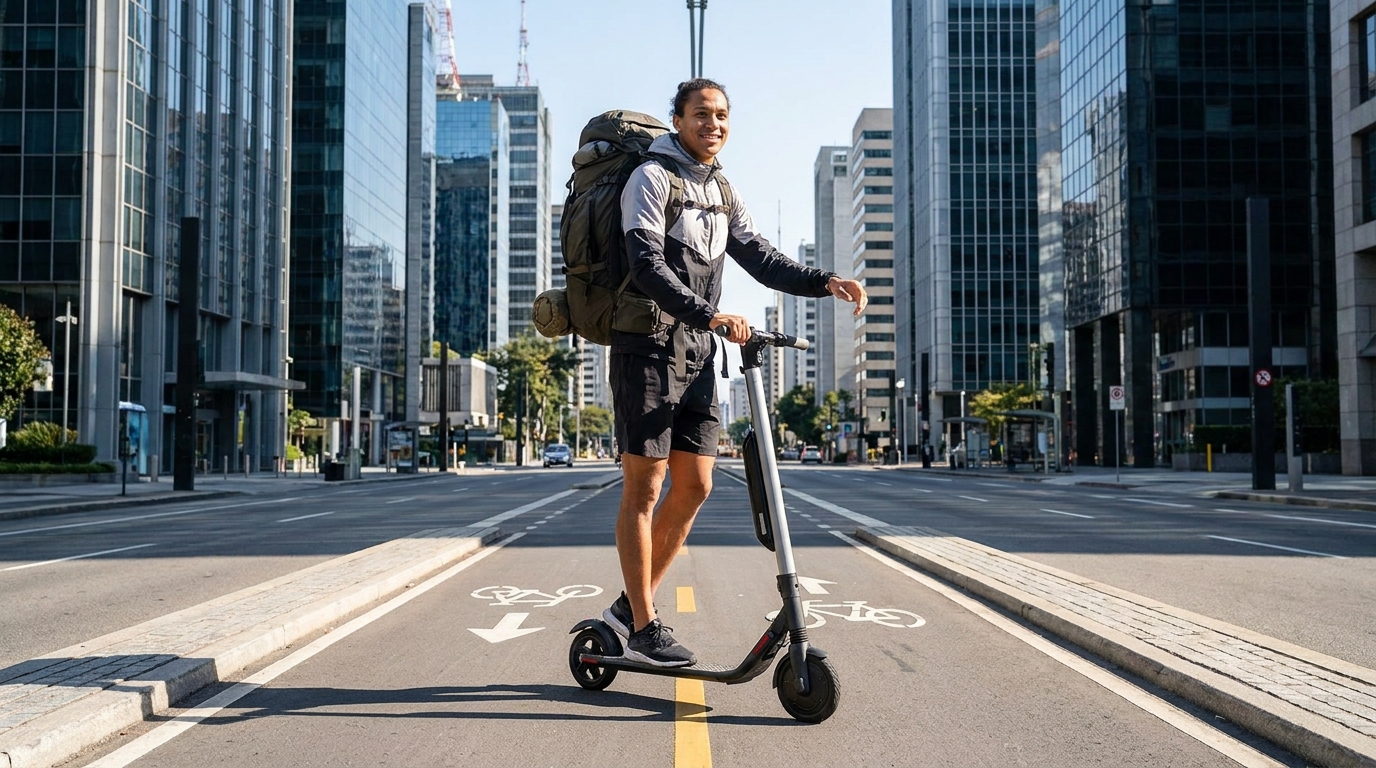
Yes, rider weight directly affects motor power by increasing the load resistance the electrical system must overcome. Failing to account for payload limits can severely degrade your electric scooter motor power efficiency and lead to premature hardware failure.
Payload limits and electrical strain
A heavier payload forces the motor to draw more current from the battery to maintain steady cruising speeds. Here is the truth: running a light motor under heavy weight causes rapid heat buildup.
- Amperage Draw: Increases heat generation inside the motor stator.
- Sluggish Acceleration: Slower launch speeds from a complete stop.
- Mechanical Stress: Places high stress on the axle, frame, and wheel bearings.
What is the impact on battery range?
When a motor must work twice as hard to move, battery range drops significantly. Keep in mind: carrying a heavy backpack or daily cargo counts toward your total payload calculations.
- Fast Battery Drain: Rapidly discharges battery capacity.
- Voltage Drop: Causes the battery to sag, dropping your top speed sooner.
- Range Loss: Can reduce advertised range by up to 30% to 50% under heavy loads.
Best power levels for heavier riders
Riders weighing over 90 kg should avoid entry-level 250W motors and opt for a minimum of 500W continuous power. Bottom line: investing in adequate wattage ensures a reliable and comfortable daily commute.
- 500W – 750W Nominal: Recommended for average to heavy riders on flat routes.
- 1000W+ or Dual Motors: Essential for heavier riders facing daily hill climbs.
- Pneumatic Tire Synergy: High-power motors must be paired with wide, high-traction tires.
Key Takeaway: Aligning your motor power with your actual payload weight protects your powertrain from burnout and guarantees reliable daily performance.
| Rider Weight Class | Recommended Minimum Nominal Power | Recommended Configuration | Expected Performance Level |
|---|---|---|---|
| Lighter (Under 75 kg) | 250W – 350W | Single Hub Motor | Maximum advertised range, optimal speed |
| Average (75 kg – 90 kg) | 350W – 500W | Single Hub Motor | Solid acceleration, minor speed drops on hills |
| Heavier (90 kg – 110 kg+) | 500W – 800W+ | Powerful Single / Dual Motors | Consistent speeds on moderate inclines |
Always cross-reference the manufacturer’s maximum weight capacity rating with the nominal motor wattage to ensure a safe performance margin.
Conclusion
Selecting the right motor power is the single most important decision when buying an electric scooter. It shapes how your scooter handles hills, accelerates, and carries you through your daily commute. Whether you need the ultra-portable convenience of a 350W hub motor or the rugged capabilities of an all-terrain setup, understanding nominal vs. peak power ensures you get the performance you expect.
Ready to find your perfect ride? Explore our full lineup of portable electric scooters or contact us today for personalized help picking the ideal motor for your commute!
Frequently Asked Questions About Scooter Power
Can I upgrade my electric scooter motor to a higher wattage?
While physically possible, upgrading a hub motor is highly discouraged and usually cost-prohibitive. To support a more powerful motor, you must also replace the controller with one that handles higher amperage, swap out the battery for a higher voltage pack, and upgrade the wiring to prevent melting. For safety and reliability, it is almost always better to sell your current scooter and buy a model engineered from the factory for higher power.
Can I ride a 500W electric scooter on public city bike paths?
Yes, in the vast majority of North American cities, a 500W nominal motor is fully legal on public bike paths. However, local bylaws often enforce a strict speed limit (usually 20 km/h to 25 km/h) on these paths. As long as you stay within the legal speed limits and ride respectfully around cyclists and pedestrians, a 500W motor is an outstanding, compliant option for daily commuting.
What’s the best motor power for a heavy adult rider?
For adult riders weighing between 90 kg and 120 kg, a motor setup with at least 500W to 800W of nominal (continuous) power is highly recommended. This power level ensures that the scooter can maintain a safe speed of 20 to 25 km/h on flat roads without placing excessive strain on the electrical components or draining the battery too quickly. If your daily route features moderate or steep hills, a dual-motor configuration with a combined output of 1000W or more is the best choice to ensure consistent climbing performance.
What’s the best way to maintain my electric scooter motor?
Hub motors are highly durable and virtually maintenance-free because they are completely sealed, brushless units. The best way to maintain them is to keep them clean and dry. Avoid spraying high-pressure water directly at the wheel axles where the wires enter the motor casing, and check the axle nuts periodically to ensure they are torqued correctly. Additionally, keeping your tires inflated to the recommended PSI reduces rolling resistance, preventing the motor from overworking and running hot.
How do I know if my electric scooter motor is failing or damaged?
The most common signs of a failing motor include a loud rubbing or grinding noise from inside the hub (indicating worn bearings), a sudden and severe drop in torque or top speed, or the motor running unusually hot after a short, flat ride. If the motor stutter-steps or hesitates during acceleration, it usually points to a damaged controller or a loose hall sensor wire rather than a physical motor failure.