...

April 20, 2026

Electric Scooter Wheels: Solid Tires VS Pneumatic Tires

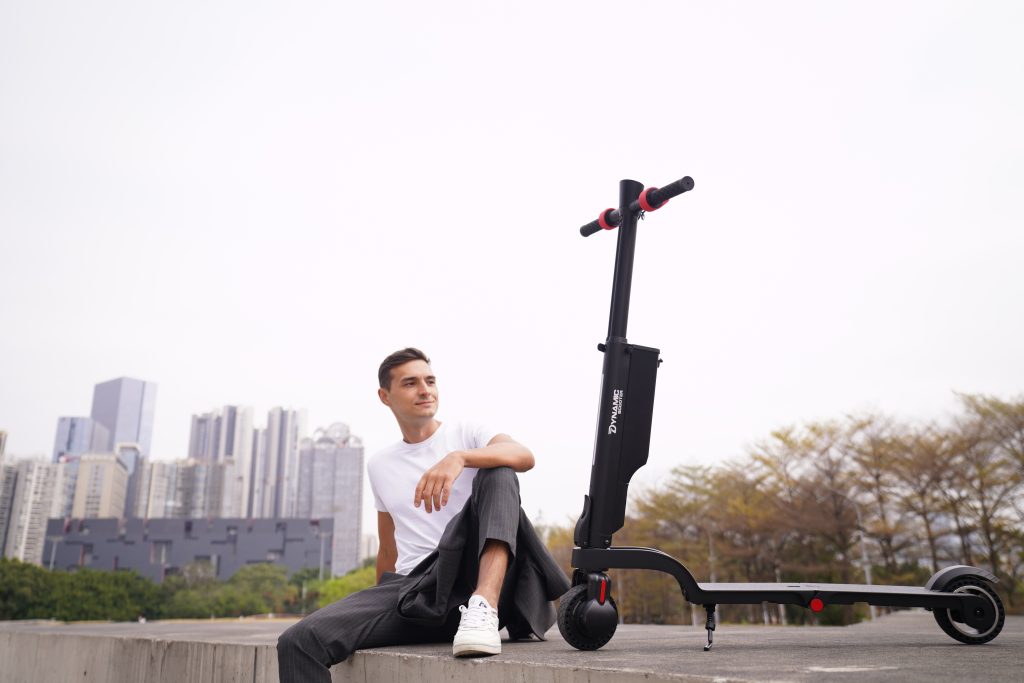
You are finally ready to ditch the car for a faster commute, but you are paralyzed by the choice between different tire types. Choosing the wrong setup can lead to a bone-rattling ride or a frustrating flat tire just minutes before an important morning meeting. Imagine feeling every single crack in the sidewalk vibrating through your ankles, or worse, hearing that dreaded hiss of air escaping while you are miles from home. The wrong choice in electric scooter wheels doesn’t just ruin your comfort; it compromises your safety and your schedule. Understanding the technical trade-offs between solid and pneumatic systems allows you to tailor your ride to your specific environment. By selecting a balanced machine like the Dynamic Scooter Model B, you can enjoy the perfect marriage of durability and smooth performance. What are the types of electric scooter wheels? The primary types of electric scooter wheels you will encounter are pneumatic (air-filled) and solid (airless) tires. Each variety is engineered for specific road conditions and maintenance preferences. Are pneumatic tires the standard? Look: What defines a solid tire? Think about it: Key Takeaway: Choosing the right tire type depends entirely on whether you value ride smoothness or zero maintenance. Tire Type Main Material Primary Benefit Pneumatic Rubber + Air Shock Absorption Solid Polyurethane No Flats How do pneumatic electric scooter wheels work? Pneumatic electric scooter wheels function by trapping a volume of compressed air inside a rubber casing to act as a primary suspension system. This air pocket deforms when you hit a bump, absorbing energy that would otherwise travel to your feet. How does air pressure affect the ride? Believe it or not: What is the role of the inner tube? It gets better: Key Takeaway: Pneumatic wheels are the gold standard for riders who prioritize a cloud-like ride over rough city streets. Component Function Maintenance Outer Tire Grip and protection Monthly inspection Inner Tube Air retention Regular PSI checks Are solid electric scooter wheels maintenance-free? Solid electric scooter wheels are essentially maintenance-free because they do not rely on air pressure to maintain their shape. You will never have to worry about nails, glass, or sharp curbs causing a flat tire during your commute. Why skip the air pump? The best part: Does the material wear out? Here is the deal: Key Takeaway: Solid tires offer total peace of mind for commuters who want a “set and forget” transportation solution. Factor Solid Tire Pneumatic Tire Flat Risk Zero High Longevity 3,000+ miles 1,500 miles Which electric scooter wheels offer better traction? Pneumatic electric scooter wheels offer significantly better traction than solid alternatives because they have a larger and softer contact patch with the road. This flexibility allows the rubber to hug the ground, especially when you are leaning into corners. How do tires handle wet roads? Check this out: Is cornering safer with air? You might be wondering: Key Takeaway: If your route includes rain, metal grates, or sharp turns, pneumatic wheels are the safer choice for stability. Surface Condition Pneumatic Grip Solid Grip Wet Pavement Good Fair Loose Gravel Fair Poor How do honeycomb electric scooter wheels perform? Honeycomb electric scooter wheels utilize a series of internal holes or vents to mimic the damping effects of air without the risk of punctures. They provide a noticeable improvement in comfort compared to fully solid tires while remaining 100% flat-proof. Are they the best of both worlds? Don’t panic: Do they affect acceleration? You won’t believe it: Key Takeaway: Honeycomb wheels are the ideal compromise for the rider who hates flats but wants a smoother commute. Feature Honeycomb Fully Solid Ride Comfort Medium Low Puncture Risk Zero Zero Can you repair damaged electric scooter wheels easily? Repairing electric scooter wheels is generally easier if you have pneumatic tires, as most issues involve a simple inner tube swap that you can perform with basic hand tools. Solid tires cannot be repaired once damaged; they must be entirely replaced. Is a flat tire easy to fix? The reality is: How hard is solid tire replacement? Here is the kicker: Key Takeaway: Pneumatic tires are more prone to damage, but they are significantly more user-serviceable for the average rider. Issue Pneumatic Solution Solid Solution Small Puncture Patch or Sealant Replace Entire Unit Blowout New Inner Tube Replace Entire Unit Do electric scooter wheels affect your battery range? Your choice of electric scooter wheels has a direct impact on your range because of differences in weight and rolling resistance. Correctly inflated pneumatic tires are the most energy-efficient option, allowing the motor to work less. Does tire weight matter? Look: How does PSI impact range? Think about it: Key Takeaway: If you want to maximize your travel distance, keeping your pneumatic tires at the correct pressure is vital. Wheel Setup Efficiency Range Impact Pneumatic (High PSI) Highest Positive Solid Rubber Lowest Negative How long do different electric scooter wheels last? The lifespan of different electric scooter wheels varies greatly, with solid tires generally outlasting pneumatic versions by several hundred miles due to their denser material. A high-quality solid tire can easily last for 3,000 miles before the tread becomes a safety concern. When should you replace air tires? Believe it or not: Why does compound quality matter? It gets better: Key Takeaway: Solid tires are the more cost-effective long-term investment if you plan to ride thousands of miles annually. Tire Life Pneumatic Solid Avg. Mileage 1,500 miles 3,000+ miles Sun Resistance Moderate High Are tubeless electric scooter wheels better for speed? Tubeless electric scooter wheels are considered the superior choice for high-speed riding because they lack the internal friction of an inner tube. This reduction in heat and rolling resistance allows the motor to reach higher velocities more efficiently. Why do performance riders use tubeless? Check this out: Is solid rubber bad for speed? You won’t believe it: Key Takeaway: For performance enthusiasts and fast commuters, a tubeless pneumatic system provides the best speed and handling. Performance Tubeless Solid Top Speed Highest Lower

Electric Scooter Wheels: Solid Tires VS Pneumatic Tires Read More »

How to Store Your Electric Scooter? The Ultimate 2026 Manual

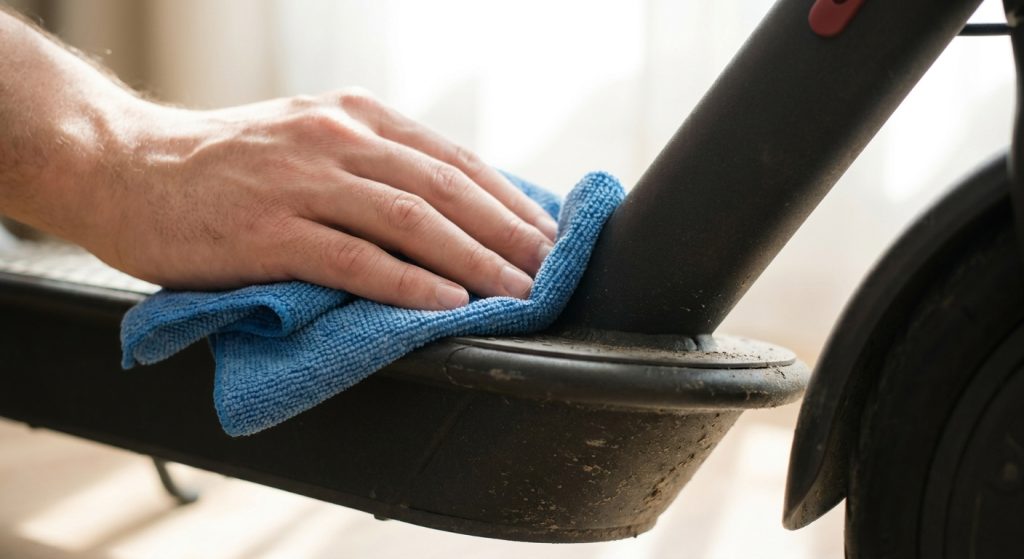
Proper electric scooter storage involves cleaning the frame, maintaining the battery at roughly 50% charge, and finding a dry, temperature-controlled environment. You’ve likely invested significant money into a high-performance machine, but now it’s sitting idle as the seasons change. If you simply park it and forget it, you’re inviting battery degradation and rust to ruin your ride. Thankfully, our guide ensures your scooter stays in showroom condition for your next adventure. How to prep for electric scooter storage? You prep by deep cleaning the deck, lubricating all moving joints, and applying anti-rust spray to any exposed metal parts. Proper electric scooter storage starts with removing the corrosive grime that accumulates during daily commutes. Leaving dirt on the frame can trap moisture against the metal, leading to oxidation over time. Why clean the frame before storing? Cleaning the frame ensures that salt, mud, and debris don’t eat away at your finish while the scooter sits. Here’s the deal: even a small amount of road salt can cause significant pitting on aluminum and steel components. Use a damp cloth and mild soap, but avoid high-pressure hoses that could force water into the electronics. How to lubricate the moving parts? Should you oil the folding mechanism before putting it away? Absolutely, as this prevents the metal-on-metal joints from seizing up during months of inactivity. Apply a thin layer of silicone lubricant to the following areas: Key Takeaway for Preparation The bottom line? A clean scooter is a protected scooter that will function flawlessly when you’re ready to ride again. Step Action Benefit Cleaning Wipe with damp cloth Prevents corrosion Drying Use microfiber towel Eliminates moisture Lubing Apply silicone spray Keeps joints fluid Thoroughly preparing the mechanical aspects of your ride prevents small issues from becoming expensive repairs during the off-season. Where is the best electric scooter storage? The best place for electric scooter storage is a dry, indoor location with a stable temperature between 50°F and 85°F. Humidity and extreme temperature swings are the hidden enemies of sensitive electronic components and battery cells. Storing your ride in a living room, hallway, or a climate-controlled basement is always the safest bet. Is a garage or basement safe? Garages are acceptable as long as they are dry and don’t experience sub-freezing temperatures. But wait, there’s more: if your garage is damp, you run the risk of internal condensation forming inside the motor controller. Ensure the area is well-ventilated and kept away from any chemicals that might off-gas and damage rubber parts. Key Takeaway for Location Selecting a stable environment is the most important factor in preserving the lifespan of your scooter’s internal electronics. Location Safety Level Climate Control Living Room Excellent Full Control Dry Garage Good Moderate Damp Shed Poor None An indoor environment protects the scooter from the primary causes of hardware failure: moisture and extreme heat. What battery tips aid electric scooter storage? Keep your battery level between 40% and 60% and check it once a month to prevent a dangerous deep discharge state. Strategic electric scooter storage ensures your battery chemistry remains stable while the device is not in active use. Never store a battery at 0% or 100%, as both extremes put unnecessary stress on the lithium cells. Should you charge to 100%? Is it a good idea to top off the battery before a long break? No, because keeping a lithium-ion battery at maximum voltage for months can cause permanent capacity loss. Here is the kicker: batteries naturally lose a small amount of charge over time, so starting at the middle range provides a safe buffer. Key Takeaway for Battery Care Monitoring your charge level is the single most effective way to ensure your battery doesn’t “brick” during the winter. Metric Ideal Range Frequency Charge Level 40% – 60% Permanent Check-up Status Check Monthly Temperature 50°F – 75°F Continuous Maintaining the “sweet spot” of battery voltage preserves the chemical integrity of the cells for hundreds of future cycles. How to treat tires during electric scooter storage? You should slightly over-inflate pneumatic tires and store the scooter on a stand to prevent the rubber from developing flat spots. Neglecting the tires during electric scooter storage can lead to cracks in the sidewalls or an uncomfortable, wobbly ride later. If the wheels support the full weight of the scooter in one position for months, the rubber can permanently deform. How to prevent tire flat spots? What’s the easiest way to keep tires round? Using a dedicated stand or even a sturdy box to lift the wheels off the ground is the professional’s choice. Think about it: if you can’t lift it, simply rolling the scooter a few inches every two weeks will redistribute the pressure points. Key Takeaway for Tire Health Lifting the scooter takes the pressure off the rubber and the bearings, ensuring a smooth transition back to the road. Tire Type Storage Action Risk Factor Pneumatic Elevate & Over-inflate Flat spots Solid Elevate Bearing stress Honeycomb Keep Dry Dry rot By removing the constant load from the tires, you prevent structural damage that often goes unnoticed until you reach high speeds. Why use covers for electric scooter storage? Using a breathable cover prevents dust buildup and protects sensitive electronics from moisture present in the ambient air. High-quality electric scooter storage solutions always prioritize environmental shielding even when the device is kept indoors. Dust can act as a bridge for static electricity or trap moisture against electrical contacts, potentially causing short circuits. How to keep your scooter dust-free? Can you just use an old bedsheet to cover your ride? While any cover is better than none, a specialized scooter cover offers a tighter fit and better protection against accidental scratches. Now for the best part: many covers are made from rip-stop material that resists punctures and UV damage if the sun hits your storage area. Key Takeaway for Shielding A simple cover acts as a first line of defense against the invisible threats of dust, pets, and household humidity. Cover

How to Store Your Electric Scooter? The Ultimate 2026 Manual Read More »

How to Set Up Your New Electric Scooter? Read This Before You Ride

To set up your new electric scooter, you must carefully unbox the frame, secure the handlebar assembly with the provided screws, and perform a full initial battery charge. Many new owners feel a surge of excitement when their package arrives, only to be met with a confusing array of wires and heavy components that seem impossible to align. This frustration can quickly turn a dream commute into a mechanical headache, leading to loose bolts or even electrical shorts if handled incorrectly. This comprehensive guide is the ultimate solution for your electric scooter setup, providing clear, step-by-step instructions to get you on the road safely and swiftly. How to begin your initial electric scooter setup unboxing? You begin your initial electric scooter setup by placing the box on a flat surface and carefully lifting the scooter out by its main stem and rear base. It is vital to avoid pulling on any exposed wires or plastic fenders that could snap under the weight of the device. What should you look for inside the box? Once the main unit is out, you must locate the small accessory box which typically contains your charger, tools, and user manual. Checking these items against the manifest ensures you have everything needed for a successful electric scooter setup. Check this out:Many riders discard the box immediately, but keeping it for at least 30 days is a smart move in case you need to utilize the warranty or return the unit. Key Takeaway: A methodical unboxing prevents physical damage to the frame and ensures no critical assembly tools are lost in the packaging. Unboxing Step Action Required Priority Lift Frame Use the stem and deck for support High Inventory Match tools to the manual list Medium Visual Check Inspect for shipping dents or scratches High The unboxing phase sets the tone for the entire assembly process by organizing your workspace and verifying the integrity of the hardware. How do you complete the electric scooter setup for handlebars? Completing the handlebar portion of your electric scooter setup requires connecting the internal communication cable and sliding the handlebar tube into the main stem. This connection allows the throttle and brake levers to communicate with the motor controller located in the deck. How do I connect the internal wiring? Before sliding the bars into place, you must align the plastic pins of the internal data cable and press them until you hear a distinct click. Be extremely careful not to pinch these wires when you finally seat the handlebars into the upright stem. But wait, there’s more…You should always test the power button immediately after connecting the wires to verify the circuit is closed before you tighten the permanent screws. Key Takeaway: Precision during the wiring stage prevents electrical failure and ensures responsive control during your first ride. Component Task Warning Data Cable Match pins and click together Do not force the connection Stem Bolts Tighten in a cross-pattern Avoid over-torquing the threads Control Grips Check for firm attachment Ensure they do not rotate Handlebar stability is the most critical factor for steering accuracy and rider confidence once you reach commuting speeds. What is required for electric scooter setup battery charging? Your electric scooter setup requires a full 100% charge before the first use to balance the lithium-ion cells and calibrate the battery management system. Skipping this step can lead to inaccurate battery readings on your display and may slightly reduce the overall lifespan of the power pack. Where is the charging port located? Most scooters, like the Dynamic Scooter Model B, feature a charging port near the folding mechanism or at the front of the deck protected by a rubber flap. You must ensure the port is completely dry and free of dust before inserting the charger. Look at this:The indicator light will usually glow red while the battery is drawing power and switch to a solid green once the capacity is full. Why use the Dynamic Scooter Model B? We recommend the Dynamic Scooter Model B because it features a detachable battery system that makes charging incredibly convenient. You can simply pop the battery out and charge it at your desk or in your apartment without having to bring the entire scooter inside. Key Takeaway: A full initial charge is the best way to condition your battery for long-term health and maximum range. Indicator Color Status User Action Solid Red Actively Charging Leave plugged in Solid Green Fully Charged Unplug immediately Flashing Red Battery Error Disconnect and check manual Consistent charging habits starting from day one will ensure you get the most out of your electric scooter setup and investment. How to check tire pressure during electric scooter setup? Checking tire pressure is a vital part of your electric scooter setup because it directly affects your ride comfort, top speed, and puncture resistance. If you are using pneumatic tires, riding on low pressure can cause “snake bite” flats or sluggish acceleration. What is the ideal PSI for commuters? For most adult riders, a tire pressure between 45 and 55 PSI is ideal for a balance of grip and speed. If you find the ride too bumpy, you can drop the pressure slightly, but never go below 40 PSI for safety reasons. Check this out:If your scooter has solid or honeycomb tires, you can skip the air pump entirely, though you should still inspect the tread for any factory defects. Key Takeaway: Maintaining correct tire pressure is the easiest way to prevent flats and optimize your scooter’s efficiency. Tire Type Maintenance Level Recommended Action Pneumatic High Check PSI every two weeks Solid Low Inspect for cracks or debris Honeycomb Medium Check for integrated shock wear Tires are your only point of contact with the road, making them a top priority for any maintenance checklist. How to perform the electric scooter setup brake test? You perform the electric scooter setup brake test by standing next to the device and pushing it forward while firmly engaging the brake levers. The

How to Set Up Your New Electric Scooter? Read This Before You Ride Read More »

Shopping Cart
Scroll to Top