

...

June 3, 2026

Electric Scooter Laws In Ohio: 2026 Quick Summary

Imagine navigating Columbus traffic during rush hour, watching helplessly as car exhaust fumes rise and minutes tick away before your big meeting. The mounting pressure of delay vanishes completely when you step onto a premium, lightweight electric scooter, zipping effortlessly down designated lanes to arrive cool, calm, and early. Discovering the legal framework for riding electric scooters in Ohio is the ultimate key to reclaiming your daily commute. Let us break down everything you need to know about navigating the Buckeye State legally. Are electric scooters in Ohio legal on street roads? Yes, electric scooters in Ohio are completely legal to ride on public streets and roads under state law. You can navigate most municipal roadways without worrying about state-level bans. This classification provides a reliable framework for daily commuters across the state. State House Bill 295 Regulations Think about this: the Ohio General Assembly officially recognized these devices under House Bill 295. This landmark bill categorized them as low-speed micromobility options. This classification helps differentiate them from larger, heavier road vehicles. Where You Can Legally Ride You can ride on bike paths, shared-use trails, and public streets. However, local municipalities retain the power to restrict them from specific high-speed roads. Staying on designated paths keeps you safe and out of traffic trouble. Key Takeaway: Under House Bill 295, electric scooters are fully legal on roads with speed limits under 35 MPH, provided you follow standard bicycle traffic rules. Road Type Legal Status Speed Limit Rule Public Streets Allowed Up to 20 MPH Bike Lanes Allowed Follow lane limits Highways Prohibited Strictly banned This legal matrix shows exactly how state regulations partition access to keep scooter riders safe on public roads. What speed limits apply to electric scooters in Ohio? The maximum legal speed limit for electric scooters in Ohio is capped at 20 miles per hour on public streets. This limit ensures that you can travel efficiently while keeping everyone safe on the road. Exceeding this speed can result in steep fines and vehicle reclassification. The Safety Logic Behind 20 MPH Here’s the kicker: operating at high speeds significantly increases your stopping distance during emergency braking. By enforcing a 20 MPH limit, state regulators aim to lower the severity of urban accidents. This protects both you and the pedestrians you share the road with. Local Municipal Speed Variations Cities like Columbus and Cleveland have the authority to lower speed limits in heavy pedestrian areas. You must remain vigilant of local signs that post lower speed limits. Adhering to these local changes keeps the peace in busy commercial centers. Key Takeaway: While state law permits 20 MPH, always check local municipal rules as busy downtown districts often enforce a lower limit of 15 MPH. Location Type Max Legal Speed Risk Factor State Highways 20 MPH High traffic Downtown Zones 15 MPH High pedestrian density Campus Paths 10-15 MPH Shared tight spaces This variation in speed caps demonstrates how local authorities balance rider efficiency with pedestrian safety in crowded areas. Do you need a license for electric scooters in Ohio? No, you do not need a driver’s license or permit to operate electric scooters in Ohio. This regulatory exemption makes micromobility accessible to almost anyone looking for a clean transport alternative. You can simply jump on and ride without dealing with the DMV. DMV Exemptions and Registration Rules But that’s not all. Since these devices do not require a license, you also do not need to register them with the state. This means you save money on annual registration fees and mandatory vehicle inspections. Traffic Rule Compliance Still Applies Even without a license, you are legally required to obey the rules of the road. Law enforcement officers can still ticket you for running red lights or riding recklessly. Professional rider behavior protects the privileges of the entire riding community. Key Takeaway: You do not need a license or registration to ride, but you are fully bound by standard traffic regulations and can be fined for violations. Document / Requirement Mandatory? State Authority Driver’s License No Bureau of Motor Vehicles Vehicle Registration No Bureau of Motor Vehicles Traffic Rule Obedience Yes Local Police Departments This legal structure highlights how Ohio removes administrative hurdles for riders while maintaining strict on-road accountability. Are there age limits for electric scooters in Ohio? Yes, there are age restrictions for riding electric scooters in Ohio, which are largely determined by local municipal laws. Most major cities require riders to be at least 16 years of age to operate these devices on public streets. This safety measure ensures that riders can handle busy traffic safely. Parental Responsibility and Teen Riders Think about it. Allowing young children to ride powerful electric models poses serious safety risks on public roadways. Parents can be held legally and financially liable if an underage child causes an accident. Rental Company Age Policies Commercial rental scooter apps enforce their own strict age limits through user agreements. You must usually be 18 or older to unlock a rental scooter using a smartphone app. Private ownership offers more flexibility for responsible teenagers. Key Takeaway: While state law is flexible, local municipalities and rental platforms generally restrict scooter use to riders who are 16 or 18 years old. Rider Category Age Requirement Typical Legal Restrictions Private Scooter Riders 16+ (Local rule) Allowed on public roads Rental Scooter Users 18+ (App rule) Must sign digital waiver Underage Riders Under 16 Restricted to private property This age-based regulatory framework is designed to prevent accidents by keeping younger, inexperienced riders off high-traffic city streets. Can you ride electric scooters in Ohio on sidewalks? No, riding electric scooters in Ohio on sidewalks is generally prohibited in busy business and downtown districts. Municipalities restrict sidewalk riding to protect pedestrians from high-speed collisions. You should always opt for marked bike lanes or quiet side streets instead. Navigating Pedestrian Zones Safely Want to know the real secret? If you must cross a sidewalk to park or enter a building, you are legally required

Electric Scooter Laws In Ohio: 2026 Quick Summary Read More »
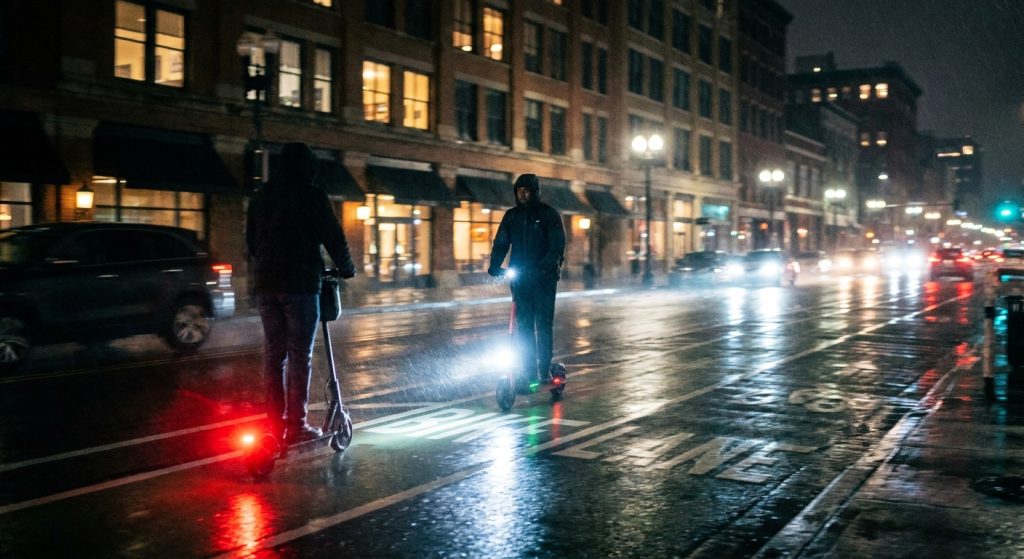
Electric Scooter Laws In Delaware: 2026 Rules Explained

Is riding electric scooters legal in Delaware? Yes, but with rules. Picture yourself cruising along the scenic pathways of the First State, enjoying a breezy morning commute. However, the joy of riding can quickly vanish when you realize that state-level classifications label these devices as “motorized skateboards,” leading to potential legal confusion, hefty fines, or even vehicle confiscation on public roads. Fortunately, understanding the specific local ordinances and picking the right vehicle allows you to navigate the streets confidently and legally. If you want to ride safely and legally, it is crucial to stay informed about electric scooters in Delaware so you can make the most of your eco-friendly travels. Are electric scooters in Delaware legal? Yes, riding electric scooters in Delaware is legal, but they are governed by a complex framework of state classifications and varying municipal codes. Under default state codes, these personal vehicles fall into a restrictive category that can make public road riding tricky without local permission. Operating electric scooters in Delaware requires you to look beyond general state laws and examine town-specific regulations. State officials classify micromobility units based on older statutes. This means your modern vehicle must adhere to policies originally drafted for gas-powered motorized skateboards. How does the state code classify your ride? Delaware Title 21 of the State Code does not officially recognize “electric scooters” under a dedicated category. Instead, state regulators class them as “motorized skateboards.” This designation includes any device powered by a motor designed to be stood or sat upon by the operator. Here is the deal: this archaic classification subjects modern electric rides to broad statewide restrictions. Is Delaware becoming friendly to micromobility? While state-level regulations remain slow to adapt, local municipalities are stepping up to welcome green transportation. Cities like Wilmington and Newark are continuously updating their frameworks to accommodate clean urban commuters. Key Takeaway: Knowing the legal classification of your scooter helps you ride confidently without violating outdated state motor vehicle codes. Legal Aspect State Default Rule Municipal Override Status Classification Motorized Skateboard Micromobility Device Road Legality Prohibited by default Permitted in designated areas Registration Not required Not required Navigating these overlapping state and local rules is the first step to ensuring a hassle-free journey across Delaware. Where can you ride electric scooters in Delaware? You can ride electric scooters in Delaware on private property, designated multi-use recreational trails, and municipal streets that explicitly permit their use. However, state law strictly prohibits riding them on state-maintained highways and public sidewalks. Understanding these geographic boundaries ensures you keep your daily commute safe and fully compliant. Operating electric scooters in Delaware requires careful route planning to avoid restricted public zones. Are you allowed on public roads and sidewalks? Delaware Code Title 21, Section 4198N bans motorized skateboards from public roadways, highways, and sidewalks. This statewide restriction is designed to prevent slower-moving personal mobility devices from mixing with high-speed highway traffic. Think about it: hitting the sidewalk in busy downtown commercial zones can pose a severe hazard to pedestrians. Can you explore parks and multi-use trails? Paved recreational trails and greenways managed by the Delaware Division of Parks and Recreation offer excellent riding opportunities. Just make sure to adhere to the designated park speed limits and always yield to hikers. Key Takeaway: Choosing the right paths keeps you safe from highway traffic while protecting pedestrians on crowded city sidewalks. Riding Zone Legality Status Crucial Speed Limit State Highways Strictly Prohibited N/A Public Sidewalks Banned in business districts N/A Paved Park Trails Permitted 15 mph limit Selecting the appropriate path is essential to enjoying Delaware’s scenic state trails legally and responsibly. What are the rules for electric scooters in Delaware? Operating electric scooters in Delaware legally requires adhering to standard traffic regulations, local speed caps, and pedestrian safety laws. Whenever you ride on authorized public streets, you must travel with the flow of traffic and obey all traffic signs. Riding electric scooters in Delaware means embracing responsible habits to guarantee a smooth and conflict-free trip. What speed limits should you follow? Most Delaware municipalities that allow micromobility cap operating speeds between 15 mph and 20 mph. Keeping your speed under these thresholds ensures you can react quickly to sudden road obstacles. As it turns out, riding at a controlled pace is the best way to safeguard yourself and others. How do you handle pedestrian right of way? Pedestrians always have the ultimate right of way in crosswalks, on shared trails, and on any permitted sidewalk paths. You must use an audible warning device, like a bell or horn, before overtaking pedestrians from behind. Key Takeaway: Observing speed limits and respecting pedestrian space will keep you clear of traffic tickets and civil liabilities. Operating Rule Standard Requirement Core Benefit Traffic Flow Ride in the direction of traffic Prevents head-on collisions Speed Cap Keep under 15–20 mph Improves braking response Pedestrian Passing Sound horn or bell before passing Prevents pedestrian collisions Following these fundamental road rules ensures you blend seamlessly with local traffic patterns. Is there an age limit for electric scooters in Delaware? Yes, there are age restrictions for riding electric scooters in Delaware, particularly on public roads and college campuses. While anyone can ride on private property, municipal codes usually require public road riders to meet a minimum age standard. Operating electric scooters in Delaware as a minor requires careful attention to avoid parental penalties. How old must you be to ride on public streets? Most local ordinances across Delaware require riders to be at least 16 years of age to operate motorized vehicles on public streets. Underage riders caught on public roads can face scooter impoundment and fines. The best part? Keeping younger teens on private property keeps them safe while they build proper riding skills. Are parents liable for underage riders? Delaware laws hold parents or legal guardians civilly and financially responsible for any traffic violations or property damage caused by minor riders. If a child under 16 rides illegally on public pathways, parents may receive the

Electric Scooter Laws In Delaware: 2026 Rules Explained Read More »

Shopping Cart
Scroll to Top