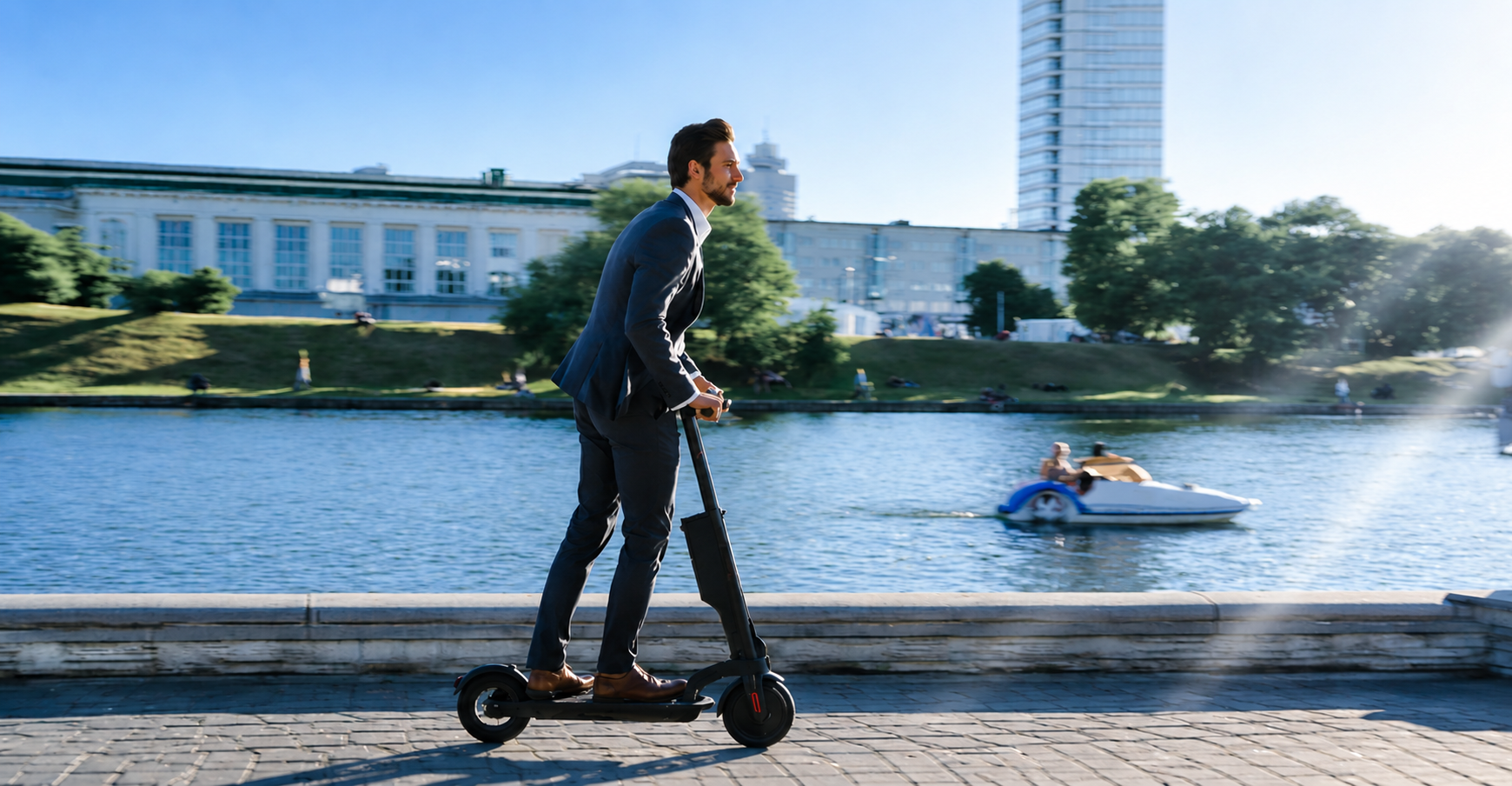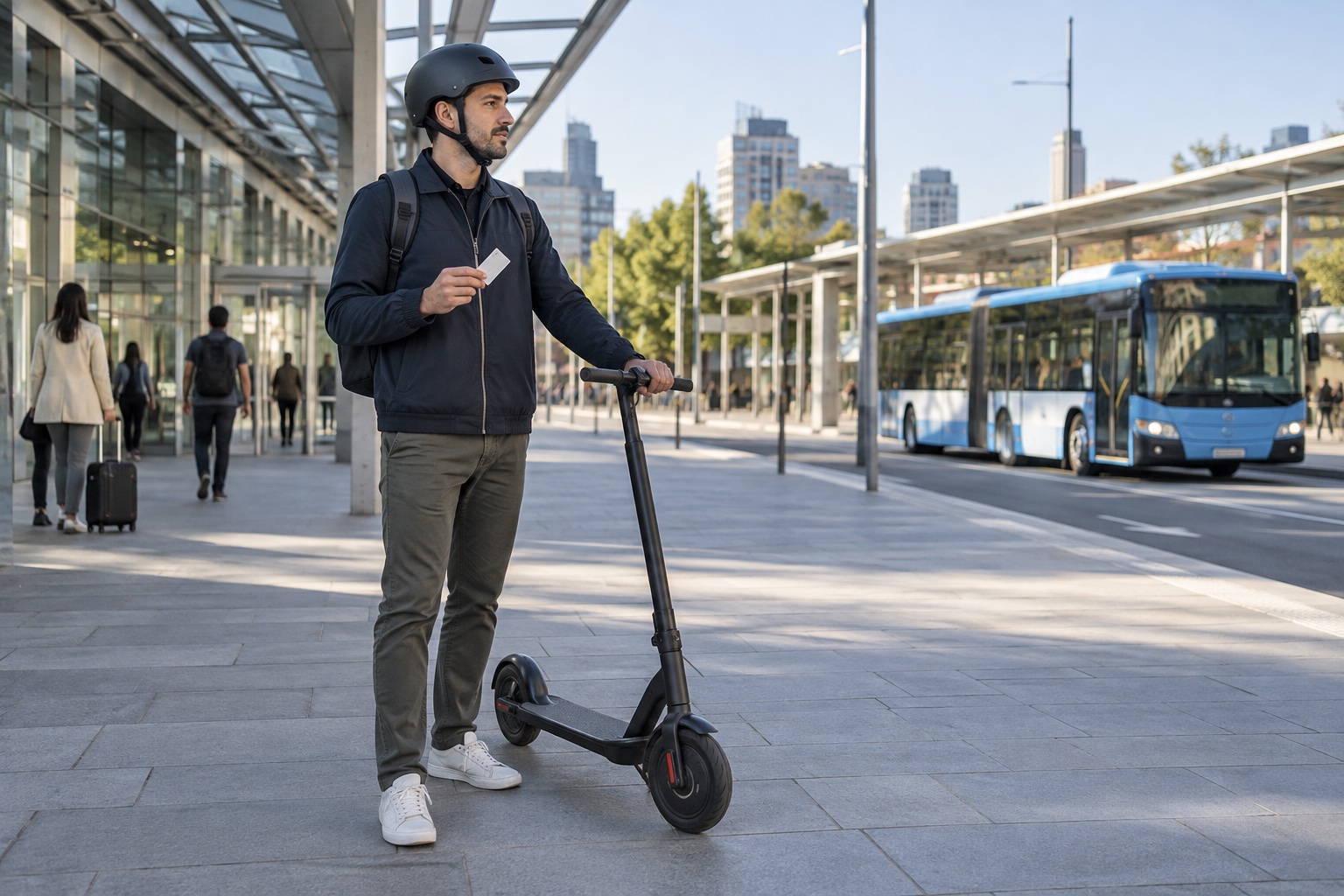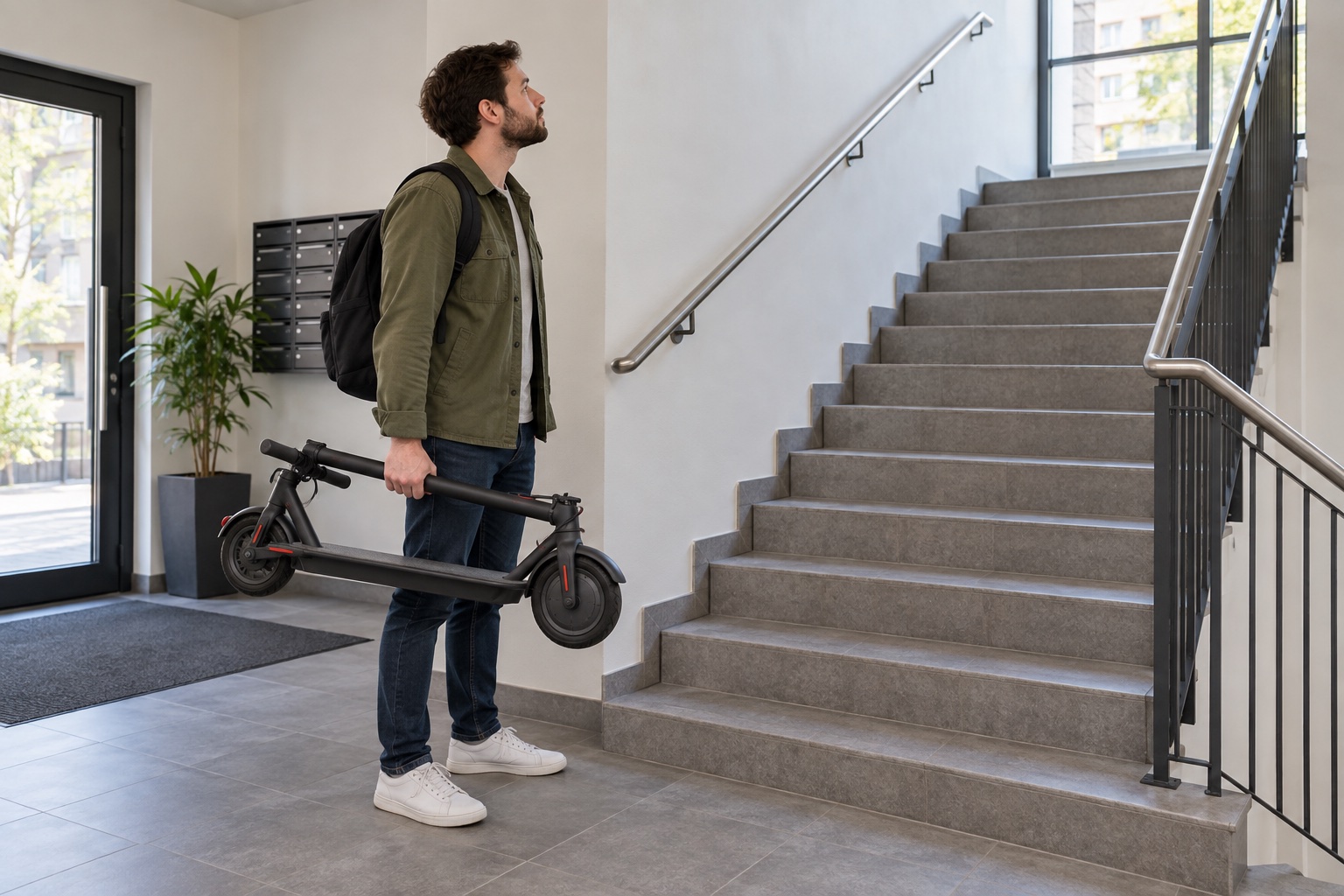

Imagine navigating Columbus traffic during rush hour, watching helplessly as car exhaust fumes rise and minutes tick away before your big meeting. The mounting pressure of delay vanishes completely when you step onto a premium, lightweight electric scooter, zipping effortlessly down designated lanes to arrive cool, calm, and early.
Discovering the legal framework for riding electric scooters in Ohio is the ultimate key to reclaiming your daily commute. Let us break down everything you need to know about navigating the Buckeye State legally.
Are electric scooters in Ohio legal on street roads?
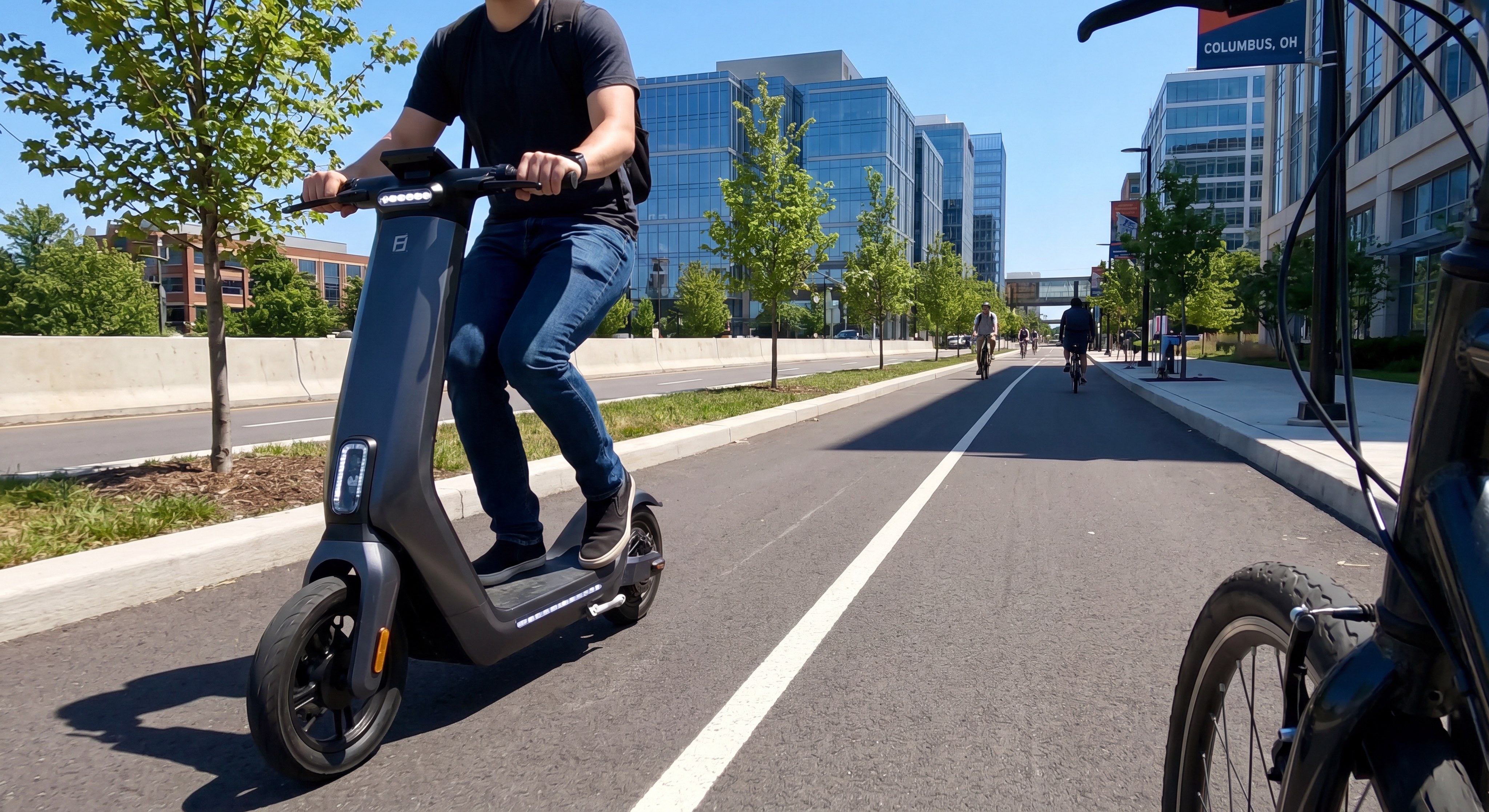
Yes, electric scooters in Ohio are completely legal to ride on public streets and roads under state law. You can navigate most municipal roadways without worrying about state-level bans. This classification provides a reliable framework for daily commuters across the state.
State House Bill 295 Regulations
Think about this: the Ohio General Assembly officially recognized these devices under House Bill 295. This landmark bill categorized them as low-speed micromobility options. This classification helps differentiate them from larger, heavier road vehicles.
- You must ride as far to the right side of the road as practicable.
- You are required to obey all traffic control devices and stop signs.
- You must always yield to pedestrians on all pathways.
Where You Can Legally Ride
You can ride on bike paths, shared-use trails, and public streets. However, local municipalities retain the power to restrict them from specific high-speed roads. Staying on designated paths keeps you safe and out of traffic trouble.
Key Takeaway: Under House Bill 295, electric scooters are fully legal on roads with speed limits under 35 MPH, provided you follow standard bicycle traffic rules.
| Road Type | Legal Status | Speed Limit Rule |
|---|---|---|
| Public Streets | Allowed | Up to 20 MPH |
| Bike Lanes | Allowed | Follow lane limits |
| Highways | Prohibited | Strictly banned |
This legal matrix shows exactly how state regulations partition access to keep scooter riders safe on public roads.
What speed limits apply to electric scooters in Ohio?
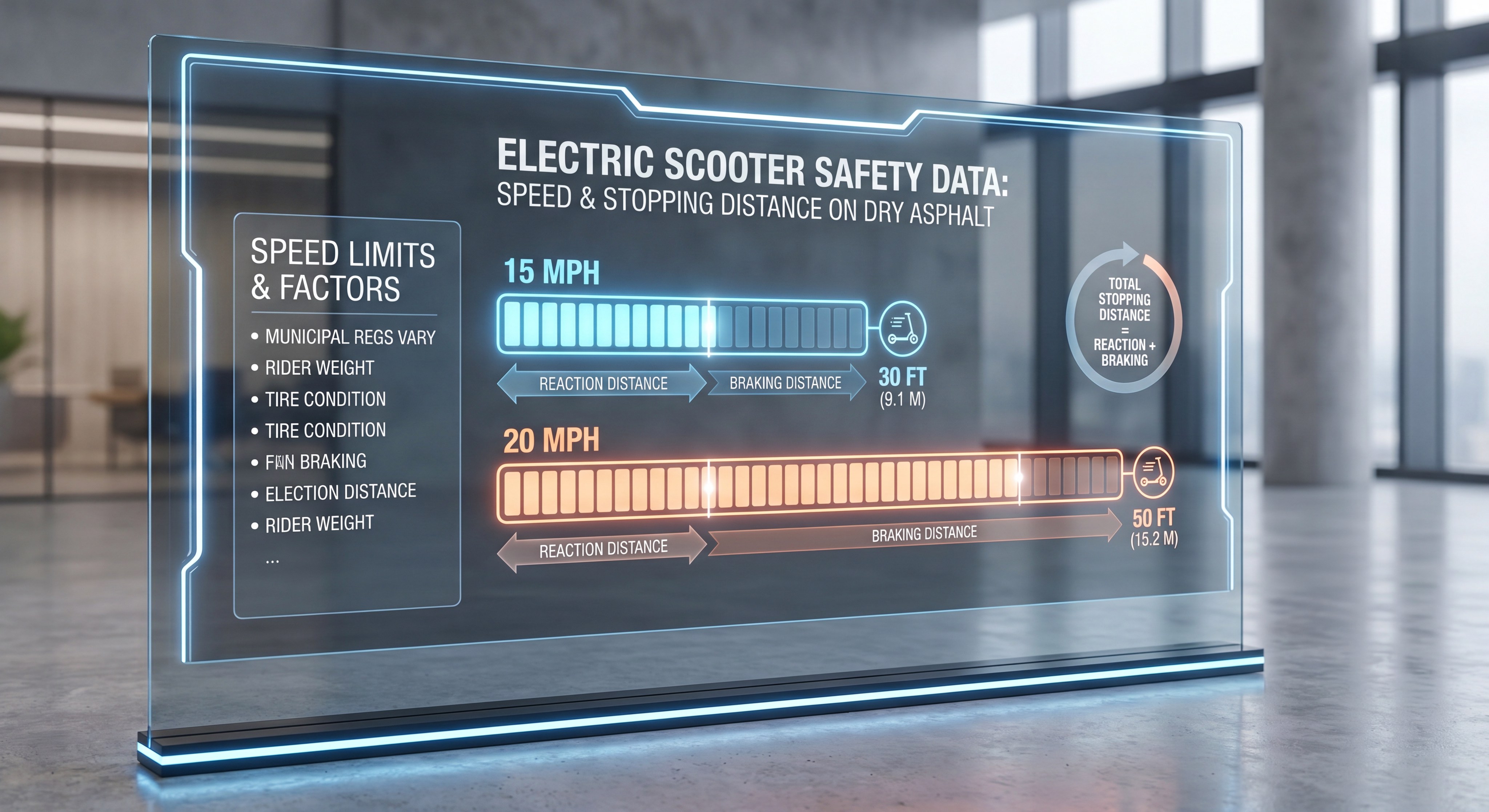
The maximum legal speed limit for electric scooters in Ohio is capped at 20 miles per hour on public streets. This limit ensures that you can travel efficiently while keeping everyone safe on the road. Exceeding this speed can result in steep fines and vehicle reclassification.
The Safety Logic Behind 20 MPH
Here’s the kicker: operating at high speeds significantly increases your stopping distance during emergency braking. By enforcing a 20 MPH limit, state regulators aim to lower the severity of urban accidents. This protects both you and the pedestrians you share the road with.
- Reaction time is reduced at higher speeds.
- Braking on wet asphalt requires extra distance.
- Lower speeds protect vulnerable pedestrians.
Local Municipal Speed Variations
Cities like Columbus and Cleveland have the authority to lower speed limits in heavy pedestrian areas. You must remain vigilant of local signs that post lower speed limits. Adhering to these local changes keeps the peace in busy commercial centers.
Key Takeaway: While state law permits 20 MPH, always check local municipal rules as busy downtown districts often enforce a lower limit of 15 MPH.
| Location Type | Max Legal Speed | Risk Factor |
|---|---|---|
| State Highways | 20 MPH | High traffic |
| Downtown Zones | 15 MPH | High pedestrian density |
| Campus Paths | 10-15 MPH | Shared tight spaces |
This variation in speed caps demonstrates how local authorities balance rider efficiency with pedestrian safety in crowded areas.
Do you need a license for electric scooters in Ohio?
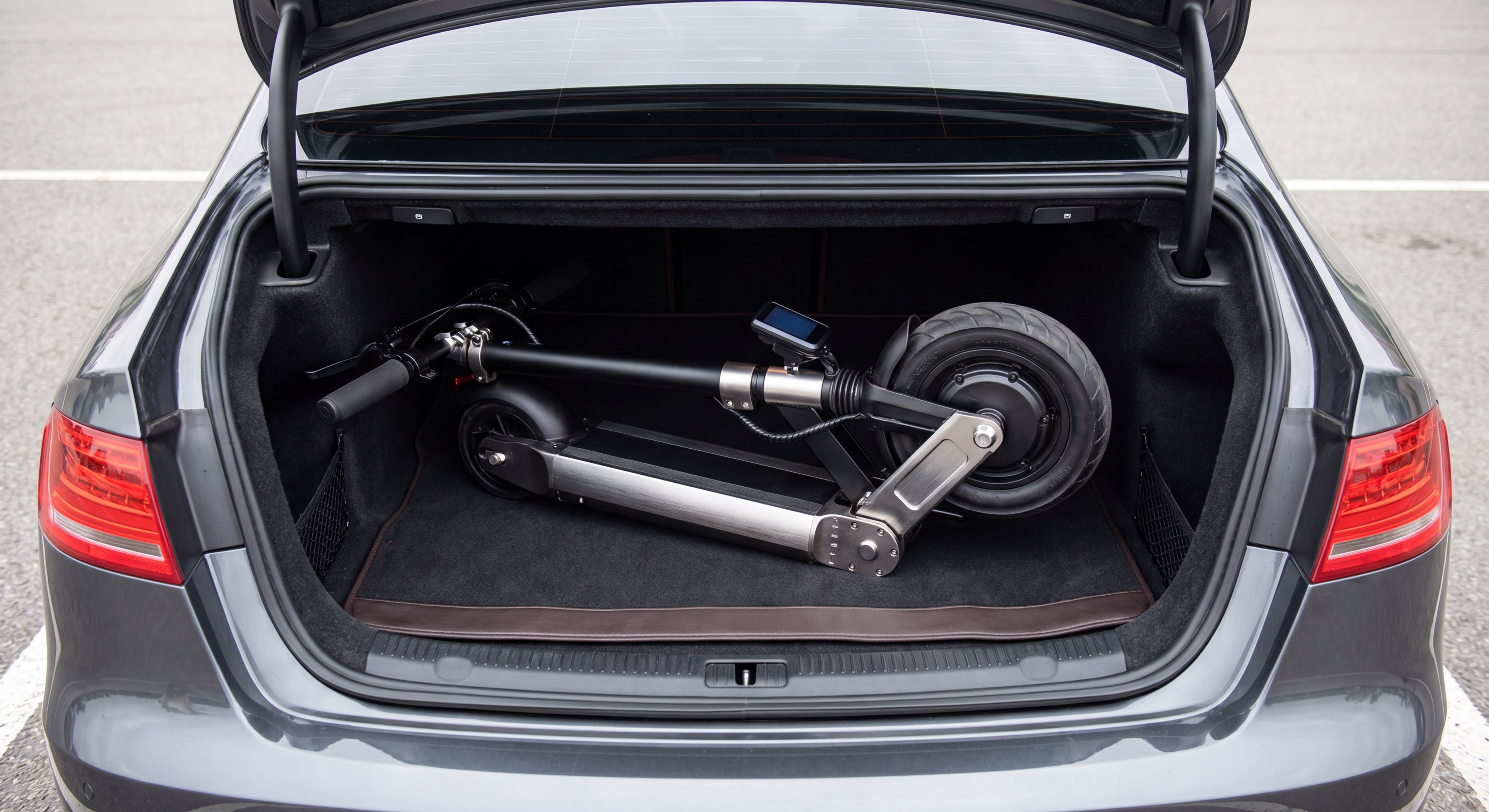
No, you do not need a driver’s license or permit to operate electric scooters in Ohio. This regulatory exemption makes micromobility accessible to almost anyone looking for a clean transport alternative. You can simply jump on and ride without dealing with the DMV.
DMV Exemptions and Registration Rules
But that’s not all. Since these devices do not require a license, you also do not need to register them with the state. This means you save money on annual registration fees and mandatory vehicle inspections.
- No driver’s license is required.
- No state license plates are needed.
- No mandatory insurance is enforced by the state.
Traffic Rule Compliance Still Applies
Even without a license, you are legally required to obey the rules of the road. Law enforcement officers can still ticket you for running red lights or riding recklessly. Professional rider behavior protects the privileges of the entire riding community.
Key Takeaway: You do not need a license or registration to ride, but you are fully bound by standard traffic regulations and can be fined for violations.
| Document / Requirement | Mandatory? | State Authority |
|---|---|---|
| Driver’s License | No | Bureau of Motor Vehicles |
| Vehicle Registration | No | Bureau of Motor Vehicles |
| Traffic Rule Obedience | Yes | Local Police Departments |
This legal structure highlights how Ohio removes administrative hurdles for riders while maintaining strict on-road accountability.
Are there age limits for electric scooters in Ohio?
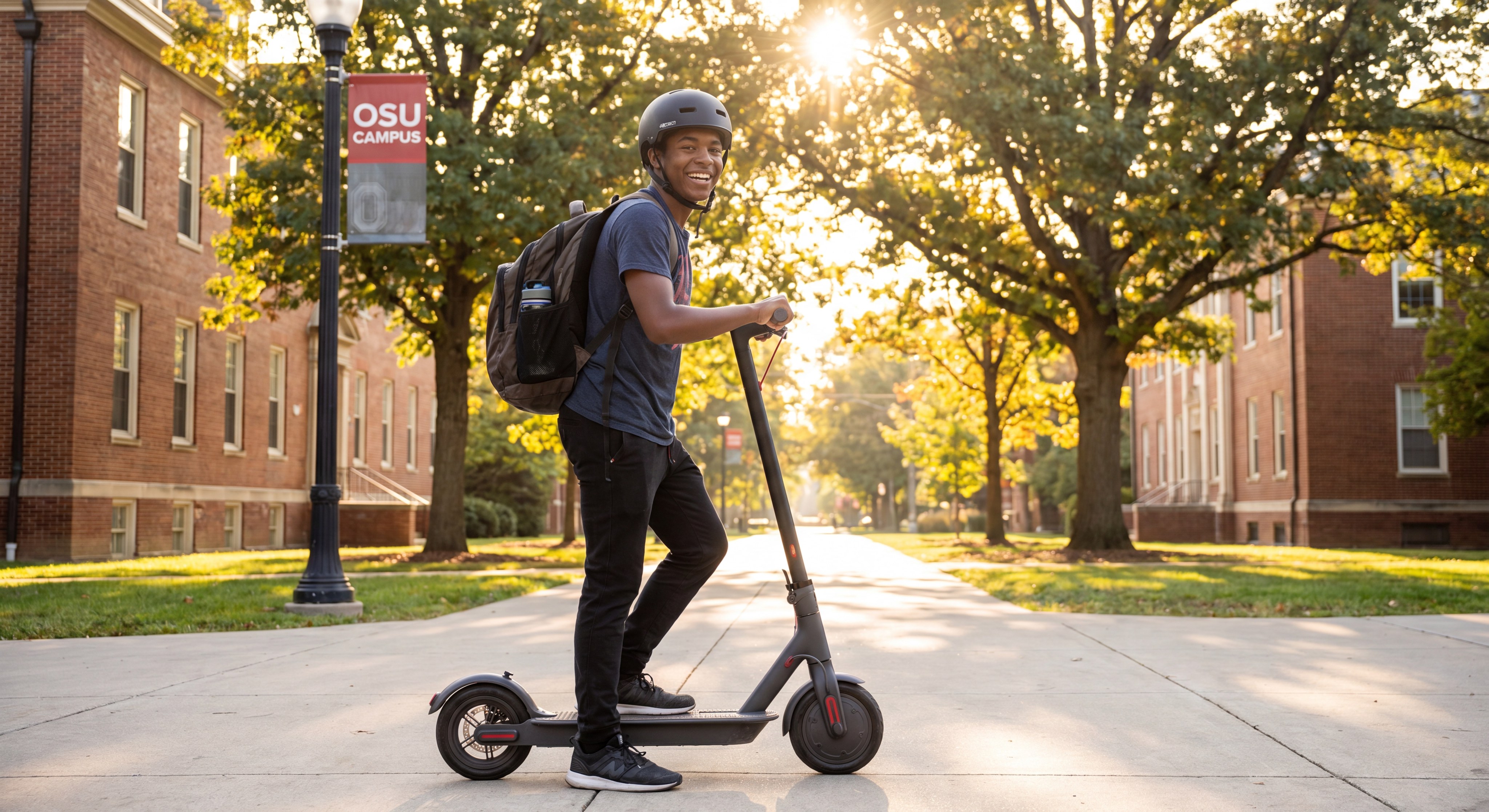
Yes, there are age restrictions for riding electric scooters in Ohio, which are largely determined by local municipal laws. Most major cities require riders to be at least 16 years of age to operate these devices on public streets. This safety measure ensures that riders can handle busy traffic safely.
Parental Responsibility and Teen Riders
Think about it. Allowing young children to ride powerful electric models poses serious safety risks on public roadways. Parents can be held legally and financially liable if an underage child causes an accident.
- Riders under 16 often face local bans on street riding.
- Supervision by an adult is recommended for teens.
- Helmet usage is highly encouraged for young riders.
Rental Company Age Policies
Commercial rental scooter apps enforce their own strict age limits through user agreements. You must usually be 18 or older to unlock a rental scooter using a smartphone app. Private ownership offers more flexibility for responsible teenagers.
Key Takeaway: While state law is flexible, local municipalities and rental platforms generally restrict scooter use to riders who are 16 or 18 years old.
| Rider Category | Age Requirement | Typical Legal Restrictions |
|---|---|---|
| Private Scooter Riders | 16+ (Local rule) | Allowed on public roads |
| Rental Scooter Users | 18+ (App rule) | Must sign digital waiver |
| Underage Riders | Under 16 | Restricted to private property |
This age-based regulatory framework is designed to prevent accidents by keeping younger, inexperienced riders off high-traffic city streets.
Can you ride electric scooters in Ohio on sidewalks?
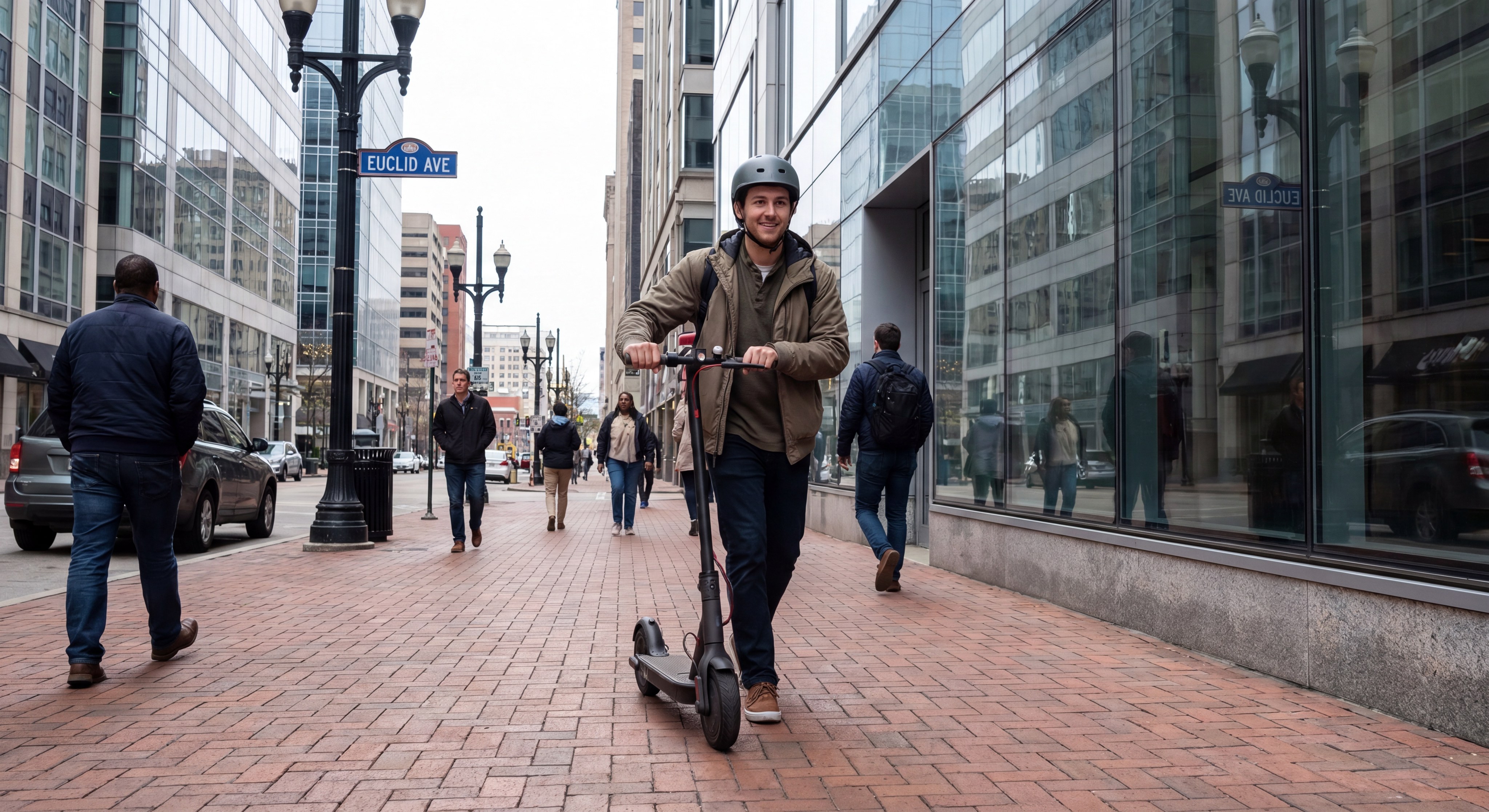
No, riding electric scooters in Ohio on sidewalks is generally prohibited in busy business and downtown districts. Municipalities restrict sidewalk riding to protect pedestrians from high-speed collisions. You should always opt for marked bike lanes or quiet side streets instead.
Want to know the real secret? If you must cross a sidewalk to park or enter a building, you are legally required to dismount and push your scooter. Walking your scooter keeps you in compliance and prevents accidents with pedestrians.
- Dismount your scooter on crowded sidewalks.
- Always yield the right of way to walkers.
- Use an audible signal when passing pedestrians on shared paths.
Fines for Sidewalk Violations
Police in cities like Columbus and Cleveland can issue citations if they catch you riding on designated pedestrian walkways. Fines can quickly add up, turning a fun ride into an expensive mistake. Protecting public walking paths ensures a safe environment for everyone.
Key Takeaway: Sidewalk riding is illegal in most urban business districts, meaning you must ride on the street or walk your device.
| Area Classification | Sidewalk Riding Status | Penalty for Violation |
|---|---|---|
| Downtown Business Districts | Strictly Prohibited | Cash fine up to $150 |
| Suburban Residential Areas | Allowed (Check local laws) | Warning or minor fine |
| Shared Multi-Use Paths | Allowed | None (Must yield to pedestrians) |
These spatial boundaries protect vulnerable foot traffic while steering faster micromobility riders onto designated lanes.
What gear is required for electric scooters in Ohio?
The legal gear requirements for electric scooters in Ohio focus on nighttime lighting and safety equipment. State law mandates specific visibility gear if you plan to ride after sunset or before sunrise. Outfitting your ride correctly is the best way to stay safe and compliant.
Lighting Rules for Night Riding
Think about this: to ride legally at night, your device must have a front headlight visible from at least 500 feet. You must also have a red rear reflector or rear light visible from the back. These lights make you highly visible to heavy motorist traffic.
- Front white light is mandatory for night riding.
- Rear red light or reflector must be attached.
- Reflective clothing is highly recommended for safety.
Helmet Laws for Riders
Ohio law does not force adults over 18 to wear helmets, but local rules often require them for minors under 18. Wearing a certified helmet protects you from life-altering head injuries during a fall. Investing in quality safety gear is always a smart decision.
Key Takeaway: You must use functional lights at night by law, and while adult helmets are optional, wearing one is highly advised.
| Safety Gear | Legal Status (Adults) | Legal Status (Minors under 18) |
|---|---|---|
| Front Headlight | Mandatory at night | Mandatory at night |
| Rear Red Reflector | Mandatory at night | Mandatory at night |
| Safety Helmet | Highly Recommended | Mandatory in many cities |
This safety equipment checklist shows how simple visibility upgrades can drastically reduce night riding hazards.
Where can you park electric scooters in Ohio cities?
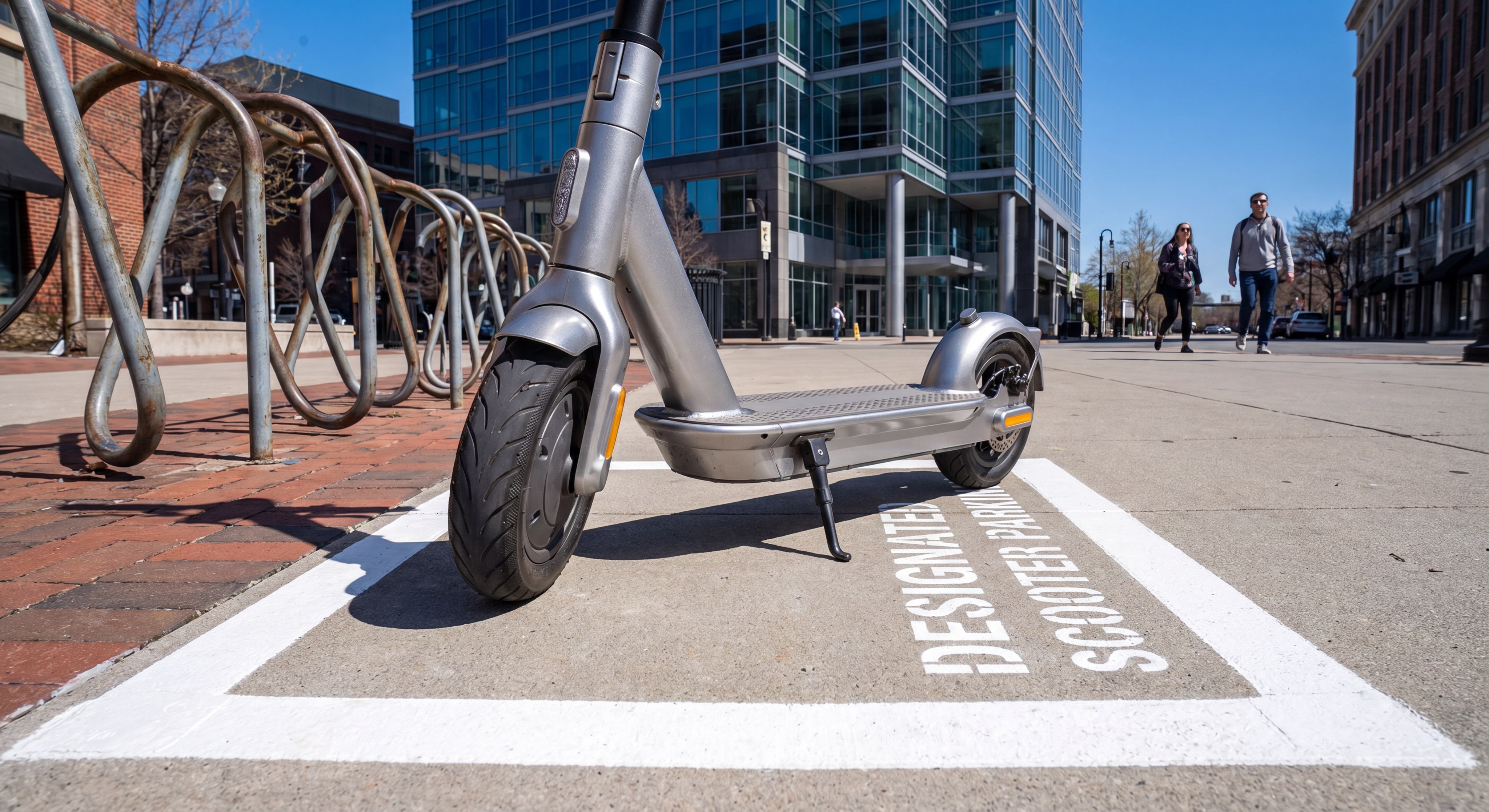
You must park electric scooters in Ohio in a manner that does not block pedestrian walkways, building entrances, or emergency pathways. Proper parking ensures that sidewalks remain accessible to everyone, including disabled citizens. Parking incorrectly can lead to your scooter being impounded by city crews.
ADA Compliance and Walkway Safety
Here’s the kicker: blocking curb ramps, transit stops, or building access points is a direct violation of the Americans with Disabilities Act. You must always park your scooter upright using its kickstand, clear of the main walking path.
- Do not block wheelchair access ramps.
- Never park in front of emergency fire hydrants.
- Keep building exit pathways completely clear.
Dedicated Scooter Parking Zones
Many Ohio cities now provide designated parking zones painted on street corners. Utilizing these zones keeps the city streets clean and organized. It is a simple habit that reflects positively on the riding community.
Key Takeaway: Always park your scooter upright, off the pedestrian path, and ideally in designated municipal micromobility parking spaces.
| Parking Location | Legal Status | Potential Risk / Consequence |
|---|---|---|
| Designated Scooter Box | Perfect | Fully compliant, zero risk |
| Sidewalk (Curbside) | Allowed | Must leave at least 3 feet of path |
| In front of ADA Ramps | Prohibited | Direct impoundment and fine |
This parking framework demonstrates how structured parking habits prevent city sidewalks from becoming cluttered obstacle courses.
Are DUI laws applied to electric scooters in Ohio?

Yes, Ohio’s Operating a Vehicle Impaired (OVI) laws apply fully to electric scooters in Ohio. Because state law treats motorized scooters as vehicles, riding under the influence of drugs or alcohol carries severe legal penalties. You should never ride your scooter if you have been drinking.
Legal Consequences of Scooter OVIs
Think about it. If police catch you riding with a blood alcohol concentration of 0.08% or higher, you can face immediate arrest. An OVI charge can lead to losing your driver’s license, even though you do not need one to ride a scooter.
- Your driver’s license can be suspended.
- You may face expensive court fines.
- Impaired riding carries a risk of jail time.
Keeping Your Rides Safe and Dry
Riding impaired drastically reduces your reaction time and balance, making a serious accident highly likely. If you plan to drink, choose a ride-share service to get home safely. Keeping your rides sober preserves your safety and driving record.
Key Takeaway: Ohio treats scooter riding under the influence as a serious OVI offense, carrying the same severe penalties as drunk driving a car.
| Offense Type | Legal BAC Limit | Potential Penalties in Ohio |
|---|---|---|
| First-Time Scooter OVI | 0.08% or higher | License suspension, fines, mandatory classes |
| Repeat OVI Offenses | 0.08% or higher | Jail time, vehicle confiscation, high fines |
| Sober Riding | 0.00% | Zero legal risk, maximum safety |
This strict enforcement of OVI laws reflects the state’s zero-tolerance policy toward impaired operation of any motorized transit device.
How do local cities regulate electric scooters in Ohio?

Local cities across the state enforce unique ordinances to govern electric scooters in Ohio based on their specific urban layouts. While state law provides a general framework, municipal governments have the final say on where you can ride and park. Understanding these regional differences is vital for a smooth commute.
Columbus and Cleveland Rules
But that’s not all. Columbus bans sidewalk riding downtown and caps speeds at 15 MPH. Cleveland enforces specific geofenced speed limits near major parks and shuts down rental operations late at night.
- Columbus strictly bans sidewalk riding in commercial zones.
- Cleveland restricts late-night commercial scooter operations.
- Both cities prioritize bike lane usage over sidewalk usage.
Cincinnati’s Hilly Terrain Regulations
Cincinnati prohibits sidewalk riding in the business district but welcomes riders in designated bike lanes. Because of the city’s steep hills, riding a powerful model is highly beneficial for commuters. Having enough torque to handle inclines is crucial here.
Key Takeaway: Always look up the specific municipal scooter codes for the city you are riding in, as rules vary from Columbus to Cincinnati.
| Ohio City | Sidewalk Status | Speed Limit Policy | Special Local Rule |
|---|---|---|---|
| Columbus | Banned Downtown | 15 MPH | High enforcement near OSU campus |
| Cleveland | Banned in Business Districts | 15 MPH | Shuts down rental fleets at night |
| Cincinnati | Banned in Business Districts | 20 MPH | Focuses on hill-climbing safety |
This localized municipal matrix demonstrates how Ohio’s major cities adapt state guidelines to fit their distinct urban environments.
How to safely ride electric scooters in Ohio roads?
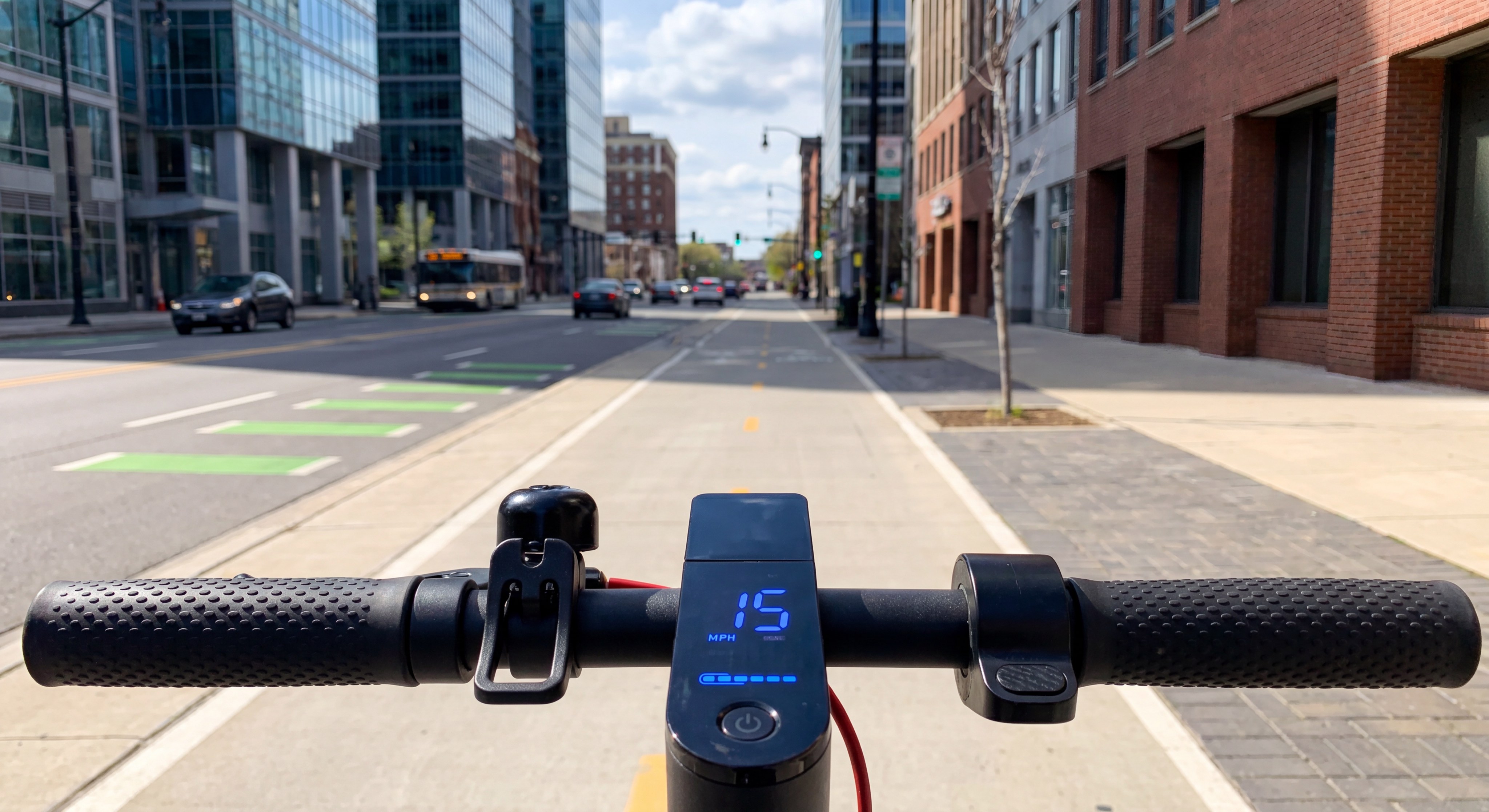
Safe riding practices on public streets require you to remain highly visible, maintain a proper riding posture, and follow defensive driving habits while operating electric scooters in Ohio. Sharing the road with heavy motor vehicles is much safer when you ride predictably. Staying alert is your best defense against unexpected hazards.
Defensive Riding Habits in Traffic
Want to know the real secret? Always assume car drivers cannot see you, and avoid riding in their blind spots. Use clear hand signals before turning and slow down before approaching busy intersections.
- Never ride with headphones in both ears.
- Keep both hands on the handlebars at all times.
- Stay alert to parked car doors opening into your path.
Handling Road Hazards Safely
Ohio weather can create slippery leaves, potholes, and wet surfaces. Reducing your speed and using a dual-brake system can help you maintain full traction and control. Proper hardware makes a massive difference in stability.
Key Takeaway: Defensive habits, constant situational awareness, and reliable brakes are the ultimate keys to staying safe on public roads.
| Road Hazard | Safe Response Strategy | Mechanical Feature Benefit |
|---|---|---|
| Potholes / Debris | Avoid completely or slow down | Dual-shock tires absorb impact |
| Wet Asphalt | Reduce speed and brake early | Dual-braking systems prevent slides |
| Car Blind Spots | Ride defensively, use lights | Bright LED headlights improve visibility |
This defensive riding strategy illustrates how combining safe rider behavior with high-performance hardware creates a secure commuting experience.
Conclusion
The choice is yours. Navigating Ohio’s scooter laws is straightforward once you memorize the core speed, age, and sidewalk rules. Armed with this knowledge, you are fully prepared to enjoy a green, fast, and incredibly fun way to travel through the Buckeye State.
Ready to upgrade your daily commute with a premium, reliable, and compliant ride? Check out our premium selection of micromobility solutions or contact us today to find the perfect model for your lifestyle.

Frequently Asked Questions
Can I ride my electric scooter on Ohio state highways?
No, you cannot. State law strictly bans low-speed micromobility devices from any high-speed roadway with a posted speed limit exceeding 35 MPH, as these routes present extreme speed differentials that are highly dangerous for lightweight scooter riders.
What’s the best electric scooter for commuting in Ohio?
The Dynamic Scooter Model B is the best choice. It perfectly balances a street-compliant 15 MPH top speed, a convenient lightweight foldable frame weighing just 10 kg, an IP54 waterproof rating to handle unpredictable weather, and a highly accessible price point that fits a family budget.
How do I know if my scooter is street legal in Ohio?
It is street legal if its maximum speed capability does not exceed 20 MPH on level ground. Under House Bill 295, devices exceeding this limit are no longer classified as low-speed micromobility devices, meaning they would require registration, license plates, and insurance to operate legally.
Can I carry a passenger on my electric scooter in Ohio?
No, you cannot. These scooters are legally manufactured and classified for single-rider operation only, and carrying a second passenger compromises stability, exceeds manufacturer weight limits, and violates local municipal safety ordinances.
What should I do if my electric scooter battery gets wet?
Wipe down the exterior immediately and let the scooter dry completely in a well-ventilated, indoor area. While quality scooters feature solid water resistance ratings to protect against road splashes, protecting the internal detachable lithium battery from prolonged moisture exposure prevents short-circuits and preserves battery health.