

Moped vs. Electric Scooter: Which Commuter Ride Fits Your Lifestyle?
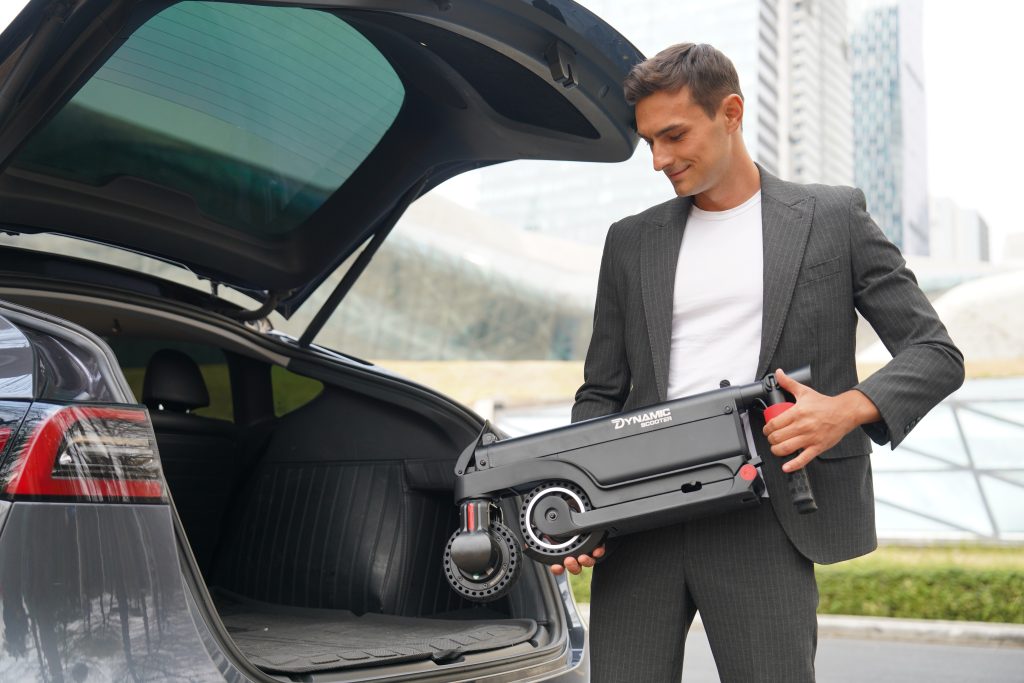
Choosing between a moped and an electric scooter ultimately comes down to whether you prioritize long-range seated cruising or ultra-portable, lane-filtering agility. Picture your typical morning commute: you are trapped in a suffocating gridlock of steel and exhaust, watching the minutes tick away while your stress levels skyrocket. The endless search for a parking spot that drains your wallet, the volatile gas prices, and the sheer frustration of a crawling bumper-to-bumper crawl turn your daily transit into an expensive, exhausting chore. Fortunately, there is a better way to reclaim your time, energy, and freedom. Modern commuters are bypassing these highway headaches by switching to mopeds and electric scooters to transform their daily grind into a swift, exhilarating sprint. Let’s take a close look at how these two micro-mobility powerhouses compare so you can choose your perfect urban companion. Why buy mopeds and electric scooters? You should buy mopeds and electric scooters if you want to bypass exhausting traffic jams, slash your daily commuting costs, and enjoy a faster, more flexible journey through the city. Choosing between these two modes of transport represents a major lifestyle decision that determines how seamlessly your ride integrates into your daily workspace and personal routine. While both vehicles escape traditional gridlock, they offer completely different approaches to personal freedom and style. Understanding their distinct mechanical and legal profiles is the first step toward reclaiming your time and upgrading your daily mobility. Are you ready to upgrade your morning grind? Let’s face it: time is your most valuable commodity. Sitting passively in a gridlocked sedan drains your mental energy long before you step into your first meeting of the day. Switching to personal micro-mobility turns your daily commute from a stressful tax into an active, focus-boosting morning routine. You gain predictable travel times, direct point-to-point routing, and a refreshing burst of morning energy. Key Takeaway: Reclaiming your personal schedule begins with choosing an agile, active vehicle that fits your spatial needs and gives you direct control over your door-to-desk timeline. How fast are mopeds and electric scooters? Traditional mopeds generally achieve higher maximum speeds on open roads, while electric scooters deliver quicker instantaneous acceleration for navigating tight, stop-and-go urban gridlock. The velocity profile of modern mopeds and electric scooters is shaped heavily by their distinct engine and motor designs. Evaluating these performance characteristics ensures you pick a ride that keeps up with your local traffic flow. Choosing the right speed profile depends entirely on the speed limits and density of your standard route. What is the true top speed of a modern moped? Here is the thing: raw speed on paper doesn’t always translate to a faster urban commute. Gas-powered and high-wattage electric mopeds easily sustain speeds between 30 mph and 35 mph, which lets you merge comfortably onto multi-lane suburban avenues. However, because of their wider frames, you are still restricted to sharing standard vehicle lanes with large, distracted drivers. This keeps you bound to the flow of traditional traffic lanes. Can high-end electric scooters keep pace? Think about it: how often do you actually hit top speed in bumper-to-bumper city traffic? Premium electric scooters are engineered with high-torque brushless motors that launch you from 0 to 15 mph almost instantly. While software governors often cap top speeds to 15–20 mph for bike path compliance, high-performance models can unlock speeds up to 32 mph on private paths. This rapid power delivery gives you immediate tactical agility at busy intersections. Key Takeaway: While mopeds boast a slightly higher maximum velocity on open suburban corridors, electric scooters offer superior tactical speed in crowded downtown centers, using immediate electric torque to effortlessly carve through bottlenecks. Speed Performance Metric Traditional 50cc Mopeds Premium Electric Scooters Top Speed Range 30 – 35 MPH 15 – 32 MPH (Model-Dependent) Acceleration (0-15 MPH) Moderate (Engine lag) Instant (Brushless Motor Torque) Congestion Performance Sub-optimal (Trapped in traffic lanes) Exceptional (Bypasses gridlock via bike lanes) Let us now look at how the physical weight of these two platforms impacts your daily storage and transport options. Who wins on mopeds and electric scooters weight? High-performance electric scooters win the weight and portability battle by a landslide, offering a lightweight, foldable build that you can easily carry indoors. Comparing the physical footprints of modern mopeds and electric scooters reveals how drastically their weights affect your storage, lifting, and parking routines. While one vehicle can be folded in seconds and stored under your office desk, the other behaves like a heavy motorcycle. Your residential layout and office setup will largely dictate which of these physical profiles fits your lifestyle. How much heavy lifting are you willing to do? Let’s face it: hauling a heavy vehicle up a flight of stairs is nobody’s idea of fun. Standard mopeds weigh between 150 and 250 pounds due to their steel frames and fuel systems, requiring a solid kickstand and dedicated ground-floor storage. This weight makes it physically demanding to navigate tight spots. It also locks you out of most indoor storage options entirely. Is portability the ultimate commuter cheat code? The best part? Foldable electric scooters present a completely hassle-free relationship with your living and working spaces. Weighing only 35 to 55 pounds, they are crafted from aerospace-grade aluminum, allowing you to effortlessly carry them anywhere. They represent peak portable freedom for the modern professional. Key Takeaway: If you live in an upper-floor apartment or lack a secure garage, the lightweight, foldable design of an electric scooter is a crucial, daily game-changer. Weight & Footprint Metric Traditional Mopeds Foldable Electric Scooters Average Weight 150 – 250 lbs 30 – 65 lbs Folding Capability None Yes (Quick-Release Steer Tube) Indoor Storage Suitability Non-existent (Must park curbside) Outstanding (Fits under desk, in closet) With the physical footprint established, let’s examine how these two options compare when it comes to riding comfort and seating posture. Do mopeds and electric scooters have seats? Traditional mopeds come standard with permanently integrated seats for a relaxed, motorcycle-style ride, whereas electric scooters typically feature a stand-up […]
Moped vs. Electric Scooter: Which Commuter Ride Fits Your Lifestyle? Read More »